
Steamed persimmon pudding is a delightful dessert that elevates the sweet, unique flavor of ripe persimmons into a moist, fluffy treat. Unlike traditional baked puddings, steaming enhances the natural sweetness and tenderness of the ingredients, resulting in a dessert that is both satisfying and comforting. This recipe will guide you through creating this exquisite dish, ensuring that you impress your family and friends with a classic that is perfect for any occasion.
Ingredients Needed for Steamed Persimmon Pudding
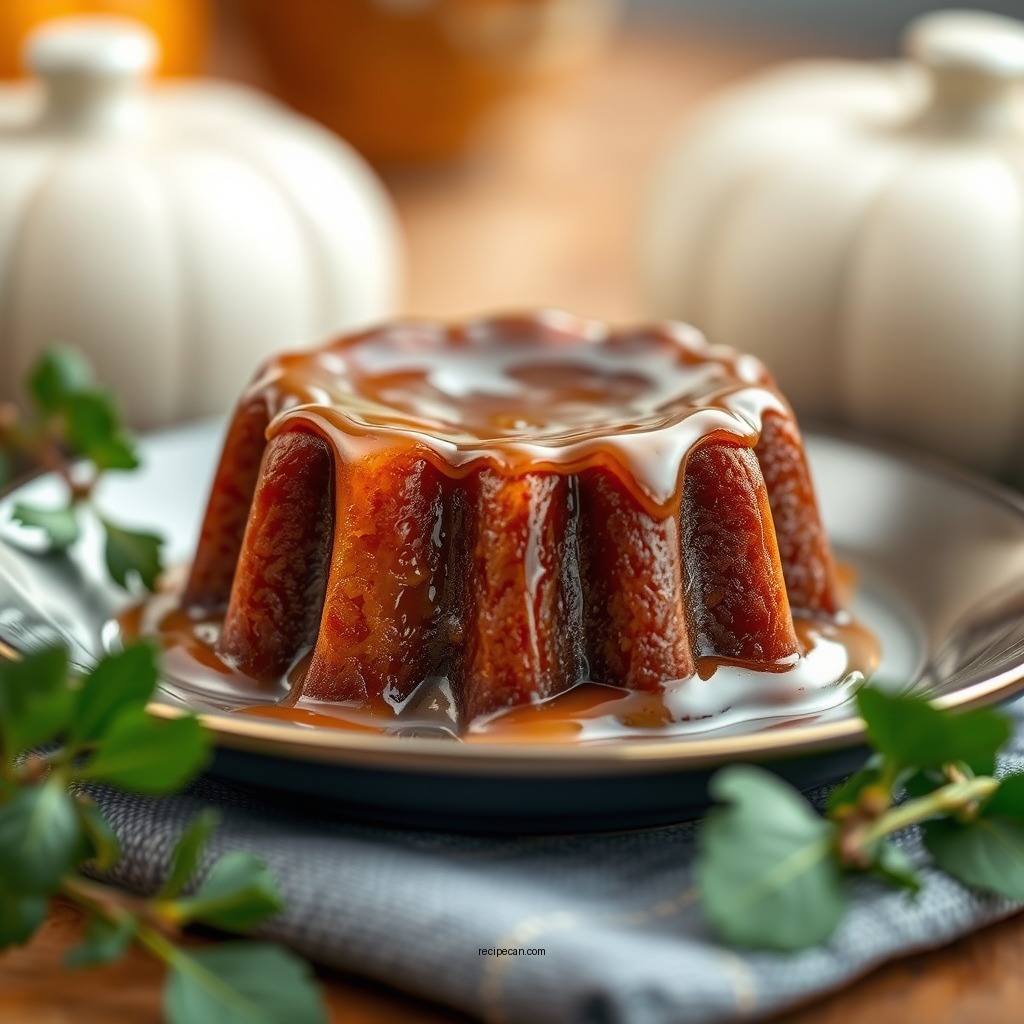
To recreate this delightful steamed persimmon pudding, you will need the following ingredients:
– Ripe Persimmons: Choose Hachiya persimmons for their superior sweetness and smooth texture. They should be fully ripe, almost mushy to the touch.
– Basic Baking Ingredients:
– Flour: All-purpose flour works best for this recipe.
– Sugar: Granulated sugar enhances the pudding’s sweetness.
– Baking Powder: This leavening agent helps the pudding rise and achieve a fluffy texture.
– Spices: Ground cinnamon and nutmeg add warmth and depth to the flavor profile.
– Additional Ingredients:
– Eggs: Bind the ingredients together and add richness.
– Melted Butter: Adds moisture and flavor, making the pudding rich and decadent.
Preparing the Persimmons
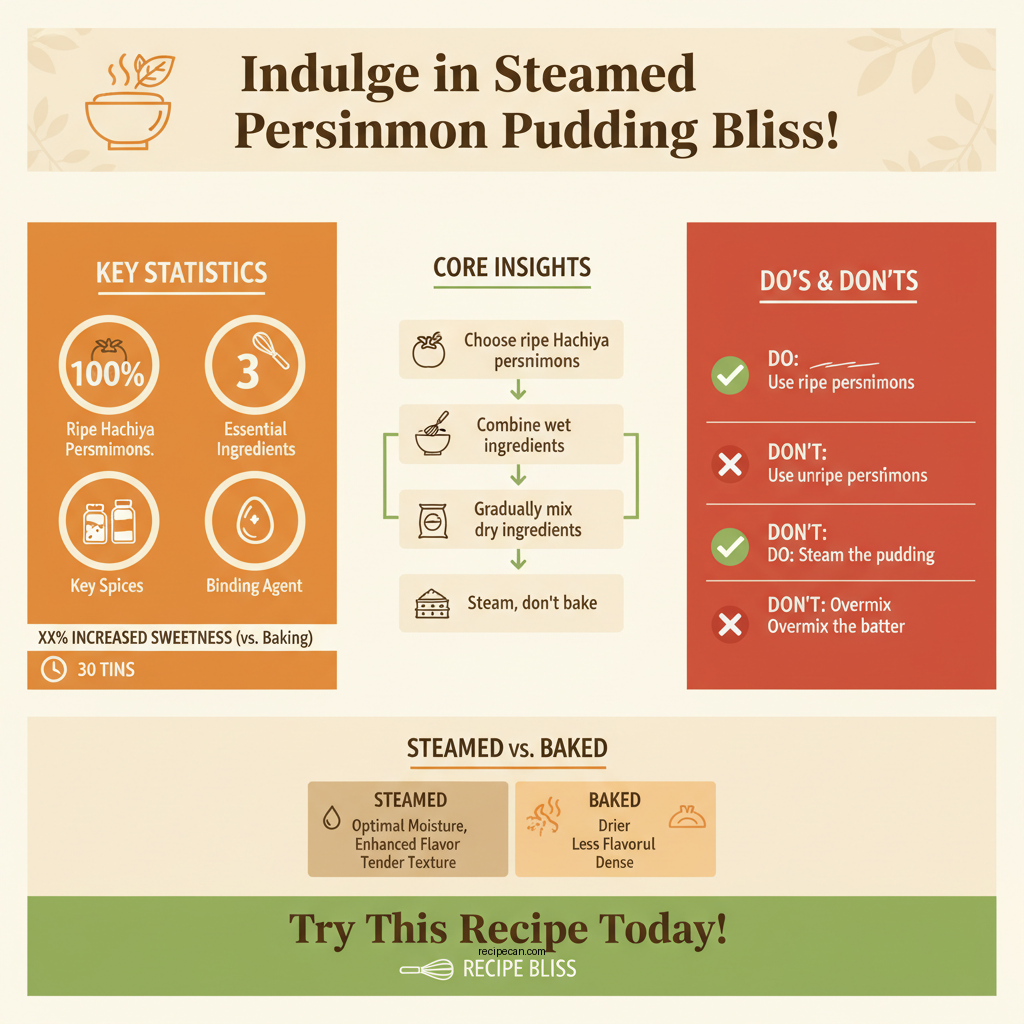

The key to a successful steamed persimmon pudding is the preparation of the persimmons.
1. Selecting the Right Fruit: Ensure that your persimmons are fully ripe. They should feel soft when gently squeezed, indicating their sweetness.
2. Peeling and Mashing: Carefully peel the skin off the persimmons, then mash the pulp with a fork or potato masher. This step is crucial, as it allows the persimmon’s natural flavors to blend seamlessly into the pudding mixture.
Mixing the Pudding Batter
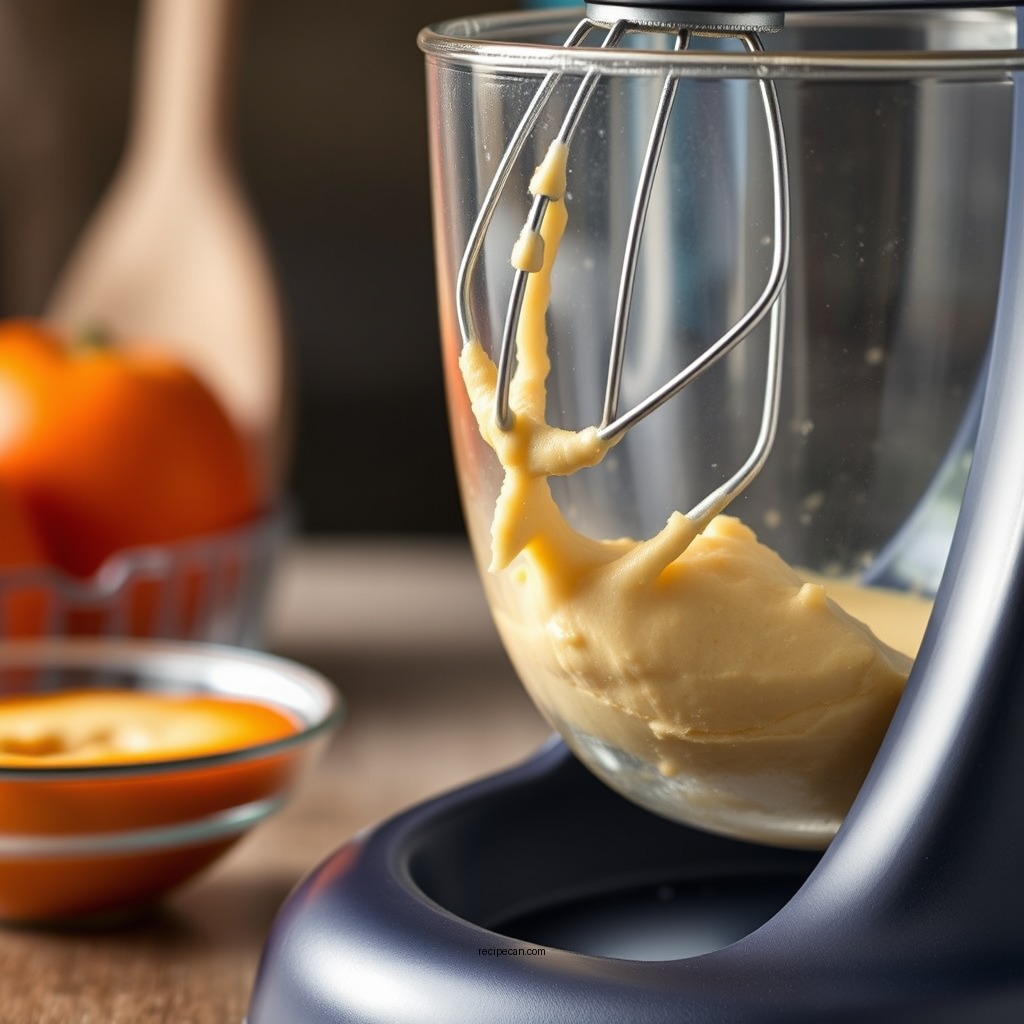
Once your persimmons are prepared, it’s time to mix the batter.
1. Combining Wet Ingredients: In a mixing bowl, combine the mashed persimmons with sugar, eggs, and melted butter. Blend until smooth to create a rich and creamy base.
2. Incorporating Dry Ingredients: Gradually add the flour, baking powder, and spices to the wet mixture. Stir gently until just combined, ensuring there are no lumps. Overmixing can lead to a dense pudding, so be careful to keep the batter light and airy.
Nutritional Comparison of Persimmons
| # | Nutrient | Value per 100g | Daily Value (%) |
|---|---|---|---|
| 1 | Calories | 81 | 4% |
| 2 | Carbohydrates | 22.9g | 8% |
| 3 | Fiber | 3.6g | 14% |
| 4 | Sugars | 13.7g | – |
| 5 | Vitamin A | 81 IU | 2% |
| 6 | Vitamin C | 7.5mg | 8% |
| 7 | Potassium | 161mg | 5% |
Choosing the Right Steaming Method
Steaming is essential for achieving the perfect texture in your persimmon pudding.
1. Steaming Options: You can opt for a bamboo steamer, which allows for even cooking due to its design, or use a traditional pot with a steaming rack. Both methods can produce excellent results.
2. Preparation for Steaming: Fill your pot with water and bring it to a boil before placing the pudding mixture into the steamer. This ensures that the pudding cooks evenly and retains moisture during the steaming process.
Steaming Process and Timing
The steaming process is crucial for achieving the right texture in your pudding.
1. Timing: Steam the pudding for approximately 1 to 1.5 hours. It’s a good idea to check periodically to ensure that the water does not evaporate completely.
2. Testing for Doneness: To check if the pudding is fully cooked, insert a toothpick into the center. If it comes out clean, your pudding is ready to be removed from the steamer.
Steaming Time vs. Texture Quality for Persimmon Pudding
Serving Suggestions
Serving your steamed persimmon pudding is just as important as making it.
1. Classic Pairings: Serve the pudding warm, drizzled with fresh cream or a scoop of vanilla ice cream. These additions enhance the pudding’s sweetness and provide a delightful contrast in texture.
2. Seasonal Accompaniments: Consider pairing the pudding with seasonal fruits such as poached pears or a spiced apple compote. A warm spiced beverage, like chai or mulled wine, can complement the flavors beautifully.
Enjoying your steamed persimmon pudding is an experience to savor. It offers a perfect blend of warmth and comfort that can brighten any gathering or cozy night in.
In conclusion, this steamed persimmon pudding recipe is not just a delightful treat; it is a testament to the beauty of simple ingredients transformed into something extraordinary. By carefully selecting ripe persimmons, perfecting your steaming technique, and serving it with thoughtful accompaniments, you can create a memorable dessert that your loved ones will cherish. Don’t hesitate to share your experiences and any variations you try!
Frequently Asked Questions
What ingredients do I need for a steamed persimmon pudding recipe?
To make a delicious steamed persimmon pudding, you will need ripe persimmons, flour, sugar, eggs, baking powder, milk, and spices like cinnamon and nutmeg. Optional ingredients include chopped nuts and raisins for added texture and flavor. Ensure your persimmons are fully ripe for the best sweetness and consistency in your pudding.
How do I steam persimmon pudding correctly?
To steam persimmon pudding, first prepare your pudding mixture and pour it into a greased pudding mold or a heatproof bowl. Fill a large pot with water, place a steaming rack inside, and bring the water to a boil. Carefully lower the mold into the pot, cover it with a lid, and steam for about 1 to 1.5 hours, checking the water level occasionally to prevent it from drying out.
Why is my steamed persimmon pudding dense and heavy?
A dense and heavy steamed persimmon pudding may result from overmixing the batter or using overly ripe persimmons, which can add excess moisture. To achieve a lighter texture, mix the ingredients just until combined and avoid using overly mushy fruit. Additionally, ensure you are using the correct ratios of dry to wet ingredients.
What is the best way to serve steamed persimmon pudding?
The best way to serve steamed persimmon pudding is warm, drizzled with a rich sauce such as caramel, whiskey sauce, or a dollop of whipped cream. You can also pair it with vanilla ice cream for a delightful contrast in temperature and texture. Garnishing with fresh fruit or nuts can enhance both the presentation and flavor.
Which type of persimmons are best for making pudding?
The best type of persimmons for making pudding are Fuyu persimmons, as they are sweet, firm, and can be used when still crisp. Hachiya persimmons are also suitable but need to be fully ripe and soft for optimal sweetness and flavor. Always choose high-quality, ripe persimmons to ensure your pudding is flavorful and moist.
References
- Persimmon
https://en.wikipedia.org/wiki/Persimmon - https://www.ncbi.nlm.nih.gov/pmc/articles/PMC6625406/
https://www.ncbi.nlm.nih.gov/pmc/articles/PMC6625406/ - https://www.sciencedirect.com/topics/agricultural-and-biological-sciences/persimmon
https://www.sciencedirect.com/topics/agricultural-and-biological-sciences/persimmon - Persimmon | Description & Species | Britannica
https://www.britannica.com/plant/persimmon - https://www.nytimes.com/2021/10/21/dining/persimmons-recipes.html
https://www.nytimes.com/2021/10/21/dining/persimmons-recipes.html - Delocalisation of Majorana quasiparticles in plaquette–nanowire hybrid system | Scientific Reports
https://www.nature.com/articles/s41598-019-49227-5 - https://www.cdc.gov/nutrition/about-nutrition/food-safety.html
https://www.cdc.gov/nutrition/about-nutrition/food-safety.html - Google Scholar Google Scholar
https://scholar.google.com/scholar?q=persimmon+pudding+recipe+steamed - Google Scholar Google Scholar
https://scholar.google.com/scholar?q=persimmon+recipes - Google Scholar Google Scholar
https://scholar.google.com/scholar?q=steamed+pudding+persimmon
