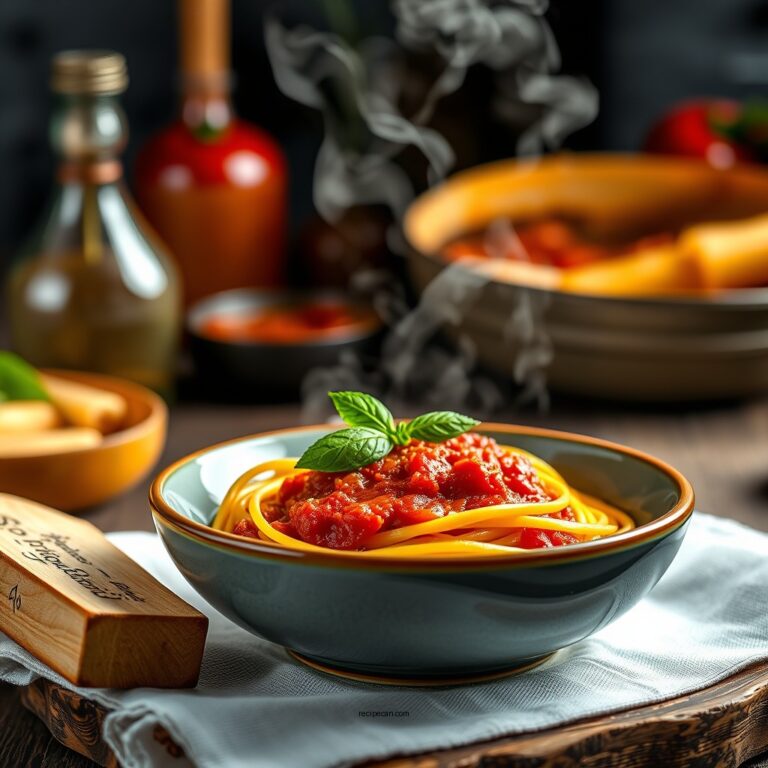
To successfully can your own spaghetti sauce, start with a reliable recipe that ensures safety and flavor. This guide will teach you how to make a delicious spaghetti sauce perfect for canning, covering essential ingredients, safe canning practices, and tips for storage. By following these steps, you can savor the taste of homemade sauce year-round, making your meals not only convenient but also bursting with flavor.
Essential Ingredients for Spaghetti Sauce
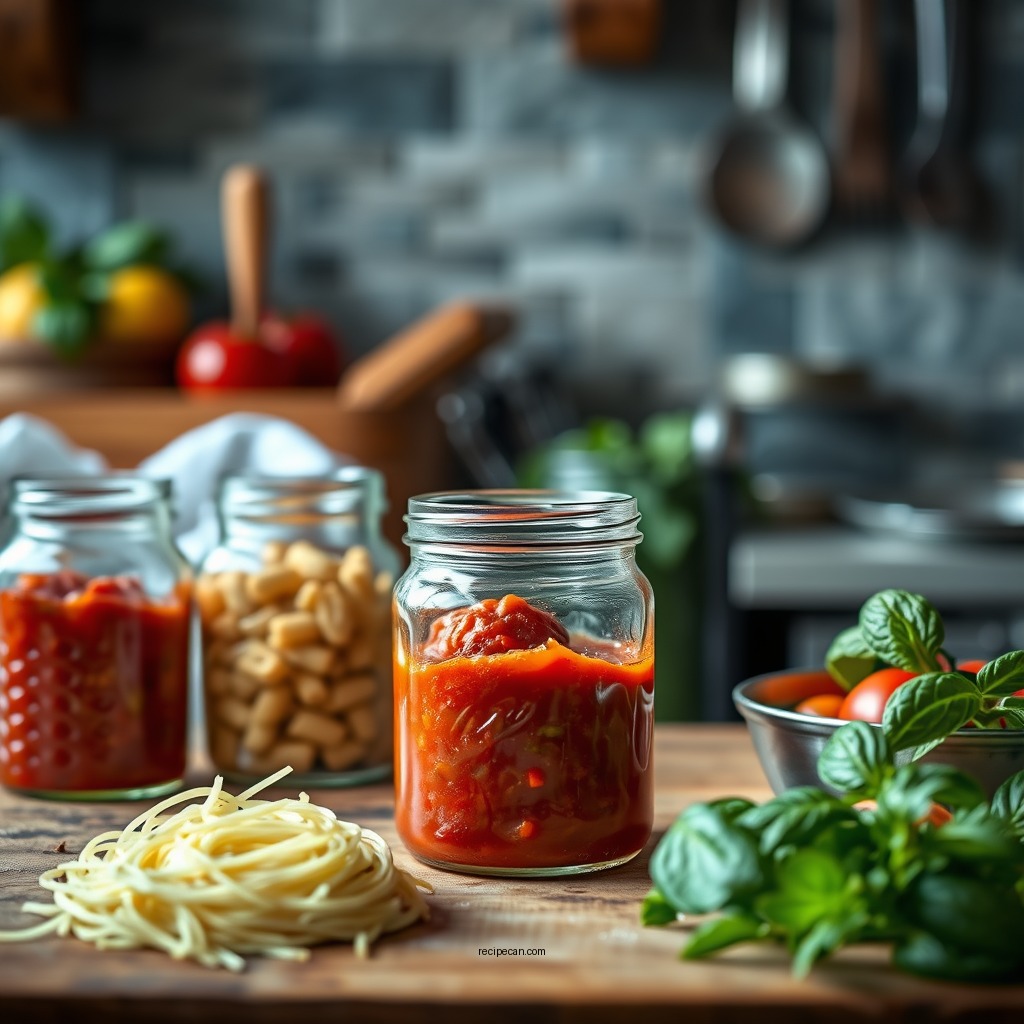
Creating a flavorful spaghetti sauce begins with selecting high-quality ingredients. The core components of a great sauce include:
– Fresh Tomatoes: The foundation of your sauce should be ripe, in-season tomatoes, which provide the best taste and texture. Varieties such as Roma or San Marzano are popular choices due to their low moisture content and rich flavors.
– Aromatics: Onions, garlic, and fresh herbs like basil and oregano enhance the taste profile of your sauce. Onions provide sweetness and depth, while garlic adds a robust flavor that is essential in Italian cooking.
– Additional Ingredients: To create a more complex flavor, consider adding bell peppers, mushrooms, or olives. These ingredients can introduce different textures and tastes, allowing for customization based on personal preferences.
Preparing the Spaghetti Sauce
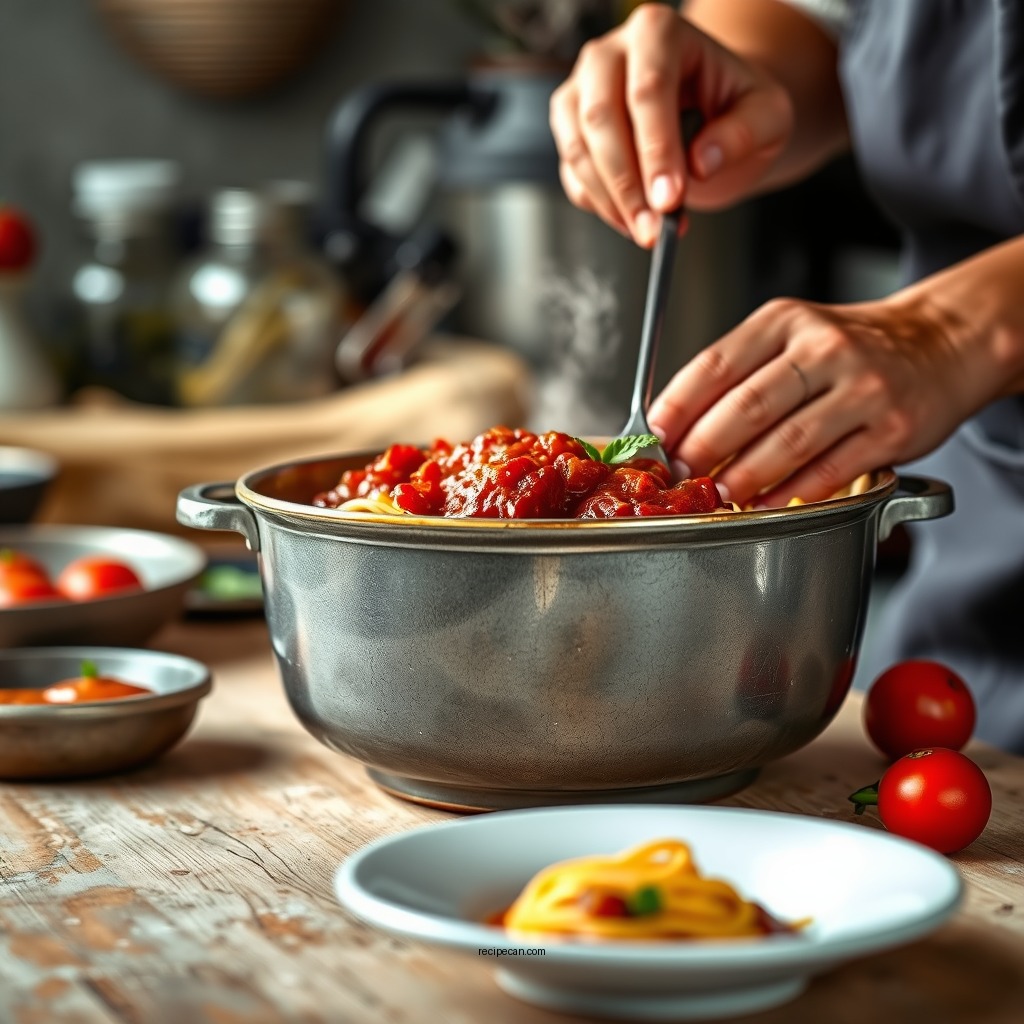
To ensure that your sauce is rich and flavorful, follow these cooking techniques:
– Cooking Technique: Start by sautéing chopped onions and minced garlic in olive oil over medium heat. This technique extracts the essential oils from the aromatics, creating a savory base for your sauce. Aim for golden onions and fragrant garlic—avoid browning them too much as it can lead to a bitter taste.
– Simmering: Once the onions and garlic are ready, add your fresh tomatoes (chopped or pureed) and bring the mixture to a boil. Reduce the heat and allow the sauce to simmer for 1-2 hours. This slow cooking process melds the flavors together, resulting in a rich and harmonious sauce.
– Adjusting Consistency: If you prefer a thicker sauce, continue cooking it longer to reduce excess liquid. Alternatively, you can stir in a small amount of tomato paste to achieve your desired consistency without compromising flavor.
Canning Equipment and Supplies
Before diving into canning, ensure you have the right equipment on hand:
– Jars and Lids: Use sterilized glass jars and new lids for proper sealing. Pint or quart jars are standard for spaghetti sauce, but select the size based on your intended use.
– Water Bath Canner: This essential piece of equipment is necessary for processing your jars to eliminate harmful bacteria. It ensures that your sauce is safe for long-term storage.
– Utensils: A ladle, funnel, and jar lifter will make your canning process efficient and less messy. These tools help in transferring the hot sauce into jars without spills.
Essential Equipment for Canning Spaghetti Sauce
| # | Equipment | Purpose | Safety Rating |
|---|---|---|---|
| 1 | Glass Jars | Storage | ✔️ |
| 2 | Lids | Sealing | ✔️ |
| 3 | Water Bath Canner | Processing | ✔️ |
| 4 | Ladle | Filling Jars | ✔️ |
| 5 | Funnel | Avoid Spills | ✔️ |
| 6 | Jar Lifter | Handling Hot Jars | ✔️ |
Safe Canning Practices
Canning requires adherence to safety protocols to ensure that your food remains safe to eat:
– Follow Guidelines: Always use a tested recipe to ensure the right acidity level in your sauce, which is crucial for preventing the growth of harmful bacteria. The USDA provides guidelines for home canning that are highly recommended.
– Processing Time: The ideal processing time for spaghetti sauce varies based on your altitude and jar size. Generally, pints require about 35 minutes, while quarts may need up to 45 minutes in a water bath canner.
– Check Seals: After cooling, check the jars to ensure they have sealed correctly by pressing the center of the lid. A properly sealed jar should not flex up or down. If it does, reprocess the jar or refrigerate it for immediate use.
Storing Canned Spaghetti Sauce
Proper storage is vital to maximize the shelf life and quality of your canned spaghetti sauce:
– Cool Storage: Store your jars in a cool, dark place, such as a pantry or cellar, to maintain flavor and ensure safety. Avoid areas that experience temperature fluctuations, such as near ovens or windows.
– Shelf Life: When canned correctly, spaghetti sauce can last up to a year. However, for the best flavor and quality, use it within six to eight months.
– Labeling: Always label your jars with the date and contents. This practice not only helps you keep track of how long the sauce has been stored but also assists when planning meals.
Troubleshooting Common Issues
Even with careful preparation, issues can arise during the canning process. Here are common troubleshooting tips:
– Unsealed Jars: If any jars fail to seal, you can reprocess them within 24 hours. Alternatively, refrigerate and use the contents immediately to avoid spoilage.
– Cloudy Sauce: A cloudy appearance may indicate that the sauce was overcooked or inadequately strained. For future batches, ensure proper cooking times and consider straining before canning.
– Separation: If you notice separation in your sauce, it is usually harmless but indicates a need for better mixing. Stir your sauce thoroughly before canning to prevent this from happening.
Common Canning Issues and Solutions
By following these steps, you can master the art of canning spaghetti sauce, ensuring you have a delicious homemade staple ready for any meal. Enjoy the process, and don’t hesitate to experiment with flavors to make it your own! With the right ingredients, techniques, and safety measures, your canned spaghetti sauce will not only taste great but will also provide a sense of accomplishment and satisfaction in preserving your culinary creations.
Frequently Asked Questions
What ingredients are essential for a spaghetti sauce recipe suitable for canning?
Essential ingredients for a spaghetti sauce recipe suitable for canning include ripe tomatoes, onions, garlic, olive oil, and a blend of herbs such as basil, oregano, and thyme. It’s important to use high-acid tomatoes or add an acidifying ingredient like lemon juice or vinegar to ensure food safety during the canning process.
How can I ensure my spaghetti sauce is safe for canning?
To ensure your spaghetti sauce is safe for canning, follow tested recipes from reputable sources like the USDA or the National Center for Home Food Preservation. Use proper canning techniques, such as pressure canning or water bath canning, and check the acidity level of your sauce to prevent the growth of harmful bacteria.
Why is it important to use a pressure canner for spaghetti sauce?
Using a pressure canner for spaghetti sauce is important because it reaches higher temperatures than a water bath canner, effectively killing bacteria that can cause foodborne illnesses. Low-acid foods require this method to ensure safety, making it crucial for recipes that include meat or low-acid vegetables.
What is the best way to prepare spaghetti sauce for canning?
The best way to prepare spaghetti sauce for canning is to cook the sauce thoroughly, allowing the flavors to meld before canning. Strain any excess liquid to achieve the desired consistency, and be sure to fill jars leaving adequate headspace, typically about 1 inch, to allow for expansion during processing.
Which types of tomatoes are best for making spaghetti sauce for canning?
The best types of tomatoes for making spaghetti sauce for canning are paste tomatoes, such as Roma or San Marzano, due to their low moisture content and rich flavor. These varieties yield a thicker sauce, making them ideal for canning, while also providing the acidity needed for safe preservation.
References
- https://www.nchfp.uga.edu/how/can_03/spaghetti_sauce.html
https://www.nchfp.uga.edu/how/can_03/spaghetti_sauce.html - https://extension.umn.edu/preserving-and-storing-food/home-canned-spaghetti-sauce
https://extension.umn.edu/preserving-and-storing-food/home-canned-spaghetti-sauce - https://www.fsis.usda.gov/wps/wcm/connect/6bd17f4f-6ecf-4e77-8e6c-816a516c9ff0/Preservation.pdf?MOD=AJPERES
https://www.fsis.usda.gov/wps/wcm/connect/6bd17f4f-6ecf-4e77-8e6c-816a516c9ff0/Preservation.pdf?MOD=AJPERES - https://www.uga.edu/
https://www.uga.edu/ - ARS Home : USDA ARS
https://www.ars.usda.gov/ - Google Scholar Google Scholar
https://scholar.google.com/scholar?q=spaghetti+sauce+recipe+for+canning - Google Scholar Google Scholar
https://scholar.google.com/scholar?q=canning+spaghetti+sauce+preservation - https://scholar.google.com/scholar?q=home+canning+spaghetti+sauce Google Scholar
https://scholar.google.com/scholar?q=home+canning+spaghetti+sauce - https://www.cdc.gov/foodsafety/preserving/index.html
https://www.cdc.gov/foodsafety/preserving/index.html - https://www.nature.com/articles/s41598-018-25762-0
https://www.nature.com/articles/s41598-018-25762-0