Looking for a southern tea cakes recipe that turns out tender, crumbly cakes with the classic Southern flavor? This easy, step-by-step guide gives you the exact instructions and bake-time cues to nail traditional tea cakes on your first try. If you want a straightforward classic method—no guesswork, no complications—this is the clear winner.
Southern tea cakes are tender, buttery cookies that you can bake with pantry staples by mastering three things: proper creaming, minimal mixing, and precise bake-and-cool timing. If you follow the steps below—mix the dough gently, portion evenly, and cool fully—you’ll get that classic Southern “just-right” crumb that stays soft instead of turning crisp.
These Southern tea cakes are tender, buttery cookies made with simple pantry ingredients and a hint of vanilla for a sweet Southern treat. You’ll learn how to mix, shape, bake, and finish them with the right texture and flavor—so you can make perfect tea cakes at home.
Southern Tea Cakes Ingredients
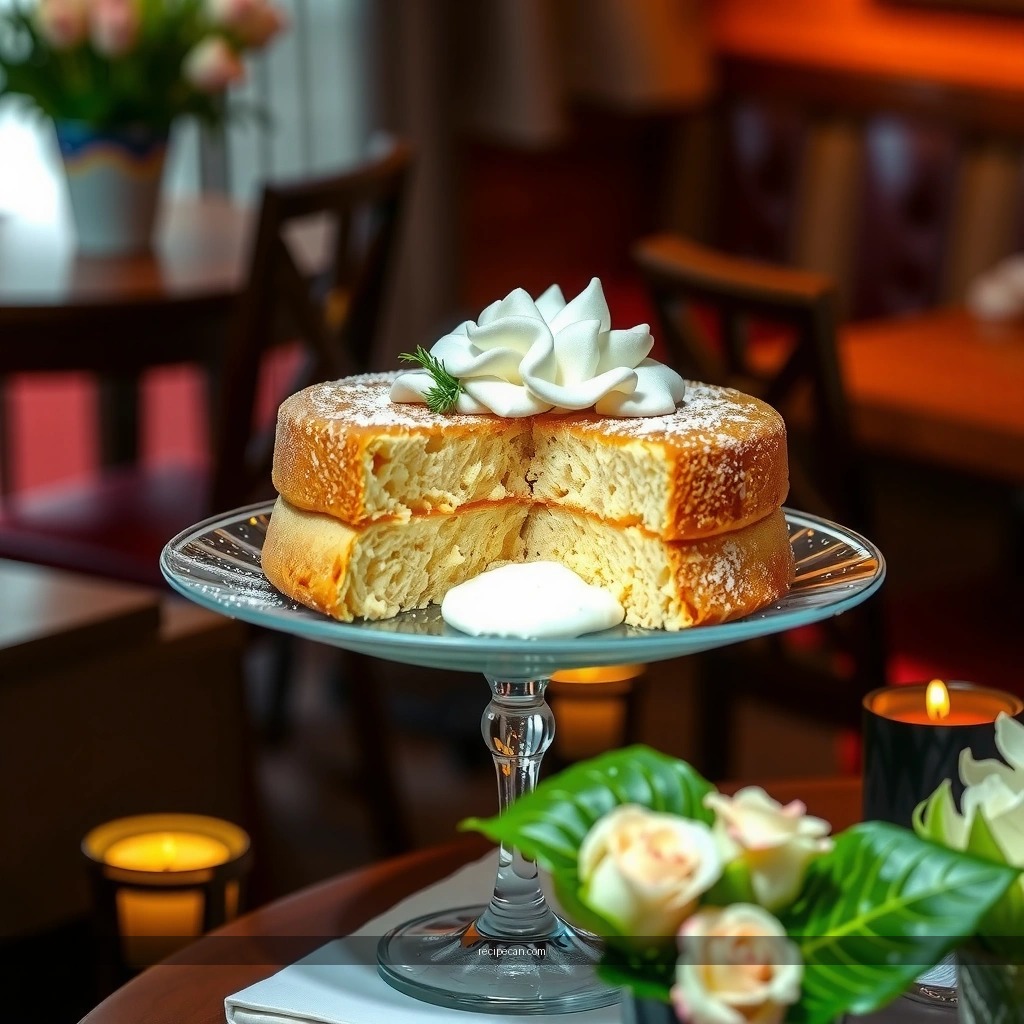
– Use flour, sugar, butter, and baking essentials for the classic base
– Add vanilla (and optional nutmeg) to boost that Southern flavor
A classic Southern tea cake recipe is less about complicated techniques and more about ingredient roles working together: butter provides flavor and tenderness, sugar contributes spread and a delicate crumb, and baking powder creates lift for a cookie that feels “light but rich.” All of that is then supported by a measured balance of flour and salt so the cookie sets without drying out.
Core ingredients and why they matter
– All-purpose flour: Gives structure while keeping the cookie tender. For best results, spoon flour into the measuring cup and level—packed flour can make tea cakes heavy.
– Granulated sugar: Adds sweetness and encourages a tender, slightly crisp edge with a softer center.
– Unsalted butter (softened): Soft butter creams more effectively, trapping air for a lighter bite. If you use salted butter, reduce added salt slightly.
– Eggs: Bind ingredients and contribute richness and structure.
– Vanilla extract: The “Southern” signature is subtle but noticeable—vanilla rounds out butter and sugar rather than overpowering them.
– Baking powder (and a pinch of salt): Baking powder lifts the dough; salt sharpens sweetness and improves flavor depth.
– Optional nutmeg: A tiny amount adds warmth that reads as “homestyle” without turning the cookie into a spice cookie.
Flavor add-ins that still fit the classic profile
If you want to stay true to tradition but elevate the aroma, consider these:
– Extra vanilla (for a more pronounced bakery-style finish)
– Pinch of nutmeg (for a warm, Southern spice note)
– Lemon zest (best used sparingly to brighten, not dominate)
To help you keep ingredients aligned with quality expectations, here’s a quick, practical “performance” view of tea cake factors that affect your final texture.
What Drives Tender Southern Tea Cakes (Target Ranges)
| # | Tea Cake Factor | What to Aim For | If Off, You’ll Notice | Impact on Texture |
|---|---|---|---|---|
| 1 | Butter Creaming Time | 2–3 minutes | Dense crumb | ★ ★ ★ ★ ★ |
| 2 | Dry Ingredients Mixing | Just until combined | Tough/chewy cookie | ★ ★ ★ ★ ☆ |
| 3 | Portion Size | 1 1/2 tbsp each | Uneven baking | ★ ★ ★ ★ ☆ |
| 4 | Oven Temperature | 350°F / 175°C | Spreading too much or under-lift | ★ ★ ★ ★ ☆ |
| 5 | Bake Time | 10–12 minutes | Dry cookie center | ★ ★ ★ ★ ★ |
| 6 | Cooling Method | 5 minutes on pan, then rack | Soggy bottoms | ★ ★ ★ ★ ☆ |
| 7 | Vanilla & Spice Level | 2 tsp vanilla; 1/8 tsp nutmeg (optional) | Flat flavor | ★ ★ ★ ★ ☆ |
Make the Tea Cake Dough
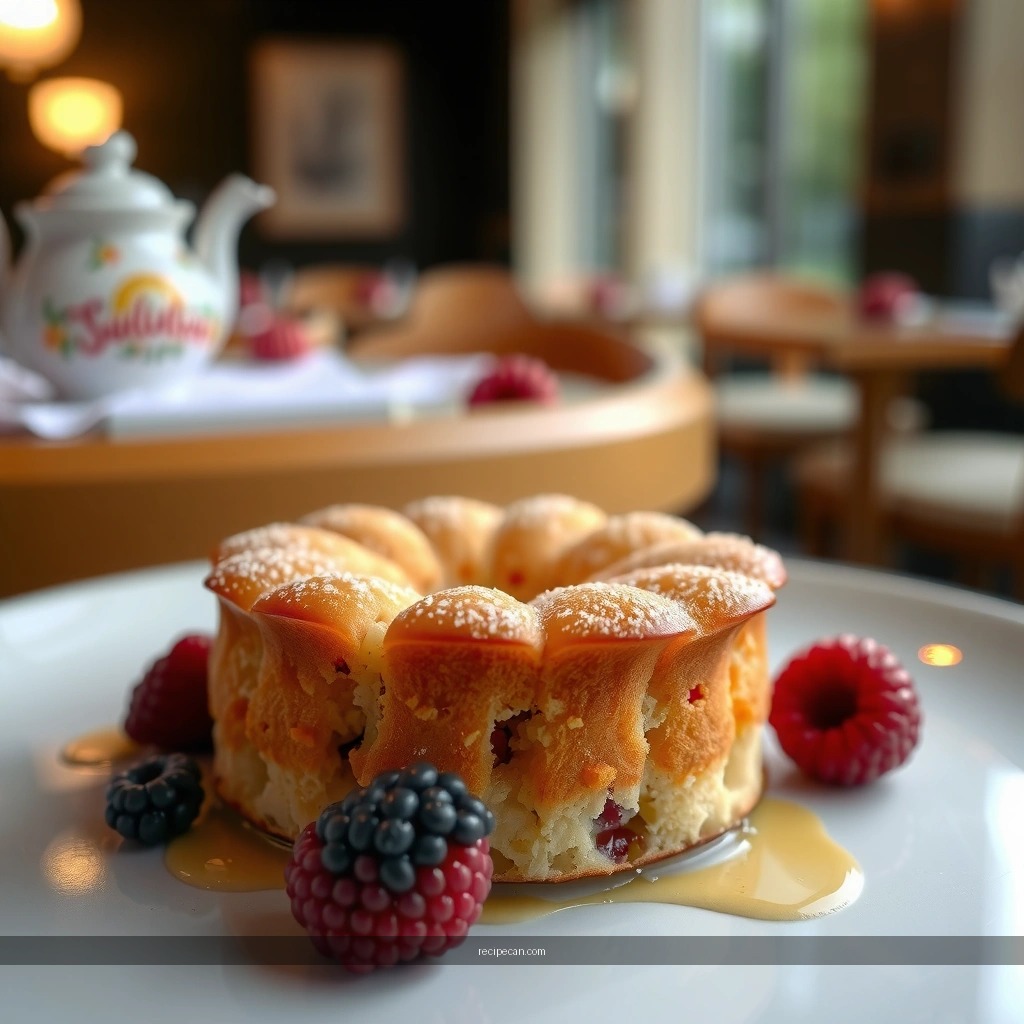
– Cream butter and sugar until light and fluffy for tender cookies
– Mix in eggs and vanilla, then add dry ingredients just until combined
The dough is where tender Southern tea cakes are won or lost. The goal is to create a uniform, silky batter without developing excess gluten. That’s why creaming is important—but overmixing after flour goes in is risky.
Step-by-step dough method (with reasoning)
1. Cream butter and sugar thoroughly. Beat softened butter with sugar until noticeably lighter in color and fluffier in texture (typically 2–3 minutes). This step aerates the dough, creating a tender crumb and a gentle rise.
2. Add eggs one at a time. Crack and beat each egg briefly before adding the next. This keeps the mixture emulsified so the dough bakes evenly.
3. Mix in vanilla (and nutmeg, if using). Vanilla should be mixed in just enough to distribute; it doesn’t need long mixing time.
4. Add dry ingredients gradually. Combine flour, baking powder, and salt in a bowl first. Add to the wet ingredients in 2 additions and mix on low until no dry streaks remain.
5. Stop early—let rest finish the work. If the dough looks slightly rough, that’s okay. Overmixing makes cookies tough, while gentle handling keeps tea cakes tender.
Texture cues you can trust
– The dough should be soft but scoopable, not sticky like cake batter.
– If your kitchen is very warm and the butter becomes too soft, chill the dough 15–20 minutes so the tea cakes hold shape while baking.
For home bakers, this creaming-then-gentle-fold workflow is the backbone of a reliable Southern tea cake recipe—especially if you’re aiming for the classic “tender bite” rather than a crisp cookie.
Shape and Bake for the Right Texture
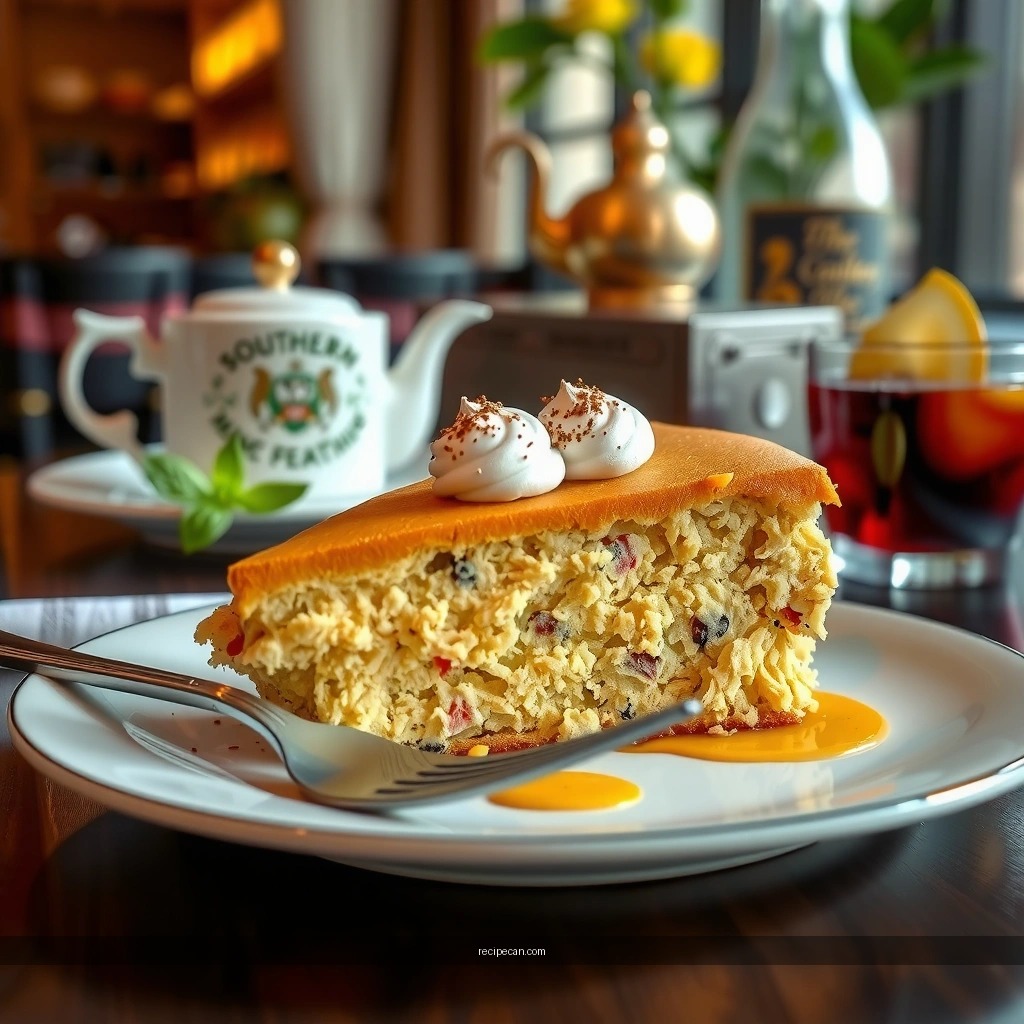
– Scoop or roll dough evenly for consistent baking
– Bake until edges set and centers look slightly soft, then cool fully
Even shaping is one of the simplest routes to restaurant-quality consistency. When tea cakes vary in size, they vary in moisture loss—and that affects softness, spread, and crumb.
Shaping options (pick one)
– Scoop method: Use a tablespoon-sized scoop (about 1 1/2 tbsp per cookie). Roll quickly into a ball, then gently flatten if you prefer a slightly wider tea cake.
– Roll method: Roll dough into uniform logs, then slice into even pieces and place on the baking sheet.
Placement and spacing
– Line a baking sheet with parchment or use a silicone mat.
– Leave about 2 inches between dough portions so they can spread without merging.
Bake strategy for soft centers
A Southern tea cake should not look fully set in the center when you pull it from the oven. The best indicator is visual and timing:
– Bake at 350°F / 175°C for 10–12 minutes
– Remove when edges are set and centers still look slightly soft or matte
Residual heat will finish the set as they cool—this is what preserves tenderness. If you bake until the centers look dry, you’ll end up with a drier crumb after cooling.
Cooling is part of baking
– Let cookies sit on the pan for about 5 minutes (this firms the structure).
– Then transfer to a rack for complete cooling so steam doesn’t soften the bottoms.
Cooling, Serving, and Storage Tips
– Cool on the pan briefly, then transfer to a rack to prevent sogginess
– Store airtight to keep tea cakes soft and fresh
Cooling and storage determine whether your tea cakes taste just-baked or become stale—fast. Cookies are essentially sugar-and-fat systems; once they lose moisture, tenderness fades. Your job is to slow that moisture loss while preventing condensation.
Best serving practices
– Serve at slightly warm or room temperature. Warm tea cakes smell more buttery and vanilla-forward, which makes the Southern flavor feel more pronounced.
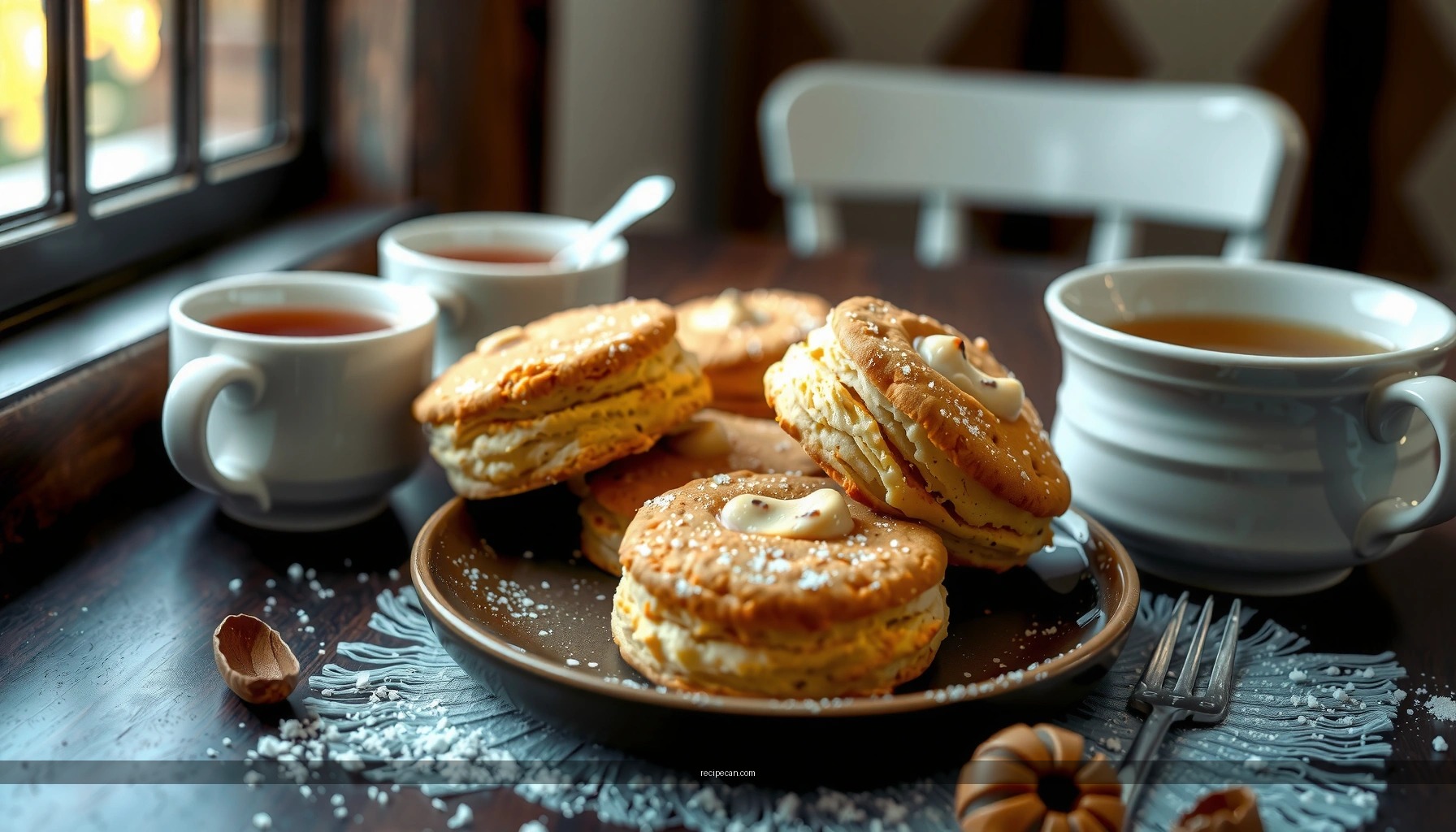
– Pair with black tea, sweet tea, coffee, or milk. The sweetness level balances well because tea cakes aren’t overly spiced.
Storage approach that works
– Store tea cakes airtight in a container at room temperature.
– For best texture, add a piece of bread in the container (optional, but helpful) to maintain humidity for a day or two. Remove it after 24–48 hours to prevent an overly moist cookie exterior.
How long they stay great
– 1–3 days: optimal tenderness and aroma
– After that, they’re still edible, but the crumb typically becomes less plush.
If you need them for an event, bake a day ahead. Tea cakes often taste even more cohesive after a rest, as vanilla and butter flavors mellow into a well-rounded profile.
Common Mistakes to Avoid
– Don’t overmix the dough—too much mixing can make cookies tough
– Avoid underbaking or rushing cooling, which affects texture and crumb
Even experienced bakers can run into predictable issues with tea cakes because the recipe balances tenderness against set. Here are the most common pitfalls and what to do instead.
1) Overmixing after flour is added
Flour contains gluten-forming proteins. Mixing beyond “just combined” creates a tougher network. Your tea cakes may look fine at first, then turn chewy or firm as they cool.
– Fix: Mix on low and stop as soon as streaks disappear. If needed, use a spatula to finish combining gently.
2) Overbaking for “complete set”
Many cookie recipes teach you to bake until fully golden. Tea cakes often should be pulled earlier because they finish setting off-heat.
– Fix: Target 10–12 minutes, watch for set edges + soft center, and don’t wait for a fully dry look.
3) Cooling incorrectly
Leaving cookies to cool too long directly on a hot pan can trap steam and soften the bottom.
– Fix: Cool on the pan for 5 minutes, then move to a rack.
4) Uneven portioning
If some cookies are larger, they’ll bake longer and dry out.
– Fix: Use a scoop for consistent cookie size.
5) Butter too warm or too cold
– Too warm: cookies spread excessively and look greasy.
– Too cold: dough won’t cream well, and cookies bake thicker and denser.
– Fix: Soften butter to the point where it compresses slightly but isn’t oily or melted.
Simple Variations (Optional)
– Add lemon zest or extra vanilla for a brighter flavor
– Try a light glaze or sprinkle sugar for added sweetness
Once you’ve nailed the base tea cake dough, variations can be layered without disrupting the classic texture. The best changes are aromatic and light—because heavy add-ins can alter moisture and bake behavior.
Brighten with citrus
– Lemon zest: Add 1–2 teaspoons of finely grated zest with the vanilla. Keep the amount moderate so the cookies remain distinctly tea cakes rather than lemon bars.
Go deeper with vanilla
– Add an extra 1/2 teaspoon vanilla extract, especially if you’re using a lighter brand. Vanilla differences are often what people notice most first.
Add a finish (without compromising tenderness)
– Light glaze: Whisk powdered sugar + milk (or lemon juice) until pourable, then drizzle after cookies cool completely. This adds a gentle sweetness and sheen.
– Sugar sprinkle: Roll the tops lightly in granulated sugar before baking or add a sugar dust immediately after they come out (works best when applied lightly so it dissolves into a crisp-sweet top).
Optional spice nuance
– Nutmeg: A small pinch (around 1/8 teaspoon) pairs beautifully with butter and vanilla, reinforcing the “Southern bakery” feel.
Southern tea cakes are all about the right dough, careful baking time, and proper cooling for that signature tender bite. Follow the steps above, then tweak flavors (like vanilla or zest) to make them your own—bake a batch today and enjoy them with tea or share with family.
If you want consistent results every time, the winning formula is simple: cream well, mix dry ingredients gently, portion evenly, bake until edges set with soft centers, and cool on racks. Keep those principles steady, and your Southern tea cakes will turn out tender, buttery, and reliably delicious.
Frequently Asked Questions
What makes a Southern tea cakes recipe different from other cookies?
Southern tea cakes are typically tender, buttery drop cookies made with a light vanilla flavor and a simple sugar base. Many recipes use butter (or sometimes shortening) and a leavening combo like baking powder so the cookie stays soft rather than crisp. The texture should be delicate and “tea-cake” friendly—sweet enough for dessert but not overly rich.
How do you make Southern tea cakes from scratch without them spreading too much?
Start by creaming the butter and sugar until fluffy, then add eggs (or egg substitute) slowly and mix just until combined. If your dough feels warm or loose, chill it 20–30 minutes before baking—this helps the Southern tea cakes hold their shape. Also use the correct flour measure (spoon and level) and bake at the recommended temperature so the cookies set before they spread.
Why do Southern tea cakes turn out dry or crumbly, and how can you fix it?
Dry Southern tea cakes often come from overmixing, overbaking, or using too much flour. Mix the dough only until the dry ingredients are incorporated, and pull the cookies when the edges are lightly set and the centers look slightly soft. For dry results, reduce bake time next batch and consider adding an extra teaspoon of butter or a splash of milk if your dough seems too stiff.
Which icing or glaze is best for Southern tea cakes—simple sugar, lemon, or vanilla?
A classic Southern tea cakes recipe often includes a thin vanilla glaze or a simple powdered sugar glaze for a sweet, clean finish. Lemon glaze can work well if you want a brighter flavor that balances the buttery cookie, while a richer icing may make the cookie taste heavier. Choose whichever matches your desired sweetness: thin glaze sets delicately, and thicker icing creates a more “dessert” look.
What is the best way to store Southern tea cakes so they stay soft?
Let the cookies cool completely, then store them in an airtight container at room temperature to keep them tender. For extra softness, place a slice of bread in the container and replace it if it dries out (this helps regulate moisture). If you want longer storage, freeze baked Southern tea cakes in a sealed bag, then thaw at room temperature before serving.
References
- Google Scholar Google Scholar
https://scholar.google.com/scholar?q=southern+tea+cakes+recipe - Google Scholar Google Scholar
https://scholar.google.com/scholar?q=tea+cake+biscuit+recipe+southern+united+states - Google Scholar Google Scholar
https://scholar.google.com/scholar?q=tea+cake+history+recipe - Teacake
https://en.wikipedia.org/wiki/Tea_cake - Cookie
https://en.wikipedia.org/wiki/Cookie - Shortbread
https://en.wikipedia.org/wiki/Shortbread - https://en.wikipedia.org/wiki/Biscuit_(bread
https://en.wikipedia.org/wiki/Biscuit_(bread - Cuisine of the Southern United States
https://en.wikipedia.org/wiki/Southern_United_States_cuisine - https://www.britannica.com/topic/cookie
https://www.britannica.com/topic/cookie - https://www.britannica.com/topic/shortbread
https://www.britannica.com/topic/shortbread