Get the southern tea cake recipe you can trust: a genuinely easy, step-by-step method that delivers a tender crumb and sweet, lightly spiced flavor every time. This guide answers how to make southern tea cake—from mixing and baking to getting the right texture without guesswork. Follow it once, and you’ll know exactly what to do from first stir to the perfect slice.
This southern tea cake recipe is a reliable, buttery bake that delivers a tender crumb with minimal effort—so you can go from mixing to golden slices fast. By focusing on proper creaming, gentle mixing, and accurate bake timing, you’ll get the classic tea cake texture that pairs perfectly with coffee, brunch, or dessert.
Gather Ingredients for Southern Tea Cakes
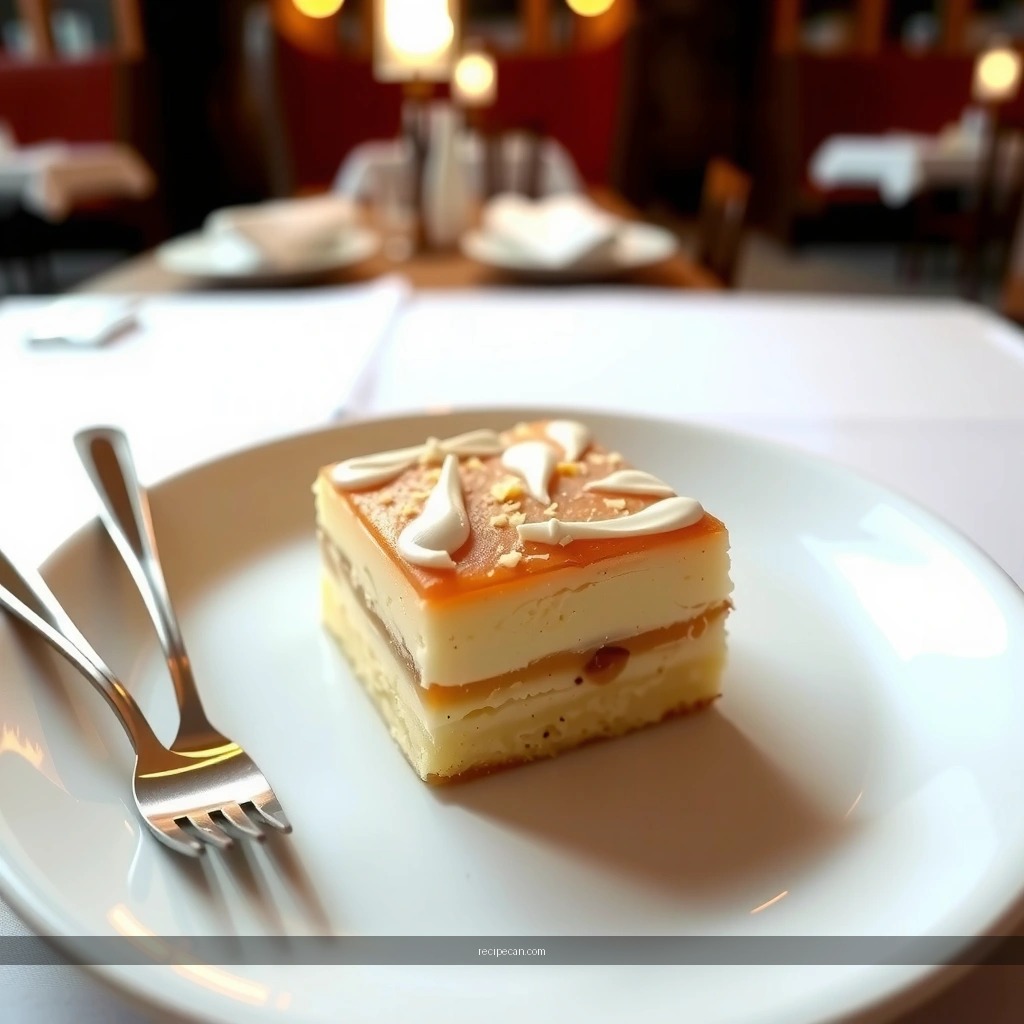
A successful southern tea cake starts with the right fundamentals: flour for structure, sugar for tenderness, butter for flavor and softness, and a leavening system that produces lightness without dryness. Below is a practical, “kitchen-to-table” ingredient list that mirrors classic Southern tea cake ratios while staying easy to execute.
Core ingredients (the essentials)
– All-purpose flour: creates the crumb and helps the cake hold together after baking.
– Granulated sugar: sweetens and supports creaming (which aerates the batter).
– Unsalted butter (softened): provides buttery flavor and creates tenderness.
– Eggs: bind the batter and add richness.
– Baking powder: primary lift for a tea cake (most versions rely on baking powder rather than yeast).
– Salt: sharpens flavor and balances sweetness.
– Milk (or buttermilk): for moisture and a tender crumb.
– Vanilla extract: rounds out flavor, making the cake taste “finished,” not just sweet.
Optional add-ins (for warmth and aroma)
– Ground cinnamon: adds a Southern-spice profile without overpowering the cake.
– Nutmeg: use sparingly for a warm, bakery-style aroma.
– Lemon zest: a small amount can brighten the flavor if you want a slightly fresher twist.
– Raisins or chopped pecans: optional for texture and heritage-style variations.
Pro ingredient note: If you have the choice, use buttermilk (or make a quick substitute) for a softer, more tender texture. Tea cakes are more forgiving than layer cakes, but liquid acidity helps control gluten development and improves crumb tenderness.
Ideal Ingredients Temperature & Mix Impact for Southern Tea Cakes
| # | Ingredient (Key Role) | Recommended State | Why It Matters | Bake Outcome Score |
|---|---|---|---|---|
| 1 | Unsalted Butter (fat & aeration) | Softened (60–67°F / 15–19°C) | Creams smoothly to trap air for tender crumb | ★★★★★ |
| 2 | Eggs (binding) | Room temp | Emulsifies evenly; reduces batter curdling | ★★★★☆ |
| 3 | Milk/Buttermilk (moisture) | Room temp to slightly cool | Hydrates flour properly; supports tenderness | ★★★★☆ |
| 4 | Baking Powder (leavening) | Fresh & stored dry | Ensures lift; prevents dense crumb | ★★★☆☆ |
| 5 | Flour (structure) | Spoon + level (don’t pack) | Prevents excess density and dryness | ★★★★☆ |
| 6 | Vanilla + Salt (flavor balance) | Measure accurately | Improves depth; avoids “flat” sweetness | ★★★★☆ |
| 7 | Oven Preheat (baking environment) | Fully preheated (350°F / 175°C typical) | Supports even rise and consistent browning | ★★★☆☆ |
Prepare the Batter (The Key to Tender Cake)
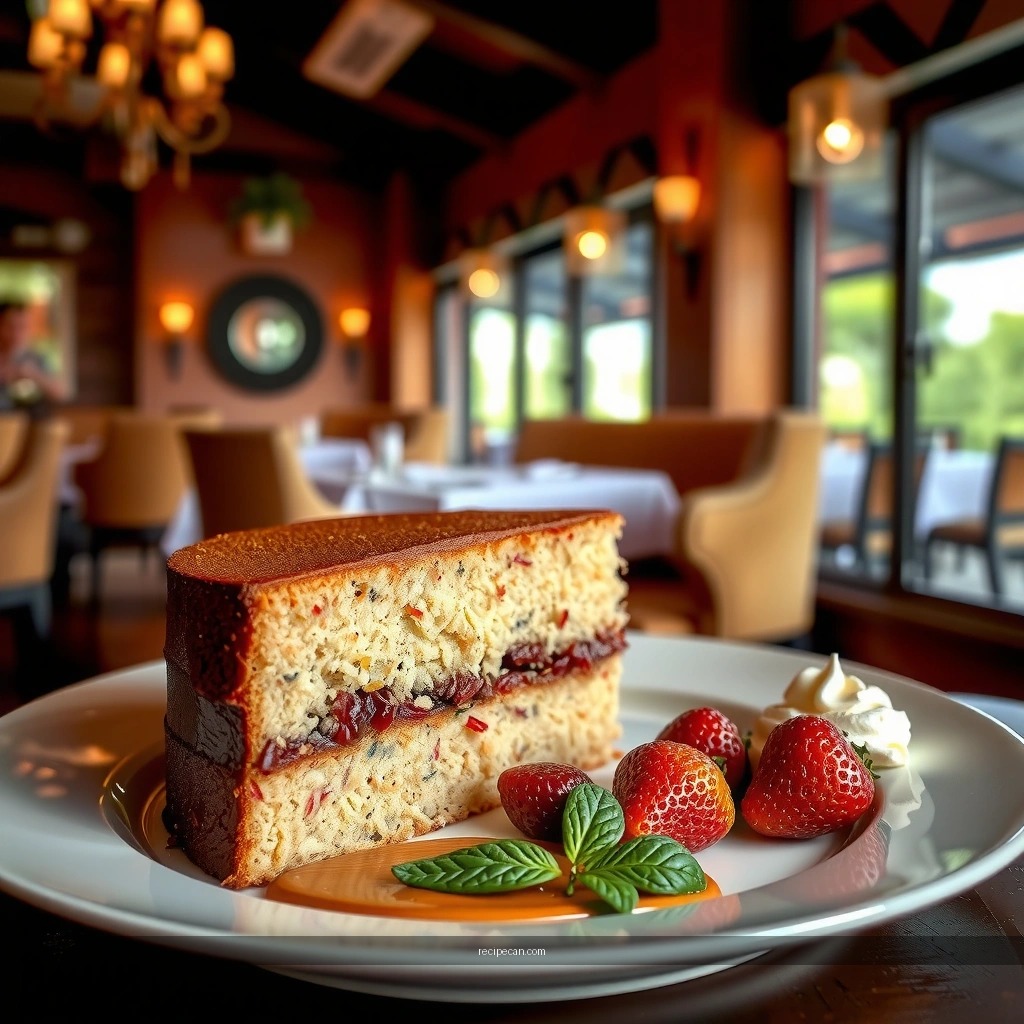
Tea cakes earn their tenderness from batter structure—not from shortcuts. The method matters: you’re building small pockets of air through creaming, then developing just enough gluten to hold the crumb.
1) Cream butter and sugar until light
– Start with softened butter and granulated sugar.
– Beat until the mixture looks paler and slightly fluffy (usually 2–4 minutes with a hand mixer).
– This step is not optional; it directly affects how soft the baked cake feels.
2) Add eggs one at a time
– Incorporate eggs gradually so the batter stays emulsified.
– If the batter looks slightly curdled at any point, don’t panic—continue mixing gently and add the dry ingredients carefully.
3) Mix wet and dry ingredients gently
– Whisk dry ingredients separately: flour, baking powder, and salt.
– Add dry ingredients in two or three additions, alternating with milk/buttermilk.
– Mix just until you don’t see dry flour. Overmixing can make a tea cake tough because it over-develops gluten.
4) Target batter consistency
A good southern tea cake batter should be thick but pourable, similar to heavy cake batter. If it’s too stiff, add milk 1 tablespoon at a time. If it looks soupy, sprinkle in 1 tablespoon of flour at a time—but do so cautiously.
Why this matters analytically: baking powder releases gas during mixing and early baking. If batter is overworked, flour hydrates more fully and the resulting network can trap moisture differently—often leading to density instead of a fine crumb.
Add Southern-Style Flavor and Optional Glaze
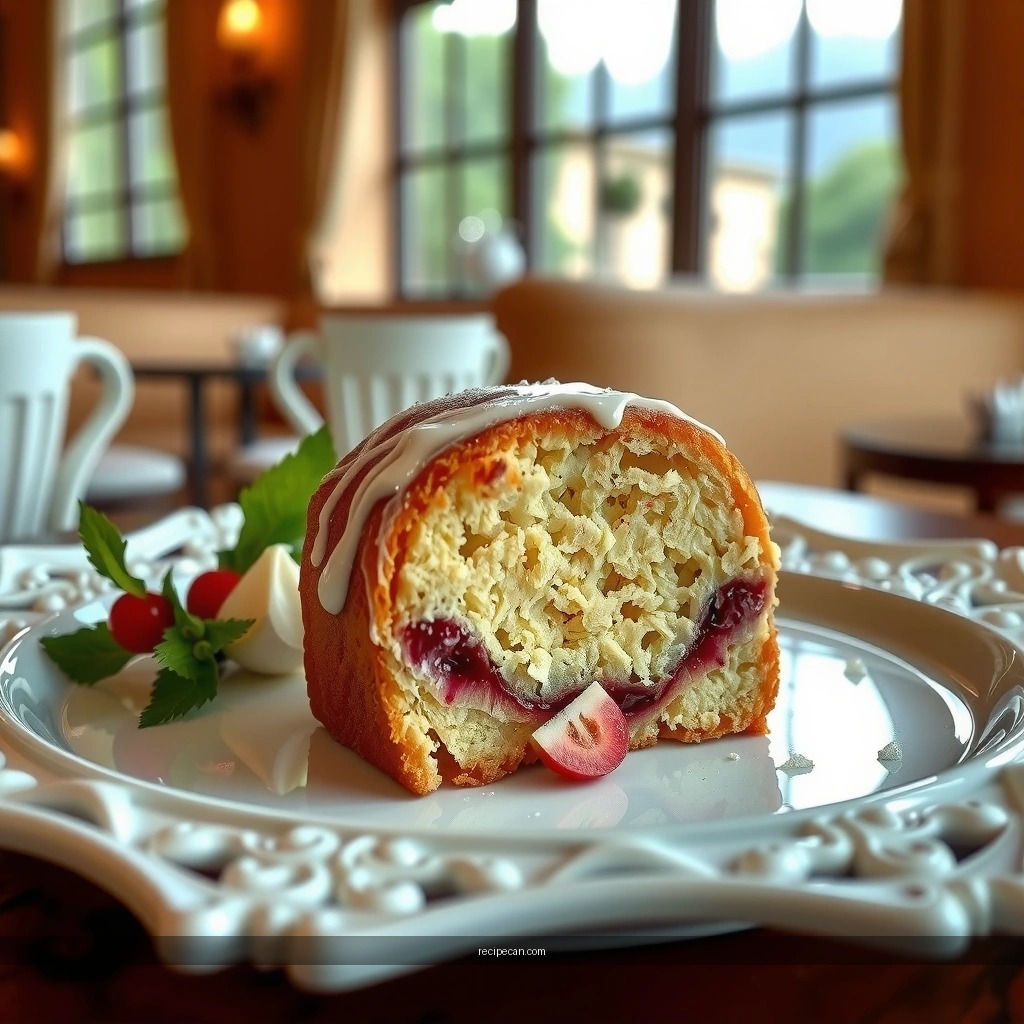
The best tea cakes taste like they came from a Southern bakery: sweet, buttery, and balanced—never cloying.
Classic flavor framework
– Vanilla extract: adds aromatic depth.
– Pinch of salt: makes the sweetness taste “complete.”
– Optional: cinnamon or nutmeg for warmth.
Cinnamon & nutmeg approach (balanced, not bold)
– Use 1–1½ teaspoons cinnamon for a gentle spiced tea cake.
– Nutmeg should stay subtle: ¼ teaspoon is usually enough for a classic aroma.
Simple glaze options
Pick one based on the finish you want:
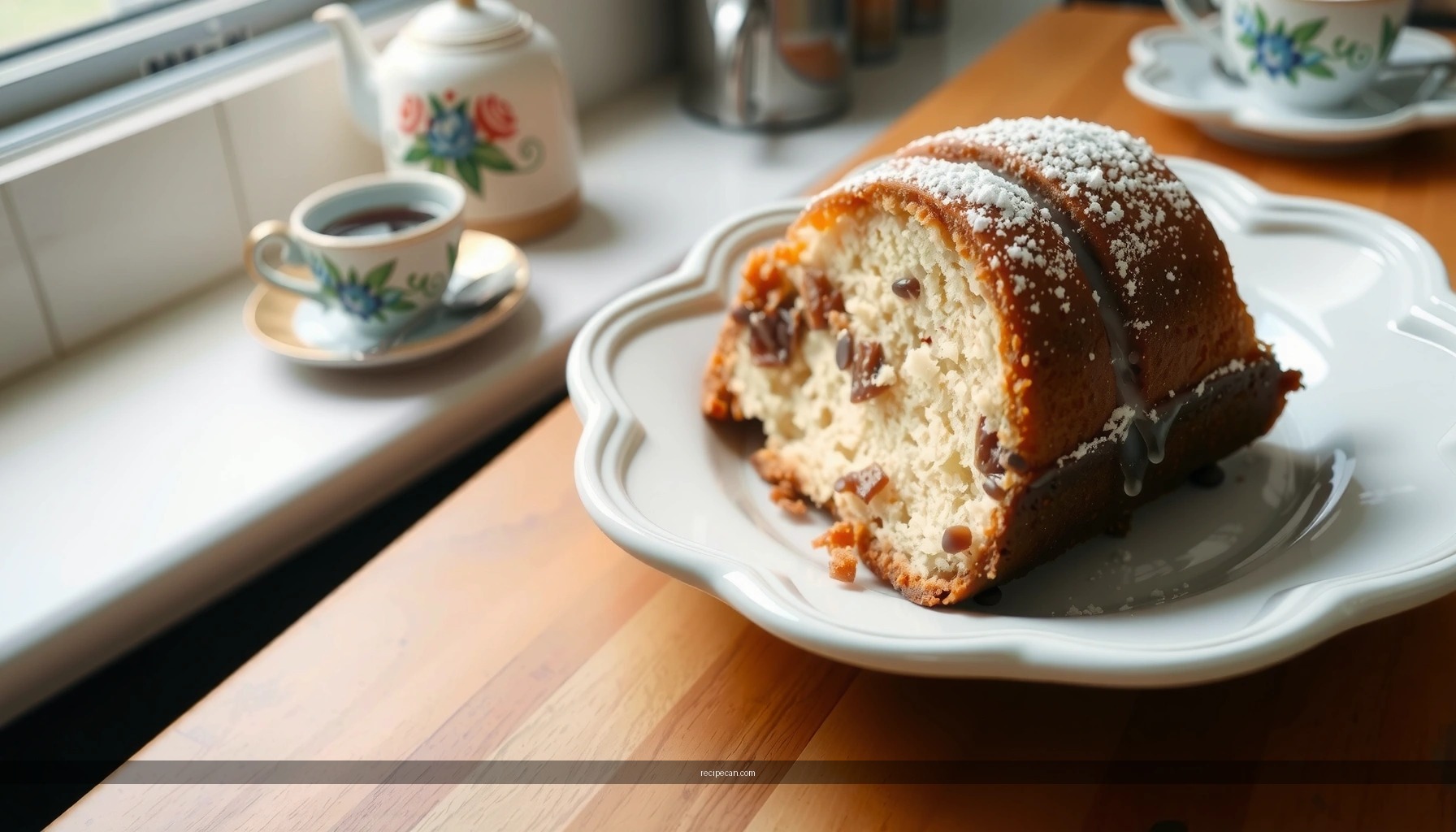
– Sugar glaze (minimal): whisk powdered sugar + milk until smooth; drizzle once the cake is warm but not hot.
– Lemon glaze (bright): powdered sugar + lemon juice for a tangy Southern-meets-modern twist.
– Dusting finish: skip glaze and dust with powdered sugar for a cleaner, more rustic presentation.
Timing tip: If you glaze while the cake is too hot, the glaze melts and disappears. If the cake is too cool, drizzle sits and can crack. Aim for a warm cooling stage (often 10–15 minutes after baking).
Bake to Golden Perfection
Baking is where consistency becomes quality. Tea cakes are sensitive to pan size and oven temperature—so use dependable guidance rather than guesswork.
Pan size and preparation
– Common choice: a tube pan or bundt-style pan for a sliceable presentation.
– Grease thoroughly or line if your pan requires it. Tea cakes stick more easily than some butter cakes because their crumb is delicate.
Oven temperature and doneness cues
– Bake at 350°F (175°C) as a baseline for most standard recipes.
– Start checking around 25–35 minutes, depending on pan size.
Use the toothpick method correctly
– Insert a toothpick near the center.
– You want it to come out clean or with a few moist crumbs (not wet batter).
– Edges should be lightly golden—deep browning can indicate excessive oven time.
Analytical reminder: Overbaking dries the crumb because tea cake batter is relatively high in sugar and butter but still relies on structural hydration from flour. Once the cake’s internal moisture drops past a threshold, tenderness declines quickly.
Cool, Slice, and Serve
Cooling is part of the recipe—especially for tender crumb integrity.
How to cool for clean slices
– Let the cake cool in the pan for 10–15 minutes.
– Then turn out and cool further on a rack for best texture.
– If slicing too early, crumbs can smear and tear due to steam and soft crumb structure.
– With tea: Earl Grey, black tea, or sweet tea-style flavor pairings.
– With coffee: medium roast coffee highlights butter-and-vanilla notes.
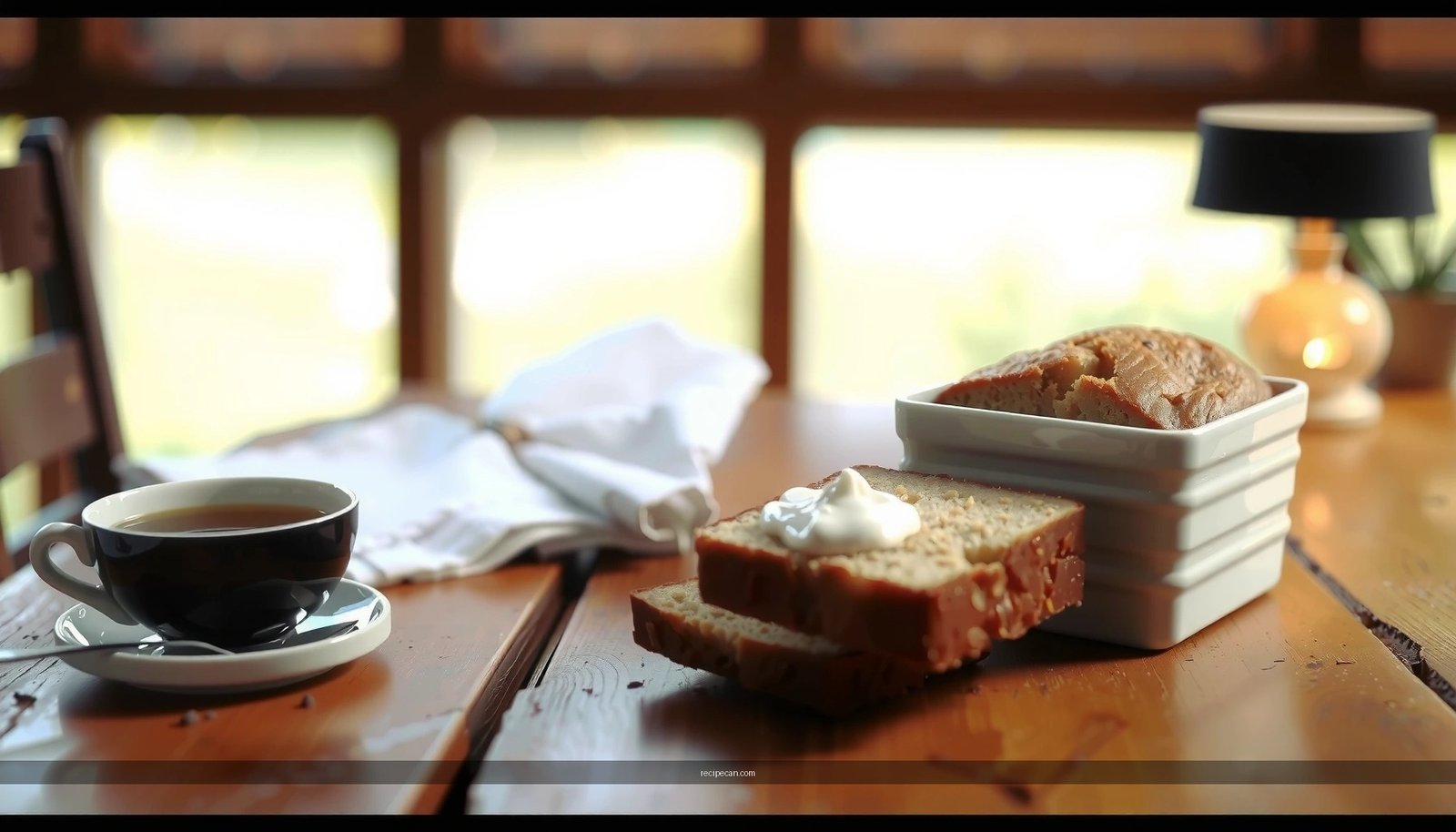
– Brunch upgrade: serve slices with strawberry jam, lightly sweetened whipped cream, or fresh berries.
Storage for freshness
– Store in an airtight container at room temperature for 2–3 days.
– For longer storage, refrigerate up to 5 days (wrap well to prevent drying).
– If glazed, keep covered so the glaze doesn’t absorb air and harden unevenly.
Troubleshooting Common Baking Issues
Even experienced bakers run into issues. The good news: most tea cake problems trace back to a few controllable variables.
If it’s dry
– Check that you didn’t pack flour—use spoon-and-level.
– Confirm baking powder freshness; poor lift can lead to longer bake time.
– Reduce bake time by 2–5 minutes next round and rely on toothpick + visual edge browning.
– Consider adding 1–2 tablespoons more milk/buttermilk if batter felt unusually stiff.
If it’s dense
– Avoid overmixing once flour goes in. Mix on low or by hand until combined.
– Ensure butter was softened enough for proper creaming.
– Confirm oven preheat. A cold oven can slow rise and produce a heavier structure.
– Verify leavening: old baking powder is a frequent culprit.
If it sinks in the middle
– Common reasons: overmixing, too much liquid, or underbaking.
– Use the toothpick check near the center; don’t pull early.
– Also confirm your pan isn’t too large for the batter volume—thinner batter sets differently.
If the crumb is gummy
– This usually indicates underbaking or slicing too early.
– Bake longer in short increments (3–5 minutes), and cool fully before cutting.
Summary Tea-Cake Workflow (Quick Checklist)
To make success repeatable, follow this operational sequence:
1. Cream butter + sugar until light.
2. Add eggs and mix until emulsified.
3. Fold dry into wet gently; don’t overwork.
4. Bake until toothpick shows clean (or moist crumbs).
5. Cool before slicing; glaze if desired.
This southern tea cake recipe comes together with a few key steps: proper creaming, gentle mixing, and careful baking. Follow the layout above, make it your own with a glaze or spice, and bake your first batch—then share your results or try a variation next time.
Frequently Asked Questions
What is the best southern tea cake recipe for beginners?
A great beginner southern tea cake recipe typically uses basic pantry staples like flour, sugar, baking powder, butter or shortening, eggs, milk, and vanilla, plus a simple cinnamon-sugar topping. Choose a version that uses an easy mixing method (often creaming butter and sugar, then mixing in wet ingredients) so the batter stays smooth. Look for instructions that emphasize not overmixing, because that’s one of the most common reasons tea cakes turn out tough or dry.
How do you make southern tea cake moist and tender?
To keep southern tea cakes moist, don’t overmix the batter once the flour is added—mix just until combined. Using room-temperature butter and eggs helps the batter emulsify evenly, leading to a softer crumb. If your tea cakes are coming out dry, check your oven temperature with an oven thermometer and avoid overbaking; pull them when a toothpick comes out with a few moist crumbs.
Why do southern tea cakes sometimes turn out dense or dry?
Density usually happens when the batter is overmixed or the flour is measured incorrectly (scooped measuring can pack in extra flour). Dryness is often the result of baking too long or using too much flour from the start. For consistent southern tea cake results, measure flour by spooning it into the cup and leveling, and bake until the tops are lightly golden and the centers are set.
Which ingredients are essential in a classic southern tea cake recipe?
Classic southern tea cakes commonly rely on butter or shortening for richness, sugar for sweetness and tenderness, and baking powder for lift. Eggs and milk provide moisture and structure, while vanilla adds traditional flavor; many recipes also include a cinnamon-sugar topping for that signature “tea cake” finish. Some variations add nutmeg or a touch of lemon zest, but the core ingredients listed above are what make the recipe reliably southern.
What’s the best way to store southern tea cakes so they stay fresh?
Store southern tea cakes in an airtight container at room temperature for up to 2–3 days, placing parchment between layers to prevent sticking. For longer storage, refrigerate them for about 4–5 days, though refrigeration can slightly firm the crumb. To refresh, warm individual pieces in the microwave for 5–10 seconds or in a low oven until just soft, which helps restore that tender southern tea cake texture.
References
- Teacake
https://en.wikipedia.org/wiki/Tea_cake - https://scholar.google.com/scholar?q=southern+tea+cake+recipe Google Scholar
https://scholar.google.com/scholar?q=southern+tea+cake+recipe - Google Scholar Google Scholar
https://scholar.google.com/scholar?q+tea+cake+recipe+history+southern+us - Google Scholar Google Scholar
https://scholar.google.com/scholar?q=southern+tea+cake+buttermilk+baking+powder - Cake | Definition, Ingredients, & Types | Britannica
https://www.britannica.com/topic/cake - https://www.nytimes.com/search?query=tea%20cake%20recipe
https://www.nytimes.com/search?query=tea%20cake%20recipe - https://www.bbc.co.uk/search?q=tea%20cake%20recipe
https://www.bbc.co.uk/search?q=tea%20cake%20recipe - https://www.theguardian.com/search?q=tea%20cake%20recipe
https://www.theguardian.com/search?q=tea%20cake%20recipe - https://pubmed.ncbi.nlm.nih.gov/?term=carbohydrate+sweet+bakery+foods+recipe
https://pubmed.ncbi.nlm.nih.gov/?term=carbohydrate+sweet+bakery+foods+recipe - https://www.cdc.gov/nutrition/
https://www.cdc.gov/nutrition/