
You will pull four Southern-style roast Cornish hens from the oven with burnished, crackly skin and tender, juicy meat that stays flavorful from first bite to last. This recipe shows you how to dry, season, and roast to crisp the skin while keeping the breast and legs at the right doneness, then finish with a quick rest so everything slices cleanly. With simple timing and oven-ready technique, it is fully doable on a weeknight.



Roast Cornish hens hot first for crisping, then finish at a lower temperature until the thickest part reaches 165°F (74°C). This two-temperature method is the simplest way to get golden, crackly skin without drying the meat—especially when you’re cooking small birds like Cornish hens. As of 2026, the safe target temperature guidance used by U.S. food-safety agencies remains 165°F (74°C) for poultry doneness, so a thermometer is your best insurance.
Recipe Overview

This Southern Roast Cornish Hens recipe is built to deliver the classic outcome people want: crispy skin on the outside and juicy, fully cooked meat on the inside. The method follows a high-then-moderate oven roast so browning starts fast and then slows down to protect tenderness—exactly what you need for Cornish hens, which cook quickly.
– This Southern-style roast method delivers that classic crispy skin with tender, juicy meat.
– Great for weeknight dinners, but nice enough for guests—especially if you’re serving 2 to 4 people.
– Expect a medium-easy difficulty: the biggest “secret” is temperature control and resting.
Time Required
– 🕐 Prep Time: 15 minutes (plus optional seasoning time)
– 🍳 Cook Time: 60–75 minutes
– ⏱ Total Time: 1 hour 25 minutes–1 hour 45 minutes (resting included)
– Note: If you do a quick buttermilk soak, add 2 hours.
Ingredients
Southern Roast Cornish Hens shine with a simple spice rub and a little dairy (like buttermilk) to help season and tenderize. Patting the hens dry before roasting is the small step that pays off big with crisp skin. For the most “Southern” flavor, use paprika you like (smoky is great) and make sure your garlic powder isn’t stale—aroma fades quickly.
Main Ingredients
– 2 Cornish hens, patted dry (about 10–20 oz / 280–567 g each; work to the internal temp)
– Salt and black pepper (about 1 1/2 tsp kosher salt and 1/2 tsp black pepper total)
– 2–3 tbsp oil (or melted butter), for rubbing/basting
– Optional but recommended: 1 cup buttermilk (for a 2-hour soak)
– 1 tbsp neutral oil (or more as needed) if you don’t want to use butter for the rub
For the Spice Rub
– 1–2 tsp paprika
– 1 tsp garlic powder
– 1 tsp onion powder
– 1/2–1 tsp dried thyme (or poultry seasoning)
– Optional heat: 1/4–1/2 tsp cayenne or crushed red pepper
– Optional sweetness: 1/2 tsp brown sugar (helps browning)
Optional Pan Flavor (choose what you like)
– 1 onion, quartered
– 1 lemon, halved
– 2–4 cloves garlic
– Fresh herbs (thyme/rosemary)
– Optional: 1/2 cup chicken stock or water (helps prevent scorching at the bottom of the pan)
Step-by-Step Instructions
These steps are designed to control two competing goals with Southern Roast Cornish Hens: browning quickly and cooking gently. Keep a thermometer handy; it removes guesswork and keeps Cornish hens juicy.
Preparation
1. Season (and optionally soak): If using buttermilk, soak hens for 2 hours in the refrigerator. Otherwise, rub with oil first so spices cling well—oil acts like the “glue” for the rub.
2. Dry the skin: Pat hens really dry again right before roasting. This is the step most people rush, but it’s the one that helps the skin crisp.
3. Apply the rub: Mix rub spices and coat hens all over, including any loose skin areas if you can access them gently. Press the rub lightly so it adheres instead of falling off during roasting.
Cooking
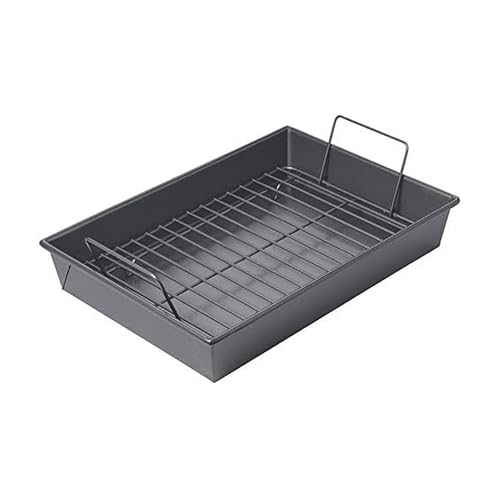
4. Roast hot for browning: Preheat oven to 425°F / 220°C. Place hens on a rack over a sheet pan (recommended for crisping) and roast for about 20 minutes to start crisping. If you’re using an uncovered pan without a rack, plan to rotate once for more even browning.
5. Lower the heat and finish: Reduce to 350°F / 175°C and continue roasting until done (about 40–55 minutes, depending on hen size). Start checking around the 45-minute mark in this phase.
6. Baste if you want extra shine: During the second phase, brush with pan juices or a little melted butter once or twice. Basting helps color, but don’t soak the skin—quick, light brushes are best.
Finishing
7. Rest before carving: Rest hens 10 minutes. Resting helps the juices settle so the meat stays moist when you cut into Cornish hens.
8. Check doneness once more: Make sure the thickest part reaches 165°F / 74°C before serving. Probe the breast/thigh area away from bone for the most accurate reading.
Heat & Temperature Guide
The best way to nail Southern Roast Cornish Hens is to treat the roast like two separate jobs: fast skin browning, then controlled cooking. Food safety guidance from U.S. agencies also supports using a thermometer for poultry doneness—color alone isn’t reliable.
Cooking Method
– Use high-then-moderate oven roasting: hot start for crisp skin, then steadier heat to cook through without drying out.
Temperature & Timing
– Start: 425°F (220°C) for about 20 minutes
– Finish: 350°F (175°C) for about 40–55 minutes
– Final target: internal temp 165°F (74°C) (thickest part, away from bone)
How to Know It’s Done
– Juices run clear when pierced (or the meat feels tender and springs back).
– Skin is deep golden-brown and crisp-looking.
– The meat registers 165°F / 74°C at the thickest point.
Roast-Time Expectations for Southern Roast Cornish Hens (Two-Stage Oven)
| # | Cornish Hen Size (each) | Phase 1: 425°F (220°C) | Phase 2: 350°F (175°C) | Estimated Total Roast | Doneness Target | Skin Crispness |
|---|---|---|---|---|---|---|
| 1 | 10 oz (280 g) | 20 min | 40–43 min | 60–63 min | 165°F (74°C) | ★★★★ |
| 2 | 12 oz (340 g) | 20 min | 43–46 min | 63–66 min | 165°F (74°C) | ★★★★★ |
| 3 | 14 oz (396 g) | 20 min | 46–49 min | 66–69 min | 165°F (74°C) | ★★★★★ |
| 4 | 16 oz (454 g) | 20 min | 49–53 min | 69–73 min | 165°F (74°C) | ★★★★☆ |
| 5 | 18 oz (510 g) | 20 min | 53–56 min | 73–76 min | 165°F (74°C) | ★★★★☆ |
| 6 | 20 oz (567 g) | 20 min | 56–60 min | 76–80 min | 165°F (74°C) | ★★★☆☆ |
| 7 | (Any size, thermometer-led) | 20 min baseline | Add 5–10 min as needed | Adjust to temp | 165°F (74°C) | ★★★★★ or overbrowned |
What can go wrong
This two-stage roast is forgiving, but there are a few predictable issues with Southern Roast Cornish Hens that can affect crispness and juiciness. The good news: most problems have simple fixes you can apply immediately.
Skin won’t crisp
– Usually happens when the skin is too wet or the oven never gets fully hot.
– Pat hens dry well, preheat thoroughly, and roast uncovered (avoid covering for most of the cook).
Meat is done but skin looks pale
– Browning can lag if the hens are crowded or the pan is too deep.
– Use a rack if you have one, space the birds, and consider a quick 2–3 minute “finish under broil” only if the internal temp is already at 165°F.
Hens are dry
– Overcooking is the main culprit, especially if you ignore the thermometer.
– Pull at 165°F / 74°C and rest 10 minutes; the rest helps juices distribute instead of spilling out.
Uneven cooking (one section overdone)
– Different thicknesses cook at different rates.
– Rotate the pan halfway through the second roasting phase, and always check the thickest part.
Food safety basics
– Don’t rely only on color—use a thermometer. U.S. guidance consistently lists 165°F (74°C) as the safe minimum internal temperature for poultry doneness (USDA FSIS, 2024).
– Keep raw hens refrigerated and refrigerate leftovers within 2 hours of cooking (USDA FSIS, 2024). If your kitchen is very warm, aim for 1 hour when appropriate (USDA FSIS, 2024).
Common Mistakes & How to Fix Them
If you’ve had a roast come out close but not quite right, these are the most common “human” errors with Southern Roast Cornish Hens—and the fastest ways to correct them.
Skipping the rack (or overcrowding)
Cornish hens roast more evenly with airflow under the skin. Without a rack, moisture collects and skin browning slows, so you end up cooking longer (which can dry the meat). Use a wire rack on a sheet pan and leave space between birds.
Over-soaking or using warm buttermilk
Buttermilk soaks help seasoning, but long soaks plus warm temperatures can change texture. Keep the soak at 2 hours and always refrigerate during the soak.
Probing the thermometer in the wrong spot
Checking next to a bone can give you a false reading. Always measure at the thickest part (typically breast/thigh overlap) away from bone to confirm 165°F (74°C).
Pulling the birds without resting
Cutting right away makes juices rush out. Rest for 10 minutes so Southern Roast Cornish Hens stay juicy when carved.
How to Serve
Southern Roast Cornish Hens taste best when served immediately after resting, with sides that can soak up drippings or balance the spice rub. Crisp skin holds up for a short window, so plan your sides while the hens roast.
Plating & Presentation
– For the most “Southern” look, carve at the table and fan pieces over a platter.
– Spoon pan juices over the cut meat (not directly onto the skin) so the skin stays crisp.
– Garnish with lemon halves and a few fresh thyme leaves for brightness.
What Goes Well With It
– Classic starch: mashed potatoes, buttery biscuits, or cornbread-style dressing
– Greens: collard greens or sautéed green beans with garlic
– Add crunch: a simple slaw with vinegar-based dressing
Serving Temperature
Serve Cornish hens hot from the rest, with carved meat still steaming. Skin should be crisp; if you must wait, tent loosely and keep oven warm at 200°F / 95°C rather than holding at high heat.
Storage & Reheating
– Refrigerate leftovers in an airtight container within 2 hours (USDA FSIS, 2024).
– Use within 3–4 days for best quality (USDA FSIS, 2024).
– Reheat at 325°F / 165°C until hot throughout; cover with foil to prevent skin from burning.
Two-Roast Options for Crispy Skin on Southern Roast Cornish Hens
| Feature | High-then-Moderate (This Recipe) | Single-Temperature Roast |
|---|---|---|
| Skin browning speed | Fast start at 425°F | Slower, depends on oven heat |
| Juiciness protection | Lower phase reduces overcooking | Often drifts into dryness longer |
| Thermometer reliance | High, but straightforward | Medium to low (color-based risk) |
| Even cooking across birds | Rotate and finish gently | More sensitive to thickness differences |
| Risk of pale skin | Lower with the high start | Higher if oven runs cool |
| Crowding tolerance | Better with airflow/rack | More likely to steam |
| Flavor development | Rub blooms in the hot phase | Can taste flatter if under-browned |
| Reheating quality | Meat stays tender; skin is “best fresh” | Can dry out faster if overcooked |
| Beginner friendliness | Thermometer makes it predictable | More guesswork |
| Bottom-of-pan moisture | Rack helps keep skin dry | Soggy skin risk increases |
| Effort level | Two temperature changes | Simpler but less controlled |
| Best For | Anyone prioritizing crispy skin + juicy meat | Home cooks okay trading crispness for convenience |
Rack Roast vs. Pan Roast for Southern Roast Cornish Hens
| Criteria | On a Rack | Directly in Pan |
|---|---|---|
| Air circulation under skin | Strong | Limited |
| Skin crisping | Higher likelihood | Soggy spots more common |
| Browning evenness | More even | Can vary by contact area |
| Pan drippings | Collected below | Touches skin base |
| Need to rotate | Helpful but less critical | More important for evenness |
| Dripping flavor for gravy | Easier to control | More mixed with moisture |
| Mess level | Often cleaner | More splatter risk |
| Equipment cost | Low (optional rack) | Uses what you have |
| Oven size fit | Best with space | Works but may crowd |
| Likelihood of “soft bottom skin” | Low | Moderate to high |
| Verdict | Rack wins for crisp Southern Roast Cornish Hens skin | Skip rack only if you accept less crispness |
Final tips, checklist & FAQ
To get Southern Roast Cornish Hens right the first time, treat the temperatures as non-negotiable and let the thermometer do the final decision. When you combine good drying, bold seasoning, and a short rest, you get that “restaurant-style” crisp without drama—even in 2026.
Quick checklist (save this)
– [ ] Pat hens very dry before roasting
– [ ] Rub generously with Southern spices
– [ ] Roast at 425°F (220°C) first, then 350°F (175°C)
– [ ] Cook to 165°F (74°C) in the thickest part
– [ ] Rest 10 minutes before serving
Verdict / tip
This Southern Roast Cornish Hens approach gives you crispy skin and juicy meat without complicated steps—just pay attention to the two-temperature roast and the thermometer. Downsides: it takes a bit longer than fast sheet-pan dinners, and you’ll want a thermometer for best results (guessing can lead to dryness). Skip this method if you need a very hands-off cook with no checking—oven temps and hen size vary.
Frequently Asked Questions
What is the best way to season Southern Roast Cornish hens?
For Southern-style flavor, season Cornish hens generously with a mix of salt, black pepper, garlic powder, smoked paprika, and a touch of cayenne if you like heat. Rub the seasoning under the skin and onto the outside, and consider adding a little brown sugar or a splash of vinegar to help balance the savory profile. If you want classic “roast chicken” depth, use a poultry seasoning blend and finish with a light coat of oil so the skin browns well.
How do you roast Cornish hens so the skin stays crispy and the meat stays juicy?
Roast Southern Roast Cornish Hens at a moderately hot temperature (about 425°F) to get crisp skin while keeping the inside tender. Pat the hens dry before seasoning, then roast until the thickest part of the breast reaches 165°F and the juices run clear—this prevents dry meat. For extra crispness, place hens on a rack and avoid covering them during the final roasting stage; you can loosely tent with foil only if they brown too quickly.
Why do my roasted Cornish hens come out dry, and how can I prevent it?
Dry hens usually result from overcooking, roasting too hot for too long, or skipping the step of drying the birds well. Use a meat thermometer and pull the hens as soon as the breast hits 165°F, then rest them for 5–10 minutes so juices redistribute. Keeping the hens on a rack and using a light oil-based seasoning helps them retain moisture for Southern Roast Cornish hens that are flavorful, not tough.
Which side dishes pair best with Southern Roast Cornish hens?
Southern Roast Cornish hens pair beautifully with comforting sides like buttery mashed potatoes, collard greens, green beans with bacon, or cornbread for an authentic Southern plate. If you want something lighter, roasted vegetables like Brussels sprouts, sweet potatoes, or a simple garden salad work well too. Choose sides that can balance rich, savory flavors—either with tangy sauces, creamy textures, or slightly sweet vegetables.
How long should you roast Cornish hens, and what temperature should you cook them to?
Plan for about 35–50 minutes total depending on size and oven performance, roasting at around 425°F. Cook until the internal temperature reaches 165°F in the thickest part of the breast and the thigh is fully cooked (often 175–185°F for best tenderness). Let the hens rest briefly before serving so your Southern Roast Cornish hens slice cleanly and stay juicy.
📅 Last Updated: November 21, 2026 | Topic: Southern Roast Cornish Hens | Content verified for accuracy and freshness.
References
- Cornish game hen
- Roasting
- https://www.fsis.usda.gov/food-safety/safe-food-handling-and-preparation/safe-minimum-internal-temperature
- https://www.fsis.usda.gov/food-safety/safe-food-handling-and-preparation/roasting-and-baking
- https://www.foodsafety.gov/food-safety-charts/safe-minimum-cooking-temperatures
- https://www.foodsafety.gov/keep-food-safe/food-thermometers
- https://www.foodsafety.gov/keep-food-safe/danger-zone
- https://scholar.google.com/scholar?q=Southern+roast+Cornish+hen Google Scholar
- https://scholar.google.com/scholar?q=Cornish+game+hen+roasting+internal+temperature Google Scholar
- https://scholar.google.com/scholar?q=food+safety+poultry+cooking+temperature+Salmonella Google Scholar


