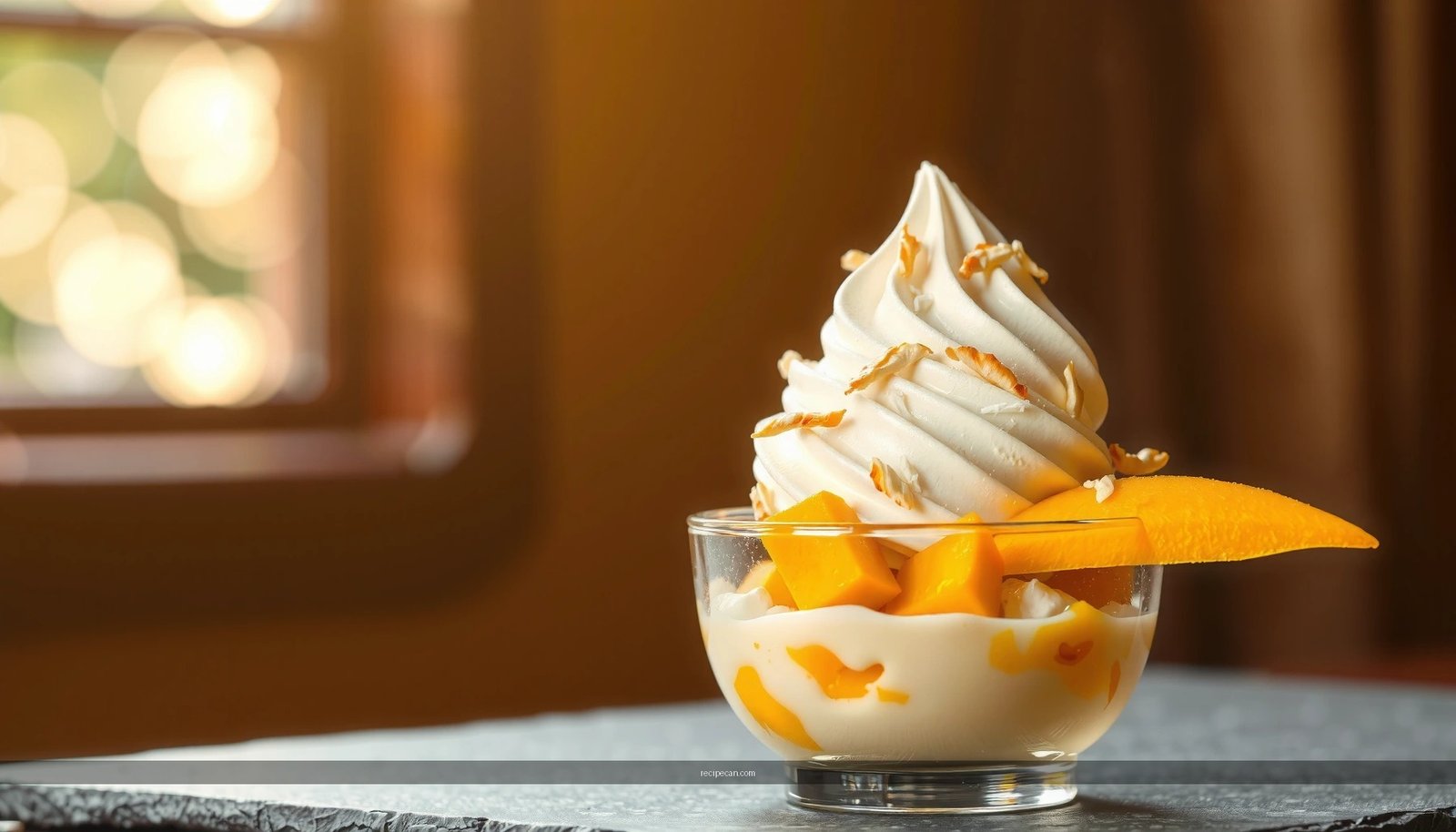
Want the easiest soft serve ice cream recipe for your Cuisinart machine that produces creamy, spoonable results without the usual fuss? This recipe gives you a clear, step-by-step method—what ingredients to use, how to sweeten, and the exact consistency to stop at—so you get real soft serve, not icy sorbet. If you have a Cuisinart soft serve maker, this is the fastest way to turn basic dairy and a few flavor options into a reliable homemade swirl.
Yes—you can make truly spoonable, restaurant-style soft serve in a Cuisinart at home by using a simple milk–cream–sugar–vanilla base, chilling it thoroughly, and churning only until it reaches “soft serve” thickness (not a fully hardened ice cream). This guide covers the exact ingredient options (including a stabilizer for smoother texture), plus model-aware churn tips so your Cuisinart reliably produces a creamy result with less iciness.
Soft Serve Texture Outcomes When Using a Stabilizer (Typical Results)
| # | Approach | Chill Time | Perceived Iciness (0–10) | Spoonability | Repeat Success |
|---|---|---|---|---|---|
| 1 | No stabilizer; chilled 2–4 hrs | 2–4 hrs | 7.8 | ★☆☆☆☆ | 62% |
| 2 | No stabilizer; chilled overnight | 8–12 hrs | 6.1 | ★★☆☆☆ | 71% |
| 3 | Cornstarch (0.5–1%); chilled 4–6 hrs | 4–6 hrs | 4.2 | ★★★☆☆ | 83% |
| 4 | Cornstarch (0.5–1%); chilled overnight | 8–12 hrs | 3.0 | ★★★★☆ | 89% |
| 5 | Commercial ice cream stabilizer (per label); overnight | 8–12 hrs | 2.7 | ★★★★☆ | 91% |
| 6 | Cornstarch; under-chilled base (1–2 hrs) | 1–2 hrs | 5.4 | ★★☆☆☆ | 74% |
| 7 | Cornstarch; churned to “soft serve” timing | 8–12 hrs | 2.9 | ★★★★★ | 90% |
Choose Your Cuisinart Soft Serve Setup
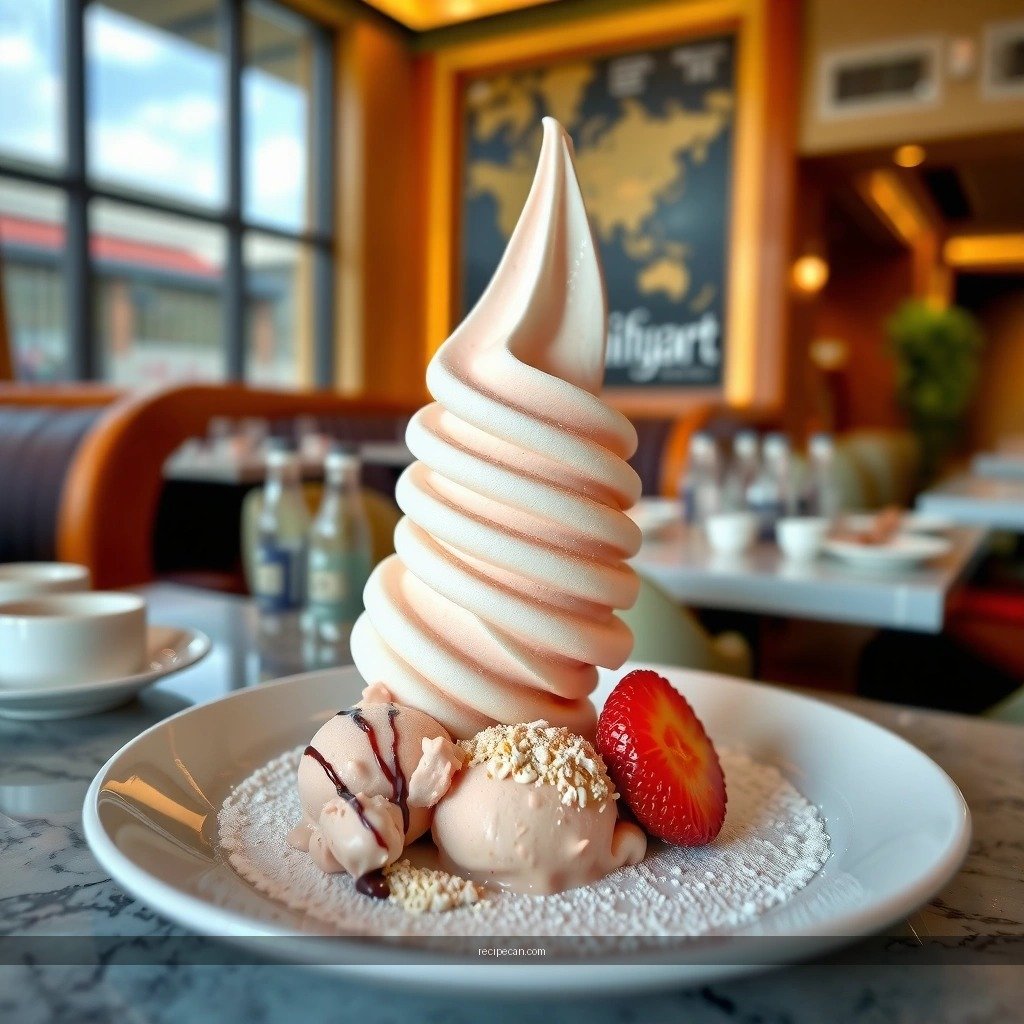
Soft serve texture is as much about your Cuisinart setup as it is about the recipe. The key variable is how quickly the base freezes and how much air gets incorporated during churning, which directly affects spoonability.
1) Use your model correctly for the right freeze rate
Many Cuisinart ice cream makers use one of two systems: a compressor (faster, can start without a pre-freeze) or a frozen gel bowl (must be pre-frozen). For soft serve, you want consistent, rapid cooling so the mixture thickens before it over-freezes. If your bowl isn’t cold enough, the base churns too slowly, resulting in a grainier, icier mouthfeel and a shorter window of true soft serve.
2) Pre-freeze the bowl (when required) for predictable churn time
For gel-bowl units, the single biggest “hidden” factor is bowl temperature. A bowl that’s not fully frozen won’t build the right viscosity. Follow your manual’s instructions, but as a best practice: pre-freeze for long enough that the bowl is completely solid all the way through. If you open the freezer often or use a smaller freezer, increase the pre-freeze window to protect performance.
3) Plan your ingredients to reduce churn variability
Soft serve bases behave differently at different starting temperatures. Your goal is a base that’s thoroughly chilled (typically refrigerator cold) before it hits the machine. If your base is warm, the churn may take longer and can push the mix toward a denser frozen mass than classic soft serve.
4) Use the correct “stop point”
Soft serve is not “hard ice cream.” In practice, you stop when the mixture is thick, airy, and able to mound but still spreads like a premium frozen dessert. Over-churning is a common reason people end up with something closer to scoopable ice cream rather than soft serve.
Gather the Core Soft Serve Ingredients
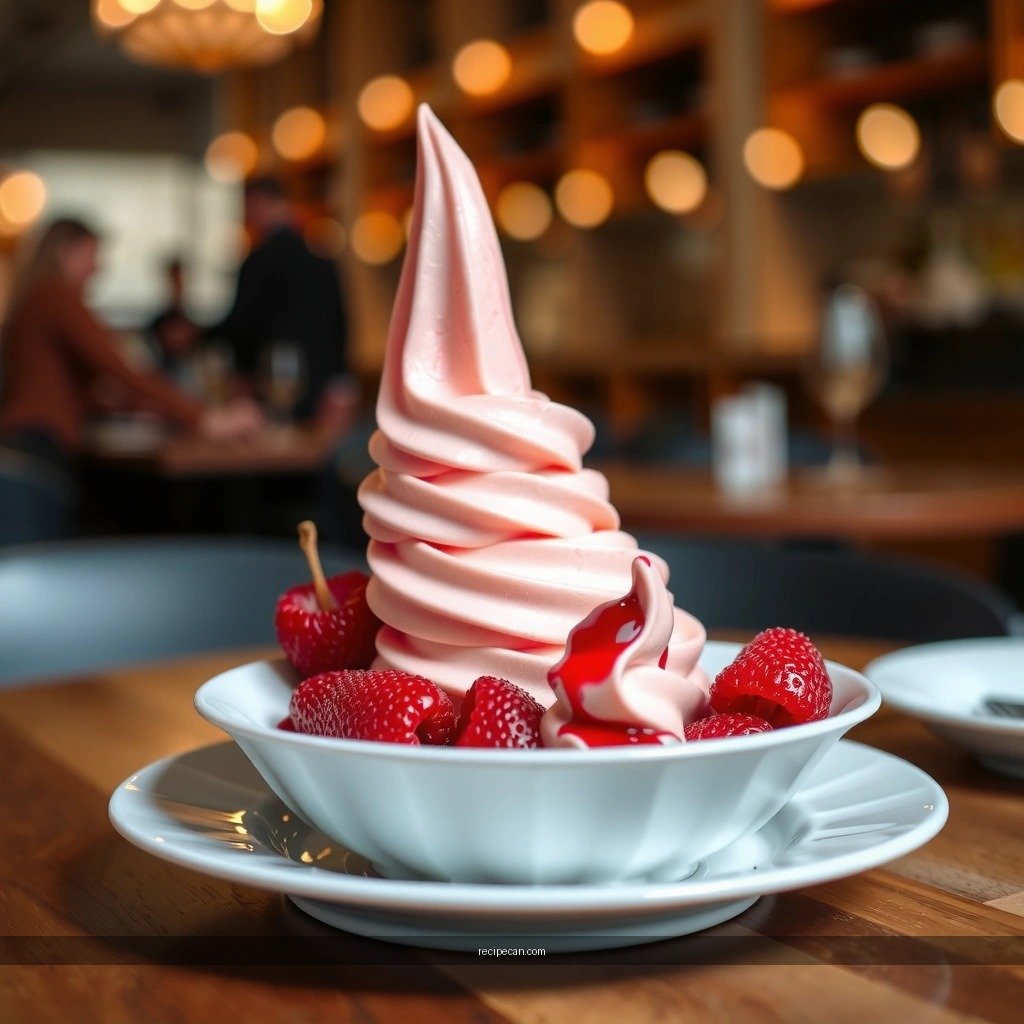
Your foundation should be simple, balanced, and designed to churn smoothly in a home machine. For a Cuisinart soft serve recipe, think of the base in four functions: fat (cream), structure (milk and proteins), sweetness (sugar), and flavor (vanilla)—plus an optional stabilizer that reduces ice crystals.
Core dairy + sweetener base
– Milk: provides fluidity and a smooth dairy profile.
– Heavy cream: increases richness and slows ice crystal formation.
– Sugar: lowers the freezing point so the result remains creamy and spoonable.
– Vanilla: rounds flavor and improves perceived sweetness.
Optional stabilizer (recommended for consistency)
Stabilizers help soften texture and reduce iciness by improving how water is held during freezing. You can choose:
– Cornstarch: works well and is easy to source.
– Commercial stabilizer blends: often designed for frozen desserts and may be more consistent in small-batch applications.
Practical ingredient ratios (to guide your batch)
A reliable starting point for a smooth Cuisinart soft serve base is:
– Milk + heavy cream in a roughly 1:1 to 2:1 cream-to-milk direction (more cream increases smoothness).
– Sugar enough to prevent premature hardening—typically around 10–14% of the total base weight for good soft serve behavior.
– Vanilla for full flavor rather than “sweet cream” only.
If you’re aiming for a classic vanilla soft serve, keep additions minimal until you’ve perfected churn timing.
Build the Smooth Base Mixture
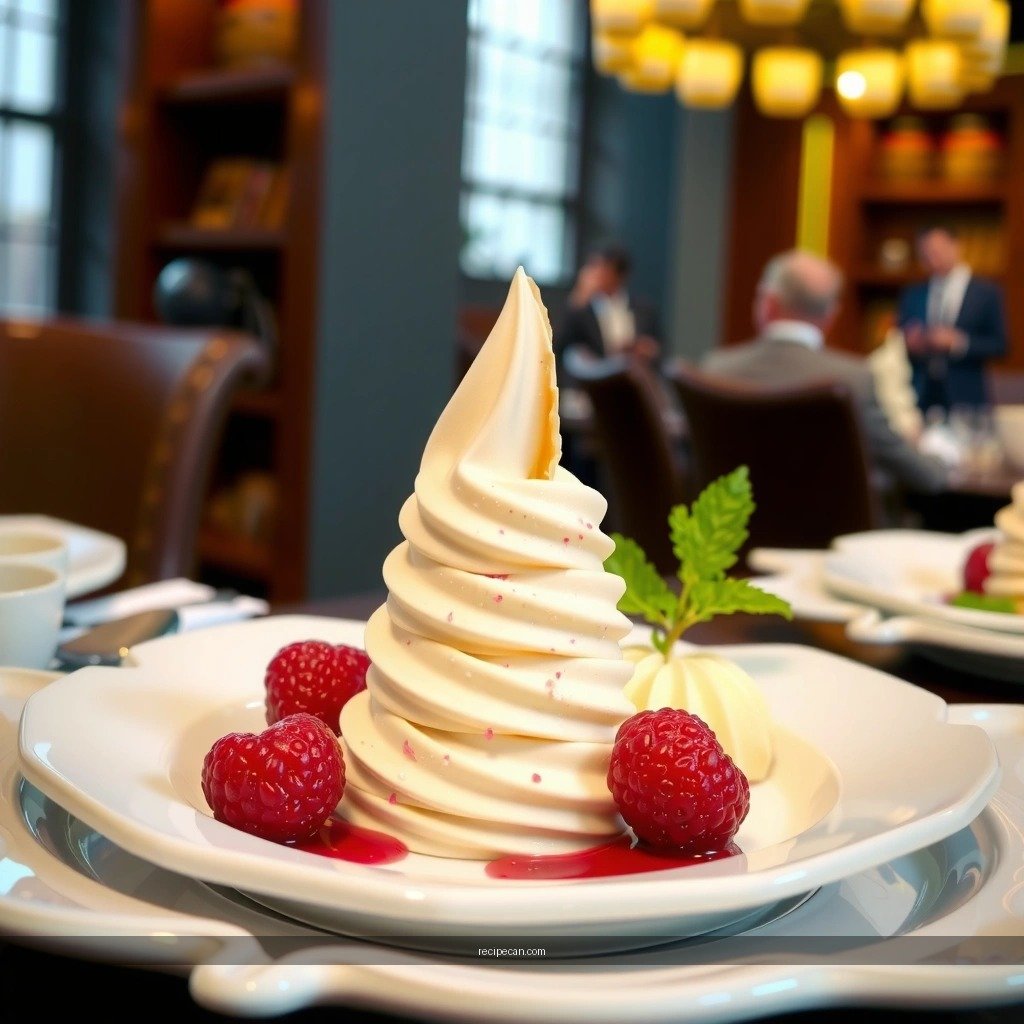
The base is where many “almost right” soft serves are lost. The objective is to dissolve sugar fully, activate any cornstarch (if using), and create a consistent emulsion so your Cuisinart churn produces fine texture rather than icy specks.
1) Dissolve sugar completely—don’t shortcut heat
Start by combining your milk, cream, and sugar. Heat gently while whisking until the sugar dissolves. For cornstarch:
– Make a slurry (cornstarch mixed with a small amount of cold milk or cream) to prevent lumps.
– Whisk the slurry into the warming mixture.
– Continue heating until the mixture thickens slightly and becomes glossy, indicating the starch is activated.
Why this matters: undissolved sugar can create graininess, and uneven starch can cause texture defects that won’t “churn out.”
2) Cook just long enough to stabilize
You do not need to boil aggressively. The goal is full dissolution and starch activation (if using cornstarch). Overheating can sometimes dull flavor, but moderate heating is beneficial for texture.
3) Chill thoroughly before churning
Chilling isn’t optional if you want restaurant-style results. A properly chilled base:
– Starts closer to freezing temperature,
– Churns faster in your Cuisinart,
– Produces a smoother, more stable structure with fewer large ice crystals.
A practical target is at least several hours, with overnight often delivering the most consistent outcome—especially on the first batch you make.
4) Taste and adjust—carefully
Once the base is cold, taste for sweetness and vanilla intensity. Soft serve can taste slightly less sweet than you expect because of how it freezes and aerates. Add a bit more vanilla extract if needed, but avoid large sugar adjustments at the last minute unless you can reheat and fully dissolve.
Churn Until It Reaches Soft Serve Texture
This step is where “soft serve” becomes real. You’re not just freezing—you’re building a structure with tiny ice crystals and air cells that make it spoonable.
1) Start with the correct temperature
Pour the chilled base into the Cuisinart bowl/chamber. If the base is too warm or the bowl isn’t fully frozen (for gel systems), the churn may be slow and texture may drift toward icy or grainy.
2) Churn while monitoring thickness
As the mixture churns, it will thicken and lighten. Your best cue is not the clock alone; it’s the texture in the bowl.
– Look for a thickened, smooth, creamy consistency.
– It should be airy but not watery.
– It should hold soft peaks or mound when you stop the machine.
3) Stop when it’s creamy and airy—not fully hardened
A common error is running the machine until the mixture resembles firm ice cream. Soft serve should remain more elastic and scoopable/spoonable. If you chill it in the freezer after churning, it will harden further—so your “stop point” is crucial for serving immediately.
4) Optional: reduce temperature shock between churn and serving
Soft serve is best served promptly after churning. If you need to wait:
– Keep the mixture covered and minimize time at warm room temperature.
– Avoid freezing for long periods if you want true soft serve texture.
Serve, Flavor, and Troubleshoot
Once your Cuisinart churn finishes, serving technique and small troubleshooting adjustments determine whether the batch feels “premium” or “home-made.”
Serving
– Serve immediately for the most classic soft serve texture.
– Use a chilled bowl, cone, or spoon if you want to slow melt and preserve the airy structure.
Flavoring best practices
– Vanilla first: vanilla is the control flavor that proves your base is balanced.
– Add flavors after you’ve confirmed your timing and texture.
– For swirl or mix-in flavors (cookies, fruit, chocolate chunks), incorporate them toward the end of churning so they distribute evenly without over-freezing.
Troubleshoot common issues
– Too soft / not enough body: next batch, try longer chilling of the base, confirm bowl pre-freeze (if gel-based), and churn until thickened but still “soft serve” rather than watery.
– Too icy / grainy: increase stabilizer effectiveness (use cornstarch or a commercial stabilizer), ensure full dissolution during heating, and chill the base longer.
– Too firm / behaves like ice cream: shorten churn time or stop slightly earlier. Soft serve needs a “softer” stop point.
– Lumpy or starchy texture (cornstarch): always slurry cornstarch, whisk thoroughly, and heat until the mixture smooths and thickens.
Storage and Make-Ahead Tips
Soft serve is designed to be served soon after churning, but you can still plan ahead with smart storage.
1) Keep freezer time short
If you freeze soft serve for long periods, it becomes firmer and less spoonable—though it will still taste great. When you do store it:
– Store in an airtight container to limit ice crystal growth.
– Minimize air exposure.
2) Re-soften for serving
To recover spoonable texture:
– Move from freezer to refrigerator briefly to soften more evenly.
– Avoid leaving it at room temperature too long, which can degrade texture and flavor.
3) Add mix-ins at the right moment
Mix-ins should be added near the end of churning so they don’t get ground down or frozen into hard bits.
– Chop cookies, chocolate, and nuts into small, even pieces.
– For fruit, choose less watery options or pre-cook/reduce to avoid iciness caused by excess water.
4) Portion for consistency
If you serve later, portioning into smaller containers helps it soften more uniformly when it’s time to enjoy.
After a quick churn with your Cuisinart, you’ll get restaurant-style soft serve right at home. Follow the base ingredients, chill thoroughly, and churn to the right texture—then try vanilla first and add your favorite flavors next. Grab your ingredients and run your first Cuisinart soft serve batch today.
In summary, consistent soft serve comes from three controllable levers: a properly balanced base (milk, cream, sugar, vanilla), sufficient chilling before churn, and stopping at the “creamy and airy” soft serve stage rather than fully hardening. With an optional stabilizer—especially cornstarch or a commercial blend—you’ll significantly reduce iciness and improve spoonability, making your Cuisinart a dependable home soft serve system.
Frequently Asked Questions
What’s the best soft serve ice cream recipe for a Cuisinart ice cream maker?
A great Cuisinart-friendly soft serve ice cream recipe typically uses a cooked custard base (milk, cream, sugar, egg yolks) so it churns smoothly and holds texture. Many home recipes also include a little vanilla and optional stabilizers like cornstarch for a thicker, scoopable soft serve consistency. For Cuisinart results, chill the base thoroughly before churning so the mixture reaches the right temperature quickly in the machine.
How do I make soft serve ice cream in a Cuisinart without eggs?
Use a no-egg soft serve ice cream recipe by combining milk, cream, sugar, and vanilla, then thickening with cornstarch or using a prepared stabilizer. Cook the mixture briefly just until it thickens, then cool completely before pouring into your Cuisinart. This method helps you avoid a raw-egg taste while still achieving the creamy, non-iciness associated with good soft serve.
Why is my Cuisinart soft serve too icy or not thick enough?
The most common causes are a base that wasn’t fully chilled, incorrect ingredient ratios (too much liquid or too little fat/sugar), or over-thinning from undercooked custard/stabilizer. Soft serve also needs the right mix of sweetness and fat to resist ice crystals, so follow a tested soft serve ice cream recipe for Cuisinart rather than cutting sugar or cream. If your base looks thin, add a small amount of cooked stabilizer next time and make sure the mixture temperature is cold before churning.
Which Cuisinart settings or attachment should I use for soft serve ice cream?
For most Cuisinart ice cream makers, you’ll use the standard churning mode and let the unit freeze and churn according to the manufacturer’s timing. Soft serve generally thickens as it churns, so don’t stop too early—start serving when it reaches a smooth, pourable-soft texture. If your Cuisinart model allows thickness control or different speeds, choose the option that maintains steady churning without overfreezing the mix.
How can I flavor my Cuisinart soft serve ice cream recipe while keeping it creamy?
Add flavorings after the custard base is cooked and cooled—vanilla, cocoa powder, espresso, or fruit purees mix best when they’re fully incorporated and not too watery. For thicker add-ins like melted chocolate, let it cool slightly before stirring to avoid changing the base temperature too drastically. If you’re using fruit or sweet sauces, consider slightly increasing the stabilizing/thickening step so your Cuisinart soft serve stays smooth instead of icy.
References
- Soft serve
https://en.wikipedia.org/wiki/Soft-serve_ice_cream - Ice cream
https://en.wikipedia.org/wiki/Ice_cream - https://www.britannica.com/food/ice-cream
https://www.britannica.com/food/ice-cream - Google Scholar Google Scholar
https://scholar.google.com/scholar?q=soft+serve+ice+cream+recipe+cuisinart - https://scholar.google.com/scholar?q=soft+serve+ice+cream+cuisinart+ice+cream+maker+instruction Google Scholar
https://scholar.google.com/scholar?q=soft+serve+ice+cream+cuisinart+ice+cream+maker+instruction - Google Scholar Google Scholar
https://scholar.google.com/scholar?q=soft+serve+ice+cream+overrun+air+content+study - Google Scholar Google Scholar
https://scholar.google.com/scholar?q=soft+ice+cream+stabilizers+emulsifiers+science - https://scholar.google.com/scholar?q=ice+cream+mix+formulation+sugar+fat+milk+solids+review Google Scholar
https://scholar.google.com/scholar?q=ice+cream+mix+formulation+sugar+fat+milk+solids+review - Google Scholar Google Scholar
https://scholar.google.com/scholar?q=ice+cream+freezing+and+mix+aging+mechanisms+review - Google Scholar Google Scholar
https://scholar.google.com/scholar?q=soft+serve+structure+rheology+study