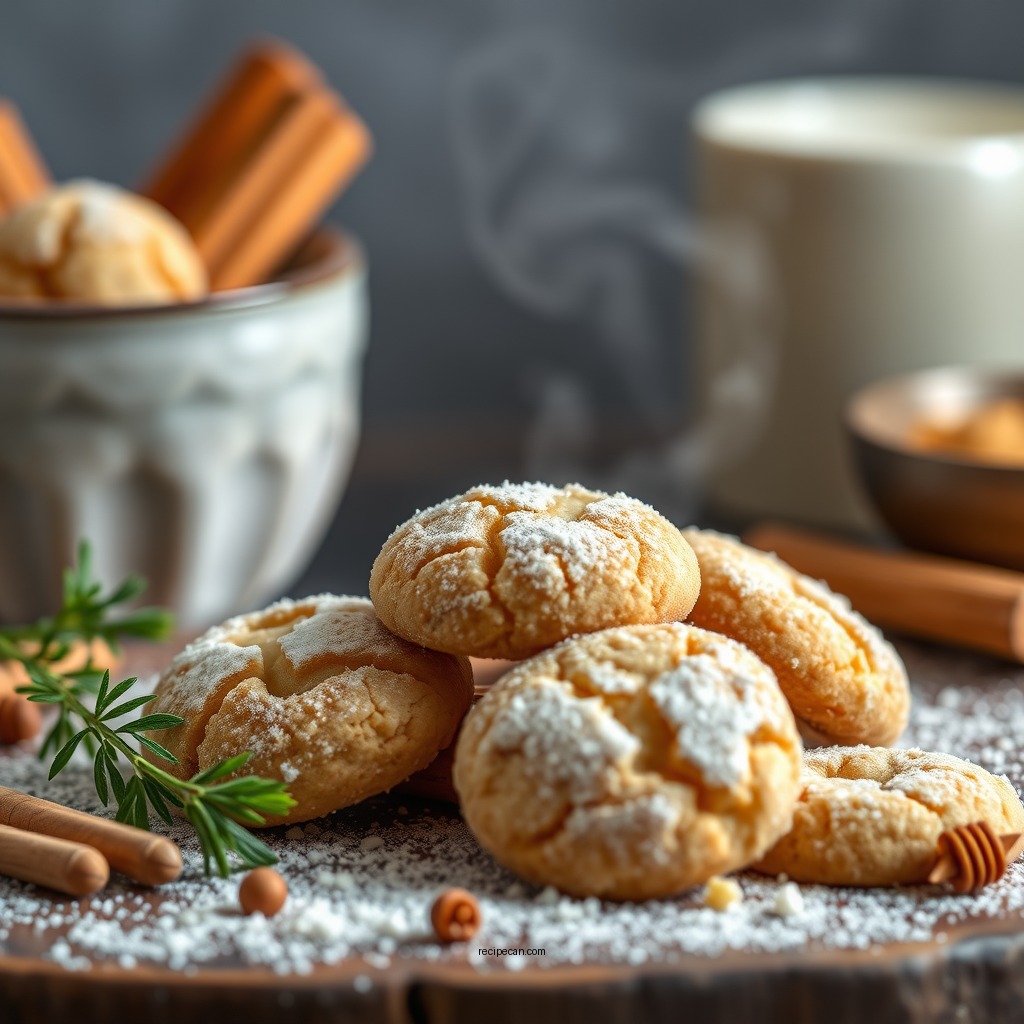
Snickerdoodle cookies can be just as delightful without cream of tartar, and you can achieve that perfect soft and chewy texture using simple substitutes. This article will guide you through several snickerdoodle recipes that eliminate the need for tartar, ensuring you can enjoy these treats anytime. Whether you’re out of cream of tartar or simply looking for an alternative, these recipes will satisfy your sweet tooth without compromising on flavor or texture.
What Is Cream of Tartar and Why Use It?
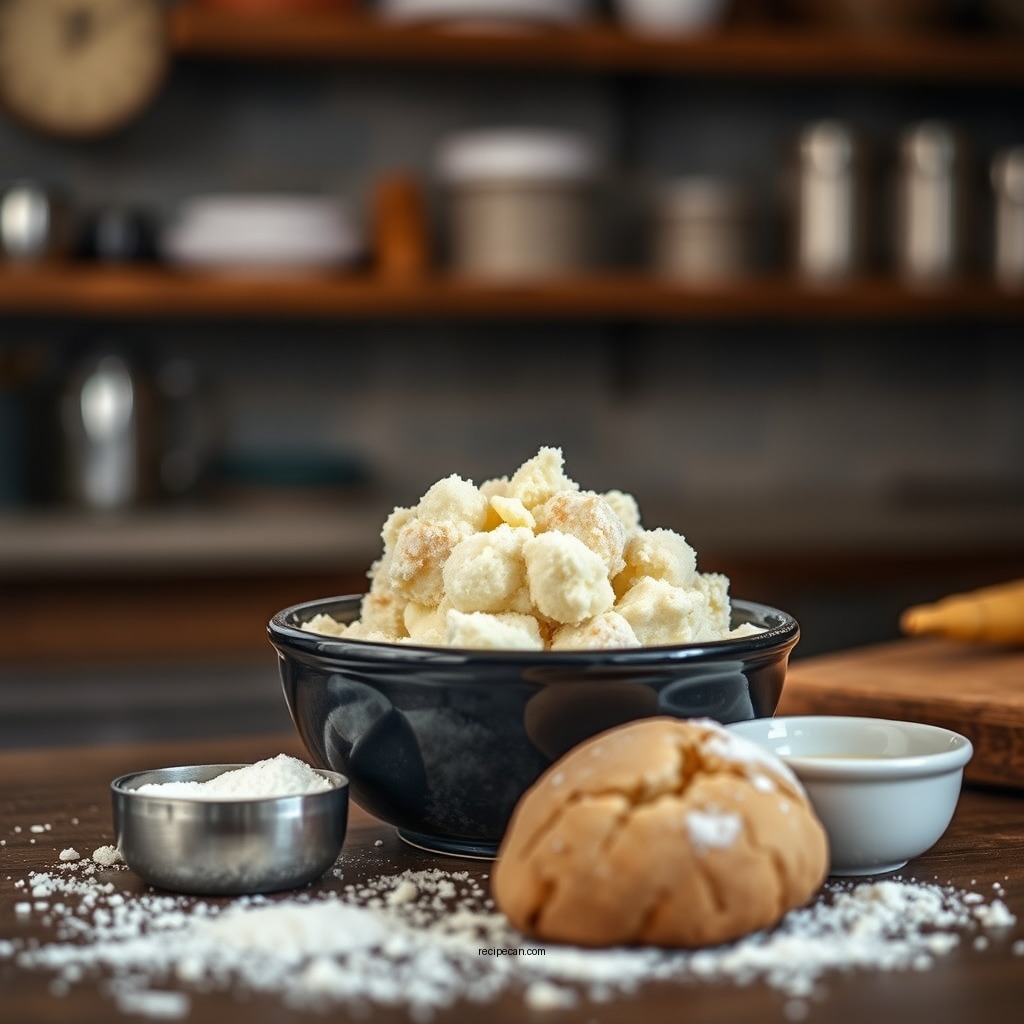
Cream of tartar, or potassium bitartrate, is a byproduct of winemaking that serves as an acidic stabilizer in recipes, particularly in baking. Its primary role in snickerdoodle cookies is to provide a slight tanginess and to help stabilize whipped egg whites, allowing for a lighter texture in baked goods. In traditional recipes, cream of tartar works in conjunction with baking soda to create a leavening effect, leading to the classic chewy texture associated with snickerdoodles.
However, if you find yourself without cream of tartar, there are several effective substitutes. A common alternative is a combination of baking soda and an acidic ingredient such as vinegar or lemon juice. For every teaspoon of cream of tartar, you can use 1/2 teaspoon of baking soda plus 1/4 teaspoon of either vinegar or lemon juice. This substitution not only maintains the cookie’s rise but also enhances its flavor profile, ensuring that your snickerdoodles remain soft and delicious.
Easy Snickerdoodle Recipe Without Tartar
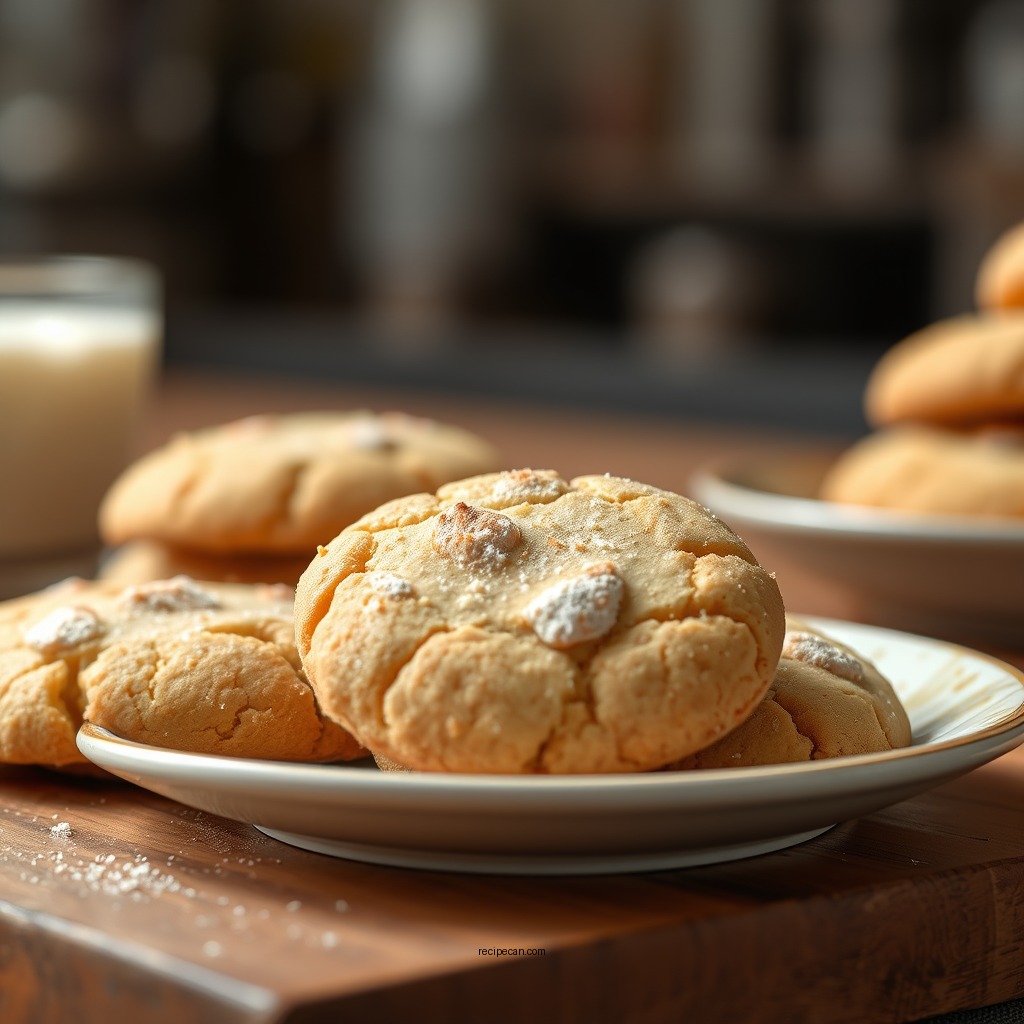
Creating snickerdoodle cookies without cream of tartar is straightforward. Here’s a simple recipe that guarantees fluffy, soft, and flavorful cookies:
Ingredients:
– 2 3/4 cups all-purpose flour
– 1 teaspoon baking soda
– 1/4 teaspoon salt
– 1 cup unsalted butter, softened
– 1 1/2 cups granulated sugar
– 1/4 cup brown sugar, packed
– 2 large eggs
– 1 teaspoon vanilla extract
– 3 tablespoons cinnamon sugar (for rolling)
Instructions:
1. Preheat your oven to 350°F (175°C) and line a baking sheet with parchment paper.
2. In a medium bowl, whisk together the flour, baking soda, and salt.
3. In a large mixing bowl, cream the softened butter, granulated sugar, and brown sugar until light and fluffy.
4. Beat in the eggs one at a time, followed by the vanilla extract.
5. Gradually mix in the dry ingredients until just combined.
6. In a small bowl, combine the cinnamon and sugar for rolling.
7. Scoop tablespoon-sized amounts of dough, roll into balls, and then roll in the cinnamon-sugar mixture.
8. Place the cookies on the prepared baking sheet, spacing them about 2 inches apart.
9. Bake for 10-12 minutes or until the edges are lightly golden, but the centers remain soft.
10. Allow the cookies to cool on the baking sheet for a few minutes before transferring them to a wire rack.
This recipe yields cookies that are perfectly soft and chewy, embodying the classic snickerdoodle flavor without the need for cream of tartar.
Variations on the Basic Recipe
Once you’ve mastered the basic snickerdoodle recipe, consider experimenting with various flavors and ingredients to create your unique twist. Here are some delightful variations:
– Vanilla or Almond Extract: Enhance the flavor profile by adding a teaspoon of pure vanilla or almond extract to the dough. These extracts can add a depth of flavor that complements the cinnamon beautifully.
– Chocolate Chips: For a more indulgent treat, fold in a cup of semi-sweet or dark chocolate chips into the cookie dough. The combination of chocolate and cinnamon can create a mouthwatering contrast.
– Nutty Delight: Incorporate chopped nuts such as pecans or walnuts for added texture and flavor. A half-cup of nuts can transform your snickerdoodles into a heartier snack.
– Pumpkin Snickerdoodles: For a seasonal variation, add a half-cup of pumpkin puree and a teaspoon of pumpkin spice to the dough. This not only enhances the flavor but also adds moisture, making the cookies even softer.
– Gluten-Free Version: Substitute the all-purpose flour with a gluten-free flour blend that includes xanthan gum. This allows those with gluten sensitivities to enjoy snickerdoodles without compromising on taste.
These variations allow you to customize your snickerdoodle experience, catering to different tastes and dietary preferences.
Popular Snickerdoodle Variations
| # | Variation | Flavor Profile | Texture | Popularity |
|---|---|---|---|---|
| 1 | Chocolate Chip | Sweet & Rich | Chewy | ★★★★☆ |
| 2 | Pumpkin Spice | Spicy & Sweet | Soft | ★★★★☆ |
| 3 | Almond Extract | Nutty & Sweet | Chewy | ★★★☆☆ |
| 4 | Nutty Delight | Nutty & Sweet | Crunchy | ★★☆☆☆ |
| 5 | Gluten-Free | Similar to Classic | Soft | ★★★★☆ |
| 6 | Cinnamon Roll | Cinnamon & Sweet | Chewy | ★★★★☆ |
Tips for Perfect Snickerdoodles
To ensure your snickerdoodles turn out perfectly every time, consider the following tips:
1. Use Room Temperature Ingredients: Allow ingredients like butter and eggs to reach room temperature before mixing. This promotes even incorporation and results in a smoother dough, which is essential for achieving the desired texture.
2. Measure Flour Accurately: To avoid dry cookies, spoon flour into your measuring cup and level it off with a knife. Using a kitchen scale can provide even more precision, with 1 cup of all-purpose flour weighing approximately 120 grams.
3. Don’t Overbake: Aim for a soft center that firms up as the cookies cool. The cookies should be slightly golden around the edges but still soft in the middle when you take them out of the oven. Typically, 10-12 minutes is sufficient, but keep an eye on them as baking times can vary based on your oven.
4. Chill the Dough: If time allows, chilling the dough for at least 30 minutes can help the cookies maintain their shape during baking and enhance the flavor as the ingredients meld together.
5. Rotate Your Baking Sheet: For even baking, rotate your baking sheet halfway through the baking time. This helps to ensure all cookies are evenly browned and cooked.
By implementing these tips, you can elevate your snickerdoodle baking game, resulting in cookies that are consistently delicious.
Snickerdoodle Baking Tips Effectiveness
Storing and Freezing Your Cookies
To keep your snickerdoodles fresh, proper storage is essential. Here are some tips:
– Storing Baked Cookies: Place your cooled snickerdoodles in an airtight container at room temperature, where they can last for up to one week. For best results, separate layers of cookies with parchment paper to prevent them from sticking together.
– Freezing Baked Cookies: If you want to preserve your cookies for longer, freeze them. Place cooled cookies in a single layer on a baking sheet to freeze before transferring them to a freezer-safe bag or container. They can be stored in the freezer for up to three months. To enjoy, simply thaw at room temperature or warm briefly in the microwave.
– Freezing Unbaked Dough: For even more convenience, freeze unbaked snickerdoodle dough. Roll the dough into balls, place them on a baking sheet, and freeze until solid. Then, transfer the dough balls to a freezer-safe bag. When you’re ready to bake, you can bake the cookies straight from the freezer, adding a couple of extra minutes to the baking time.
These storage tips ensure that you can always have fresh snickerdoodles on hand, ready to enjoy at a moment’s notice.
Common Mistakes to Avoid
Baking snickerdoodles is generally straightforward, but certain common mistakes can lead to unsatisfactory results. Here are a few pitfalls to avoid:
1. Too Much Flour: Adding too much flour can result in dry, crumbly cookies. Always measure your flour accurately, and consider using a kitchen scale for precision.
2. Using Expired Baking Soda: Baking soda is crucial for the rise of your cookies. Ensure that yours is fresh and active. If in doubt, test it by adding a small amount to vinegar; it should fizz vigorously if it’s still good.
3. Not Mixing Thoroughly: Inadequate mixing can lead to uneven textures and flavors. Make sure to mix the dough until all ingredients are well incorporated, without over-mixing.
4. Skipping the Chilling Step: If the dough is too warm, it may spread too much during baking. Chilling the dough helps maintain the cookie’s shape and texture.
5. Ignoring Baking Time: Overbaking snickerdoodles can lead to hard, crunchy cookies. Keep a close eye on them, and err on the side of underbaking; they will continue to firm up as they cool on the baking sheet.
By avoiding these common mistakes, you can ensure that your snickerdoodles will turn out perfectly every time.
Snickerdoodles without cream of tartar can be just as delicious and satisfying. By using simple substitutes and following these tips, you can create a batch of cookies that everyone will love. Try out these recipes and enjoy the sweet, cinnamon-sugar goodness of snickerdoodles today! Whether you’re baking for yourself, entertaining guests, or looking for a delightful gift, these cookies are sure to impress.
Frequently Asked Questions
What are some effective substitutes for cream of tartar in snickerdoodle recipes?
If you don’t have cream of tartar, you can use an equal amount of lemon juice or white vinegar as a substitute. Alternatively, baking powder can be used; for every teaspoon of cream of tartar, replace it with 1.5 teaspoons of baking powder, while reducing the baking soda in the recipe accordingly.
How can I make snickerdoodles without tartar that still taste great?
To make delicious snickerdoodles without cream of tartar, focus on using fresh baking soda and a good balance of cinnamon and sugar for coating. Additionally, using butter at room temperature will help achieve the perfect texture, and chilling your dough for at least 30 minutes can enhance the flavors and prevent spreading.
Why do traditional snickerdoodle recipes include cream of tartar?
Cream of tartar is traditionally included in snickerdoodle recipes to stabilize the egg whites and provide a tangy flavor that complements the sweetness. It reacts with baking soda to create a lighter, fluffier cookie, but when omitted, adjusting the leavening agents can achieve similar results.
What is the best way to ensure my snickerdoodles come out soft and chewy without cream of tartar?
To achieve soft and chewy snickerdoodles without cream of tartar, consider using a higher ratio of brown sugar to granulated sugar, as brown sugar adds moisture. Also, be careful not to overbake them; take them out when they are slightly undercooked, and let them firm up on the baking sheet.
Which snickerdoodle recipe without tartar is the easiest for beginners?
The easiest snickerdoodle recipe without tartar for beginners typically involves basic ingredients like flour, sugar, butter, baking soda, and cinnamon. A straightforward method is to cream the butter and sugar, mix in the dry ingredients, roll the dough into balls, and coat them in cinnamon sugar before baking. This simple approach allows for quick preparation while still delivering delicious cookies.
References
- Snickerdoodle
https://en.wikipedia.org/wiki/Snickerdoodle - https://www.sciencedirect.com/topics/food-science/snickerdoodle
https://www.sciencedirect.com/topics/food-science/snickerdoodle - Google Scholar Google Scholar
https://scholar.google.com/scholar?q=snickerdoodle+recipes+without+tartar - Google Scholar Google Scholar
https://scholar.google.com/scholar?q=snickerdoodle+cookbook - https://www.nytimes.com/2020/12/09/dining/snickerdoodles-recipe.html
https://www.nytimes.com/2020/12/09/dining/snickerdoodles-recipe.html - https://www.britannica.com/topic/snickerdoodle
https://www.britannica.com/topic/snickerdoodle - https://www.healthline.com/nutrition/snickerdoodle-recipe
https://www.healthline.com/nutrition/snickerdoodle-recipe - https://www.pubmed.ncbi.nlm.nih.gov/?term=snickerdoodle+cookies
https://www.pubmed.ncbi.nlm.nih.gov/?term=snickerdoodle+cookies - Google Scholar Google Scholar
https://scholar.google.com/scholar?q=sugar+cookie+recipes+without+tartar - snickerdoodle recipes without tartar – Search results
https://en.wikipedia.org/wiki/Special:Search?search=snickerdoodle+recipes+without+tartar