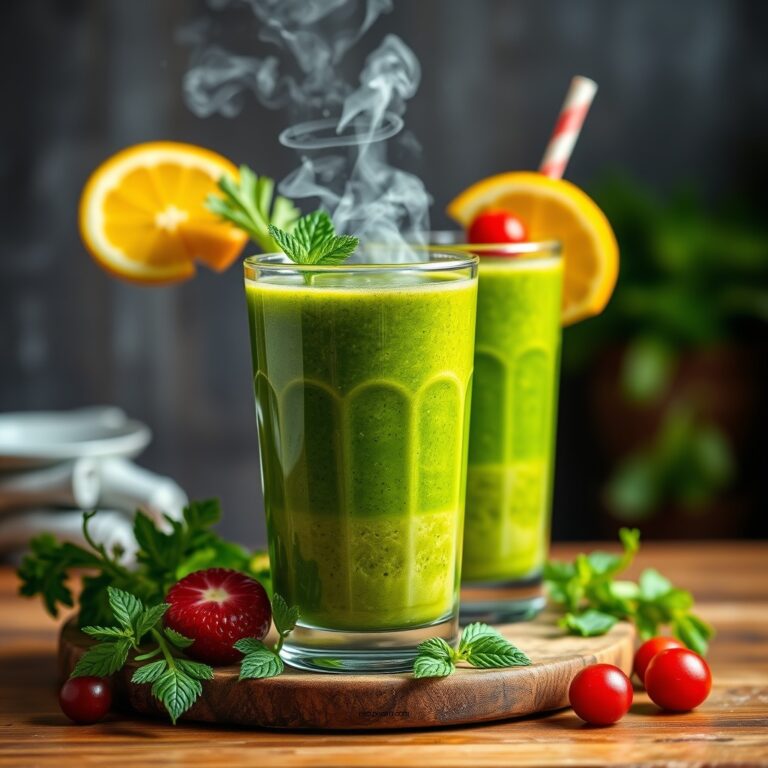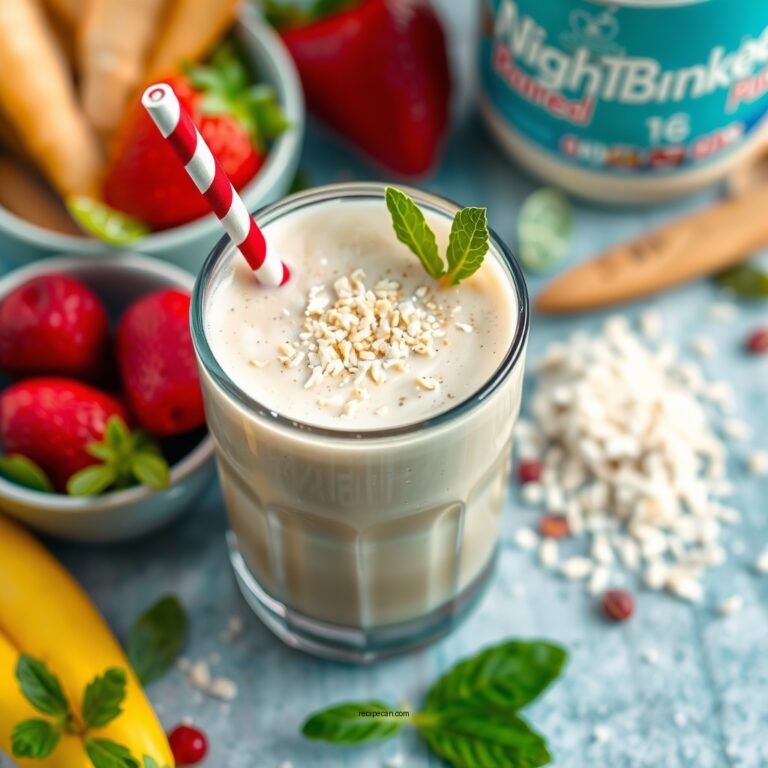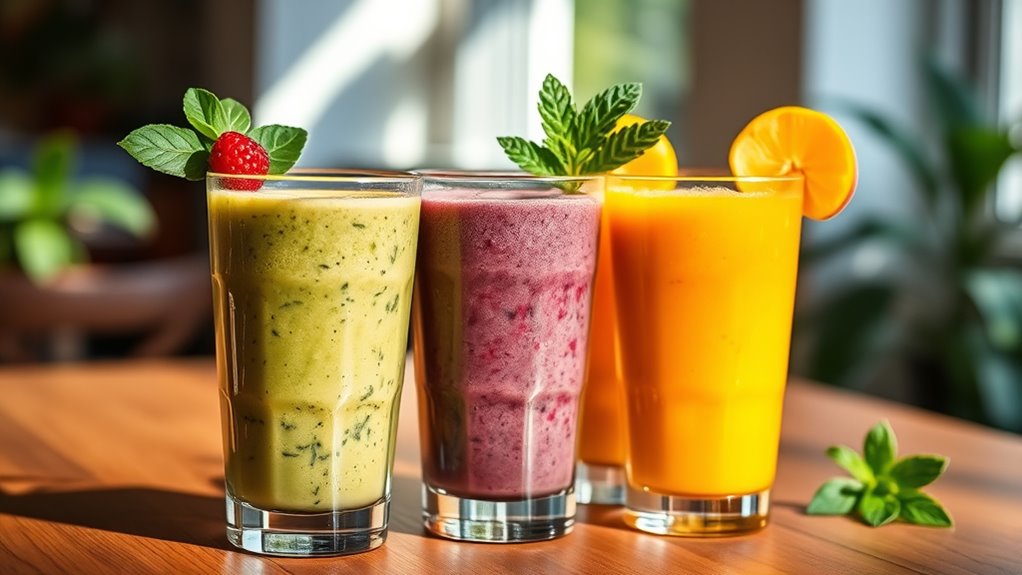
For effective weight loss, make smoothies with balanced portions: half a cup of low-sugar berries, a cup of leafy greens, and a quarter cup or scoop of protein like Greek yogurt or plant protein powder. Start blending with liquid bases such as almond milk, add soft fruits and veggies, then finish with ice or frozen berries for texture. Serve immediately without added sweeteners, and pair with light snacks for satiety. Following this approach helps you manage calories and blood sugar—explore these tips for more detailed guidance.
Ingredients and Quantity
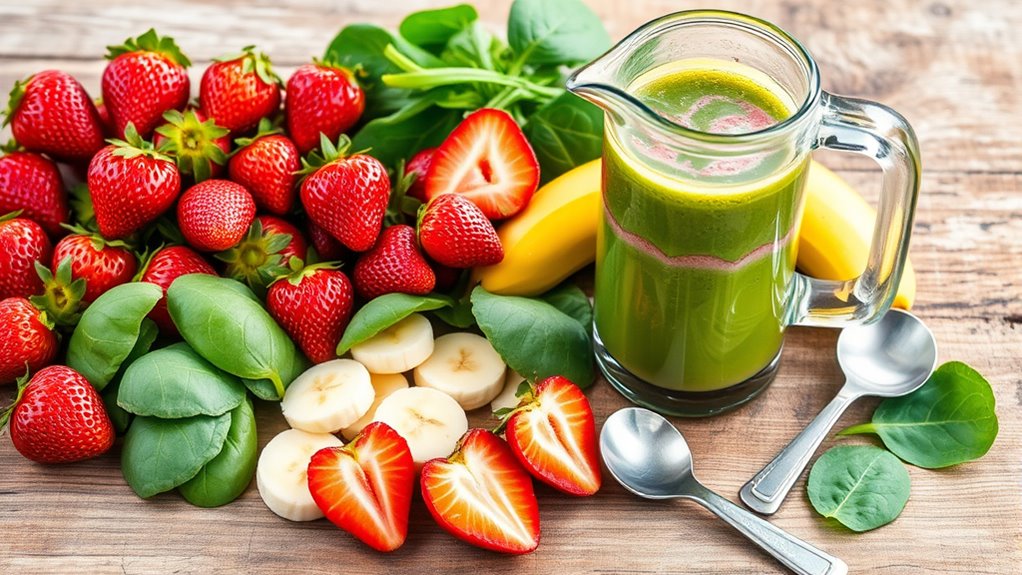
Choosing the right ingredients and their quantities is essential when making smoothies for weight loss. You want to focus on balanced fruit combinations and appropriate portion sizes to maximize nutrition without overeating. Combining low-sugar fruits like berries with fiber-rich vegetables supports satiety and stable blood sugar. Portion sizes are vital; too much fruit adds excess calories, hindering weight loss.
| Ingredient Type | Suggested Portion Size | Benefits |
|---|---|---|
| Berries | ½ cup | Low sugar, high antioxidants |
| Leafy Greens | 1 cup | Fiber, vitamins |
| Protein Source | ¼ cup or 1 scoop | Satiety, muscle support |
Preparations
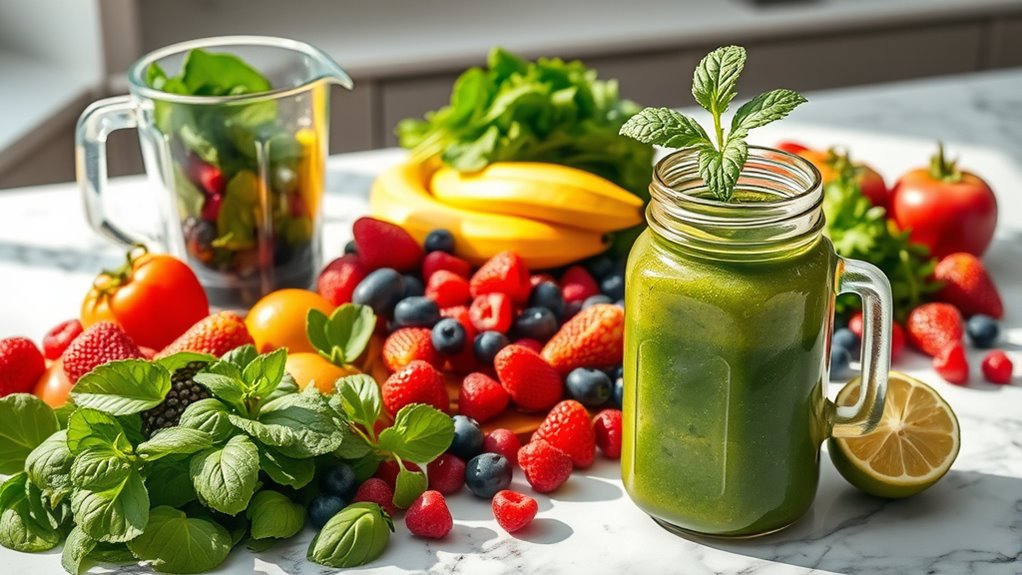
After selecting the right ingredients and portions, preparing your smoothie correctly can enhance both its texture and nutritional value. To maximize benefits, consider how different smoothie variations impact nutrient absorption and satiety. For example, adding fiber-rich ingredients can promote fullness, while protein sources support muscle maintenance during weight loss. Mastering blending techniques is equally important; start by adding liquids first, followed by softer ingredients, and finish with ice or frozen fruits to guarantee smooth consistency. Over-blending can degrade sensitive nutrients, so blend just until smooth. Also, varying blending speed can influence texture and nutrient preservation. By paying attention to these preparation details, you gain control over your smoothie’s effectiveness, making your weight loss journey more flexible and enjoyable.
How to Prepare
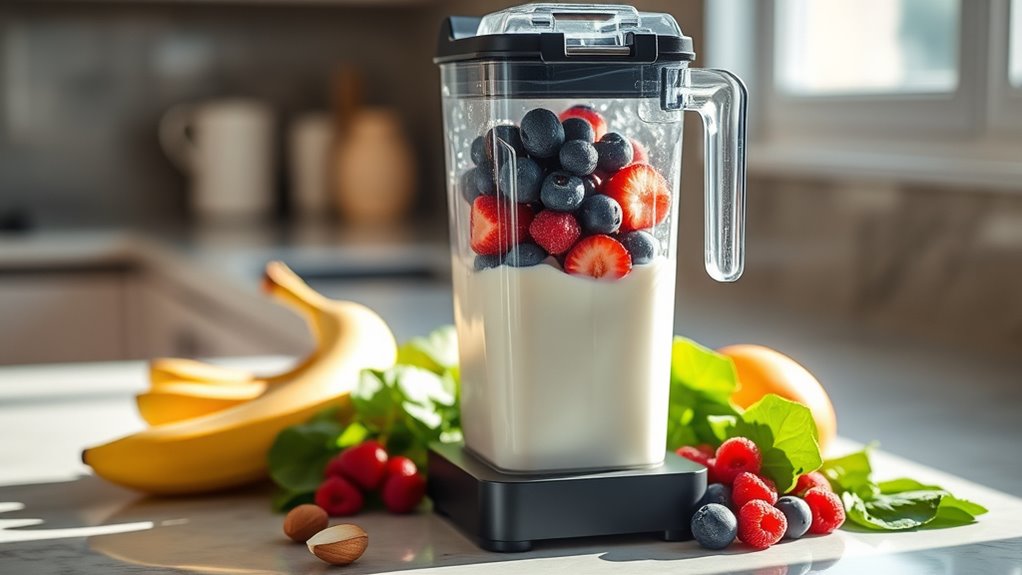
- Start by adding liquids such as water, almond milk, or green tea to your blender to create a smooth base and prevent ingredients from sticking.
- Add soft fruits and vegetables next.
- Follow with frozen or harder items like ice or frozen berries.
- Layering ingredients in this order supports efficient blending and ensures a consistent texture without overworking your blender.
- Experiment with the order of ingredients based on your blender’s power and your desired smoothie thickness.
- Use these methods to preserve nutrients and enhance flavor, allowing you to customize each blend.
- Remember, mastering preparation is key to making weight-loss smoothies both enjoyable and effective.
How to Serve
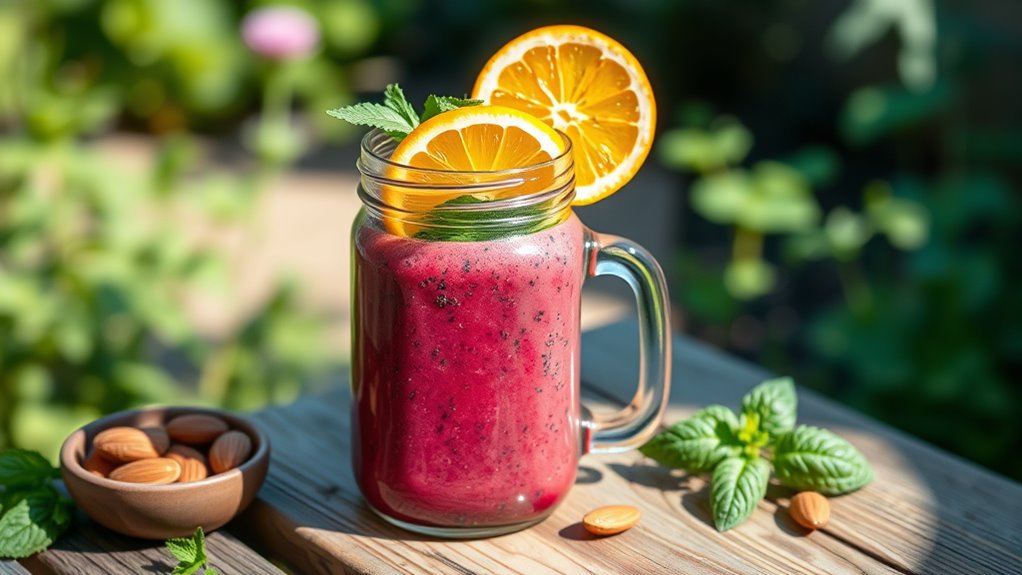
Serving your smoothie properly can enhance both its taste and nutritional benefits. To maximize freshness, serve your smoothie immediately after blending. This guarantees ideal texture and nutrient retention, as some vitamins degrade over time when exposed to air. Presentation ideas like pouring your smoothie into a clear glass or mason jar can make the experience more enjoyable and visually appealing. Adding a garnish such as a slice of fruit, a sprinkle of seeds, or fresh herbs aligns with clean eating and adds subtle flavor. For serving suggestions, consider pairing your smoothie with a light, protein-rich snack to balance energy levels. Remember, how you serve your smoothie influences not just taste but also your motivation to maintain healthy habits that support weight loss and overall wellness.
Tips
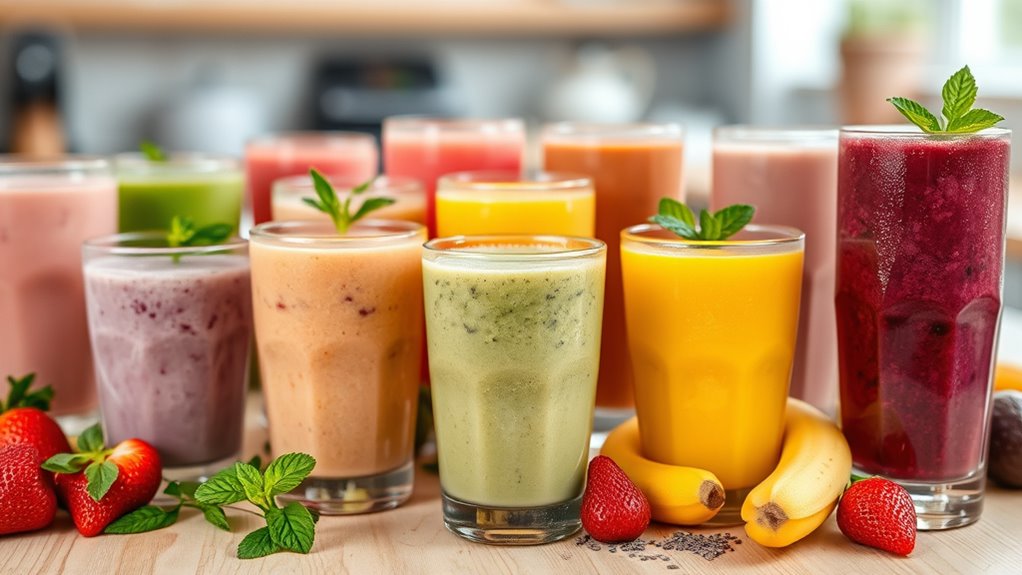
Although smoothies are convenient and nutritious, incorporating a few strategic tips can greatly enhance their effectiveness for weight loss. First, consider meal timing: consuming smoothies as a meal replacement during breakfast or lunch can help control calorie intake while providing essential nutrients. Avoid using smoothies as a late-night snack to prevent excess calorie consumption. Second, focus on ingredient substitutions to maximize benefits—swap high-sugar fruits with lower-sugar options like berries, and replace full-fat dairy with plant-based milk to reduce calories. Adding protein sources like Greek yogurt or plant protein powder can increase satiety. Finally, keep an eye on portion sizes and avoid adding unnecessary sweeteners. By applying these evidence-based strategies, you’ll enjoy satisfying smoothies that support your weight loss goals without sacrificing freedom or flavor.
Food Value and Benefit
The smoothie prepared with these carefully selected ingredients is rich in essential nutrients that support overall health and effective weight management.
This nutrient-rich smoothie blends essential ingredients to boost health and support effective weight management.
Food Value:
- High in protein to support muscle maintenance
- Rich in dietary fiber for improved digestion
- Low in added sugars to stabilize blood sugar levels
- Contains healthy fats to aid nutrient absorption and metabolic health
- Provides a good source of vitamins such as Vitamin A, Vitamin C, and several B vitamins
- Supplies important minerals including potassium, magnesium, and calcium
Benefits of Eating This Smoothie:
- Helps maintain lean muscle mass during weight loss
- Promotes feelings of fullness, reducing overeating and snacking
- Supports healthy digestion and regularity
- Prevents blood sugar spikes, reducing cravings and fat accumulation
- Enhances absorption of fat-soluble vitamins and supports metabolic functions
- Contributes to overall immune health and energy production through its vitamin and mineral content
Incorporating this nutrient-dense smoothie into your diet can make weight management more sustainable by providing essential nutrients without unnecessary calories.
Frequently Asked Questions about Smoothies for Weight Loss Recipes
1. What ingredients should I include in weight loss smoothies?
When creating weight loss smoothies, focus on low-calorie, nutrient-dense ingredients. Incorporate leafy greens like spinach or kale, which are high in fiber and low in calories. Fruits such as berries, apples, and bananas add natural sweetness and essential vitamins. Consider adding a source of protein, such as Greek yogurt, protein powder, or nut butter, to promote satiety. Additionally, healthy fats like avocado or chia seeds can enhance flavor and help you feel full longer.
2. How many smoothies should I drink for weight loss?
The number of smoothies you should consume for weight loss can vary based on your individual dietary needs and goals. As a general guideline, you can replace one meal a day with a smoothie, or use them as healthy snacks between meals. However, it is important to ensure that your overall diet is balanced and includes a variety of foods. Consulting with a nutritionist can provide personalized recommendations based on your lifestyle and weight loss objectives.
3. Can smoothies be a meal replacement?
Yes, smoothies can serve as a meal replacement if they are well-balanced and contain adequate nutrients. To be effective, a meal replacement smoothie should include a good source of protein, healthy fats, fiber, and carbohydrates. This combination helps keep you satisfied and provides the energy you need. Ensure you are mindful of portion sizes and ingredients to avoid high-calorie smoothies that may hinder your weight loss efforts.
4. Are there any smoothies that are particularly effective for weight loss?
Certain smoothies can be particularly effective for weight loss due to their ingredients. For example, a green smoothie made with spinach, cucumber, apple, and ginger is low in calories but high in nutrients. Another great option is a berry smoothie made with mixed berries, Greek yogurt, and a bit of almond milk, which can provide antioxidants while keeping you full. Additionally, smoothies that include fiber-rich ingredients like oats or flaxseeds can help with satiety and aid in digestion.
5. How can I make my smoothies more filling?
To make your smoothies more filling, focus on incorporating ingredients that are high in protein and fiber. Adding protein sources like Greek yogurt, cottage cheese, or protein powder can enhance satiety. Including fiber-rich ingredients like oats, chia seeds, or flaxseeds can also help you feel fuller for longer. Additionally, healthy fats from sources like avocado or nut butters can add creaminess and contribute to a satisfying texture. Finally, using a base of vegetables rather than just fruits can increase the volume of your smoothie without significantly increasing calories.
References
- https://www.ncbi.nlm.nih.gov/pmc/articles/PMC4997437/
- https://www.health.harvard.edu/staying-healthy/the-truth-about-smoothies
- https://www.eatright.org/health/wellness/healthy-eating/the-benefits-of-smoothies
- https://www.cdc.gov/healthyweight/assessing/bmi/index.html
- https://www.mayoclinic.org/healthy-lifestyle/nutrition-and-healthy-eating/in-depth/smoothies/art-20048152
- https://www.jandonline.org/article/S2212-2672(18)30112-9/fulltext