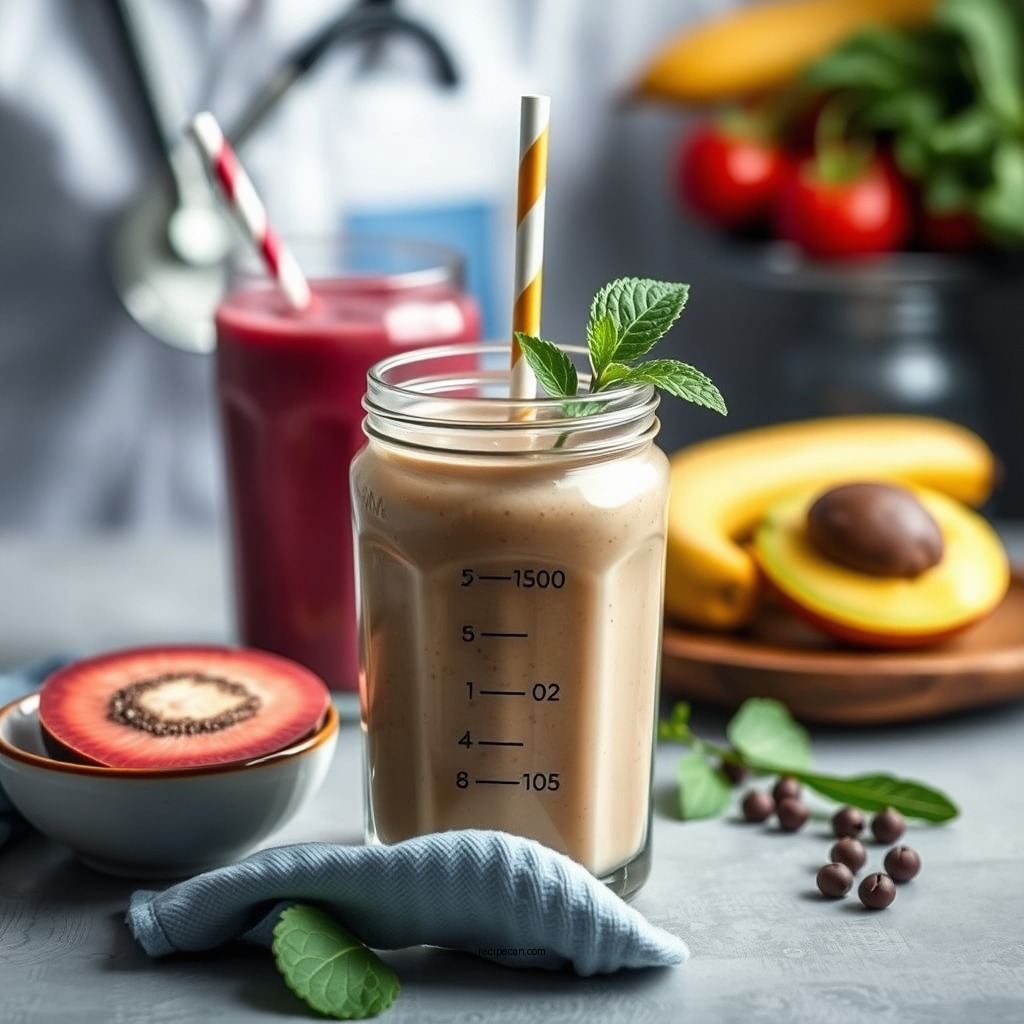
Smoothies can be a perfect blend of nutrition and flavor for individuals with diabetes when crafted with careful ingredient choices. By focusing on low-sugar, high-fiber components, you can enjoy delicious smoothies that help maintain stable blood sugar levels without sacrificing taste. This article provides a variety of smoothie recipes tailored to diabetics, emphasizing healthy ingredients and practical tips for creating satisfying drinks.
Understanding Diabetic-Friendly Ingredients

When crafting smoothies for diabetics, the selection of ingredients is crucial. Low-glycemic fruits, such as berries and cherries, are excellent choices as they have less impact on blood sugar levels compared to their higher-glycemic counterparts, like bananas and grapes. Berries, in particular, are not only low in sugar but also packed with antioxidants, making them a nutrient-rich option.
Incorporating high-fiber vegetables is another effective strategy to slow sugar absorption. Vegetables such as spinach and kale are not only low in calories but also provide essential vitamins and minerals. The fiber content in these greens helps to stabilize blood sugar levels and contributes to overall digestive health. By combining these elements, you can create a smoothie that is both delicious and beneficial for blood sugar management.
Essential Base Ingredients for Smoothies
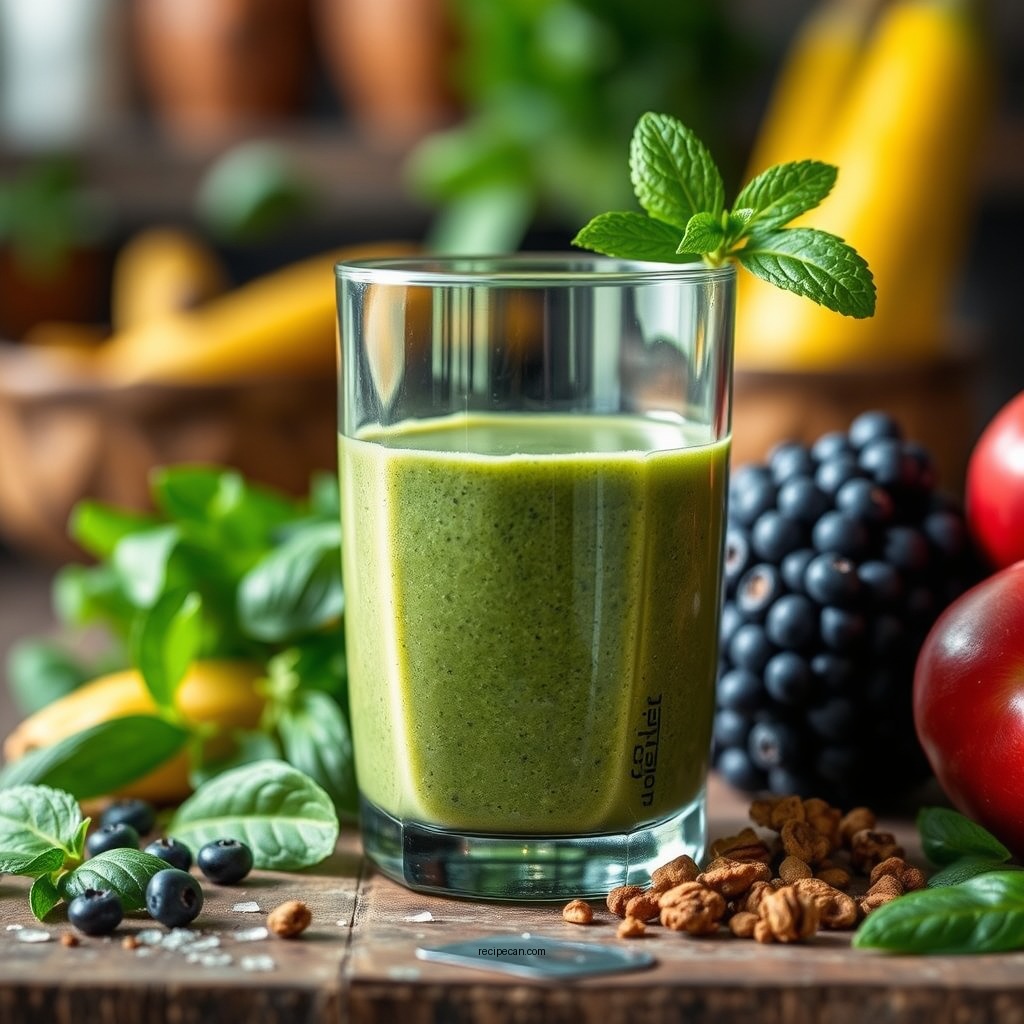
Choosing the right base for your smoothie can significantly influence its health benefits. Unsweetened almond milk and coconut water are excellent low-calorie options that provide a creamy texture without added sugars. Almond milk, in particular, is low in carbohydrates and high in vitamin E, making it a heart-healthy choice.
Greek yogurt is another fantastic base ingredient. It adds protein and a rich creaminess to your smoothie without contributing excess sugar. The probiotics found in Greek yogurt can also support gut health, which is beneficial for overall well-being. By selecting these base ingredients, you can create smoothies that are not only nutritious but also satisfying.Tasty Smoothie Recipes

Here are two delicious smoothie recipes tailored specifically for diabetics:
– Berry Spinach Smoothie: Combine one cup of fresh spinach, one cup of mixed berries (such as strawberries, blueberries, and raspberries), and one cup of unsweetened almond milk. Blend until smooth for a refreshing drink that is high in antioxidants and fiber.
– Avocado Green Smoothie: Blend together one ripe avocado, half a cucumber, the juice of one lime, and one cup of coconut water. This creamy smoothie is packed with healthy fats and hydration, making it a perfect choice for a mid-day snack.
📋 DATA
Top 7 Diabetic-Friendly Ingredients for Smoothies
| # | Ingredient | Calories (per serving) | Carbs (g) | Fiber (g) |
|---|---|---|---|---|
| 1 | Spinach | 7 | 1 | 1 |
| 2 | Berries (mixed) | 84 | 21 | 3 |
| 3 | Avocado | 160 | 9 | 7 |
| 4 | Greek Yogurt | 100 | 6 | 0 |
| 5 | Cucumber | 16 | 4 | 1 |
| 6 | Almond Milk | 30 | 1 | 0 |
| 7 | Coconut Water | 46 | 9 | 0 |
📈 CHART
Nutritional Comparison of Smoothie Ingredients
Tips for Sweetening Smoothies Naturally
When it comes to sweetening smoothies, it’s best to opt for natural, diabetic-friendly options. Stevia and monk fruit are excellent alternatives to sugar, providing sweetness without the calories and carbs that can spike blood sugar levels. These sweeteners are derived from natural sources and offer a guilt-free way to enhance flavor.
In addition to sweeteners, consider incorporating spices such as cinnamon or vanilla extract. Cinnamon not only adds warmth and depth to smoothies but may also help improve insulin sensitivity. Vanilla extract can provide a rich flavor profile without any added sugars, making it a smart choice for enhancing your smoothies.
Portion Control and Serving Suggestions
Maintaining portion control is essential in managing calorie and carbohydrate intake, especially for individuals with diabetes. A standard serving size for smoothies should be about 8 ounces, which balances enjoyment with nutritional needs.
For a more balanced meal, pair your smoothie with a source of protein or healthy fat. This could include a handful of nuts, a serving of nut butter, or even a boiled egg on the side. Such combinations can help keep you fuller for longer and stabilize blood sugar levels further.
Common Mistakes to Avoid
While smoothies can be a healthy choice, there are common pitfalls to avoid. One of the most significant mistakes is the excessive use of high-sugar fruits like bananas and mangoes. While these fruits are nutritious, they can lead to higher blood sugar levels if consumed in large quantities.
Additionally, be cautious with juices and sugary yogurts, which can contain hidden sugars. Many commercially available yogurts are flavored and sweetened, making them unsuitable for a diabetic diet. Always check labels for added sugars and opt for plain varieties whenever possible.
Monitoring Blood Sugar Levels
After trying different smoothie recipes, it’s crucial to monitor your blood sugar levels to see how your body reacts. Keeping a food diary that includes your smoothie ingredients and your blood sugar readings can help identify which combinations work best for you.
Consulting with a healthcare provider or nutritionist can also provide tailored guidance and support. They can help you understand how different ingredients affect your blood sugar and assist in developing a personalized nutrition plan.
Maintaining a healthy diet as a diabetic doesn’t mean giving up on delicious flavors. By using the right ingredients and recipes, you can enjoy smoothies that are both tasty and beneficial for your health. Try out these recipes and tips, and don’t hesitate to experiment with your favorite ingredients while keeping your health goals in mind.
Frequently Asked Questions
What are the best smoothie recipes for diabetics?
The best smoothie recipes for diabetics typically include low-glycemic fruits like berries, leafy greens, and healthy fats. For instance, a spinach and blueberry smoothie blended with unsweetened almond milk and a tablespoon of chia seeds provides fiber and essential nutrients without spiking blood sugar levels.
How can I make a diabetic-friendly smoothie?
To make a diabetic-friendly smoothie, start with a base of unsweetened almond milk or plain Greek yogurt, then add a small portion of low-sugar fruits such as strawberries or raspberries. Incorporating high-fiber ingredients like spinach or avocado and a protein source like protein powder or nut butter can help stabilize blood sugar levels.
Why are smoothies beneficial for people with diabetes?
Smoothies can be beneficial for people with diabetes as they allow for the easy incorporation of nutrient-dense ingredients that help maintain balanced blood sugar levels. By controlling the ingredients, diabetics can enjoy a delicious beverage that is rich in vitamins, minerals, and fiber while avoiding added sugars.
Which fruits should diabetics avoid in smoothies?
Diabetics should avoid high-glycemic fruits such as bananas, grapes, and mangoes in their smoothies, as these can cause rapid spikes in blood sugar levels. Instead, opt for low-glycemic options like berries, cherries, and green apples that provide sweetness without compromising blood sugar control.
What can I add to my smoothie for extra protein without increasing sugar?
To boost protein in your smoothie without increasing sugar, consider adding unsweetened Greek yogurt, protein powder, or nut butters like almond or peanut butter. These ingredients not only enhance the protein content but also contribute healthy fats and help keep you full longer, making them ideal for a balanced diabetic diet.
References
- https://www.mayoclinic.org/healthy-lifestyle/nutrition-and-healthy-eating/in-depth/diabetes-diet/art-20044210
https://www.mayoclinic.org/healthy-lifestyle/nutrition-and-healthy-eating/in-depth/diabetes-diet/art-20044210 - https://www.ncbi.nlm.nih.gov/pmc/articles/PMC5089700/
https://www.ncbi.nlm.nih.gov/pmc/articles/PMC5089700/ - https://www.cdc.gov/diabetes/basics/diabetes.html
https://www.cdc.gov/diabetes/basics/diabetes.html - https://www.ncbi.nlm.nih.gov/pmc/articles/PMC7010512/
https://www.ncbi.nlm.nih.gov/pmc/articles/PMC7010512/ - News
https://www.who.int/news-room/questions-and-answers/item/diabetes - https://www.sciencedirect.com/topics/medicine-and-dentistry/smoothie
https://www.sciencedirect.com/topics/medicine-and-dentistry/smoothie - https://www.health.harvard.edu/staying-healthy/how-to-make-a-healthy-smoothie
https://www.health.harvard.edu/staying-healthy/how-to-make-a-healthy-smoothie - Google Scholar Google Scholar
https://scholar.google.com/scholar?q=smoothie+recipes+for+diabetics - Google Scholar Google Scholar
https://scholar.google.com/scholar?q=diabetes+and+nutritional+interventions+for+smoothies - smoothie recipes for diabetics – Search results
https://en.wikipedia.org/wiki/Special:Search?search=smoothie+recipes+for+diabetics
