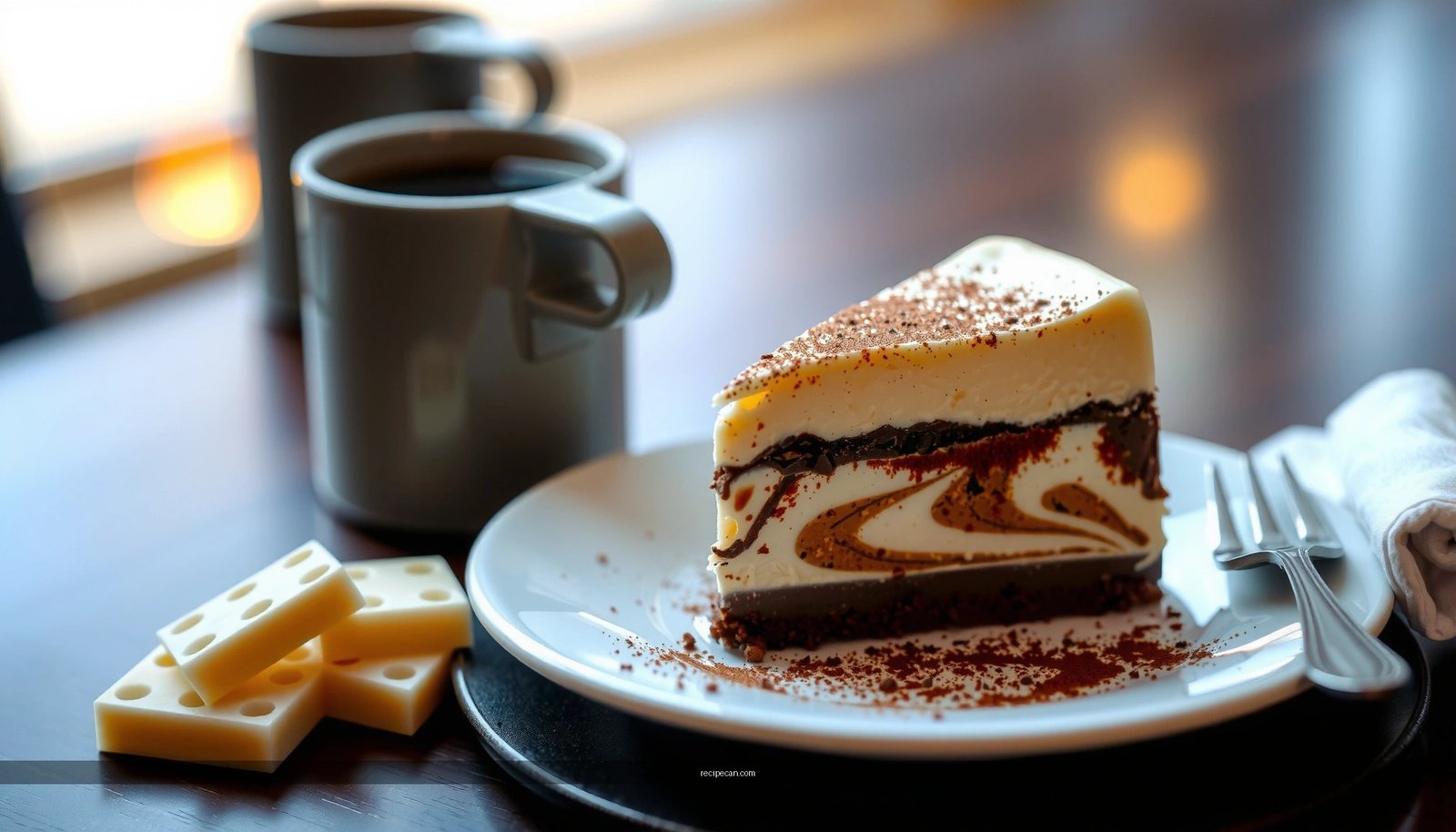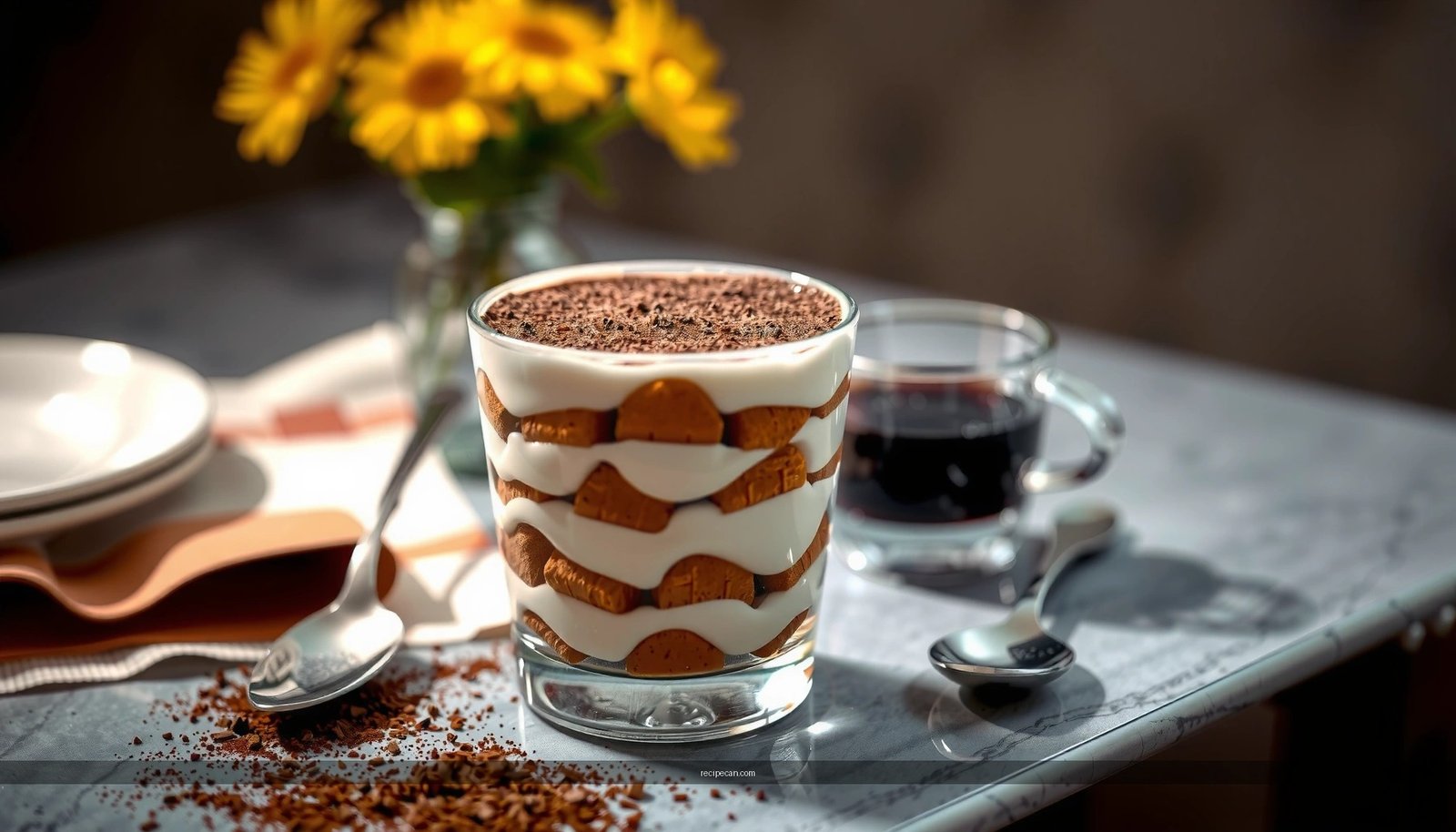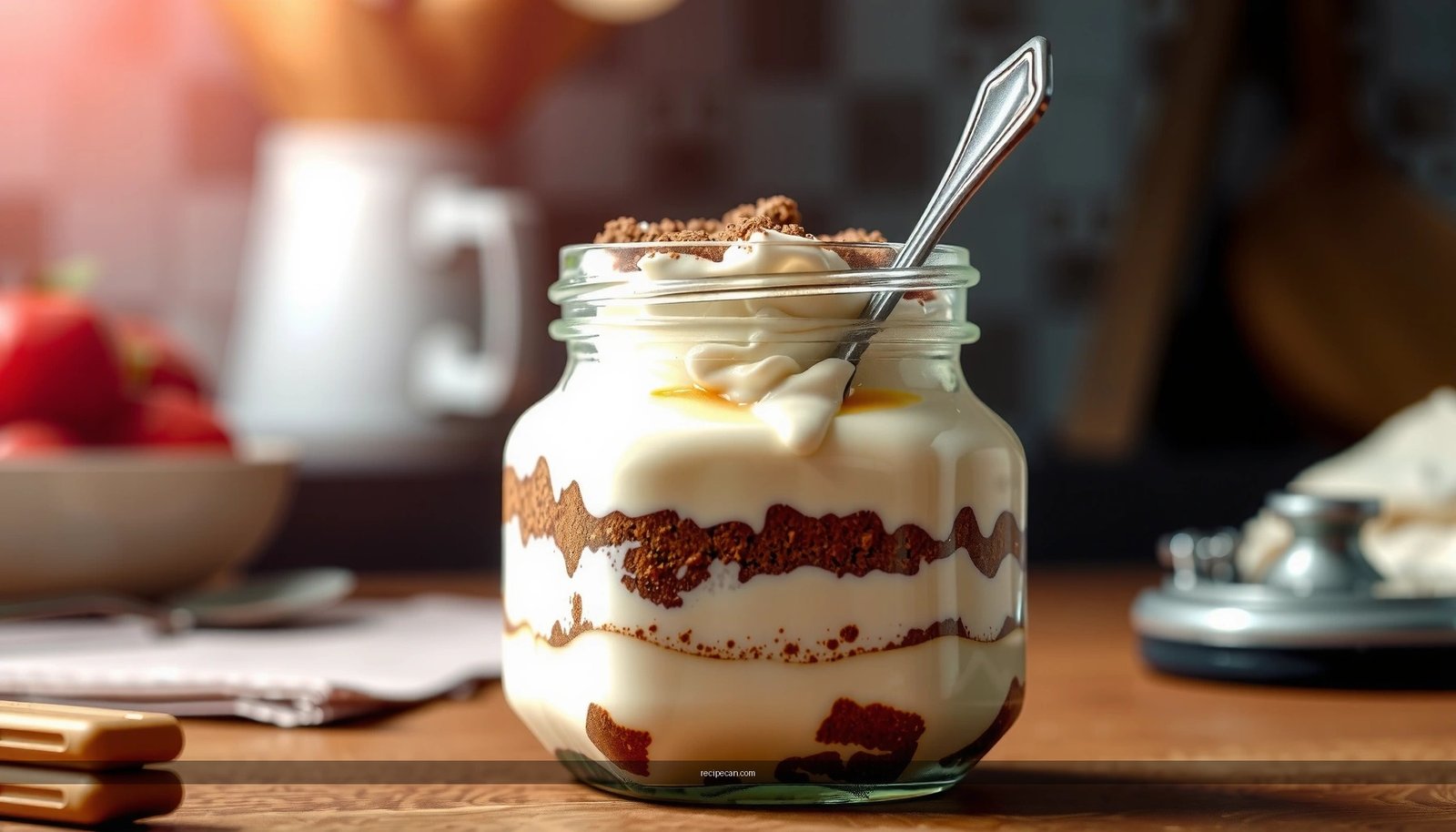
Get a simple tiramisu recipe no eggs that still delivers the classic, creamy coffee-and-cocoa flavor without a single egg. This egg-free version is the best choice when you need an easy, no-compromise dessert—quick to assemble and reliably set. If you’ve been avoiding eggs for taste, allergy, or convenience, this is the straightforward classic you can make tonight.
Skip the eggs and make a creamy, classic-style tiramisu using a smooth no-egg mascarpone filling and strong coffee—then chill until sliceable. This egg-free tiramisu recipe focuses on clean layering (ladyfingers + mascarpone + cocoa) and reliable coffee-dipping technique so you get the right texture without scrambling, tempering, or egg-related troubleshooting.
Egg-Free Tiramisu Ingredients
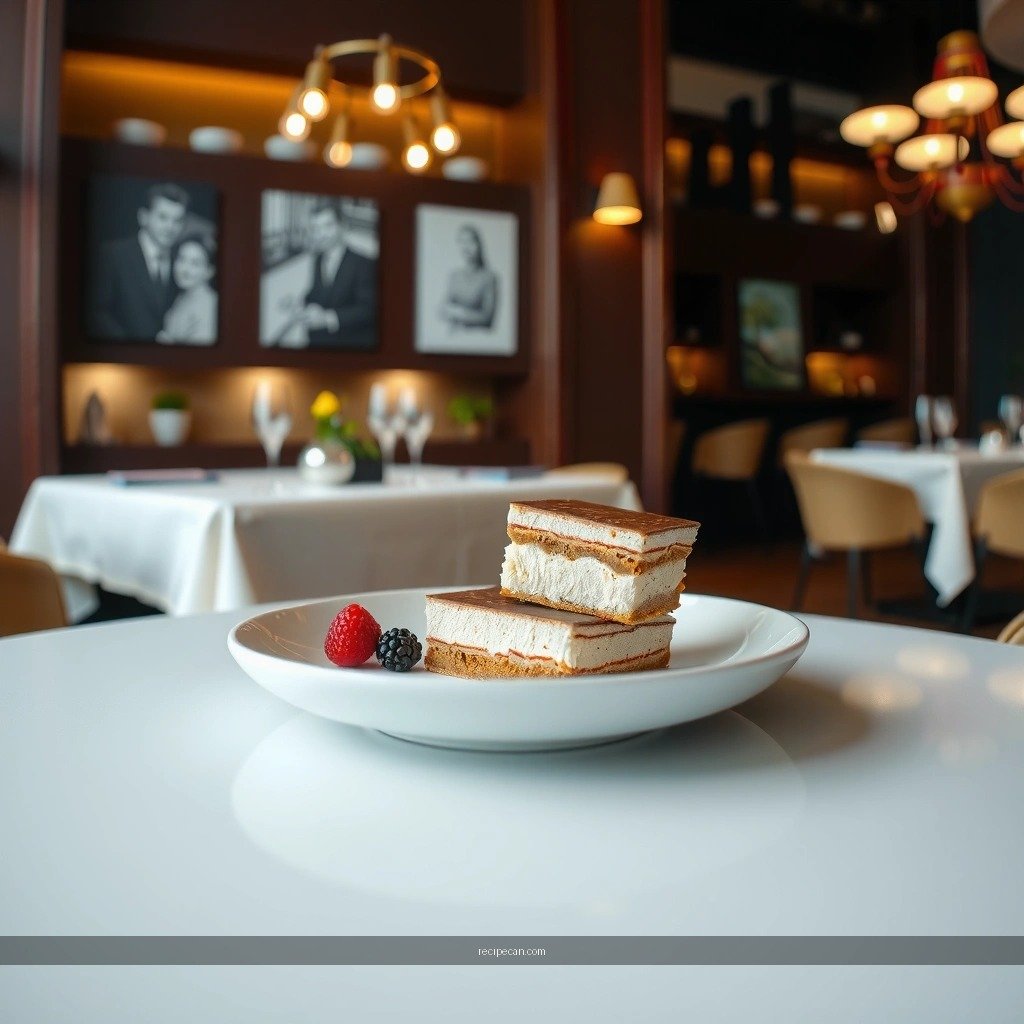
An authentic tiramisu is defined less by “what’s in it” and more by its interaction: coffee’s bitterness, mascarpone’s richness, ladyfingers’ structure, and cocoa’s finishing bitterness. In a no-egg tiramisu version, the main adjustment is replacing the egg-based custard stability with a filling that stays thick and holds layers when chilled.
Core ingredients you’ll need:
– Mascarpone cheese (the star of the filling): choose a smooth, fresh brand for best spreadability.
– Strong brewed coffee (or espresso): use something bold so its flavor remains after chilling. Cold brew works especially well because it’s naturally less sharp.
– Ladyfingers (savoiardi): crisp enough to dip quickly without turning to mush.
– Unsweetened cocoa powder: classic-style finish; opt for Dutch-process cocoa if you want a deeper chocolate profile.
Egg-free alternatives for the filling structure (choose one approach):
– Option A (recommended): a mascarpone + sweetener + stabilizing cream method using whipped cream. This mimics the airy, spoonable set you’d otherwise get from egg custard.
– Option B: a mascarpone-only mixture sweetened to taste, whipped until smooth. This yields a thicker, denser tiramisu—excellent if you prefer a firm slice.
Practical ingredient notes (so it behaves like classic tiramisu)
– Mascarpone temperature: If it’s too cold, it can resist mixing and form small lumps. If it’s too warm, it may soften and loosen. Aim for cool room temperature (about 15–20°C / 59–68°F).
– Coffee temperature: For best layering, use coffee that’s fully cooled. Warm coffee soaks faster and can collapse ladyfinger structure.
– Sweetness control: Ladyfingers are often lightly sweet already; taste your filling so you don’t end up with a dessert that’s “sweet-first.”
Coffee Strength Targets for No-Egg Tiramisu (Recommended Range)
| # | Brew Method | Typical Ratio | Flavor Impact in Tiramisù | Best Use |
|---|---|---|---|---|
| 1 | Espresso | 1:2 (coffee:water) | Bold, classic bitterness | ★ High-intensity layer |
| 2 | AeroPress | 1:10–1:12 | Balanced roast with smooth edges | ★ Easy repeatability |
| 3 | Moka Pot | Full-strength brew | Intense, syrupy coffee character | ★ Strongest flavor depth |
| 4 | Pour-Over (V60/Chemex) | 1:15–1:17 | Clean acidity; must be cooled fully | ★ Smooth, modern tiramisu |
| 5 | Cold Brew Concentrate | 1:3–1:5 | Very low bitterness; layered sweetness | ★ “Less harsh” coffee dip |
| 6 | Instant Espresso (Reconstituted) | As directed; use less water | Reliable intensity if strong enough | ★ Fast, consistent results |
| 7 | Regular Drip (Weak Brew) | 1:18–1:20 | May taste watery after chilling | ★ Not ideal for classic bite |
Simple No-Egg Mascarpone Filling
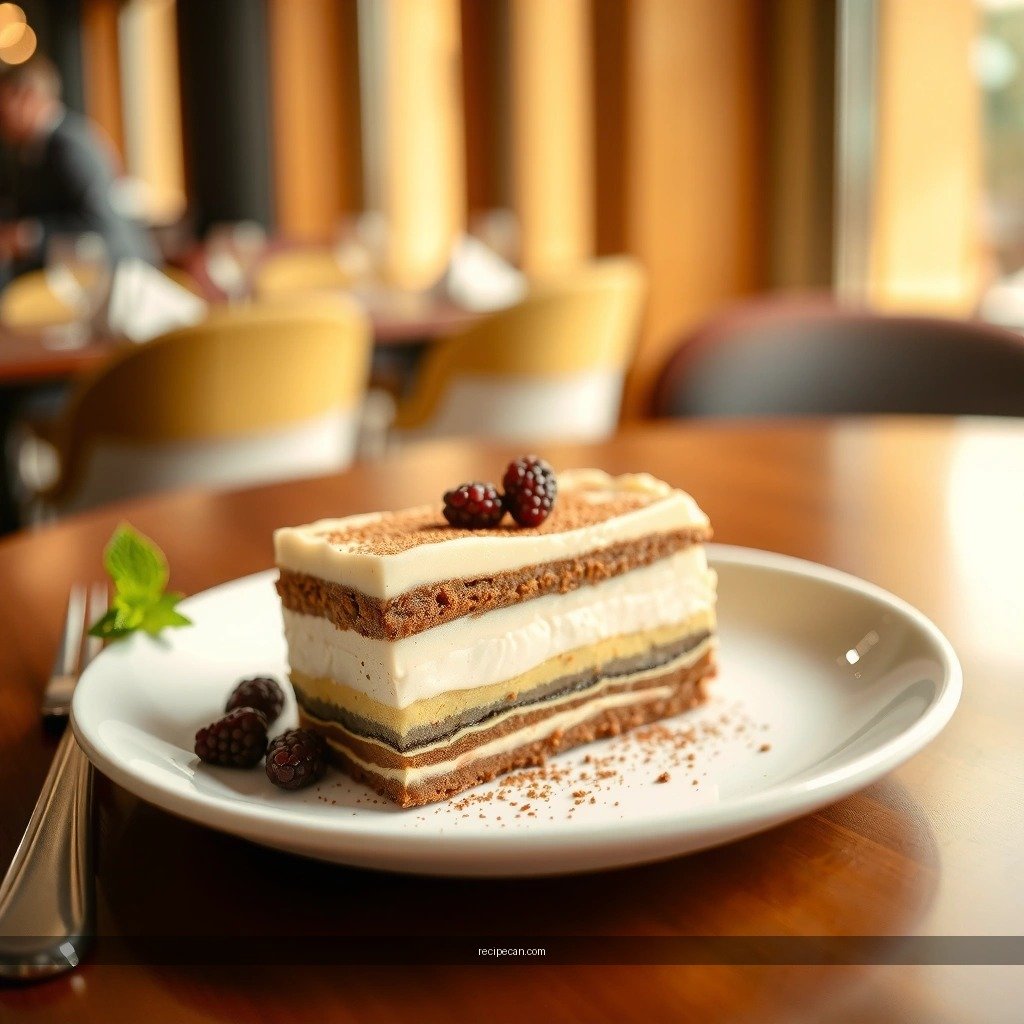
The filling is where egg-free tiramisu can either stay “classic” or drift into dessert that won’t hold structure. The goal is the same as egg-based custard: stable richness with a spreadable consistency that layers cleanly.
Recommended method: mascarpone + whipped cream (no eggs, still stable)
1. Whip mascarpone until it becomes smooth and loosened (start on low, then increase slightly).
2. In a separate bowl, whip cold heavy cream to soft-to-medium peaks—fluffy but not dry.
3. Fold the whipped cream into the mascarpone in stages so you don’t deflate the air.
4. Sweeten to taste (commonly powdered sugar). Add gradually and stop when the filling tastes balanced against cocoa and ladyfingers.
Why this works: whipped cream contributes volume and a light texture, while mascarpone provides the characteristic tang and creaminess. Together, they create a filling that stays thick enough to stack layers once chilled.
If you prefer mascarpone-only (denser, more “sliceable”)
– Whip mascarpone until smooth.
– Sweeten gently.
– Check thickness: it should mound and hold shape, not flow like a sauce.
Analytical texture benchmark: when you lift your spatula, the filling should fall slowly and leave a short trail for a few seconds. If it disappears immediately, it’s likely too loose (often due to warm mascarpone or overmixing).
Flavor tuning that preserves the tiramisu identity
– Add a pinch of salt to sharpen mascarpone and cocoa perception.
– For a classic note, consider vanilla (small amount) or a hint of coffee liqueur (optional, and only if appropriate for your audience).
– If your ladyfingers are very sweet, lean toward slightly less sugar in the filling.
Coffee Dip: Flavor and Timing Tips
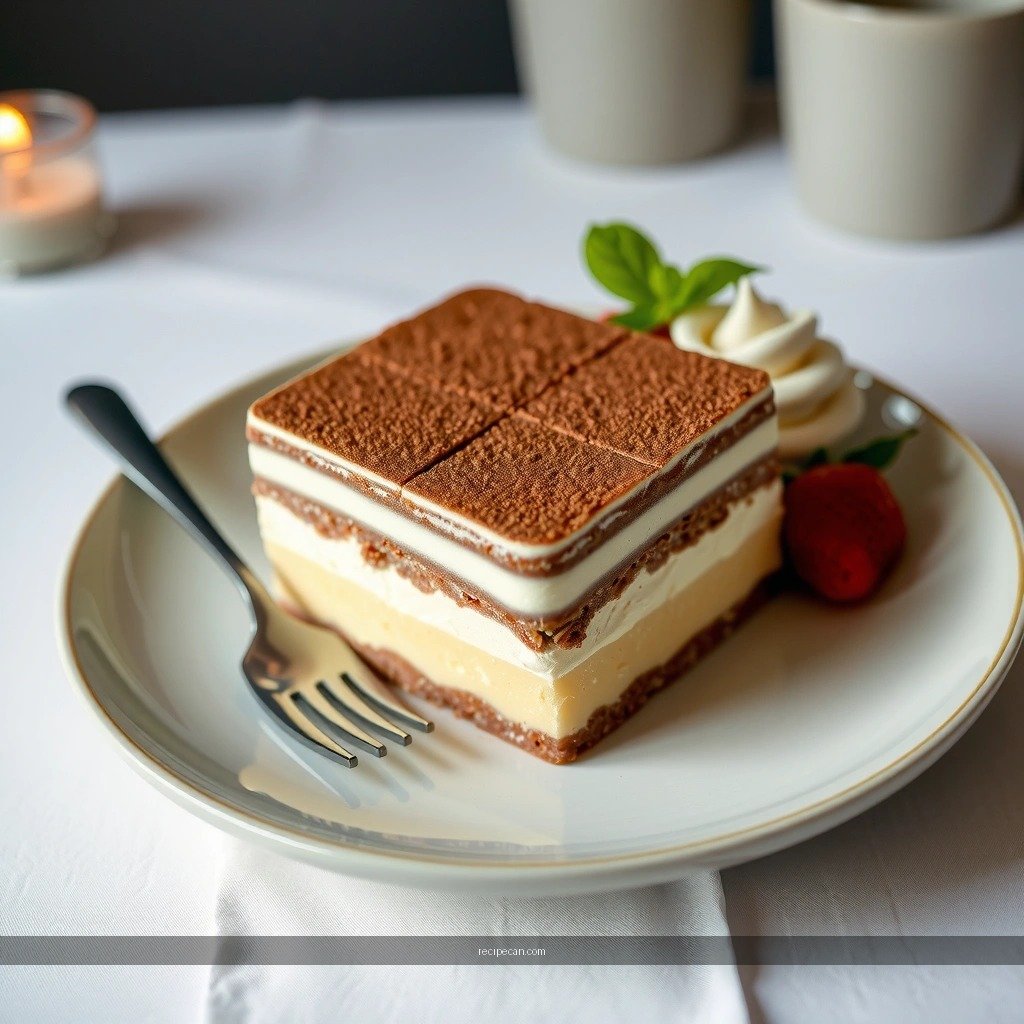
In egg-free tiramisu, coffee-dipping is even more critical because the structure relies on proper chilling rather than egg-set custard. The coffee should flavor the ladyfingers—not drown them.
Use cooled, strong coffee
– Brew strong coffee (see the table above for strength targets).
– Let it cool completely. Chilled coffee gives you predictable penetration and prevents early thinning of the filling.
Dip ladyfingers briefly (quick dunk, not soaking)
A practical workflow:
– Hold a ladyfinger and dip each side for ~1 second per side.
– The surface should look moistened, not collapsed.
– If the ladyfinger bends too easily after dipping, reduce dip time further.
Common professional-quality mistake
People try to “ensure absorption” by soaking longer. That backfires: the ladyfingers become fragile and can separate from the mascarpone layer, leaving watery gaps after chilling.
Optional consistency adjustment (for control)
If your coffee is very intense, you can dilute slightly with a splash of water or use a bit more cocoa to balance. Conversely, if the coffee tastes mild, make your dip briefer rather than weakening the coffee flavor.
Layering Instructions (Classic Style)
Layering is where the final texture is determined—especially for a no-egg tiramisu where the filling must hold the ladyfingers without egg-based binding.
Classic layering sequence
1. First layer: coffee-dipped ladyfingers, arranged to cover the bottom.
2. First filling layer: spread mascarpone filling evenly.
3. Repeat: another set of coffee-dipped ladyfingers, then another mascarpone layer.
4. Finish: top with a smooth layer of mascarpone, then dust generously with cocoa.
Spreading technique for clean edges
– Use an offset spatula for consistent thickness.
– Press gently to level layers, but don’t compress so hard that ladyfingers shift or crack.
Quantity guidance (so it doesn’t get lopsided)
A dependable ratio for a small rectangular dish:
– Ladyfingers should form a complete base with minimal gaps.
– Each mascarpone layer should be thick enough to cover ladyfingers fully—typically around 5–10 mm (about ¼–⅜ inch) depending on your dish.
Chilling for Best Texture
Chilling is not optional in tiramisu—it’s the transformation step where moisture redistributes, flavors meld, and the structure firms up.
Chill timing that produces best results
– Refrigerate at least 4 hours
– Overnight is even better (8–12 hours)
What happens during chilling (the “why”)
– Coffee moisture migrates from the ladyfingers into the cream layer gradually.
– Cocoa hydrates slightly and rounds bitterness.
– The mascarpone mixture sets and gains sliceable body.
Food-safety and logistics note
If serving for an event, assemble at least the night before. You’ll not only improve texture but also reduce stress on the day of serving.
Common No-Egg Tiramisu Troubleshooting
Even with a strong process, egg-free desserts can surprise you. Use these diagnostics to correct the issue without starting over.
If it’s runny
Likely causes
– Mascarpone was too warm or you folded whipped cream too gently (not incorporating properly but also not stabilizing).
– Coffee dipping lasted too long, adding excess liquid.
– Chilling time was insufficient.
Fixes
– Chill longer: start with an additional 2–4 hours.
– Confirm your mascarpone mix was thick (mounding consistency).
– Dip ladyfingers more briefly next time.
If it’s too firm
Likely causes
– Mascarpone-only filling with minimal cream made it dense.
– Too much whipped cream was over-whipped (leading to a dry, stiff texture).
– Too long in the fridge for the serving window.
Fixes
– Loosen the filling next time by folding in a small amount of softly whipped cream (or a tablespoon or two of fresh cream) to restore spreadability.
– Dip ladyfingers more briefly so they don’t dry out the structure during setting.
If layers separate or look streaky
– Smooth your filling more thoroughly between layers.
– Ensure ladyfingers are uniformly dipped (one-second per side, consistently).
– Use cooled coffee—hot coffee can start dissolving structure unevenly.
Wrap-Up
Make this simple tiramisu recipe no eggs by focusing on a smooth mascarpone filling, quick coffee dipping, and proper chilling. Follow the classic layering steps (ladyfingers, mascarpone, cocoa), refrigerate for the best set, and dust with cocoa right before serving for the most authentic, creamy finish—then share it confidently, slice by slice.
A final reminder: no-egg tiramisu can be every bit as “classic” in taste and texture when you control three variables—filling thickness, coffee soak time, and chilling duration. Try it today and enjoy an easy egg-free classic that’s dependable, elegant, and fast to produce.
Frequently Asked Questions
What is a simple tiramisu recipe without eggs?
A simple egg-free tiramisu typically uses mascarpone cheese, sweetener, coffee (or espresso), and ladyfingers layered with cocoa. Instead of eggs for creaminess, you whip mascarpone with cream or Greek yogurt and sweeten it to create a stable, spoonable filling. Many no-egg tiramisu recipes also use a splash of vanilla or a bit of heavy cream to mimic the richness of classic versions.
How do you make tiramisu cream without eggs so it doesn’t turn runny?
To prevent a no-egg tiramisu from becoming runny, beat mascarpone thoroughly and use enough thick dairy (like heavy cream) to create a firm texture. If your mascarpone is softer than usual, chill it and the mixing bowl before combining, and avoid over-mixing once the filling is smooth. For extra stability, fold in whipped cream gently and let the assembled dessert chill for several hours so the layers set.
Why do some egg-free tiramisu recipes taste different than classic tiramisu?
Classic tiramisu often relies on eggs for a custardy richness and a slightly lighter, airy mouthfeel. In an easy tiramisu recipe no eggs, the goal is to replicate that texture by whipping dairy well and balancing sweetness and coffee intensity. Using strong espresso, high-quality mascarpone, and a pinch of salt helps the flavor profile stay bold and dessert-like even without eggs.
Which coffee works best for a no-egg tiramisu recipe?
For the best flavor in a simple tiramisu recipe no eggs, use strong brewed espresso or very concentrated coffee so the ladyfingers get a noticeable coffee taste. You can also use cooled espresso mixed with a little milk or coffee liqueur, but keep it flavorful rather than diluted. Make sure the coffee mixture is not hot—otherwise it can oversoak the ladyfingers and make your eggless tiramisu watery.
How long should you chill eggless tiramisu before serving?
Egg-free tiramisu needs chilling time for the layers to meld and for the mascarpone filling to firm up. Aim for at least 4 hours, but overnight in the fridge is best for clean layers and fully developed flavor. Right before serving, dust the top generously with cocoa powder to keep the tiramisu topping fresh and not soggy.
References
- Tiramisu
https://en.wikipedia.org/wiki/Tiramisu - Mascarpone
https://en.wikipedia.org/wiki/Mascarpone - Lady finger
https://en.wikipedia.org/wiki/Ladyfinger - Tiramisu | Meaning, Ingredients, Origin, Desserts, & Taste | Britannica
https://www.britannica.com/topic/tiramisu - Eggs | Food Safety and Inspection Service
https://www.fsis.usda.gov/food-safety/safe-food-handling-and-preparation/eggs - https://www.cdc.gov/foodsafety/communication/keep-raw-eggs-out.html
https://www.cdc.gov/foodsafety/communication/keep-raw-eggs-out.html - Food safety
https://www.who.int/news-room/fact-sheets/detail/food-safety - https://pubmed.ncbi.nlm.nih.gov/?term=raw+egg+salmonella
https://pubmed.ncbi.nlm.nih.gov/?term=raw+egg+salmonella - https://pubmed.ncbi.nlm.nih.gov/?term=tiramisu
https://pubmed.ncbi.nlm.nih.gov/?term=tiramisu - Google Scholar Google Scholar
https://scholar.google.com/scholar?q=eggless+tiramisu+recipe+no+eggs