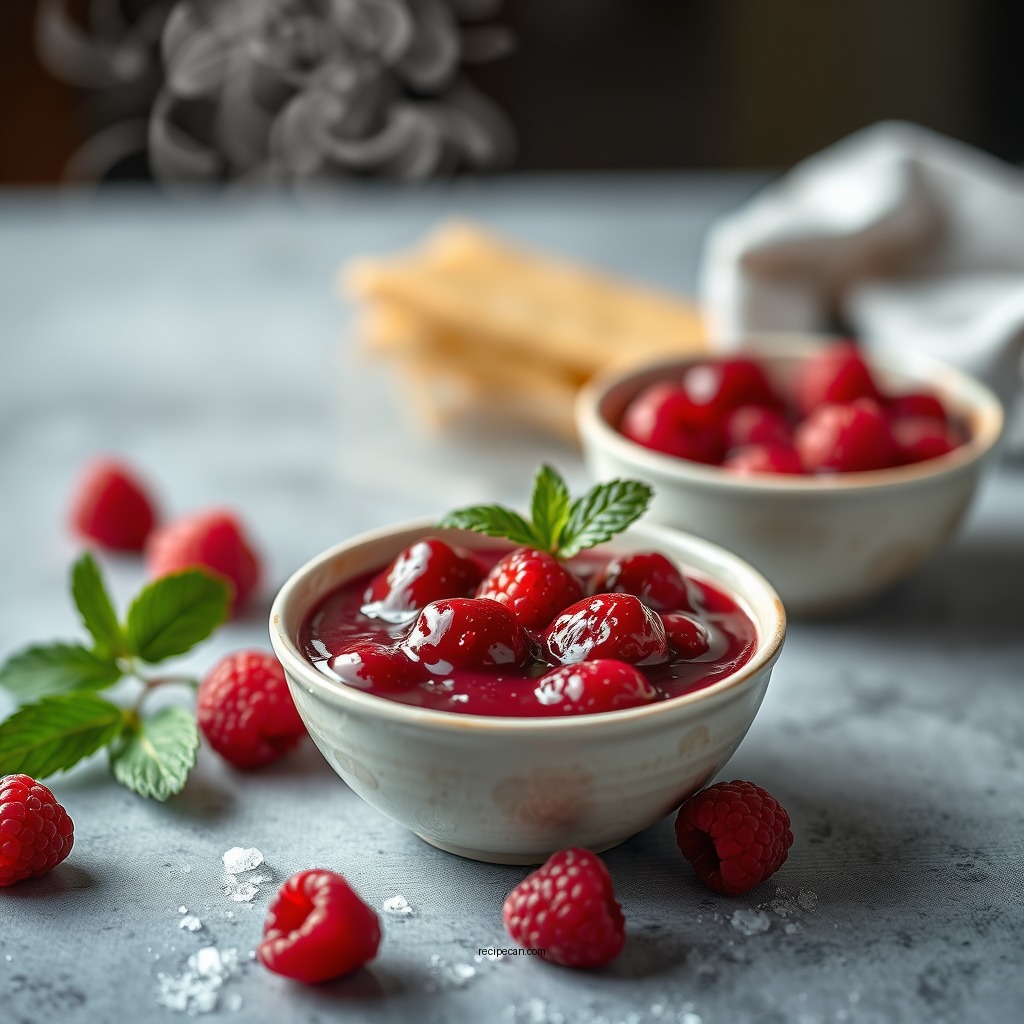
Making a raspberry sauce is quick and easy, allowing you to elevate your desserts with a burst of flavor. This versatile sauce can transform a simple dish into a gourmet experience with its vibrant color and tangy sweetness. In this article, you’ll learn how to create a fresh and vibrant raspberry sauce that pairs perfectly with cakes, ice cream, and more. By mastering this simple recipe, you’ll add a delightful dimension to your culinary creations, making them unforgettable.
Ingredients You’ll Need
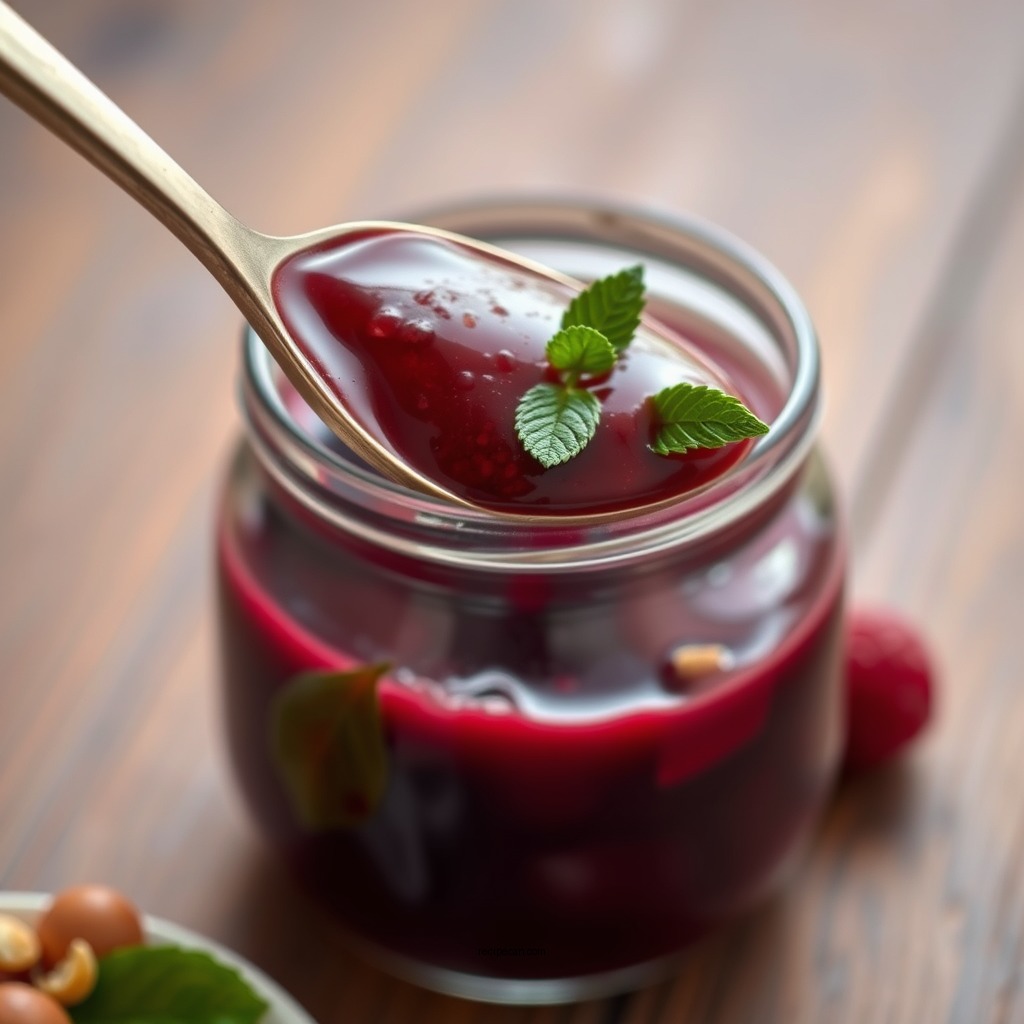
To make a luscious raspberry sauce, you will need the following ingredients:
– Fresh or frozen raspberries: Raspberries are the star of this sauce, providing a rich flavor and beautiful color. Fresh berries are ideal when in season, while frozen ones can be used year-round without compromising taste.
– Sugar for sweetness: The sugar not only sweetens the sauce but also helps to balance the tartness of the raspberries. You can adjust the sugar quantity based on your taste preferences and the ripeness of the fruit.
– Lemon juice for acidity: A splash of lemon juice brightens the flavors and enhances the overall taste. The acidity cuts through the sweetness, creating a well-rounded sauce.
Step-by-Step Preparation

Creating raspberry sauce is a straightforward process that can be accomplished in just a few steps:
1. Combine raspberries, sugar, and lemon juice in a saucepan: Start by measuring out the raspberries, sugar, and lemon juice. A typical ratio is about 2 cups of raspberries to 1/2 cup of sugar and 1 tablespoon of lemon juice. Place all these ingredients into a medium-sized saucepan.
2. Cook over medium heat until the raspberries break down, about 5-10 minutes: Place the saucepan on the stove over medium heat. Stir the mixture occasionally to prevent it from sticking. As the raspberries heat up, they will begin to break down and release their juices. After about 5 to 10 minutes, you should see a syrupy consistency forming.
This process not only enhances the flavor but also allows the sauce to develop a rich, vibrant color. You can adjust the cooking time based on your desired thickness; longer cooking will yield a thicker sauce.
Straining the Sauce (Optional)
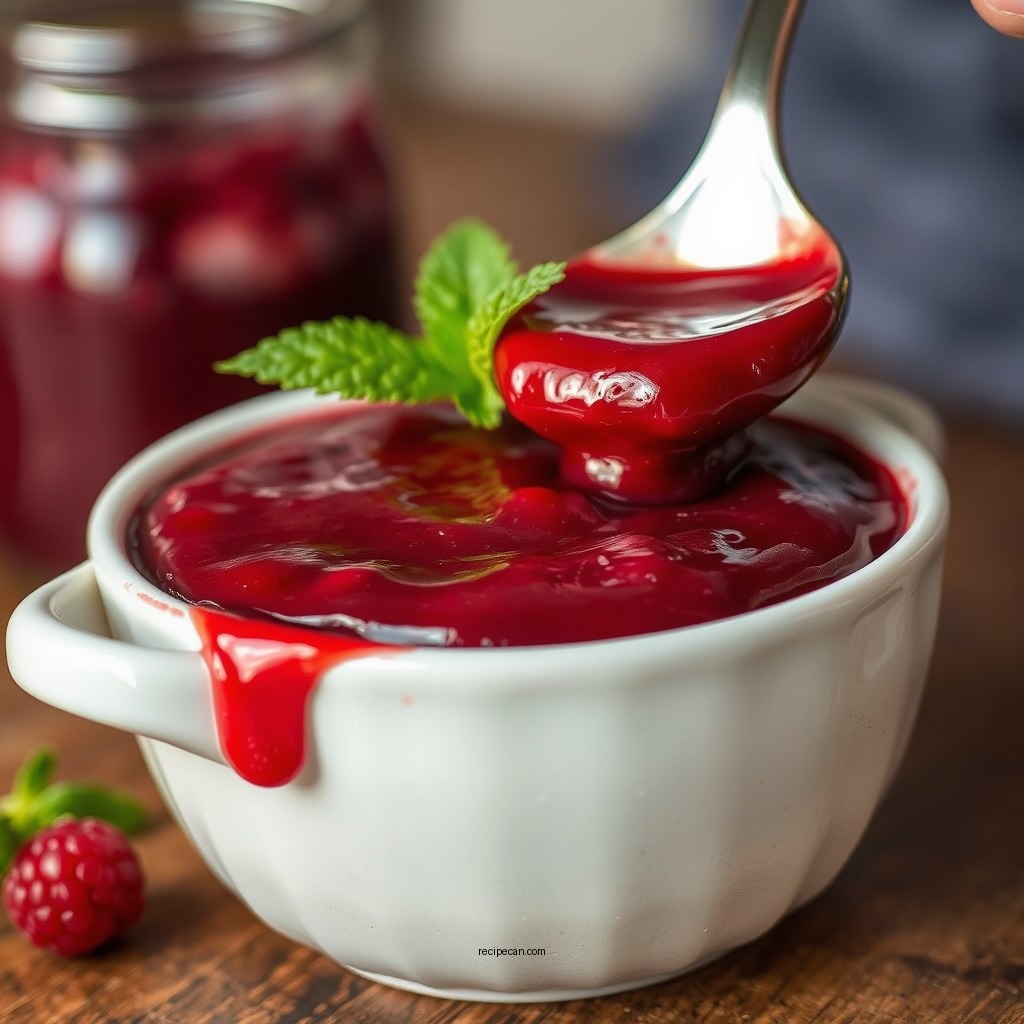
For those who prefer a smoother texture, straining the sauce is an excellent option:
– For a smooth texture, strain the sauce through a fine mesh sieve: Once the raspberries have cooked down, pour the mixture through a fine mesh sieve placed over a bowl. This will remove the seeds and any pulp, resulting in a silky sauce.
– Press the mixture with a spoon to extract maximum liquid: Use the back of a spoon to press down on the raspberry pulp in the sieve. This step helps to extract as much liquid as possible, ensuring that none of the delicious raspberry flavor goes to waste.
While straining is optional, it significantly enhances the mouthfeel of the sauce and makes it more visually appealing for presentation.
Serving Suggestions
Raspberry sauce is a versatile topping that can enhance a wide variety of desserts:
– Drizzle over cheesecake or panna cotta for a delightful presentation: The bright red sauce creates a stunning contrast against the creamy white dessert, making it not only taste great but also look beautiful.
– Use it as a topping for pancakes or waffles for a breakfast treat: A generous drizzle of raspberry sauce can take your breakfast from ordinary to extraordinary. Pair it with whipped cream or a dollop of yogurt for added flavor and texture.
– Incorporate it into yogurt or oatmeal for a nutritious snack: Raspberry sauce can elevate your morning routine, adding flavor and a touch of indulgence to healthy options.
Storage Tips
Proper storage ensures you can enjoy your raspberry sauce beyond the initial preparation:
– Store any leftover sauce in an airtight container in the fridge: Allow the sauce to cool completely before transferring it into a container. This will help maintain its freshness.
– It can last up to one week and can be frozen for longer storage: If you find yourself with excess sauce, consider freezing it. Pour the sauce into ice cube trays for easy portioning. Once frozen, transfer the cubes to a freezer bag for convenient use in future desserts.
Variations to Try
Once you’re comfortable with the basic raspberry sauce recipe, consider experimenting with these variations:
– Add herbs like mint or basil for a unique twist: Infusing your sauce with fresh herbs can add an unexpected depth of flavor. Simply add finely chopped herbs during the cooking process and strain as usual.
– Mix in a splash of balsamic vinegar for depth of flavor: A small amount of balsamic vinegar can complement the sweetness of the raspberries and add a sophisticated note to the sauce. Start with a teaspoon and adjust to taste.
– Incorporate other fruits for a mixed berry sauce: Combine raspberries with strawberries, blueberries, or blackberries to create a medley of flavors. This approach is perfect for those who enjoy a more complex sauce.
With this simple raspberry sauce recipe, you can easily add a gourmet touch to your meals. Not only does it enhance the visual appeal of your desserts, but it also provides a delicious balance of sweetness and acidity that can elevate any dish. Try making it today and explore the delicious possibilities it brings to your desserts!
Top 7 Raspberry Varieties for Sauce Making
| # | Variety | Flavor Profile | Best For |
|---|---|---|---|
| 1 | Heritage | Sweet with a tart finish | Sauces, Jams |
| 2 | Caroline | Richly flavored | Desserts, Sauces |
| 3 | Tulameen | Sweet and tangy | Jams, Sauces |
| 4 | Dorman Red | Juicy and sweet | Sauces, Desserts |
| 5 | Bristol | Sweet and tart | Jams, Sauces |
| 6 | Munger | Sweet | Desserts, Sauces |
| 7 | Nova | Sweet with a hint of tart | Sauces, Jams |
Raspberry Sauce Popularity by Dessert Types
In summary, this simple raspberry sauce recipe not only enhances your desserts but also allows for creative variations and applications. By following the steps outlined, you can easily incorporate this sauce into many dishes, thereby transforming ordinary meals into extraordinary experiences. Enjoy the process of making this delectable sauce, and let your culinary imagination run wild!
Frequently Asked Questions
What ingredients do I need for a basic raspberry sauce recipe?
To make a basic raspberry sauce, you will need fresh or frozen raspberries, sugar, and lemon juice. Typically, you would use about 2 cups of raspberries, 1/2 cup of sugar, and 1 tablespoon of lemon juice to balance the sweetness. This simple combination creates a deliciously tangy sauce that’s perfect for desserts.
How do I make raspberry sauce from scratch?
To make raspberry sauce from scratch, start by combining your raspberries, sugar, and lemon juice in a saucepan over medium heat. Stir gently until the sugar dissolves and the raspberries start to break down, which usually takes around 5-10 minutes. Once cooked, you can strain the mixture through a fine sieve for a smoother sauce or leave it chunky for more texture.
Why is my raspberry sauce too thin, and how can I thicken it?
If your raspberry sauce is too thin, it may be due to using too much water or not cooking it long enough. To thicken it, you can simmer the sauce longer to reduce it, or mix in a cornstarch slurry (1 tablespoon of cornstarch mixed with 2 tablespoons of water) and cook for an additional minute until it thickens.
What is the best way to store homemade raspberry sauce?
The best way to store homemade raspberry sauce is in an airtight container in the refrigerator, where it can last for up to one week. If you want to keep it longer, consider freezing the sauce in freezer-safe containers or ice cube trays, which allows you to thaw only what you need later.
Which desserts pair well with raspberry sauce?
Raspberry sauce pairs beautifully with a variety of desserts, including cheesecake, panna cotta, ice cream, and chocolate cake. Its tartness complements rich flavors, making it an excellent topping for both creamy and chocolatey desserts, enhancing their presentation and taste.
References
- Raspberry
https://en.wikipedia.org/wiki/Raspberry - https://www.sciencedirect.com/topics/food-science/raspberry-sauce
https://www.sciencedirect.com/topics/food-science/raspberry-sauce - https://www.ncbi.nlm.nih.gov/pmc/articles/PMC4980451/
https://www.ncbi.nlm.nih.gov/pmc/articles/PMC4980451/ - https://www.nature.com/articles/s41598-017-02236-0
https://www.nature.com/articles/s41598-017-02236-0 - Google Scholar Google Scholar
https://scholar.google.com/scholar?q=raspberry+sauce+recipe - Google Scholar Google Scholar
https://scholar.google.com/scholar?q=raspberry+sauce+culinary+applications - Google Scholar Google Scholar
https://scholar.google.com/scholar?q=raspberry+sauce+health+benefits - https://www.foodandwine.com/recipes/raspberry-sauce
https://www.foodandwine.com/recipes/raspberry-sauce - https://www.britannica.com/topic/raspberry-sauce
https://www.britannica.com/topic/raspberry-sauce - raspberry sauce recipe – Search results
https://en.wikipedia.org/wiki/Special:Search?search=raspberry+sauce+recipe