A simple mayonnaise recipe can elevate your sandwiches and salads like nothing else. With just a few ingredients and easy steps, you can achieve homemade goodness that’s fresher and tastier than store-bought options. This guide answers how to create the perfect mayonnaise that enhances your dishes while being quick and straightforward to make. Discover the secret to a creamy, delicious condiment that will impress your family and friends.
Making mayonnaise at home is not only achievable but can be done in less than 10 minutes with just a few basic ingredients. This simple mayonnaise recipe will guide you through the process using fresh eggs, neutral oil, and an acid like lemon juice or vinegar. The result is a rich, creamy condiment that can enhance your sandwiches, salads, and dips, adding a touch of homemade goodness to your meals. Let’s delve into the details of crafting your own mayonnaise.
Ingredients You Need
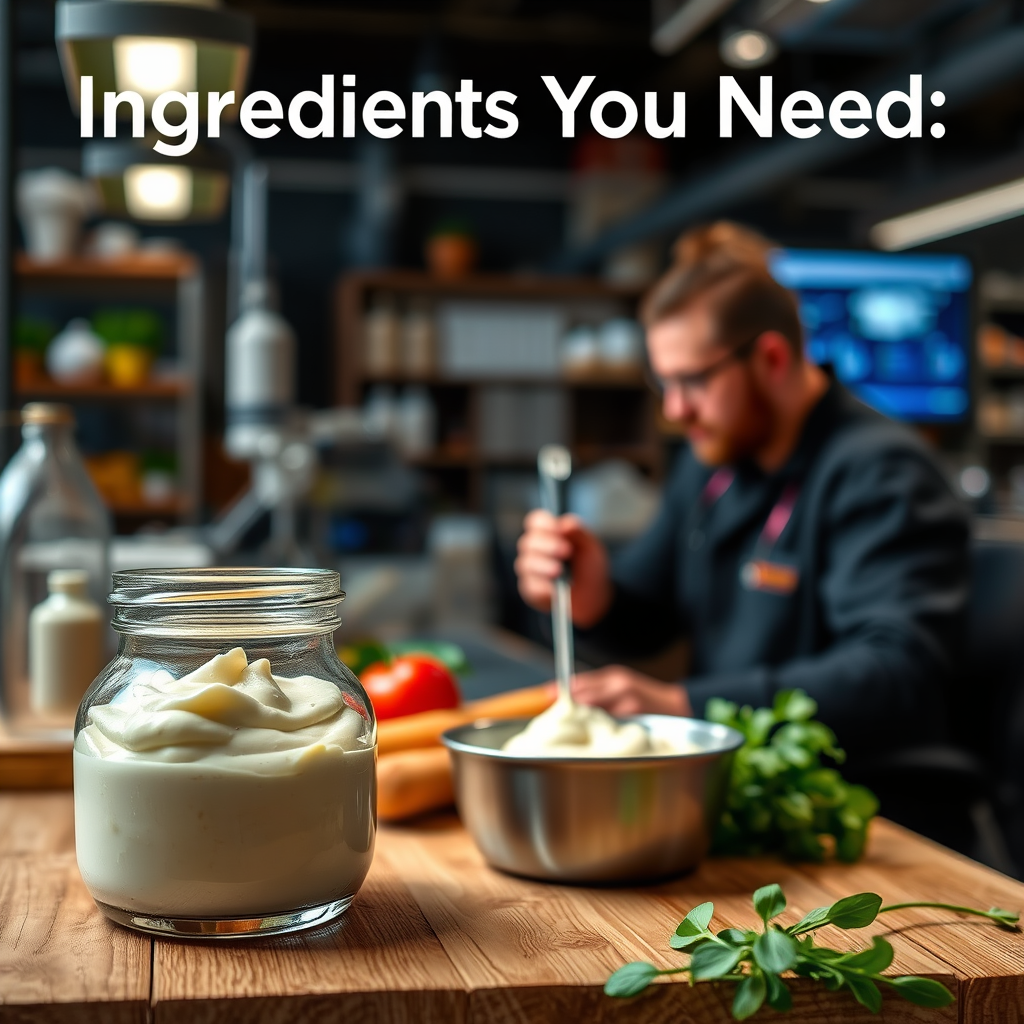
To create the perfect mayonnaise, you will need the following ingredients:
– Fresh Eggs: Using one large egg is ideal, as it provides the necessary emulsifiers that help bind the oil and acid together.
– Neutral Oil: Opt for oils like canola, vegetable, or light olive oil. These oils have a mild flavor that won’t overpower the mayonnaise.
– Acid: Lemon juice or vinegar are both excellent choices. They not only add flavor but also help stabilize the emulsion.
These ingredients are commonly found in most kitchens, making this recipe accessible for anyone looking to elevate their culinary skills.
Step-by-Step Preparation

The preparation of homemade mayonnaise is straightforward and can be accomplished with minimal effort. Follow these steps carefully to ensure a successful emulsion:
1. Start by adding the egg to a mixing bowl or blender. Ensure that the bowl is clean and dry to avoid any contamination that could affect the emulsion.
2. Slowly drizzle in the oil while blending. If using a blender, start on low speed and gradually increase as the mixture thickens. If whisking by hand, add the oil in a very slow, steady stream while continuously whisking. This gradual incorporation is crucial for creating a stable emulsion.
3. Incorporate the acid. Once the mayonnaise begins to thicken, add the lemon juice or vinegar. Blend or whisk until fully combined. Taste and adjust seasoning as desired, adding salt or additional acid to enhance the flavor.
4. Store appropriately. Transfer your homemade mayonnaise into a clean, airtight container for storage.
Tips for Success
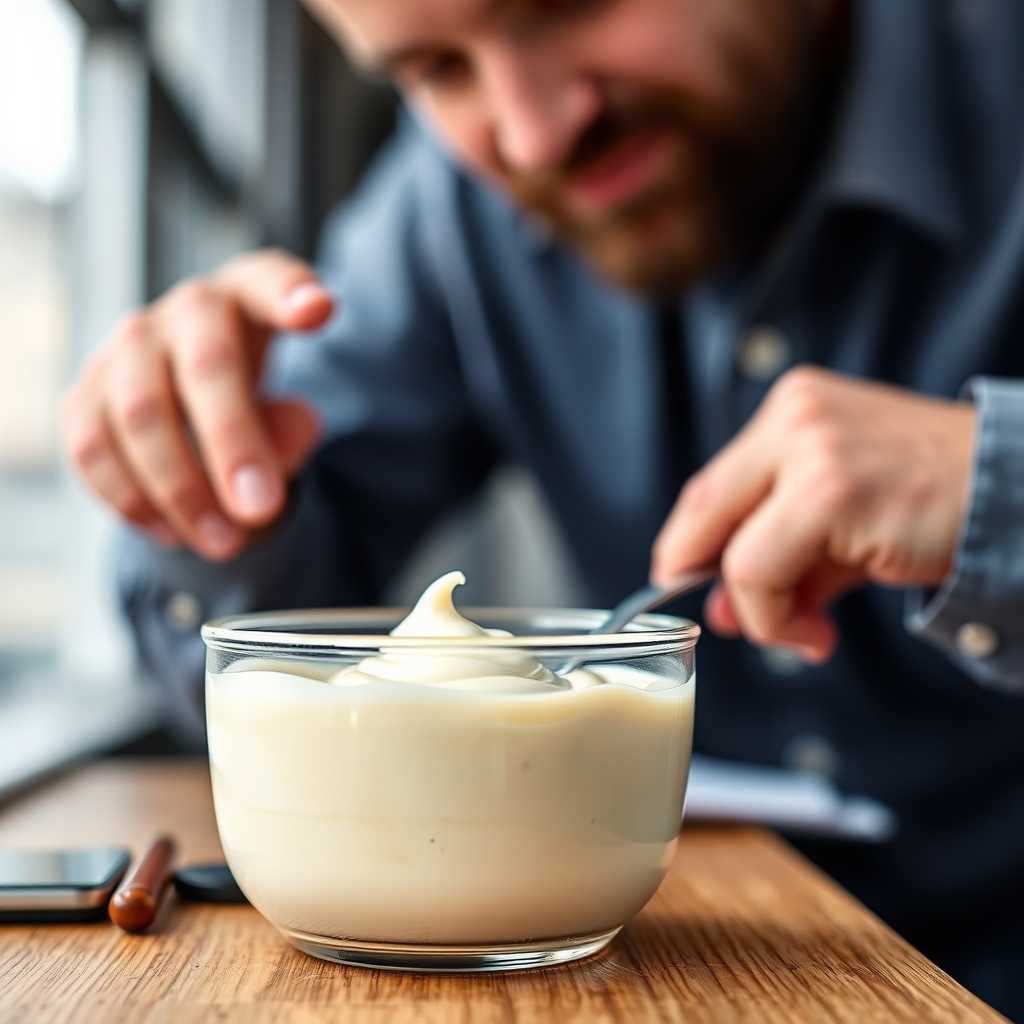
Creating mayonnaise might seem simple, but there are nuances that can significantly impact the outcome. Here are some tips to ensure your homemade mayonnaise turns out perfectly:
– Use Room Temperature Ingredients: Cold ingredients can hinder emulsification. Allow your eggs and other ingredients to reach room temperature before starting.
– Blend at a Steady Pace: If you blend the oil too quickly, the mixture can break, leading to a separation of ingredients. A steady, slow pace is key.
– Choose Quality Ingredients: The quality of the eggs and oil will directly affect the taste of your mayonnaise. Opt for fresh, organic eggs and high-quality oils for the best results.
– Experiment with Tools: While a blender or food processor is most effective, you can also use a whisk or immersion blender for a more hands-on approach.
Flavor Variations

Once you master the basic mayonnaise recipe, let your creativity flow with these flavor variations:
– Garlic Aioli: Add minced garlic to the mayonnaise for a classic aioli twist. This garlic-infused version complements seafood, sandwiches, and roasted vegetables beautifully.
– Herb-Infused Mayonnaise: Incorporate fresh herbs such as dill, basil, or parsley for a refreshing flavor boost. This variation pairs well with salads and grilled meats.
– Spicy Mayonnaise: For those who enjoy a kick, mix in some sriracha, hot sauce, or cayenne pepper to create a spicy condiment perfect for burgers and fries.
– Smoky Mayonnaise: A touch of smoked paprika can add depth and complexity, making it an excellent choice for barbecued dishes.
By customizing your mayonnaise, you can create a variety of flavors that cater to different meals and occasions.
Storing Your Mayonnaise
Proper storage is essential for maintaining the freshness and safety of your homemade mayonnaise:
– Keep in an Airtight Container: Transfer your mayonnaise into a clean jar or container with a tight-fitting lid to avoid exposure to air, which can lead to spoilage.
– Refrigerate: Store your mayonnaise in the refrigerator to keep it fresh. Homemade mayonnaise is best consumed within one week. Always check for any off smells or changes in texture before using.
– Label and Date: To keep track of freshness, label your container with the date of preparation.
Common Mistakes to Avoid
While making mayonnaise is straightforward, certain pitfalls can lead to failure. Here are common mistakes to steer clear of:
– Using Cold Ingredients: As mentioned, cold eggs or oils can prevent proper emulsification, leading to a broken mayonnaise. Always use room temperature ingredients.
– Adding Oil Too Quickly: Pouring in the oil too fast can disrupt the emulsion process. A slow, steady stream is essential for success.
– Not Whisking Enough: If you’re hand-whisking, ensure you’re whisking vigorously enough to incorporate air and create a stable emulsion.
– Ignoring Flavor Adjustments: Taste your mayonnaise as you go. Adding salt or acid can enhance the overall flavor significantly.
Nutritional Values of Homemade Mayonnaise (per tablespoon)
| # | Nutrient | Amount | % Daily Value |
|---|---|---|---|
| 1 | Calories | 94 | 5% |
| 2 | Total Fat | 10g | 15% |
| 3 | Saturated Fat | 1.5g | 8% |
| 4 | Cholesterol | 5mg | 2% |
| 5 | Sodium | 80mg | 3% |
| 6 | Total Carbohydrates | 0g | 0% |
| 7 | Protein | 0g | 0% |
Conclusion
Homemade mayonnaise is a simple yet transformative condiment that can enhance a multitude of dishes, from sandwiches to salads and beyond. By following this straightforward recipe and incorporating the tips and variations outlined, you can create a delicious, creamy mayonnaise tailored to your taste. Avoid common pitfalls, store it properly, and enjoy the satisfaction of crafting your own flavorful mayonnaise from scratch. With just a few ingredients and a little patience, you can elevate your culinary repertoire and impress friends and family with your homemade goodness.
Frequently Asked Questions
What are the basic ingredients for a simple mayonnaise recipe?
The basic ingredients for a simple mayonnaise recipe include egg yolks, mustard, vinegar or lemon juice, and oil. You can also add salt and pepper for seasoning. Using fresh ingredients will enhance the flavor and texture of your homemade mayonnaise.
How can I make mayonnaise without using a blender?
You can make mayonnaise without a blender by using a whisk or a fork. Start by whisking the egg yolks and mustard together in a bowl, then slowly drizzle in the oil while whisking continuously until the mixture thickens. This method requires some elbow grease but can produce delicious homemade mayonnaise.
Why does my homemade mayonnaise keep separating?
Homemade mayonnaise may separate due to improper emulsification, often caused by adding the oil too quickly. To prevent this, make sure to add the oil very slowly at first while whisking vigorously. If it separates, you can try to fix it by whisking in a little warm water or starting a new batch and incorporating the broken mayonnaise gradually.
What is the best type of oil to use for a simple mayonnaise recipe?
The best type of oil for a simple mayonnaise recipe is a neutral oil, such as canola or grapeseed oil, as they won’t overpower the flavor. Olive oil can also be used for a richer taste, but it’s recommended to use extra light olive oil to avoid bitterness. Experimenting with different oils can help you find your preferred flavor profile.
Which tools are essential for making mayonnaise at home?
Essential tools for making mayonnaise at home include a mixing bowl, a whisk or hand mixer, and a measuring cup for the oil. A food processor can also be helpful for quicker emulsification. Having these tools on hand can make the process easier and more efficient.
References
- Mayonnaise
https://en.wikipedia.org/wiki/Mayonnaise - Checking your browser – reCAPTCHA
https://www.ncbi.nlm.nih.gov/pmc/articles/PMC6431970/ - Page Not Found – Site Help – Mayo Clinic
https://www.mayoclinic.org/healthy-lifestyle/nutrition-and-healthy-eating/expert-answers/mayonnaise/faq-20057711 - https://www.foodsafety.gov/food-safety-charts/mayonnaise
https://www.foodsafety.gov/food-safety-charts/mayonnaise - https://www.sciencedirect.com/topics/food-science/mayonnaise
https://www.sciencedirect.com/topics/food-science/mayonnaise - https://www.verywellfit.com/how-to-make-homemade-mayonnaise-4687660
https://www.verywellfit.com/how-to-make-homemade-mayonnaise-4687660 - https://www.healthline.com/nutrition/homemade-mayonnaise
https://www.healthline.com/nutrition/homemade-mayonnaise - Google Scholar Google Scholar
https://scholar.google.com/scholar?q=mayonnaise+recipe - Google Scholar Google Scholar
https://scholar.google.com/scholar?q=mayonnaise+homemade+recipe - Google Scholar Google Scholar
https://scholar.google.com/scholar?q=mayonnaise+simple+recipe