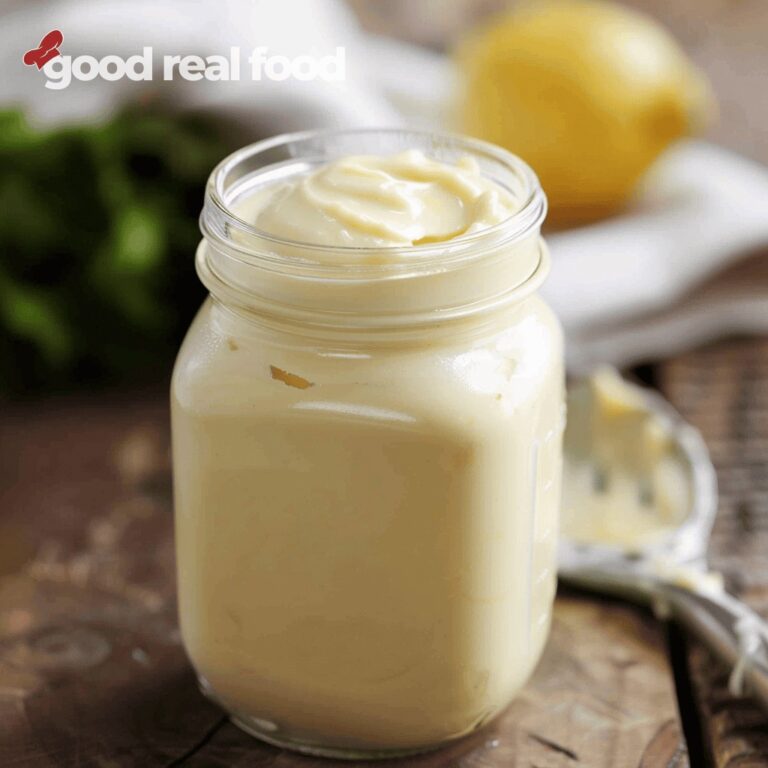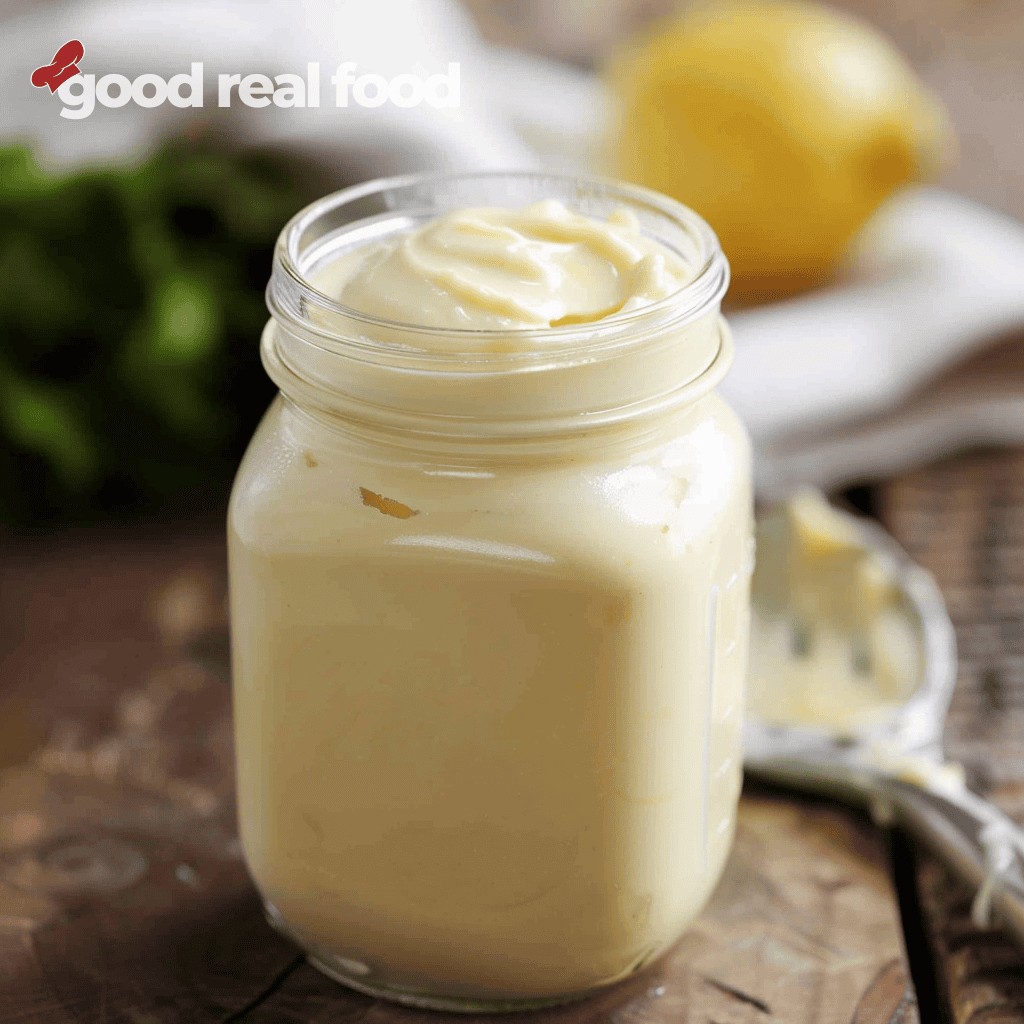
This simple homemade mayonnaise recipe proves that making your own mayo is not only quick but also far superior to store-bought versions. With just a few ingredients and easy steps, you can achieve a fresh, creamy condiment that elevates any dish. Discover how to whip up this versatile staple in minutes, ensuring you never settle for commercial alternatives again.
Making homemade mayonnaise is simple and can be done in just a few minutes with a few basic ingredients. This quick guide will show you how to whip up a creamy, delicious mayonnaise that’s perfect for sandwiches, salads, and dips. Not only is homemade mayonnaise fresher and more flavorful than store-bought versions, but it also allows you to customize the taste to your liking.
Mayonnaise is a versatile condiment that can elevate a variety of dishes, from classic sandwiches to gourmet salads and even dipping sauces. By using fresh ingredients, you can ensure that your mayonnaise is not only delicious but also healthier. Let’s dive into the essentials you need to create this creamy delight at home.
Ingredients You’ll Need
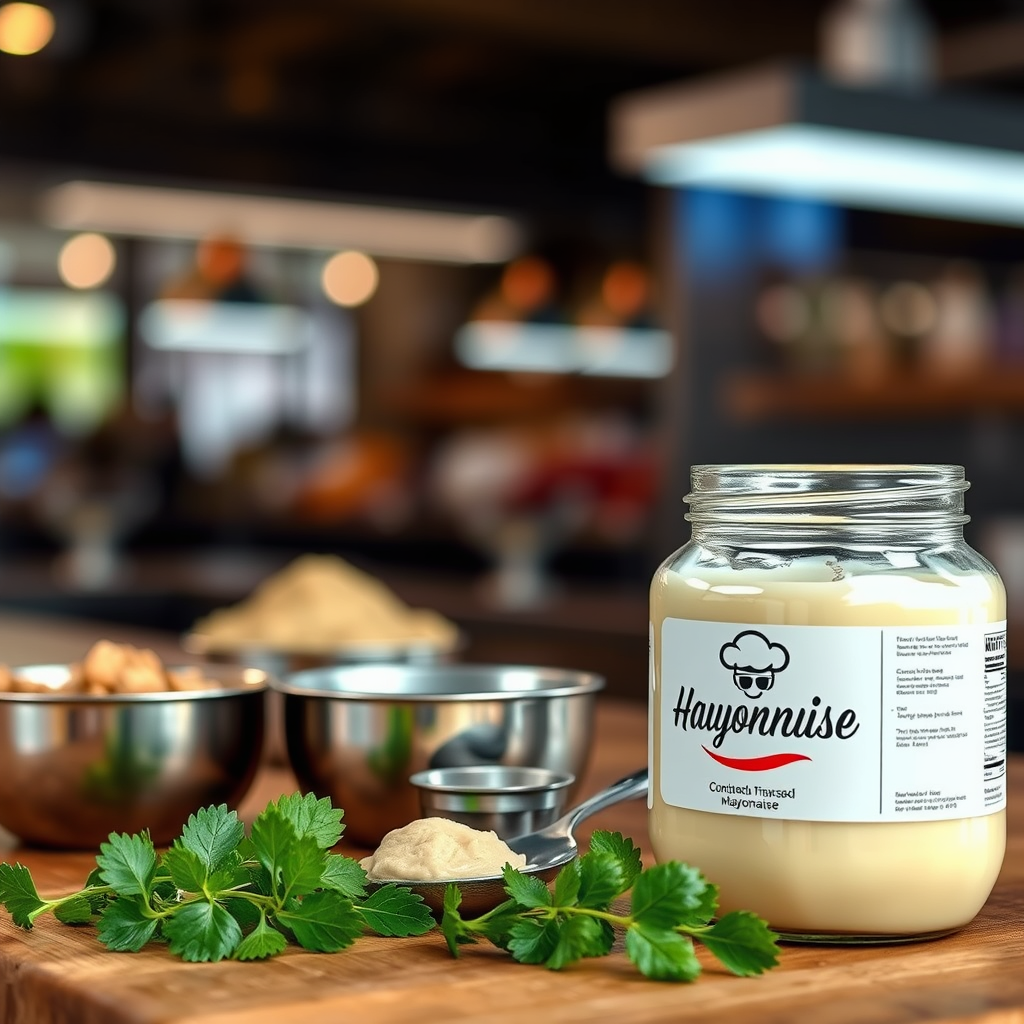
To make mayonnaise, you only need three essential ingredients, each playing a crucial role in achieving that perfect texture and flavor.
– Egg yolks: Fresh, large egg yolks are vital for forming the emulsion that gives mayonnaise its creamy consistency. The yolks contain lecithin, which helps bind the oil and water components together.
– Oil: It is best to use a neutral oil like canola, vegetable, or light olive oil. These oils provide a smooth texture without overpowering the flavor of the mayonnaise.
– Acid: A splash of vinegar or lemon juice not only adds brightness but also helps balance the richness of the oil. The acid also acts as a preservative, extending the shelf life of your mayonnaise.
Step-by-Step Instructions

Creating homemade mayonnaise is straightforward, and with practice, you can achieve a perfect emulsion every time. Follow these simple steps:
1. Whisk the Egg Yolks: Start by placing the egg yolks in a mixing bowl. Use a whisk or an electric mixer to beat the yolks until they are thick and pale, which typically takes about 30 seconds.
2. Add the Oil: Once the yolks are ready, begin to add the oil slowly, in a thin, steady stream. It’s crucial to whisk constantly as you add the oil. This gradual incorporation allows the oil to emulsify with the yolks and prevents the mayonnaise from breaking.
3. Incorporate the Acid: After you have added about half of the oil, introduce the vinegar or lemon juice. Continue whisking to blend everything together seamlessly.
4. Finish the Emulsion: Continue to add the remaining oil gradually, whisking continuously until the mayonnaise reaches your desired thickness. If it becomes too thick, you can thin it out with a little water or more oil.
Tips for Success

To ensure that your mayonnaise turns out perfectly every time, keep these tips in mind:
– Room Temperature Ingredients: Using room temperature egg yolks and oil can significantly improve the emulsification process. Cold ingredients can lead to a broken mayonnaise, making it less stable.
– Whisk Vigorously: Whisking or blending vigorously is key to achieving a smooth texture. If you prefer a hands-off approach, a hand mixer or blender can help speed up the process and ensure a consistent emulsion.
– Be Patient: Don’t rush the process. Adding the oil too quickly can cause the mayonnaise to separate. Slow and steady wins the race in this case.
Flavor Variations

One of the best aspects of homemade mayonnaise is its versatility. You can easily customize it to suit your preferences. Here are a few flavor variations to consider:
– Dijon Mustard: Adding a teaspoon or two of Dijon mustard not only enhances the flavor but also helps stabilize the emulsion.
– Garlic Aioli: For a rich garlic flavor, mix in minced garlic or garlic powder to create a delicious aioli that pairs well with seafood or roasted vegetables.
– Herbs and Spices: Experiment with different herbs like dill, basil, or parsley, as well as spices such as paprika or cayenne pepper to add depth and character to your mayonnaise.
Here’s a visual summary of some common flavor variations you can try:
Common Mayonnaise Flavor Variations
| Flavor Variation | Key Ingredients | Notes |
|---|---|---|
| Classic | Egg yolks, oil, vinegar | Perfect base for any dish |
| Garlic Aioli | Egg yolks, oil, garlic | Ideal for seafood and veggies |
| Dijon Mustard | Egg yolks, oil, Dijon mustard | Adds tang and stability |
| Herbed | Egg yolks, oil, fresh herbs | Customizable with favorite herbs |
| Spicy | Egg yolks, oil, hot sauce | Great for a kick in sandwiches |
| Smoky | Egg yolks, oil, smoked paprika | Delicious with grilled meats |
| Sweet | Egg yolks, oil, honey | Unique for desserts or salads |
Storage Recommendations

Once you have whipped up your homemade mayonnaise, proper storage is crucial to maintain its freshness and quality:
– Airtight Container: Store your mayonnaise in a clean, airtight container to prevent any contamination and preserve flavor.
– Refrigeration: Always refrigerate your mayonnaise immediately after preparation. Homemade mayonnaise should be consumed within one week for optimal freshness and safety.
– Labeling: It’s a good practice to label your container with the date it was made, ensuring you know when it needs to be consumed by.
Troubleshooting Common Issues
Even with the best intentions, sometimes things can go awry. Here are some common issues and how to troubleshoot them:
– Mayonnaise Won’t Thicken: If your mayonnaise isn’t thickening, it might be due to the oil being added too quickly. Try adding a teaspoon of water and whisking vigorously. This can help re-emulsify the mixture.
– Too Thick: If your mayonnaise turns out too thick, you can easily remedy it by whisking in a little more oil or a teaspoon of water until you reach your desired consistency.
– Separated Mixture: If your mayonnaise breaks, meaning the oil separates from the yolks, don’t panic. Start with a new egg yolk in a clean bowl, and slowly whisk in the broken mayonnaise mixture to create a new emulsion.
Making your own mayonnaise is not only easy but also allows you to control the ingredients and flavors. With just a few simple steps, you can enjoy fresh, homemade mayonnaise that elevates your dishes. So gather your ingredients, follow the steps, and enjoy a delicious condiment that’s sure to impress! Whether you choose to keep it classic or experiment with flavors, homemade mayonnaise is a staple that will soon become a favorite in your kitchen.
Frequently Asked Questions
What ingredients do I need for a simple homemade mayonnaise recipe?
To make a simple homemade mayonnaise, you will need egg yolks, Dijon mustard, lemon juice or vinegar, and a neutral oil like canola or grapeseed oil. Salt and pepper can be added for flavor. Using fresh, high-quality ingredients will enhance the taste and texture of your mayonnaise.
How do I make homemade mayonnaise without a blender?
You can make homemade mayonnaise by hand using a whisk. Start by whisking together the egg yolks, mustard, and vinegar in a bowl. Gradually add the oil in a slow, steady stream while whisking vigorously until the mixture emulsifies and thickens to your desired consistency.
Why is my homemade mayonnaise too runny, and how can I fix it?
If your homemade mayonnaise turns out too runny, it may be due to adding the oil too quickly or not enough emulsification. To fix it, try whisking in an additional egg yolk or a teaspoon of warm water to help stabilize the mixture. Make sure to add oil gradually while whisking continuously to achieve the perfect texture.
What is the best oil to use for homemade mayonnaise?
The best oils for homemade mayonnaise are neutral oils like canola, grapeseed, or safflower oil, as they won’t overpower the flavor. Some people also prefer using light olive oil for a richer taste, but be cautious as it can be more intense. Ultimately, the choice of oil can affect the flavor and consistency of your mayonnaise.
Which method is the easiest for making homemade mayonnaise: hand whisking or using a food processor?
Using a food processor is generally the easiest method for making homemade mayonnaise, as it allows for quick emulsification and requires less physical effort. Simply combine the ingredients in the processor and blend while gradually adding oil. However, hand whisking can be more rewarding and gives you more control over the consistency if you prefer a hands-on approach.
References
- https://en.wikipedia.org/wiki/Mayonnaise
https://en.wikipedia.org/wiki/Mayonnaise - Resperate: Can it help reduce blood pressure? – Mayo Clinic
https://www.mayoclinic.org/healthy-lifestyle/nutrition-and-healthy-eating/expert-answers/mayonnaise/faq-20057998 - https://www.sciencedirect.com/topics/food-science/mayonnaise
https://www.sciencedirect.com/topics/food-science/mayonnaise - Checking your browser – reCAPTCHA
https://www.ncbi.nlm.nih.gov/pmc/articles/PMC7021153/ - https://pubmed.ncbi.nlm.nih.gov/17723850/
https://pubmed.ncbi.nlm.nih.gov/17723850/ - https://www.bbc.co.uk/food/recipes/mayonnaise_1898
https://www.bbc.co.uk/food/recipes/mayonnaise_1898 - https://www.theguardian.com/food/2020/apr/25/perfect-mayonnaise-recipe-joanna-weiss
https://www.theguardian.com/food/2020/apr/25/perfect-mayonnaise-recipe-joanna-weiss - Google Scholar Google Scholar
https://scholar.google.com/scholar?q=simple+homemade+mayonnaise+recipe - Google Scholar Google Scholar
https://scholar.google.com/scholar?q=homemade+mayonnaise+nutritional+value - Google Scholar Google Scholar
https://scholar.google.com/scholar?q=mayonnaise+food+science