
Eel sauce is a savory and slightly sweet condiment that enhances many dishes, particularly sushi and grilled items. Making eel sauce at home is surprisingly easy and requires just a few ingredients. In this article, you’ll learn how to create a delicious homemade eel sauce that rivals your favorite sushi restaurant. This simple recipe not only allows you to control the flavors but also gives you the satisfaction of crafting a staple condiment from scratch.
Ingredients Needed for Eel Sauce
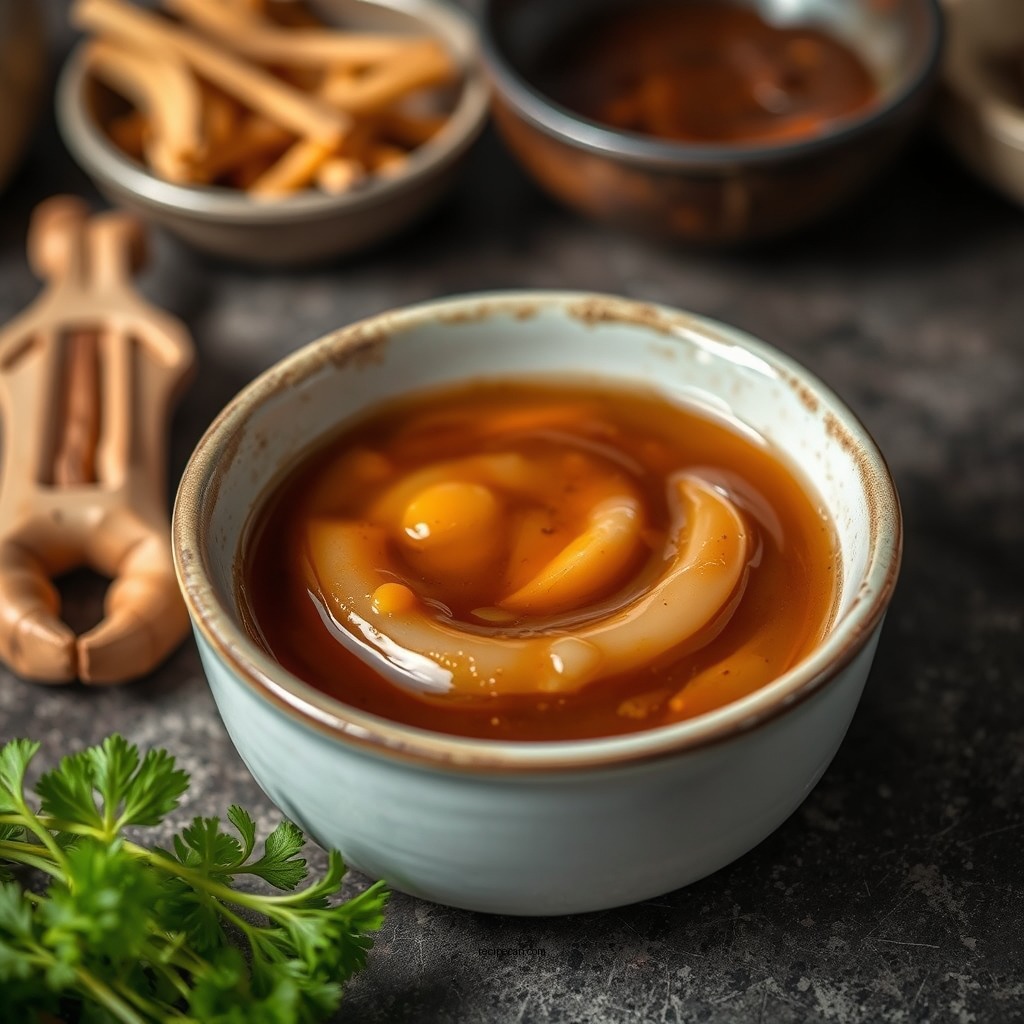
To create the perfect eel sauce, you need to gather a few essential ingredients. Each component plays a crucial role in achieving the desired flavor profile:
– Soy Sauce: This is the foundation of your eel sauce, providing a salty, umami flavor that is essential for depth.
– Mirin: A sweet rice wine, mirin adds a distinct sweetness and complexity to the sauce, balancing the saltiness of soy sauce.
– Sugar: While mirin already contributes sweetness, adding sugar enhances the overall flavor and helps thicken the sauce as it cooks.
– Optional: Sake: For those who want to elevate their sauce further, a splash of sake can add an extra layer of complexity and depth to the flavor.
These ingredients are commonly found in most kitchens or can be easily sourced from local grocery stores or Asian markets.
Step-by-Step Preparation Instructions

Creating eel sauce at home is both simple and rewarding. Follow these straightforward steps for a delicious result:
1. Combine Ingredients: In a medium saucepan, mix together ½ cup of soy sauce, ½ cup of mirin, and ¼ cup of sugar.
2. Heat the Mixture: Place the saucepan over medium heat. Stir the mixture continuously until the sugar is completely dissolved.
3. Simmer: Once the sugar has dissolved, reduce the heat to low and let the mixture simmer. Continue to stir occasionally, allowing the sauce to thicken. This should take about 10-15 minutes, depending on your desired consistency.
4. Cool and Store: Once the sauce has thickened to your liking, remove it from heat and let it cool before transferring it to an airtight container.
This simple process results in a rich, homemade eel sauce that can be stored for later use.
Tips for Perfecting Your Eel Sauce

While the basic recipe is straightforward, small adjustments can enhance your eel sauce even further:
– Adjust Sweetness: Personal taste varies, so feel free to modify the amount of sugar. If you prefer a sweeter sauce, add more sugar; conversely, reduce it for a less sweet profile.
– Consistency: If the sauce becomes too thick, you can add a splash of water to thin it out. If it’s too thin, continue to simmer until it reaches your desired thickness.
– Flavor Variations: Consider experimenting with additional flavors. Adding minced ginger or garlic can introduce exciting new dimensions to your sauce, making it even more versatile.
Storage and Shelf Life
Proper storage is essential to maintain the quality of your homemade eel sauce:
– Refrigeration: Store the sauce in an airtight container in the refrigerator. This will help preserve its flavor and prevent spoilage.
– Duration: When stored properly, eel sauce can last for up to 2 weeks in the refrigerator. After that, its flavor and quality may begin to diminish.
If you find yourself with excess sauce, consider freezing it in small portions for longer-term storage, as it can retain its quality for several months when frozen.
Ways to Use Eel Sauce
Eel sauce is not just for sushi; its versatility makes it a fantastic addition to various dishes. Here are some popular ways to incorporate this flavorful condiment:
– Sushi: Drizzle your homemade eel sauce over sushi rolls to enhance their taste and presentation.
– Grilled Meats: Use it as a marinade or glaze for grilled chicken, beef, or fish. The sauce caramelizes beautifully when exposed to high heat, adding an irresistible flavor.
– Dipping Sauce: Serve it as a dipping sauce for tempura or fresh vegetables, providing a delightful contrast to fried dishes.
These applications will not only elevate your meals but also impress your guests with a unique and delicious homemade touch.
Common Mistakes to Avoid
When making eel sauce, being aware of common pitfalls can help ensure a successful result:
– Overcooking: Avoid boiling the sauce for too long, as it can become overly thick and lose its balanced flavor. Keep an eye on it as it simmers.
– Skipping Mirin: Using only soy sauce may lead to a sauce that is too salty and lacks the desired sweetness and complexity. Always include mirin for the best flavor.
By following these tips and avoiding common mistakes, you can create a delicious eel sauce that enhances your culinary creations.
Eel Sauce Ingredient Comparison (Flavor Profile)
| # | Ingredient | Flavor Profile | Key Function |
|---|---|---|---|
| 1 | Soy Sauce | Salty, Umami | Base Flavor |
| 2 | Mirin | Sweet | Sweetness |
| 3 | Sugar | Sweet | Flavor Balance |
| 4 | Sake | Complex | Flavor Depth |
| 5 | Ginger (Optional) | Spicy, Sweet | Flavor Complexity |
| 6 | Garlic (Optional) | Savory, Spicy | Flavor Enhancement |
Eel Sauce Ingredient Ratios
Creating your own eel sauce is a rewarding culinary project that can elevate your dishes. With just a few simple ingredients and steps, you can enjoy a rich, homemade eel sauce tailored to your taste. Try making it today and explore the delicious possibilities it brings to your meals! Whether drizzling over sushi or enhancing grilled meats, this versatile sauce is sure to impress.
Frequently Asked Questions
What ingredients do I need for a homemade eel sauce recipe?
To make a classic homemade eel sauce, you’ll need soy sauce, mirin (a sweet rice wine), and sugar. These ingredients combine to create a savory-sweet sauce that enhances the flavor of dishes like sushi and grilled fish. It’s simple to gather these items from your local grocery store or Asian market.
How do I make eel sauce from scratch?
To make eel sauce from scratch, combine 1 cup of soy sauce, 1 cup of mirin, and 1/2 cup of sugar in a saucepan. Heat the mixture over medium heat, stirring until the sugar dissolves, then bring it to a simmer. Allow it to cook for about 10-15 minutes until it thickens, then let it cool before using.
Why is my eel sauce too salty, and how can I fix it?
If your eel sauce tastes too salty, it may be due to the type of soy sauce used or the cooking time. To balance the flavor, you can add a bit more sugar or mirin to sweeten it up. Additionally, consider using low-sodium soy sauce in future recipes for a milder taste.
What is the best way to store homemade eel sauce?
The best way to store homemade eel sauce is in an airtight container in the refrigerator. It can last for up to two weeks when stored properly. For longer storage, consider freezing it in small portions, which can be thawed as needed for your favorite dishes.
Which dishes pair well with eel sauce?
Eel sauce pairs exceptionally well with sushi, particularly nigiri and unagi (grilled eel). It also complements grilled vegetables, seafood, and rice dishes, adding a rich umami flavor. Drizzling eel sauce over stir-fries or using it as a dipping sauce for appetizers enhances their taste beautifully.
References
- Tare sauce
https://en.wikipedia.org/wiki/Eel_sauce - Google Scholar Google Scholar
https://scholar.google.com/scholar?q=eel+sauce+recipe - https://www.britannica.com/topic/eel-sauce
https://www.britannica.com/topic/eel-sauce - Google Scholar Google Scholar
https://scholar.google.com/scholar?q=eel+sauce - https://www.sciencedirect.com/topics/food-science/eel-sauce
https://www.sciencedirect.com/topics/food-science/eel-sauce - https://www.ncbi.nlm.nih.gov/pmc/articles/PMC4826287/
https://www.ncbi.nlm.nih.gov/pmc/articles/PMC4826287/ - https://www.ncbi.nlm.nih.gov/pmc/articles/PMC4429000/
https://www.ncbi.nlm.nih.gov/pmc/articles/PMC4429000/ - https://www.who.int/news-room/fact-sheets/detail/sauces
https://www.who.int/news-room/fact-sheets/detail/sauces - https://www.nytimes.com/2021/10/01/dining/eel-sauce.html
https://www.nytimes.com/2021/10/01/dining/eel-sauce.html - https://www.cdc.gov/foodsafety/food-safety-education-month.html
https://www.cdc.gov/foodsafety/food-safety-education-month.html