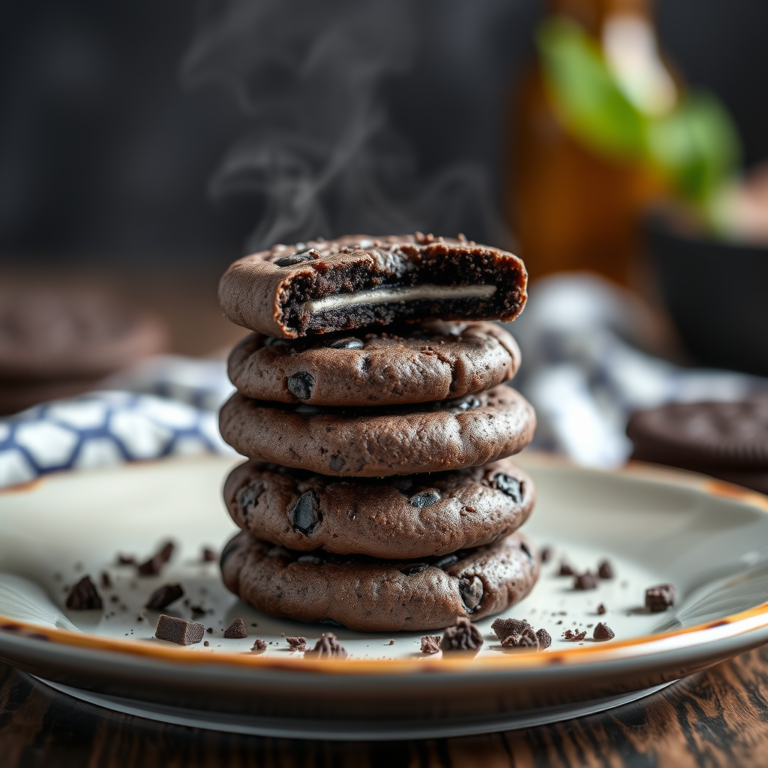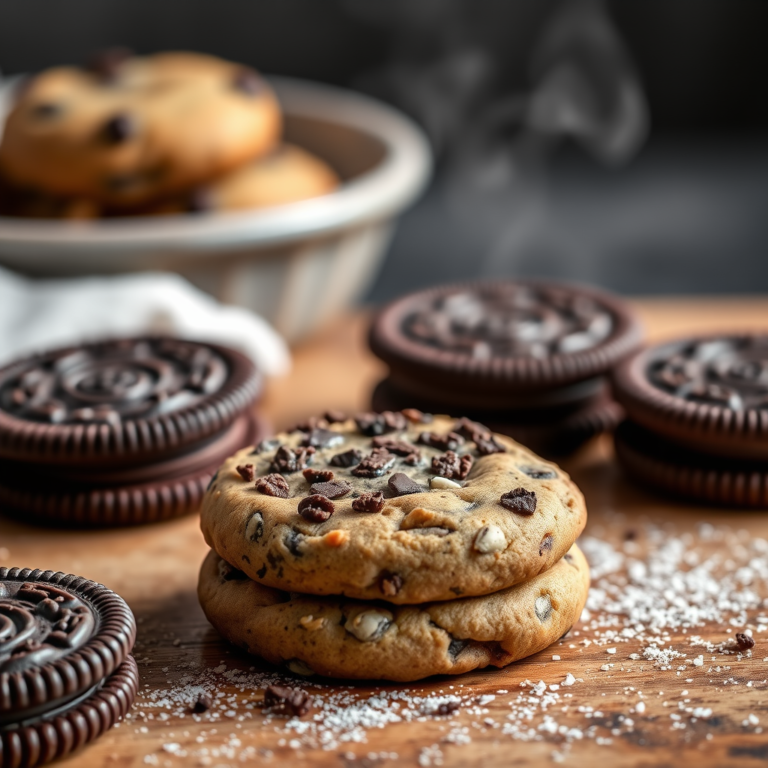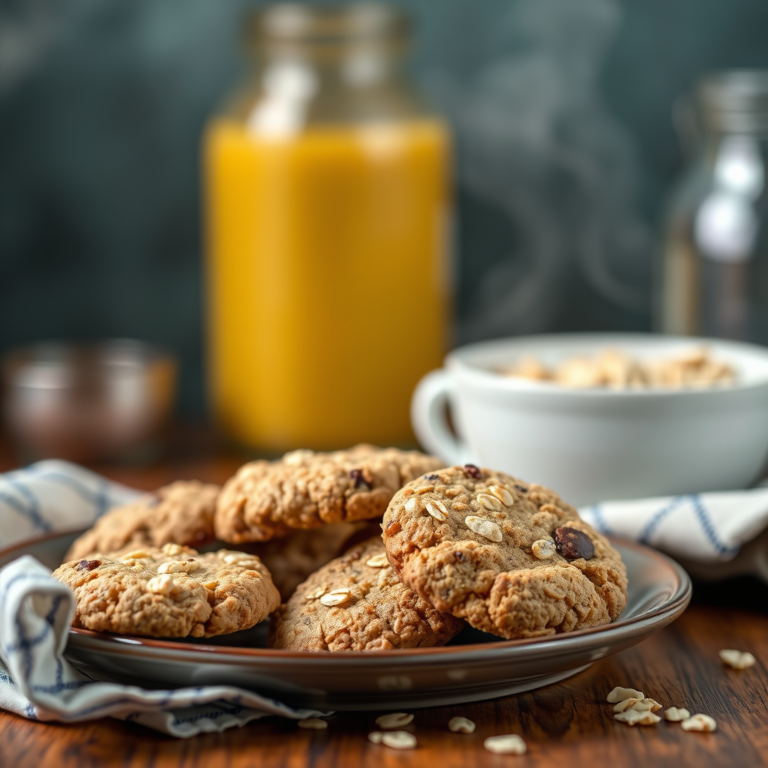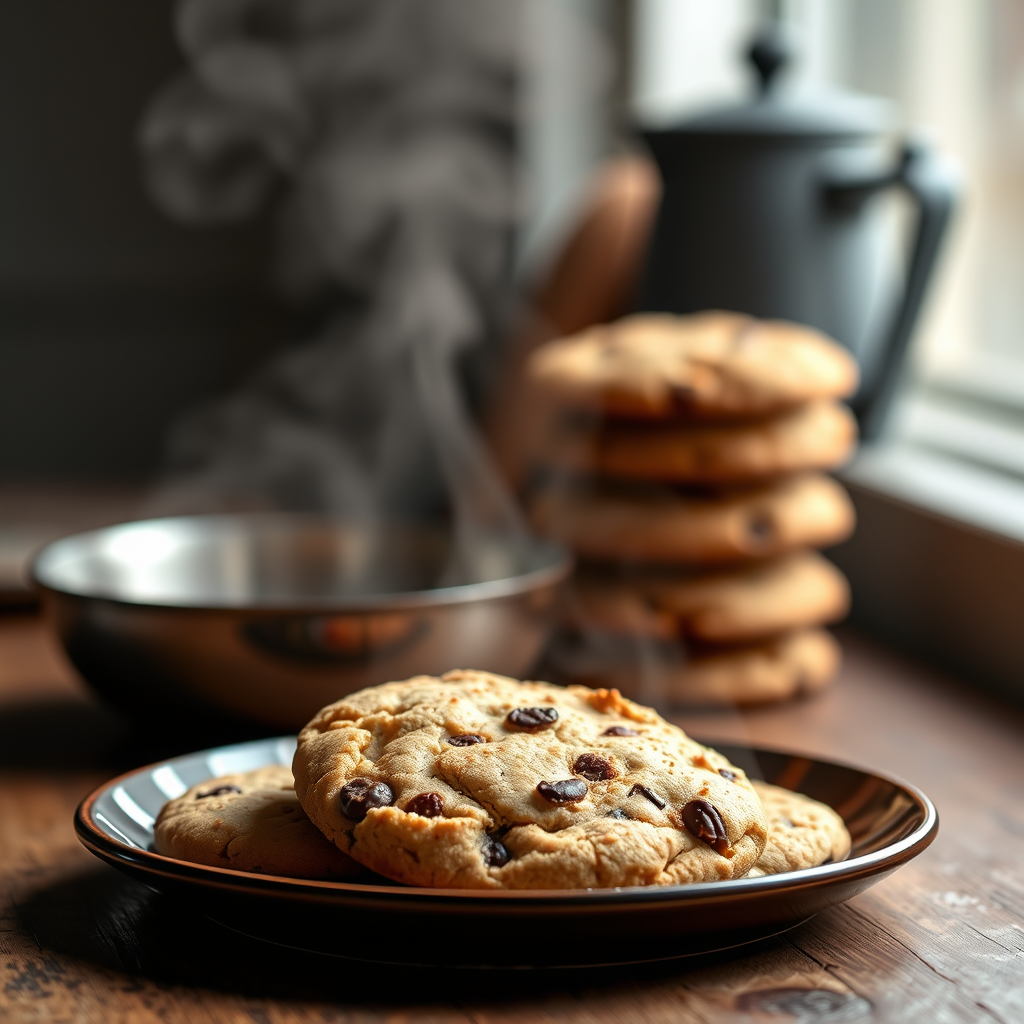
To make simple cookies, you only need a few basic ingredients and a quick method that anyone can follow. In this article, you will learn how to whip up delicious cookies in no time, perfect for any occasion or just a sweet treat at home. Baking cookies can be a delightful experience, allowing for creativity and personal flair while ensuring a satisfying outcome that pleases everyone.
Essential Ingredients for Simple Cookies
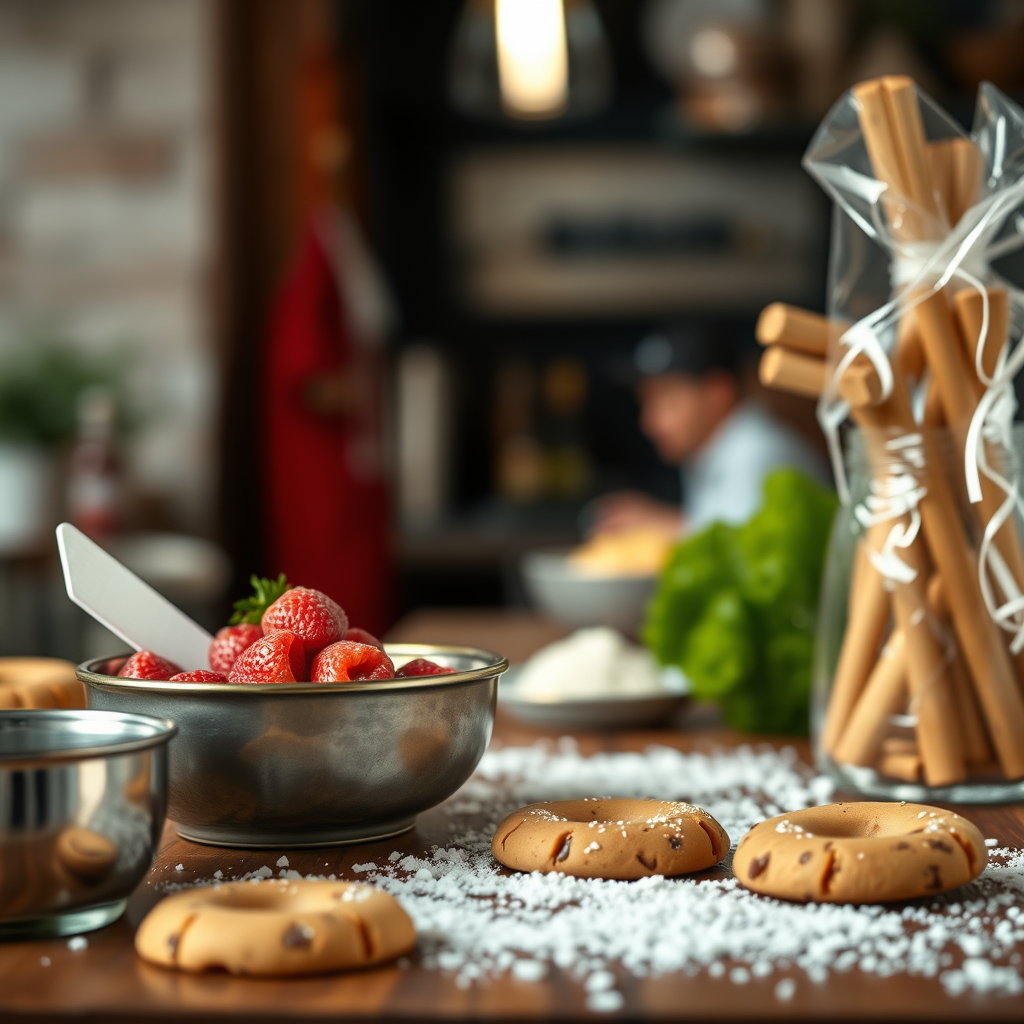
The beauty of cookies lies in their simplicity. For a basic cookie recipe, you will need the following essential ingredients:
– Flour: The foundation of your cookies. All-purpose flour is typically the go-to choice, providing structure and stability.
– Sugar: This ingredient is crucial for sweetness and helps achieve a golden-brown color during baking. Granulated sugar is the most common, but brown sugar can add a rich flavor and chewy texture.
– Butter: Unsalted butter is preferred as it allows you to control the saltiness of your cookies. Room temperature butter will ensure a smooth and well-blended mixture.
– Eggs: They bind the ingredients together and provide moisture, contributing to the overall texture of the cookies.
While these four ingredients are fundamental, you can personalize your cookies with optional add-ins. Consider incorporating chocolate chips for a classic touch, nuts for added crunch, or dried fruits like cranberries for a chewy surprise.
Step-by-Step Instructions

To ensure your cookie baking is successful, follow these straightforward steps:
1. Preheat Your Oven: Set your oven to 350°F (175°C). Preheating is essential for even baking.
2. Prepare Dry Ingredients: In a bowl, whisk together your flour, baking soda, and salt. This step helps distribute the leavening agent evenly throughout the dough.
3. Cream Butter and Sugar: In a separate bowl, cream the room temperature butter and sugar together until the mixture is light and fluffy. This process typically takes about 2-3 minutes.
4. Add Eggs: Beat in the eggs one at a time, ensuring they are fully incorporated before adding the next.
5. Combine Mixtures: Gradually add the dry ingredients to the wet mixture, mixing until just combined. Avoid overmixing as this can result in tough cookies.
6. Scoop and Shape: Use a cookie scoop or tablespoon to portion out the dough onto a lined baking sheet, leaving adequate space between each cookie.
7. Bake: Place the baking sheet in the preheated oven and bake for 10-12 minutes or until the edges are lightly golden. The centers might look slightly underbaked, but they will firm up as they cool.
Common Cookie Ingredients and Their Functions
| # | Ingredient | Function | Common Usage |
|---|---|---|---|
| 1 | Flour | Structure | Base ingredient |
| 2 | Sugar | Sweetness | Flavor and browning |
| 3 | Butter | Moisture | Rich flavor |
| 4 | Eggs | Binding | Texture |
| 5 | Baking Soda | Leavening | Fluffiness |
| 6 | Salt | Flavor enhancer | Balance |
| 7 | Vanilla Extract | Flavor | Aroma |
Tips for Perfect Texture
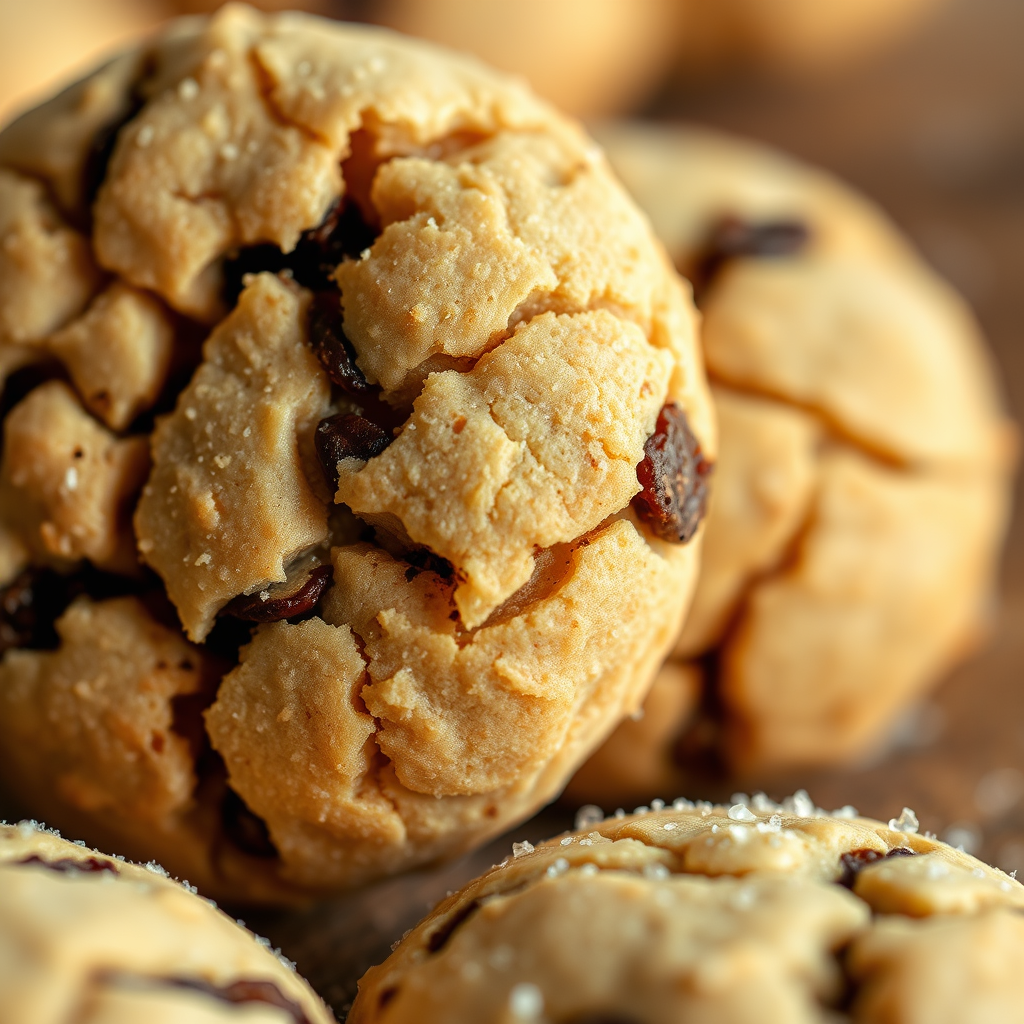
Achieving the perfect cookie texture is an art. Here are some tips to help you create cookies that are soft, chewy, and delightful:
– Use Room Temperature Butter: Softened butter integrates better with sugar, creating a smoother, creamier mixture. This leads to a better texture in the final product.
– Avoid Overmixing: After adding the dry ingredients to the wet mixture, mix until just combined. Overmixing can develop gluten in the flour, leading to tougher cookies.
– Chill the Dough: If time allows, chill your cookie dough for 30 minutes before baking. This helps solidify the fats, resulting in thicker cookies that maintain their shape.
– Monitor Baking Times: Every oven is different. Begin checking your cookies a minute or two before the recommended baking time to prevent overbaking.
Baking and Cooling Process
The baking and cooling process greatly affects the texture and flavor of your cookies:
– Baking Time: As mentioned, bake your cookies for approximately 10-12 minutes. The cookies should be golden around the edges but still soft in the center.
– Cooling on a Wire Rack: After baking, transfer the cookies to a wire rack. This allows air to circulate around the cookies, preventing them from becoming soggy on the bottom.
Baking Time for Different Cookie Types
Creative Variations
Once you’ve mastered the basic cookie recipe, it’s time to get creative. Here are some variations that can elevate your cookies to new heights:
– Flavor Enhancements: Add a teaspoon of vanilla extract or almond extract to the batter for a delightful aroma and flavor boost. Incorporating citrus zest, such as lemon or orange, can also add a refreshing twist.
– Different Types of Chocolate: Experiment with dark chocolate chunks, milk chocolate chips, or white chocolate for a unique taste experience.
– Nutty Additions: Chopped nuts such as walnuts, pecans, or macadamia nuts can provide a crunchy texture and rich flavor.
– Dried Fruits: Consider adding dried cranberries, raisins, or apricots for a chewy sweetness that complements the cookie base.
– Spices: A pinch of cinnamon or nutmeg can create a warm, inviting flavor profile, especially in fall-inspired cookies.
Storing Your Cookies
Proper storage is essential to maintain the freshness and texture of your cookies:
– Airtight Containers: Store cookies in an airtight container at room temperature to keep them soft and chewy. Layering parchment paper between different cookie types can prevent them from sticking together.
– Freezing Cookies: If you want to save some for later, freeze unbaked cookie dough. Simply scoop the dough onto a baking sheet, freeze until solid, then transfer to a zip-top bag. When you’re ready to bake, you can bake them straight from the freezer, adding a couple of extra minutes to the baking time.
In conclusion, making simple cookies is a rewarding and enjoyable process. By following these steps and tips, you can create a variety of delicious cookies tailored to your taste. Whether you opt for classic chocolate chip or venture into creative variations, the joy of baking cookies is sure to bring smiles to everyone who enjoys them. So gather your ingredients, preheat your oven, and start baking your own delightful cookies today!
Frequently Asked Questions
What are the basic ingredients needed for a simple cookie recipe?
A simple cookie recipe typically requires just a few basic ingredients: all-purpose flour, granulated sugar, butter, an egg, and baking soda. Optional ingredients like vanilla extract, chocolate chips, or nuts can enhance the flavor and texture, but the core recipe remains straightforward and easy to follow.
How do I make cookies from scratch without a mixer?
Making cookies from scratch without a mixer is simple; you can use a large mixing bowl and a wooden spoon or spatula. Start by creaming the softened butter and sugar together until well combined, then mix in the egg and any vanilla extract. Gradually add the flour and baking soda, stirring until a dough forms, and fold in any additional ingredients like chocolate chips.
Why did my cookies spread too much while baking?
If your cookies spread too much during baking, it could be due to using melted butter instead of softened butter or not chilling the dough. Additionally, if you didn’t measure the flour accurately, it could lead to too much moisture in the dough, causing the cookies to flatten. To prevent this, ensure you use the correct butter consistency and consider chilling the dough for about 30 minutes before baking.
What is the best way to store homemade cookies to keep them fresh?
To keep homemade cookies fresh, store them in an airtight container at room temperature. For longer shelf life, you can also freeze the cookies by placing them in a freezer-safe bag or container, which helps maintain their texture and flavor for up to three months. Always let cookies cool completely before storing to prevent condensation.
Which simple cookie recipe is best for beginners?
The best simple cookie recipe for beginners is the classic chocolate chip cookie. This recipe is not only straightforward but also forgiving, allowing new bakers to enjoy the process and the delicious results. With just a few essential ingredients and minimal steps, you can create a batch of warm, gooey cookies perfect for sharing or indulging yourself.
References
- Cookie
https://en.wikipedia.org/wiki/Cookie - https://www.foodnetwork.com/recipes/articles/50-cookie-recipes
https://www.foodnetwork.com/recipes/articles/50-cookie-recipes - https://www.nytimes.com/2020/12/09/dining/cookie-recipes.html
https://www.nytimes.com/2020/12/09/dining/cookie-recipes.html - https://www.sciencedirect.com/topics/food-science/cookie
https://www.sciencedirect.com/topics/food-science/cookie - Google Scholar Google Scholar
https://scholar.google.com/scholar?q=simple+cookie+recipe - Google Scholar Google Scholar
https://scholar.google.com/scholar?q=cookies+baking+recipes - Google Scholar Google Scholar
https://scholar.google.com/scholar?q=cookie+ingredient+science - https://www.britannica.com/topic/cookie
https://www.britannica.com/topic/cookie - https://www.ncbi.nlm.nih.gov/pmc/articles/PMC7154065/
https://www.ncbi.nlm.nih.gov/pmc/articles/PMC7154065/ - simple cookie recipe – Search results
https://en.wikipedia.org/wiki/Special:Search?search=simple+cookie+recipe