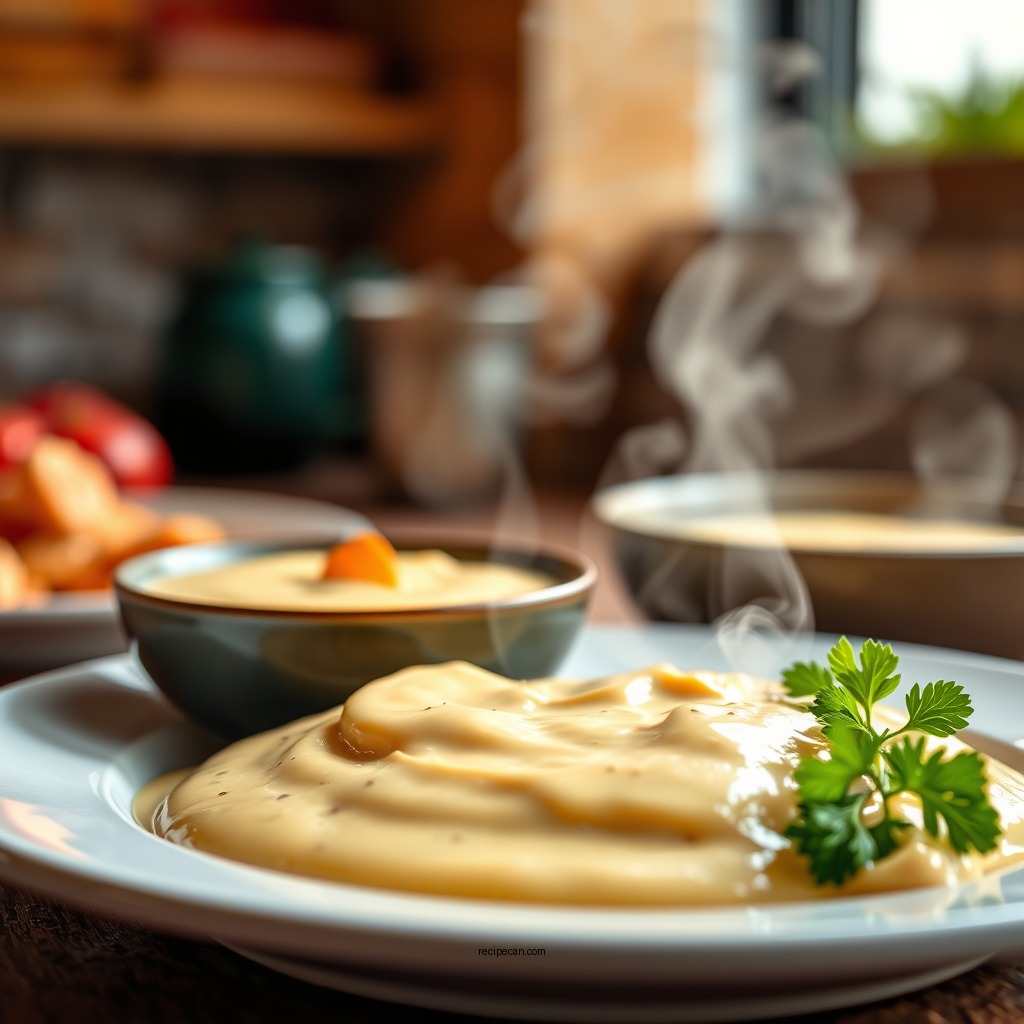
Bechamel sauce is a fundamental white sauce that can be effortlessly prepared at home with just a few ingredients. This versatile sauce serves as the backbone for a myriad of dishes, including classics like lasagna and macaroni and cheese. In this guide, you will learn how to prepare a creamy bechamel sauce that is not only simple to make but also elevates the flavor profile of your culinary creations.
Understanding Bechamel Sauce
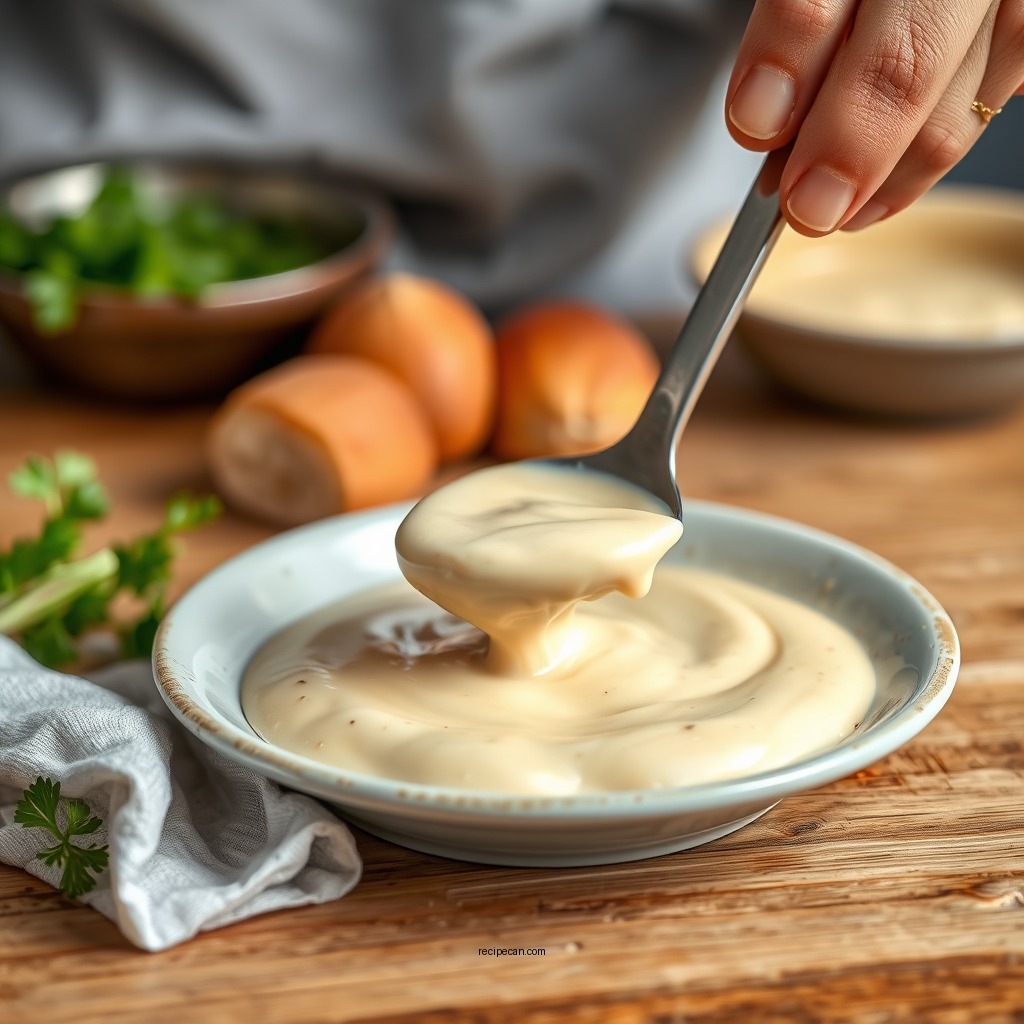
Originating from French cuisine, bechamel sauce is one of the five mother sauces, which are the foundation for countless culinary applications. Known for its smooth texture and rich flavor, bechamel is made by combining a roux (a mixture of flour and fat) with milk, resulting in a white sauce that can be used as is or as a base for other sauces. For instance, when cheese is added, it transforms into Mornay sauce, perfect for enhancing dishes like gratins or mac and cheese.
This sauce’s versatility extends to various cuisines beyond French cooking, making it a staple in Italian, Spanish, and even American kitchens. Its ability to bind ingredients together while providing a creamy texture makes it an essential component for many comfort food options.
Ingredients Needed
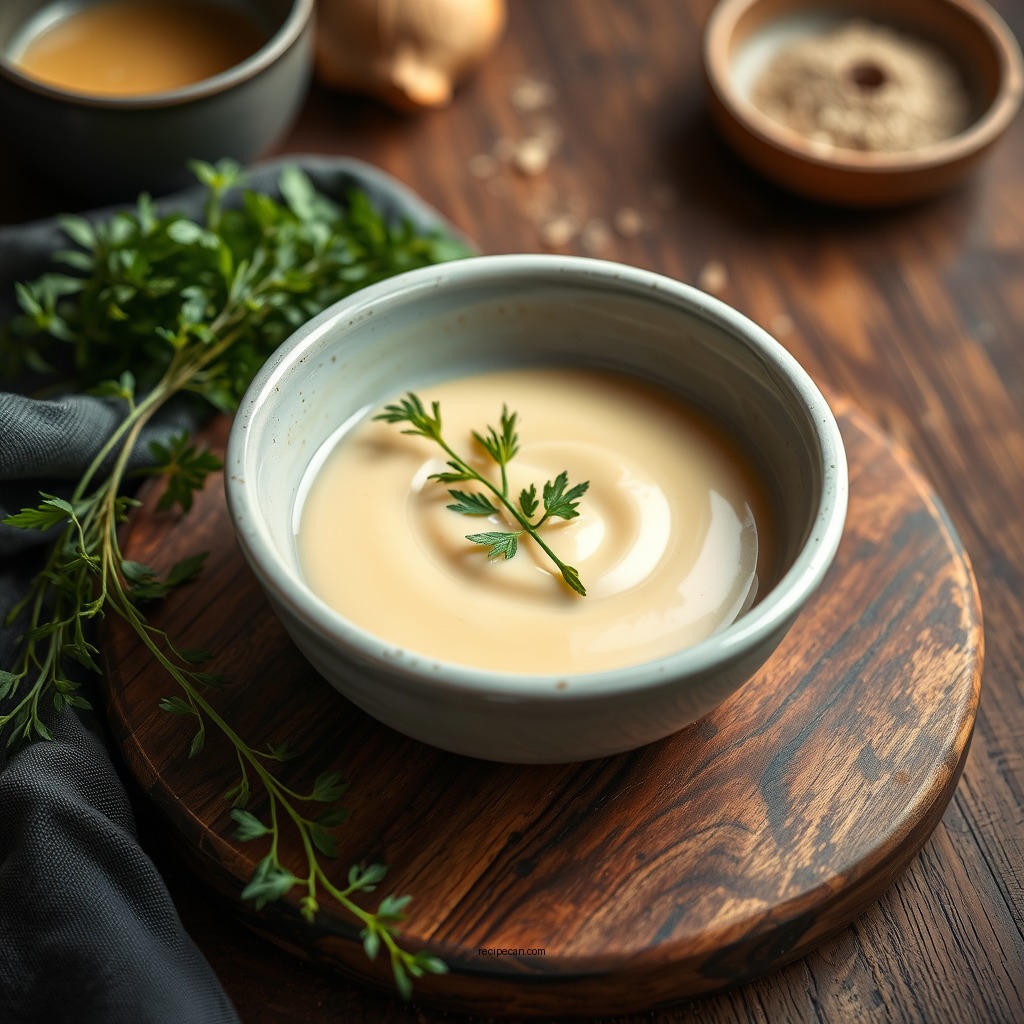
To make a classic bechamel sauce, you will need the following ingredients:
– 2 tablespoons of butter: This will provide a rich flavor and smooth consistency.
– 2 tablespoons of all-purpose flour: Used for thickening the sauce and creating the roux.
– 2 cups of milk: Whole milk is recommended for a creamier texture; however, you can use low-fat milk for a lighter version.
These three simple ingredients work together to create a base that can be adapted with various seasonings or additional ingredients, depending on the dish you are preparing.
Step-by-Step Preparation
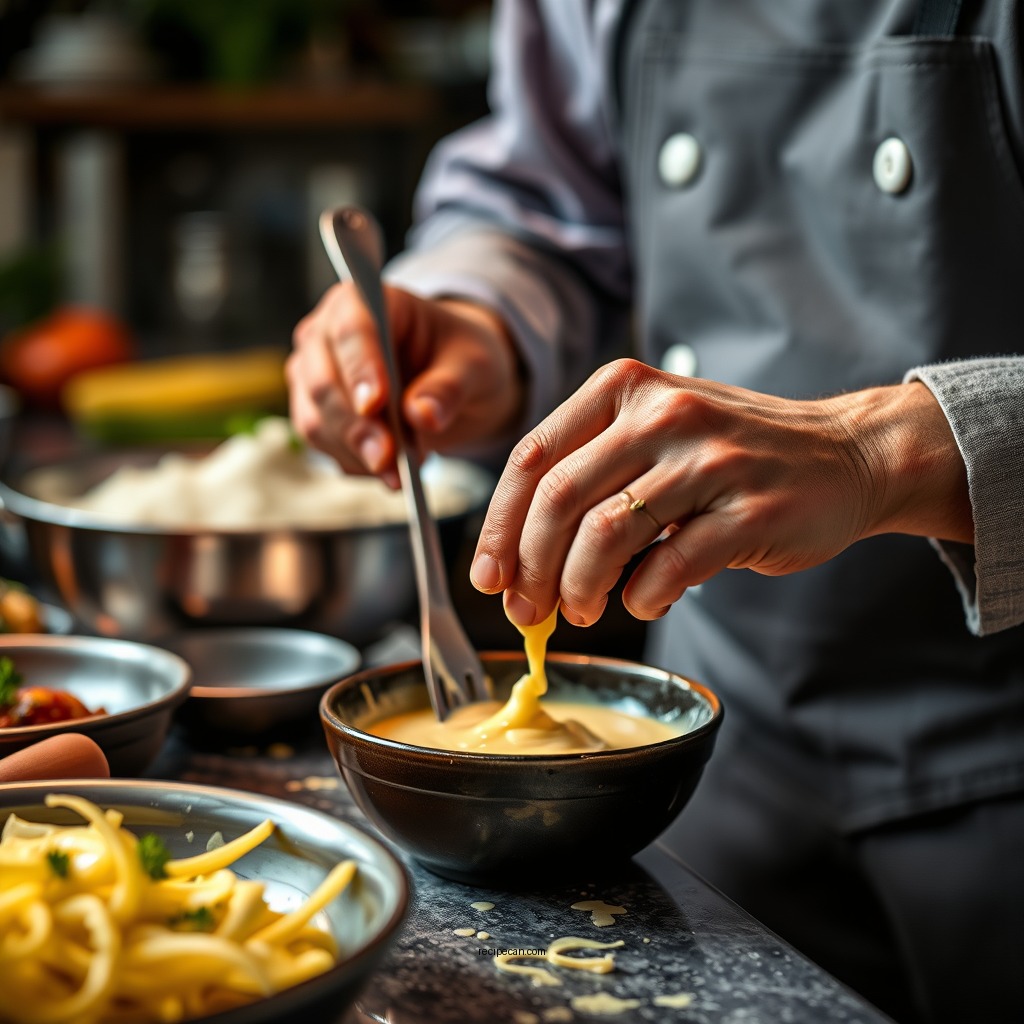
Making bechamel sauce is straightforward if you follow these steps:
1. Melt the butter: In a medium saucepan, melt the butter over medium heat. Be careful not to let it brown, as this can alter the flavor of the sauce.
2. Create the roux: Once the butter is melted, whisk in the flour. Continue to cook for about 1-2 minutes, stirring constantly. This step is crucial because it cooks the flour, removing its raw taste and forming a paste known as a roux.
3. Add the milk: Gradually pour in the milk while continuously whisking. This helps to prevent lumps from forming. Keep whisking until the mixture is smooth.
4. Thicken the sauce: Continue cooking the sauce over medium heat, whisking frequently, until it thickens. This process typically takes about 5-10 minutes. You’ll know it’s ready when it coats the back of a spoon.
Bechamel Sauce Nutritional Breakdown (per serving)
| Nutrient | Amount | % Daily Value |
|---|---|---|
| Calories | 120 | 6% |
| Total Fat | 8g | 12% |
| Saturated Fat | 5g | 25% |
| Cholesterol | 30mg | 10% |
| Sodium | 90mg | 4% |
| Total Carbohydrate | 8g | 3% |
| Dietary Fiber | 0g | 0% |
| Sugars | 1g | 1% |
| Protein | 3g | 6% |
Cooking Tips for Perfect Consistency
To achieve the perfect consistency in your bechamel sauce, consider the following tips:
– Use whole milk: Opting for whole milk instead of low-fat or skim will enhance the richness and creaminess of your sauce. The fat content in whole milk contributes to a velvety texture.
– Continuous stirring: As you cook the sauce, it’s vital to stir constantly. This practice prevents the sauce from sticking to the bottom of the pan and ensures even cooking.
– Monitor the thickness: Be mindful of the sauce’s thickness as it cooks. Aim for a consistency that allows it to coat the back of a spoon. If it becomes too thick, simply whisk in a little extra milk until the desired consistency is reached.
Cooking Techniques for Bechamel Sauce
Seasoning Your Bechamel
While bechamel sauce has a rich flavor on its own, seasoning can elevate it further:
– Salt and pepper: Adding salt and freshly ground black pepper is essential for enhancing the flavor. Start with a small amount and adjust to your preference.
– Nutmeg: A pinch of freshly grated nutmeg can lend a warm, aromatic quality to the sauce. This spice is traditionally used in bechamel and pairs beautifully with creamy dishes.
– Cheese: If you plan to use the sauce as a base for a cheese sauce, consider adding grated cheese such as Gruyère or Parmesan after the sauce has thickened. Stir until melted for a luxurious finish.
Common Uses for Bechamel Sauce
Bechamel sauce is remarkably versatile and can be utilized across various dishes:
– Pasta dishes: It serves as a creamy base for lasagna or macaroni and cheese, providing a rich texture that binds the ingredients together.
– Soups and gratins: Bechamel can be incorporated into creamy soups or used in vegetable gratins, enhancing both flavor and creaminess.
– Casseroles: This sauce can be layered in casseroles for added moisture and richness, complementing meats and vegetables alike.
– Toppings: Use bechamel sauce as a topping for baked dishes, adding a creamy layer that browns beautifully in the oven.
Storing and Reheating Bechamel
To maintain the quality of your bechamel sauce, proper storage is key:
– Refrigeration: Store the sauce in an airtight container in the refrigerator for up to a week. To prevent a skin from forming on the surface, place a piece of plastic wrap directly on the sauce before sealing the container.
– Reheating: When ready to use, gently reheat the sauce on the stove over low heat. If the sauce has thickened too much, whisk in a splash of milk until you reach the desired consistency.
In conclusion, bechamel sauce is an essential recipe for any home cook looking to elevate their dishes. With these straightforward instructions and tips, you can create a delicious sauce that enhances a variety of meals. From pasta to casseroles, this creamy white sauce is a versatile addition to any culinary repertoire, ensuring your dishes are both satisfying and flavorful. Try making it today and experiment with your favorite recipes!
Frequently Asked Questions
What are the basic ingredients needed for a classic bechamel sauce recipe?
A classic bechamel sauce recipe requires just three main ingredients: butter, all-purpose flour, and milk. Additionally, you may want to season it with salt, pepper, and a pinch of nutmeg for enhanced flavor. This simple combination creates a creamy base that can be used in various dishes, such as lasagna and macaroni and cheese.
How do you make a smooth bechamel sauce without lumps?
To make a smooth bechamel sauce without lumps, ensure you whisk the flour and butter together to create a roux, cooking it for a few minutes before adding milk gradually. Whisk continuously as you pour in the milk to prevent lumps from forming. Using warm milk can also help achieve a creamy texture more easily.
Why is bechamel sauce known as a mother sauce in French cuisine?
Bechamel sauce is known as a mother sauce in French cuisine because it serves as a foundational sauce from which many other sauces can be derived. Its versatility allows it to be transformed into cheese sauce, creamy pasta sauces, and more by adding different ingredients. This foundational role makes it essential for both traditional and modern culinary practices.
What is the best way to store leftover bechamel sauce?
The best way to store leftover bechamel sauce is to let it cool completely, then transfer it to an airtight container. It can be refrigerated for up to three days or frozen for longer storage. When reheating, add a splash of milk and whisk vigorously to restore its creamy consistency.
Which dishes can I use bechamel sauce in besides lasagna?
Bechamel sauce can be used in a variety of dishes beyond lasagna, including creamy macaroni and cheese, croque monsieur sandwiches, and vegetable gratins. It also serves as a base for creamy soups and casseroles, making it a versatile addition to many recipes in your cooking repertoire.
References
- Béchamel sauce
https://en.wikipedia.org/wiki/Béchamel_sauce - https://www.britannica.com/topic/bechamel-sauce
https://www.britannica.com/topic/bechamel-sauce - https://www.cooking.nytimes.com/recipes/1020014-bechamel-sauce
https://www.cooking.nytimes.com/recipes/1020014-bechamel-sauce - Google Scholar Google Scholar
https://scholar.google.com/scholar?q=bechamel+sauce+recipe - Google Scholar Google Scholar
https://scholar.google.com/scholar?q=béchamel+sauce - https://www.bbc.co.uk/food/recipes/bechamel_sauce_90988
https://www.bbc.co.uk/food/recipes/bechamel_sauce_90988 - https://www.sciencedirect.com/topics/food-science/bechamel-sauce
https://www.sciencedirect.com/topics/food-science/bechamel-sauce - https://pubmed.ncbi.nlm.nih.gov/32134098/
https://pubmed.ncbi.nlm.nih.gov/32134098/ - https://www.verywellfit.com/bechamel-sauce-recipe-4112235
https://www.verywellfit.com/bechamel-sauce-recipe-4112235 - bechamel sauce recipe – Search results
https://en.wikipedia.org/wiki/Special:Search?search=bechamel+sauce+recipe