To make a simple and delicious pie crust, you need just a few basic ingredients and steps. This straightforward recipe will guide you through creating a flaky crust that’s perfect for any pie filling, whether sweet or savory. With a bit of attention to detail, you can achieve pie crust perfection that will impress your friends and family.
Creating your own pie crust may seem daunting, but with this recipe, you will discover that it’s an enjoyable and rewarding experience. This guide will provide you with the essential knowledge to make a flaky pie crust that serves as the perfect foundation for all your favorite pies, from classic apple to rich chocolate.
Essential Ingredients for Pie Crust
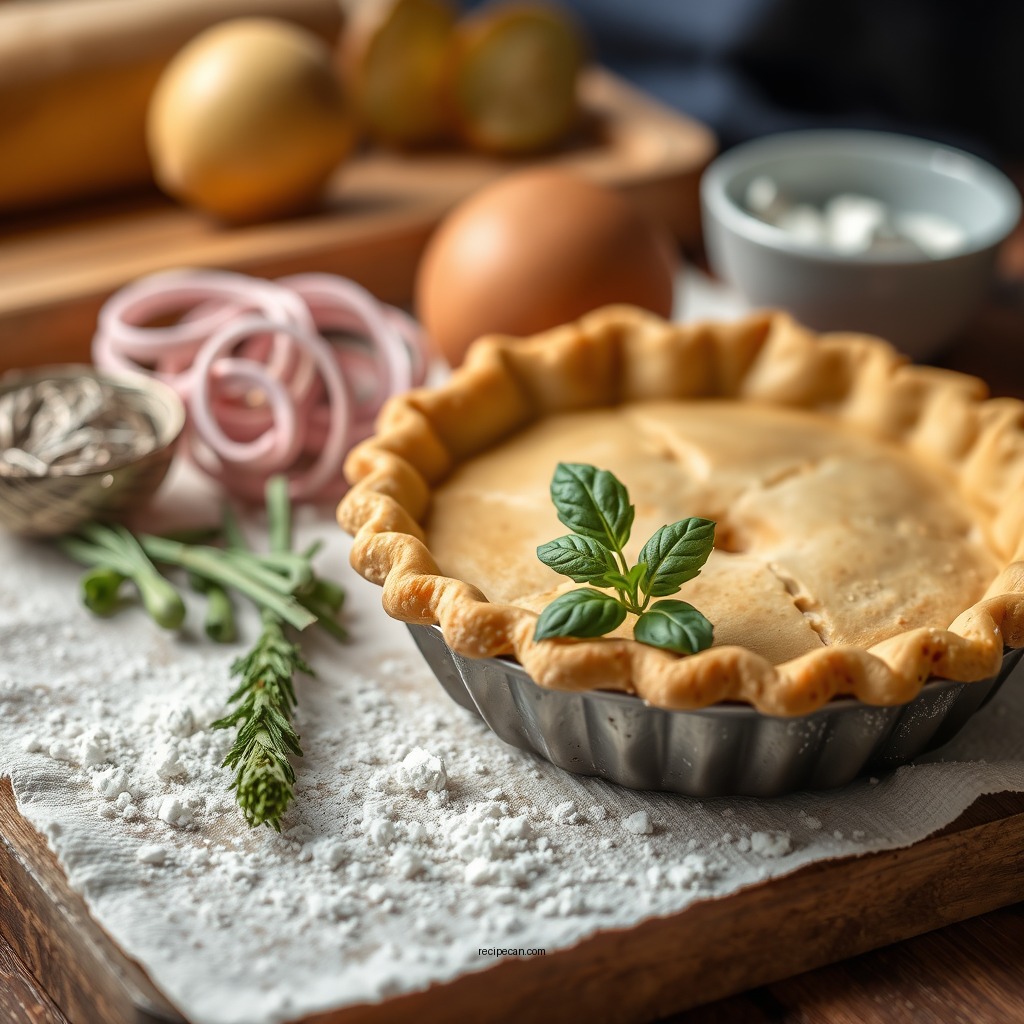
The foundation of a superior pie crust lies in its ingredients. Each component plays a vital role in the texture and flavor of the final product. Here are the essential ingredients you’ll need:
– All-Purpose Flour: This is the primary ingredient, providing the structure needed for the crust. A higher protein flour gives more strength, while lower protein flour yields a more tender crust.
– Cold Butter (or Shortening): This fat is crucial to achieving a flaky texture. The colder the butter, the better it will create layers in the dough. For best results, use unsalted butter to control the salt content in your crust.
– Ice Water: This ingredient helps bind the dough without melting the fat, which is essential for creating that flaky texture. The key is to add just enough ice water to bring the dough together without making it too wet.
Step-by-Step Preparation Process
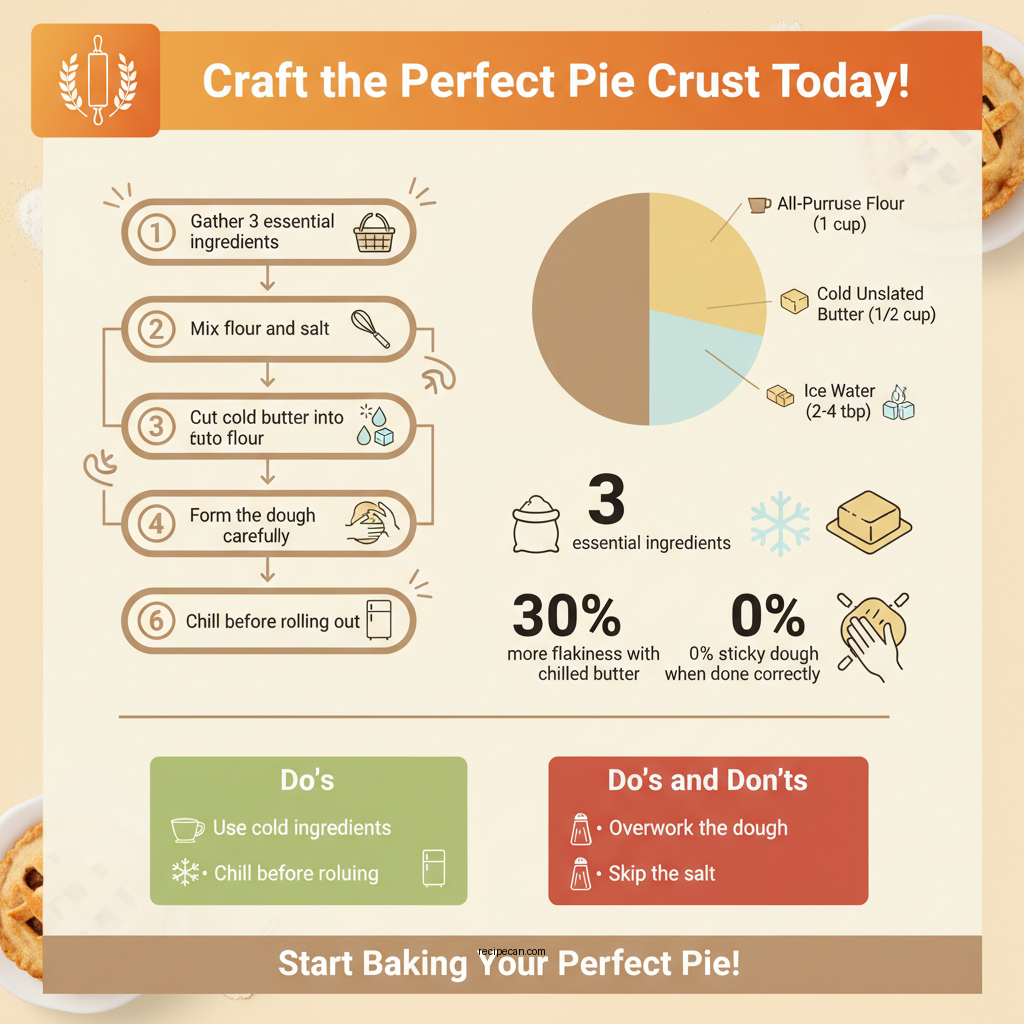
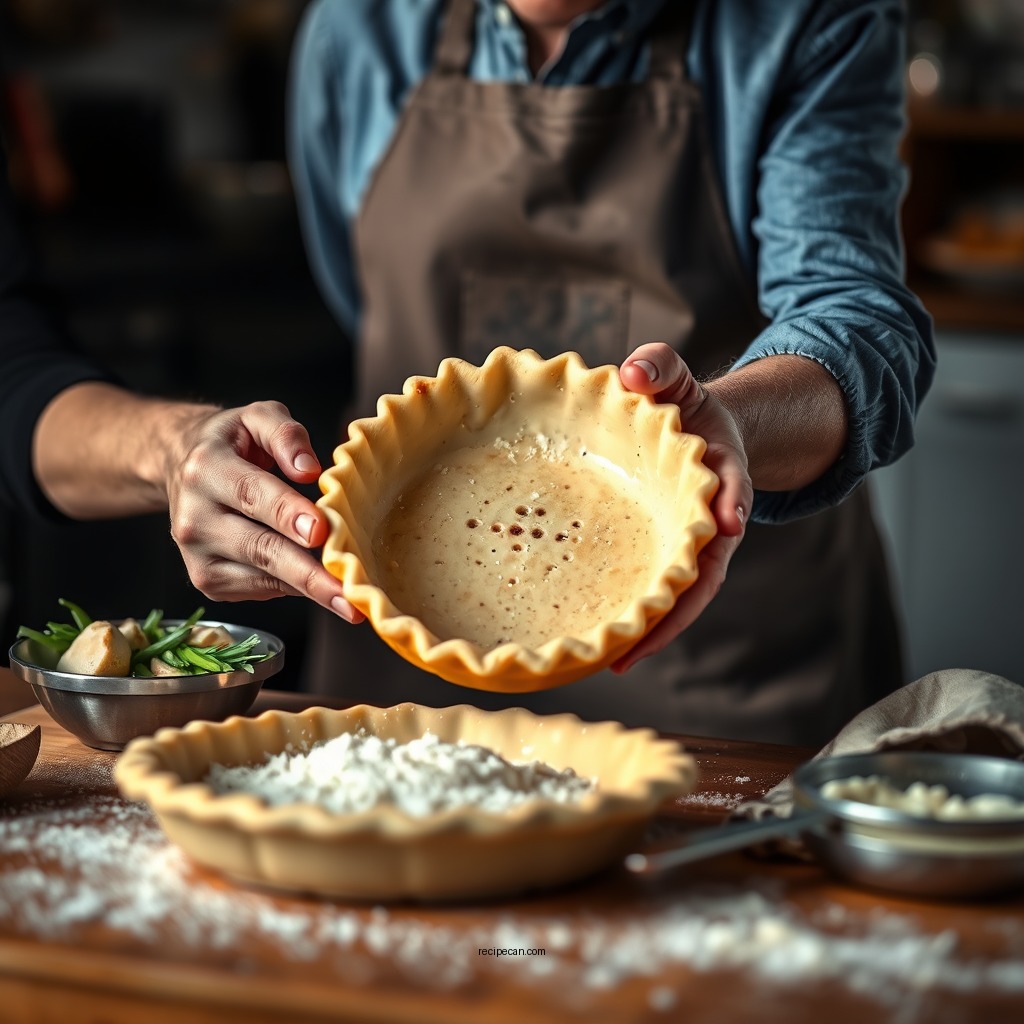
Making pie crust is a simple process when you break it down into manageable steps:
1. Mix the Dry Ingredients: In a large mixing bowl, combine the flour and salt. The salt not only enhances flavor but also strengthens the dough.
2. Cut in the Butter: Add the cold, cubed butter to the flour mixture. Use a pastry cutter or your fingers to blend the mixture until it resembles coarse crumbs. The goal is to have small bits of butter throughout the flour, which will melt during baking to create flakiness.
3. Add Ice Water: Gradually add ice water, mixing just until the dough holds together. It should not be sticky; if it is, you may have added too much water. Start with a few tablespoons and increase as needed.
4. Form the Dough: Turn the mixture onto a lightly floured surface and knead it gently just until it comes together. Avoid overworking the dough, as this can lead to a tough crust.
5. Chill the Dough: Wrap the dough in plastic wrap and refrigerate for at least 30 minutes. This step allows the gluten to relax and makes rolling out easier.
Rolling Out the Dough
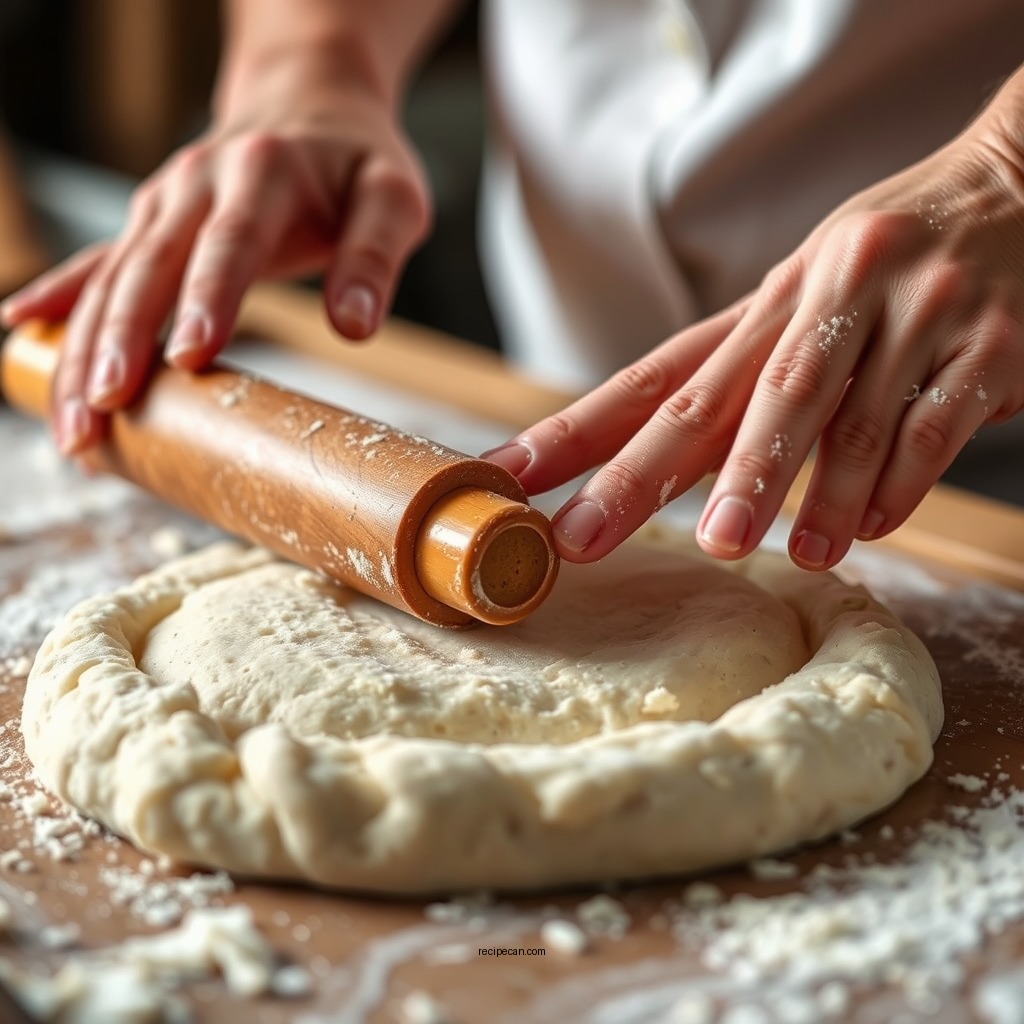
Once your dough has chilled sufficiently, you’re ready to roll it out:
– Prepare Your Surface: Lightly flour your work surface to prevent sticking. You can also flour your rolling pin for added assurance.
– Roll Out the Dough: Using a rolling pin, roll the dough into a circle about 1/8 inch thick for a standard pie. Make sure to turn the dough frequently to maintain a circular shape.
– Transfer to Pie Dish: Carefully transfer the rolled dough to your pie dish, ensuring it fits snugly. Trim any excess dough hanging over the edges, and crimp the edges for a decorative finish.
Pre-Baking the Crust (Blind Baking)
If your pie requires a pre-baked crust, follow these steps for blind baking:
– Prick the Bottom: Use a fork to prick the bottom of the crust to prevent bubbling during baking.
– Add Weights: Place a sheet of parchment paper over the dough and add pie weights or dried beans on top. This will help maintain the shape of the crust.
– Bake: Bake at 375°F (190°C) for approximately 15-20 minutes, or until the crust is lightly golden. Remove the weights and parchment paper for the final few minutes of baking for an even finish.
Tips for a Flaky Pie Crust
Achieving a flaky pie crust is all about technique and timing:
– Keep Everything Cold: Ensure all ingredients are cold, especially the butter and water. This helps maintain the structure of the fat as you work with the dough.
– Don’t Overmix: Mix just until the dough comes together to avoid activating the gluten, which can make your crust tough.
– Rest the Dough: Allow the crust to rest in the refrigerator for at least 30 minutes before rolling it out. This helps relax the gluten and makes it easier to handle.
Variations to Try
Once you’ve mastered the basic recipe, consider these variations to personalize your pie crust:
– Different Fats: Experiment with different types of fats, such as coconut oil or lard, to impart unique flavors to your crust.
– Sweet Variations: Add sugar for a sweet crust suitable for desserts or incorporate spices like cinnamon for an extra flavor dimension.
– Healthier Options: For a more nutritious alternative, consider using whole wheat flour, which provides a nutty flavor and a denser texture.
Storing and Freezing the Crust
If you don’t plan to use your dough right away, proper storage is essential:
– Short-term Storage: Wrap any unused dough in plastic wrap and refrigerate for up to 3 days.
– Long-term Freezing: For longer storage, freeze the dough; it can last up to 3 months. When you’re ready to use it, thaw in the refrigerator overnight before rolling out.
Creating a basic pie crust is simple and rewarding, providing a perfect base for your pies. With just a few ingredients and some easy steps, you can enjoy delicious homemade pie crusts that elevate any dessert or savory dish. Don’t hesitate to experiment with variations and find your favorite flavor combinations!
Top 7 Pie Crust Brands by Popularity (2024)
| # | Brand | Popularity Rating | Founded | Quality Rating |
|---|---|---|---|---|
| 1 | Pillsbury | ★ ★ ★ ★ ★ | 1864 | High |
| 2 | Marie Callender’s | ★ ★ ★ ★ | 1948 | Medium |
| 3 | Wholly Wholesome | ★ ★ ★ ★ | 1990 | High |
| 4 | Kirkland Signature | ★ ★ ★ ★ | 1995 | Medium |
| 5 | Trader Joe’s | ★ ★ ★ | 1967 | Low |
| 6 | Whole Foods 365 | ★ ★ ★ | 1980 | Low |
| 7 | Pillsbury (Frozen) | ★ ★ ★ ★ | 1864 | Medium |
Popularity of Pie Crust Brands (2024)
In conclusion, mastering a basic pie crust is a fundamental culinary skill that can greatly enhance your pie-making endeavors. By utilizing quality ingredients and following the outlined steps, you can create a pie crust that is not only flaky but also rich in flavor. Whether you choose to stick with the classic version or explore various adaptations, your homemade pie crust will surely be a highlight at any gathering. Happy baking!
Frequently Asked Questions
What are the essential ingredients for a basic pie crust recipe?
A basic pie crust recipe typically requires just a few essential ingredients: all-purpose flour, unsalted butter, salt, and ice water. The flour provides structure, while the butter adds richness and flakiness. Salt enhances flavor, and ice water helps bring the dough together without melting the butter.
How do I make a flaky pie crust from scratch?
To make a flaky pie crust from scratch, start by mixing flour and salt in a bowl. Cut in cold, cubed butter until the mixture resembles coarse crumbs. Gradually add ice water, mixing just until the dough holds together. Chill the dough for at least 30 minutes before rolling it out to ensure maximum flakiness.
Why is my pie crust tough instead of flaky?
A tough pie crust often results from overworking the dough or using too much water. When mixing, handle the dough gently and only until it just comes together. Additionally, ensure your butter is cold to create pockets of steam, which is essential for achieving that desired flaky texture.
What is the best method for rolling out pie crust?
The best method for rolling out pie crust involves using a well-floured surface and a rolling pin. Start by flattening the chilled dough with your hands, then roll it out evenly from the center to the edges, rotating the dough frequently. This technique helps maintain an even thickness and prevents sticking.
Which type of pie crust is better for sweet versus savory pies?
For sweet pies, a basic pie crust recipe made with a touch of sugar can enhance flavors, while a savory pie crust typically omits sugar and may include herbs or spices for added depth. The choice of crust can significantly impact the overall taste, so consider the filling when selecting the right pie crust recipe.
References
- Shortcrust pastry
https://en.wikipedia.org/wiki/Pie_crust - https://www.brown.edu/Departments/History/Undergraduate/Research/Recipe_Books/Basic_Pie_Crust_Recipe.pdf
https://www.brown.edu/Departments/History/Undergraduate/Research/Recipe_Books/Basic_Pie_Crust_Recipe.pdf - https://www.foodnetwork.com/recipes/articles/pie-crust
https://www.foodnetwork.com/recipes/articles/pie-crust - Pennsylvania Dutch Apple Pie | America’s Test Kitchen
https://www.cooksillustrated.com/recipes/10033-basic-pie-crust - https://www.seriouseats.com/how-to-make-a-pie-crust-5116595
https://www.seriouseats.com/how-to-make-a-pie-crust-5116595 - Google Scholar Google Scholar
https://scholar.google.com/scholar?q=basic+pie+crust+recipe - Google Scholar Google Scholar
https://scholar.google.com/scholar?q=pie+crust+techniques - Google Scholar Google Scholar
https://scholar.google.com/scholar?q=pastry+making+basics - Pastry | Definition, Ingredients, & Uses | Britannica
https://www.britannica.com/topic/pastry - basic pie crust recipe – Search results
https://en.wikipedia.org/wiki/Special:Search?search=basic+pie+crust+recipe