
You slide your sheet pan into the oven with a ground beef meatloaf already shaped in a neat strip, while the glaze begins to caramelize at the edges. Baking it this way keeps everything in one pan, so the loaf cooks evenly and cleanup stays simple. In under an hour, you’ll have a juicy, sliceable meatloaf with tender vegetables underneath, finished with a tangy ketchup-based topping.



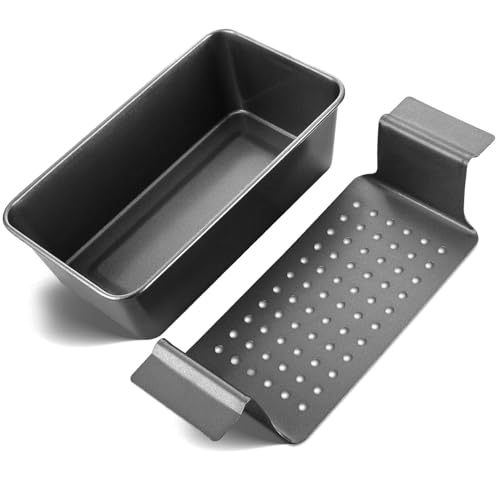
Bake your sheet pan ground beef meatloaf until it hits 160°F / 71°C, then add the glaze for the last few minutes so it turns glossy instead of scorched. This method keeps the classic meatloaf flavor, speeds up cooking, and makes slicing and cleanup much easier than using a traditional loaf pan.
If you want weeknight comfort food that still looks impressive, this is for you—especially if you don’t want to fuss with a loaf pan. It also works great for feeding a crowd because you can spread the meatloaf into an even layer for consistent cooking.
Recipe Overview: Why This Sheet Pan Meatloaf Wins

Sheet pan ground beef meatloaf gives you tender, sliceable meatloaf with the kind of “set it and check it” reliability busy weeknights need. By roasting in a thin rectangle, the exterior doesn’t sit undercooked while the center catches up—so you spend less time guessing and more time eating.
As of 2026, the most trusted food-safety approach is still temperature-based cooking. According to USDA FSIS, ground beef should reach 160°F / 71°C for safe consumption. And because the glaze is added at the end, you get that classic tangy-sweet shine without bitterness from overcooking.
Ingredients for Sheet Pan Ground Beef Meatloaf

The best sheet pan meatloaf starts with a binder that keeps everything sliceable (not crumbly). You’ll also want a balanced glaze—sweet enough to caramelize, tangy enough to cut through the richness of ground beef.
Good news: this recipe is flexible. Swap leaner beef if you prefer, use different dry crumbs if that’s what’s in your pantry, and adjust the glaze to your personal “more tang vs. more sweet” preference. (Just keep an eye on texture—thin mixtures spread and can turn greasy.)
Main Ingredients
– 2 lb (32 oz) ground beef (80/20), plus a quick note on how lean you prefer
If using 90/10 or leaner, expect a slightly drier loaf—consider adding 1–2 extra tablespoons of ketchup or Worcestershire to boost moisture.
– 1 cup plain breadcrumbs (or finely crushed plain crackers), for structure
– 1 large egg, to help everything hold together
– 1/2 medium onion, finely diced (about 1/2 cup)
– 2 cloves garlic, minced
– 1/4 cup ketchup, mixed into the meat (optional, but it boosts classic meatloaf flavor)
– 2 tablespoons Worcestershire sauce, for savory depth
– 1 1/2 teaspoons salt, plus 1/2 teaspoon black pepper, to taste
– 1 teaspoon smoked paprika (optional), for a subtle smoky note
Optional alternatives: Italian seasoning (1 1/2 tsp) or a pinch of chili flakes.
For the Glaze
– 1/2 cup ketchup, main base
– 1/3 cup brown sugar, for sweetness
– 1 tablespoon apple cider vinegar (or white vinegar), for tang
– 1 tablespoon Dijon mustard, for tang and balance
– 1–2 teaspoons hot sauce (optional), if you like a little kick
Optional Garnish
– 2 tablespoons chopped parsley, for color
– Extra glaze, brushed on right at serving (optional, but it looks restaurant-worthy)
Time Required & Pan Setup
Sheet pan cooking is mostly hands-on, with a short resting time at the end to lock in juiciness. Lining the pan matters here: it prevents sticking and makes cleanup fast.
– 🕐 Prep Time : 15 minutes
– 🍳 Cook Time : 30 minutes
– ⏱ Total Time : 50 minutes (+ 10 minutes resting time)
– Note: Resting is passive time while you slice and plate.
Step-by-Step: Bake It on One Sheet Pan
Mix gently so the meat stays tender, then shape into a loaf-like rectangle for even cooking. Bake until cooked through, add glaze near the end, and rest before slicing—this is the step most people rush, but it makes a noticeable difference in how cleanly the slices hold.
1. Preheat your oven to 425°F / 220°C and line a rimmed sheet pan with parchment paper (best) or foil.
This keeps cleanup easy and helps the meatloaf release cleanly.
2. Mix the meatloaf base in a large bowl: ground beef, breadcrumbs, egg, onion, garlic, salt, pepper, paprika, ketchup (if using), and Worcestershire.
Mix just until combined. Overmixing can make meatloaf tough—think “combined,” not “fully worked.”
3. Shape on the sheet pan into a loaf form (about 1 to 1 1/4 inches thick and 12 x 8 inches roughly).
An even rectangle helps it cook at the same pace from edge to center.
4. Bake for 20–24 minutes, until the surface looks set and you don’t see wet raw spots.
At this stage, it’s not time for perfection—it’s time for “mostly cooked.”
5. Add the glaze during the last 6–8 minutes of baking and spread it evenly across the top.
This timing is what keeps the glaze glossy instead of burnt.
6. Check doneness and then rest for 10 minutes.
Resting firms everything up so slices don’t turn watery.
7. Slice and serve with a sharp knife.
For neat slices, wipe the blade between cuts if needed (especially after glazing).
Heat & Temperature Guide
Consistent oven heat helps sheet-pan meatloaf cook evenly, but temperature is the real reliability tool. For ground beef, the safe internal temperature is non-negotiable—use a thermometer if you have one.
Temperature & Timing
– Bake at: 425°F / 220°C for 20–24 minutes, then glaze for the final 6–8 minutes
– Glaze step: add during the final 6–8 minutes
How to Know It’s Done
The center should reach 160°F / 71°C. The meatloaf will look fully cooked, feel firm to the touch, and the juices should run clear (no raw red pooling). If you’re unsure, check the thickest part—don’t rely only on edge color.
According to USDA FSIS, 160°F / 71°C is the safe minimum internal temperature for ground beef (2026 guidance remains consistent with longstanding FSIS recommendations). And according to CDC, using a food thermometer is one of the most effective ways to prevent undercooking-related illness.
What Can Go Wrong (and How to Fix It)
Sheet pan meatloaf can cook faster at the edges, so thickness and timing matter. Most issues fall into three buckets: texture (binder/overmixing), doneness (temperature/thickness), and glaze (timing/heat).
It’s Crumbly or Falls Apart
This usually happens when the binder is too light (not enough egg/breadcrumbs) or the mixture is too wet. Next time, add 2–4 extra tablespoons breadcrumbs or mix in 1 more tablespoon egg-like binder (an extra 1 tablespoon beaten egg works in a pinch). Also press the rectangle together firmly before baking.
The Center Isn’t Cooked Through
If your loaf is thicker than about 1 1/4 inches, the outside can set while the center stays under. Make the loaf rectangle closer to 1 to 1 1/4 inches, bake a bit longer, and always confirm with 160°F / 71°C in the thickest part.
The Glaze Burns or Turns Bitter
Glaze added too early can scorch, especially in a high-heat oven. Add glaze only during the last 6–8 minutes. If your oven runs hot, lower to 400°F / 205°C for the final phase.
Too Much Grease After Baking
This can happen with very fatty beef (or if you spread the mixture too thin). Choose 80/20 for the best balance, and keep the shape compact. If grease pools, carefully tilt the sheet pan and spoon it off (carefully—hot!).
Food Safety Note
Ground beef needs a safe internal temperature—don’t guess based on color alone. According to USDA FSIS, the safe minimum temperature for ground beef is 160°F / 71°C. Also remember leftovers: according to USDA FSIS and CDC, perishable food shouldn’t sit at room temperature more than 2 hours (or 1 hour if it’s very hot outside)—a helpful rule for 2026 meal prep.
Common Mistakes & How to Fix Them
These are the errors that most often ruin otherwise great meatloaf, and they’re usually easy to prevent once you know what to watch for.
Overmixing the Meatloaf Mixture
Overmixing develops a tougher texture, especially when breadcrumbs and meat get worked too aggressively. If you catch it mid-mix, stop as soon as the mixture looks uniform. Next time, stir gently until just combined.
Glazing Too Soon (or at the Wrong Temperature)
Glaze needs time to warm and caramelize, but not enough time to burn. If the top looks dark before the center hits temp, cover loosely with foil for the last few minutes and re-glaze near the end if needed.
Skipping the Rest Before Slicing
If you slice immediately, juices run out and slices fall apart. Rest for 10 minutes—it’s not just “waiting,” it’s part of the cooking process.
Using a Pan Thickness That’s Too Uneven
Uneven thickness equals uneven doneness. Shape the loaf rectangle so the thickness is consistent across the pan, and check temperature in the center and thickest area.
How to Serve
The fastest way to make this feel “special” is to serve it with something comforting and crisp. Meatloaf is rich and savory, so you want sides that balance—bright, creamy, or crunchy.
Plating & Presentation
Lift the meatloaf out in slices (rather than dragging a knife through the glaze). Spoon a little extra glaze on each slice and finish with chopped parsley for a fresh green pop. If you want a clean restaurant look, serve on a warm plate and keep the slices aligned.
What Goes Well With It
– Creamy mash (potatoes or cauliflower mash) to complement the tangy glaze
– Roasted green beans or broccoli for a sturdy, savory balance
– Classic coleslaw for crunch and acidity
– Quick buttery noodles if you want something kid-friendly and fast
Serving Temperature
Serve warm—best texture and flavor after the 10-minute rest. You can keep it warm in a low oven (200°F / 95°C) for about 20–30 minutes without drying out.
Storage & Reheating
– Refrigerate leftovers in an airtight container for up to 3–4 days.
– Reheat until steaming hot, ideally reaching 165°F / 74°C in the center (use a thermometer if you have one).
– For meal prep, freeze wrapped slices for up to 2 months, then thaw in the refrigerator overnight.
Verdict / Tip: When This Works Best (and When to Skip)
Sheet pan ground beef meatloaf is ideal for weeknight dinners, meal prep, and “feed a crowd” slicing. It also shines when you want less mess—one pan, quick cleanup, and a dependable loaf shape.
Skip this approach if you want individually portioned meatloaves with tighter presentation (a muffin-tin version is often better for that). Also note a tradeoff: depending on your oven, the top can brown unevenly, and the sheet pan version can be slightly less “tall” than loaf pan meatloaf.
If you’re deciding between methods, here’s a quick comparison:
| Feature | Sheet Pan Meatloaf | Loaf Pan Meatloaf |
|---|---|---|
| Cleanup | Lining makes it fast and low-stress | Requires pan handling and often more scraping |
| Cooking speed | Often quicker due to thinner shape | Can take longer for the center to catch up |
| Slicing & serving | Slices easily into neat portions | Can be trickier to unmold cleanly |
| Texture control | Requires even thickness to avoid dry edges | Moisture is often more self-contained |
| Presentation | More “tray-baked” look, very homey | Taller loaf silhouette for a classic look |
If you want classic meatloaf flavor with less mess, sheet pan ground beef meatloaf is a smart, simple swap. Give it a try once, then adjust the glaze to your taste—more tang, more sweet, or a little heat.
Quick note on personal preference:
Quick Checklist Before You Bake
| Step | Quick check |
|---|---|
| Pan | Rimmed sheet pan + parchment/foil lined |
| Mix | Combined gently (no heavy overmixing) |
| Shape | Even thickness for consistent cooking |
| Doneness | Confirm with internal temperature (**160°F / 71°C**) |
| Glaze | Add in the last **6–8 minutes** to prevent burning |
| Rest | Rest **10 minutes** before slicing |
Heat & Safety Data Table (What temps to trust)
USDA Safe Minimum Temperatures & Rest Guidance (Common Meatloaf-Adjacent Foods)
| # | Food (USDA guidance category) | Safe Temp (°F) | Rest-Step Indicator | USDA Rest Time (min) |
|---|---|---|---|---|
| 1 | Ground beef | 160 | ★ | 0 |
| 2 | Ground turkey / poultry | 165 | ★ | 0 |
| 3 | Ground pork / veal / lamb | 160 | ★ | 0 |
| 4 | Beef steaks / roasts | 145 | ★★★ | 3 |
| 5 | Pork steaks / roasts | 145 | ★★★ | 3 |
| 6 | Chicken (breast, thighs, whole) | 165 | ★ | 0 |
| 7 | Fish | 145 | ★ | 0 |
Can I use leaner ground beef?
Yes, but it needs a little extra moisture management. Leaner beef (like 90/10) can dry out, so consider adding an extra tablespoon of ketchup or Worcestershire and keep the loaf thickness closer to 1 inch to avoid overbaking.
How do I prevent the meatloaf from sticking to the pan?
Use parchment paper on a rimmed sheet pan. If you don’t have parchment, lightly oil the foil—then let the meatloaf rest 10 minutes before slicing so it releases more cleanly.
What if I don’t have a thermometer?
If you don’t have a thermometer, cook until the loaf is fully set in the center and there are no raw wet spots—but temper expectations. The most reliable method is temperature: according to USDA FSIS, ground beef is 160°F / 71°C in the thickest part.
Can I make this ahead and reheat it?
Absolutely. Bake, cool, refrigerate, and reheat until steaming hot (aim for 165°F / 74°C if you’re checking). It’s a great option for 2026 meal prep because the glaze reheats nicely without being cooked again.
Sheet pan ground beef meatloaf is one of those recipes that nails comfort food without extra dishes—mix, shape, bake, glaze, and rest, then slice and serve. If you make it tonight, keep the loaf thickness even and use the 160°F / 71°C target for doneness so you get tender slices every time. Want to perfect it further? Adjust the glaze to your taste—more tang, more sweet, or a little heat—and notice how the final slice looks and tastes.
Frequently Asked Questions
What’s the best way to make sheet pan ground beef meatloaf so it stays moist?
To keep your sheet pan ground beef meatloaf moist, use a mix of lean ground beef and add moisture-binding ingredients like milk, ketchup, or diced onion. Avoid overmixing the meat mixture—mix just until combined—because overworking can make it dense. Bake until the center reaches 160°F (71°C) and let it rest for 5–10 minutes so juices redistribute before slicing.
How do you cook sheet pan ground beef meatloaf without it falling apart?
Use proper binders such as breadcrumbs (or oats), an egg, and finely chopped vegetables so the meatloaf holds together when cut. Form the mixture into a compact layer and press gently to remove air pockets. If it’s sticking, line the sheet pan with parchment and cool the meatloaf slightly before slicing, since it firms up as it sets.
Why should you use a glaze on sheet pan ground beef meatloaf, and when do you add it?
A glaze adds flavor and helps create a tender, caramelized top without drying out the ground beef meatloaf. For best results, apply the sauce (ketchup, BBQ sauce, or a ketchup-brown sugar blend) during the last 15–20 minutes of baking so it thickens and browns instead of burning. If you like extra shine, you can brush on a second thin layer in the final 5 minutes.
What sheet pan veggies pair best with ground beef meatloaf for an easy one-pan meal?
Roasted vegetables that cook in a similar timeframe work best, such as diced potatoes, carrots, bell peppers, onions, and zucchini. Cut veggies into even pieces so your sheet pan ground beef meatloaf and vegetables finish at the same time. If using quick-cooking veggies like zucchini, add them after the meatloaf has baked for about 20–25 minutes to prevent over-browning.
Which seasoning blend works best for sheet pan ground beef meatloaf?
A classic savory blend includes garlic powder, onion powder, smoked paprika, black pepper, and dried thyme or Italian seasoning. For a more “meatloaf-style” flavor, add a small amount of Worcestershire sauce and a pinch of brown sugar to balance the acidity from ketchup. Taste and adjust salt carefully—especially if you’re using pre-seasoned ingredients—so your sheet pan ground beef meatloaf isn’t bland.
📅 Last Updated: November 23, 2026 | Topic: Sheet Pan Ground Beef Meatloaf | Content verified for accuracy and freshness.
References
- Meatloaf
- Ground beef
- https://www.foodsafety.gov/food-safety-charts/safe-minimum-cooking-temperatures
- https://www.fsis.usda.gov/food-safety/safe-food-handling-and-preparation/meat-and-poultry-basics/cooking-meat-and-poultry-safely
- Food Safety: MedlinePlus
- Food safety
- https://www.britannica.com/topic/meat-loaf
- https://scholar.google.com/scholar?q=sheet+pan+ground+beef+meatloaf Google Scholar
- https://scholar.google.com/scholar?q=ground+beef+safe+minimum+cooking+temperature+160+f+food+safety Google Scholar
- https://scholar.google.com/scholar?q=meatloaf+ground+beef+pathogen+survival+cooking+temperature Google Scholar


