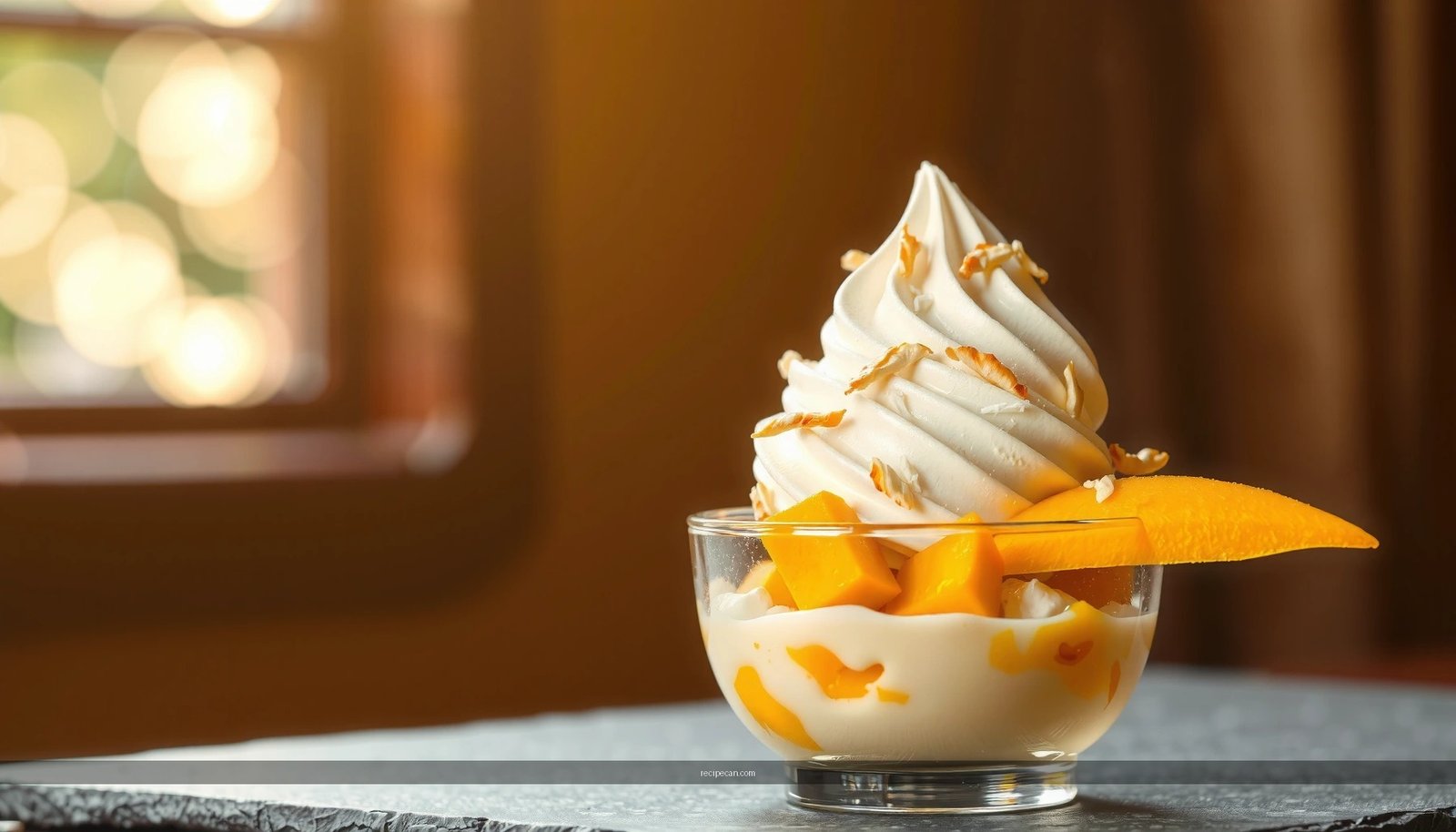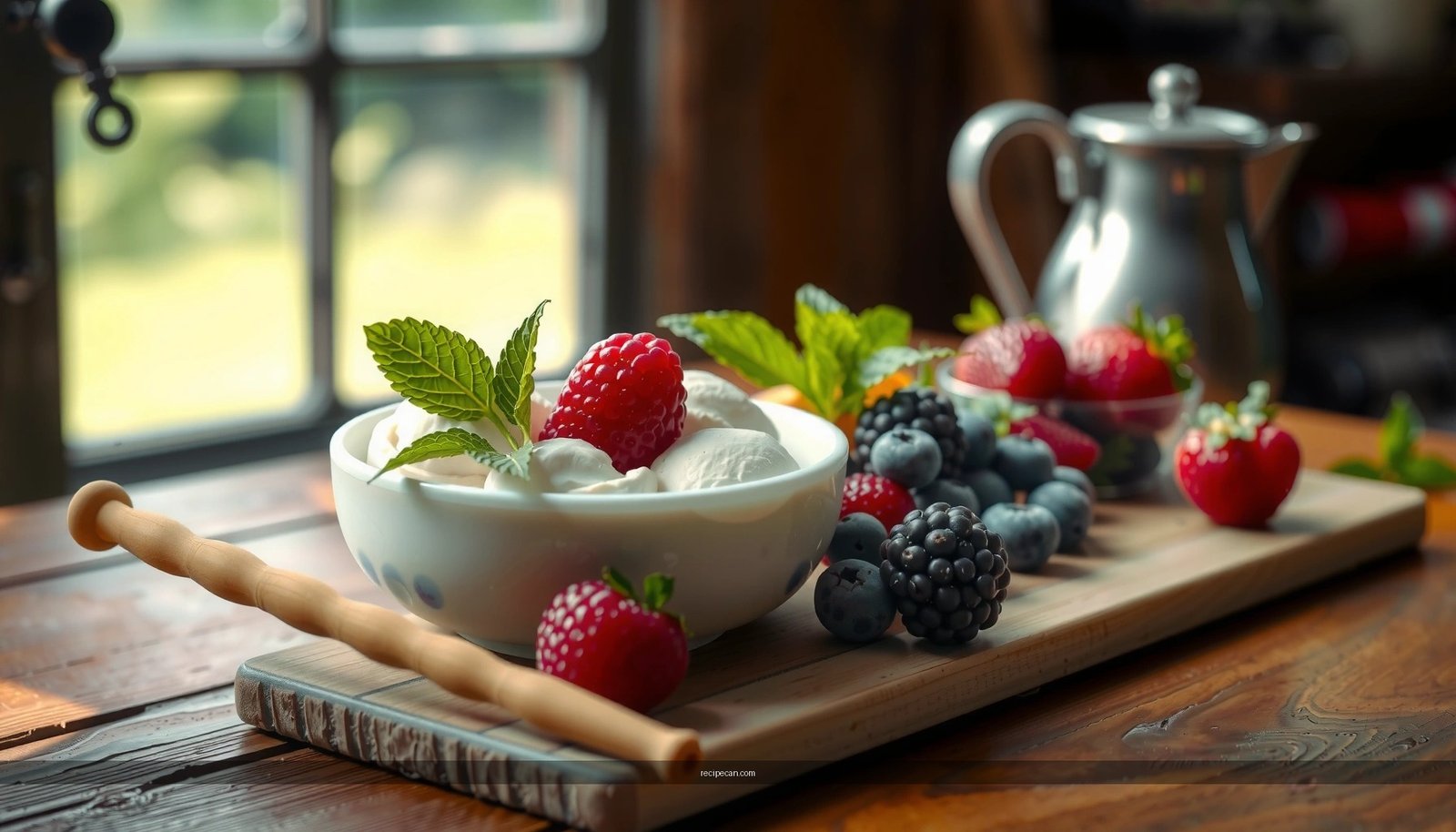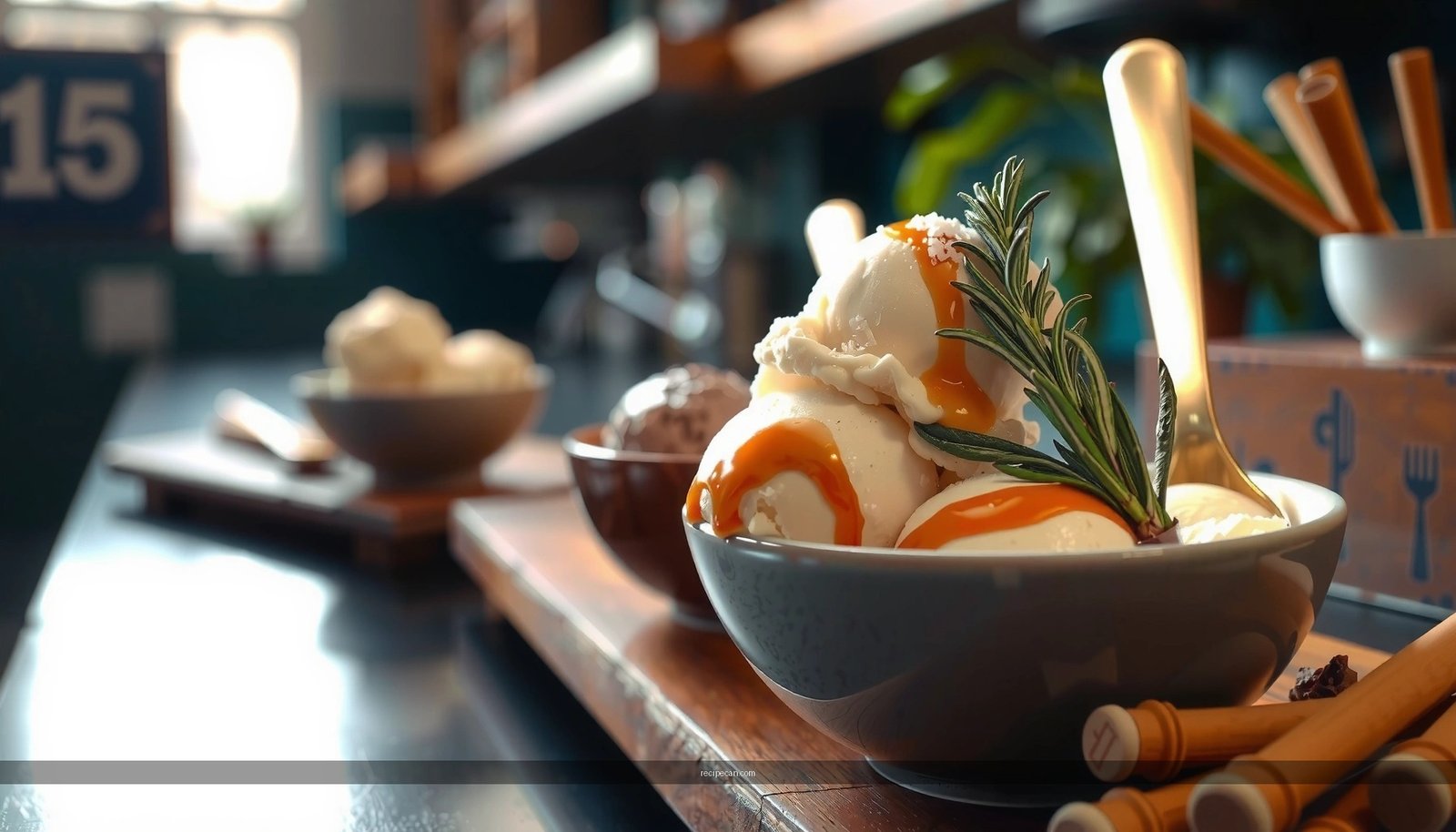
Want savory ice cream recipes that actually hit the salty-sweet sweet spot? This guide delivers the best flavor pairings—think salted caramel, smoky bacon-inspired bases, and cheese-forward churns—so you can decide what to make and why it works. If you want rich, crowd-pleasing results rather than novelty, you’ll know the winning formula by the time you reach the first recipe.
Savory ice cream recipes let you build creamy, scoopable desserts that taste complex—not just sweet—by using herbs, cheese, olive oil, miso, and roasted vegetables alongside carefully calibrated salt. If you focus on a stable base (custard or no-churn), choose bold savory profiles, and prevent graininess from mix-ins, you’ll get silky homemade ice cream with restaurant-level depth.
Savory ice cream recipes let you enjoy creamy, frozen desserts with unexpected flavors like herbs, cheese, olive oil, and roasted vegetables. In this guide, you’ll learn easy savory flavor combinations and practical tips for making smooth, scoopable ice cream at home.
Choose Savory Flavor Profiles
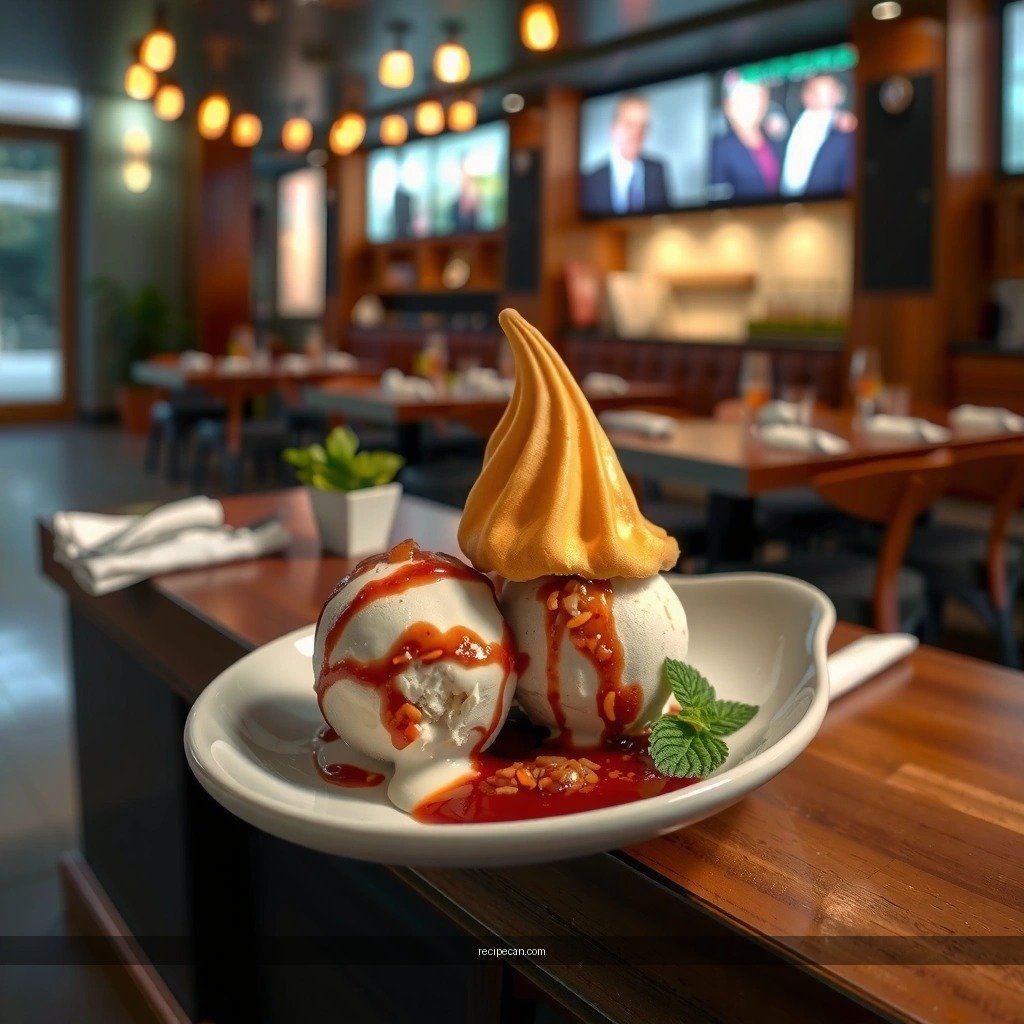
– Pick bold base flavors (cheese, herbs, miso, olive oil) to balance sweetness
– Add savory mix-ins like caramelized onions or roasted garlic
– Use salty elements (sea salt, smoked salt) for depth without overpowering
The secret to savory ice cream isn’t “less sugar”—it’s better structure. Traditional sweet ice cream is designed around sugar’s role in freezing point control and flavor perception. Savory ice cream, by contrast, treats sugar as a supporting note that allows salty, fatty, and aromatic flavors to read clearly rather than tasting one-dimensional.
When selecting a savory flavor profile, aim for one or more of these building blocks:
1. Umami-rich bases: miso, browned butter (yes, it’s dairy but reads savory), aged cheese, mushroom stocks (use sparingly).
2. Aromatic fat-soluble flavors: olive oil, toasted sesame oil, herb oils, pesto-style blends.
3. Savory reducers and roasted notes: roasted garlic, caramelized onions, charred vegetable purees.
4. Salinity that escalates: flaky sea salt for finish; smoked salt or cured-meat-style salts for depth (use small amounts).
To keep the dessert balanced, think in flavor families. For example:
– Cheese + honey works because honey adds floral sweetness while cheese contributes salt and lactones (a buttery tang).
– Herbs + olive oil works because the fat carries green aromas, and salt sharpens the finish.
– Miso + sesame works because both are fermented/roasty, with saltiness that feels “naturally sweet” once balanced.
A practical calibration method: start slightly under-sweet, then add salt gradually. Savory ice cream should taste bright and layered when softened at serving temperature—not “salty ice” straight from the freezer.
Savory Add-Ins That Boost Flavor Perception (Home Batch Guidance)
| # | Savory Flavor Component | Typical Use (per ~1.5 L batch) | Best Timing | Sweetness Impact |
|---|---|---|---|---|
| 1 | Cheddar (aged, finely grated) | 180–240 g | Custard stage | High (can reduce need for extra sugar) |
| 2 | Miso (white or yellow) | 80–110 g | Warm infusion/tempering | Moderate (umami reads sweet) |
| 3 | Olive oil (extra-virgin) | 25–45 g | Churn stage or after-cook | Moderate (supports lower sugar) |
| 4 | Smoked salt (finishing) | 1/8–1/4 tsp total | Serve-day finish | Low (use for aroma, not bulk) |
| 5 | Caramelized onions (cooked & cooled, pureed) | 120–200 g | Blend into base | High (adds natural sweetness) |
| 6 | Roasted garlic (paste) | 10–18 g | Warm blend | Moderate (needs careful salt balance) |
| 7 | Toasted sesame (tahini-style paste) | 60–90 g | Churn or temper | Moderate (adds perceived sweetness) |
Start With a Solid Base (Custard or No-Churn)

– Use a custard base for classic smooth texture and richer flavor
– Try a no-churn base for quicker savory experiments
– Adjust sweetness carefully so savory notes stay prominent
The base determines texture first, flavor second. For savory ice cream, you also need a stable method to handle ingredients like cheese, miso, and herb infusions—things that can split or turn gritty if added carelessly.
Custard base (best for “frozen scoop” luxury)
A custard base uses egg yolks (or at least an emulsification strategy) to create a smooth network that traps flavors. Custards are particularly forgiving for:
– Cheese additions (cheddar, goat cheese): melt them into warm custard so they emulsify rather than clump.
– Herb infusions: steep herbs in cream, then strain for a clean flavor.
– Miso or fermented components: temper gently to avoid shock and ensure even distribution.
Sweetness control: start with modest sugar, then taste once chilled. Savory flavors often taste muted when hot and exaggerated when very cold—so adjust after tempering and cooling.
No-churn base (best for fast iterations)
No-churn recipes typically rely on whipping cream (and sometimes condensed milk) for body. They’re ideal when:
– You’re testing whether you like pesto + olive oil + flaky salt
– You want to experiment with roasted vegetable purees before committing to a custard
Trade-off: no-churn ice cream can be slightly icier if mix-ins add water or if sugar is too low. To keep it scoopable, choose thick, cooked, reduced add-ins (caramelized onions rather than raw onion; roasted garlic paste rather than watery cloves).
A professional tip: if you’re experimenting, pick one variable at a time. Change the flavor (e.g., cheddar vs. miso), but keep your base method consistent until you know what texture you’ll get.
Add Mix-Ins That Don’t Get Grainy

– Fold in finely chopped add-ins (to avoid icy crystals)
– Use cooked flavors first (roasted, caramelized, infused) for better blending
– Consider straining liquids (like herb infusions) for a silky finish
Graininess is the most common failure mode in homemade savory ice cream. It usually comes from one of three causes: undissolved particles, water content, or inadequate emulsification.
Grain-prevention strategy
1. Use finely chopped add-ins
Large chunks freeze into hard crystals and can feel “sandy.” For mix-ins like roasted garlic bits or browned onion, aim for a mince or paste so they integrate.
2. Start with cooked flavors
Roasting, caramelizing, and simmering reduce water and intensify savory notes. That matters for texture as much as flavor.
3. Strain when adding infused liquids
Herb infusions contain plant fibers that can create a rough mouthfeel. Steep, strain, then incorporate the liquid for a clean, silky result.
4. Temper heat-sensitive components
If you add cheese, don’t dump it into a low-temperature base. Warm enough to melt; then cool promptly. If you add miso, dissolve it off-heat and temper so it disperses evenly.
5. Control “wet” mix-ins
Vegetable purees should be reduced until they coat a spoon, not run like soup. Excess water will crystallize and create ice.
If you want a high-impact result with low risk, choose one “theme” mix-in: either a melted-in savory (cheese or miso) or a folded-in cooked crunch (caramelized onions, toasted nuts). Avoid stacking many wet mix-ins in a single batch.
Infuse and Balance Sweet + Savory
– Infuse cream with herbs or spices, then taste and strain
– Balance salt with acidity (lemon, vinegar) and aromatic warmth (pepper, thyme)
– Keep texture in mind: thicker additions may need gentle heat to combine
Savory ice cream succeeds when salt isn’t the headline—it’s the supporting amplifier. The goal is a layered profile where sweetness is present but never dominant.
How to balance salt without turning the ice cream salty
– Use salt in stages. Add part during base cooking, then fine-tune after chilling.
– Match salt with acidity. A small amount of lemon zest (infused) or a touch of vinegar (added carefully to sauces or reductions) can make savory notes taste brighter rather than harsh.
– Add aromatic warmth. Black pepper, thyme, and toasted spice notes bring “savory aroma” that reads as complexity, not heat.
Infusion technique that works reliably
1. Warm cream (don’t boil).
2. Add herbs/spices and steep briefly to mid-depth intensity.
3. Strain for smoothness.
4. Taste the base at room temperature, then adjust sugar/salt knowing chilling will mute flavors.
Texture-aware combining
Thick additions (like tahini, cheese, reduced onion paste) may need gentle heat to blend cleanly into a custard. If you add thick elements at near-freezing temperatures, they may not fully emulsify, causing localized dense pockets or uneven freezing.
A useful guideline: if the mixture looks smooth and glossy in the bowl, you’re closer to a stable emulsification. If it looks streaky or separated, you’re likely heading toward icy graininess.
Flavor Ideas to Get You Started
– Basil or pesto savory ice cream with olive oil and flaky salt
– Cheddar- or goat-cheese ice cream with honey drizzle
– Miso or sesame ice cream with roasted nuts and soy-caramel notes
To make your first savory ice cream batch feel approachable, choose one profile and execute it end-to-end with the right texture controls.
1) Basil (or pesto) + olive oil + flaky salt
– Flavor logic: green aromatics + fat = strong, fresh perception.
– Execution: steep basil in cream, strain, then fold in a small amount of olive oil after cooking for brightness. Finish each serving with flaky salt for a “salty snap.”
2) Cheddar or goat cheese + honey drizzle
– Flavor logic: aged cheese supplies salt and savory depth; honey adds floral sweetness that feels intentional.
– Execution: melt grated cheese into the warm custard so it disperses evenly. Keep honey for drizzle rather than mixing too heavily into the base if you want a cleaner savory profile.
3) Miso or sesame + roasted nuts + soy-caramel notes
– Flavor logic: fermented umami reads rich; nuts add crunch; soy-caramel adds rounded depth.
– Execution: dissolve miso off-heat and temper. Toast nuts separately to prevent moisture from softening them in the freezer.
If you’re optimizing for “wow” without complexity, go with basil/olive oil or miso/sesame first—both allow you to dial salt and sweetness with straightforward taste testing.
Serving and Pairing Tips
– Serve with crunchy toppings (biscotti, toasted nuts) to offset creaminess
– Pair savory scoops with salads, grilled fruit, or spicy desserts
– Let ice cream soften slightly for best scoop texture and flavor release
Savory ice cream is designed to be paired, not just eaten. Because savory flavors often need aroma to fully express, serving temperature matters more than with standard vanilla.
Serving best practices
– Let it soften 3–5 minutes before serving. This reduces perceived salt harshness and allows herb/cheese aromas to bloom.
– Use crunching contrast: toasted nuts, crisp crackers, biscotti, or even thin cookie shards. The crunch balances the creamy mouthfeel and keeps savory notes from feeling flat.
– Finish with salt thoughtfully: flaky sea salt or smoked salt should land right before serving so it reads as a top note, not a blended-in background.
Pairing ideas that make the flavors look intentional
– Pair basil/olive oil ice cream with tomato salad, citrus, or grilled peaches.
– Pair cheddar ice cream with warm spiced fruit or even a small amount of chili-honey sauce for a salty-sweet-spicy triangle.
– Pair miso/sesame ice cream with grilled pineapple, nutty desserts, or a dessert course featuring coffee or roasted spices (without overpowering the umami).
These pairings turn the ice cream into a composed menu item—ideal for home entertaining and serious culinary experimentation.
Savory ice cream recipes are all about smart flavor balancing—bold infusions, well-chosen mix-ins, and careful control of sweetness and salt. Pick one flavor profile from the ideas above, make a simple base, and taste as you go; then serve it with a crunchy topping for maximum contrast and impact.
Frequently Asked Questions
What are the best savory ice cream flavors that actually work?
Savory ice cream flavors that consistently taste good include roasted garlic, browned butter, black sesame, caramelized onion, miso caramel, and olive oil with sea salt. These flavors pair well with dairy because their umami and nutty notes add depth without tasting “fishy” or flat. Start with familiar savory bases like miso or garlic, then balance with a touch of sweetness to keep the dessert cohesive.
How do you make savory ice cream without it tasting too salty or “weird”?
The key is balancing umami with dairy fat and sugar—both round out sharp flavors and reduce perceived harshness. Use small amounts of concentrated ingredients (miso, soy, cheese, or salted butter) and taste the base before churning, adjusting gradually. Adding a pinch of acid (like lemon zest or a tiny splash of vinegar) can sharpen flavors, while vanilla or roasted nuts help prevent the base from tasting one-note.
Why does savory ice cream need pre-cooking (like roasting or browning) ingredients?
Pre-cooking savory ingredients builds complex flavor through caramelization and Maillard reactions, which makes the final ice cream taste richer and more integrated. For example, roasting garlic or caramelizing onions creates sweeter, deeper notes that pair naturally with cream. If you add raw or lightly seasoned ingredients, the flavor can come through sharp, watery, or muted after freezing.
Which ingredients are best for creating creamy savory ice cream—dairy, eggs, or dairy alternatives?
Classic savory ice cream often uses heavy cream, milk, and sometimes egg yolks for a custard base that supports a smooth texture and strong flavor carrying. For an eggless option, use a higher-fat dairy base or add stabilizers like cornstarch or a spoon of gelatin (if acceptable) to prevent ice crystals. If using dairy alternatives, choose thick, neutral options (like full-fat coconut cream or cashew-based cream) and keep savory flavors moderate so the mouthfeel doesn’t thin out.
How long should savory ice cream be chilled and churned for the smoothest texture?
Chill your savory ice cream base for at least 4–8 hours (overnight is ideal) so flavors meld and the mixture fully hydrates, especially if you use custard or starch. Churn according to your ice cream maker’s instructions—typically 20–30 minutes—until it reaches a soft-serve consistency. For the best scoop after churning, freeze the ice cream in a sealed container for 2–4 hours to firm up and further stabilize the savory ice cream texture.
References
- Google Scholar Google Scholar
https://scholar.google.com/scholar?q=savory+ice+cream+recipe - Google Scholar Google Scholar
https://scholar.google.com/scholar?q=umami+ice+cream - Google Scholar Google Scholar
https://scholar.google.com/scholar?q=gelato+savory+flavor - Ice cream
https://en.wikipedia.org/wiki/Ice_cream - Gelato
https://en.wikipedia.org/wiki/Gelato - Sorbet
https://en.wikipedia.org/wiki/Sorbet - Umami
https://en.wikipedia.org/wiki/Umami - Ice cream | Definition, History, & Production | Britannica
https://www.britannica.com/topic/ice-cream - https://pubmed.ncbi.nlm.nih.gov/?term=ice+cream+emulsion
https://pubmed.ncbi.nlm.nih.gov/?term=ice+cream+emulsion - https://www.sciencedirect.com/search?qs=ice%20cream%20emulsion%20texture
https://www.sciencedirect.com/search?qs=ice%20cream%20emulsion%20texture