Find the best savoiardi recipe tiramisu using classic Italian steps, with clear instructions that deliver the signature ladyfinger structure and silky mascarpone layer every time. This recipe answers whether proper soaking, correct coffee strength, and precise layering make or break tiramisu—and gives you the winning method. Follow these steps for a clean, set slice that tastes like an Italian trattoria classic, not a soggy dessert.
Savoiardi tiramisu is made by quickly dipping ladyfingers (savoiardi) in espresso, layering them with a smooth mascarpone cream, and then chilling until the layers set and the texture turns sliceable and tender. If you follow the right dip time, build clean layers, and allow enough refrigeration time, you’ll get the classic Italian balance of coffee aroma, creamy richness, and cocoa finish.
Choose the Right Savoiardi for Tiramisu
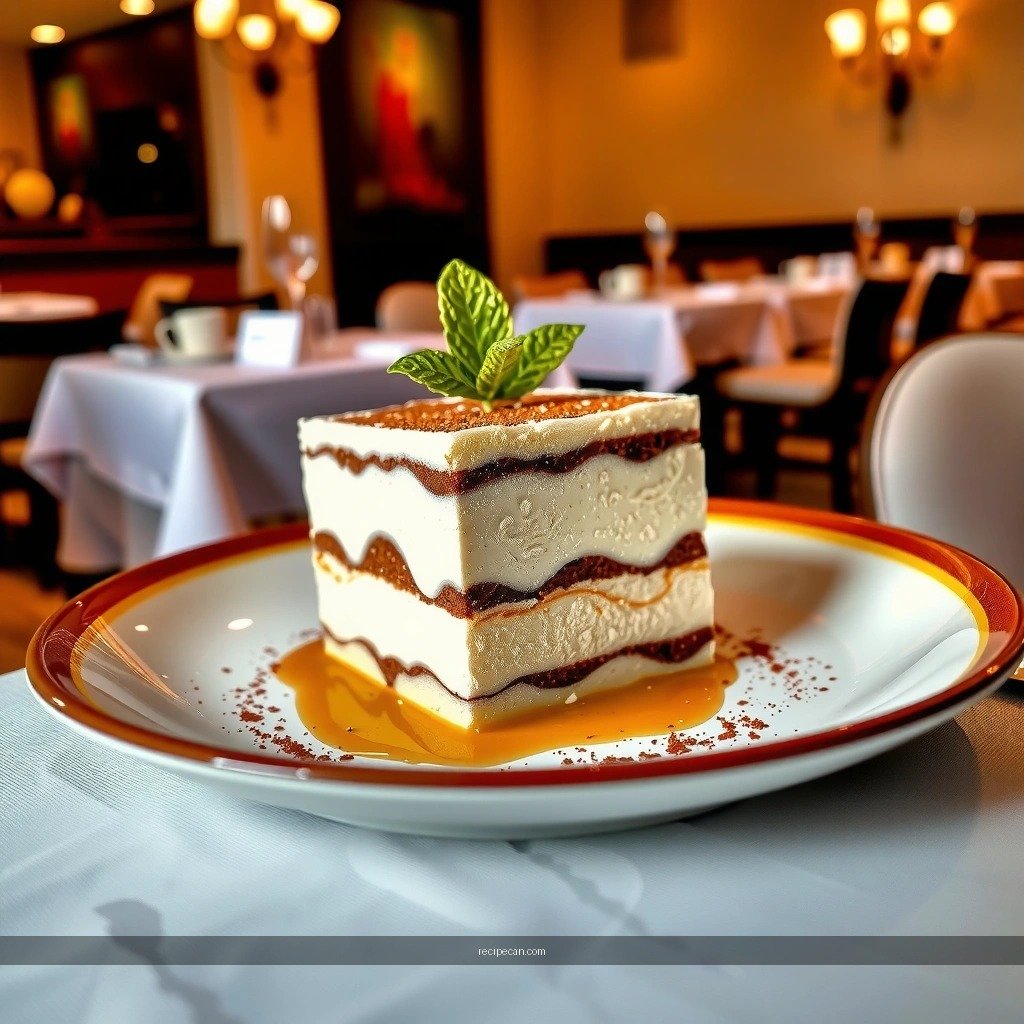
The quality and structure of your savoiardi largely determine whether your tiramisu cuts cleanly or collapses into coffee-soaked softness. In Italian baking, savoiardi (often labeled “ladyfingers”) are designed with a dry, airy crumb and crisp exterior that “reads” espresso quickly—absorbing flavor without dissolving.
– Use traditional savoiardi (ladyfingers) for the best structure
Look for packages that specify ladyfingers or savoiardi rather than soft sponge cakes. Traditional savoiardi have a firm shell that holds layers together even after chilling.
– Look for crisp, evenly shaped cookies that absorb coffee well
Choose cookies that are uniform in size and feel dry to the touch. Even thickness matters: it ensures every savoiardo absorbs espresso at the same rate, so your layers set consistently.
Practical selection tips (fast checks):
– Bite test: A fresh savoiardo should break with a slight snap and not smear.
– Moisture check: If the cookies feel leathery or overly flexible, they may be stale and will absorb too much liquid.
– Size consistency: Aim for similar dimensions so layering doesn’t create thin spots that under-set.
Essential Tiramisu Ingredients

Classic tiramisu is simple in ingredient count but precise in roles: mascarpone supplies creaminess, espresso provides bitterness and aroma, eggs (or eggless alternatives) stabilize the mousse-like texture, and cocoa provides the finishing contrast.
– Mascarpone, eggs (or eggless option), sugar, and espresso/coffee
Mascarpone is the backbone—fat-forward and delicate. Espresso (or strong coffee) contributes body and a roasted, aromatic bitterness that balances sweetness. Eggs (when used) add a lighter, custard-like structure; eggless versions rely on different stabilizers and technique.
– Cocoa powder and optional vanilla or rum for deeper flavor
Unsweetened cocoa powder should be used for a true bitter chocolate finish. Optional additions—vanilla for warmth or rum for depth—should be treated as accents, not dominant flavors.
Ingredient balance you can measure by taste:
– If your coffee feels too harsh, lighten it with a slightly smaller dip time rather than adding sugar directly.
– If your mascarpone tastes flat, you likely need more sweet balance (sugar) or aromatic support (vanilla).
Reference Guide: Ingredient Roles at a Glance
Tiramisu Ingredient Impact Index (Home-Batch Target: 8–10 Servings)
| # | Component | Typical Amount | Best Practice | Impact Rating |
|---|---|---|---|---|
| 1 | Mascarpone | 500 g | Room-temp smoothness | ★★★★★ |
| 2 | Espresso (or strong coffee) | 240–300 ml | Cool to warm—not hot | ★★★★★ |
| 3 | Egg yolks | 4 large | Whisk until pale | ★★★★☆ |
| 4 | Egg whites (optional, for airy cream) | 3 large | Fold gently, no deflation | ★★★☆☆ |
| 5 | Granulated sugar | 70–90 g | Adjust to coffee strength | ★★★★☆ |
| 6 | Savoiardi (ladyfingers) | 26–34 pieces | Quick dip, even coverage | ★★★★★ |
| 7 | Cocoa powder (finish) | 2–3 tbsp | Dust right before serving | ★★★☆☆ |
Make the Mascarpone Cream

A great mascarpone cream is smooth, cohesive, and light enough to contrast with coffee-soaked savoiardi. The goal isn’t to make it “fluffy” at the expense of stability; it’s to keep it aerated while staying sliceable after chilling.
– Whisk mascarpone until smooth, then combine gently for a light texture
Start by whisking mascarpone until there are no lumps. If you fold too aggressively at any stage, you risk losing body and creating an uneven texture.
– If using eggs, beat whites and fold carefully to keep it airy
Many classic methods separate yolks and whites. Yolks are whisked with sugar until lighter and thicker; whites are beaten to soft peaks, then folded in gently. Folding by hand preserves air bubbles that give tiramisu its characteristic softness.
Two proven cream approaches:
1. Traditional (yolk + mascarpone + folded whites): Best for classic mouthfeel; requires careful folding.
2. Eggless or pasteurized-egg alternatives: Useful when you want a simpler process. The key is maintaining thickness so your layers set under refrigeration.
Common failure points (and how to avoid them):
– Lumpy mascarpone: Whisk first before combining with sugar/yolks.
– Grainy texture: Sugar may not have dissolved; whisk yolks and sugar long enough until noticeably smoother.
– Cream that looks “broken”: Avoid adding cold ingredients suddenly; keep mascarpone near room temperature and maintain steady mixing.
Dip and Layer Savoiardi Correctly
This is the moment that separates “tiramisu-style dessert” from the authentic sliceable classic. The coffee dip must flavor the savoiardi, not flood them. Your layering method then determines how cleanly it cuts.
– Dip savoiardi briefly in coffee—soft, not soggy
Aim for a quick dip—typically 1–2 seconds per side, depending on your espresso strength and cookie dryness. The savoiardo should become pliable but not collapse.
– Layer savoiardi, then cream, then repeat for clean, even slices
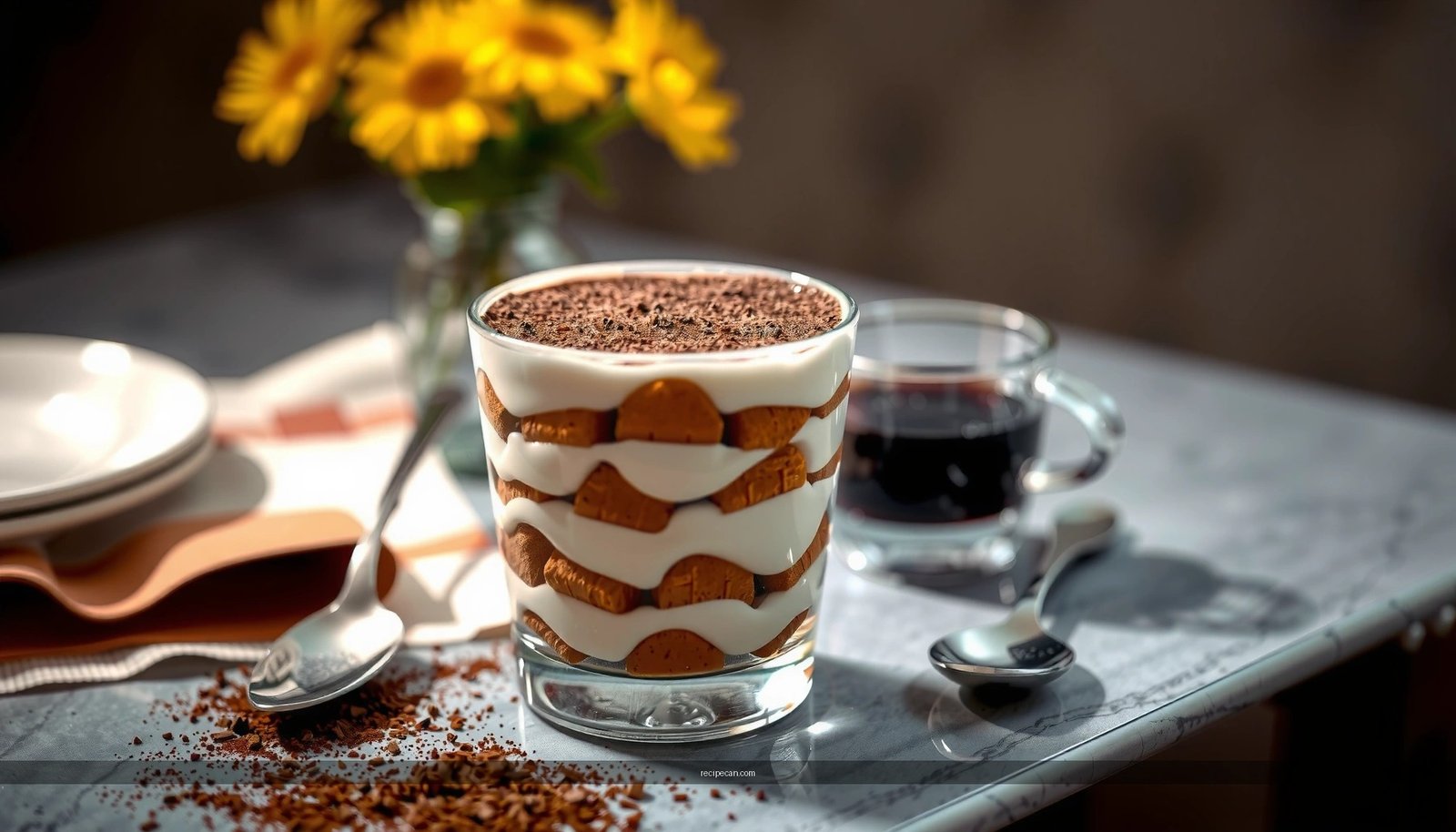
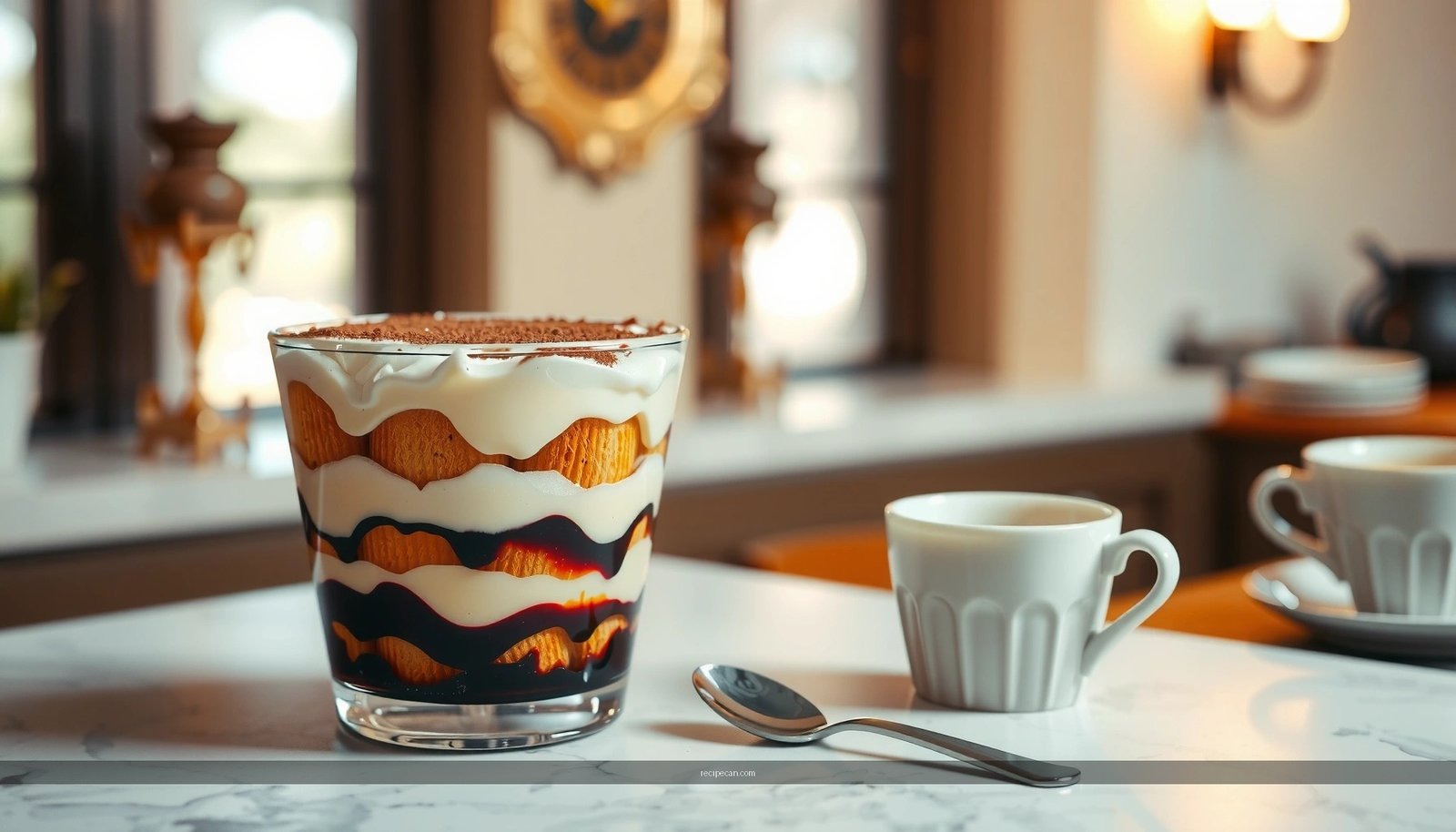
Use a consistent pattern: bottom layer of dipped savoiardi, then a complete layer of mascarpone cream. Repeat until you reach the top, finishing with cream or cocoa depending on your preference.
Layering strategy that improves presentation:
– Spread cream to the edges so every forkful contains both components.
– Keep the top layer slightly thicker; it “buffers” any minor oversaturation from the cookies.
Quality control during assembly:
– If you see pooling coffee at the bottom of the dish, your dip time is too long or the coffee is too hot.
– If layers slide during chilling, your cream may be too warm or thin—refrigerate longer and ensure mascarpone is properly blended.
Assemble and Chill for the Best Texture
Chilling is not a passive step—it’s where tiramisu becomes sliceable. During refrigeration, the savoiardi fully hydrate to the ideal softness, and the mascarpone cream firms into a cohesive structure.
– Refrigerate at least 4–6 hours (overnight is ideal)
For best results, allow overnight chilling so the layers stabilize and the coffee aroma disperses evenly.
– Let it set so layers stabilize and flavors fully develop
Tiramisu tastes better after rest because sweetness, espresso bitterness, and cocoa notes blend into one coherent flavor profile.
Timing guidance:
– Minimum: 4 hours—often acceptable if you need to serve the same day.
– Best: 8–12 hours—cleaner slices, better texture integration.
– Too long (beyond several days): Flavor and texture can drift; stick to recommended storage windows.
Operational tip (especially useful for event prep):
– Assemble the day before service. You’ll gain predictability in portioning, which matters when consistency is required.
Serving Tips and Storage
Serving method affects both appearance and perceived freshness. A correctly stored tiramisu maintains softness while keeping its structure intact.
– Dust with cocoa right before serving for the freshest look
Cocoa absorbs moisture over time and can look dull. Dust the top immediately before cutting to keep that classic, slightly dry surface.
– Store covered in the fridge and enjoy within 2–3 days
Cover the dish to prevent fridge odors and moisture loss. While tiramisu remains edible for a couple of days, peak texture is usually within the first 48 hours.
Best practices for storage and transport:
– Use an airtight lid or plastic wrap pressed lightly against the cream surface (not too tight on the cocoa layer).
– Keep temperature stable; avoid leaving it at room temperature for extended periods because the cream can loosen.
Quick Reference: What to Do (and When)
Tiramisu Timeline for Reliable Slicing
| Step | Task | Time Window | Result You Should See |
|---|---|---|---|
| 1 | Brew espresso + cool | 20–40 min | Coffee is warm, not hot |
| 2 | Make mascarpone cream | 15–20 min | Smooth, cohesive texture |
| 3 | Dip & layer savoiardi | 10–15 min | Cookies are pliable, not collapsed |
| 4 | Chill (set) | 4–6 hrs / overnight | Clean slices with stable layers |
| 5 | Dust cocoa & serve | 0–10 min before | Fresh cocoa look, dry top finish |
Tiramisu with savoiardi is all about quick coffee dipping, a smooth mascarpone cream, and proper chilling. Follow the layering and wait time for the signature soft texture—then dust with cocoa and serve. Make your batch today and try a next-day slice for the best results.
In short, your success comes down to three disciplined moves: select crisp traditional savoiardi, build a stable mascarpone cream (with gentle folding if using eggs), and chill long enough for hydration to set. When you combine those fundamentals with careful dip timing and a fresh cocoa finish, you get the classic Italian tiramisu—sliceable, creamy, and reliably satisfying every time.
Frequently Asked Questions
How do you make a classic savoiardi recipe tiramisu with mascarpone?
Start by whisking mascarpone with sugar (and optionally a little vanilla) until smooth, then fold in whipped egg whites or whipped cream for a lighter savoiardi recipe tiramisu texture. Quickly dip savoiardi (ladyfingers) into espresso—lightly, so they don’t become mushy—then layer biscuits and mascarpone cream. Repeat the layers, chill at least 4–6 hours, and finish with a dusting of cocoa powder.
How long should savoiardi be dipped in coffee to avoid sogginess?
For a savoiardi recipe tiramisu, dip each side of the ladyfingers in espresso for about 1–2 seconds, just enough to wet the surface. If you soak longer, the tiramisu will turn watery and the savoiardi will lose their structure. Chilling afterward helps everything set, but starting with brief dipping is key for the perfect texture.
Why do some savoiardi recipe tiramisu taste bitter or runny?
Bitter flavor usually comes from overly strong coffee or espresso that’s cooled incorrectly—use a balanced espresso and let it cool so it doesn’t affect the mascarpone. Runny filling often happens when mascarpone isn’t beaten enough to smooth out lumps or when the cream is under-whipped before folding. Also, too much soaking of savoiardi in espresso can release excess liquid and thin the tiramisu.
What is the best coffee and cocoa to use for tiramisu with savoiardi?
Use a good-quality espresso or strongly brewed coffee that’s not overly bitter; letting it cool makes a smoother savoiardi recipe tiramisu flavor. For cocoa, choose unsweetened cocoa powder (unsweetened Dutch-process or natural), and dust it just before serving so it stays aromatic and doesn’t dissolve into the cream. If you want extra depth, consider a small amount of coffee liqueur in the espresso mixture, if desired.
Which ingredients help you get the thick, creamy layers in savoiardi recipe tiramisu?
The thickest, most stable savoiardi recipe tiramisu comes from well-whipped mascarpone and correctly folded air (egg whites or cream) so the mixture holds its shape. Use fresh ingredients, keep the mascarpone at cool room temperature, and avoid overmixing after folding. Finally, refrigerate the tiramisu long enough—at least 4 hours, ideally overnight—so the savoiardi layer absorbs moisture and the mascarpone cream firms up.
References
- Google Scholar Google Scholar
https://scholar.google.com/scholar?q=Savoiardi+recipe+tiramisu - Google Scholar Google Scholar
https://scholar.google.com/scholar?q=tiramisu+savoiardi+ladyfingers+mascarpone+coffee+cocoa - Google Scholar Google Scholar
https://scholar.google.com/scholar?q=Italian+savoiardi+biscuits+history+recipe - Tiramisu
https://en.wikipedia.org/wiki/Tiramisu - Ladyfingers (biscuits)
https://en.wikipedia.org/wiki/Savoiardi - Tiramisu | Meaning, Ingredients, Origin, Desserts, & Taste | Britannica
https://www.britannica.com/topic/tiramisu - https://www.theguardian.com/food/2020/may/15/tiramisu-recipe
https://www.theguardian.com/food/2020/may/15/tiramisu-recipe - https://cooking.nytimes.com/recipes/1018682-tiramisu
https://cooking.nytimes.com/recipes/1018682-tiramisu - https://pubmed.ncbi.nlm.nih.gov/?term=tiramisu
https://pubmed.ncbi.nlm.nih.gov/?term=tiramisu - Google Scholar Google Scholar
https://scholar.google.com/scholar?q=savoiardi+recipe+tiramisu