Savoiardi lady fingers tiramisu recipe delivers the real classic result when you use the right dip-and-layer technique and let the tiramisu set long enough to thicken into clean, scoopable slices. This step-by-step guide answers the questions that decide success—how briefly to dip savoiardi in coffee, how to avoid soggy lady fingers, and how to balance mascarpone, eggs, and sugar for a tight, not runny, finish. Follow these classic steps and tips and you’ll get the signature tiramisu texture every time.
Make classic savoiardi lady fingers tiramisu by quickly dipping store-bought (or baked) savoiardi in strong espresso, then layering them with a stabilized mascarpone cream and chilling long enough to set. Do the dip-and-layer assembly fast and controlled, and you’ll get tender bites that are rich and sliceable instead of soggy.
Choose the Right Savoiardi and Ingredients
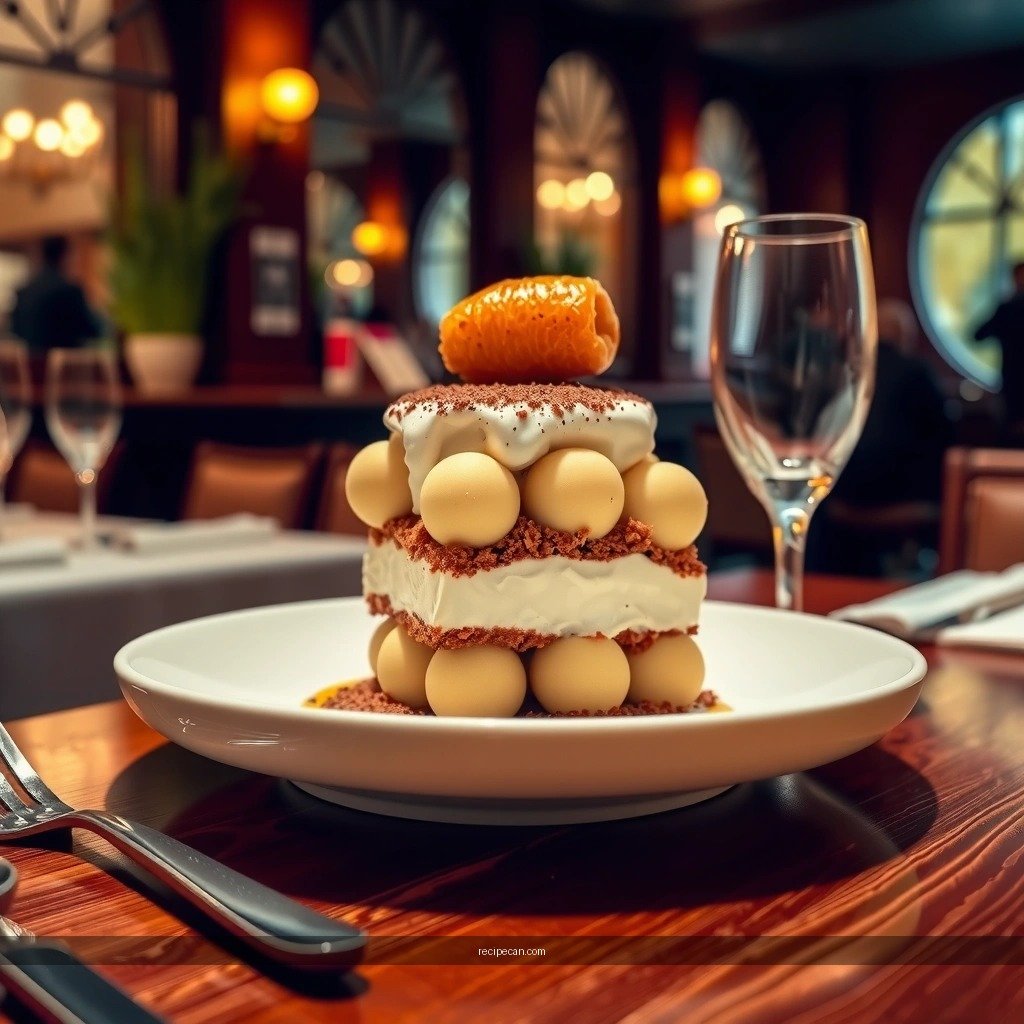
– Use savoiardi lady fingers for the classic texture and structure
– Gather espresso, mascarpone, eggs (or pasteurized alternatives), sugar, and cocoa
Choosing the right savoiardi lady fingers is the foundation of a tiramisu that holds its shape when sliced. Authentic savoiardi are typically dry, lightly sweet, and airy—designed to absorb a liquid quickly and evenly. In contrast, softer “biscuit” lady fingers tend to collapse during dipping and turn watery in the final slice.
What to look for in savoiardi
When shopping, aim for brands and packages that describe “savoiardi” specifically (rather than generic lady fingers). Ideally, they should be:
– Firm and dry to the touch
– Pale golden (not overly browned)
– Relatively uniform in size so dipping time stays consistent across the batch
If you live somewhere without easy access, check Italian import shops or specialty grocers; otherwise, you can bake a comparable sponge finger, but store-bought savoiardi is usually the most reliable for classic texture.
Key ingredient choices that affect texture
For mascarpone cream, ingredient quality matters because tiramisu is largely about balance:
– Mascarpone: Use high-fat mascarpone for body and a clean, luxurious mouthfeel. Low-fat versions can taste thinner and won’t “set” as firmly in the fridge.
– Egg yolks and whites: Traditional tiramisu uses eggs for structure and lightness. If you’re concerned about raw eggs, use pasteurized eggs (common in many grocery chains) or a safe pasteurized egg product.
– Sugar: Helps stabilize the cream. Adjusting sweetness slightly is fine, but don’t omit it—sugar also improves texture during whipping.
– Cocoa powder: Choose a high-quality unsweetened cocoa for aroma and the signature finishing dust.
For best results, plan your timing: you want the dipping and layering to happen quickly, because the savoiardi should absorb espresso briefly—not stew in it.
Dipping Time Targets for Tender (Not Soggy) Savoiardi
| # | Savoiardi condition | Espresso temperature | Dip time per finger | Result expectation | Slice hold (rating) |
|---|---|---|---|---|---|
| 1 | Fresh, dry | Hot | 1–2 seconds | Tender core, minimal bleed | ★★★★★ |
| 2 | Fresh, dry | Room temp | 2–3 seconds | Balanced moisture, clean slice | ★★★★☆ |
| 3 | Slightly softened (opened days ago) | Room temp | 1–2 seconds | Tender but watch moisture | ★★★☆☆ |
| 4 | Very dry, thin | Hot | 1 second | Coffee aroma prominent | ★★★★☆ |
| 5 | Fresh, dry | Hot | 3–4 seconds | Soft outside, risk of bleed | ★★☆☆☆ |
| 6 | Slightly soft (opened/air-exposed) | Hot | 1–2 seconds | Best-case tenderness | ★★★☆☆ |
| 7 | Softer biscuits (not ideal savoiardi) | Room temp | 0.5–1 second | May still collapse; aim for speed | ★☆☆☆☆ |
Brew Espresso for the Perfect Dip
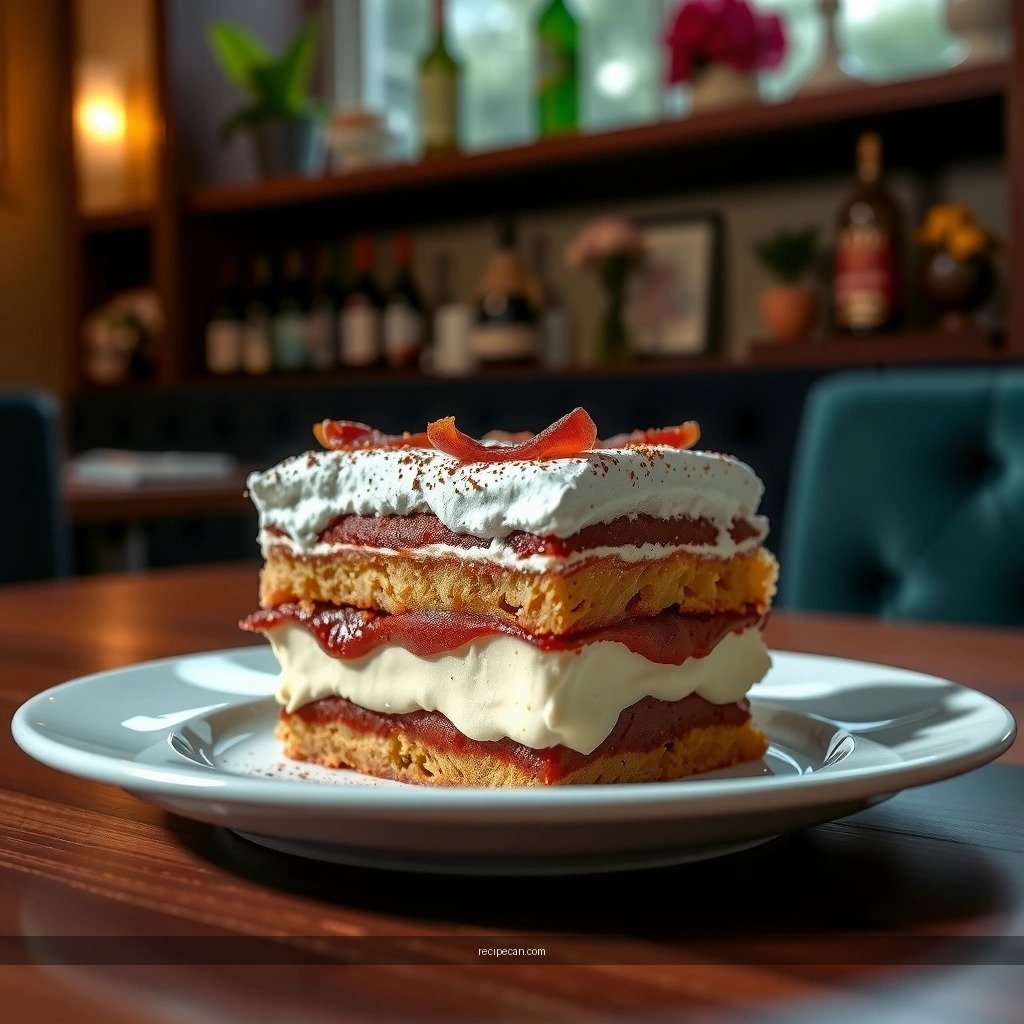
– Brew strong espresso (or espresso coffee) for bold flavor
– Dip each lady finger briefly so it absorbs flavor without breaking
The espresso step is where classic tiramisu becomes either memorable or disappointing. If the espresso is weak, the dessert tastes creamy but flat. If you dip too long, the savoiardi turns porous and breaks down into mushy layers.
Brew for intensity, not bitterness
Strong espresso doesn’t have to be harsh—it has to be concentrated. Options:
– Pull a standard double espresso (most consistent)
– Use an espresso-style coffee if you don’t have a machine
– Avoid extra dilution; use less water per cup to keep the flavor bold
If you want a more “classic Italian” profile, consider adding a small splash of coffee liqueur (optional) or a touch of vanilla to the espresso. Keep additions minimal; tiramisu is defined by coffee + cocoa + mascarpone.
The dip technique: fast, controlled, uniform
Your goal is to wet the savoiardi surface and edges, not soak the interior. A practical method:
1. Pour espresso into a shallow bowl.
2. Hold each savoiardo and dip quickly—typically 1–2 seconds for fresh, dry savoiardi, then lift immediately.
3. Let excess espresso drip off briefly before placing it in the dish.
If you see espresso pooling on the bottom of the baking dish, you’re oversaturating—either dip faster, use less liquid, or let espresso cool to room temperature so it doesn’t “flash-soften” the fingers.
Make the Mascarpone Cream Layer

– Whisk mascarpone with egg yolks and sugar until smooth
– Fold in whipped egg whites (or whipped cream) for a light, airy texture
The mascarpone cream is the second major quality lever: it must be rich, stable, and light enough to balance coffee bitterness. Overmixing or rushing can create a grainy texture or a cream that weeps.
Classic method (eggs): smooth yolks, then airy fold-in
1. Whisk mascarpone with yolks and sugar until glossy and smooth. Scrape the bowl often—clumps hide there.
2. Whip egg whites to soft to medium peaks.
3. Fold the whites into the mascarpone base gently.
Folding is key. If you whisk aggressively after adding whites, you’ll knock out air and end up with a heavier cream. A stable, airy cream is what prevents the dessert from feeling dense even though mascarpone is indulgent.
Safety and stability options
– Pasteurized eggs: Many people use pasteurized eggs for traditional tiramisu. Check the carton label.
– Pasteurized egg products: Some products are sold specifically for whipping and cooking.
– Whipped cream alternative: If you avoid eggs entirely, whip heavy cream with sugar and fold it into mascarpone for a similar mouthfeel. The structure may be slightly different, but it will still slice well if chilled adequately.
Salt, flavor, and balance (optional but effective)
A small pinch of salt can make mascarpone taste more “complete,” especially if your cocoa is very mild. Also, avoid vanilla overload—tiramisu is already aromatic from espresso and cocoa.
Assemble the Tiramisu Layers
– Layer dipped savoiardi with mascarpone cream in a baking dish
– Repeat layers, then finish with a final cream layer
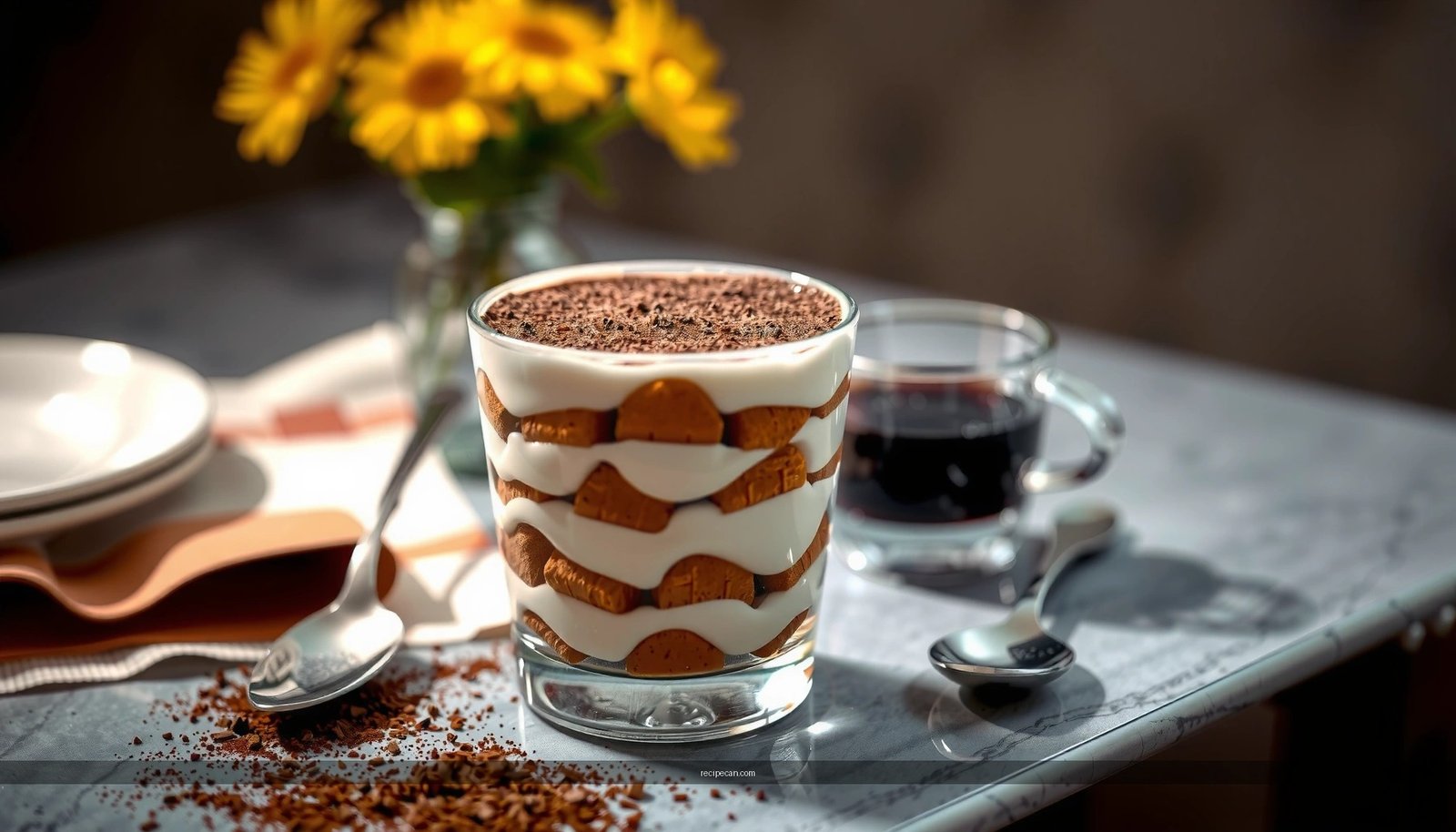
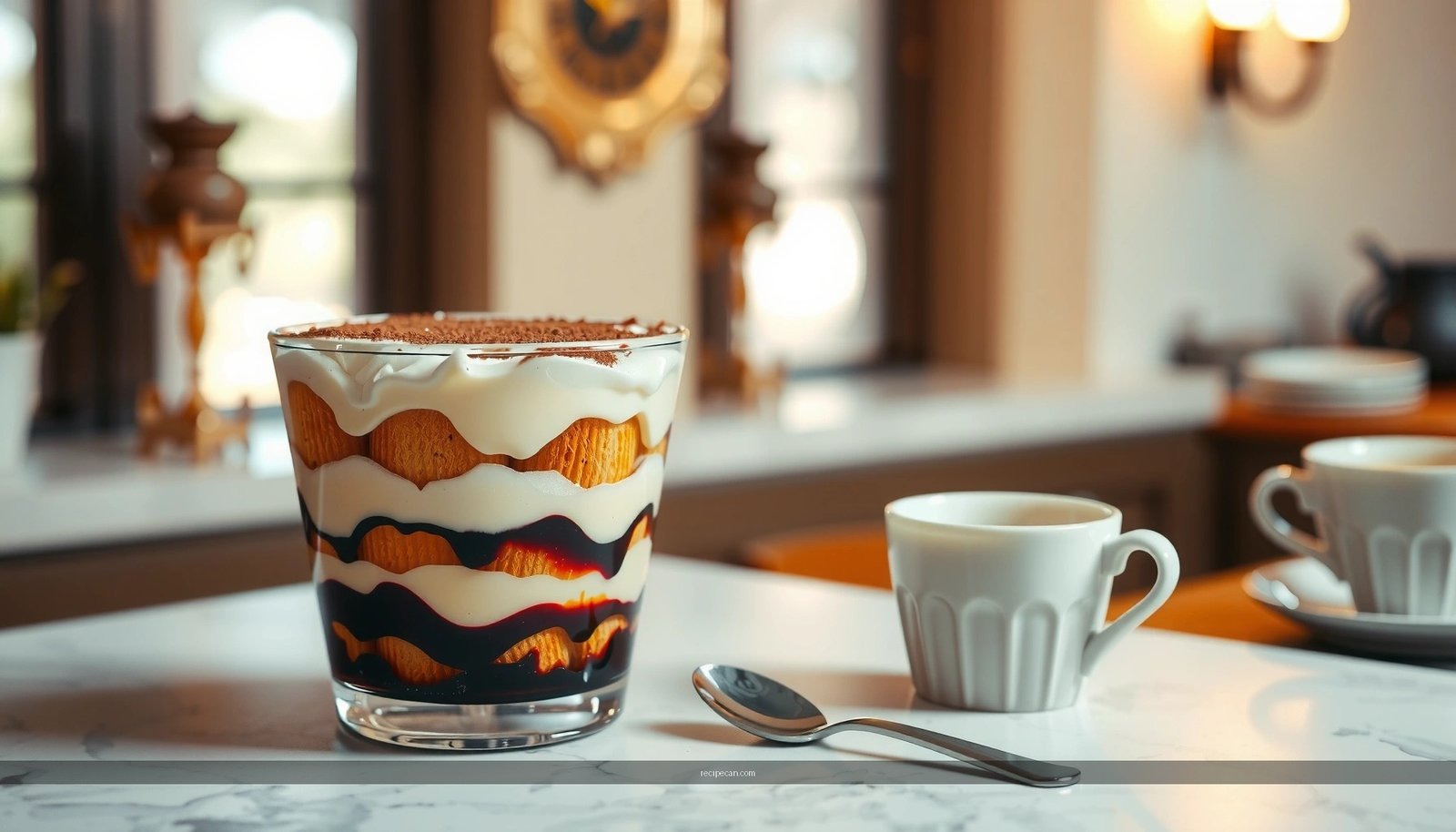
Assembly is where technique becomes consistency. The goal is even distribution: every savoiardo should get similar espresso moisture and be surrounded by cream so the dessert sets as one cohesive slice.
A clean layering workflow
Use a dish that matches your desired slice size—typically an 8×8-inch (or similar) pan for classic home portions.
A reliable approach:
1. First layer: Dip savoiardi quickly and place them in a single layer, tightly but without crushing.
2. Cream layer: Spread mascarpone cream evenly across the savoiardi. Use an offset spatula for smooth coverage.
3. Repeat: Add a second dipped layer and more cream.
4. Finish: Finish with a final cream layer so the top doesn’t expose wet cake to air (which can dry it unevenly).
Control the “espresso-to-cake” ratio
If you’ve been dipping properly, the dish should not have visible espresso pooling. But if pooling occurs, it usually signals one of these issues:
– Espresso is too hot (dip flash-softens)
– Dip time is too long
– Savoiardi are not dry enough
To salvage: reduce future dip time, and spread cream slightly thicker between layers to buffer moisture.
Optional cocoa timing
You can dust cocoa immediately before serving for the freshest look and best aroma. If you dust too early, cocoa can absorb moisture and look muted after chilling.
Chill and Serve for Best Texture
– Refrigerate at least 4 hours (overnight is even better)
– Dust with cocoa right before serving for the freshest finish
Chilling is not just finishing—it’s where tiramisu develops its ideal texture. The savoiardi absorbs espresso gradually, and the cream firms into a sliceable structure.
Timing targets that actually work
– Minimum: 4 hours in the refrigerator. This will set it, but the texture may still feel slightly soft.
– Best: Overnight (8–12 hours). This is where flavors integrate and the dessert becomes sliceable without collapsing.
Cover the pan so the top doesn’t dry out or pick up refrigerator odors.
Serving technique
Use a sharp knife and wipe between cuts for clean edges. If you find the first slice messy, that’s normal—work cleanly and keep the remainder refrigerated until serving.
Finish by dusting with cocoa powder right before the guests arrive. This keeps the aroma “up front” and preserves the classic, dramatic finish.
Troubleshooting Common Issues
– If soggy: dip faster and use less coffee per finger
– If too firm: chill less time and ensure cream is folded gently
Even with the correct recipe, technique and timing can shift the final texture. Here are the most common failure modes and fixes.
Problem: Soggy or collapsing layers
Cause: Over-dipping, espresso too hot, or using softer-than-ideal lady fingers.
Fix:
– Dip for 1–2 seconds instead of longer.
– Let espresso cool to room temperature if your kitchen is very warm or your savoiardi are fragile.
– Place savoiardi quickly and in tight spacing so they support each other.
– Consider slightly thicker cream between layers to buffer moisture.
Problem: Too firm or dry bites
Cause: Under-dipping, insufficient chilling for moisture integration, or aggressive mixing that reduced cream airiness.
Fix:
– Dip slightly longer (e.g., move from 1 second to 2–3 seconds) if the savoiardi feels too resistant.
– Chill closer to overnight for better hydration and flavor integration.
– Fold whipped whites gently so the cream remains supple, which improves how the dessert eats once chilled.
Problem: Grainy mascarpone cream
Cause: Insufficient mixing of yolk-mascarpone before folding, or overheating if you’ve used any warm components.
Fix: Mix mascarpone and yolks thoroughly until smooth before folding whites. Avoid heating mascarpone directly; it should be room temperature.
Problem: Watery pooling around edges
Cause: Excess liquid absorbed by savoiardi or too much espresso used per finger.
Fix: Reduce dip time, and don’t re-dip the same finger. Ensure espresso bowl isn’t too deep—shallow bowls improve control.
After layering and chilling, you’ll have a classic savoiardi lady fingers tiramisu with tender bites and rich mascarpone flavor. Follow the quick-dip technique, assemble clean layers, and chill until set—then dust with cocoa and serve. Make your next batch today and aim for overnight chilling for the best results.
If you’d like, tell me how many servings you want and what size pan you have, and I’ll scale the ingredient amounts precisely.
Frequently Asked Questions
What’s the best savoiardi lady fingers tiramisu recipe for beginners?
Start with a simple savoiardi lady fingers tiramisu recipe that focuses on proper dipping and layering. Quickly dip each lady finger in espresso (optionally mixed with a little coffee liqueur) and layer it with a mascarpone mixture made from mascarpone, eggs (or pasteurized eggs), sugar, and a touch of vanilla. Chill the assembled tiramisu for at least 4–6 hours so the lady fingers soften and the flavors develop.
How do you dip savoiardi lady fingers without making your tiramisu soggy?
Savoiardi lady fingers should be dipped very briefly—about 1–2 seconds per side—so they absorb espresso without falling apart. Use a shallow dish and avoid soaking; the goal is to coat the surface, not saturate the interior. If your tiramisu is already watery, reduce the dipping time and chill longer to let excess moisture set.
Why do some tiramisu recipes fail when using mascarpone with eggs, and how can you fix it?
Common issues include curdled mascarpone mixture or a runny texture from over-whisking or improper temperature. If you use eggs, temper them gradually with warm sugar mixture and keep stirring until smooth and glossy, then fold into mascarpone gently. If the cream seems too loose, refrigerate 30–60 minutes to firm up before assembling layers with savoiardi lady fingers.
Which espresso should you use for a classic savoiardi lady fingers tiramisu recipe?
For a classic flavor, use strong brewed espresso or a concentrated coffee to ensure the lady fingers tiramisu doesn’t taste weak. Choose a coffee you enjoy drinking—medium to dark roast is typically ideal because it complements the sweetness of mascarpone. For extra depth, you can add a splash of espresso shot into the coffee dip and optionally a small amount of liqueur like Kahlúa.
What’s the best way to layer savoiardi lady fingers tiramisu and get clean slices?
Use consistent layers: first a thin bottom layer of crema, then a snug row of savoiardi lady fingers dipped lightly, followed by another even layer of mascarpone cream. Avoid overfilling the dish and spread cream to the edges so there are no gaps that cause slipping. Chill overnight if possible, and slice with a sharp knife wiped between cuts for neat, sturdy tiramisu pieces.
References
- Tiramisu
https://en.wikipedia.org/wiki/Tiramisu - Ladyfingers (biscuits)
https://en.wikipedia.org/wiki/Savoiardi - https://en.wikipedia.org/wiki/Ladyfinger_(biscuit
https://en.wikipedia.org/wiki/Ladyfinger_(biscuit - Mascarpone
https://en.wikipedia.org/wiki/Mascarpone - Marsala
https://en.wikipedia.org/wiki/Marsala - Espresso
https://en.wikipedia.org/wiki/Espresso - Coffee
https://en.wikipedia.org/wiki/Coffee - Tiramisu | Meaning, Ingredients, Origin, Desserts, & Taste | Britannica
https://www.britannica.com/topic/tiramisu - Google Scholar Google Scholar
https://scholar.google.com/scholar?q=tiramisu+savoiardi+lady+fingers+recipe - Google Scholar Google Scholar
https://scholar.google.com/scholar?q=savoiardi+ladyfingers+mascarpone+espresso+tiramisu+recipe