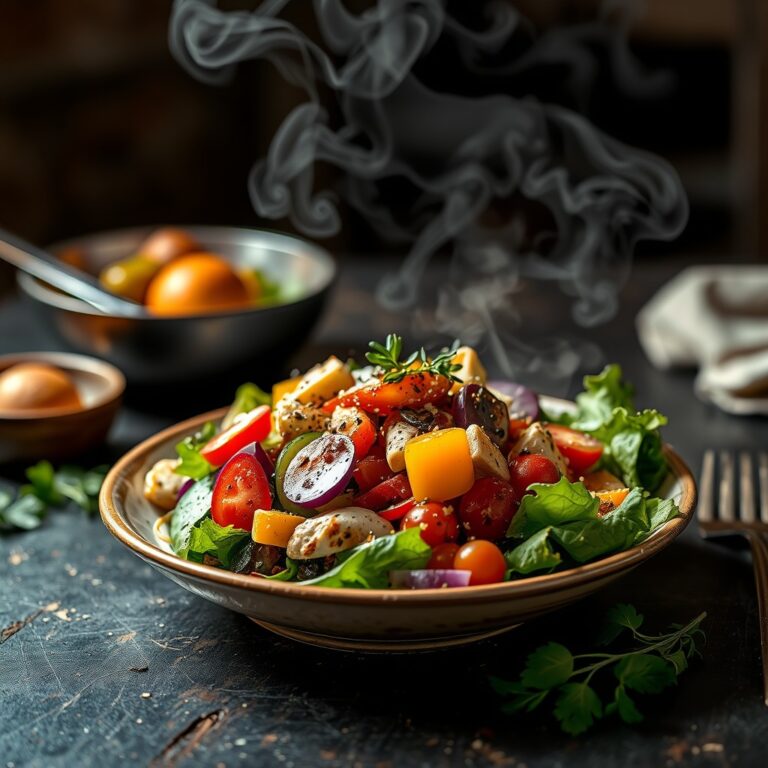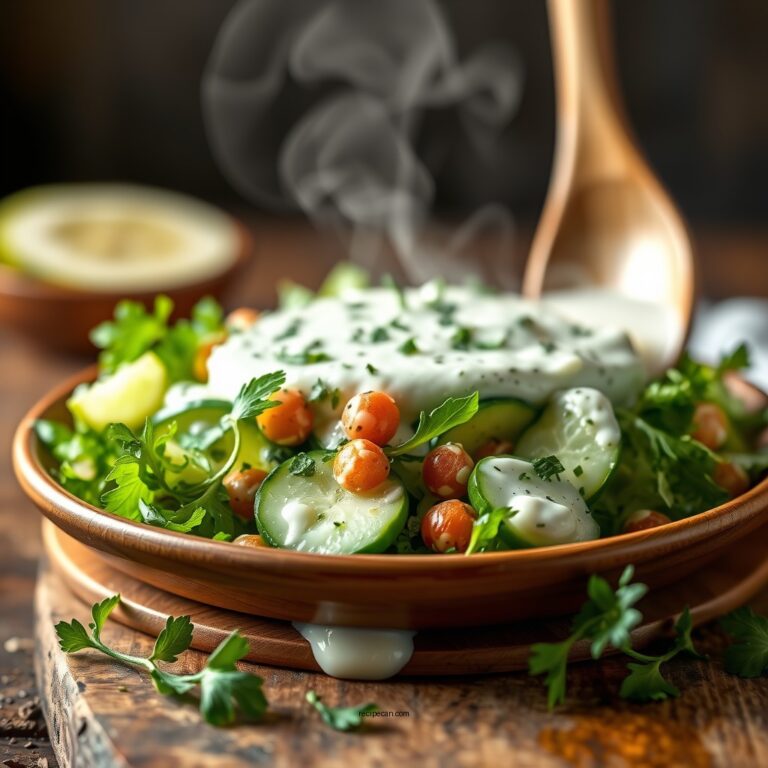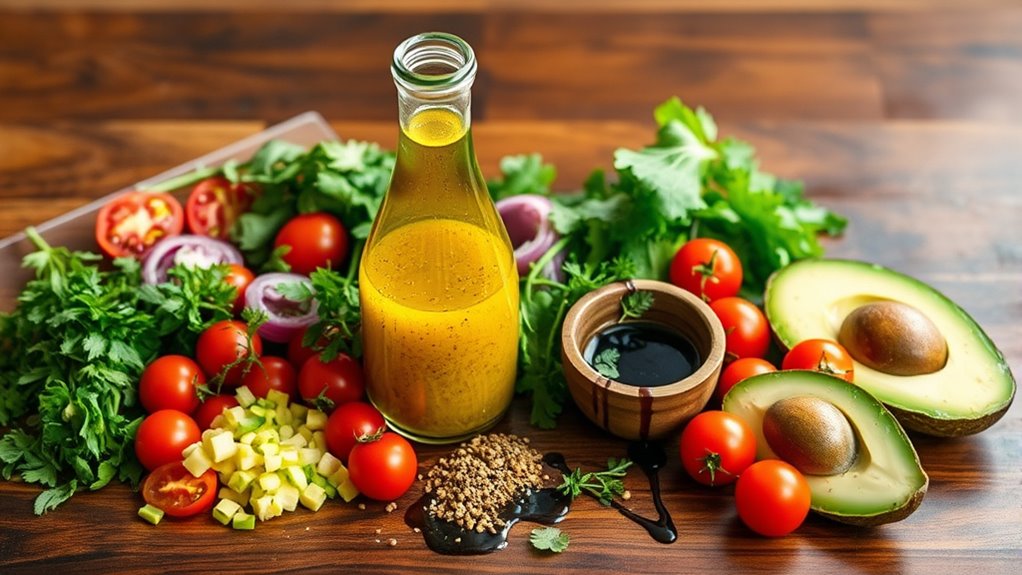
Salad dressing recipes for diabetics focus on healthy fats, fiber, and controlled carbs to help steady blood sugar. Use olive or avocado oil with a splash of vinegar or lemon juice for brightness, plus herbs and spices for flavor without sugar. Aim for 1–2 tablespoons per serving and pair with plenty of greens and lean protein. Emphasize minimal added sugars and whole ingredients. If you keep exploring, you’ll uncover practical, evidence-based dressings you can make tonight.
Ingredients and Quantity
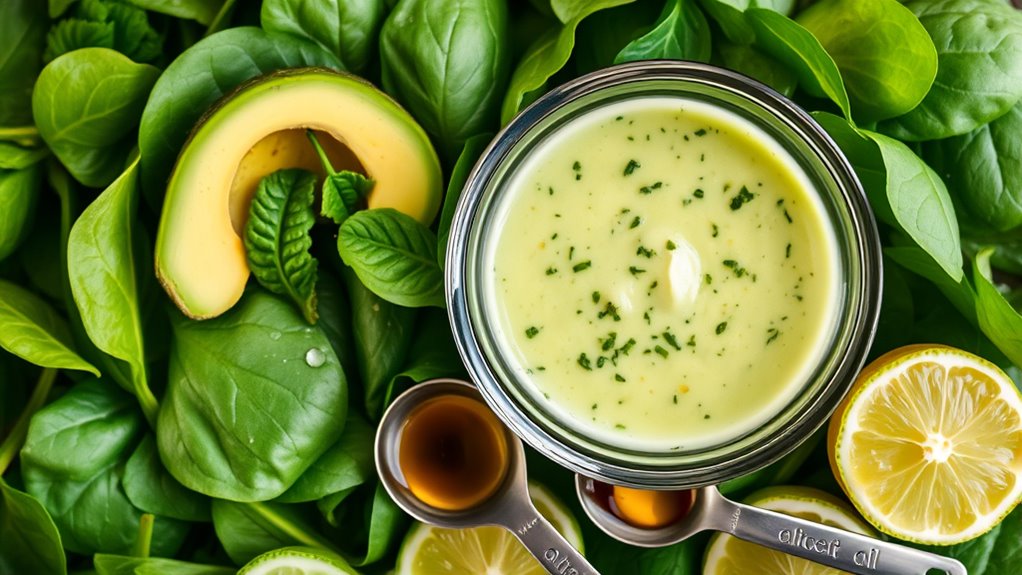
When crafting diabetic-friendly salad dressings, start with a short list of core ingredients that provide flavor without spiking blood sugar: a moderate amount of healthy fat (olive oil or avocado oil), a flavorful acid (vinegar or lemon juice), and fresh or dried herbs and spices for aroma. You’ll balance portions to support steady glucose, choosing healthy fats and low sugar options. For precise flavor, measure oil at 2–3 tablespoons per dressing and acid at 1–2 tablespoons, plus herbs. Table evokes emotion below.
| Ingredient | Typical Amount | Purpose |
|---|---|---|
| Olive or avocado oil | 2–3 tbsp | Healthy fats, satiety |
| Vinegar or lemon juice | 1–2 tbsp | Bright acidity, low sugar options |
| Herbs/spices | 1–2 tsp | Flavor, aroma |
Preparations
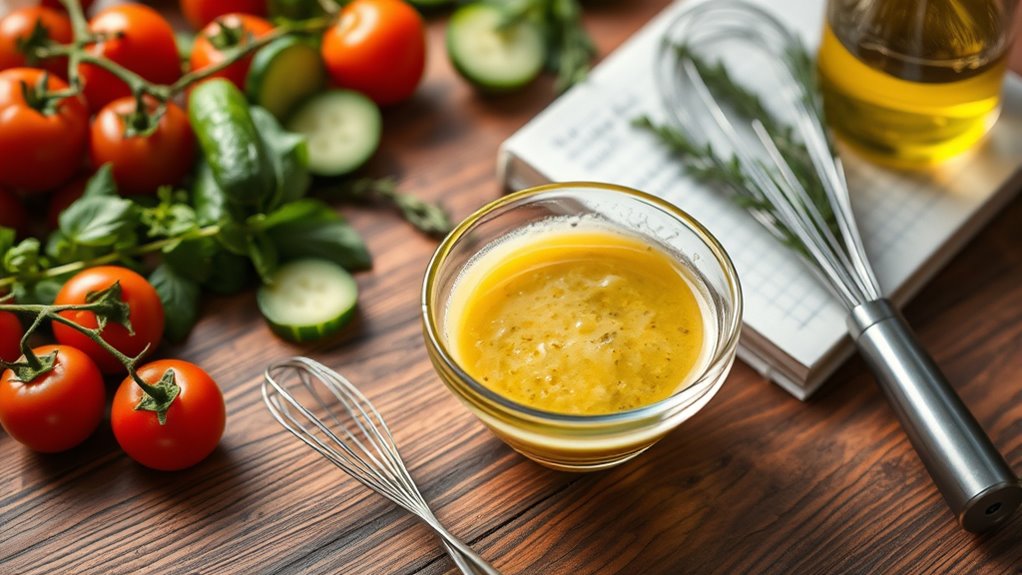
To prep diabetic-friendly dressings, start by assembling a short, measured mix of fat, acid, and herbs, then whisk or shake until emulsified for smooth texture. In practice, you’ll tailor the base to your salad types and desired dressing variations, keeping portions balanced for blood sugar control. Use olive oil or avocado oil for healthy fats, plus an acid such as lemon juice or vinegar to promote palate freshness without spikes. Add mustard, garlic, herbs, and a touch of salt to boost flavor without excess sugar. Whisk vigorously or shake in a jar to achieve creamy consistency, then taste and adjust. Prepare in small batches for freshness, refrigerate, and label ingredients. This approach supports autonomy while guiding safe, flavorful choices.
Kitchen tools or Kitchenware Required
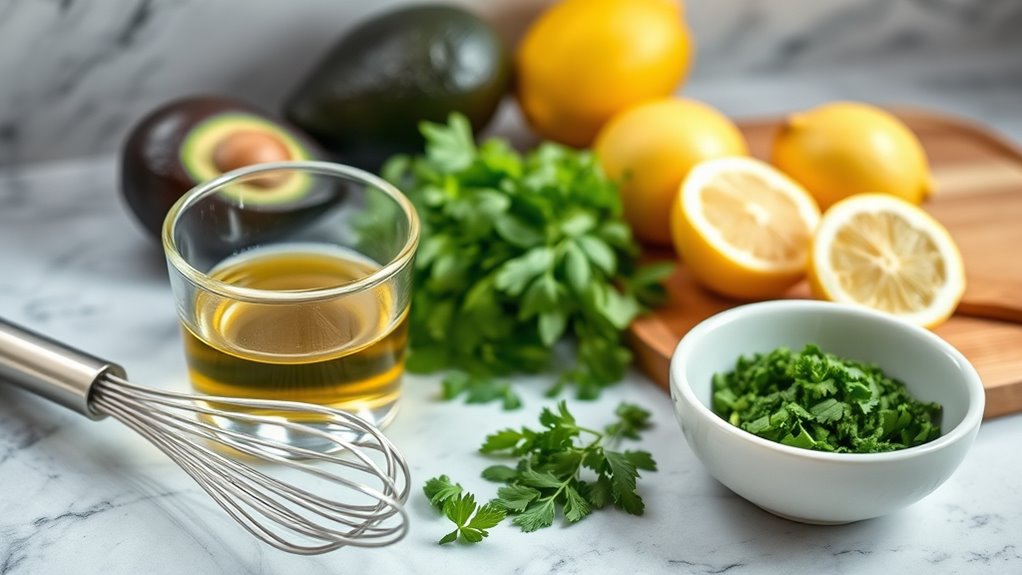
You’ll only need a few reliable kitchen tools to craft diabetic-friendly dressings: a jar with a tight lid or a small blender, a whisk for emulsifying, and a measuring set for accurate portions. With these, you control texture, portion size, and sugar-free options, enabling steady blood sugar management. Blender options and measuring tools support consistent results, reduce waste, and boost confidence in DIY dressings. Begin by choosing a jar or compact blender, add ingredients, then whisk or blend briefly to emulsify. Use measuring tools to portion fats and acids precisely, supporting fiber and protein balance. Table below offers quick comparisons.
| Tool | Purpose | Benefit |
|---|---|---|
| Jar/blender | Emulsify | Consistent texture |
| Whisk | Emulsify | Gentle blending |
| Measuring tools | Portion control | Precision nutrition |
How to Cook
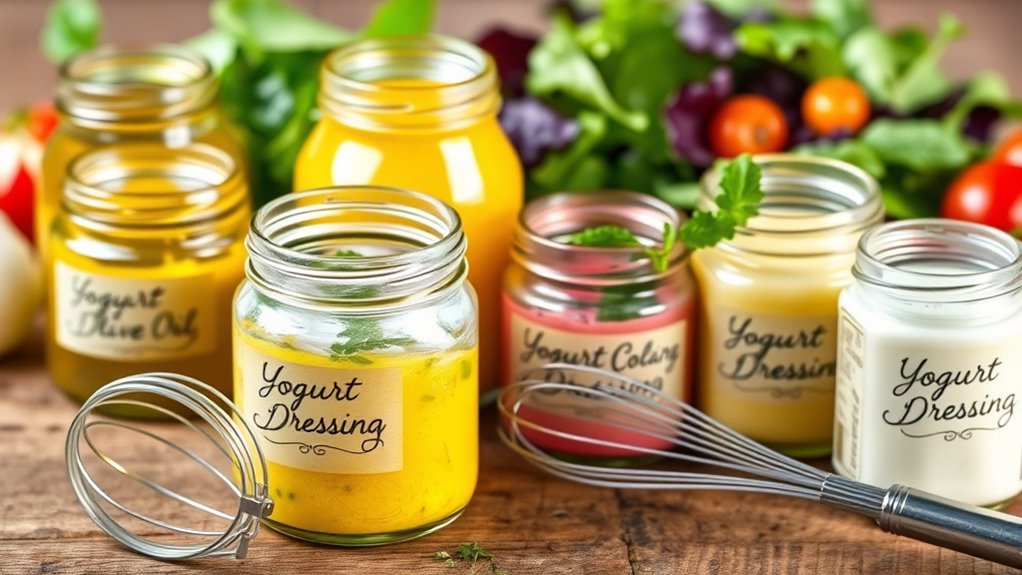
- Start with a clean base such as olive oil or avocado oil for healthy cooking.
- Add a flavor booster like lemon juice, vinegar, or yogurt.
- Choose low-sugar ingredients and fresh herbs to avoid unnecessary additives.
- Measure portions carefully, using 1 to 2 tablespoons per serving to keep carbohydrates predictable.
- Emulsify gently by whisking or shaking the mixture in a jar to preserve texture without overheating.
- Balance fat and acid to enhance mouthfeel without masking flavors, supporting diabetic-friendly goals.
- Use flexible substitutions like mustard, garlic, or tahini to add depth without increasing sugar content.
- Store dressings in the fridge, label them clearly, and rotate flavors to maintain motivation and variety in meals.
How to Serve
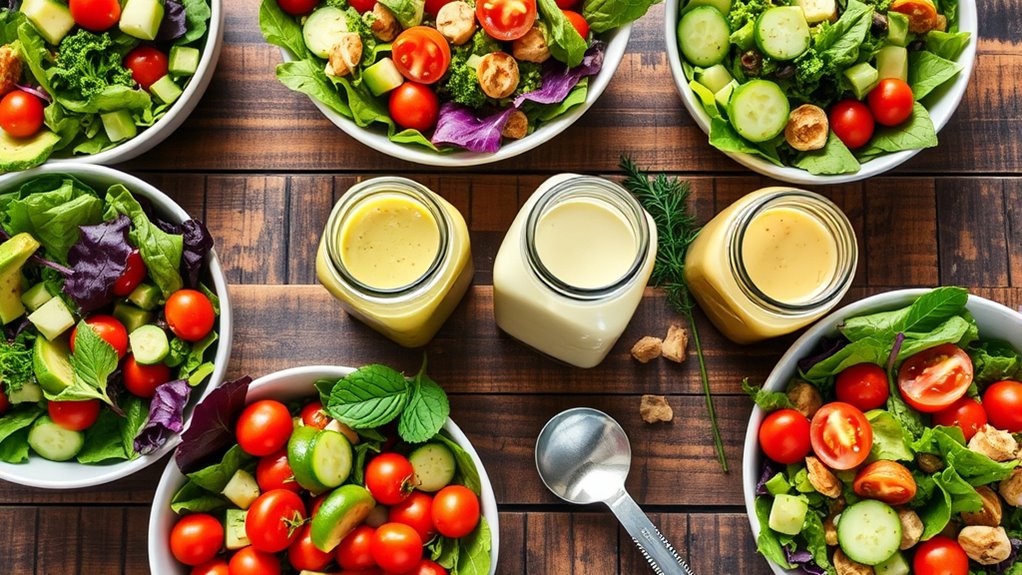
Serving salad dressings in a diabetes-friendly way means pairing portions with meals and choosing toppings that support stable blood sugar. You’ll find that thoughtful dressing presentation makes a difference, helping you enjoy flavor without spikes. Use simple serving suggestions that emphasize balance and variety, not deprivation. Aim for a modest portion, about 1–2 tablespoons, and pair with ample greens and lean proteins. Choose dressings that emphasize healthy fats, fiber, and minimal added sugars. Focus on color, texture, and contrast to keep meals satisfying. By planning ahead, you’ll feel empowered and more freedom-minded in your choices.
- dressing presentation ideas that highlight color and texture
- serving suggestions that balance carbs, protein, and fat
- portion control tips for everyday meals
- simple swaps to reduce sugar without sacrificing flavor
Tips
Smart tips can make diabetes-friendly dressings both tasty and practical. You’ll get durable guidance you can trust, with short, clear steps you can actually follow. Start by favoring olive oil or avocado oil as a base; pair with acid like lemon juice or vinegar to control sweetness. Use herbs and spices to build flavor without added sugars, exploring flavor combinations such as garlic with Dijon or cumin with lime. Choose healthy alternatives to high-sugar ingredients, like unsweetened mustard or tahini for creaminess, and watch portions to keep calories and fat in check. Balance salt with citrus zest or fresh herbs to maintain palatability. Keep a small, rotating set of go-to dressings so you stay motivated and independent.
Food Value and Benefit
This diabetes-friendly dressing recipe offers a balanced combination of healthy fats, fiber, and protein, contributing to better blood sugar control and overall metabolic health. Made with ingredients like olive oil, nuts, seeds, and yogurt-based emulsions, it supports satiety, heart health, and steady energy levels without causing glucose spikes.
This diabetes-friendly dressing blends healthy fats, fiber, and protein for steady energy and heart health.
Food Value:
- Healthy fats from olive oil and nuts, rich in monounsaturated fats
- Dietary fiber from seeds and whole-food ingredients
- Protein from yogurt-based emulsions
- Low glycemic index components to maintain stable blood sugar
Key Vitamins and Minerals:
- Vitamin E (from olive oil and nuts) — antioxidant support
- Magnesium (from nuts and seeds) — promotes insulin sensitivity and muscle function
- Calcium (from yogurt) — supports bone health
- Vitamin B complex (from seeds and yogurt) — aids energy metabolism
Benefits of Eating This Recipe:
- Helps regulate blood glucose levels by minimizing glycemic spikes
- Promotes heart health through healthy fats and antioxidants
- Enhances satiety, reducing overeating and supporting weight management
- Provides essential vitamins and minerals that support metabolic and bone health
- Encourages consumption of whole, minimally processed ingredients for overall wellness
Frequently Asked Questions
How Can I Store Salad Dressings Safely for Diabetics?
You’ll store dressings safely by refrigerating promptly and using airtight containers; you’ll keep them 1–2 weeks, shake before use, and label dates. Refrigeration tips plus container choices empower you to manage portions confidently and safely.
Are There Low-Sodium Options for Diabetic Dressings?
Yes, there are low-sodium options for diabetic dressings built from low sodium ingredients and healthy alternatives, so you can tailor flavors, monitor sodium, and still enjoy variety, confidence, and evidence-based, practical guidance for freedom in choices.
Can I Replace Oil With Yogurt in Dressings?
Like a breeze through open doors, you can replace oil with yogurt in dressings. Yogurt benefits include creaminess with less fat; it’s a practical dressing alternative, though adjust tang and mayo-free emulsions for stable, tasty results.
Which Dressings Have the Least Impact on Blood Sugar?
Definitely, dressings with minimal sugar and simple ingredients have the least blood sugar impact, focusing on olive oil, vinegar, and herbs. You’ll want balanced dressing ingredients, portion-controlled servings, and mindful labeling to stay steady and feel free.
How Do I Label Homemade Dressings for Monitoring Carbs?
You label homemade dressings by carb counting and ingredient tracking, making a quick note on a card or app as you pour. Imagine a clear bottle; you glimpse sugars, fats, and portions guiding your freedom-focused choices.
References
- https://www.diabetes.org/healthy-living/recipes-nutrition/recipes/salad-dressings
- https://www.cdc.gov/diabetes/basics/healthy-eating.html
- https://www.eatright.org/health/diseases-and-conditions/diabetes/diabetes-and-salad-dressings
- https://www.ncbi.nlm.nih.gov/pmc/articles/PMC5659952/
- https://www.health.harvard.edu/staying-healthy/what-to-know-about-salad-dressings
- https://www.mayoclinic.org/healthy-lifestyle/nutrition-and-healthy-eating/expert-answers/salad-dressing/faq-20058016
- https://www.heart.org/en/healthy-living/healthy-eating/eat-smart/nutrition-basics/heart-healthy-salad-dressings
- https://www.nhlbi.nih.gov/health-topics/diabetes
- https://www.verywellhealth.com/diabetes-friendly-salad-dressings-5197254