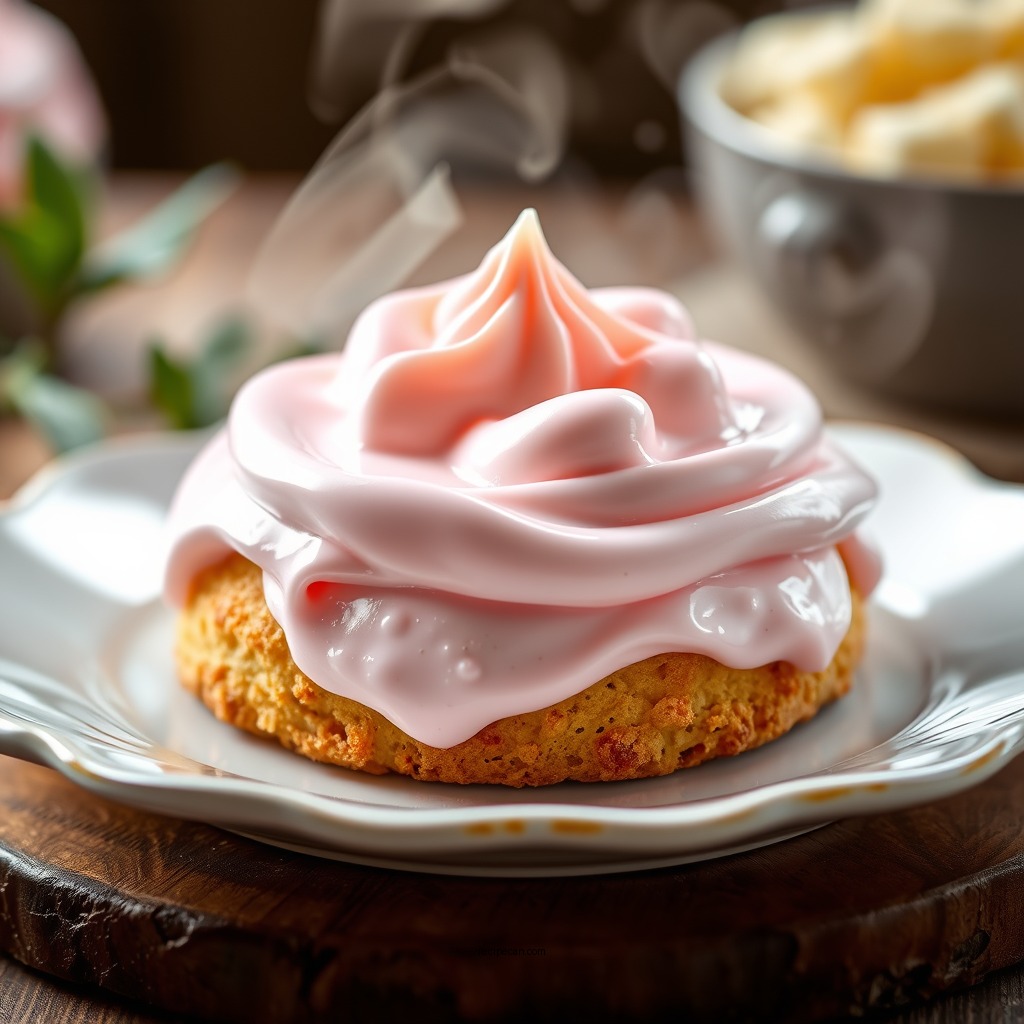
To make a smooth and stable royal icing, combining powdered sugar, egg whites, and cream of tartar is essential. This recipe will provide you with a perfect icing ideal for decorating cookies and cakes, ensuring that your creations look beautiful and taste delightful. Royal icing is not only versatile but also crucial for achieving a flawless finish on your baked goods.
Understanding Royal Icing
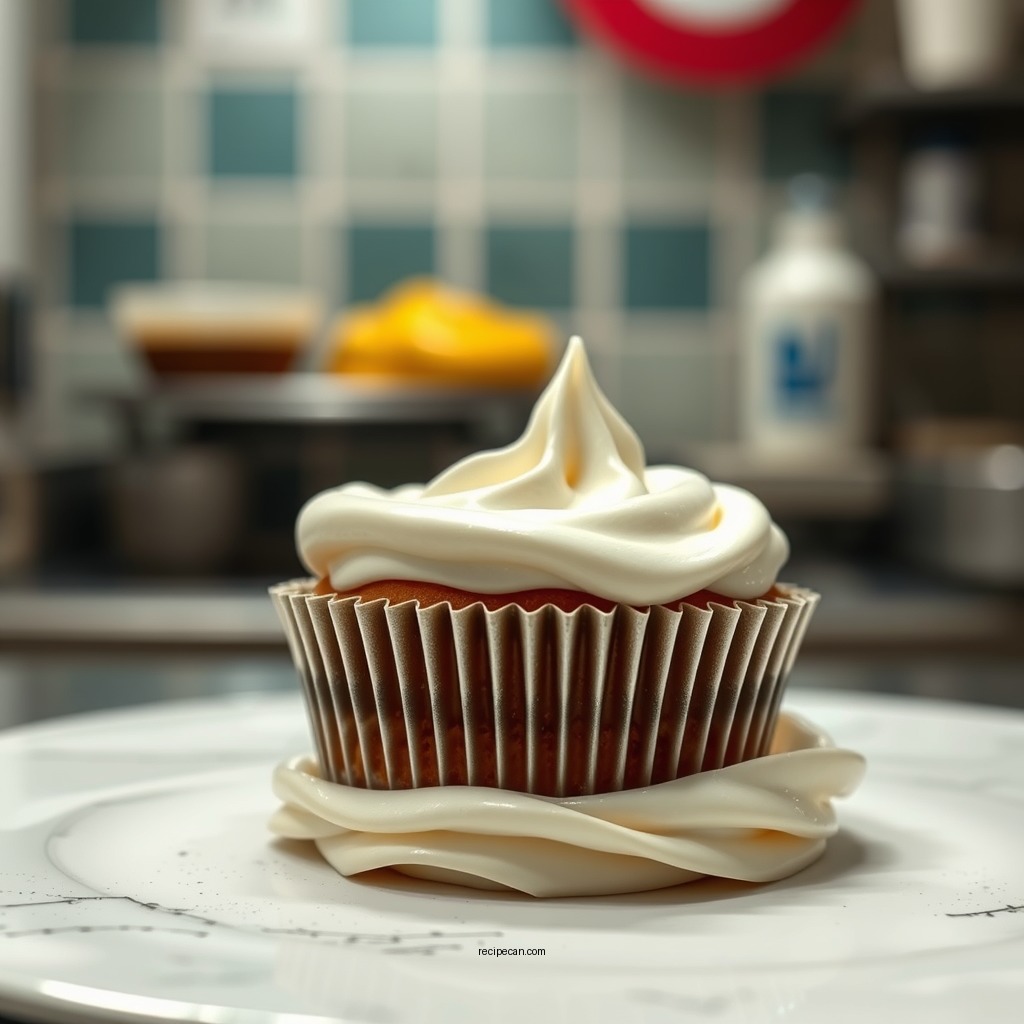
Royal icing is a sweet, glossy icing made primarily from egg whites and powdered sugar. It hardens as it dries, making it an excellent choice for detailed decorations on cookies, cakes, and other confections. Its unique properties allow it to be piped into intricate designs or spread smoothly over surfaces, creating a polished appearance. Achieving the right consistency is vital, as it varies depending on the intended use—whether for outlining, flooding, or detailed piping.
The importance of consistency cannot be overstated; using icing that is too runny can lead to drips and unsightly finishes, while overly stiff icing can be difficult to pipe. Understanding these nuances will empower bakers to create beautifully decorated treats that stand out at any occasion.
Ingredients Needed
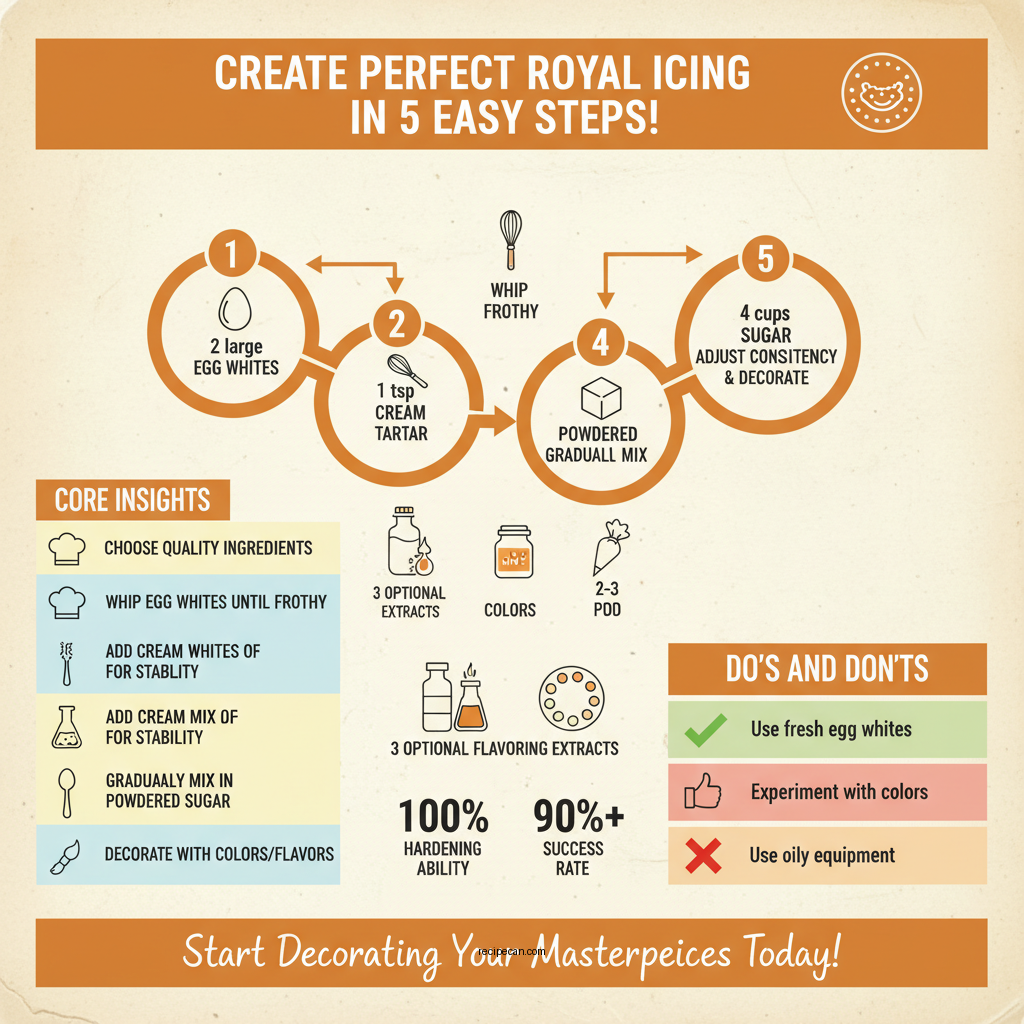

To make royal icing, you will need the following primary ingredients:
– Powdered Sugar: Also known as confectioners’ sugar, this ingredient provides the sweetness and structure.
– Egg Whites: Fresh egg whites are preferred for their ability to whip up to a stable foam, which is essential for the icing’s texture.
– Cream of Tartar: This acidic powder stabilizes the egg whites, preventing them from collapsing and ensuring that the icing holds its shape.
Optional Ingredients:
– Flavoring Extracts: Vanilla, almond, or lemon extracts can be added to enhance the taste.
– Food Coloring: Gel or liquid food colorings can be mixed in to add vibrant hues to your icing.
Step-by-Step Preparation
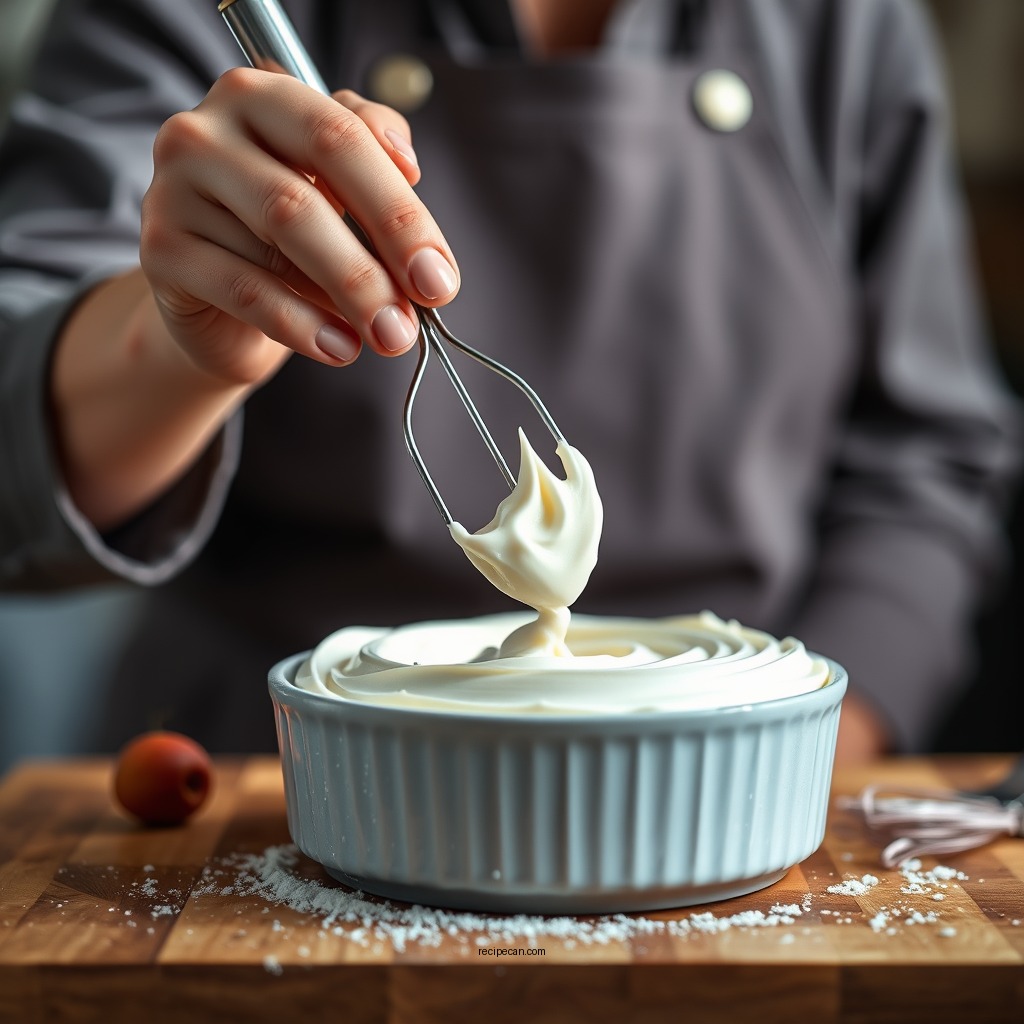
Creating royal icing is a straightforward process. Follow these detailed instructions for optimal results:
1. Prepare Your Equipment: Use a clean, dry mixing bowl and whisk. Any grease can prevent the egg whites from whipping properly.
2. Measure Ingredients: Use a scale to accurately measure 4 cups of powdered sugar, 2 large egg whites, and 1 teaspoon of cream of tartar.
3. Whip the Egg Whites: In your mixing bowl, beat the egg whites on medium speed until they become frothy.
4. Add Cream of Tartar: Sprinkle in the cream of tartar while continuing to beat the egg whites until soft peaks form.
5. Incorporate Powdered Sugar: Gradually add the powdered sugar, one cup at a time, while mixing on low speed. Once all the sugar is added, increase to medium speed and beat until the icing is thick and holds stiff peaks.
6. Check Consistency: For outlining, the icing should be thick enough to hold its shape. For flooding, add small amounts of water until you achieve a smooth, pourable consistency.
Tips for Texture:
– Piping Consistency: The icing should hold its shape but be smooth enough to pipe. If it is too stiff, add a few drops of water.
– Flooding Consistency: This should be slightly thinner than piping icing, allowing it to spread easily over the surface of cookies.
Consistency Variations
Royal icing can be adjusted for various decorating techniques by modifying its consistency:
– Stiff Icing: Used for detailed piping and decorations that need to hold their shape, such as flowers and borders.
– Piping Icing: Ideal for outlines and fine details, this icing should be thick yet smooth enough to flow easily from a piping bag.
– Flooding Icing: This thinner consistency is used for filling in large areas, allowing it to spread evenly over the surface without creating peaks.
Adjusting Icing Consistency
Adjusting the consistency is simple. For stiffer icing, add more powdered sugar; for thinner icing, incorporate small amounts of water or lemon juice until the desired texture is achieved.
Storage and Shelf Life
Proper storage of royal icing is crucial for maintaining its quality. Here are some best practices:
– Short-Term Storage: Keep unused royal icing in an airtight container at room temperature for up to two days. Ensure there’s no air trapped inside, as exposure can lead to drying.
– Long-Term Storage: For longer storage, royal icing can be refrigerated for up to a week. Allow it to come to room temperature and re-whip before use.
– Shelf Life: Royal icing can last up to two weeks if stored correctly. If you notice any discoloration or off smells, discard it.
Common Mistakes to Avoid
When making or using royal icing, several common pitfalls can hinder your results:
– Using Old or Expired Ingredients: Always check the freshness of your egg whites and powdered sugar.
– Inconsistent Whipping: Ensure egg whites are whipped to the right consistency; under-whipping can lead to weak icing.
– Neglecting to Cover: Failing to cover the icing can lead to a crust forming on the surface, making it unusable. Always cover with a damp cloth or plastic wrap when not in use.
Troubleshooting Tips
– If the Icing is Too Runny: Add more powdered sugar until the desired consistency is achieved.
– If the Icing is Too Thick: Gradually mix in small amounts of water until the right consistency is reached.
Decorating Techniques with Royal Icing
Royal icing opens up a world of decorating possibilities. Here are some popular techniques:
– Piping: Use a piping bag fitted with a round tip to create outlines and detailed designs.
– Flooding: Pour the thinned icing onto the surface of cookies or cakes, then use a toothpick to spread it evenly.
– Stenciling: Place a stencil over your baked goods and use stiff royal icing to fill in the design, creating intricate patterns.
Example Techniques
– Lace Designs: Create delicate lace patterns using piping icing for a sophisticated look.
– Watercolor Effect: Mix different colors of flooding icing to achieve a beautiful watercolor effect on cookies.
Royal Icing Consistency Comparisons
| # | Icing Type | Consistency | Best Use |
|---|---|---|---|
| 1 | Stiff Icing | Thick | Piping & Details |
| 2 | Piping Icing | Medium | Outlines & Borders |
| 3 | Flooding Icing | Thin | Filling Areas |
| 4 | Royal Icing with Flavor | Medium | Decorative & Tasty |
| 5 | Luster Icing | Medium | Shiny Effects |
| 6 | Textured Icing | Thick | 3D Effects |
| 7 | Marbled Icing | Medium | Decorative Patterns |
Royal Icing Applications by Popularity
Making royal icing with cream of tartar is straightforward and rewarding, allowing you to elevate your baking projects. By understanding the nuances of consistency and mastering various decorating techniques, you can create stunning works of art that not only look beautiful but also taste delightful. Remember to follow the recipe carefully and experiment with different decorating techniques to enhance your skills. Happy baking!
Frequently Asked Questions
What ingredients do I need to make royal icing with cream of tartar?
To make royal icing with cream of tartar, you will need powdered sugar, egg whites or meringue powder, and cream of tartar. The cream of tartar helps stabilize the icing, giving it a smoother texture and preventing it from becoming grainy. Ensure you use fresh ingredients for the best results.
How do I make royal icing with cream of tartar for decorating cookies?
To make royal icing, combine 4 cups of powdered sugar, 2 tablespoons of meringue powder (or 2 egg whites), and 1/2 teaspoon of cream of tartar in a mixing bowl. Gradually add water until you achieve your desired consistency. Beat the mixture until it forms stiff peaks, which is perfect for detailed cookie decorating.
Why should I use cream of tartar in my royal icing recipe?
Cream of tartar is an essential ingredient in royal icing because it acts as an acid that stabilizes the egg whites or meringue powder. This stabilization helps the icing maintain its shape and prevents it from becoming too runny or grainy, ensuring that your decorations hold their form.
What is the best consistency for royal icing made with cream of tartar?
The best consistency for royal icing made with cream of tartar depends on its intended use. For outlining, a thicker consistency that holds its shape is ideal, while a thinner consistency is better for flooding cookies. Aim for a consistency that can easily flow but still retains its structure when piped.
Which tips should I use for piping royal icing with cream of tartar?
For piping royal icing, using a round piping tip, such as a #1 or #2, is recommended for fine details and outlines, while a larger tip like #3 or #4 works well for filling in larger areas. Make sure to adjust the icing’s consistency by adding small amounts of water as needed to ensure smooth piping without clogging the tip.
References
- Icing
https://en.wikipedia.org/wiki/Icing - https://pubmed.ncbi.nlm.nih.gov/27813531/
https://pubmed.ncbi.nlm.nih.gov/27813531/ - https://www.britannica.com/topic/icing
https://www.britannica.com/topic/icing - https://www.sciencedirect.com/topics/food-science/cream-of-tartar
https://www.sciencedirect.com/topics/food-science/cream-of-tartar - https://www.ncbi.nlm.nih.gov/pmc/articles/PMC6698932/
https://www.ncbi.nlm.nih.gov/pmc/articles/PMC6698932/ - https://www.mayoclinic.org/healthy-lifestyle/nutrition-and-healthy-eating/in-depth/food-safety/art-20045238
https://www.mayoclinic.org/healthy-lifestyle/nutrition-and-healthy-eating/in-depth/food-safety/art-20045238 - https://www.nutrition.gov/topics/nutrition-101/food-safety
https://www.nutrition.gov/topics/nutrition-101/food-safety - Google Scholar Google Scholar
https://scholar.google.com/scholar?q=royal+icing+with+cream+of+tartar+recipe - Google Scholar Google Scholar
https://scholar.google.com/scholar?q=icing+recipes+cream+of+tartar - Google Scholar Google Scholar
https://scholar.google.com/scholar?q=cream+of+tartar+culinary+uses
