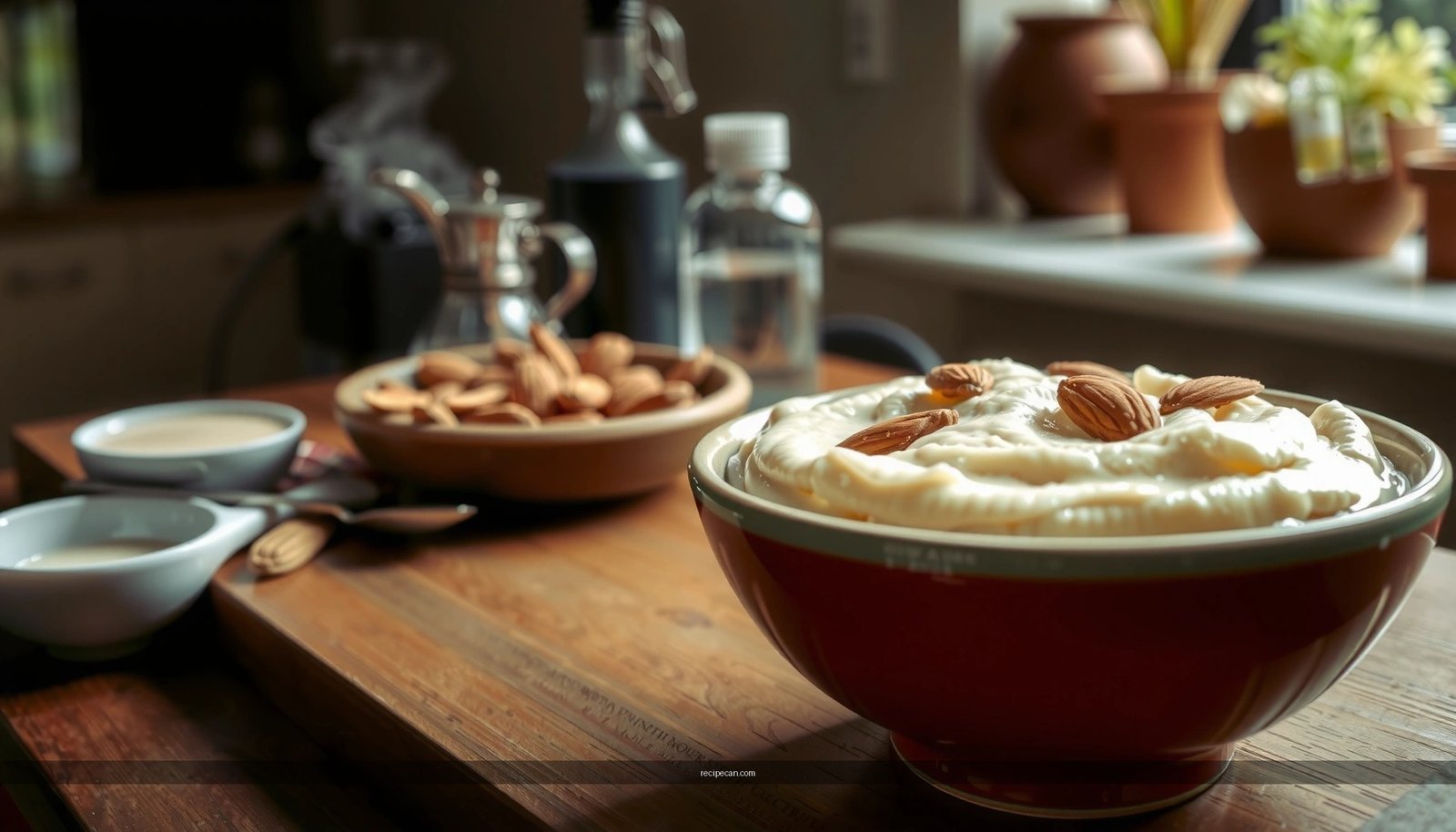
Looking for a rice pudding recipe with almond milk that turns out creamy without dairy every time? This recipe delivers a silky, gently sweet bowl with perfectly tender rice, using almond milk as the only milk base. Follow the simple cook-and-stir method for the best texture—thick enough to spoon, never watery.
Make creamy rice pudding with almond milk by gently simmering short- or medium-grain rice until tender, then finishing with sweetener and warm spices for a custardy texture. This stovetop method is designed to be repeatable: you’ll learn exact steps, timing guidance, and troubleshooting cues so your almond milk rice pudding turns out smooth rather than watery or grainy.
Ingredients for Almond Milk Rice Pudding
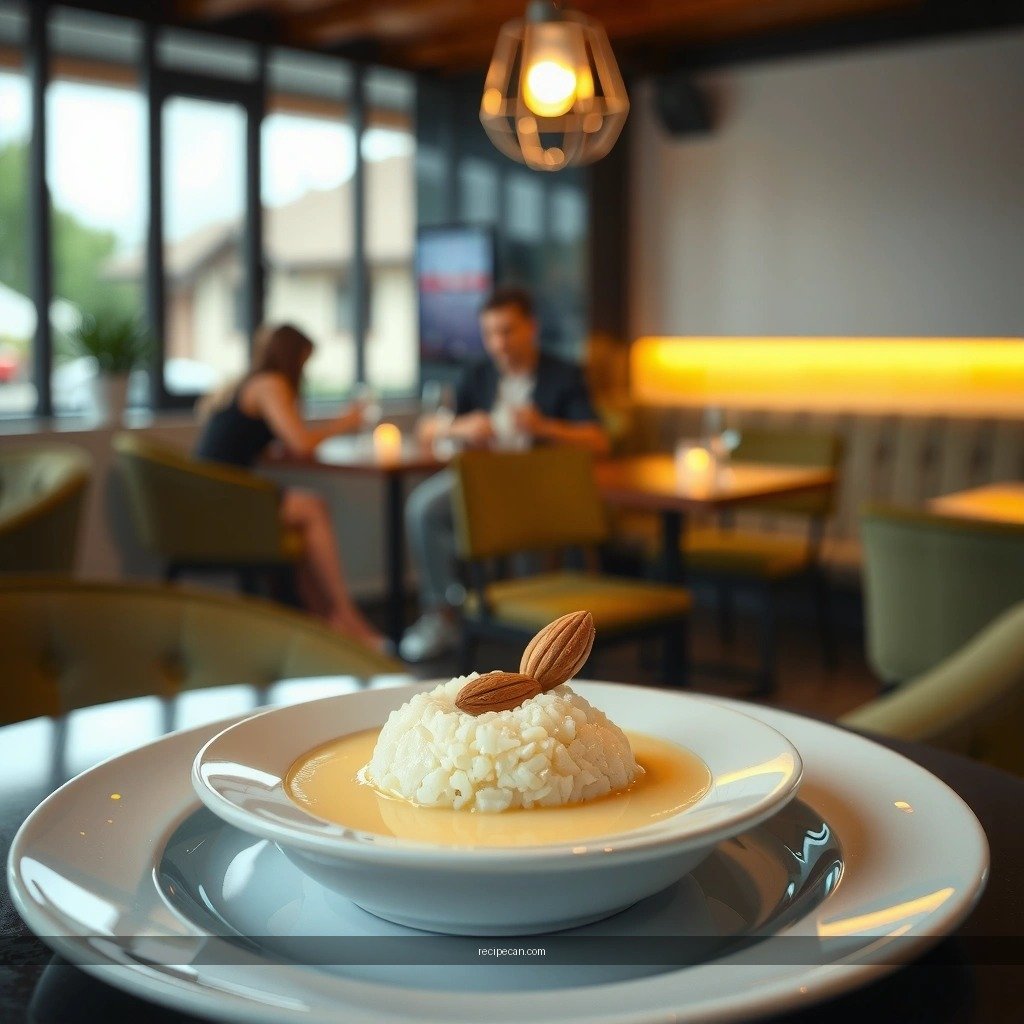
Choosing the right ingredients is the fastest route to “restaurant-style” creaminess. Rice pudding is less about exact sweetness and more about starch management—when rice grains release starch slowly, they thicken almond milk into a silky, spoon-coating custard.
– Use short- or medium-grain rice for the creamiest results
Short- or medium-grain rice breaks down more readily than long-grain varieties, producing a thicker, more cohesive pudding. In practice, Japanese-style short-grain rice or risotto-style medium-grain rice works exceptionally well.
– Choose unsweetened almond milk (or adjust sweetness if it’s sweetened)
Unsweetened almond milk gives you control over the final flavor and prevents the dessert from tasting “flatter” or overly processed when reduced. If you only have sweetened almond milk, reduce the added sugar/honey/maple by about 25–40% and taste near the end.
Suggested baseline ingredient list (stovetop)
Use this as your starting point (you can scale up or down):
– 1 cup short- or medium-grain rice
– 4 to 5 cups unsweetened almond milk (start with 4 cups, add later if needed)
– 1/4 cup sugar (or 2–4 Tbsp honey/maple depending on preference)
– 1/2 tsp vanilla extract (or 1 tsp vanilla bean paste)
– 1 to 2 tsp ground cinnamon (to taste)
– 1 pinch fine salt (tightens flavor, balances sweetness)
– Optional: 1 to 2 Tbsp butter (for extra richness) — omit if fully dairy-free
– Optional toppings: sliced almonds, toasted almonds, extra cinnamon, orange zest
A practical “what to expect” snapshot
While exact times vary by stove strength and rice age, the following benchmarks help you plan.
Stovetop Almond Milk Rice Pudding Benchmarks (1 Cup Rice)
| # | Rice Type | Typical Cook Time | Best Texture Target | Creaminess Score |
|---|---|---|---|---|
| 1 | Short-grain (e.g., Japanese-style) | 28–35 min | Spoon-coating custard | ★★★★☆ |
| 2 | Medium-grain (risotto-style) | 30–38 min | Creamy with intact grains | ★★★★☆ |
| 3 | Long-grain (Jasmine) | 35–45 min | Less cohesive, softer grains | ★★☆☆☆ |
| 4 | Arborio-style | 30–40 min | High creaminess, slightly chewy | ★★★★☆ |
| 5 | Brown rice (short/medium) | 45–60 min | Hearty pudding, grainier | ★★★☆☆ |
| 6 | Milk-alternative: almond “barista” | 28–36 min | Very smooth mouthfeel | ★★★★☆ |
| 7 | Thickener method: none (classic) | 30–40 min | Custard formed from starch | ★★★★☆ |
Step-by-Step Cooking Instructions
The stovetop method works because it controls heat and timing: you’re coaxing starch out of the rice while preventing the almond milk from scorching. A gentle simmer is the difference between “silky” and “grainy.”
1. Rinse the rice (optional but recommended).
A quick rinse removes excess surface starch. This prevents the pudding from turning gummy, especially if you prefer a lighter spoonable consistency.
2. Combine almond milk and rice in a heavy saucepan.
Start with 4 cups almond milk for 1 cup rice. A wide, thick-bottom pot distributes heat better and reduces sticking.
3. Bring to a simmer, then reduce to low.
Watch carefully right after it begins bubbling—once it simmers, reduce heat to maintain a steady, gentle simmer.
4. Simmer and stir consistently.
Plan to stir every 2–3 minutes for the first 20 minutes, then slightly less frequently once thickening begins. Frequent stirring keeps the grains evenly suspended and helps prevent a skin from forming.
5. Cook until grains are tender and texture thickens.
Expect 28–40 minutes for short/medium grain. The rice should be soft, but not fully broken down if you like that classic pudding feel.
6. Finish with sweetener and flavor near the end.
Add sugar/honey/maple in the final 5–8 minutes. Then stir in vanilla, cinnamon, and salt (a pinch of salt makes sweetness taste more “round”).
Timing cues that reduce guesswork
– After 15 minutes: texture should start to look milky and thickened, not watery.
– After 25–30 minutes (short/medium grain): grains should be tender; simmer a little longer if needed.
– Final 5 minutes: stir more often to stabilize the custard as it thickens.
Sweeteners, Flavorings, and Toppings
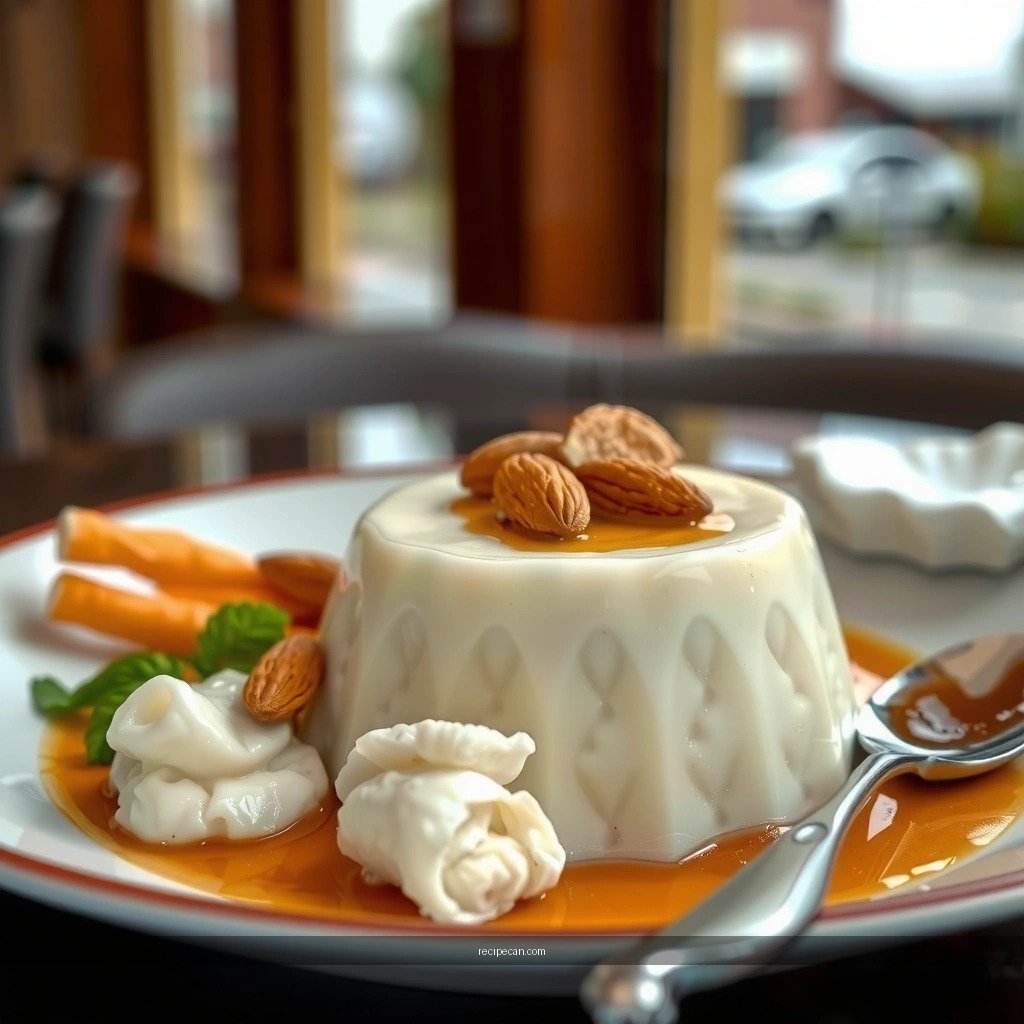
Almond milk rice pudding is flexible, but the “best” result comes from adding sweetness thoughtfully. If you add sweeteners too early, you may slow thickening and increase the risk of a flat, overly sweet finish.
– Add sugar, honey, or maple syrup to taste near the end of cooking
For balanced sweetness, start with 2–4 Tbsp honey or maple or 1/4 cup sugar, then adjust based on almond milk brand and how sweet you like desserts.
– Enhance with cinnamon, vanilla, or a pinch of salt
– Cinnamon: Start with 1 tsp; increase gradually.
– Vanilla: adds warmth and rounds almond notes.
– Salt: use a pinch—this is a “seasoning amplifier,” not a salty flavor.
– Top with sliced almonds if desired
Toasting sliced almonds briefly (2–3 minutes in a dry pan) increases aroma and adds a crunchy contrast to custard.
Practical flavor pairing ideas
– Cinnamon + orange zest for a brighter, bakery-style finish
– Vanilla + nutmeg for a holiday profile
– Cinnamon + almond topping for the most “classic” almond-forward dessert
Getting the Right Creamy Texture
Creaminess is a function of starch release, evaporation, and resting time. If you get any of these wrong—especially heat level—you’ll notice it quickly.
– Adjust consistency by adding more almond milk for looseness or simmering longer for thickness
If it looks too thick before the rice is fully tender, add 1/4 cup almond milk at a time. If it’s still too thin after the rice is cooked, keep simmering 3–5 minutes and stir steadily.
– Let it rest briefly so it thickens as it cools
Rice pudding thickens as it cools because starch continues to set. Let it rest 5–10 minutes before serving.
What “done” looks like
A reliable indicator: draw a line through the pudding with a spoon. If the trail slowly fills back in within a few seconds, you’re in the ideal range for custardy texture.
Storage and Reheating Tips
Proper storage preserves texture and flavor—rice pudding can stiffen in the fridge, but reheating can restore its creamy feel.
– Store leftovers in an airtight container in the fridge for a few days
Refrigerate promptly. Aim to consume within 3–4 days for best quality.
– Reheat gently with a splash of almond milk to restore creaminess
Warm on low heat, stirring often. Add 1–2 Tbsp almond milk per cup of pudding as needed.
Best reheating method
Microwaves can create uneven heating. If you use one, stir halfway through and heat in short intervals. On the stovetop, low heat keeps the pudding smooth instead of separated.
Easy Variations to Try
Once you nail the stovetop method, variations become quick customization projects—ideal for seasonal menus or repeat family meals.
– Make it dairy-free by keeping the recipe fully almond-milk based
This recipe is naturally dairy-free when you skip butter. For extra richness without dairy, consider using unsweetened “barista” almond milk or adding a small extra splash of almond milk at the end.
– Switch flavors with nutmeg, cardamom, or citrus zest for a new twist
– Nutmeg: use 1/4 tsp for a warm, slightly sweet spice.
– Cardamom: use 1/4–1/2 tsp for aromatic depth.
– Citrus zest: add orange or lemon zest in the last 2 minutes for a fresher aroma.
Optional service ideas:
– Layer chilled almond milk rice pudding in a jar with toasted almonds and fruit
– Serve warm with sliced bananas or berries for a balanced dessert plate
Enjoy your homemade rice pudding with almond milk—sweet, creamy, and easy to customize. Follow the steps closely for the best texture, then try one variation or topping and share your results!
Creamy almond milk rice pudding is both method-driven and highly customizable: simmering short- or medium-grain rice slowly, sweetening near the end, and resting briefly are the three levers that most consistently deliver a smooth custard texture. Use the timing cues and texture adjustments above to refine your batch, then store and reheat gently to keep it spoon-perfect for days.
Frequently Asked Questions
What is the best rice pudding recipe using almond milk?
Use arborio or short-grain rice for a creamy rice pudding because it releases starch well. Simmer the rice in almond milk with a pinch of salt, then add sugar (or honey) and vanilla once the rice is tender. For extra flavor, stir in cinnamon and a small amount of butter or coconut oil, if desired, so your almond milk rice pudding tastes rich and not watery.
How do you make rice pudding with almond milk without it turning grainy?
Rinse the rice briefly (or use arborio) and simmer it gently—avoid boiling hard, which can make texture inconsistent. Stir frequently during cooking so the rice releases starch evenly and the almond milk thickens properly. If it gets too thick before the rice is done, loosen it with a splash of almond milk or water and continue simmering until creamy.
Why does almond milk rice pudding sometimes taste less creamy than dairy versions?
Almond milk has a different fat and protein profile than dairy milk, so it may thicken more slowly and taste lighter. To improve creaminess, simmer uncovered slightly longer for reduction, then finish with a thickener option like egg yolk (tempered) or a small amount of cornstarch slurry. You can also choose “barista” or unsweetened almond milk for better body and adjust sweetness to taste.
Which type of rice works best for almond milk rice pudding?
Arborio and short-grain rice are best because their starch helps create that classic spoonable, creamy texture. Avoid long-grain rice, which tends to stay separate and results in a thinner pudding. If you prefer a thicker consistency, use slightly less liquid and keep the simmer gentle while stirring.
How long should you cook almond milk rice pudding, and can it be made ahead?
Typically, almond milk rice pudding takes about 35–50 minutes, depending on the rice and your heat level, until the grains are tender and the mixture is creamy. It thickens as it cools, so when reheating, add a splash of almond milk and stir until smooth. Yes, it’s great for meal prep—store in the fridge for 3–4 days and reheat gently on the stove or in short microwave bursts.
References
- Rice pudding
https://en.wikipedia.org/wiki/Rice_pudding - Almond milk
https://en.wikipedia.org/wiki/Almond_milk - https://www.britannica.com/topic/rice-pudding
https://www.britannica.com/topic/rice-pudding - https://pubmed.ncbi.nlm.nih.gov/?term=rice+pudding
https://pubmed.ncbi.nlm.nih.gov/?term=rice+pudding - https://pubmed.ncbi.nlm.nih.gov/?term=almond+milk
https://pubmed.ncbi.nlm.nih.gov/?term=almond+milk - rice pudding – Search Results – PMC
https://www.ncbi.nlm.nih.gov/pmc/?term=rice+pudding - Google Scholar Google Scholar
https://scholar.google.com/scholar?q=rice+pudding+almond+milk+recipe - Google Scholar Google Scholar
https://scholar.google.com/scholar?q=almond+milk+in+desserts+rice+pudding+thickening - Google Scholar Google Scholar
https://scholar.google.com/scholar?q=rice+pudding+plant-based+milk+substitution - Pudding
https://en.wikipedia.org/wiki/Pudding