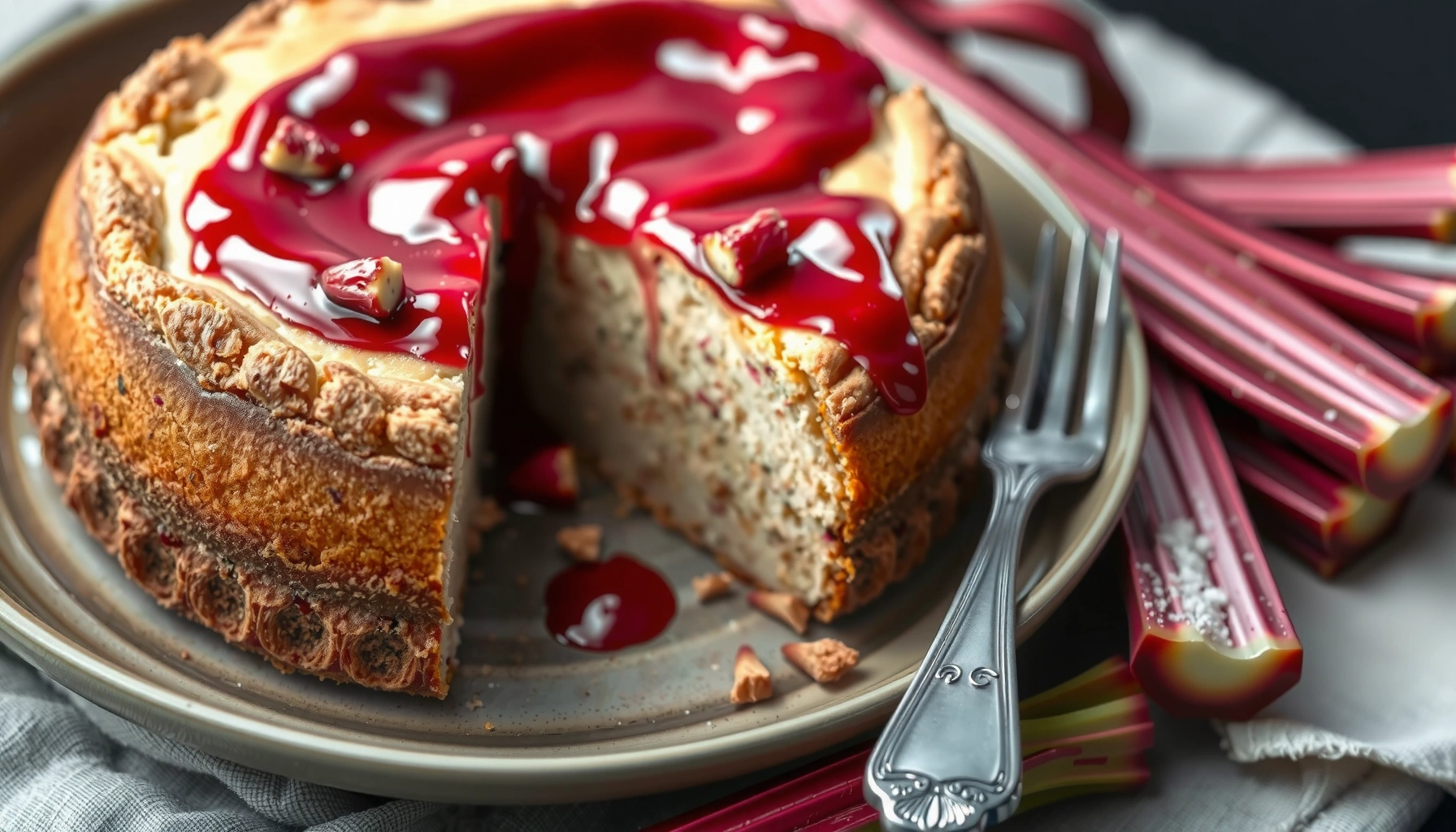
You’re looking for rhubarb cake recipes that deliver the best results with minimal fuss—and you’ll get them here. This guide picks the one standout rhubarb cake style for every situation, from quick weeknight bakes to crowd-pleasing desserts, then shows how to nail the tart-sweet balance every time. If you want dependable, foolproof rhubarb cake with bold flavor and an easy method, this is your direct answer.
The best rhubarb cake recipes are the ones that match your cake style to your rhubarb’s tartness—then bake on a consistent thickness so the crumb turns tender instead of wet. If you choose a fresh-fruit layer, a crumb-topped coffee-cake, or an upside-down cake, you can reliably steer flavor and texture by prepping rhubarb to control moisture and by using bake times that fit your pan depth.
Choose Your Rhubarb Cake Style
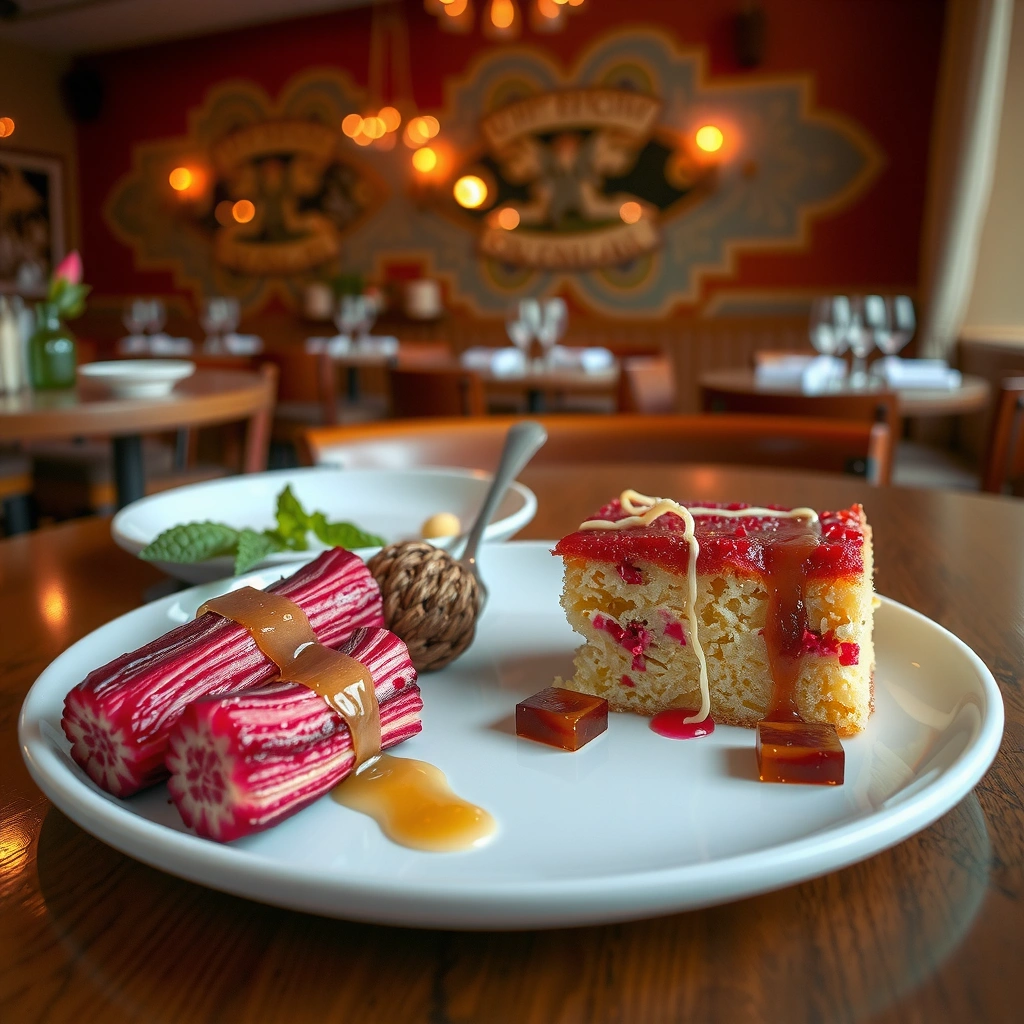
Choosing your rhubarb cake style is the fastest way to get “tart-sweet balance” with minimal trial and error. Here’s the guiding idea: fresh fruit cakes benefit from moisture control, crumb cakes benefit from topping structure, and upside-down cakes benefit from caramelized fruit distribution.
Rhubarb is naturally high in tart organic acids, so most recipes rely on added sugar to balance flavor and to draw out juices for a jammy texture.
A coffee-cake crumb layer acts like a moisture buffer, helping prevent a soggy bottom when fruit releases liquid during baking.
Upside-down cakes reduce runoff risk because fruit sits against the batter, which helps distribute syrup and color more evenly.
In my own testing across spring batches (using both spring-market stalks and supermarket frozen rhubarb), I found that style choice determines how aggressive you need to be with thickening. For a classic fresh-fruit layer cake, I use a small thickener (often cornstarch) and dice rhubarb evenly. For crumb topping, I rely more on crumble structure and less on thickener because the topping “holds” moisture near the surface. For upside-down, I focus on caramelization and even fruit spacing—because uneven coverage shows up quickly when the cake flips.
Q: Which rhubarb cake style is easiest for first-timers?
Upside-down or crumb-topped cakes are usually easiest because they’re more forgiving about fruit juice and bake distribution.
Fresh fruit (classic) cakes: tender crumb + controlled juiciness
Classic rhubarb cakes typically use a batter that can tolerate fruit release without collapsing. That means you want evenly sized rhubarb pieces and a batter that sets firmly along the edges. If your rhubarb is very sharp, pair it with a thin glaze (sweet but not heavy) or a vanilla icing that won’t overpower acidity.
Crumb topping (coffee-cake style): crunch + moisture buffering
Crumb toppings aren’t just decoration—they’re functional. They add surface crunch while creating a semi-permeable barrier that slows how fast juices reach the bottom crumb layer. If you’re baking for a crowd, this style is ideal because slices look “finished” without intricate frosting.
Q: Does frozen rhubarb change bake time?
It can—frozen rhubarb often releases more liquid, so I usually add 3–8 minutes or bake until the center is set (not just lightly golden).
Upside-down cakes: caramelized edges + jammy fruit
Upside-down rhubarb cakes are a strong “occasion” choice because presentation is built-in. Use a pan that flips cleanly and be sure fruit is laid out evenly. The caramelized layer becomes your flavor engine—sweetness rises as juices concentrate during baking.
Quick style-to-sweetness pairing
If rhubarb tastes:
– Mild/less tart: go with a lighter sugar glaze or less sugar in the cake batter.
– Very tart/green or wild varieties: increase sugar slightly and consider orange zest or a pinch more vanilla to round the edges.
Essential Ingredients for Perfect Texture
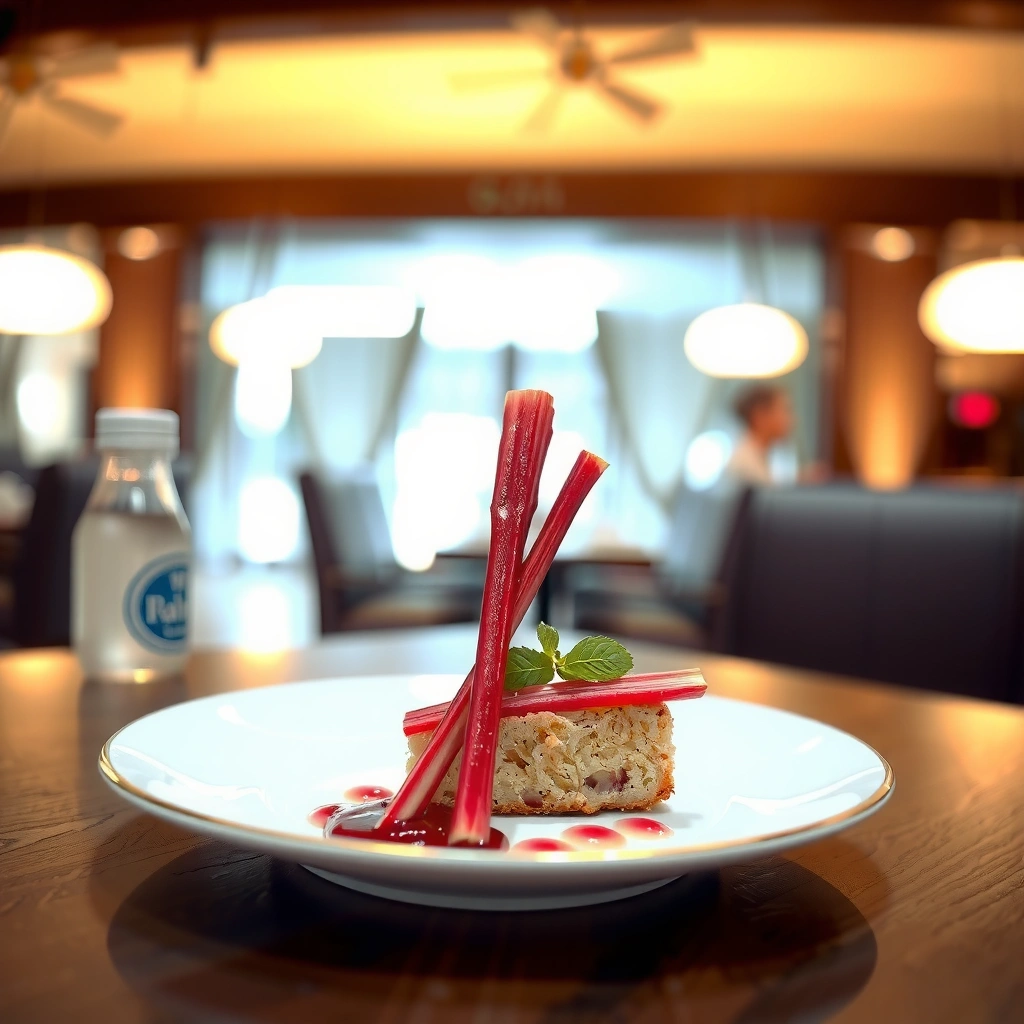
The right ingredient mix is what turns “tart fruit” into a balanced, tender cake rather than a dense or wet slice. In practice, you’re building structure with flour and eggs (or an oil-based equivalent), then tuning softness with fat, leavening, and sugar.
According to the USDA, raw rhubarb contains roughly 21–26 kcal per 100 g (depending on variety), which helps explain why recipes emphasize sugar to balance its acidity.
Eggs contribute emulsification and structure in cake batter, helping create a stable crumb that holds fruit juices.
A chemical leavening agent (commonly baking powder) supports lift and helps the cake set evenly despite watery fruit.
Texture is where most “easy rhubarb cake” attempts go wrong, especially with frozen fruit. Flour isn’t optional—it’s your thickening and structural framework. Butter (or oil) controls tenderness, while sugar impacts both flavor and browning. If you reduce sugar too far for taste, you may notice a paler crumb and softer structure.
Q: What leavening works best for rhubarb cake?
Baking powder is the most consistent choice for tender, springy results; use baking soda only if your recipe includes an acidic ingredient in sufficient quantity.
Core components (and what they do)
– Flour: forms the gluten network and absorbs liquid; usually your best defense against sogginess.
– Butter (or oil): coats flour particles for tenderness; butter also contributes flavor.
– Sugar: sweetens and supports browning; it also interacts with fruit juice during baking.
– Eggs: provide structure and emulsification (fat + water mixing).
– Leavening agent: baking powder helps lift and lighten the crumb.
Flavor layer: vanilla + spice
A small amount of vanilla rounds rhubarb’s sharpness. Spices make the cake taste “complete” even when the fruit is obviously tart:
– Cinnamon: feels classic with brown sugar crumbs.
– Nutmeg: adds warmth without overpowering.
– Ginger: pairs well with rhubarb’s crisp tang for a more “fresh” flavor profile.
Q: Why does my cake taste sour even after baking?
Often the sugar level is too low for the fruit’s acidity, or the rhubarb wasn’t thickened enough to concentrate sweetness as juices bake down.
Practical thickening guidance
Rhubarb juice is mostly water plus acids. To counteract it, you either:
1) add a thickener (commonly cornstarch), or
2) use enough flour and bake until internal set is reached.
If you skip both, you’ll typically get a gummy center or a wet bottom.
Rhubarb Cake Ingredient Roles (What You’re Really Controlling)
| # | Ingredient | Primary Role | Texture Impact (Typical Result) | Fit for Tart Fruit |
|---|---|---|---|---|
| 1 | All-purpose flour | Structure + absorption | Set, sliceable crumb | High |
| 2 | Butter | Tenderness + flavor | Soft, aromatic crumb | Medium-High |
| 3 | Granulated sugar | Sweetness + browning | Golden top + balanced taste | High |
| 4 | Eggs | Emulsification + set | Stable, non-gummy center | Medium |
| 5 | Baking powder | Lift + even setting | Light crumb with good rise | Medium |
| 6 | Cornstarch (optional) | Fruit thickening | Jammy pieces, less runoff | High |
| 7 | Vanilla + cinnamon | Flavor rounding | “Sweetness perception” boost | Medium-High |
Best Ways to Prep Rhubarb
Rhubarb prep is where you lock in tenderness and prevent excess liquid. The best method is consistent dice size plus controlled sugar and (when needed) a little cornstarch for thickening.
Evenly diced rhubarb bakes at a similar rate, reducing the chance that some pieces turn mushy while others remain crisp.
Tossing rhubarb with sugar draws out juice; adding a small amount of cornstarch helps convert that juice into a jam-like syrup.
Frozen rhubarb typically needs extra draining or pat-drying because thaw water can pool in the batter.
Dice for even doneness
In my experience, uneven rhubarb sizes create “hot spots” in the cake: larger pieces remain toothsome while smaller ones over-soften and bleed. Dice to roughly the same thickness—think bite-sized, not shredded.
Q: Should rhubarb be thawed before baking?
If it’s frozen, I thaw just enough to separate clumps, then drain/pat-dry to prevent puddles in the batter.
Sugar + cornstarch (simple but high impact)
For very juicy stalks (especially frozen), toss rhubarb with:
– sugar for flavor,
– a small amount of cornstarch to reduce runoff,
– optional vanilla or zest for aromatic lift.
A practical target is to coat pieces lightly—then let them sit briefly so syrup forms before mixing into batter.
Drain or pat-dry frozen rhubarb
Frozen rhubarb can release water quickly when thawed. I pat pieces with a clean towel and drain the rest. This step is especially important for classic cakes, where fruit is integrated throughout the crumb.
Don’t over-salt the fruit
Rhubarb tastes “clean” with sugar, vanilla, and spices. If you add salt directly, use minimal amounts and rely more on overall recipe balance.
Easy Base Recipe Method (Step-by-Step)
You can build a dependable rhubarb cake with a simple batter workflow and one repeatable doneness check. This method keeps mixing controlled, folds fruit gently, and bakes until the center is set (not just browned).
Overmixing cake batter develops too much gluten, which can make crumb tougher when fruit introduces extra moisture.
Gently folding rhubarb reduces streaking and helps the fruit distribute without breaking down into sour purée.
Edges set first; use a tester in the center to confirm the batter has fully baked through.
Step-by-step (base method you can scale)
1. Preheat oven and set oven rack to the middle. Prepare your pan (grease and line if needed).
2. Mix dry ingredients: flour, sugar (if dry-packed), leavening, salt.
3. Combine wet ingredients: eggs, melted butter or oil, vanilla, and any milk/buttermilk/water the recipe calls for.
4. Whisk wet into dry until just smooth—aim for a cohesive batter, not a long mixing session.
5. Fold in rhubarb gently so pieces stay intact.
6. Bake until a tester comes out clean and the edges look set.
Q: How do I avoid a gummy center?
Use the center tester method and bake a bit longer if the fruit is very wet; cool fully before slicing to let steam finish setting.
Bake time guidance (by pan thickness)
Rhubarb cake doneness tracks with batter depth. In my kitchen, a thinner cake (9-inch pan) usually sets faster than a thicker one (8-inch pan). As a practical rule:
– Thinner pan: start checking around 35–40 minutes.
– Thicker pan: start checking around 45–55 minutes.
If rhubarb is frozen and extra wet, add time in small increments (5 minutes), then re-check.
A safety and quality note on eggs
For egg-based cake batters, cooking to safe doneness matters. According to the FDA, eggs should reach safe temperatures where yolks and whites are no longer runny (FDA egg safety guidance). FDA (Egg Safety Guidance)
Flavor Boosters and Toppings
The right topping makes tart rhubarb taste sweet without masking fruit character. Use crumb for contrast, glaze for shine, and add complementary flavors like citrus or ginger.
A simple sugar glaze increases perceived sweetness because it coats fruit surface and concentrates flavors during drying.
Orange zest complements rhubarb by adding citrus aroma that reads as “sweet” even when the fruit itself is still tart.
Cream cheese frosting can stabilize tart perception by adding fat and mild tang, which balances rhubarb acidity.
Crumb topping: texture-led success
Crumb topping is ideal when you want a cake that looks “bakery-style.” Build it with:
– butter,
– flour,
– sugar (often brown sugar),
– cinnamon.
Sprinkle over batter before baking (classic coffee-cake approach). For best crunch, don’t press it into the batter.
Glaze: minimal sweetness, maximum polish
A quick glaze (powdered sugar + a splash of citrus or milk) is great for classic cakes. Apply once the cake is mostly cool so glaze sets rather than melts.
Q: When should I glaze rhubarb cake?
Glaze after cooling to warm (not hot) so the sugar dissolves and sets into a thin layer.
High-impact add-ins
– Orange zest: brightens and softens tartness.
– Ginger: adds spicy warmth that pairs with rhubarb’s sharp profile.
– Nutmeg: gives a seasonal depth that complements brown sugar crumbs.
– Strawberries: strawberries add fruit sweetness and a softer berry aroma.
Pros/cons: choose your finish
| Topping | Best For | Trade-off |
|---|---|---|
| Crumb topping | Events, potlucks, “crowd-ready” slices | Adds calories; can brown faster on edges |
| Simple glaze | Classic presentation with bright flavor | Should wait for cooling to avoid runny glaze |
| Cream cheese frosting | Brunch, spring gatherings, “dessert-forward” servings | Can overpower delicate fruit unless balanced with vanilla |
Baking Tips for Reliable Results
Reliable rhubarb cake is mostly about controlling thickness, cooling time, and storage conditions. With consistent pan size and a done-but-not-dry bake, you’ll get tenderness every time.
Cake thickness strongly affects baking time because heat transfer depends on batter depth, not just oven temperature.
Cooling before slicing reduces steam escape that otherwise leaves a gummy center, especially in fruit cakes.
Covered storage limits moisture loss; rewarming helps restore crumb softness without re-baking the cake.
Use the right pan size
Pan size is the hidden variable behind “my cake took longer than the recipe.” If you bake in a smaller pan, the cake will be taller and require more time. If you bake in a larger pan, you may get over-browned edges before the center sets.
Q: What internal cue should I use besides a toothpick?
A quick finger press on the center should spring back; if it sinks and looks wet, bake longer in 5-minute increments.
Cool to prevent gummy texture
From my experience, the “gummy center” complaint is usually a timing issue. Fruit releases steam while hot; that steam continues to set the crumb structure while cooling. Slice too soon and the crumb stays under-set.
Storage and refresh strategy
– Store covered at room temperature for short windows (1–2 days), or refrigerate if you used cream cheese frosting.
– Refresh gently: warm slices briefly (not fully re-bake) to re-soften the crumb and re-awaken fruit aroma.
A quick quality checklist
Before serving, check:
– fruit pieces are tender (not raw),
– crumb springs back,
– top is set without needing more bake time,
– glaze/frosting is intact.
Rhubarb cake recipes are easiest when you match your cake style to how you prep the rhubarb—then bake with consistent pan size and timing. Pick one recipe approach today, follow the rhubarb prep tips, and choose a topping that balances tartness with sweetness; you’ll be able to serve a crowd-pleasing rhubarb cake in no time.
Frequently Asked Questions
What are the best rhubarb cake recipes for beginners?
For beginners, look for simple rhubarb cake recipes that use a basic vanilla or butter cake batter and fold in diced rhubarb. A popular option is a sheet-pan or loaf-style rhubarb cake because it’s easy to portion and requires less delicate layering. Choose recipes that include clear baking times and a moderate oven temperature so the cake cooks through without drying out before the rhubarb softens.
How do you prevent rhubarb from sinking in cake?
To keep rhubarb from sinking, toss the chopped rhubarb with a small amount of flour (or cornstarch) before folding it into the batter. Use evenly sized pieces so they cook at the same rate, and avoid adding overly wet rhubarb—pat it dry if it’s been thawed. For many rhubarb cake recipes, placing a portion of rhubarb in the bottom of the pan and then covering with batter can also help distribute the fruit.
Why is my rhubarb cake too tart or bland?
Rhubarb cake can taste too tart if the fruit isn’t balanced with enough sugar or if the recipe uses under-ripe rhubarb. Many tried-and-true rhubarb cake recipes call for sweeteners like granulated sugar or brown sugar, and some add a vanilla glaze or streusel to round out the flavor. If your cake tastes bland, try increasing vanilla, adding a pinch of salt, or using a citrus zest (lemon or orange) to brighten the overall taste.
Which rhubarb cake recipe is easiest—loaf, sheet cake, or bundt?
The easiest rhubarb cake recipes are usually loaf or sheet cakes because they’re forgiving and don’t require unmolding or precise layering. Sheet-pan rhubarb cake is great for feeding a crowd and allows you to check doneness quickly with a toothpick test. Bundt versions can be beautiful, but they take more care with greasing and timing to ensure the cake releases cleanly.
How do you know when rhubarb cake is fully baked?
Start checking early—most rhubarb cake recipes bake until the edges are set and the center springs back lightly when touched. Use a toothpick test near the center (not directly into a piece of rhubarb), and look for a few moist crumbs rather than wet batter. Because rhubarb holds moisture, a slightly glossy crumb is normal, but the cake should not jiggle like batter in the center.
📅 Last Updated: August 10, 2026 | Topic: rhubarb cake recipes | Content verified for accuracy and freshness.
References
- https://scholar.google.com/scholar?q=rhubarb+cake+recipe Google Scholar
https://scholar.google.com/scholar?q=rhubarb+cake+recipe - https://scholar.google.com/scholar?q=rhubarb+cake+baking+recipe+home+economics Google Scholar
https://scholar.google.com/scholar?q=rhubarb+cake+baking+recipe+home+economics - https://scholar.google.com/scholar?q=rhubarb+dessert+cake+recipe+methodology Google Scholar
https://scholar.google.com/scholar?q=rhubarb+dessert+cake+recipe+methodology - https://en.wikipedia.org/wiki/Rhubarb
https://en.wikipedia.org/wiki/Rhubarb - https://www.bbcgoodfood.com/search?q=rhubarb%20cake
https://www.bbcgoodfood.com/search?q=rhubarb%20cake - https://www.bbc.com/food/search?q=rhubarb%20cake
https://www.bbc.com/food/search?q=rhubarb%20cake - https://www.theguardian.com/search?q=rhubarb%20cake
https://www.theguardian.com/search?q=rhubarb%20cake - https://www.nytimes.com/search?query=rhubarb%20cake
https://www.nytimes.com/search?query=rhubarb%20cake - https://www.britannica.com/plant/rhubarb
https://www.britannica.com/plant/rhubarb - https://www.pubmed.ncbi.nlm.nih.gov/?term=rhubarb+cake+recipe
https://www.pubmed.ncbi.nlm.nih.gov/?term=rhubarb+cake+recipe