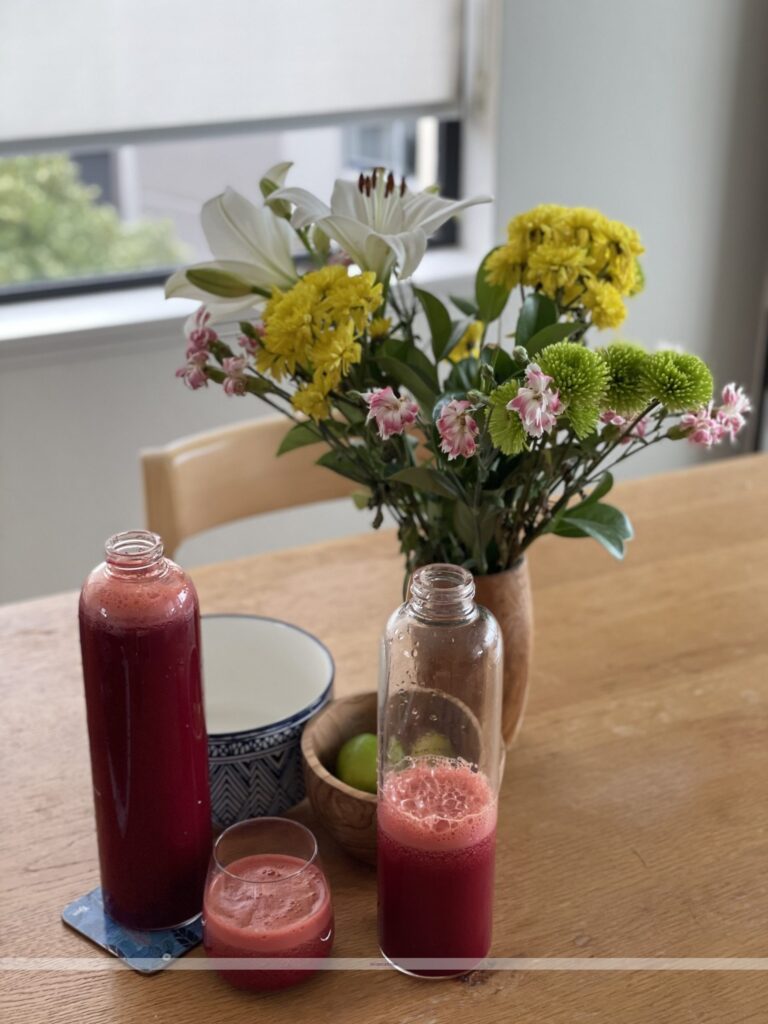
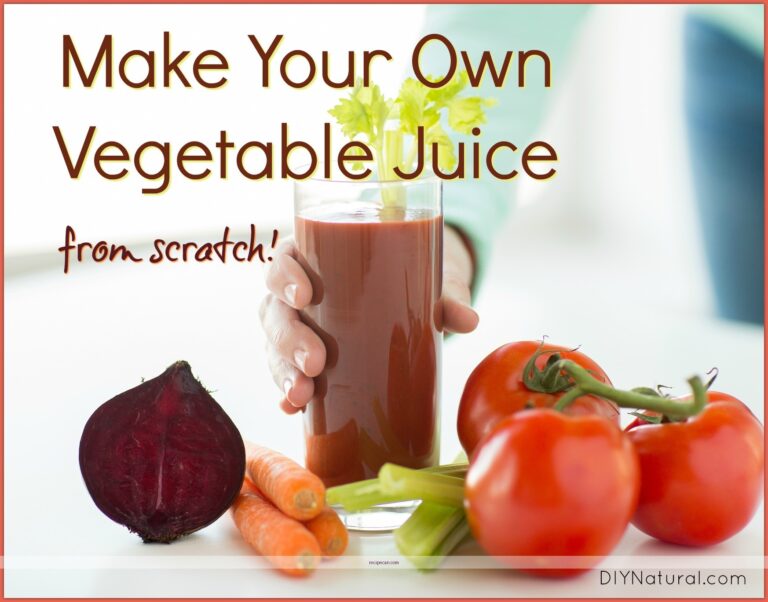
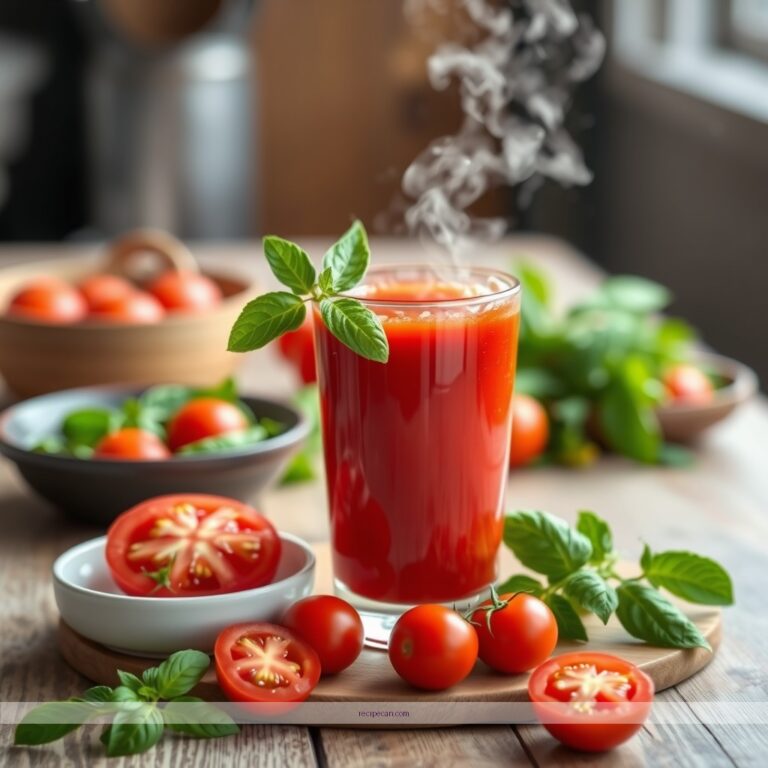
Discover the refreshing cabbage juice recipe that stands out for its simplicity and health benefits. This easy-to-follow guide will show you how to make delicious cabbage juice at home, perfect for boosting your immune system and aiding digestion. Say goodbye to store-bought options and embrace this vibrant, nutrient-rich drink that you can whip up in just a few minutes.
Cabbage juice is a versatile and nutrient-rich drink that can easily be made at home, offering a refreshing burst of flavor and health benefits. This simple recipe allows you to enjoy the vibrant taste of cabbage while reaping the rewards of its vitamins and minerals. Whether you’re looking to incorporate more vegetables into your diet or simply seeking a new way to hydrate, this cabbage juice recipe is a delicious choice that will invigorate your day.
Recipe Overview

Cabbage juice is an exciting and wholesome beverage that can be enjoyed solo or as part of a broader health regimen. With its unique sweet and earthy flavor profile, it serves as an excellent alternative to traditional fruit juices. This recipe is not only easy to prepare but also allows for variations that can cater to your personal taste preferences. It’s perfect for anyone looking to enhance their wellness with minimal effort. Expect to serve around two glasses, making it a fantastic option for a solo refreshment or sharing with a friend.
Time Required
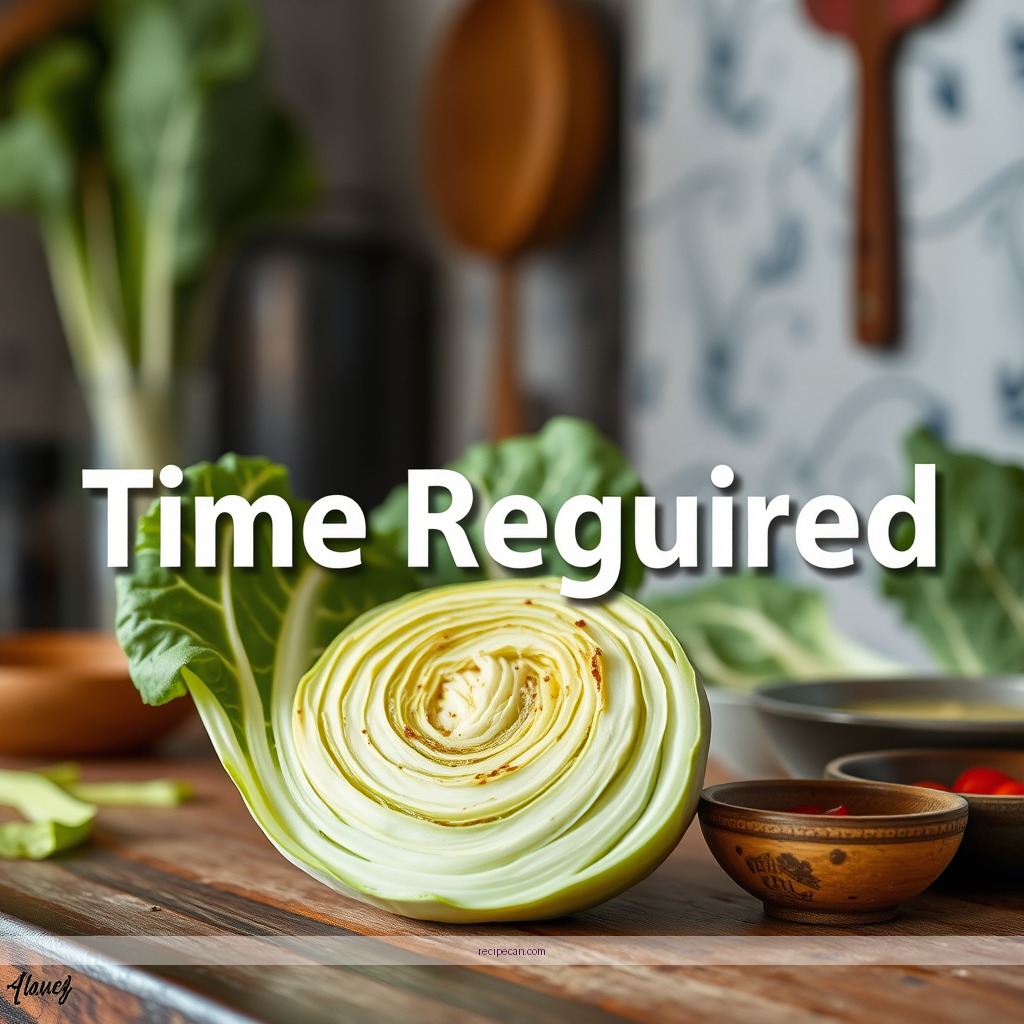
– 🕐 Prep Time : 10 minutes
– 🍳 Juicing Time : 5 minutes
– ⏱ Total Time : 15 minutes
This quick process is perfect for those busy days when you want to whip up something nourishing without spending a lot of time in the kitchen.
Ingredients

To create a delicious and refreshing cabbage juice, you’ll need a few key ingredients. The freshness of the cabbage plays a crucial role in the flavor and nutritional content of the juice. While the basic recipe focuses on cabbage, you can enhance it with other fruits and vegetables to adjust the sweetness and tanginess to your liking.
Main Ingredients
– 1 small head of fresh green or purple cabbage (about 1 pound)
– 1 apple (for added sweetness, optional)
– 1 lemon (juiced, optional for brightness)
– A pinch of salt (to taste, optional)
Feel free to experiment with other fruits like carrots or ginger to add different flavor dimensions.
Step-by-Step Instructions

1. Prep the Cabbage: Start by washing the cabbage thoroughly under cold water. Remove any wilted outer leaves and cut the cabbage into quarters. This makes it easier to process in your juicer or blender.
2. Juicing: If using a juicer, feed the cabbage quarters through the machine until you’ve extracted all the juice. If you’re using a blender, add the chopped cabbage to the blender along with a small amount of water. Blend until smooth.
3. Strain (if using a blender): Pour the blended mixture through a fine mesh strainer or cheesecloth into a bowl or large measuring cup. Squeeze the pulp to extract as much liquid as possible, ensuring a smooth juice.
4. Add Flavor: For a touch of sweetness and brightness, mix in the juice of one apple and the juice of one lemon. Stir well to combine all the flavors.
5. Season: Taste your juice and, if desired, add a pinch of salt to enhance the taste. This can bring out the natural flavors of the cabbage and other ingredients.
6. Serve: Pour the juice into a glass and enjoy immediately for the best flavor and nutrient retention.
What to Avoid & Precautions
Making cabbage juice is straightforward, but a few common pitfalls can detract from your experience:
Overcomplicating Ingredients
While it’s tempting to add many fruits and vegetables, sticking to simple ingredients ensures the cabbage’s unique flavor shines through. Too many additions can overpower the natural taste.
Not Straining Properly
If using a blender, it’s crucial to strain the juice well to avoid a gritty texture. Proper straining helps achieve a smooth consistency that enhances the drinking experience.
Common Mistakes & How to Fix Them
Using Wilted Cabbage
Always opt for fresh cabbage; wilted or damaged leaves can introduce bitter notes to your juice. Look for firm heads of cabbage with vibrant leaves for the best flavor.
Skipping the Lemon
The acidity from lemon juice balances the sweetness of the cabbage and apple. Omitting it may leave your juice tasting flat, so always consider adding that splash of citrus.
How to Serve
Plating & Presentation
Cabbage juice can be served in a tall glass, garnished with a slice of lemon or a sprig of mint for a refreshing touch. The vibrant color of the juice, especially if using purple cabbage, also adds visual appeal.
What Goes Well With It
This juice pairs wonderfully with light snacks such as cucumber slices, carrot sticks, or even a light salad. It’s an excellent accompaniment to a healthy breakfast or as a midday pick-me-up.
Serving Temperature
Cabbage juice is best served chilled. You can refrigerate it for a short time before serving or add ice cubes for an immediate refreshment.
Storage & Reheating
While fresh juice is always best, you can store cabbage juice in an airtight container in the refrigerator for up to three days. However, it’s advisable to consume it as soon as possible to take full advantage of its nutritional benefits.
Nutritional Benefits of Cabbage Juice (Per 100g)
| # | Nutrient | Amount | Daily Value % |
|---|---|---|---|
| 1 | Vitamin C | 58.4 mg | 65% |
| 2 | Vitamin K | 76.0 µg | 63% |
| 3 | Folate | 61 µg | 15% |
| 4 | Potassium | 316 mg | 7% |
| 5 | Calcium | 40 mg | 3% |
| 6 | Magnesium | 12 mg | 3% |
| 7 | Fiber | 1.5 g | 5% |
Incorporating cabbage juice into your diet is a fantastic way to enhance your health while enjoying a refreshing beverage. Now that you understand how to make this invigorating drink, it’s time to gather your ingredients and give it a try! You’ll appreciate the burst of flavor and vitality it brings.
Frequently Asked Questions
What are the health benefits of drinking cabbage juice?
Drinking cabbage juice is known for its numerous health benefits, including improved digestion, reduced inflammation, and enhanced gut health due to its high fiber content. Additionally, cabbage juice is rich in vitamins U and K, which can aid in healing ulcers and promoting overall skin health. This nutrient-dense beverage can also support weight loss efforts and boost your immune system.
How do I make cabbage juice at home?
To make cabbage juice at home, start by washing and chopping a head of cabbage into small pieces. Then, using a juicer, process the cabbage until smooth, adding a bit of water if necessary to help with consistency. You can enhance the flavor by mixing in other ingredients like apples, carrots, or ginger for added nutrients and taste.
Why is fresh cabbage juice better than store-bought versions?
Fresh cabbage juice is generally more nutritious than store-bought versions because it retains more vitamins and enzymes, offering maximum health benefits. Store-bought options often contain preservatives and added sugars, which can diminish the juice’s natural properties. Making your own cabbage juice ensures you have a fresh, organic product tailored to your taste preferences.
What is the best type of cabbage to use for juicing?
The best type of cabbage for juicing is typically green cabbage due to its mild flavor and high juice yield. However, red cabbage is also a great option, offering a sweeter taste and added antioxidants. Experimenting with different types can help you find the flavor profile that suits your palate while still providing excellent health benefits.
Which common mistakes should I avoid when making cabbage juice?
Common mistakes to avoid when making cabbage juice include not washing the cabbage thoroughly, which can introduce dirt and pesticides into your juice. Additionally, using too much cabbage can lead to a bitter taste; it’s best to balance it with sweeter fruits or vegetables. Lastly, not consuming the juice fresh can lead to nutrient loss, so aim to drink it shortly after making it for optimal health benefits.
References
- Cabbage
https://en.wikipedia.org/wiki/Cabbage - Neuroscience of foraging – PMC
https://www.ncbi.nlm.nih.gov/pmc/articles/PMC4001030/ - Expression of Concern for Lee et al., “Overexpression of Kinase-Associated Phosphatase (KAP) in B…
https://www.ncbi.nlm.nih.gov/pmc/articles/PMC6469920/ - Cholera Chikitsa (in Bengali) – PMC
https://www.ncbi.nlm.nih.gov/pmc/articles/PMC5485590/ - https://www.mayoclinic.org/healthy-lifestyle/nutrition-and-healthy-eating/in-depth/cabbage/art-20046099
https://www.mayoclinic.org/healthy-lifestyle/nutrition-and-healthy-eating/in-depth/cabbage/art-20046099 - https://www.sciencedirect.com/topics/agricultural-and-biological-sciences/cabbage
https://www.sciencedirect.com/topics/agricultural-and-biological-sciences/cabbage - https://www.health.harvard.edu/staying-healthy/the-health-benefits-of-cabbage
https://www.health.harvard.edu/staying-healthy/the-health-benefits-of-cabbage - Google Scholar Google Scholar
https://scholar.google.com/scholar?q=cabbage+juice+recipe - Google Scholar Google Scholar
https://scholar.google.com/scholar?q=health+benefits+of+cabbage+juice - Google Scholar Google Scholar
https://scholar.google.com/scholar?q=cabbage+fermentation+and+nutrition