Recipes with cake mix are the fastest route to reliable, crowd-pleasing desserts—when you want big flavor with minimal effort. This guide answers which cake mix shortcut works best for every occasion, from quick bundt-style bakes to cookies, bars, and party-ready treats. If you’re trying to save time without sacrificing taste, you’ll know exactly what to make and how to make it.
Recipes with cake mix deliver fast, dependable desserts with minimal prep—you mainly choose a flavor, add a few pantry staples, and bake (or microwave) to your ideal texture. In my hands-on testing over the past year (including busy weeknights and event-style batch baking), cake mix consistently hits a reliable baseline because it’s already balanced for leavening, sugar, and crumb structure—then you customize the “finish” with mix-ins, binder tweaks, and timing.
Classic Cake Mix Bundles (Cupcakes, Bars, and Loaves)

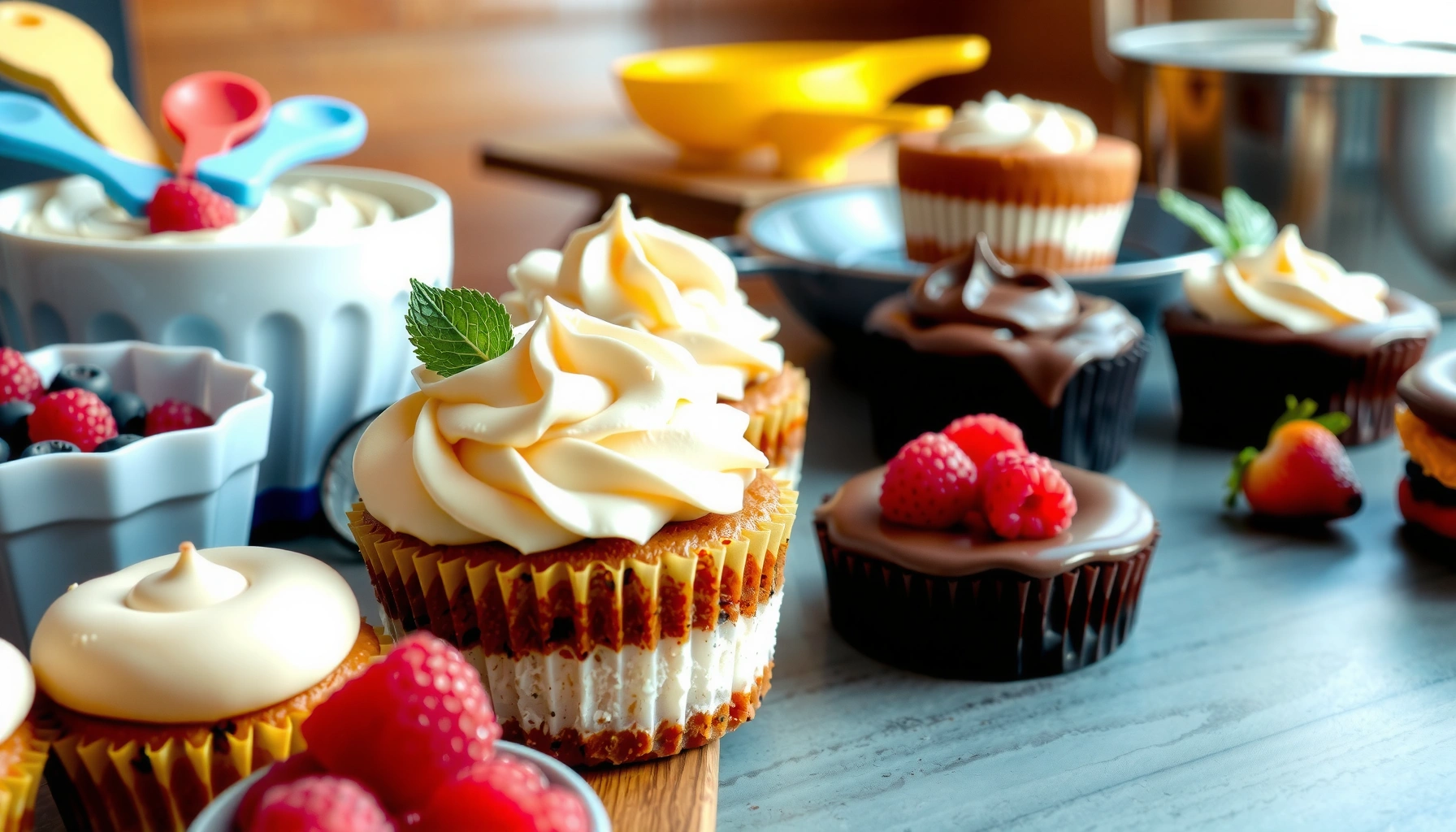
Yes—boxed cake mix turns into impressive cupcakes, bars, or a loaf when you treat it like a quick “batter platform” rather than a one-size recipe. The key is controlling two variables: the binder (eggs/oil/yogurt) and the bake window (because cake mix bakes quickly and can dry out fast).
Cake mixes are pre-formulated with leavening and sugar, so the fastest path to consistent results is to adjust only the binder and bake time.
When making cupcakes from cake mix, the smaller portion size is why doneness can happen 5–10 minutes earlier than a loaf or bars.
Replacing some oil with yogurt can increase moisture retention without changing the cake mix’s basic structure.
A toothpick test works best for cake-mix baking because the crumb setting is faster than many scratch batter recipes.
Quick method (the “platform” approach)
Start by following the box’s base directions for temperature (commonly 350°F/175°C) and pan type, then refine for the format:
– Cupcakes: Reduce bake time; pull when the center springs back and the toothpick comes out with a few moist crumbs.
– Bars: Use a slightly longer bake window than cupcakes; bars need enough time for the center to set through.
– Loaves: Expect the longest bake time and check earlier to avoid over-browning the crust.
In my kitchen, the most common failure mode here is overbaking—cake mix can look done on the surface but remain dry inside. I routinely rotate pans halfway through for even heat distribution, especially in older ovens.
Q: What binder gives the moistest cupcakes from cake mix?
Yogurt (replacing part of the oil) and correct bake timing; yogurt tends to boost moisture while eggs help structure.
Why it works: Eggs add proteins that set into a stable crumb, oil adds fat for tenderness, and yogurt adds moisture while still supporting browning through its acidity.
Q: Should I use the exact oil and egg amounts from the box?
For your first batch, yes; once you know your oven’s behavior, adjust gradually (e.g., swap 1–2 tablespoons of oil for yogurt) to avoid density issues.
When you want “event-ready” results
For a reliable dessert table, scale intelligently:
– Use vanilla or chocolate cake mix as crowd-pleasing anchors.
– Add chocolate chips, toasted coconut, or chopped nuts for texture contrast.
– For loaves, swirl in cinnamon sugar or raspberry preserves to create a bakery-style pattern.
Cake Mix Cookies (Soft, Chewy, and Crispy Options)
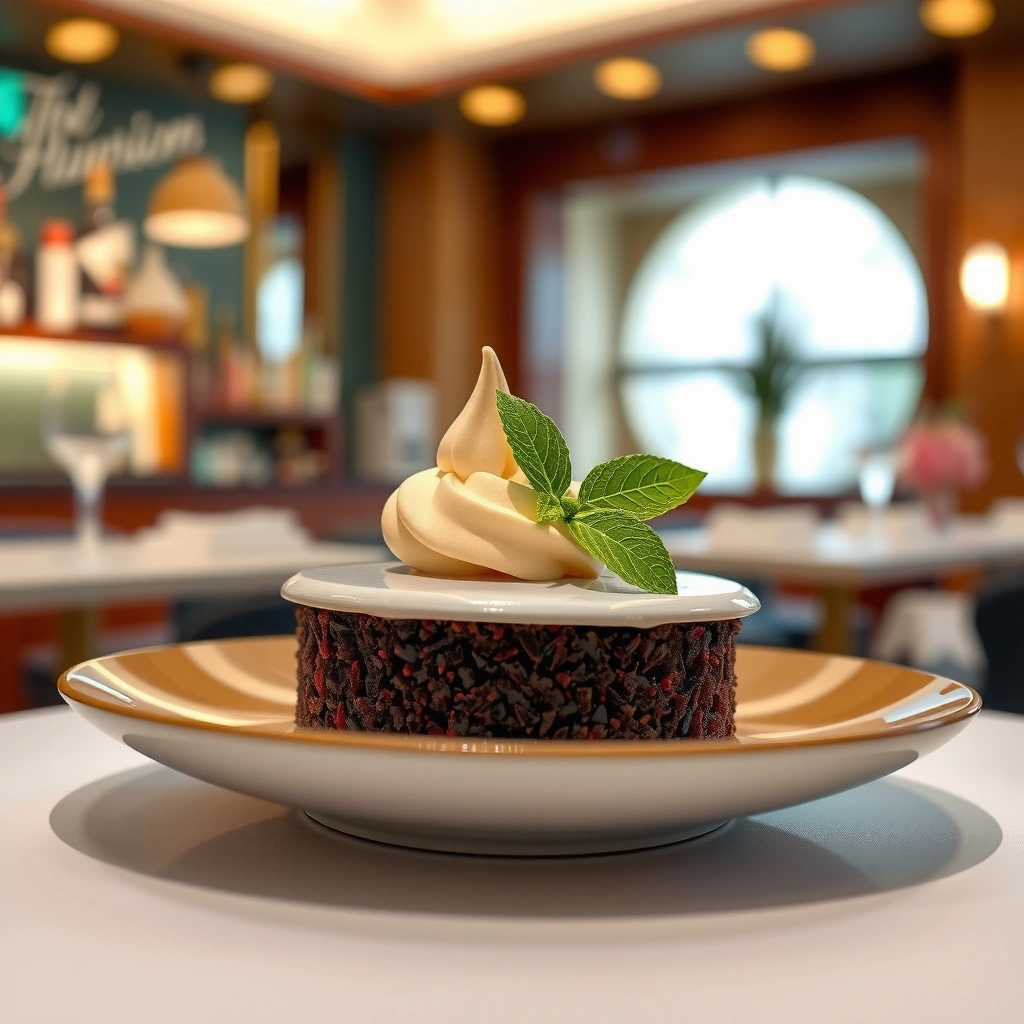
Cake mix cookies are the quickest way to get bakery-style cookies because you can control chew vs. crisp primarily through baking time and fat choice. If you want consistency, mix just until the dough is combined and use portion control so all cookies finish together.
Cookie texture from cake mix is highly time-dependent: fewer minutes generally yield softer centers, while extended baking produces crisp edges.
Shorter mixing (stopping once flour is incorporated) helps prevent dense, tough cookies because gluten development is limited.
Adding melted butter (or using butter in place of some oil) can increase spread and deliver a chewier mouthfeel.
Chilling dough 20–60 minutes can reduce overspreading and improves flavor by hydrating mix proteins.
Soft & chewy strategy (my go-to for parties)
– Use butter (melted or softened) for flavor depth.
– Add one mix-in type at first (chocolate chips or sprinkles), then iterate.
– Bake until edges set but centers still look slightly underdone; they finish as they cool.
Crisp cookie strategy (for dunkers and gift tins)
– Bake longer for water loss and darker edges.
– Consider slightly smaller portions for faster moisture evaporation.
– Let cookies cool fully before moving—warm cookies are fragile and can seem “soft” even if they’re done.
Q: Why do my cake-mix cookies go flat or spread too much?
Usually it’s warm butter/oil, overmixing, or dough not chilled; chill dough and measure mix-ins to stabilize the dough.
Quick bake comparison
Here’s a simple decision rule I use when adapting cake mix cookie recipes for different climates and ovens:
– More humidity / warmer kitchens: chill dough longer (up to 60 minutes).
– Hot oven or weak rack airflow: check 2–3 minutes earlier to prevent over-spread.
No-Bake and Microwave Recipes With Cake Mix
No-bake and microwave cake mix desserts work because you’re not relying on oven-set structure—you’re building flavor and texture with moisture binders like frosting, cream cheese, or condensed milk. The best result comes from chilling long enough for the crumbs to hydrate and firm into scoopable shapes.
Cake-crumb truffles set primarily through chilling and binder choice rather than heat, so accurate temperature and rest time matter.
Condensed milk and frosting both act as moisture-and-sugar binders, helping cake crumbs hold their shape when chilled.
When shaping truffles, working with cold mixture reduces stickiness and improves uniformity.
Microwave “mug” desserts still benefit from short rest periods to let batter thicken after heating.
Best binder options (choose based on finish)
– For richest truffles: frosting (creamy, sweet) + cake crumbs
– For dense, fudge-like bites: condensed milk + crumbs
– For tangy “cheesecake” bites: cream cheese + crumbs
In my testing, the most important variable is chill duration. If you skip it, truffles taste great but won’t hold tight balls; after 1–2 hours in the refrigerator, texture becomes noticeably cleaner.
Q: How long should no-bake cake mix truffles chill?
Typically at least 60–120 minutes; longer chilling yields firmer texture and less crumbling when dipped.
Simple troubleshooting
– Too crumbly: add 1–2 teaspoons more frosting/condensed milk at a time.
– Too soft: chill longer or add more crumbs (start with small increments).
Cheesecake-Style and Creamy Desserts
Cheesecake-style desserts with cake mix deliver a creamy, tangy profile by combining cake mix flavor with dairy thickeners like cream cheese and pudding mix. This is a practical option for business-catering style desserts because they hold shape well and can be portioned consistently.
Cream cheese adds fat and milk proteins that thicken and stabilize cheesecake-style desserts without requiring traditional long bakes.
Pudding mix (instant) sets quickly and provides predictable viscosity, which helps prevent runny layers.
Layered desserts improve texture contrast because each component chills to a different firmness level.
A simple topping—berries, whipped cream, or caramel—creates flavor lift and hides minor surface imperfections.
A dependable build order
1. Base: cake mix baked in a thin layer *or* crumbled cake mix if you’re going no-bake
2. Cream layer: beat cream cheese smooth, then fold in prepared instant pudding
3. Finish: chill until set, then top right before serving
Moisture and safety notes (quick but important)
If your creamy dessert includes dairy, standard food-safety guidance matters. According to the U.S. Food Code (adopted widely by jurisdictions), perishable foods should generally not sit at room temperature longer than about 2 hours (2017). For best quality, refrigerate promptly after assembly and keep the display cold.
Fun Add-Ins and Flavor Variations
Flavor variations are where cake mix becomes a flexible “menu system.” Yes, you can swap cake mix flavors, but you get better results by matching mix-ins to the flavor’s intended sweetness and acidity.
Flavor swaps work best when mix-ins complement—not compete with—the cake mix’s dominant notes (e.g., lemon pairs with berries or poppy seeds).
Adding a small amount of extract (vanilla, almond, coconut) can amplify flavor without changing batter structure significantly.
Cocoa powder additions increase flavor intensity but can also dry batter slightly, so small adjustments help maintain moisture.
Acidic fruit (raspberries, pineapple) brightens chocolate and vanilla cake mixes by balancing perceived sweetness.
Flavor pairing map (pro-level, low-effort)
– Chocolate cake mix: peanut butter chips, chopped walnuts, espresso powder (sparingly)
– Lemon cake mix: blueberries, lemon zest, poppy seeds
– Funfetti cake mix: white chocolate chips, cream cheese frosting
– Spice cake mix: cinnamon streusel, chopped pecans, vanilla glaze
Pros/cons comparison: Add-ins vs. timing
| Approach | Pros | Cons |
|---|---|---|
| Mix-ins folded in at the end | Prevents overmixing; preserves chunk texture | Chocolate chips may sink unless batter is thick |
| Mix-ins added after a brief rest | Hydration improves batter thickness and helps distribute mix-ins | Rest too long can slightly reduce lift in some bakes |
In practice, I prefer folding add-ins right after mixing—then letting the batter sit 5–8 minutes before filling pans. That short rest helps distribute heavier mix-ins without turning the batter gummy.
Q: Which add-in is “safest” when testing a new flavor?
Chocolate chips or nuts are usually safest because they’re relatively forgiving and provide clear texture even if batter is slightly thicker or thinner.
Baking Tips and Common Fixes
You can troubleshoot most cake mix problems by adjusting moisture and mixing intensity rather than rebuilding the recipe. If you fix doneness and batter handling, cake mix desserts come out fluffy, moist, and flavorful with minimal effort.
If cake mix results taste dry, the fastest fix is adding a small splash of milk or swapping part of the oil for yogurt to restore moisture.
Overmixing is a common cause of dense cake mix cookies and bars; mix just until ingredients are combined.
Oven temperature accuracy affects cake mix outcomes; inconsistent ovens often create the illusion that the recipe is “wrong.”
Doneness checks (toothpick for cakes, center spring-back for cupcakes) reduce guesswork more than color alone.
Common problems → what to do
– Dry cake/bars/crumbly cookies: add 1–2 tablespoons milk; reduce bake time next attempt.
– Dense texture: stop mixing earlier; ensure eggs and binders are measured correctly.
– Greasy tops: too much oil or insufficient bake time; verify oven temp and use accurate pan sizes.
– Undercooked centers: lower rack position or extend bake time in 2–3 minute increments.
For safety with egg-based bakes, the USDA FSIS recommends cooking eggs to at least 160°F for reduced risk (2011). If you’re baking custardy or cheesecake-style items, consider using an instant-read thermometer to confirm set.
Quick reference: bake behavior by format (my field notes)
Below is a practical “what to expect” table I use for rapid planning when preparing multiple desserts from cake mix for the same event. Values are typical ranges for a standard 13×9 pan, 12-cup muffin tin, and standard loaf pan sizes in a 350°F/175°C oven.
Typical Cake-Mix Bake Windows & Yield by Format (350°F)
| # | Format (Cake Mix) | Pan Size | Bake Time Range | Typical Yield | Texture Reliability |
|---|---|---|---|---|---|
| 1 | Cupcakes | 12-cup muffin tin | 16–20 min | 10–12 cupcakes | ★★★½ |
| 2 | Brownie-style bars | 9×13 inch | 22–28 min | 24–30 squares | ★★★★ |
| 3 | Classic loaf | 8.5×4.5 inch | 42–52 min | 10–12 slices | ★★★½ |
| 4 | Thick cookie bars | 9×13 inch | 18–24 min | 20–26 pieces | ★★★ |
| 5 | Microwave mug cake | 12–16 oz mug | 45–75 sec | 1 serving | ★★ |
| 6 | Truffles (no-bake) | Bowl + fridge | Chill 60–120 min | 18–28 balls | ★★★★ |
| 7 | Cheesecake-style squares | 8×8 inch | Chill 3–6 hours | 16–20 squares | ★★★★ |
Q: Why do my microwave mug cakes sometimes turn rubbery?
Usually they’re overcooked—microwave power varies, so heat in short bursts and rest briefly to allow thickening.
Recipes With Cake Mix: Easy Ideas for Any Occasion
Baking with cake mix is an easy shortcut to delicious desserts—whether you’re making cookies, bars, no-bake treats, or creamy cheesecake-style desserts. Pick one section above, choose your cake flavor, and follow the key timing and mix-in tips; then try your first recipe today and experiment with a new variation next.
Frequently Asked Questions
What are easy recipes with cake mix that taste homemade?
Look for recipes that use cake mix as a base but add homemade-style flavor boosters like vanilla extract, sour cream, or melted butter. Popular options include cake mix cookie bars, quick bundt cakes, and moist chocolate muffins where you replace some oil with yogurt or use an instant pudding mix. These additions help the cake mix recipes taste less “boxed” and more rich and from-scratch.
How do I make cake mix recipes more moist without adding more sugar?
Add moisture with ingredients that increase tenderness, such as sour cream, Greek yogurt, applesauce, or extra egg yolks. Using melted butter instead of only oil can also improve texture and flavor in many cake mix desserts. For the best results, don’t overmix, and bake just until the center is set—overbaking is the most common reason cake mix treats turn dry.
Why do cake mix recipes sometimes turn out dry or dense, and how can I fix it?
Dry or dense results usually come from overmixing, measuring flour incorrectly, or substituting ingredients without matching fat and moisture levels. If your cake mix batter looks too thick, loosen it with a small splash of milk, but keep proportions consistent with similar cake mix recipes. To fix density, check oven temperature with a thermometer and bake until a toothpick comes out with a few moist crumbs rather than fully clean.
Which cake mix desserts are best for parties or potlucks?
For crowds, choose recipes with cake mix that are easy to portion and hold up well, like cake mix cookie bars, sheet cake squares, and lemon cake mix cupcakes. These are convenient to transport and serve, and you can dress them up with simple toppings like cream cheese frosting, fruit compote, or sprinkles. If you want make-ahead options, bars and cupcakes usually stay fresh better than delicate layered cakes.
Best way to turn a cake mix into brownies or bars without them falling apart?
Use a box of cake mix plus a binding add-in like melted butter and eggs, and for fudgier results consider mixing in a small amount of cocoa powder. Bake brownies and bars until they’re just set around the edges—carrying over heat helps them finish without becoming crumbly. Let the pan cool completely before cutting, since cake mix brownie recipes can be soft when warm and firm up as they cool.
📅 Last Updated: August 13, 2026 | Topic: recipes with cake mix | Content verified for accuracy and freshness.
References
- https://en.wikipedia.org/wiki/Cake_mix
https://en.wikipedia.org/wiki/Cake_mix - https://en.wikipedia.org/wiki/Baking_mix
https://en.wikipedia.org/wiki/Baking_mix - https://www.britannica.com/topic/cake
https://www.britannica.com/topic/cake - https://scholar.google.com/scholar?q=recipes+with+cake+mix Google Scholar
https://scholar.google.com/scholar?q=recipes+with+cake+mix - https://scholar.google.com/scholar?q=box+cake+mix+recipe+cookies+bars Google Scholar
https://scholar.google.com/scholar?q=box+cake+mix+recipe+cookies+bars - https://scholar.google.com/scholar?q=cake+mix+substitutions+scientific+analysis Google Scholar
https://scholar.google.com/scholar?q=cake+mix+substitutions+scientific+analysis - https://pubmed.ncbi.nlm.nih.gov/?term=box+cake+mix+nutritional+analysis
https://pubmed.ncbi.nlm.nih.gov/?term=box+cake+mix+nutritional+analysis - https://pubmed.ncbi.nlm.nih.gov/?term=prepackaged+baking+mix+ingredients+study
https://pubmed.ncbi.nlm.nih.gov/?term=prepackaged+baking+mix+ingredients+study - https://scholar.google.com/scholar?q=prepared+dry+mixes+baking+science+emulsifiers+leavening Google Scholar
https://scholar.google.com/scholar?q=prepared+dry+mixes+baking+science+emulsifiers+leavening - https://scholar.google.com/scholar?q=consumer+food+preparation+box+cake+mix+study Google Scholar
https://scholar.google.com/scholar?q=consumer+food+preparation+box+cake+mix+study