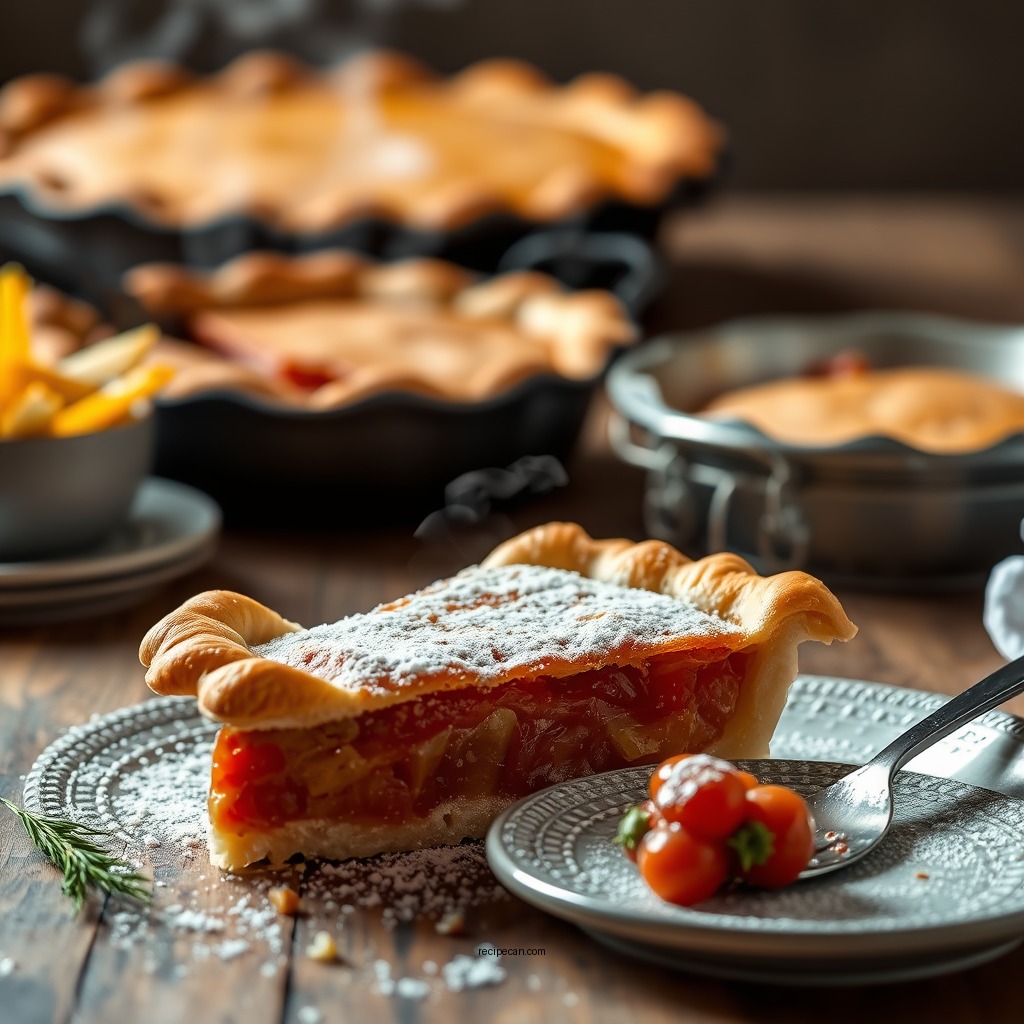
Make the most of your pie crust with these delicious recipes! Whether you have leftover crust or want to create something special, this article will guide you through various ways to use pie crust in savory and sweet dishes. From classic pies to creative twists, you’ll discover the versatility of pie crust in your cooking.
Classic Fruit Pie Recipes
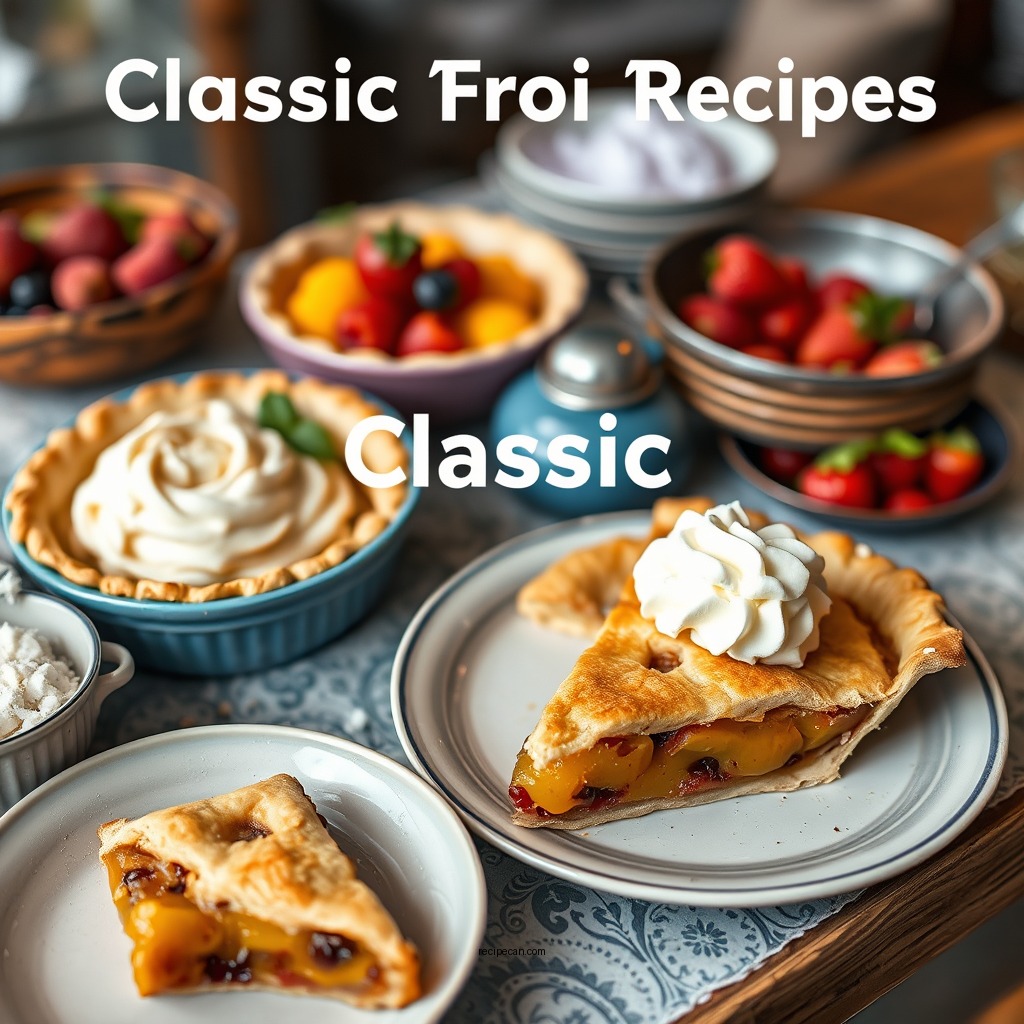
Classic fruit pies are a staple in many kitchens, particularly during the harvest season when fruits like apples, cherries, and peaches are at their peak. Using a homemade or store-bought pie crust, you can create a dish that is both comforting and delicious.
To highlight the fruits’ natural flavors, a simple sugar and spice mixture can be employed. For example, if you are using fresh apples, toss them with a blend of sugar, cinnamon, and nutmeg before filling the pie crust. This not only enhances the taste but also brings out the warmth of the spices, making your pie a delightful treat. Seasonal fruits such as berries can also shine in a pie, offering a fresh and vibrant flavor profile. A berry pie can be made by mixing raspberries, blueberries, and blackberries with a bit of cornstarch to thicken the juices, resulting in a juicy, flavorful filling that pairs beautifully with the flaky crust.
Savory Quiches and Tarts
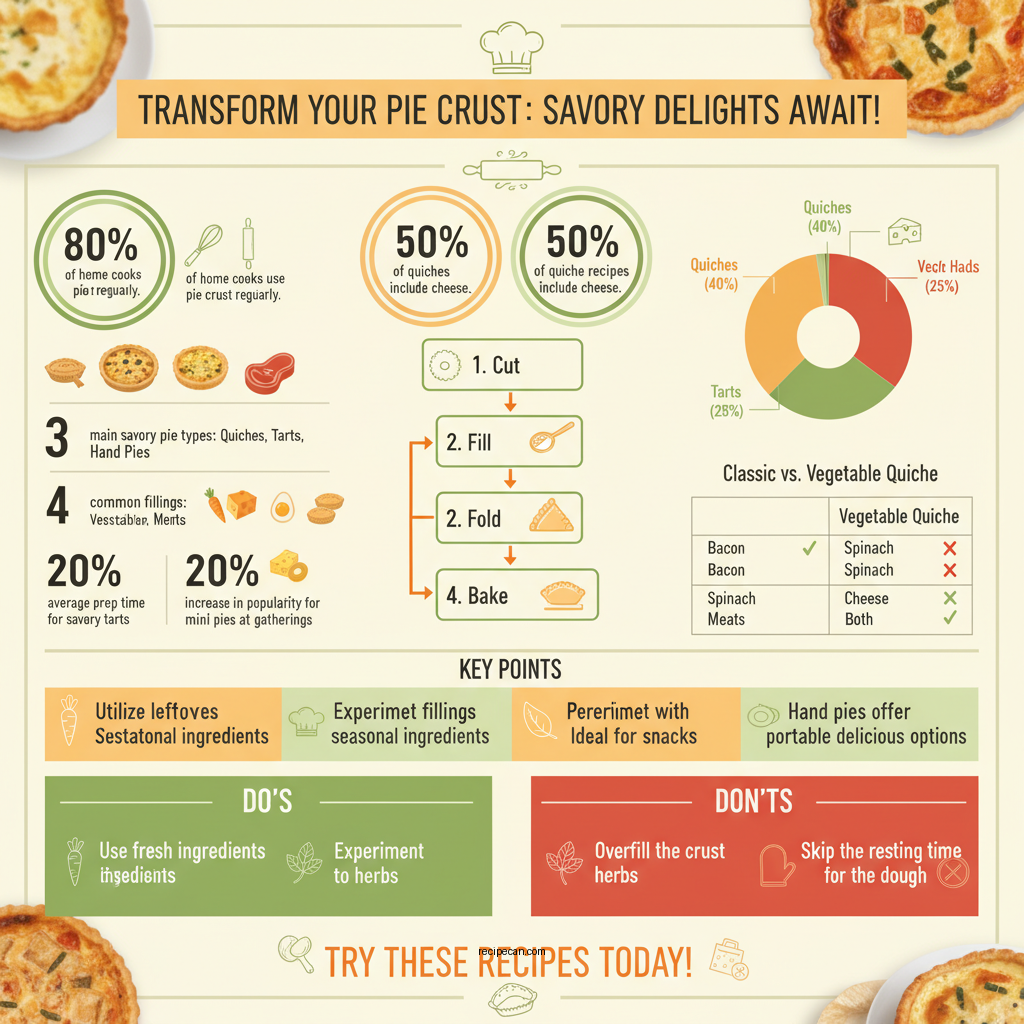
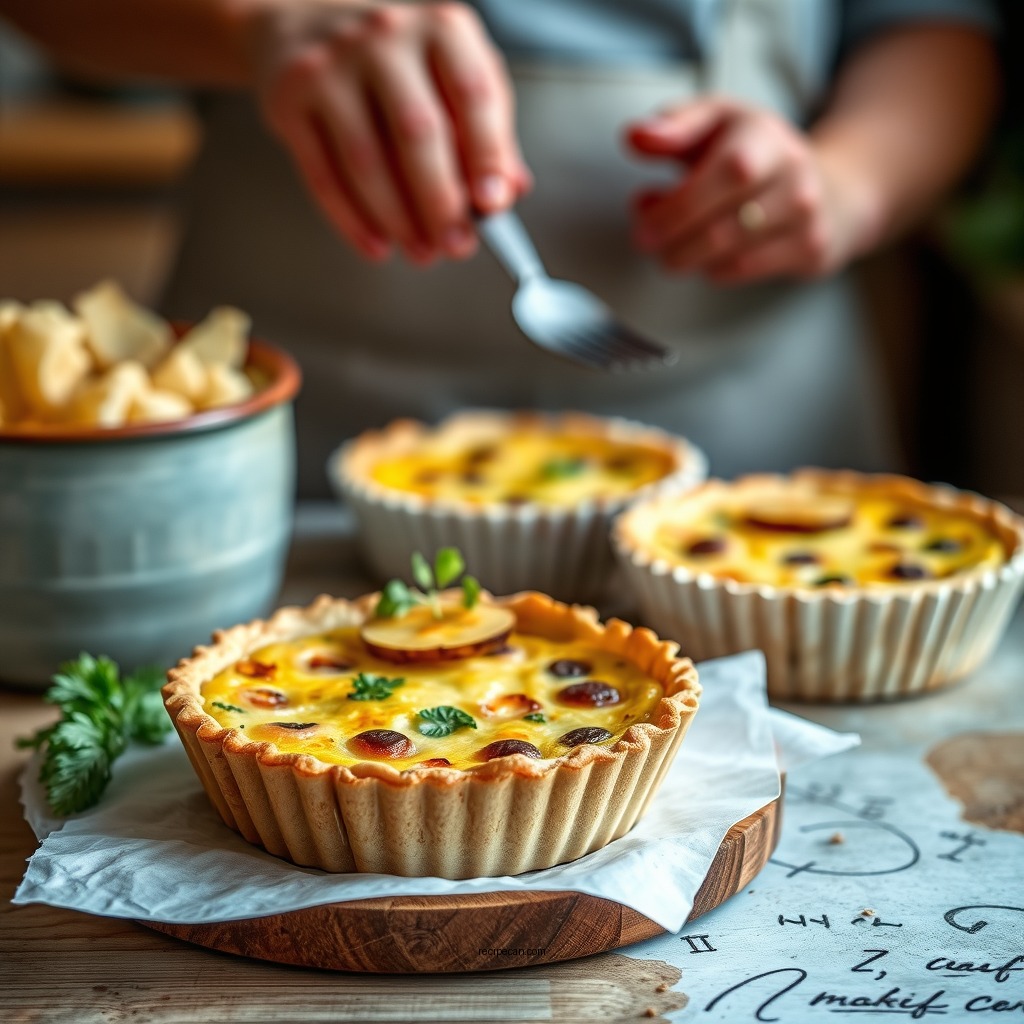
Quiches and savory tarts are excellent ways to utilize pie crust, allowing for endless customization. A quiche can be filled with a variety of ingredients, such as sautéed vegetables, cheese, and meats like bacon or ham. The richness of eggs combined with these ingredients creates a satisfying dish perfect for brunch or a light dinner.
For example, a classic Lorraine quiche features a creamy custard filling of eggs, cream, and Gruyère cheese, often enhanced with crispy bacon. Alternatively, a vegetable quiche can be made by adding seasonal vegetables like spinach, zucchini, or asparagus, along with herbs like dill or thyme for added flavor. By experimenting with different cheeses and herbs, you can create a unique savory tart that caters to your taste preferences.
Mini Pies and Hand Pies
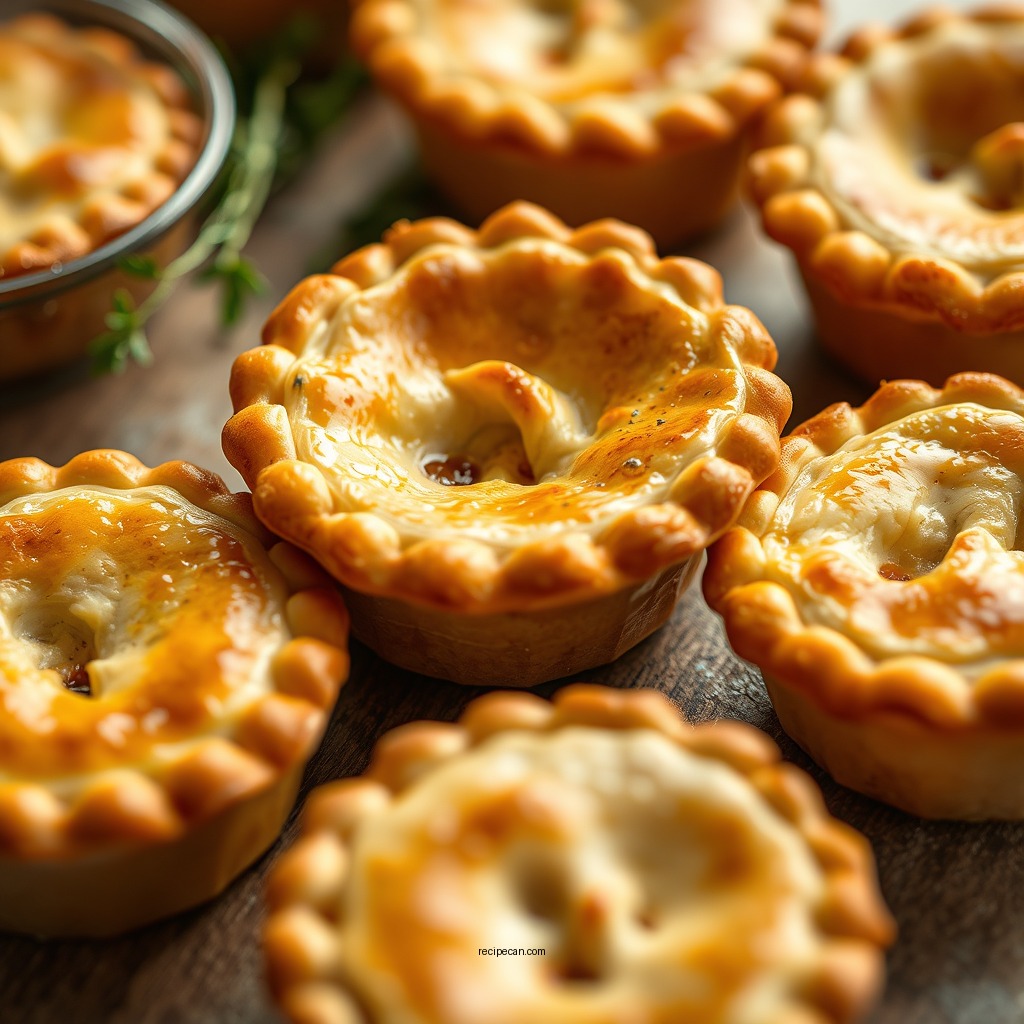
Mini pies and hand pies are delightful individual servings that make for perfect snacks or party treats. These small pastries can be filled with a variety of sweet or savory fillings, allowing for creativity and personalization.
To make hand pies, cut your pie crust into circles and fill them with ingredients of your choice. For instance, you can create a savory hand pie filled with seasoned ground beef, vegetables, and cheese. Alternatively, a sweet version might feature a filling of spiced apples or berries mixed with a touch of sugar. Once filled, fold the dough over and crimp the edges to seal in the goodness. These handheld delights are not only easy to prepare but also a hit among guests, making them perfect for gatherings.
Top Mini Pie and Hand Pie Flavors
| # | Flavor | Popularity (%) | Ideal Use |
|---|---|---|---|
| 1 | Apple | 35% | Desserts |
| 2 | Cherry | 25% | Desserts |
| 3 | Mixed Berry | 20% | Snacks |
| 4 | Pumpkin | 10% | Seasonal |
| 5 | Beef & Veggie | 5% | Lunch |
| 6 | Pork & Apple | 3% | Lunch |
Pie Crust Cookies and Treats
Don’t let scraps of pie crust go to waste; transform them into delightful cookies! This is a fantastic way to utilize any leftover dough while creating a crispy and sweet treat that kids and adults alike will enjoy.
Simply roll out the scraps, cut them into fun shapes using cookie cutters, and sprinkle with cinnamon and sugar before baking. The result is a batch of crispy, sweet cookies that are perfect for snacking or serving at a gathering. You might even consider drizzling melted chocolate over the cooled cookies for an extra indulgence. These pie crust cookies are versatile and can be tailored with various spices or toppings, making them an exciting addition to your baking repertoire.
Creative Pizza Options
Using pie crust as a base for personal pizzas is an innovative twist on traditional pizza night. The flaky texture of pie crust provides a unique and satisfying alternative to standard pizza dough, allowing you to create delightful individual pizzas.
Start by rolling out the pie crust and placing it on a baking sheet. Spread your favorite sauce—be it tomato, pesto, or even a creamy white sauce—over the crust. Then, top with an array of ingredients such as cheese, vegetables, and meats. Bake the pizza until the crust is golden brown and the cheese is bubbling. This method is not only quick and easy but also allows for customization, making it a fun meal for families or gatherings.
Creative Pizza Topping Preferences
No-Bake Pie Crust Ideas
No-bake pie crusts offer a quick and easy way to make desserts, especially during the warmer months. These recipes often involve filling a pre-baked pie crust with delicious no-bake fillings such as mousse, cream cheese, or fresh fruit.
One popular no-bake dessert is a chocolate mousse pie. Simply prepare a chocolate mousse filling by whipping cream and folding it into melted chocolate, then pour it into a pre-baked pie crust. Refrigerate until set, and you have a rich, creamy dessert that is sure to impress. Alternatively, a fresh fruit tart can be created by filling the crust with a layer of cream cheese mixed with sugar and vanilla, then topping it with an array of colorful fruits. This refreshing dessert is not only visually appealing but is also a healthier option for summer gatherings.
Tips for Perfect Pie Crust Usage
To maximize the potential of your pie crust, proper handling and preparation are essential. Start by chilling your dough before rolling it out; this helps prevent the crust from becoming tough. When rolling out the dough, use a flour-dusted surface and a rolling pin to achieve an even thickness. This technique minimizes the risk of tearing the crust.
If you plan to blind bake your crust for recipes like quiches or tarts, ensure you dock the bottom with a fork to allow steam to escape. Additionally, using pie weights or dried beans can help keep the crust flat while it bakes, resulting in a beautifully crisp texture. Follow these tips, and your pie crust will elevate your culinary creations.
Summarizing the diverse uses of pie crust, you can experiment with both sweet and savory recipes that will impress your family and friends. Don’t let leftover pie crust go to waste; try these ideas today and unleash your creativity in the kitchen!
Frequently Asked Questions
What are some easy recipes that use pie crust?
Some easy recipes that use pie crust include classic apple pie, quiche, and savory pot pie. For a quick dessert, you can make mini fruit tarts by filling pre-baked pie crusts with custard and fresh fruits. Each recipe takes advantage of the versatile pie crust to create delicious meals and treats.
How can I avoid a soggy bottom on my pie crust?
To prevent a soggy bottom on your pie crust, consider blind baking it before adding the filling. This involves pre-baking the crust with weights for a few minutes until it’s lightly golden. Additionally, using a thicker filling or adding a layer of breadcrumbs or ground nuts can help absorb moisture.
Why is my homemade pie crust tough instead of flaky?
A tough pie crust is often the result of overworking the dough or using too much water. To achieve a flaky texture, mix the ingredients just until combined and keep the dough cold. Remember to handle it gently and avoid excessive kneading to maintain the desired flakiness.
What is the best way to store leftover pie crust?
The best way to store leftover pie crust is to wrap it tightly in plastic wrap and refrigerate it for up to three days. For longer storage, you can freeze the crust by placing it in an airtight container or freezer bag, where it can last for up to three months. Be sure to thaw it in the refrigerator before using.
Which type of pie crust is best for sweet vs. savory pies?
For sweet pies, a buttery pie crust made with granulated sugar works wonderfully, as it complements fruits and desserts. In contrast, a savory pie benefits from a flaky crust made with less sugar, allowing the filling’s flavors to shine. The right type of pie crust enhances the overall taste and texture of your dish.
References
- Pastry
https://en.wikipedia.org/wiki/Pastry - https://www.nytimes.com/2020/11/04/dining/pie-crust-recipe.html
https://www.nytimes.com/2020/11/04/dining/pie-crust-recipe.html - https://www.sciencedirect.com/topics/food-science/pie-crust
https://www.sciencedirect.com/topics/food-science/pie-crust - https://www.mayoclinic.org/healthy-lifestyle/nutrition-and-healthy-eating/in-depth/pie-crust-nutrition/art-20427556
https://www.mayoclinic.org/healthy-lifestyle/nutrition-and-healthy-eating/in-depth/pie-crust-nutrition/art-20427556 - Google Scholar Google Scholar
https://scholar.google.com/scholar?q=recipe+with+pie+crust - Google Scholar Google Scholar
https://scholar.google.com/scholar?q=pasty+preparation+techniques - Google Scholar Google Scholar
https://scholar.google.com/scholar?q=pie+crust+types+and+recipes - Pastry | Definition, Ingredients, & Uses | Britannica
https://www.britannica.com/topic/pastry - recipe with pie crust – Search results
https://en.wikipedia.org/wiki/Special:Search?search=recipe+with+pie+crust - https://www.ncbi.nlm.nih.gov/search/research-articles/?term=recipe+with+pie+crust
https://www.ncbi.nlm.nih.gov/search/research-articles/?term=recipe+with+pie+crust
