Recipes for Oster ice cream maker finally make homemade gelato feel effortless—this guide delivers the easiest churn-ready flavors that come out creamy, not icy. If you want quick recipes that match what the Oster ice cream maker does best, you’ll get straightforward vanilla, chocolate, and fruit options with the right mix ratios and freezing times. It answers one question: which flavors will produce the most consistent results with your Oster machine, without guesswork.
Make smooth, creamy homemade ice cream with your Oster ice cream maker by using a dependable base recipe, chilling thoroughly, and churning until thick. Below, you’ll find reliable vanilla, chocolate, and strawberry formulas, plus gelato-style options, mix-in timing, and troubleshooting—so every batch comes out properly set instead of icy or soupy.
Classic Vanilla Ice Cream
– Use a custard or no-cook base for rich, creamy texture
– Chill the mixture thoroughly before churning for best results
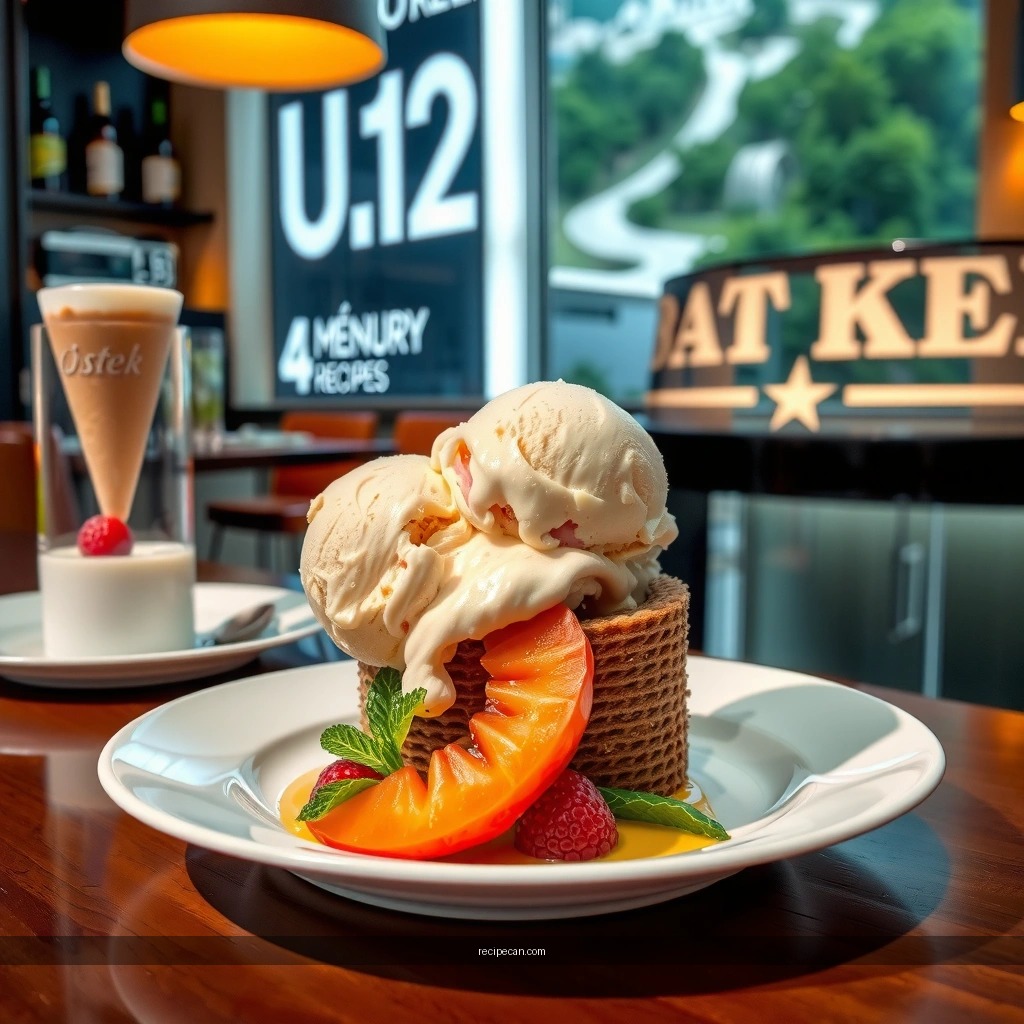
Vanilla is the foundation flavor for nearly every Oster ice cream maker recipe because it exposes texture problems quickly. If your base tastes flat but still churns smoothly, you can adjust sweetness and vanilla intensity. If it tastes good but turns icy, the issue is usually temperature management (not the flavor).
Option A: Custard-style vanilla (richest and most “ice cream”)
This approach uses egg yolks to create a stable custard. In professional terms, yolks contribute emulsifiers and solids that help lock in a creamy mouthfeel.
How to execute (high level):
1. Warm cream, milk, sugar, and vanilla until steaming (not boiling).
2. Whisk yolks separately, then temper with a small amount of hot dairy.
3. Return to the pot and cook gently while stirring until it thickens enough to coat a spoon (about 170–175°F / 77–80°C on a thermometer).
4. Strain, chill completely (at least 4 hours, ideally overnight), then churn.
Why chilling matters: warm custard will overflow foam and can overwork the motor’s refrigeration cycle. Cold base improves freeze rate consistency, which reduces ice crystal formation.
Option B: No-cook vanilla (fastest and still smooth)
A no-cook base works especially well if your Oster model has strong, consistent freezing performance.
How to execute (high level):
– Dissolve sugar fully in cold or gently warmed dairy (just enough to melt sugar).
– Add vanilla, then churn after the base is fully chilled.
Pro tip for stability: a small amount of cornstarch-thickened dairy (lightly heated and then chilled) can mimic custard stability without eggs. This is helpful for households avoiding yolks.
Timing guidance for vanilla
– Mix prep: 10–20 minutes
– Chill: 4–24 hours
– Churn: follow your Oster ice cream maker’s instructions, but the texture target is consistent—when it looks like soft-serve and holds a ridge, it’s ready.
After churning, transfer to a freezer-safe container and freeze 2–4 hours for a firmer scoop.
Chocolate Ice Cream Recipes
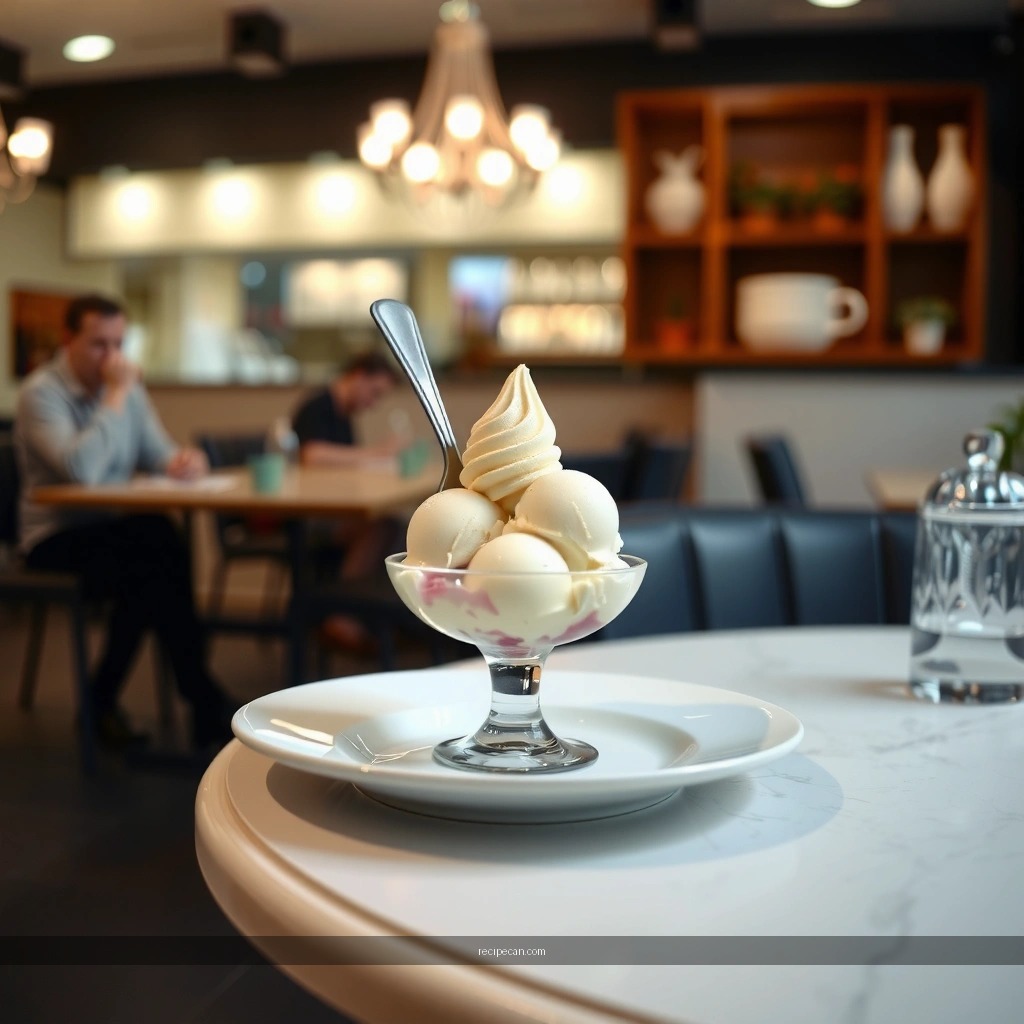
– Choose cocoa powder or melted chocolate for different intensity levels
– Keep stirring and cooking steps consistent to avoid graininess
Chocolate ice cream has two common quality risks: (1) graininess (often from overheated dairy, insufficient melting, or poor tempering) and (2) watery texture (from cocoa that isn’t bloomed/thickened or from a base that wasn’t chilled enough).
Build choice: cocoa powder vs. melted chocolate
– Cocoa powder: deeper, classic chocolate flavor with easier portion control. However, cocoa can feel gritty if it’s not fully dispersed—especially in no-cook bases.
– Melted chocolate: smoother and more uniform, since cocoa solids are already in fat. But it requires careful melting and consistent stirring so it emulsifies.
A reliable cocoa-based chocolate base (custard or thickened milk)
To reduce graininess:
1. Whisk cocoa with a portion of sugar first to prevent clumps.
2. Warm slowly and keep the dairy at a gentle heat when cooking.
3. Strain if needed to remove any residual cocoa particles.
4. Chill fully before churning.
A reliable melted-chocolate base (great mouthfeel)
1. Melt chocolate gently (microwave in short bursts or over low heat).
2. Temper chocolate into warmed dairy/cream gradually so it doesn’t seize.
3. Mix until glossy and uniform.
4. Chill completely before churning.
Consistency control: avoid “chocolate grain”
If you’ve ever tasted chocolate ice cream and felt a sandy texture, it typically comes from one of these:
– Cocoa not dissolved or not fully incorporated
– Overheating the custard until proteins tighten too aggressively
– Base churned before it’s cold enough
Keeping stirring and cooking steps consistent directly addresses all three risks.
Strawberry Ice Cream Recipes
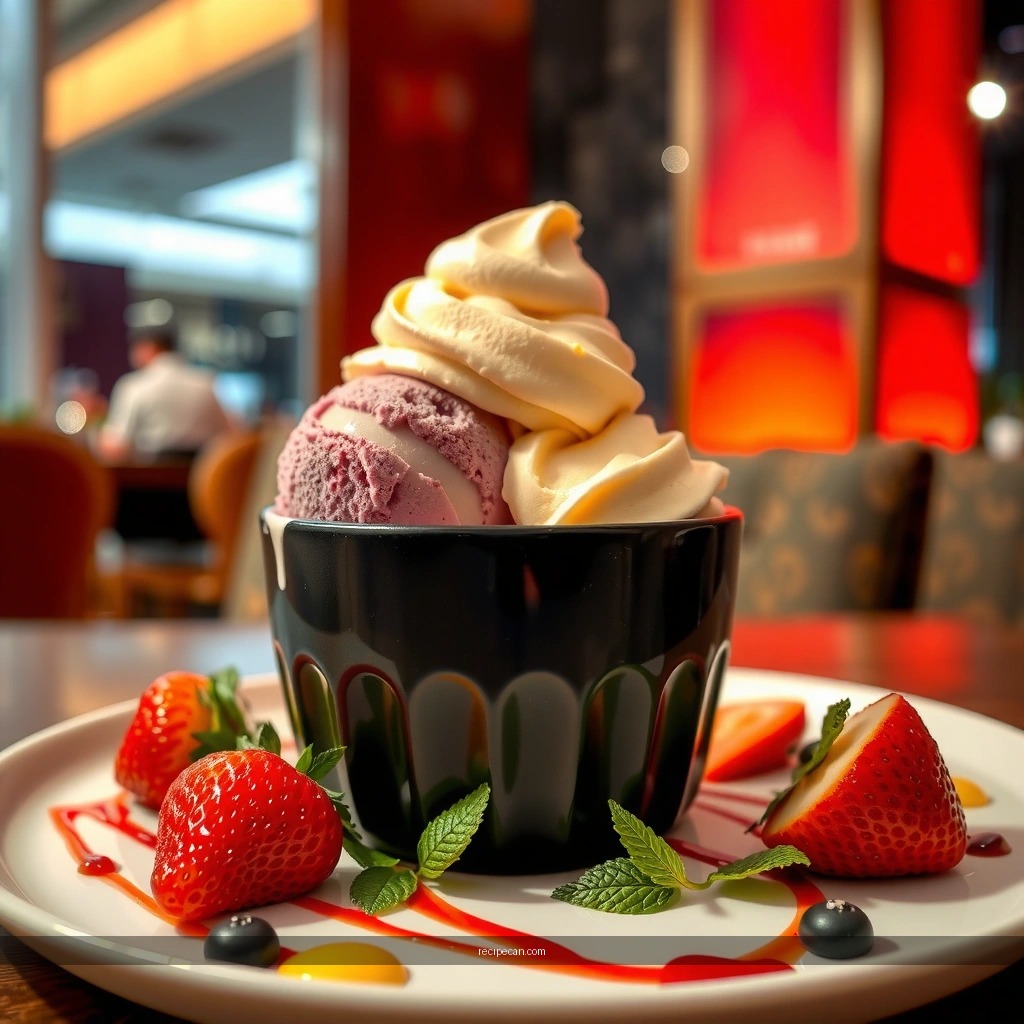
– Puree fresh or frozen strawberries for smooth flavor distribution
– Balance sweetness with a small amount of acid (like lemon juice)
Strawberry ice cream tastes best when the fruit flavor is both bright and evenly distributed. The biggest strawberry texture pitfalls are (1) seediness from unstrained puree and (2) icy freeze from fruit water that wasn’t accounted for.
Fresh vs. frozen strawberries
– Fresh berries often need more attention to ripeness and sweetness balance.
– Frozen berries are excellent for year-round flavor, but they can release additional liquid when thawed. That extra water can make the base freeze faster in a less stable way—leading to icier texture.
For smooth puree and better mouthfeel
1. Puree strawberries until uniform.
2. Optional but recommended: strain for a smoother, seed-free result.
3. Add lemon juice (a small amount) to sharpen the flavor and balance sweetness.
Sweetness and acid: why it works
Strawberry varieties vary wildly. A small amount of acid—commonly lemon juice or a tiny dash of citric acid—helps amplify the fruit’s natural brightness. Too much acid can taste sharp, so start modestly and adjust after chilling.
Practical batch guidance
– If your strawberry puree is very watery (common with thawed frozen berries), reduce it slightly on the stove for a few minutes or increase dairy fat (within reason) to restore richness.
– Always chill the finished base thoroughly; fruit-based mixtures often need extra time to reach a stable temperature.
Cookies & Cream and Mix-In Recipes
– Add cookie pieces in the final minutes to prevent sogginess
– Use chopped mix-ins (not blended) to maintain texture
Mix-ins are where Oster ice cream makers shine, but they require careful timing. Many homemade batches fail because cookies or candy get added too early, causing them to soften in the churn and turn the ice cream watery or gritty.
Timing: when to add mix-ins
For cookies, chocolate chunks, and crunchy inclusions:
– Add in the final 2–5 minutes of churn (or just when the base reaches a thick soft-serve consistency).
– This lets mix-ins distribute without dissolving.
Texture: chop, don’t blend
– Blend-only approaches create a uniform paste that can absorb moisture and disrupt the ice cream’s structure.
– Chopped or crumbled pieces hold their form and create a pleasant scoop experience—distinct bites rather than mixed mush.
Cookie & cream example strategy
– Crush cookies into medium crumbles (not dust).
– Hold back a portion of cookie crumbs for topping after the churn.
– If you want the cookies to stay crisp, freeze the crumbs briefly before adding them.
Other mix-in best practices
– Warm additions: avoid adding hot fudge or syrup directly to the freezing base—temper it and keep it thick.
– Salted mix-ins: salted caramel chips or pretzel bits can taste “off” if sweetness isn’t adjusted. Salt increases perceived sweetness and can change balance quickly.
Gelato-Style Frozen Dessert Options
– Lower cream slightly and add milk for a denser, gelato-like finish
– Churn for a shorter time if your model runs hot
Gelato-style frozen desserts are typically denser and softer than classic American ice cream because of lower fat levels and a different ice crystal formation target. For Oster ice cream maker users, the practical approach is to adjust dairy ratio and pay attention to churn time.
The dairy ratio shift
A gelato-inspired base usually:
– Uses slightly less cream
– Uses more milk
– Often keeps sweetener and flavorings consistent, so the texture difference is mainly fat-driven
Result you’re aiming for: a denser, scoopable texture that feels smooth without being overly rich.
Shorter churn time (especially if your model runs hot)
Some Oster models freeze faster than others depending on room temperature, base temperature, and how hard the internal compressor runs. If the dessert churns too long, it can become overly stiff and lose that “gelato” softness.
Operational guidance:
– Start checking texture earlier than your usual vanilla/chocolate timing.
– Stop when the mixture looks thick and spreads like soft-serve—not when it resembles fully frozen gelato.
Freeze properly for service
Even gelato-style desserts need a short rest to set. Freeze in a shallow container to reduce temperature gradients, and pull it out 5–10 minutes before serving to optimize scoopability.
Oster Ice Cream Maker Batch Planning Guide (Typical Ranges)
| # | Flavor Base | Chill Time (Min.) | Mix-In Add Window | Sweetness Tune | Finish Texture Rating |
|---|---|---|---|---|---|
| 1 | Classic Vanilla (custard) | 240 | Optional last 3 min | +0 to +2 tbsp sugar/qt if bland | ★★★★☆ |
| 2 | Vanilla (no-cook) | 300 | Optional last 2–4 min | Use taste after chilling, adjust gradually | ★★★☆☆ |
| 3 | Chocolate (cocoa) | 240 | Chips: last 3 min | Add 1–2 tsp cocoa for intensity | ★★★★☆ |
| 4 | Chocolate (melted bar) | 270 | Chips/chunks: last 2–5 min | Taste for bitterness; reduce cocoa 5–10% if needed | ★★★★★ |
| 5 | Strawberry (purée strained) | 300 | Optional: none, or add nuts last 3 min | Add 1–2 tsp lemon juice/qt to brighten | ★★★★☆ |
| 6 | Cookies & Cream (cookie crumbles) | 240 | Last 2–4 min; keep 10% for topping | Use less sugar since cookies add perceived sweetness | ★★★★★ |
| 7 | Gelato-style (milk-forward) | 270 | Last 2–3 min for chunks | May need +1–2 tbsp sugar/qt for balance | ★★★★☆ |
Troubleshooting Common Oster Ice Cream Issues
– If it’s too soft, chill the base longer and churn until thickened
– If it freezes icy, reduce warm ingredients and check your freezer temp
Even with great recipes, ice cream is sensitive to temperature, fat balance, and mixing time. The good news: most issues have clear fixes you can apply immediately.
Problem: Ice cream is too soft (won’t firm in the freezer)
Most common causes
– Base wasn’t chilled long enough
– You stopped churning too early
– Freezer is warmer than expected
What to do
1. Chill longer: extend base chilling by 2–6 hours beyond your usual routine, especially for custards and fruit bases.
2. Churn until thickened: stop when the mixture resembles soft-serve, not when it merely looks “mixed.”
3. Use correct container: freeze in a shallow container for faster, more even set.
4. Check freezer temperature: aim for 0°F / -18°C for reliable firmness.
Problem: Ice cream is icy or has large ice crystals
Most common causes
– Base temperature was too warm when churn started
– Too much water from fruit or add-ins
– Warm ingredients (syrups, melted mix-ins) were added without cooling
What to do
– Ensure the base is fully chilled—fruit-based mixes often need extra time.
– Reduce watery purées slightly (or strain them) to stabilize.
– Let sweet sauces and chocolate additions cool to a thick, room-temperature consistency before combining.
Problem: Grainy texture (especially in chocolate)
Most common causes
– Cocoa wasn’t fully dispersed
– Custard overheated or was cooked too aggressively
– Chocolate wasn’t melted/emulsified smoothly
What to do
– Dissolve cocoa with sugar during mixing and whisk thoroughly.
– Cook custards gently and keep heat controlled.
– Strain finished bases to catch any undissolved particles.
– If using melted chocolate, temper gradually to maintain a stable emulsion.
Problem: Ice cream seems “runny” during churning
Most common causes
– Base is too warm
– Wrong ratio for your chosen base type
– Ingredients weren’t fully incorporated (sugar and solids not dissolved)
What to do
– Verify base temperature (refrigerate longer if unsure).
– Taste and texture-check: sugar should be dissolved so the mixture holds structure.
– Follow a consistent method between batches so you can identify the exact variable that changed.
Homemade ice cream is easy once you start with a great base and follow the chilling and timing tips. Pick one recipe above, prep your mix, churn according to your Oster model, and then experiment with mix-ins for your next batch—share your favorite flavor once it’s perfected!Frequently Asked Questions
What are the easiest recipes for an Oster ice cream maker for beginners?
Start with no-fuss, custard-free options like vanilla frozen yogurt or a simple strawberry ice cream base (milk, cream, sugar, and fruit). These recipes usually don’t require tempering eggs, so you can churn faster and reduce the risk of mistakes. Use chilled ingredients and follow your Oster ice cream maker’s fill line for the smoothest results.
How do I make homemade gelato-style recipes in an Oster ice cream maker?
For gelato-style texture, use a slightly lower fat base and churn at the same time while keeping the mixture well chilled. Choose recipes that include milk, a smaller amount of cream, sugar, and optionally egg yolks for a richer custard base. Once churned, transfer to a container and freeze briefly to firm up without losing that creamy gelato softness.
Why does my Oster ice cream maker produce icy ice cream, and how can I fix it?
Icy texture often happens when the base isn’t cold enough, the mixture was overfilled, or the recipe lacks enough stabilizers like sugar and dairy fat. Chill your mixture for at least 4 hours (or overnight) before churning, and ensure you follow the Oster ice cream maker’s maximum capacity. If your recipe is very low in fat or sugar, consider adjusting with a higher cream ratio or using a recipe designed for churn-style ice cream.
Which Oster ice cream maker recipes work best for dairy-free or lactose-free options?
Look for recipes using coconut milk, oat milk, or lactose-free milk with a proven churnable formula, since not all plant-based recipes freeze well in ice cream makers. Many successful dairy-free recipes include a thickener or higher sugar content to prevent crystallization. Always pre-chill the base and churn according to your Oster unit’s recommended cycle so you get a scoopable dairy-free dessert.
What’s the best way to customize Oster ice cream maker recipes with mix-ins like cookies, chocolate, or nuts?
Keep mix-ins small and dry (especially cookies, brownies, and nuts) so they don’t sink or turn soggy during churning. Add chocolate chips, chopped cookies, or swirled fudge during the last few minutes of the churn when the mixture has thickened. For even distribution, avoid overloading mix-ins and briefly freeze the finished ice cream only until it reaches your desired firmness.
References
- Ice cream
https://en.wikipedia.org/wiki/Ice_cream - Ice cream | Definition, History, & Production | Britannica
https://www.britannica.com/topic/ice-cream - Google Scholar Google Scholar
https://scholar.google.com/scholar?q=oster+ice+cream+maker+recipes - Google Scholar Google Scholar
https://scholar.google.com/scholar?q=ice+cream+maker+homemade+ice+cream+recipe+custard+base - Google Scholar Google Scholar
https://scholar.google.com/scholar?q=ice+cream+formulation+stabilizers+overrun+freezing+process - https://extension.umn.edu/preserving-and-preparing/ice-cream-and-frozen-desserts
https://extension.umn.edu/preserving-and-preparing/ice-cream-and-frozen-desserts - UGA
https://www.uga.edu/ice-cream-and-frozen-desserts - https://pubmed.ncbi.nlm.nih.gov/?term=ice+cream+formulation+stabilizers+overrun
https://pubmed.ncbi.nlm.nih.gov/?term=ice+cream+formulation+stabilizers+overrun - https://www.fda.gov/food/food-additives-petitions/ice-cream-and-frozen-desserts
https://www.fda.gov/food/food-additives-petitions/ice-cream-and-frozen-desserts - https://www.healthycooking.org/ice-cream-maker-recipes
https://www.healthycooking.org/ice-cream-maker-recipes