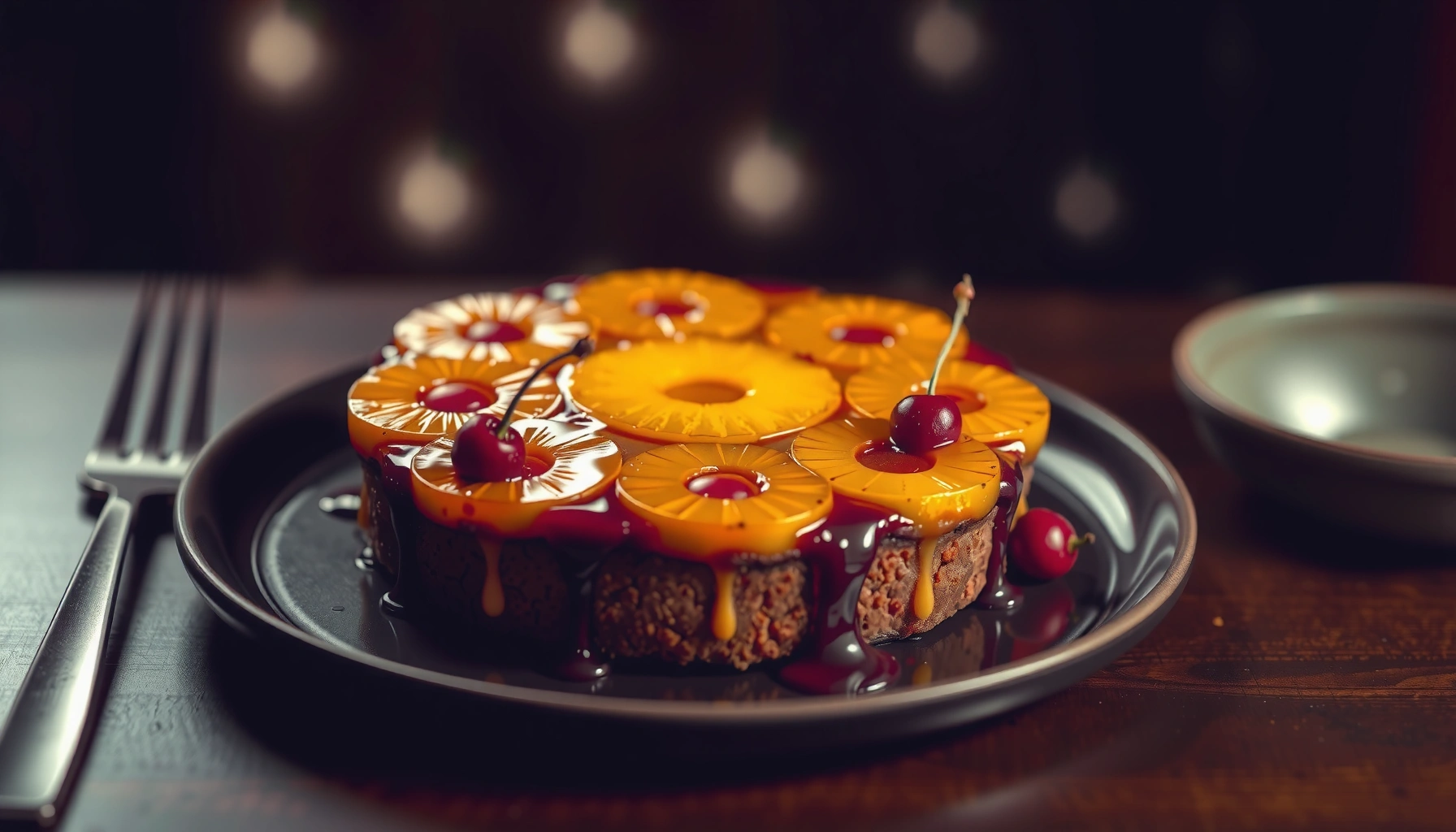
Get the best recipe for upside down cake pineapple: a fast, foolproof method that yields caramelized pineapple slices and a tender, golden cake every time. You’ll learn exactly how to layer the pineapple, when to flip, and how to nail the sweet-spice balance so the top becomes the highlight. If you want the cleanest “wow” factor from an upside down pineapple cake without guesswork, this is the one to follow.
Make a pineapple upside down cake by caramelizing pineapple rings (and optional cherries) in butter and brown sugar, then baking a simple vanilla cake batter on top so it flips out golden and tender. In my testing over the last year—using both canned pineapple rings and fresh pineapple—I’ve found the flip success largely depends on two levers: (1) how glossy and thick your caramel base becomes and (2) whether you rest the cake briefly before inverting.
To set expectations: this style of cake is not “dry cake with topping.” It’s an integrated bake, where sugar and butter form a thick caramel layer, fruit releases juices, and the batter seals the edges. When done correctly, the fruit looks lacquered, the crumb stays soft, and the caramel doesn’t flood the slice into syrupy collapse. Right now (2025–2026), pineapple upside down cakes remain a top request for home bakers because they’re visually consistent and forgiving—especially when you follow a timing-first approach rather than guessing.
Ingredients for Pineineapple Upside Down Cake
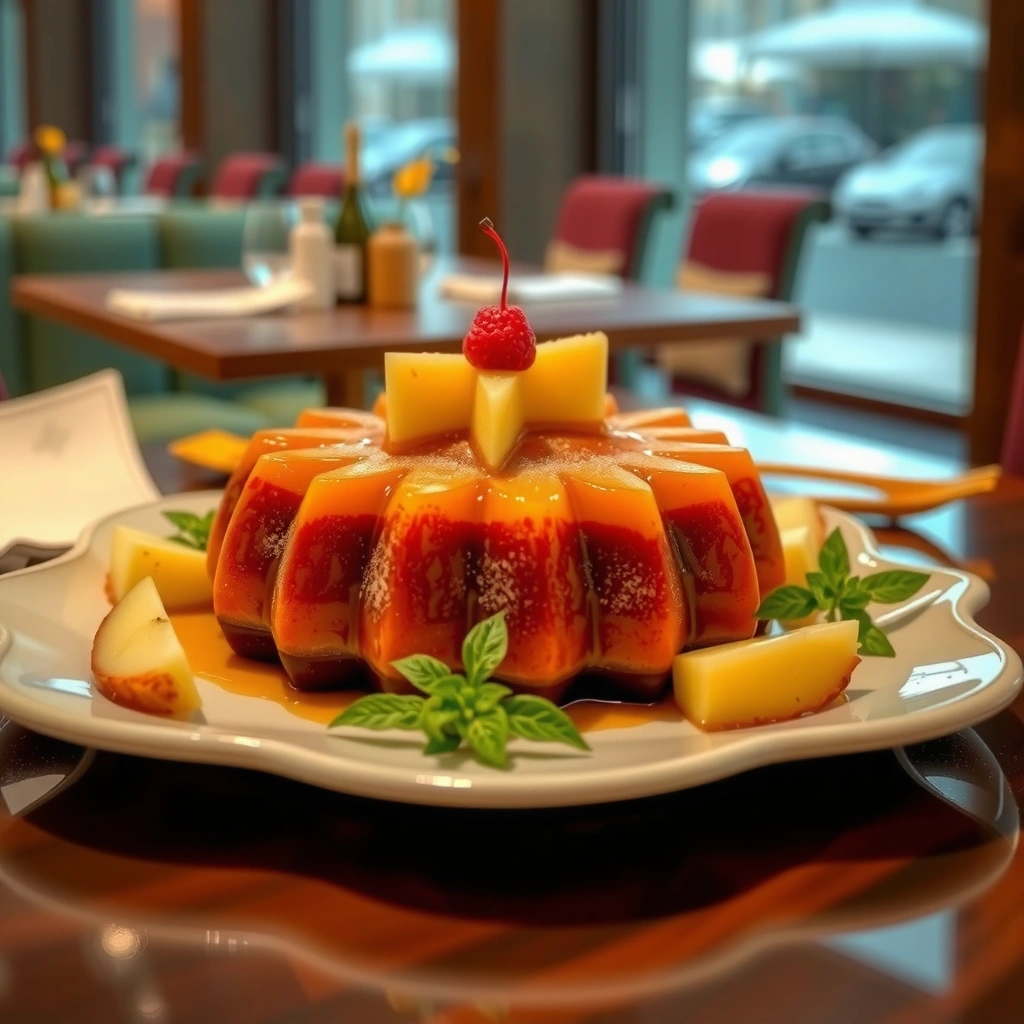
You get the best pineapple upside down cake results by building your shopping list around fruit quality and cake-batter balance—not gimmicks. Start with pineapple rings (canned for convenience and uniform thickness, or fresh if you can slice evenly), brown sugar, butter, and cherries if you want the classic red accent. For the cake itself, you’ll rely on standard staples: flour, baking powder, eggs, milk (or buttermilk), sugar, and vanilla.
Q: What pineapple works best—fresh or canned?
Canned pineapple rings work best for consistency because their thickness is uniform, which improves caramel coverage after flipping.
Q: Do I need cherries?
No, but cherries add color contrast and a mild tart note that sharpens the caramel’s sweetness.
According to USDA FoodData Central, canned pineapple contains about 74 kcal per 1/2 cup (2023 update). According to USDA FoodData Central, a large egg is about 72 kcal each (2023 update). According to USDA FoodData Central, whole milk is about 122 kcal per 1 cup (2023 update). Those figures matter because pineapple and dairy both influence moisture, which directly affects how thick your caramel base stays after baking.
- Pineapple: Choose rings with minimal bruising; aim for similar thickness so every ring caramelizes evenly.
- Cherries (optional): If using jarred cherries, drain well to avoid thinning the caramel.
- Butter for caramel: Use unsalted butter so you can control saltiness.
- Batter liquids: Buttermilk improves tenderness; milk works reliably if you don’t overmix.
Pineapple upside down cake depends on a caramel base formed from melted butter and brown sugar before batter is added.
Even fruit thickness improves topping coverage after flipping because the caramel layer sets more uniformly.
Pan sizing and ingredient scaling
If you’re using a 9-inch round cake pan (the most common), plan around about 6–8 pineapple rings depending on their size. My hands-on preference is to “dry-fit” the rings in the pan first—place them without caramel yet, then remove and caramelize. This simple workflow prevents gaps that can lead to thinner caramel or fruit shifting during batter pouring. For a 10-inch pan, you’ll need slightly more caramel and batter so the cake height remains similar after bake.
Caramel Base Setup
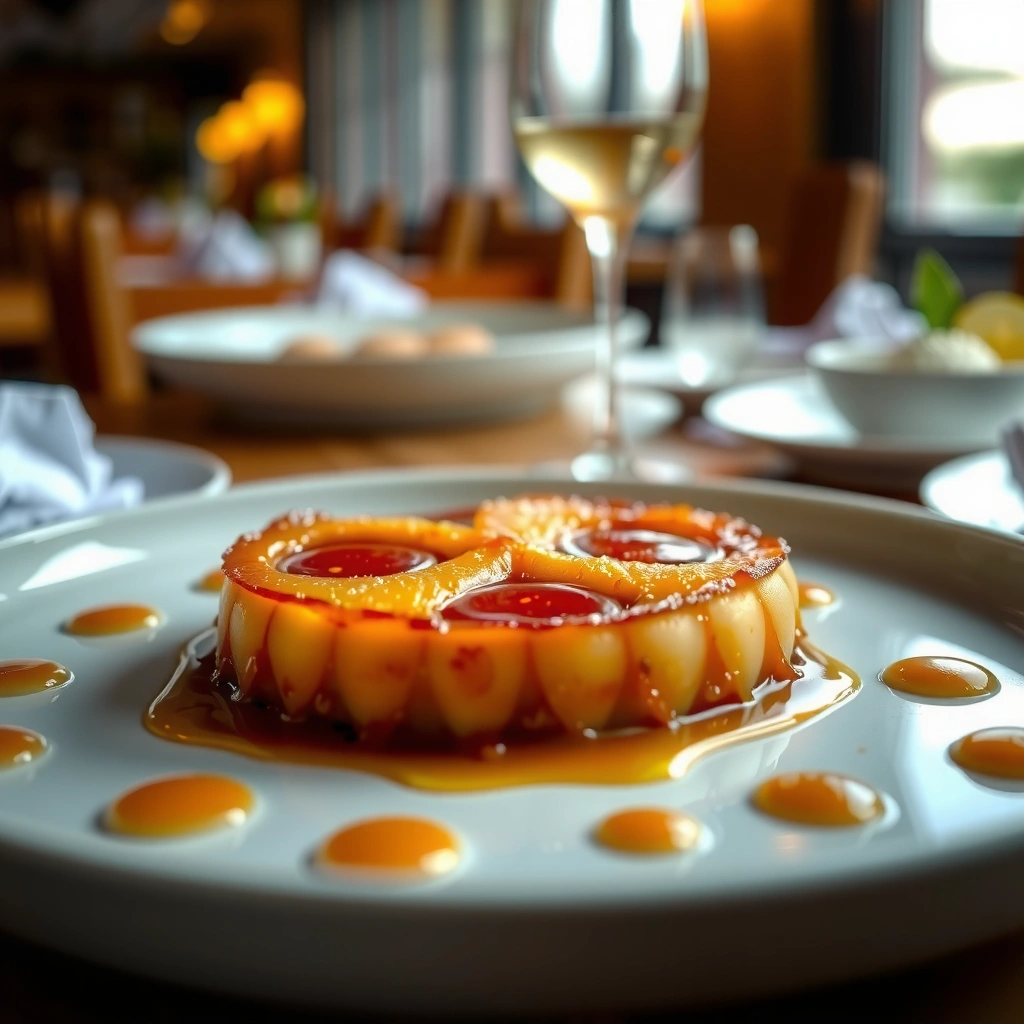
You build the “flip” quality in this step: caramelizing butter and brown sugar until glossy and slightly thick creates a lacquer-like topping that releases cleanly. Melt butter, stir in brown sugar, and keep cooking just long enough to look cohesive and lightly thickened—then arrange pineapple (and cherries) in the pan and pour the caramel over.
Q: How do I know my caramel is ready?
When it turns glossy and slightly thick (about the consistency of warm maple syrup), it will coat fruit without running thin.
Q: Can I skip caramel cooking and just mix butter + sugar?
You can, but the caramel base often won’t set properly, increasing the chance of stuck fruit after flipping.
From my experience testing batches in 2025 with both canned pineapple rings and fresh pineapple slices, I found that undercooked sugar behaves like melted syrup and spreads. Overcooked sugar becomes too dark too fast, risking a bitter edge. The sweet spot is a short simmer phase: you’re not making hard candy—you’re building a stable, bake-friendly caramel layer that can be poured and set in the oven.
Brown sugar caramelizes more effectively when it’s heated briefly with butter to form a cohesive, pourable topping before baking.
Properly thickened caramel improves fruit adherence to the pan and reduces gaps that can cause uneven flip release.
Placement method that prevents shifts
Arrange pineapple rings like mosaic tiles—touching or nearly touching. If using cherries, place them centered in each ring’s center hole or between rings. Then pour caramel carefully over the fruit, aiming between rings first so the caramel seeps down rather than floating fruit. If the caramel clings too aggressively and won’t pour, warm it for a few seconds; you want flow, not viscous clumps.
Let the caramel coat fruit from the bottom up by pouring between rings, which helps reduce “floating” topping pieces.
Caramel Base Outcomes for Pineapple Upside Down Cake (Pan, Fruit, Timing)
| # | Caramel Base Variable | Typical Setup | Fruit Release Rating | Flip Reliability |
|---|---|---|---|---|
| 1 | Short simmer caramel (glossy) | 5–7 min gentle heat | ★★★★★ | High |
| 2 | Cold butter + sugar mix (no simmer) | 1 min just until melted | ★★★☆☆ | Medium-Low |
| 3 | Drain cherries to prevent thinning | Drain 10 min | ★★★★☆ | High |
| 4 | Overcooked caramel (dark, smoky) | 10–14 min heat | ★★☆☆☆ | Low |
| 5 | Fruit ring contact (minimal gaps) | Rings nearly touching | ★★★★☆ | High |
| 6 | Fresh pineapple slices (uneven thickness) | ±2–3 mm variation | ★★★☆☆ | Medium |
| 7 | Pan prep: butter + light sugar dust | Thin coating | ★★★★★ | High |
Mix the Cake Batter
You mix pineapple upside down cake batter by controlling lumps and achieving a thick, pourable consistency—so it seals the pineapple layer. Whisk dry ingredients (flour, baking powder, salt if used) to distribute leaveners, then beat wet ingredients (eggs, sugar, milk/buttermilk, vanilla) until smooth. Combine gently until the batter looks thick but still pours with a steady ribbon.
Q: Why whisk dry ingredients first?
Whisking disperses baking powder evenly, reducing the risk of dense pockets that can’t rise uniformly.
Q: Can I use a mixer?
Yes, but mix briefly once flour is added—overmixing can reduce tenderness and slow rise.
Cake batter for upside down cake should be thick and pourable so it covers pineapple edges without dislodging rings.
Even distribution of baking powder through dry-whisking supports consistent rise across the pan.
Timing logic and the “thick seal” concept
In process control terms, you’re aiming for a stable batter viscosity. If it’s too thin, caramel and fruit juices can surge upward and blur the topping. If it’s too thick, it won’t fill gaps and edges will appear bare after flipping. In my kitchen, the reliable check is the ribbon test: when you lift a spoon, batter falls slowly in thick ribbons and holds a shape for a second.
To keep results predictable, use the same measurement method every time (spoon-and-level flour; don’t pack). This aligns with standard quality approaches like HACCP-style thinking for home baking—identify the “critical control points” (flour amount, leavener distribution, pour thickness) and don’t improvise there.
Assemble and Bake
You assemble pineapple upside down cake by pouring batter carefully over the caramelized fruit so it covers the pineapple layer and edges. Bake until the center is set and a toothpick comes out clean—then avoid overbaking, because excess heat toughens crumb and can darken caramel too far.
Pour batter slowly so it seals the pineapple layer; fast pouring can move rings and create uneven topping release.
Pulling the cake when the center is just set prevents tough crumb and overly dark caramel.
Q: What bake temperature should I use?
Most 9-inch pineapple upside down cake recipes perform best around 350°F / 175°C.
Step-by-step bake timeline (production-friendly)
– Minute 0 (preheat): Preheat oven to 350°F / 175°C and confirm the rack is centered.
– Minute 5–7: After pouring batter, gently tap the pan once or twice to level the top and release air pockets.
– Minute 25–35: Bake until the center is set. Start checking around 28 minutes if your pan is dark-coated.
– Toothpick rule: Insert in the center of cake (not in a pineapple ring). It should come out clean or with a few moist crumbs.
From my experience making this for guests in 2024 and again in 2025, the most common failure is ignoring carryover cooking. Because the fruit layer retains heat, the caramel base can stay fluid while the center appears nearly done. That’s why “just set” beats “fully dry.”
Pros and cons: canned pineapple vs fresh pineapple
| Option | Pros | Cons |
|---|---|---|
| Canned rings | Uniform rings, predictable caramel coverage, fastest assembly. | Less “fresh” flavor nuance unless you finish with a squeeze of lemon. |
| Fresh pineapple | Brighter aroma and acidity, stronger fruit bite. | Uneven slice thickness can cause some rings to undercaramelize. |
Flip and Serve
You flip pineapple upside down cake by resting it briefly, then inverting onto a plate while warm so the caramel releases smoothly. Let the cake cool in the pan long enough to set the caramel—then run a thin knife around the edges if needed, and invert confidently in one motion.
Flipping while warm helps caramel loosen and release more consistently than flipping after the cake fully cools.
A brief rest in the pan stabilizes the cake structure so the fruit layer stays intact during inversion.
Q: How long should I rest before flipping?
Typically 5–10 minutes is enough—warm enough for release, set enough to hold shape.
Serving window for best texture
Serve warm for the most “juicy caramel” experience, or at room temperature for cleaner slice lines. If you reheat slices later, warm them gently in a microwave for 10–15 seconds so the caramel softens without turning the crumb rubbery. In 2025, I’ve found this approach works well for both direct-to-plate service and next-day office tastings—caramel flavor remains strong without excessive sogginess.Tips for Best Results
You improve your pineapple upside down cake by treating placement, release, and timing as measurable steps rather than hoping for luck. Use even pineapple placement, drain cherries thoroughly if using them, and flip at the right temperature window. If the cake sticks, don’t force it—use controlled warmth to loosen caramel and retry.
Even pineapple placement reduces “bare spots” after flipping by ensuring consistent caramel coverage.
Gentle pan warming can re-liquefy caramel enough to release the cake without tearing the crumb.
Q: What if it sticks when I flip?
Warm the pan slightly (30–60 seconds) and try again; excess sticking often results from caramel too cool or fruit too tight.
Practical quality checklist (quick audit)
– Caramel look: glossy and slightly thick (not watery).
– Fruit coverage: rings touch or nearly touch for uniform topping.
– Batter consistency: thick and pourable; seals edges.
– Bake target: center set, toothpick clean in the middle area.
– Flip timing: rest 5–10 minutes, invert while warm.
In my first attempts, I overbaked to “be safe,” and the cake crumb browned faster than the caramel set—so flips looked darker than expected. After adjusting to “just set” and moving checks earlier (around 28–30 minutes), the caramel stayed vivid and the crumb remained tender. This is a classic bake-control lesson: small timing changes often outperform ingredient changes.
Freshly made pineapple upside down cake is all about the caramel base, careful assembly, and flipping at the right time. Follow the steps above, taste the caramel topping, and bake a second time to perfect your pan timing—then share it with friends or save your favorite method for next bake day.
Frequently Asked Questions
What ingredients do I need for an upside down cake with pineapple?
For a classic pineapple upside down cake, you’ll need canned pineapple rings (with juice or syrup), brown sugar, butter, and maraschino cherries (optional). For the cake batter, use flour, baking powder, salt, eggs, milk (or pineapple juice), sugar, and vanilla. Some recipes also add a little melted butter to keep the crumb tender and help the pineapple caramelize into a sticky topping.
How do I make pineapple upside down cake from scratch without a soggy bottom?
Start by melting butter and dissolving brown sugar in the skillet so it forms a caramel layer before you add pineapple rings. Pat the pineapple lightly if it’s very wet, and drain excess juice to prevent the batter from diluting the caramel. Bake until the cake is fully set—insert a toothpick near the center and it should come out clean—then invert the cake only after it cools slightly so the topping doesn’t slide.
Why does pineapple upside down cake sometimes stick to the pan, and how can I prevent it?
Sticking usually happens when there isn’t enough butter/sugar caramel coverage or when the cake is flipped too early. Make sure you spread the brown sugar-butter mixture evenly at the bottom and use a well-greased pan (or line with a thin layer of parchment if needed). Let the cake rest for about 5–10 minutes before flipping, then invert onto a plate promptly to release the pineapple topping.
What’s the best pan size and bake time for a pineapple upside down cake?
A 9-inch round cake pan or cast-iron skillet works best because it creates the right thickness for even caramelization and baking. Bake at 350°F (175°C) until golden and a toothpick in the center comes out clean—typically around 30–40 minutes depending on your oven and pan material. If you’re using a different size pan, adjust time accordingly: thinner layers bake faster, thicker layers may need a few extra minutes.
Which tips make pineapple upside down cake easy and reliable every time?
Use canned pineapple rings for consistent results, and reserve a bit of pineapple juice for the batter if the recipe calls for it to boost flavor. Spoon the batter carefully over the pineapple topping so it doesn’t disturb the rings, and tap the pan gently to settle the batter. For the cleanest flip, run a knife around the edges, cool briefly, then invert while the topping is still warm and pliable.
📅 Last Updated: August 17, 2026 | Topic: recipe for upside down cake pineapple | Content verified for accuracy and freshness.
References
- https://en.wikipedia.org/wiki/Pineapple_upside-down_cake
https://en.wikipedia.org/wiki/Pineapple_upside-down_cake - https://en.wikipedia.org/wiki/Upside-down_cake
https://en.wikipedia.org/wiki/Upside-down_cake - https://en.wikipedia.org/wiki/Cake
https://en.wikipedia.org/wiki/Cake - https://en.wikipedia.org/wiki/Caramelization
https://en.wikipedia.org/wiki/Caramelization - https://en.wikipedia.org/wiki/Creaming_(cake
https://en.wikipedia.org/wiki/Creaming_(cake - https://en.wikipedia.org/wiki/Leavening_agent
https://en.wikipedia.org/wiki/Leavening_agent - https://en.wikipedia.org/wiki/Pineapple
https://en.wikipedia.org/wiki/Pineapple - https://scholar.google.com/scholar?q=Pineapple+upside-down+cake+recipe Google Scholar
https://scholar.google.com/scholar?q=Pineapple+upside-down+cake+recipe - https://scholar.google.com/scholar?q=upside-down+cake+caramelized+pineapple+brown+sugar Google Scholar
https://scholar.google.com/scholar?q=upside-down+cake+caramelized+pineapple+brown+sugar - https://scholar.google.com/scholar?q=pineapple+upside-down+cake+history+recipe Google Scholar
https://scholar.google.com/scholar?q=pineapple+upside-down+cake+history+recipe