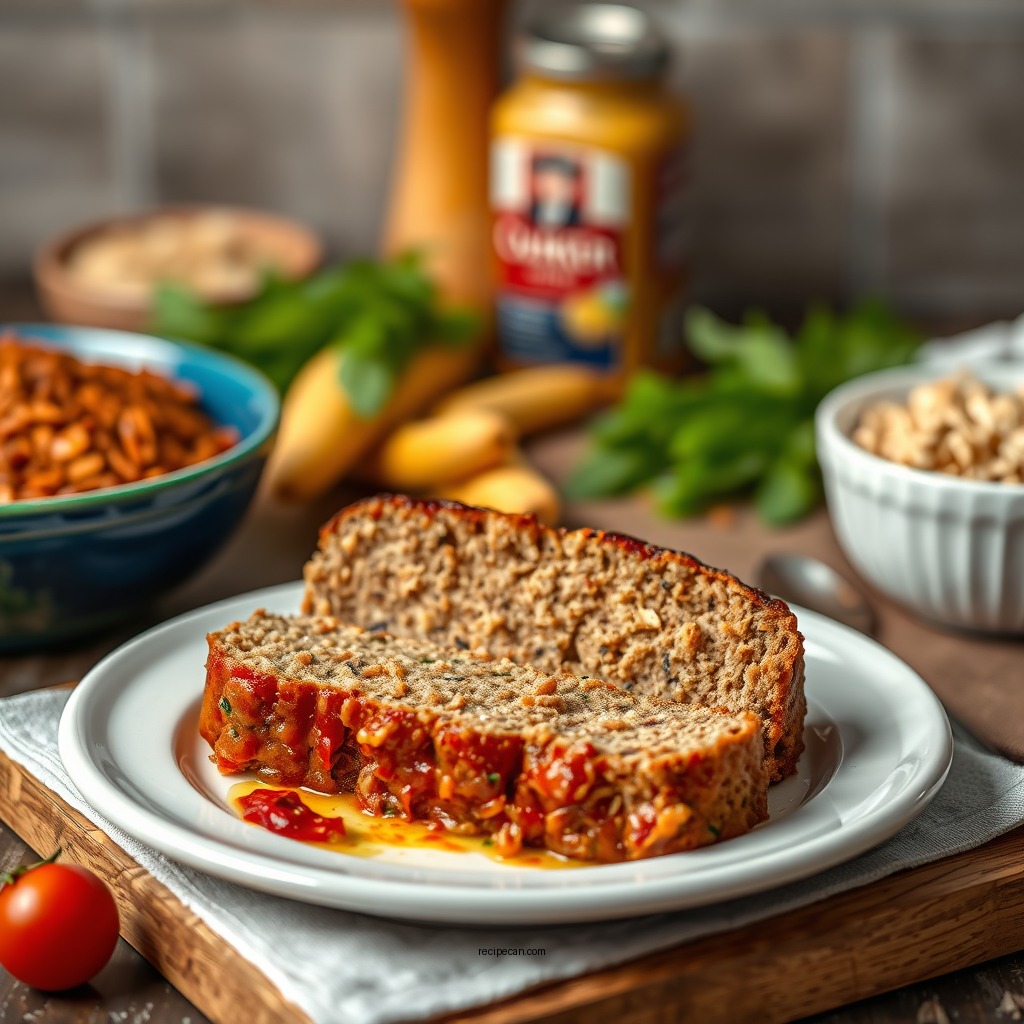
Making a flavorful meatloaf with Quaker Oats is simple and rewarding. This recipe combines the hearty texture of oats with traditional meatloaf ingredients, creating a dish that’s both nutritious and delicious. Packed with protein and fiber, this meatloaf is a great option for family dinners, meal prep, or even as a comforting dish for gatherings. In this post, you’ll learn how to prepare this easy recipe that is sure to become a favorite in your household.
Ingredients You’ll Need
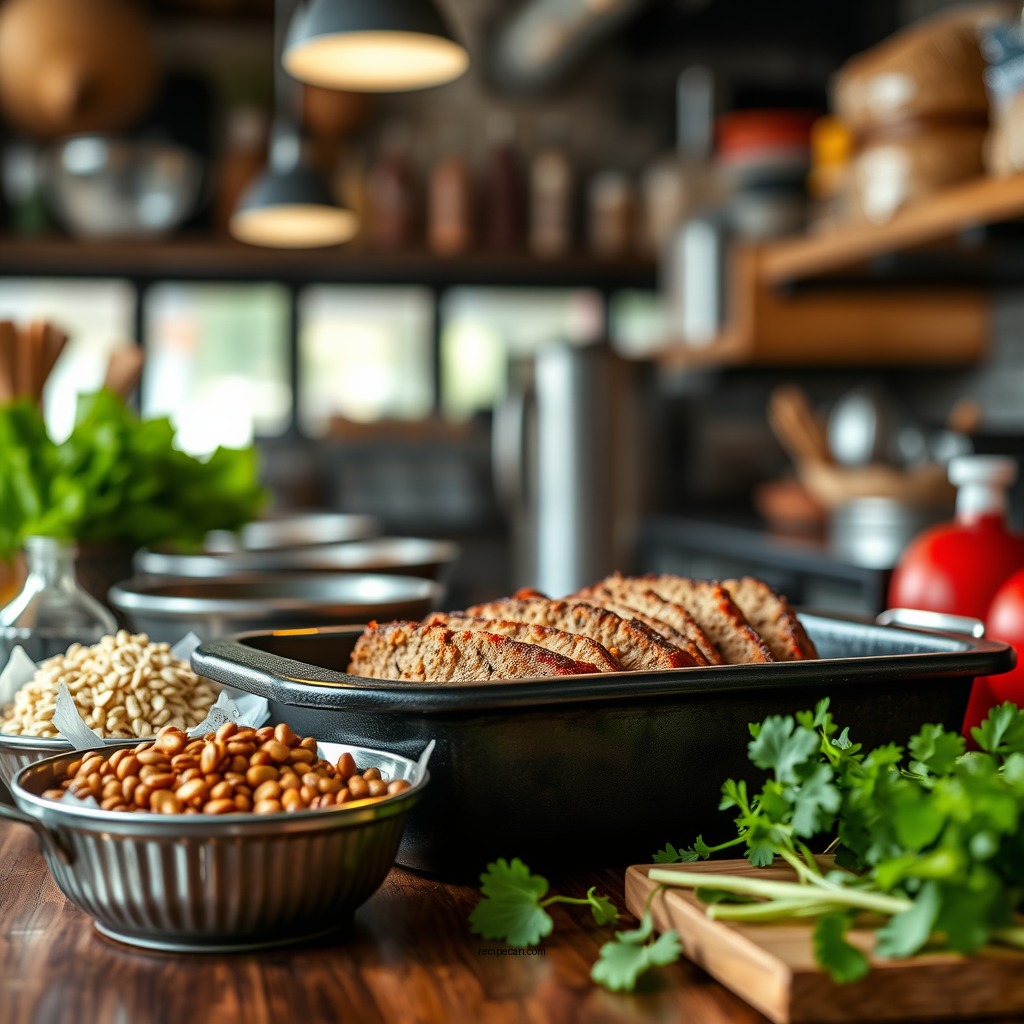
To achieve the perfect Quaker Oats meatloaf, it’s essential to select the right ingredients. Here’s what you will need:
– Ground Beef or Turkey: You can choose either ground beef for a traditional flavor or ground turkey for a leaner option. Both work well in this recipe and yield a moist, flavorful meatloaf.
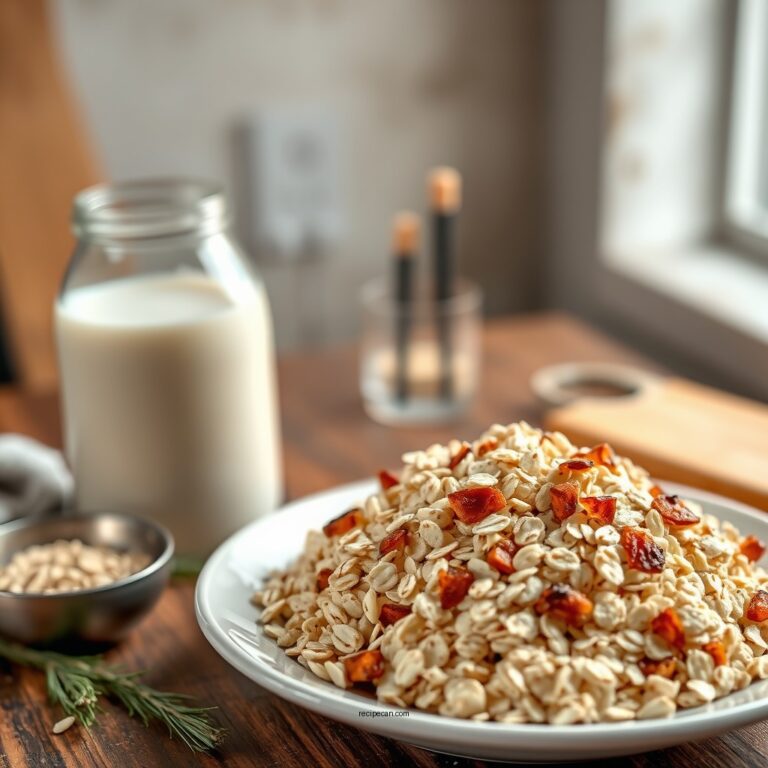
– Quaker Oats: Old-fashioned or quick oats can be used. Old-fashioned oats provide a chewier texture, while quick oats create a smoother consistency. The oats not only enhance the texture but also add fiber, making your meatloaf more nutritious.
– Seasonings: Basic seasonings include salt, pepper, garlic powder, and onion powder. You can also experiment with herbs like oregano, thyme, or parsley to elevate the flavor. Don’t forget to include eggs, which act as a binder and help keep the meatloaf moist.
Preparing the Meat Mixture
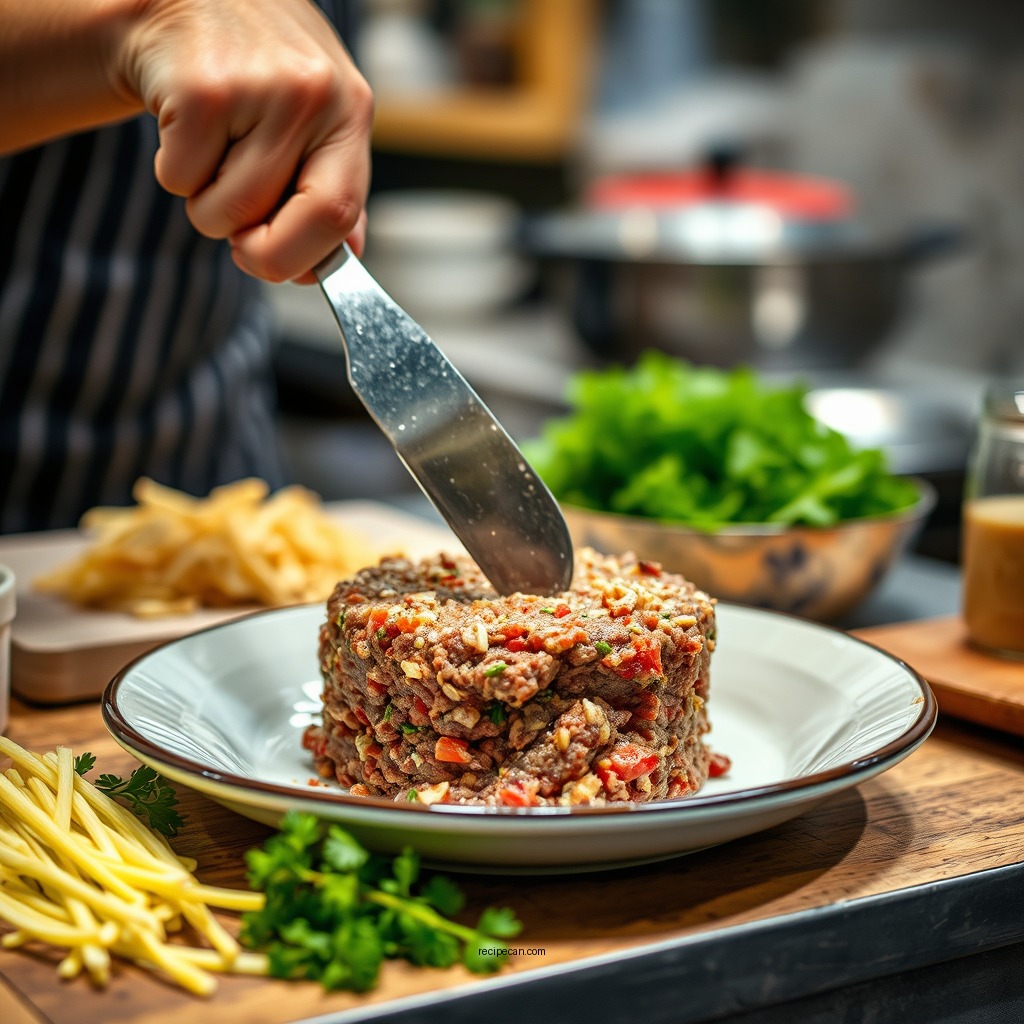
The preparation of the meat mixture is a crucial step in making a successful meatloaf. Here’s how to do it:
– Combine Ingredients: In a large mixing bowl, combine your choice of meat, Quaker oats, eggs, and seasonings. Using your hands or a large spoon, mix everything until just combined.
– Avoid Overmixing: It’s important not to overwork the mixture. Overmixing can lead to a dense meatloaf. Aim for a gentle mix that holds together but still has some texture.
Shaping and Baking

Shaping and baking your meatloaf correctly will ensure it cooks evenly and maintains its structure.
– Form the Loaf: Transfer the meat mixture onto a lightly greased baking sheet or into a loaf pan. Shape it into a loaf, ensuring it is evenly thick throughout for consistent cooking.
– Bake: Preheat your oven to 350°F (175°C). Bake the meatloaf for about 1 hour, or until its internal temperature reaches 160°F (70°C). Using a meat thermometer can help ensure it’s perfectly cooked without drying out.
Meatloaf Nutritional Breakdown
| # | Ingredient | Calories | Protein (g) | Fiber (g) |
|---|---|---|---|---|
| 1 | Ground Beef (3 oz) | 250 | 22 | 0 |
| 2 | Quaker Oats (1/2 cup) | 150 | 6 | 4 |
| 3 | Egg (1 large) | 70 | 6 | 0 |
| 4 | Ketchup (2 tbsp) | 30 | 0 | 0 |
| 5 | Onion (1/2 cup) | 30 | 0 | 1 |
| 6 | Garlic Powder (1 tsp) | 5 | 0 | 0 |
| 7 | Salt (1 tsp) | 0 | 0 | 0 |
Glazing Your Meatloaf
The glaze is an essential element that enhances the flavor profile of your meatloaf.
– Prepare the Glaze: In a small bowl, mix together ketchup, brown sugar, and mustard. This combination creates a sweet and tangy topping that complements the savory meatloaf beautifully.
– Apply Before Baking: Brush the glaze over the meatloaf during the last 15 minutes of baking. This allows the glaze to caramelize slightly, adding depth to the overall flavor.
Serving Suggestions
To create a well-rounded meal, consider these serving suggestions:
– Pair with Sides: Classic accompaniments include creamy mashed potatoes, steamed vegetables, or a fresh garden salad. These sides not only complement the meatloaf but also add nutritional balance to your meal.
– Leftovers: If you have any leftovers, they can be enjoyed cold in sandwiches or reheated quickly for a satisfying meal. Meatloaf sandwiches are especially popular, often enhanced with a slice of cheese and fresh vegetables.
Meatloaf Cooking Time vs. Internal Temperature
Tips for Success
To enhance your meatloaf-making experience, consider these helpful tips:
– Use a Meat Thermometer: To ensure your meatloaf is cooked perfectly, use a meat thermometer to check the internal temperature. This prevents overcooking and ensures the meat remains juicy.
– Experiment with Add-Ins: For additional flavor and moisture, consider adding finely chopped vegetables like bell peppers, carrots, or mushrooms. Cheese can also be a delightful addition, providing creaminess and richness.
Using this Quaker Oats meatloaf recipe, you’ll create a delicious and nutritious dish that your family will love. This recipe is not only easy to prepare but also allows for customization based on your preferences. Don’t hesitate to try this out for your next dinner; it’s sure to be a hit!
Frequently Asked Questions
What ingredients do I need for a Quaker Oats meatloaf recipe?
To make a Quaker Oats meatloaf, you’ll need ground beef or turkey, Quaker Oats, eggs, milk, chopped onions, salt, pepper, and your choice of seasonings like garlic powder or Worcestershire sauce. The oats act as a binder and add a unique texture, while the seasonings enhance the flavor of the meatloaf.
How do I prepare Quaker Oats meatloaf for baking?
To prepare Quaker Oats meatloaf, start by preheating your oven to 350°F (175°C). In a large bowl, mix the ground meat with the oats, eggs, milk, onions, and seasonings until well combined. Shape the mixture into a loaf and place it in a baking dish. You can also top it with ketchup or barbecue sauce for added flavor before baking for about an hour.
Why should I use Quaker Oats in my meatloaf instead of breadcrumbs?
Using Quaker Oats in your meatloaf instead of breadcrumbs provides a heartier texture and boosts the nutritional content with fiber and whole grains. Oats also help to retain moisture in the meatloaf, preventing it from drying out during cooking, which is a common issue with traditional breadcrumb recipes.
What is the best way to store leftovers from Quaker Oats meatloaf?
The best way to store leftovers from your Quaker Oats meatloaf is to let it cool completely, then wrap it tightly in plastic wrap or aluminum foil, or place it in an airtight container. It can be stored in the refrigerator for up to 3-4 days or frozen for up to 3 months. Reheat slices in the oven or microwave for the best flavor and texture.
Which variations can I try in my Quaker Oats meatloaf recipe?
You can try several delicious variations in your Quaker Oats meatloaf recipe by adding ingredients like chopped vegetables, such as bell peppers or carrots, or incorporating different types of meat, like turkey or chicken. For a flavor twist, consider adding cheeses, herbs, or spices, and even experimenting with different glazes, such as a honey mustard or teriyaki sauce.
References
- Meatloaf
https://en.wikipedia.org/wiki/Meatloaf - https://www.ncbi.nlm.nih.gov/pmc/articles/PMC6466171/
https://www.ncbi.nlm.nih.gov/pmc/articles/PMC6466171/ - https://www.ncbi.nlm.nih.gov/pmc/articles/PMC5471496/
https://www.ncbi.nlm.nih.gov/pmc/articles/PMC5471496/ - Google Scholar Google Scholar
https://scholar.google.com/scholar?q=quaker+oats+meatloaf+recipe - Google Scholar Google Scholar
https://scholar.google.com/scholar?q=meatloaf+recipes - Google Scholar Google Scholar
https://scholar.google.com/scholar?q=history+of+meatloaf - https://www.bbc.com/food/recipes/meatloaf_21115
https://www.bbc.com/food/recipes/meatloaf_21115 - https://www.cdc.gov/nutrition/resources-publications/food-safety.html
https://www.cdc.gov/nutrition/resources-publications/food-safety.html - https://www.mayoclinic.org/healthy-lifestyle/nutrition-and-healthy-eating/in-depth/healthy-eating/art-20046010
https://www.mayoclinic.org/healthy-lifestyle/nutrition-and-healthy-eating/in-depth/healthy-eating/art-20046010 - https://www.sciencedirect.com/topics/food-science/meatloaf
https://www.sciencedirect.com/topics/food-science/meatloaf