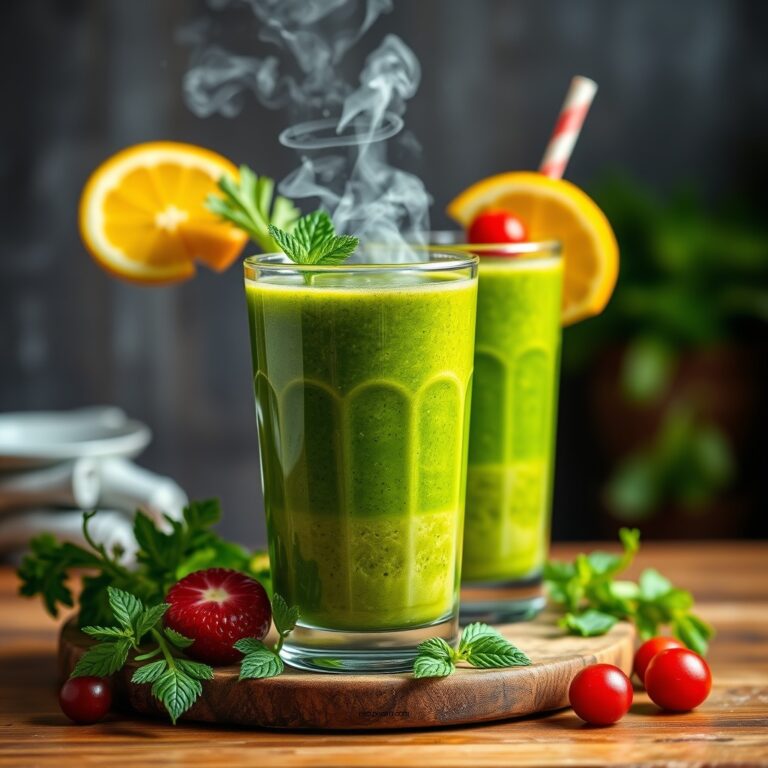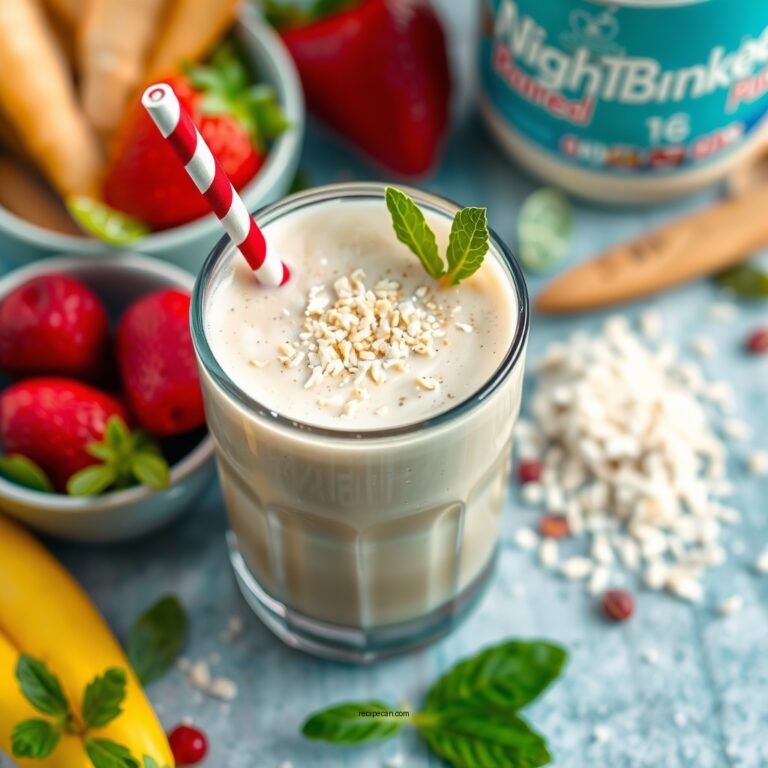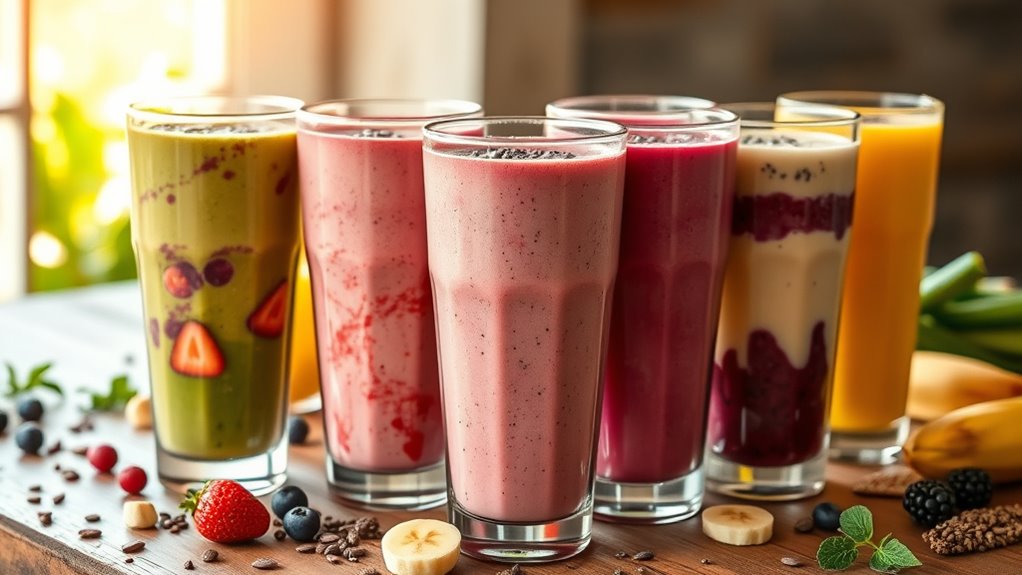
To make a balanced protein smoothie, start with 20-30 grams of quality whey protein and about 100-150 grams of Greek yogurt for creaminess and extra protein. Add fresh or frozen fruits and a liquid base like milk or plant milk to blend smoothly. Layer ingredients—liquids first, then powders, fruits, and greens—and blend until smooth. Garnish with nuts or seeds if you like. With the right details, you’ll enjoy both taste and nutrition; keep exploring for more tips.
Ingredients and Quantity
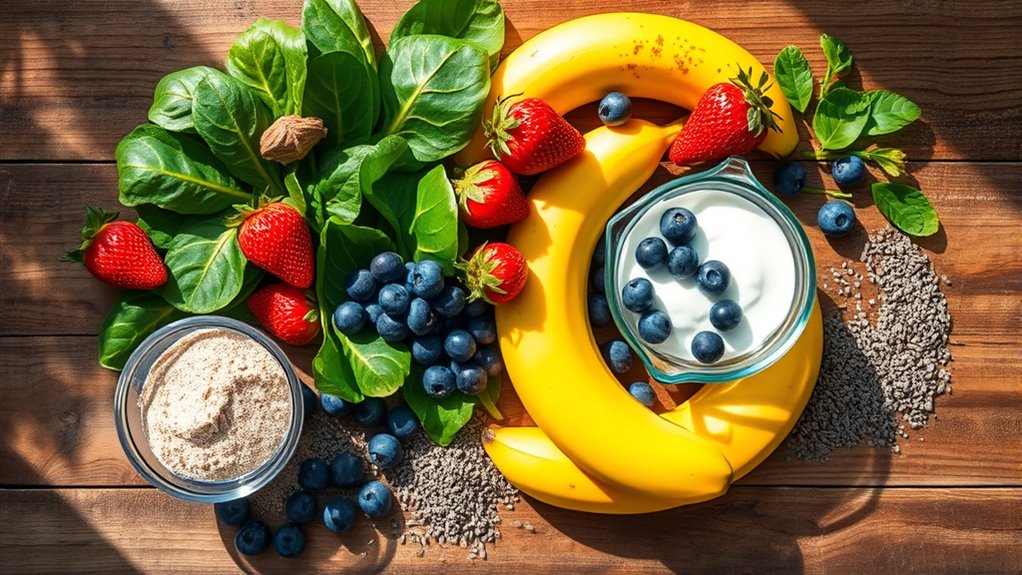
When crafting protein smoothies, selecting the right ingredients and measuring their quantities precisely is crucial to meet your nutritional goals. You want to balance protein sources with complementary flavor combinations to maximize taste and nutrient intake. Using evidence-based portions guarantees you get enough protein without excess calories.
| Ingredient | Typical Quantity |
|---|---|
| Whey protein | 20-30 grams |
| Greek yogurt | 100-150 grams |
| Frozen berries | ½ cup (about 75 grams) |
| Spinach | 1 cup (30 grams) |
| Almond milk | 1 cup (240 ml) |
Choose protein sources like whey or Greek yogurt, and pair them with fruits or greens for fresh flavor combinations. Precise measurements help you maintain freedom over your nutrition while achieving your goals efficiently.
Preparations
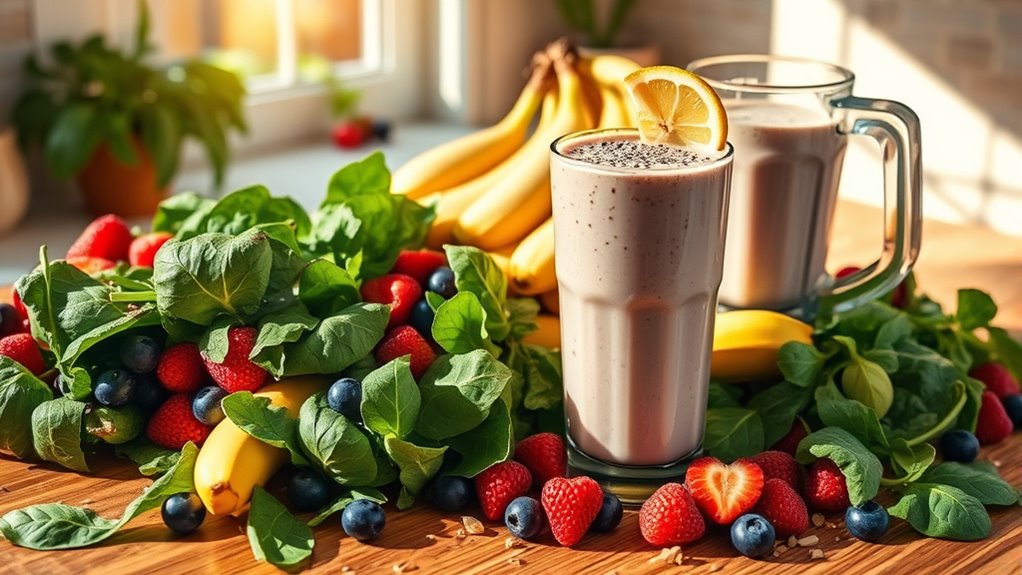
Although selecting the right ingredients is essential, proper preparation guarantees your protein smoothie blends smoothly and tastes great. Start by choosing your smoothie bases wisely—water, milk, or plant-based alternatives each affect texture and flavor. Chilling or freezing fruits beforehand enhances creaminess without needing ice, which can water down your drink. When it comes to blending techniques, pulse initially to break down tough ingredients, then blend continuously to achieve a consistent texture. Avoid over-blending, which can heat the mixture and alter taste. Also, layer ingredients strategically: liquids first, then powders, followed by fruits and greens to optimize blending efficiency. These evidence-based preparation steps empower you to customize your protein smoothies with freedom and precision, ensuring every sip is enjoyable and nutritious.
How to Prepare
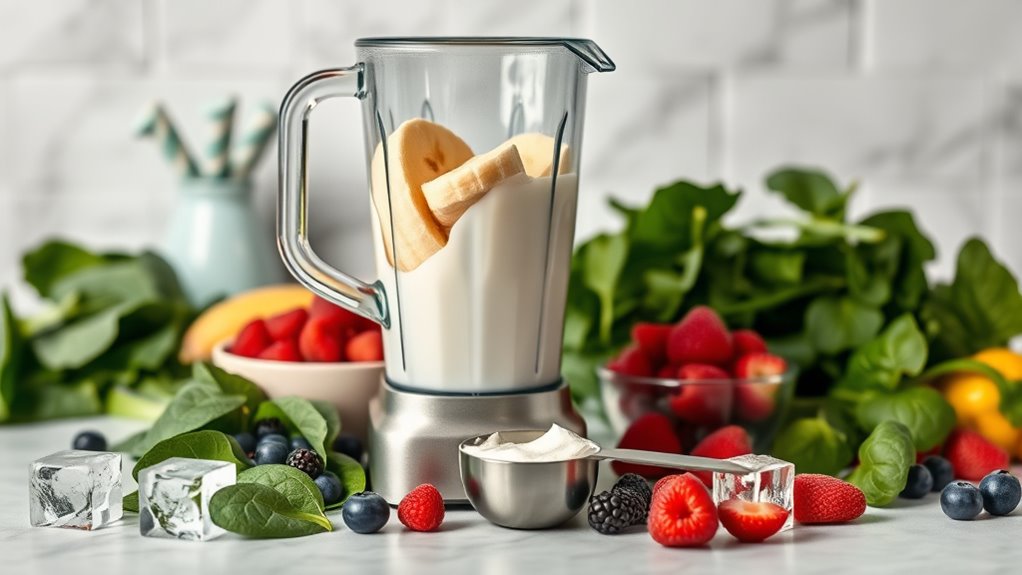
- Select quality ingredients based on your preferred smoothie type (fruit-based, green, or protein-heavy).
- Accurately measure your protein powder to ensure balanced macronutrients.
- Add liquids to the blender first to create a vortex for easier blending.
- Add softer ingredients next.
- Finish by adding harder or frozen ingredients to achieve a smooth consistency.
- Blend on high speed until the mixture is uniform and free of lumps.
- Avoid over-blending to preserve nutrient integrity and prevent heating, which can degrade protein quality.
- Customize ingredients and quantities to tailor taste, texture, and nutrition to your preferences.
How to Serve
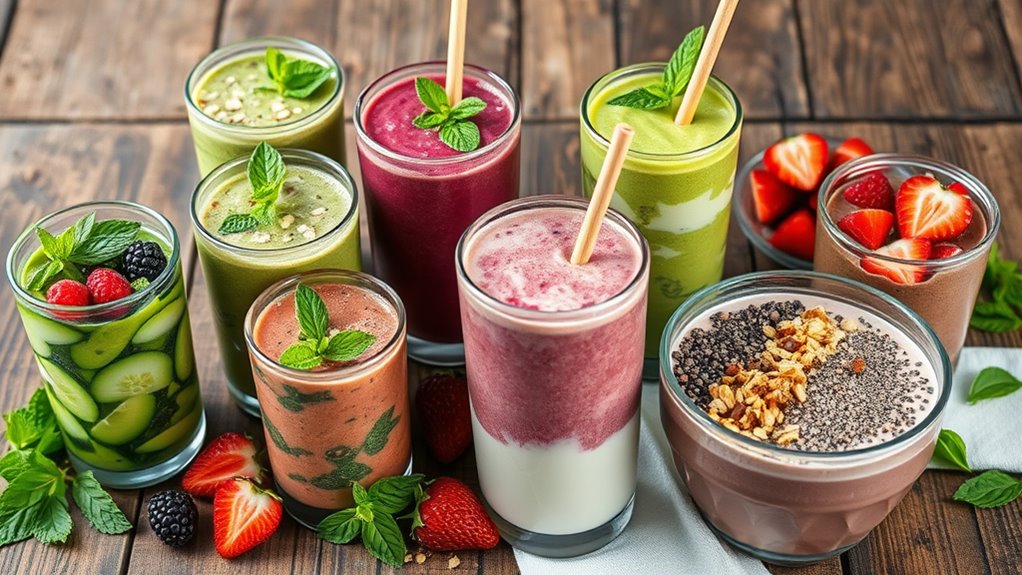
Before serving your protein smoothie, make certain it’s chilled to enhance its invigorating qualities and maintain its nutritional benefits. How you serve it can influence your enjoyment and willingness to stay consistent with your nutrition goals. Consider varied presentation styles and serving suggestions to keep things fresh and appealing.
- Use clear glassware to showcase vibrant colors and textures.
- Garnish with fresh fruit, nuts, or seeds for added appeal and nutrients.
- Serve with a reusable straw to promote eco-friendly habits.
- Offer smoothie bowls with granola or chia seeds for a thicker option.
- Portion smoothies in individual containers for on-the-go convenience.
These approaches combine aesthetics with practicality, ensuring your protein smoothie is as enjoyable as it is nourishing.
Tips
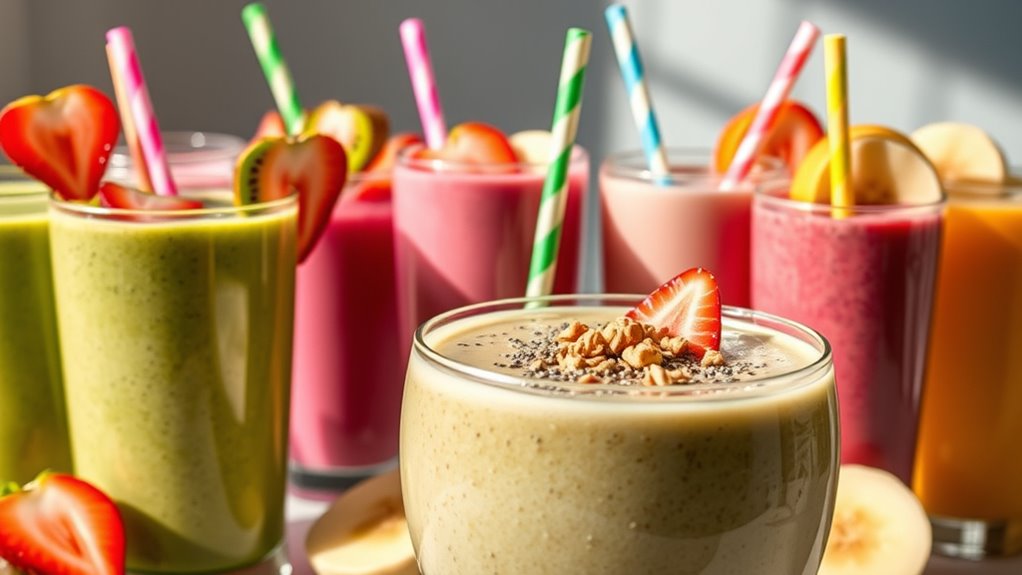
When crafting your protein smoothies, paying attention to ingredient quality and balance can greatly impact both taste and nutritional value. Choose fresh or frozen fruits, high-quality protein powders, and healthy fats to guarantee your smoothie supports your goals. Don’t hesitate to experiment with smoothie variations; adjusting fruit combinations or adding greens can keep your routine exciting and nutrient-dense. If you encounter allergies or dietary restrictions, ingredient substitutions like plant-based proteins or alternative milk options provide flexibility without compromising benefits. Remember to measure portions to avoid excess calories. Blending ingredients in the right order—liquids first, then powders, and finally solids—guarantees smooth texture. By applying these practical tips, you’ll enjoy protein smoothies that are both satisfying and tailored to your lifestyle.
Food Value and Benefit
The prepared protein smoothie is a nutrient-dense dish that combines high-quality protein, fiber, healthy fats, vitamins, and minerals to support overall health and wellness.
Benefits of eating this protein smoothie include:
- Supports muscle repair and growth with high-quality protein
- Enhances digestion and promotes feelings of fullness due to fiber content from fruits and vegetables
- Contributes to heart health and brain function through healthy fats
- Reduces inflammation and oxidative stress with antioxidants from berries
- Boosts immune function and energy metabolism thanks to essential vitamins and minerals
This recipe contains important vitamins such as Vitamin C, Vitamin A, and several B vitamins, as well as minerals including potassium, magnesium, and calcium, all of which play vital roles in maintaining bodily functions and promoting vitality.
What are the benefits of drinking protein smoothies?
Protein smoothies offer numerous health benefits. They are an excellent source of protein, which is essential for muscle repair and growth. Consuming protein can help you feel fuller for longer, aiding in weight management. Additionally, smoothies are a great way to incorporate fruits and vegetables into your diet, providing essential vitamins, minerals, and antioxidants. They are also convenient for on-the-go nutrition, making it easy to maintain a healthy lifestyle.
What ingredients should I include in a protein smoothie?
A well-balanced protein smoothie typically includes a protein source (like protein powder, Greek yogurt, or nut butter), a liquid (such as almond milk, coconut water, or juice), and a variety of fruits and/or vegetables (like bananas, spinach, or berries). You can also add extras like seeds (chia, flax), nuts, or spices (cinnamon, ginger) to enhance flavor and nutrition. The key is to balance the ingredients for taste and health benefits.
How can I make my protein smoothie taste better?
To enhance the flavor of your protein smoothie, consider adding natural sweeteners like honey, maple syrup, or dates. Incorporating spices such as vanilla extract, cocoa powder, or cinnamon can also elevate the taste. Additionally, using frozen fruits instead of fresh can create a creamier texture and colder temperature, improving the overall flavor. Experimenting with different combinations of ingredients will help you find your perfect blend.
Are protein smoothies suitable for weight loss?
Yes, protein smoothies can be beneficial for weight loss when used as part of a balanced diet. They can help control hunger and reduce cravings due to their high protein content, which promotes satiety. However, it’s essential to keep an eye on the calorie count of your smoothie. Opt for wholesome ingredients and avoid excessive sweeteners or high-calorie additives. Incorporating smoothies as meal replacements or snacks can support your weight loss goals when done mindfully.
Can I prepare protein smoothies in advance?
Yes, you can prepare protein smoothies in advance for convenience. A great way to do this is by prepping smoothie bags: portion out your fruits, vegetables, and any dry ingredients in freezer bags and store them in the freezer. When you’re ready to enjoy a smoothie, simply blend the contents of the bag with your choice of liquid. If you make smoothies in advance, store them in an airtight container in the refrigerator and consume within 24-48 hours for the best taste and nutritional value.
References
- https://www.ncbi.nlm.nih.gov/pmc/articles/PMC4937995/
- https://www.health.harvard.edu/staying-healthy/the-protein-smoothie
- https://www.eatright.org/food/nutrition/dietary-guidelines-and-myplate/protein-and-healthy-smoothies
- https://www.verywellfit.com/protein-smoothie-recipes-5183409
- https://www.cdc.gov/nutrition/index.html
- https://www.nutrition.gov/topics/nutrition-basics/protein