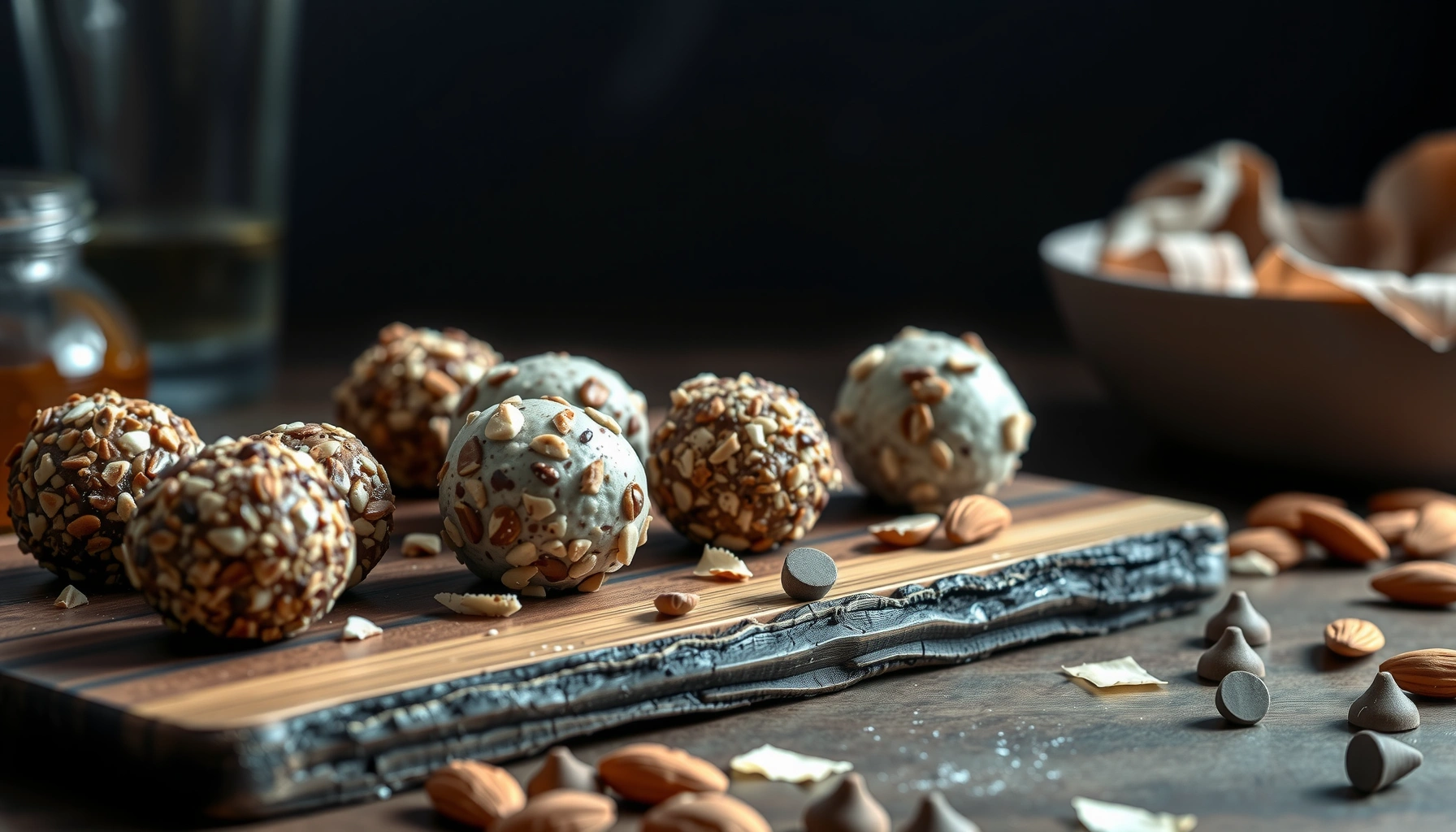
Get a protein energy balls recipe that actually delivers: easy, no-bake bites you can mix in minutes and set for grab-and-go energy. If you want a dependable, high-protein snack that doesn’t require an oven—or complicated steps—this recipe is the clear winner. You’ll learn the exact ingredient combo and method to get firm, flavorful balls every time.
Protein energy balls are a fast, no-bake snack you can make by combining protein (powder, yogurt, or nut butter) with binders like oats and nut/seed butter, then chilling until firm. This recipe gives you a practical, customizable formula—plus troubleshooting and macro-fitting guidance—so you can dial in flavor, texture, and nutrition without turning on the oven.
Ingredients for Protein Energy Balls
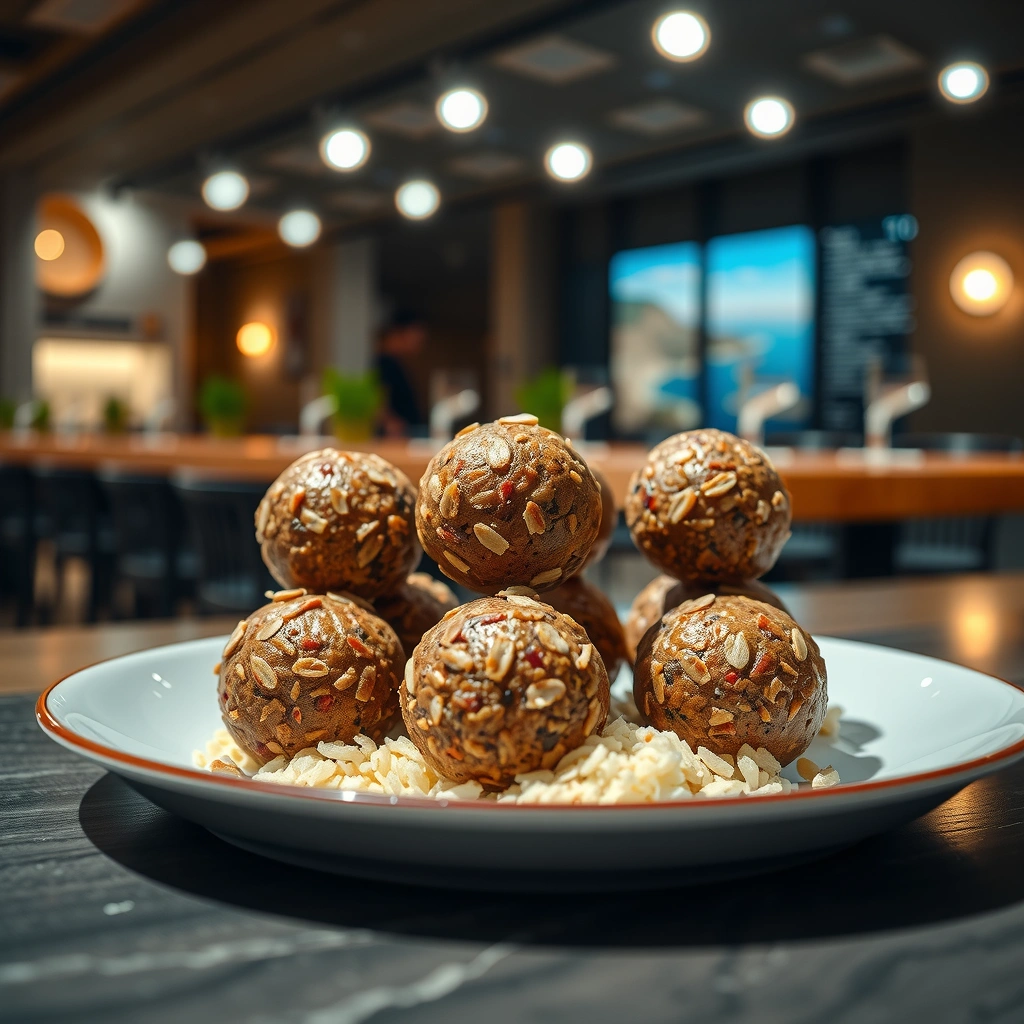
Protein energy balls work because they balance three functions: protein delivery, binding, and flavor/texture. If any one component is missing or mis-measured, the bites may crumble or end up too gummy. Below is a flexible ingredient framework you can use with your preferred brand and dietary needs.
– Choose a protein base (protein powder, Greek yogurt, or nut butter)
Pick one “main protein” source as your anchor.
– Protein powder (whey or plant): easiest for consistent protein per bite.
– Greek yogurt (thick, high-protein): creates a softer, more “chewy” energy ball and can increase moisture—adjust oats if needed.
– Nut butter: adds both protein and healthy fats; typically yields a denser bite with naturally sweet flavor.
– Use binding ingredients like nut/seed butter and oats
Binding ingredients create structure after chilling.
– Nut/seed butter (peanut, almond, cashew, sunflower): provides fat and emulsifiers that firm up in the fridge.
– Oats (rolled or quick): absorb moisture and thicken the mixture. For smoother balls, pulse oats briefly into a coarse flour.
– Add flavor and texture with add-ins (cocoa, vanilla, chia, shredded coconut)
Add-ins improve sensory quality and can influence macros.
– Cocoa powder: chocolate flavor with minimal sweetness.
– Vanilla extract or cinnamon: boosts perceived flavor without adding many calories.
– Chia seeds: add fiber and help bind by absorbing liquid.
– Shredded coconut: contributes texture and a “treat-like” finish.
– Optional: a pinch of salt to make sweetness taste more balanced.
Typical Protein Target by Protein Base (Per ~20g scoop/serving)
| # | Protein Base (Common Form) | Typical Protein | Best Use Case | Macro Consistency |
|---|---|---|---|---|
| 1 | Whey protein powder | ~20–25g per 1 scoop | Highest, most predictable protein | ★★★★★ |
| 2 | Plant protein powder (pea/rice) | ~15–22g per 1 scoop | Dairy-free protein structure | ★★★★☆ |
| 3 | Greek yogurt (plain, thick) | ~10–20g per 170g cup | Chewier texture; adds moisture | ★★★★☆ |
| 4 | Peanut butter | ~7–8g per 2 Tbsp | Rich flavor, higher fat density | ★★★☆☆ |
| 5 | Almond butter | ~6–7g per 2 Tbsp | Smoother, lighter nut profile | ★★★☆☆ |
| 6 | Sunflower seed butter | ~6–8g per 2 Tbsp | Allergy-friendly alternative | ★★★☆☆ |
| 7 | Cottage cheese (blended) | ~14–20g per 1 cup | High-protein; needs extra oats/chia | ★★★☆☆ |
Step-by-Step Protein Energy Balls Recipe
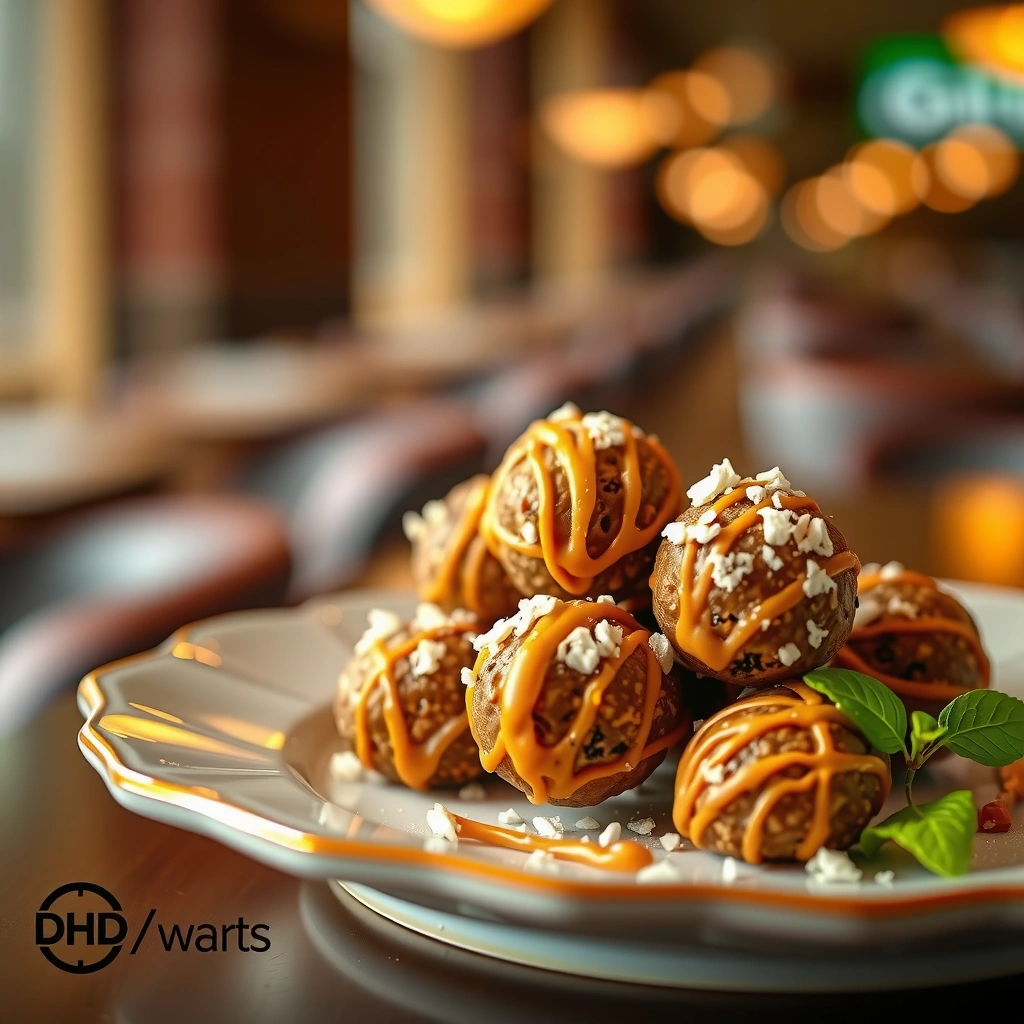
To make protein energy balls reliably (especially the first time), treat this as a process: combine, mix until thick, roll, chill, then re-check texture. Your goal is a mixture that holds shape when pressed, without being dry or wet.
– Combine dry ingredients, then mix in wet ingredients until thick and sticky
Start with:
1) Oats (for structure)
2) Cocoa/spices and any chia or shredded coconut
Then add your protein base: protein powder, Greek yogurt, and/or nut/seed butter.
Mix until the mixture looks cohesive and “stands up” slightly when stirred. If it seems runny, add oats; if it seems dusty, add nut butter or a small splash of liquid sweetener.
– Roll into bite-sized balls using wet hands for less sticking
Portion consistency is more important than perfect roundness.Wet your hands lightly (water works) so the mixture releases cleanly. For a 20–30 second technique: scoop, compress firmly, then roll quickly. The firmness improves after chilling, so don’t overthink tiny cracks.
– Chill for at least 20–30 minutes to help them set
Refrigeration firms the fats and allows oats/chia to hydrate and thicken.
If you live in a warm climate or your nut butter is very runny, give them closer to 45–60 minutes for stable shape.
Practical batch target: most people aim for 12–20 bites, depending on whether they want snack-size or “mini dessert” size.
Best Protein and Flavor Options
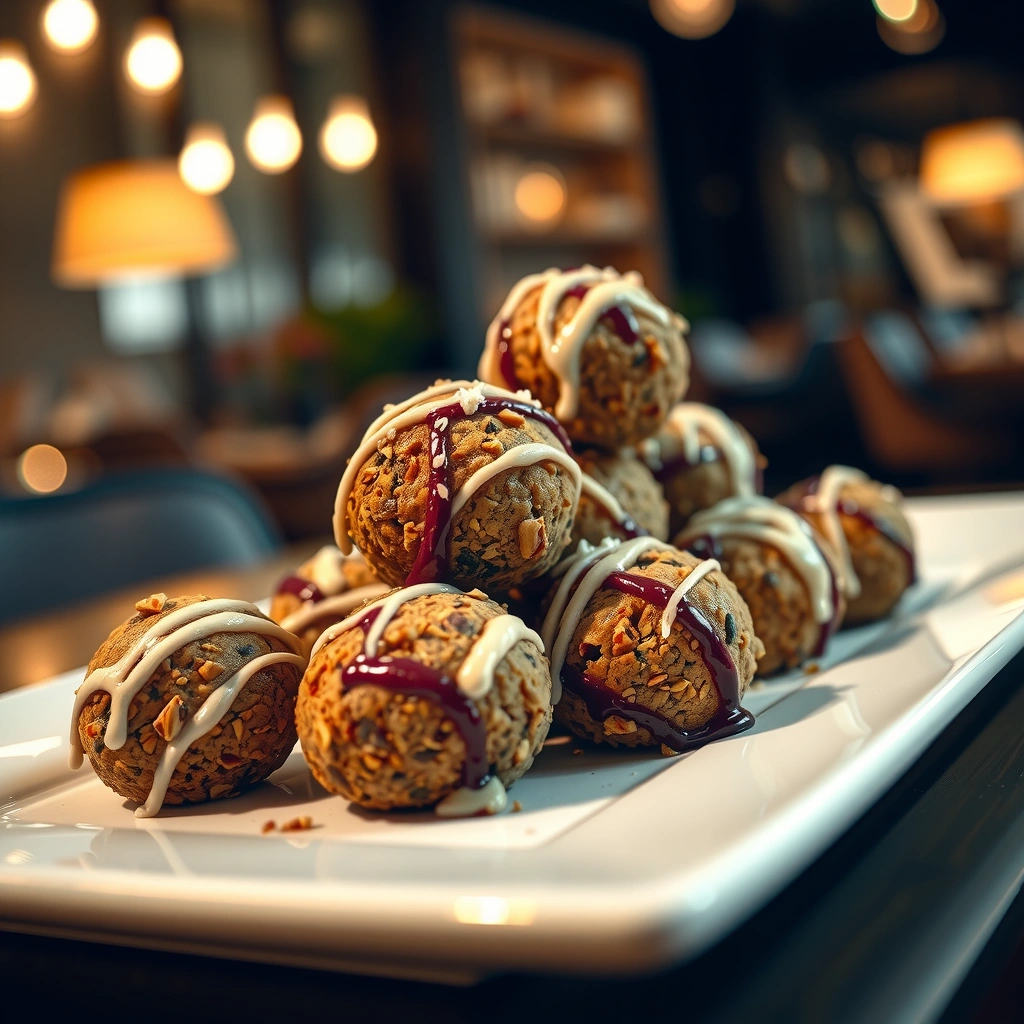
The “best” options depend on whether you prioritize protein per bite, ease, taste, or diet compatibility. Below are commonly successful combinations that work well in no-bake protein ball recipes.
– Use whey or plant protein powder for an easy, consistent protein boost
Whey protein typically blends smoothly and delivers high protein density. Plant protein can work just as well, but some blends absorb more liquid—meaning your oat amount and chill time may need adjustment. As a rule: if your plant protein tastes chalky, increasing vanilla or cocoa and chilling longer can improve texture perception.
– Flavor ideas: chocolate, peanut butter, cinnamon, coconut
Choose one flavor “lane” so the bites taste intentional instead of mixed.
– Chocolate: cocoa powder + vanilla + a pinch of salt
– Peanut butter: peanut butter + chocolate chips (optional) + roasted flavor notes (cinnamon works)
– Cinnamon oat: cinnamon + vanilla + extra oats for warmth
– Coconut: shredded coconut + vanilla + a small squeeze of lime or pinch of salt (optional brightener)
– Sweeten lightly with honey or maple syrup if needed
Many protein powders are unsweetened or mildly sweet. If your mixture feels “flat,” add sweetener gradually—start with 1 teaspoon, mix, then reassess. This helps control added sugars and keeps your macros aligned.
If you’re aiming for a more businesslike “repeatable outcome,” treat flavoring and protein as variables:
– Flavor tweaks: cocoa, vanilla, cinnamon, coconut, salt
– Macro tweaks: protein powder amount/type, oat amount, nut butter amount
Storage and Meal-Prep Tips
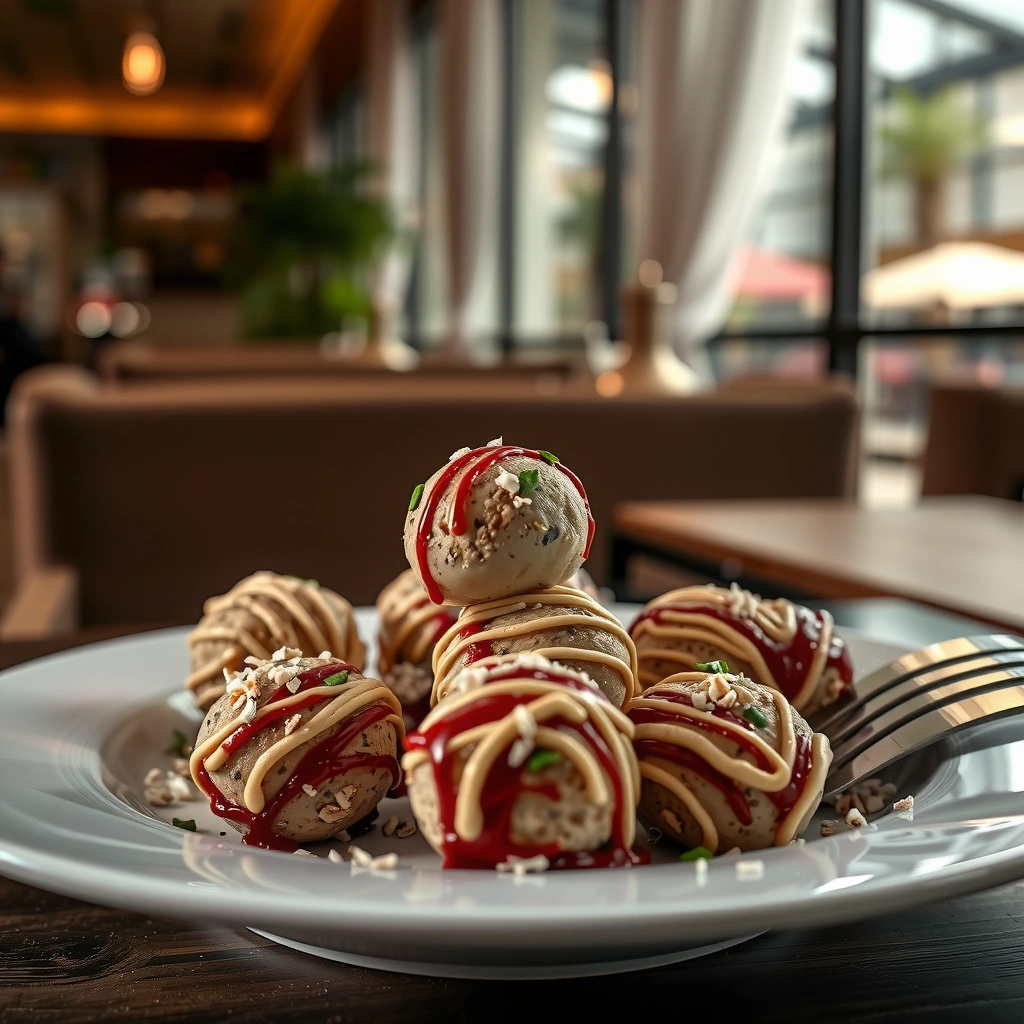
Protein energy balls are ideal for meal prep because they hold well and require no cooking equipment beyond mixing and chilling. Storage quality directly affects texture (they can soften if under-chilled or if stored warm).
– Store in an airtight container in the fridge for up to 5–7 days
Keep them sealed to prevent fridge odors and moisture loss. If they feel a little firm after chilling (common with colder fridges), let them sit at room temperature for 5–10 minutes before eating.
– Freeze for longer storage—thaw in the fridge overnight
Freezing extends freshness and helps you avoid “batch guilt.” Thawing in the fridge is best for texture stability—fast room-temp thawing can soften the outer layer unevenly.
– Keep portion sizes consistent for easier tracking
Weighing is the most accurate method if macros matter. If not weighing, use a consistent scoop size and roll immediately. Consistency improves results when you’re balancing calories, protein targets, and daily carb allowance.
Tip: If you freeze, separate layers with parchment so bites don’t become a single frozen mass.
How to Make Them Fit Your Macros
The beauty of protein energy balls is that they’re formula-based. You can adjust macros logically by changing one lever at a time rather than “randomly adding more stuff.”
– Adjust protein by swapping protein powder amount or type
– Want more protein? Increase protein powder slightly and reduce oats by the same gram amount to keep total volume reasonable.
– Want lower protein but more fiber? Use a blend like Greek yogurt + less protein powder, then add chia for thickness.
– Control carbs with the type and amount of oats or add-ins
– Rolled oats generally deliver steady carbs and fiber.
– If you want fewer carbs, reduce oat amount and use chia (higher fiber, less impact on carbs per binder weight than oats).
– Add-ins like shredded coconut can increase carbs and fats—consider that when “fine-tuning.”
– Increase healthy fats with nut butter or seeds for more satiety
Healthy fats can improve fullness and make energy balls taste more dessert-like. However, fats are calorie-dense—so adjust carefully if your goal is weight management rather than mass gain.
A useful strategy: decide your target first (e.g., “higher protein, moderate carbs”), then adjust the binder ratio to keep the balls holding shape.
Common Mistakes (and How to Fix Them)
Even when following a recipe, protein energy balls can behave differently depending on protein powder absorbency, oat moisture content, and nut butter viscosity. Use the troubleshooting guide below to correct issues quickly.
– Too dry? Add 1–2 teaspoons of nut butter or liquid sweetener
Dry mixtures don’t compress well and can crumble. Add small amounts, mix thoroughly, and reassess. If you used a very dry protein powder, the mix may need a slightly longer hydration window—chill 10 extra minutes before final rolling.
– Too wet? Add extra oats or chia to absorb moisture
Wet mixtures smear and won’t hold. Oats are usually the fastest fix; chia also helps but can subtly change texture (slightly thicker/gel-like). Add gradually to avoid overshooting into “too dry.”
– Won’t hold shape? Chill longer and roll firmly
If the mixture holds its shape briefly but collapses later, the proteins and fats may need more time to set. Chill longer (up to 60 minutes). When rolling, compress the balls firmly so the internal structure locks in.
Quality control check:
After the first 20–30 minutes, remove one ball and press it gently with a fork. It should resist breaking and spring back slightly. If it smears, it’s still too wet.
Protein energy balls are an easy, customizable snack that delivers satisfying protein and steady energy—without the cooking time. Follow the simple mix-and-roll steps, choose your preferred protein and flavor, then store or freeze for grab-and-go fueling. Try this recipe today, make your first batch, and tweak just one ingredient at a time to align the texture and macros with your exact goals.
References
- Google Scholar Google Scholar
https://scholar.google.com/scholar?q=protein+energy+balls+recipe - Google Scholar Google Scholar
https://scholar.google.com/scholar?q=energy+ball+recipe+oats+nut+butter+protein+ingredients - Google Scholar Google Scholar
https://scholar.google.com/scholar?q=high+protein+snack+energy+balls+clinical+trial - Energy bar
https://en.wikipedia.org/wiki/Energy_bar - Protein
https://en.wikipedia.org/wiki/Protein - https://www.choosemyplate.gov/eat-healthy/healthy-eating-tips/food-groups/protein-foods
https://www.choosemyplate.gov/eat-healthy/healthy-eating-tips/food-groups/protein-foods - https://medlineplus.gov/protein.html
https://medlineplus.gov/protein.html - https://ods.od.nih.gov/factsheets/Protein-HealthProfessional/
https://ods.od.nih.gov/factsheets/Protein-HealthProfessional/ - https://www.fda.gov/food/nutrition-education-resources-materials/nutrition-facts-label/added-sugars
https://www.fda.gov/food/nutrition-education-resources-materials/nutrition-facts-label/added-sugars - https://www.mayoclinic.org/healthy-lifestyle/nutrition-and-healthy-eating/in-depth/snacks/art-20048216
https://www.mayoclinic.org/healthy-lifestyle/nutrition-and-healthy-eating/in-depth/snacks/art-20048216