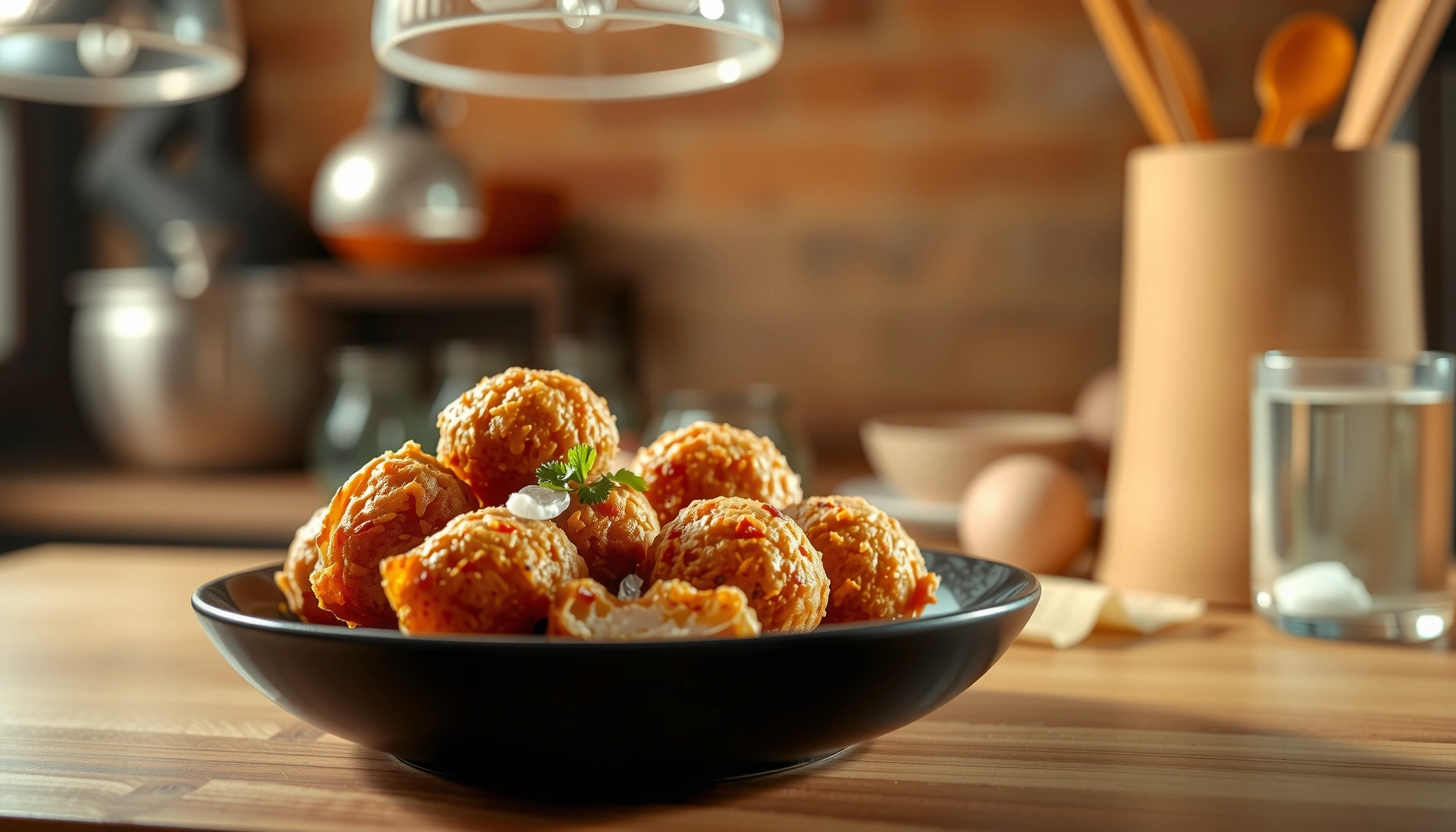
Looking for a potato balls recipe that delivers crisp, golden exteriors and fluffy centers without complicated steps? This easy method shows you exactly how to shape, season, and fry (or bake) potato balls so they stay tender inside and stay crunching outside. If you want the fastest path to reliably crispy potato balls, this is the one to make.
Potato balls are simple to make: mash cooked potatoes, bind with egg and flour (optional cheese included), shape, then fry or bake until golden and crisp. Below is a practical, step-by-step approach with texture and cooking tips so your potato balls hold together and cook evenly every time.
In this recipe, you’re not just making a snack—you’re engineering a reliable crisp exterior with a tender interior. The core technique is controlling moisture (by starting with properly cooked, well-drained potatoes), and creating enough structure (via egg, a light dusting of flour, and consistent shaping). Once those basics are in place, you can choose frying for maximum browning or baking for a lighter finish.
Ingredients for Potato Balls
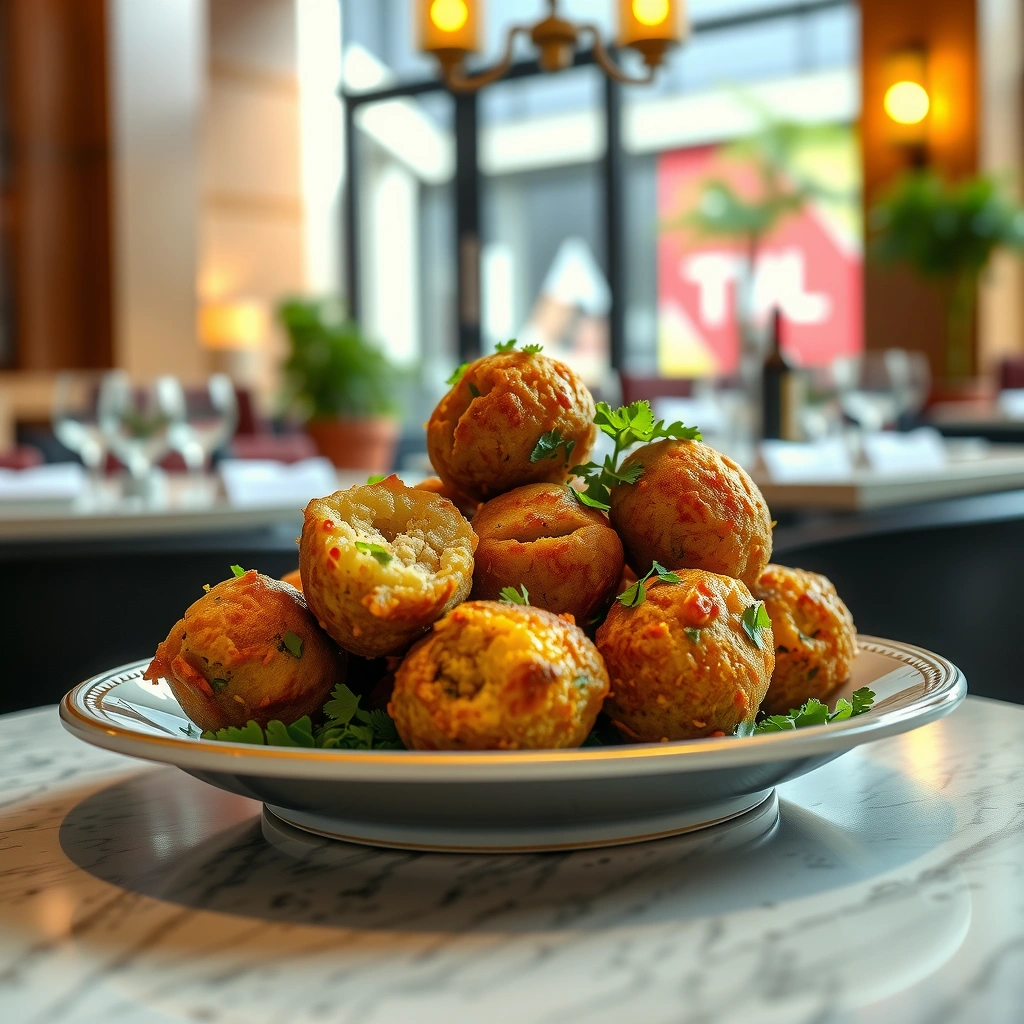
– Cooked, mashed potatoes as the base
– Binding and flavor boosters (egg, flour, salt/pepper, herbs; optional cheese)
Potato balls are forgiving, but the ingredient ratios matter. Use starchy potatoes (like Russet, Yukon Gold, or similar) because they mash smoothly and bind better than waxier varieties. If your potatoes are watery, your balls won’t brown well and may split during cooking.
A strong, classic flavor profile usually includes salt, black pepper, and a dry herb element (parsley, dill, or Italian seasoning). Optional cheese (mozzarella, cheddar, or a mild melty cheese) adds richness and helps create a “stretch” or thicker interior as the balls cook—useful for party-style appetizers.
Recommended ingredient baseline (for about 16–20 potato balls):
– 2 lb (about 900 g) potatoes, cooked and mashed
– 1 large egg
– 1/4 cup (30–35 g) all-purpose flour (add a bit more only if needed)
– 1/2 tsp salt, plus more to taste
– 1/2 tsp black pepper
– 1–2 tsp dried herbs or 1 tbsp fresh chopped herbs (parsley/dill/chives)
– Optional: 1/2–3/4 cup (50–75 g) shredded cheese (mix-in)
Alternative: add small cubes in the center for a gooey center while keeping the outside cleaner.
Quick reference table: Ingredient role and texture impact
Potato Ball Ingredients: Typical Use, Function, and Result
| # | Ingredient | Typical Amount | Primary Function | Outcome Score |
|---|---|---|---|---|
| 1 | Russet/Yukon Gold potatoes | 2 lb (900 g) | Best mash texture and binding | ★★★★★ |
| 2 | Egg | 1 large | Creates structural cohesion | ★★★★☆ |
| 3 | All-purpose flour | 1/4 cup (30–35 g) | Tightens surface and helps set | ★★★★☆ |
| 4 | Salt | 1/2 tsp | Improves flavor and dough behavior | ★★★★☆ |
| 5 | Black pepper | 1/2 tsp | Adds sharpness and depth | ★★★☆☆ |
| 6 | Dried herbs (Italian/parsley/dill) | 1–2 tsp | Seasoning without extra moisture | ★★★★☆ |
| 7 | Optional shredded cheese | 1/2–3/4 cup (50–75 g) | Adds richness + melty interior | ★★★★☆ |
How to Make Potato Balls (Step-by-Step)
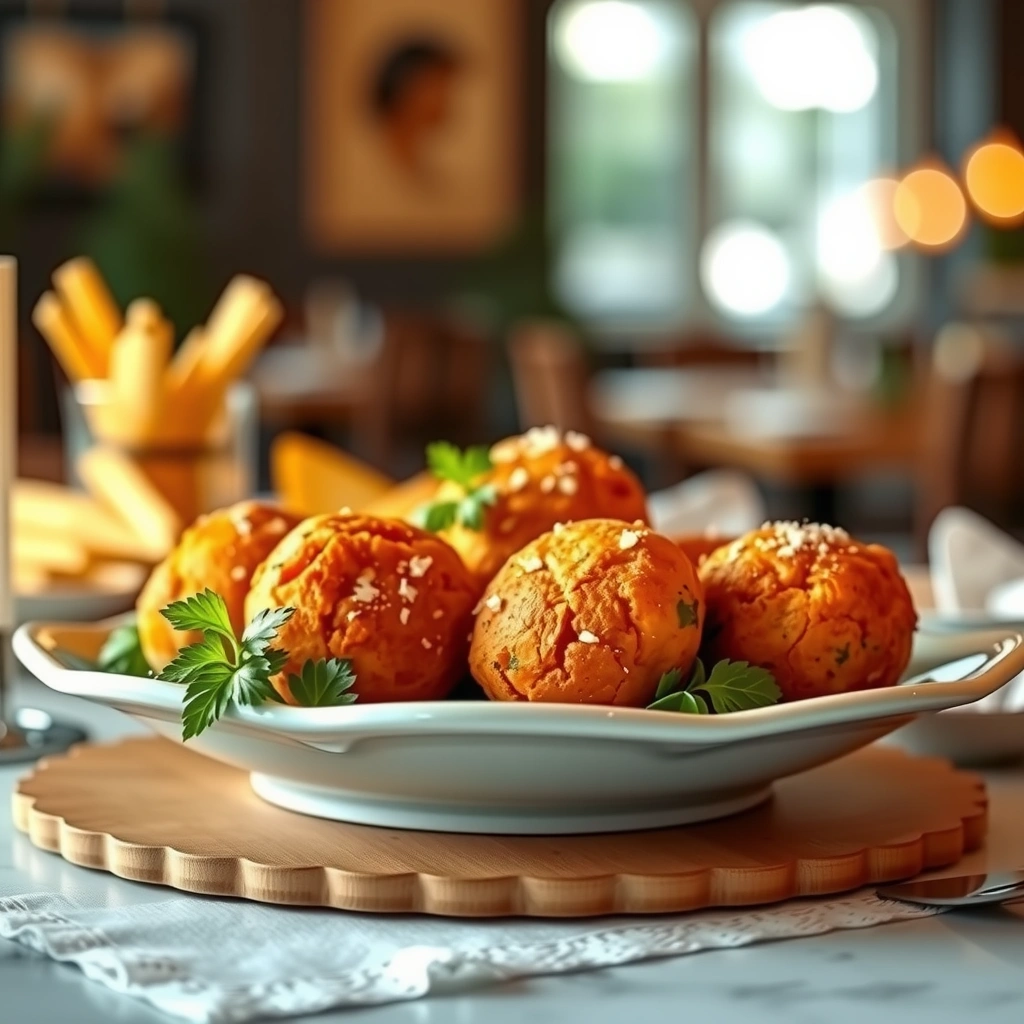
– Mix ingredients, then shape into even-sized balls
– Chill briefly (if needed) for better texture and handling
This section is where you make or break crispness. The “science” is straightforward: potatoes must be properly cooked and dried; the mixture must be cohesive; and the balls must be uniform so they cook evenly.
1. Cook and mash the potatoes thoroughly.
Boil until tender (a fork should pass easily), then drain well. For extra reliability, return potatoes to the hot pot for 1–2 minutes to steam off moisture before mashing.
2. Mash while hot—then cool slightly.
Hot potatoes help distribute binding ingredients. However, avoid mixing egg into potatoes that are too hot; the egg can scramble. Let the mash cool for a few minutes until warm, not steaming.
3. Mix in egg, seasonings, and flour.
Add egg, salt, pepper, and herbs. Stir just until the mixture forms a cohesive mass. Add flour gradually if the mixture feels loose. Overmixing can make the balls dense rather than tender.
4. Add optional cheese.
Fold in shredded cheese evenly, or reserve some cheese to form a small center pocket (press a little cheese into the middle of each ball and seal).
5. Shape into even balls.
Aim for about 1.5 inches (3–4 cm) each. Consistency matters for even browning and the same internal temperature.
6. Chill briefly.
Refrigerate 20–30 minutes. Chilling firms up the surface so the balls set faster on the outside, limiting breakage and oil absorption during frying.
Pro handling tip: If the mixture feels sticky, lightly dust your hands with flour or refrigerate longer. If it feels too dry, mix in 1–2 teaspoons of water or a small splash of milk (only as needed) to restore malleability.
Cooking Methods: Frying vs Baking
– Fry for maximum crispiness and faster browning
– Bake for a lighter option with a similar golden finish
Both frying and baking can produce golden potato balls, but the texture profile differs. Frying accelerates browning because hot oil conducts heat efficiently and helps the surface dry quickly. Baking can still crisp, but you’ll typically need a slightly more controlled technique and a hot oven.
Frying (best for crunch)
– Heat oil to around 350–375°F (175–190°C).
– Fry in batches to avoid temperature drops.
– Cook until deep golden, then drain on a rack (not paper towels) for better crisp retention.
Why it works: Surface moisture flashes off in oil, creating a crisp crust while the interior heats more gently to finish cooking.
Baking (best for lighter texture)
– Preheat oven to 425°F (220°C).
– Place balls on a parchment-lined sheet or a lightly oiled rack for airflow.
– Lightly brush or spray with oil for browning.
– Bake 20–30 minutes, flipping halfway, until golden.
Optimization strategies for baking:
– Use a convection/air-fry setting if available.
– Ensure balls are not touching (airflow drives crispness).
– Consider a short broil at the end for extra color—watch closely to avoid over-browning.
Tips for Crispy, Golden Potato Balls
– Don’t overmix—keep the texture tender but firm
– Use consistent sizes and don’t overcrowd the pan
Crispness is largely a management problem: you’re trying to create a dry enough exterior that can brown and stay structured while the inside cooks through. Here are the highest-impact fixes when potato balls don’t behave as expected.
1. Don’t overmix.
If you mash aggressively or stir the mixture too long, the texture can become gummy or heavy. Mix only until ingredients are evenly combined and shapeable.
2. Control moisture from the start.
Watery potatoes lead to fragile balls that can crack or absorb too much oil. After boiling, drain thoroughly, and steam briefly in the pot if needed.
3. Chill for a “crust-first” cook.
Even 20 minutes in the fridge helps the outside firm up, particularly if you’re frying.
4. Size consistency is non-negotiable.
If some balls are bigger, they’ll stay undercooked while smaller ones brown too much. Use a scoop or measure portioned amounts.
5. Avoid overcrowding (frying or baking).
In frying, overcrowding drops oil temperature, causing greasy results and weaker crust. In baking, overcrowding traps steam and delays browning.
6. Drain correctly.
For frying, drain on a wire rack. For baking, keep them on the baking rack/sheet until serving—steam can soften the crust if they sit stacked.
Serving Ideas and Dipping Sauces
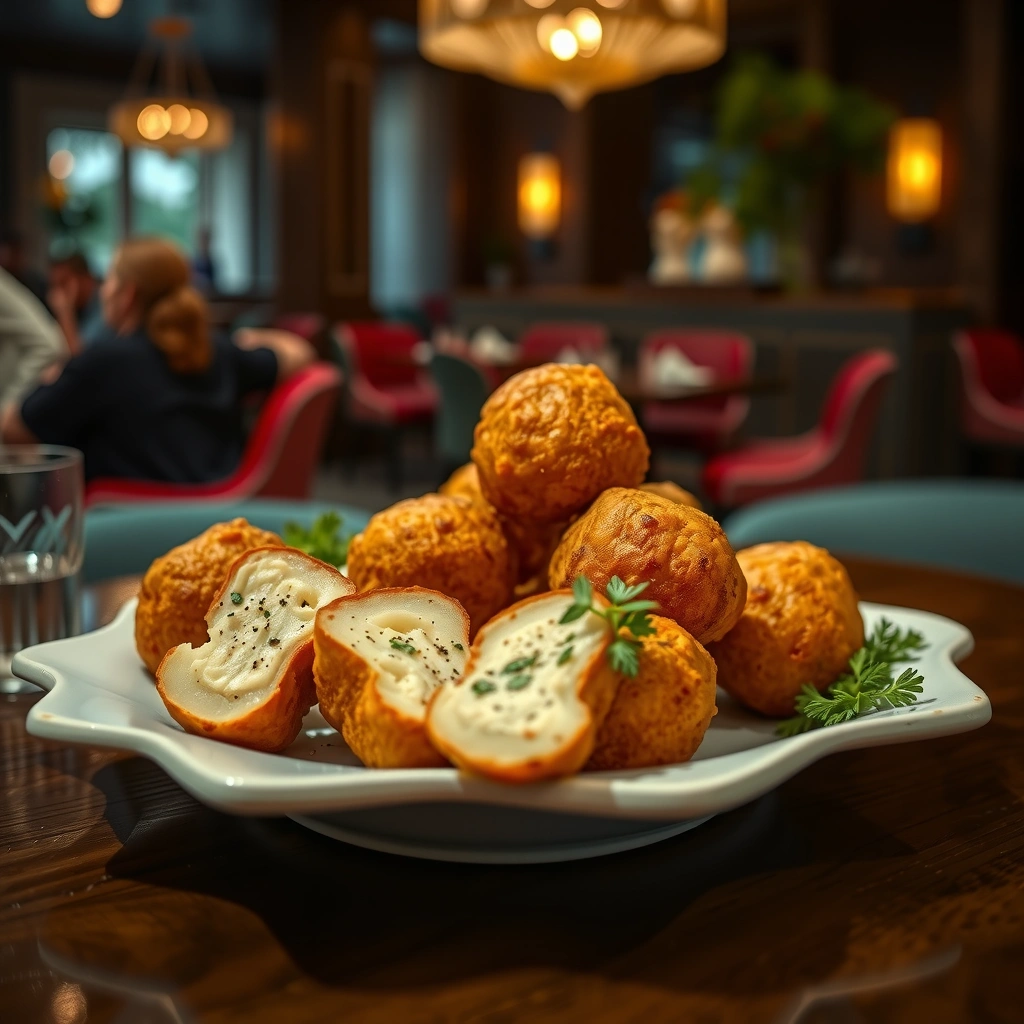
– Serve hot with garlic yogurt, marinara, or sour cream
– Pair with salads, soups, or as an appetizer for parties
Potato balls shine as either a standalone snack or a companion to larger meals. Serve them hot so the crust stays crisp and the interior remains tender.
High-approval dipping sauce options (choose 1–2 for variety):
– Garlic yogurt dip: plain yogurt + minced garlic + lemon juice + salt + chopped herbs. Creamy, tangy, and cuts through richness.
– Marinara: warm marinara for a classic Italian-style appetizer vibe.
– Sour cream with chives: sour cream + chives + a pinch of salt and pepper.
Serving suggestions that scale well:
– Appetizer platter: arrange potato balls with sauces in small bowls; garnish with parsley for visual appeal.
– With soups: pair with tomato soup, lentil soup, or a hearty vegetable chowder.
– With salads: a simple arugula salad, cucumber salad, or a bright coleslaw adds freshness and balances the fried or baked richness.
– Breakfast or brunch twist: serve with a runny egg and hot sauce if you want a more substantial meal.
If you’re meal-prepping, portion potato balls and keep dips chilled separately—quality stays higher and serving becomes effortless.
Storage and Reheating
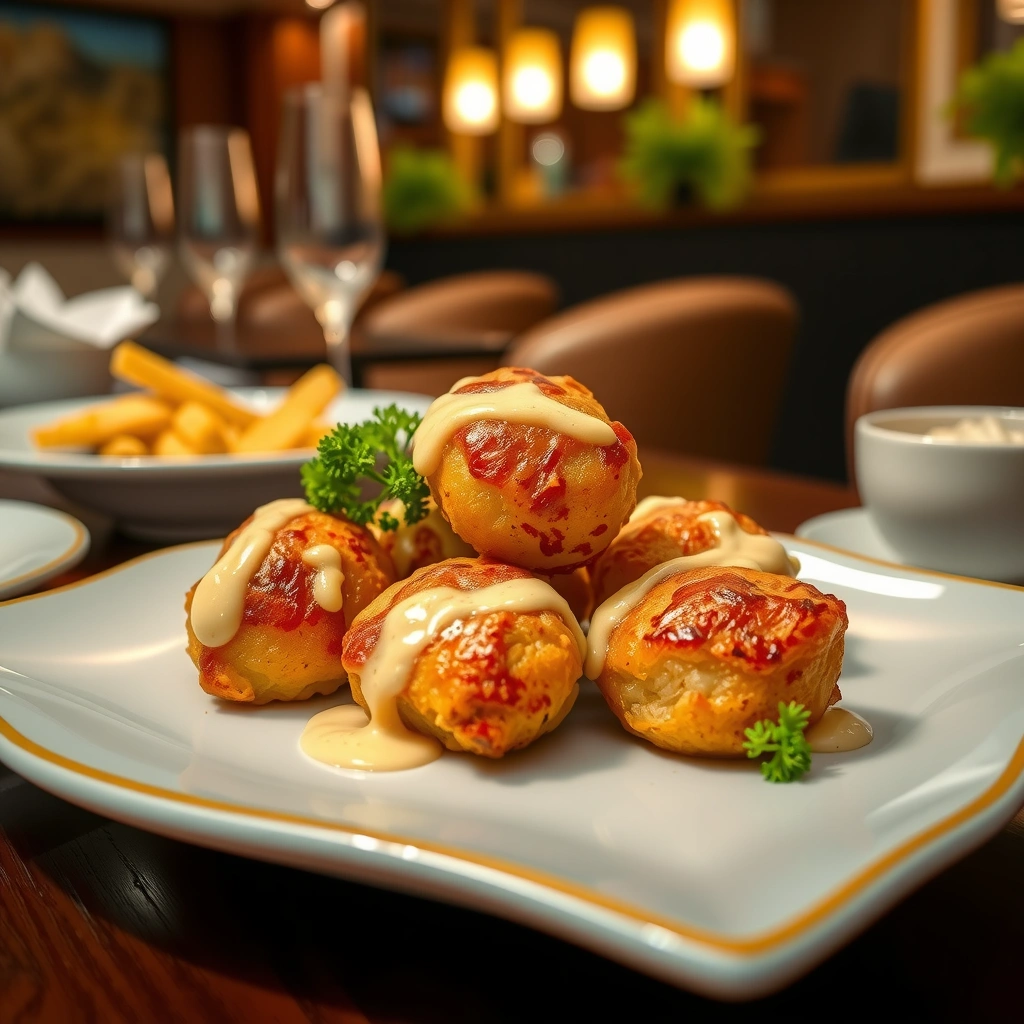
– Store leftovers in an airtight container
– Reheat in the oven/air fryer to restore crispness
Potato balls reheat best when you treat them like fried food: you want to re-crisp the exterior rather than soften it with microwaving. Proper storage also prevents texture decline.
Storage
– Cool completely before storing (hot steam creates condensation).
– Keep in an airtight container in the refrigerator for up to 3 days.
Reheating (recommended)
– Oven: 375°F (190°C) for 10–15 minutes, until hot and crisp.
– Air fryer: 350–375°F (175–190°C) for 6–10 minutes, shaking once.
Avoid: microwaving, which typically softens the crust and makes potato balls taste “steamed” rather than crisp.
Freezing option (if you want make-ahead efficiency):
– Freeze shaped, uncooked balls on a tray until solid, then move to a freezer bag/container.
– Cook from frozen: add extra time (baking or frying) and ensure the internal center is hot.
Potato balls are easy to make: mash, season, shape, then fry or bake until golden. Follow the tips for texture and cooking consistency, and try a flavorful dip to finish the meal—make a batch now and enjoy them fresh and crispy.
If you’d like, tell me your preferred method (fry, bake, or air-fry) and whether you want a cheesy center or a plain classic version, and I’ll tailor the exact timing and ratios to match.
References
- Croquette
https://en.wikipedia.org/wiki/Croquette - Dumpling
https://en.wikipedia.org/wiki/Potato_dumpling - Gnocchi
https://en.wikipedia.org/wiki/Gnocchi - https://en.wikipedia.org/wiki/Latke
https://en.wikipedia.org/wiki/Latke - Patatas bravas
https://en.wikipedia.org/wiki/Patatas_bravas - Croquette
https://en.wikipedia.org/wiki/Kroket - https://en.wikipedia.org/wiki/List_of_potato_dishes
https://en.wikipedia.org/wiki/List_of_potato_dishes - Google Scholar Google Scholar
https://scholar.google.com/scholar?q=potato+balls+recipe - Google Scholar Google Scholar
https://scholar.google.com/scholar?q=potato+croquettes+recipe - Google Scholar Google Scholar
https://scholar.google.com/scholar?q=potato+croquettes+frying+technique