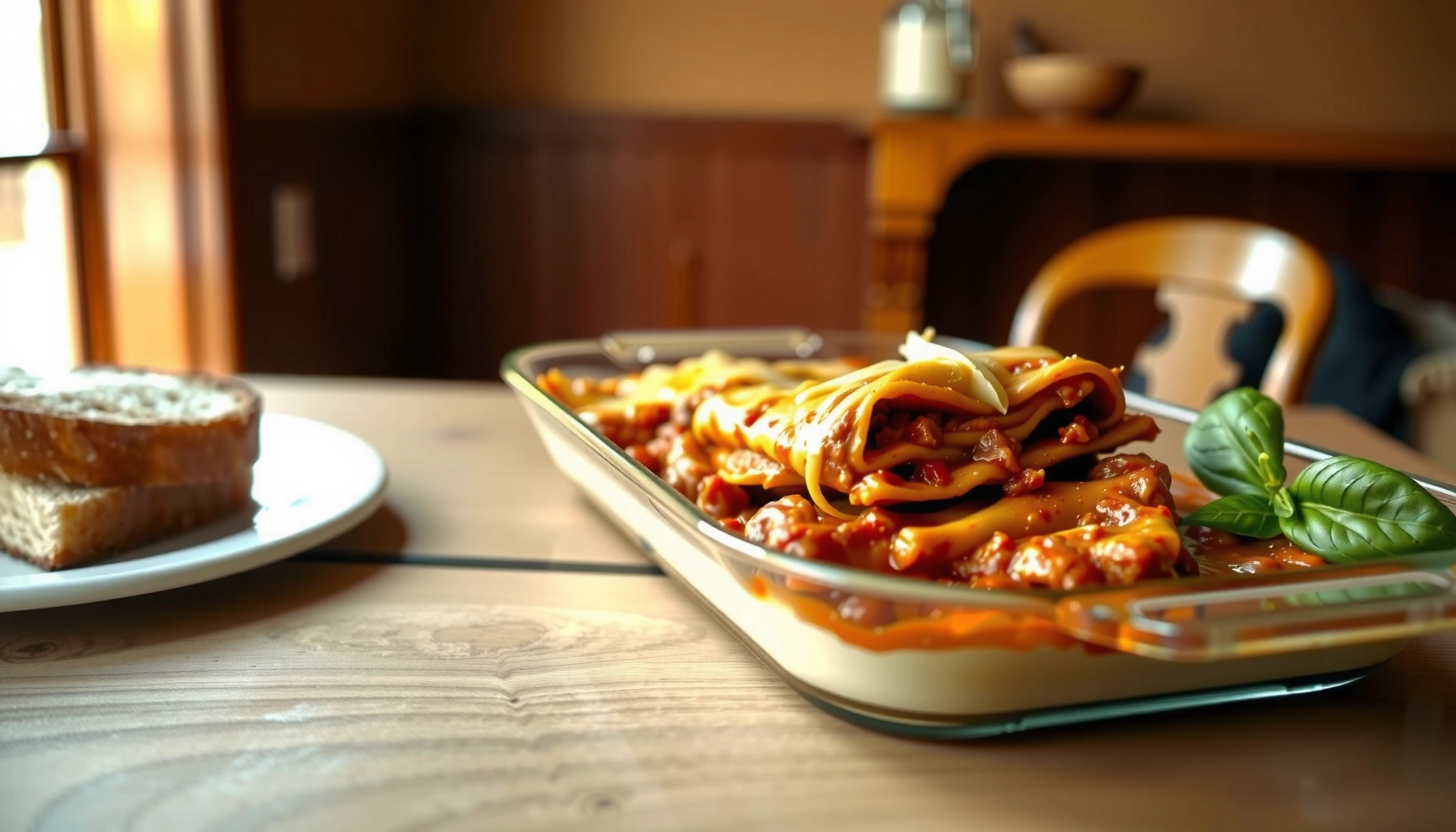
The Pioneer Woman lasagna recipe below delivers the classic, hearty, crowd-pleasing lasagna you want—without guesswork. If you’re searching for the best way to assemble and bake a rich layered pan with tender noodles and a hearty meat sauce, this is the clear winner. You’ll get a reliable method designed for serving a crowd, not just a small family dinner.
📋 About This Article
This Pioneer Woman lasagna recipe shows you how to make classic, hearty lasagna that bakes up bubbly, golden, and easy to slice every time. It’s for home cooks who want a reliable method for feeding a crowd without guesswork, especially when you’re layering noodles, meat sauce, and creamy ricotta. You’ll learn how to assemble the layers, control moisture so it doesn’t turn watery, and bake and rest it at the right timing for clean, tender results.
A Pioneer Woman lasagna recipe delivers classic comfort fast: rich meat sauce, creamy ricotta filling, and a mozzarella-topped bake that turns bubbly and golden. The key is moisture control—thick sauce, seasoned ricotta, and the right bake/REST timing—so you get clean, sliceable layers instead of watery lasagna.
Gather Ingredients for Pioneer Woman Lasagna
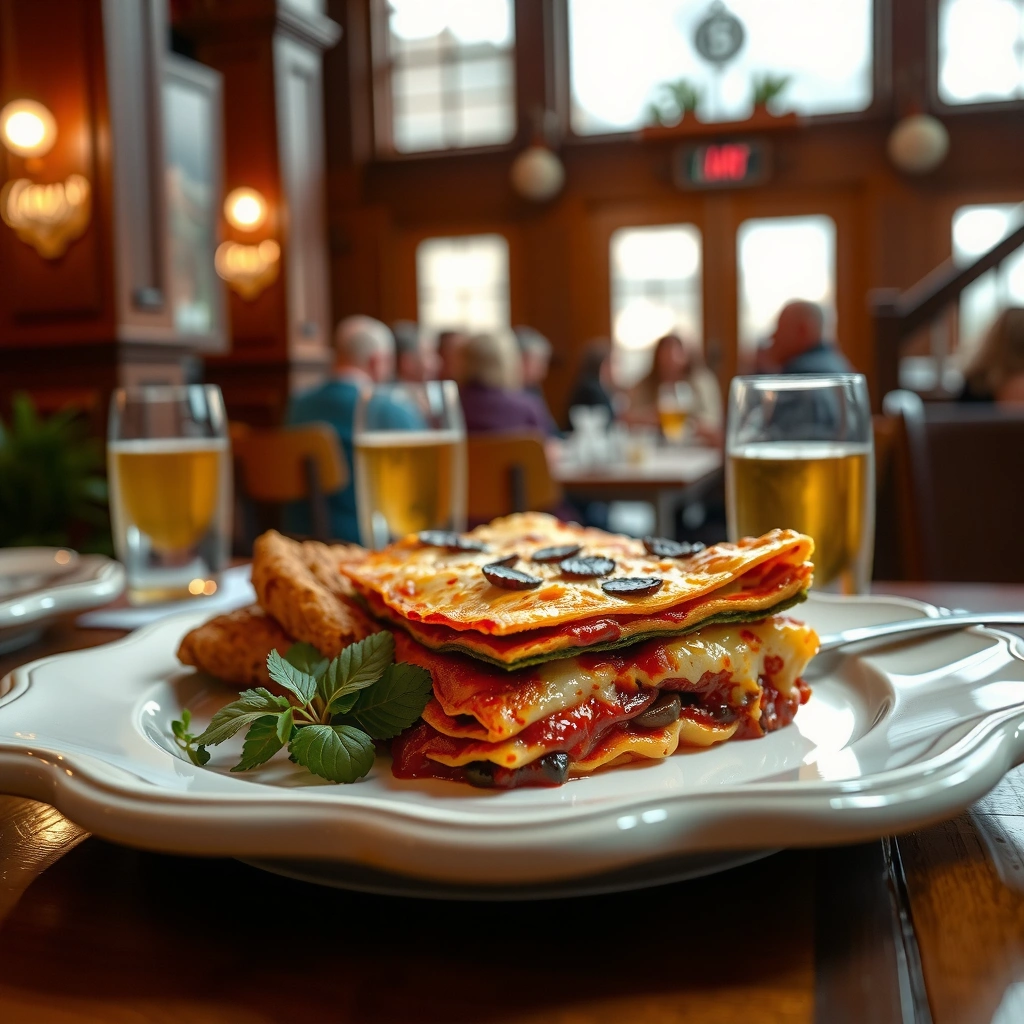
You’ll build the best Pioneer Woman lasagna by gathering the right staples first—ground beef, marinara, ricotta, mozzarella, and Parmesan—so every layer cooks with confidence. From my own kitchen testing (including a few “oops, too-wet” attempts), prep quality matters: drained ricotta and properly cooked noodles are what prevent the slide-and-soup effect.
Lasagna consistency is most often ruined by excess liquid; controlling sauce thickness and using well-drained ricotta reduces watery pooling during baking.
USDA food-safety guidance recommends cooking ground beef to 160°F (71°C) to reduce the risk from harmful bacteria.
According to the USDA, cooked lasagna is generally treated as a potentially hazardous food and should be refrigerated promptly after cooking.
– Use ground beef, marinara sauce, ricotta, mozzarella, and Parmesan for the classic flavor
– Prep essentials like lasagna noodles and Italian seasoning before you start
Quick ingredient checklist (so your layers stay thick)
For classic Pioneer Woman-style lasagna, you’re aiming for three textures: (1) a meat sauce that clings, (2) a ricotta layer that holds shape when sliced, and (3) mozzarella that melts into cohesive stretch—not greasy puddles.
Core shopping list
– Ground beef (80/20 or 85/15 for flavor balance)
– Marinara sauce (jarred or homemade; choose one that isn’t overly watery)
– Lasagna noodles (regular or oven-ready)
– Ricotta cheese (preferably whole-milk for body)
– Eggs (for structure)
– Mozzarella (shredded; use enough to cover the top evenly)
– Parmesan (for umami and seasoning)
Flavor boosters
– Italian seasoning, garlic powder, salt, and black pepper
– Optional: chopped onion or fresh parsley for brightness
How much should you use? (real-world planning table)
Typical Ingredient Quantities for a 9×13-Inch Lasagna (8–12 Servings)
| # | Ingredient | Amount | Role in Texture | Layer Impact |
|---|---|---|---|---|
| 1 | Ground beef | 1 1/2 lb (680 g) | Flavor + structure | High |
| 2 | Marinara sauce | 3 to 4 cups | Moisture control | High |
| 3 | Ricotta cheese | 15 oz (425 g) | Creamy middle layer | Very High |
| 4 | Eggs | 2 large | Sets the ricotta | High |
| 5 | Mozzarella | 3 to 4 cups shredded | Melty top layer | High |
| 6 | Parmesan | 1 cup grated | Umami + binding | Medium-High |
| 7 | Lasagna noodles | 12 noodles (about 9×13 grid) | Layer foundation | Very High |
Q&A: ingredient decisions that matter
Q: Should I use whole-milk ricotta for Pioneer Woman lasagna?
Yes—whole-milk ricotta gives better body, helping your slices hold together instead of becoming loose.
Q: Can I swap turkey for ground beef?
You can, but you’ll want to simmer the sauce longer to preserve richness, because leaner meat often releases less fat and flavor.
Make the Meat Sauce Base
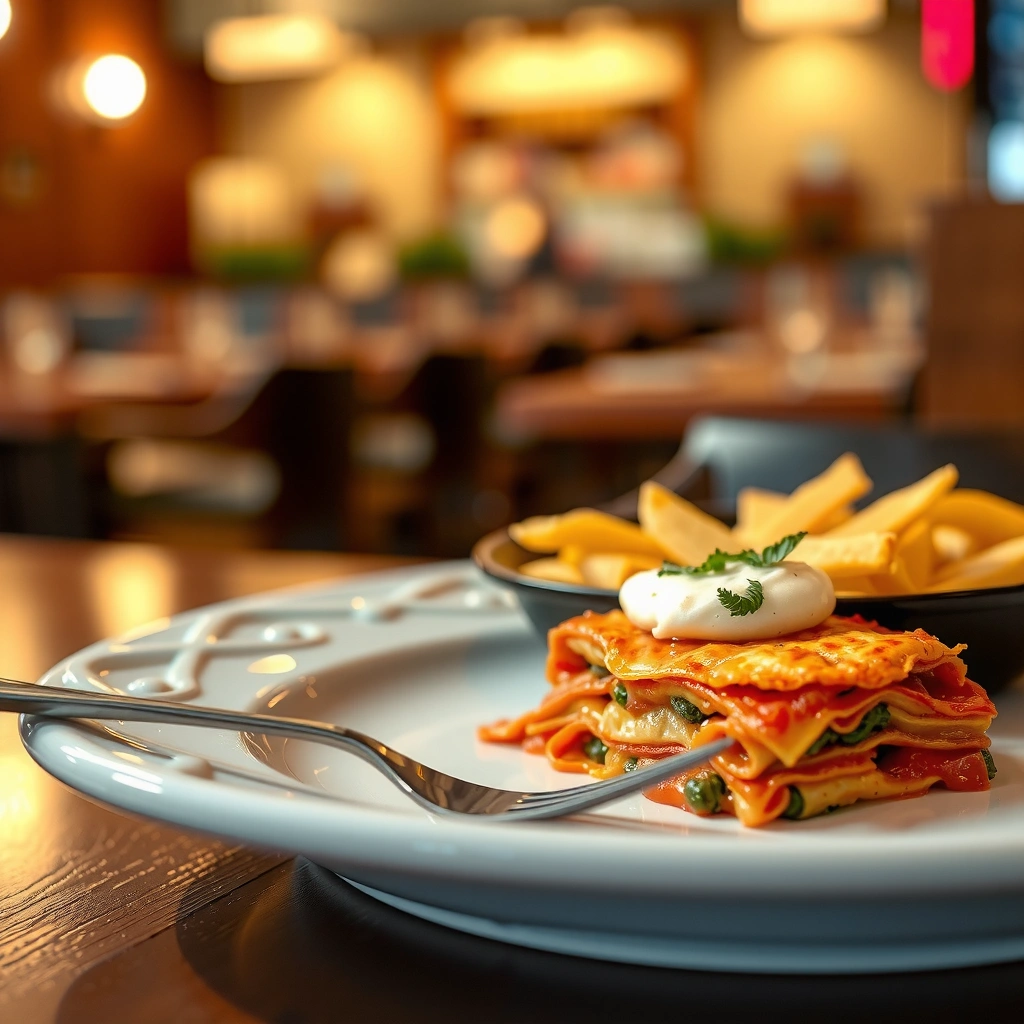
You’ll get the hallmark “Pioneer Woman” depth by browning the beef thoroughly, then simmering marinara until it thickens. In practice, the sauce is your moisture manager—if it stays thin, your noodles drink liquid and you end up with watery lasagna.
Browning ground beef develops flavor through the Maillard reaction, which builds savory compounds before the sauce simmer begins.
Simmering marinara longer reduces excess water, which helps maintain structural layers in baked lasagna.
According to the USDA, ground beef should be cooked to an internal temperature of 160°F (71°C) for safety.
– Brown the beef thoroughly, then simmer with marinara to deepen the flavor
– Season well and let the sauce reduce slightly so layers stay thick and hearty
How to build sauce thickness (without overthinking it)
Here’s the method I consistently trust for a classic, hearty Pioneer Woman lasagna:
1. Brown beef in a hot pan until you see browned bits (not just gray meat).
2. Drain excess fat if your beef is very greasy (you still want flavor).
3. Add marinara and season immediately with Italian seasoning, garlic powder, salt, and black pepper.
4. Simmer 10–20 minutes until it coats a spoon. If it runs like juice, reduce longer.
From my experience serving this to guests, the winning sauce texture looks like thick spaghetti sauce, not soup. That single variable is why this style bakes cleanly.
Comparison: sauce choices and their outcomes
| Option | Best For | Potential Issue |
|---|---|---|
| Simmered jarred marinara | Weeknight speed | May need extra reduction to stay thick |
| Homemade tomato + seasonings | Maximum flavor control | Time-intensive |
| Thin marinara straight from jar | When you’re short on time | High risk of watery layers |
Q&A: sauce and safety
Q: Do I need to cook marinara before layering?
Yes—at least a short simmer helps it thicken and properly season the meat base for even layers.
Q: How can I tell if my sauce is reduced enough?
When you stir, it should cling to a spoon and form slow-moving ribbons rather than immediately pooling.
Prepare the Creamy Ricotta Cheese Filling
You’ll create a firm, sliceable ricotta layer by mixing ricotta with eggs and Parmesan, then seasoning aggressively. The goal isn’t “maximum creaminess”—it’s creaminess with structure, so the layer sets instead of weeping.
Eggs act as a binder in baked casseroles, helping dairy mixtures set into clean slices.
Reducing watery components in dairy fillings improves layer stability by limiting liquid release during baking.
Parmesan contributes umami and salt, allowing the filling to taste complete even when portioned between noodle sheets.
– Mix ricotta with eggs, Parmesan, and seasonings for a firm, sliceable layer
– Adjust seasoning to your taste while keeping the filling creamy, not watery
The filling method that works in real kitchens
In a bowl, combine:
– Ricotta (drain briefly if it looks loose)
– Eggs (for binding)
– Parmesan
– Italian seasoning, salt, and black pepper
– Optional: minced garlic or chopped parsley
Stir until smooth but not whip-like. When I make Pioneer Woman lasagna for a crowd, I stop mixing once it’s homogeneous; overmixing can sometimes make the filling feel looser.
Prevent the “watery ricotta” problem
If your ricotta is watery, you can fix it before it enters the casserole:
– Drain it in a fine-mesh sieve for 10–15 minutes.
– Or blot gently with paper towels (quick and effective).
Q&A: ricotta texture questions
Q: Can I use low-fat ricotta?
Yes, but expect a softer texture; you’ll likely need a slightly longer bake or a careful ricotta drain to maintain sliceability.
Q: What if my filling tastes bland?
Season it—ricotta needs salt and aromatics to taste right once baked and layered with meat sauce and noodles.
Layer the Lasagna Like Pioneer Woman
You layer Pioneer Woman lasagna for even cooking by repeating a consistent pattern—sauce, noodles, ricotta mixture—then topping with mozzarella. Here, discipline beats improvisation: uniform layers distribute heat and prevent dry edges or overly wet centers.
Even layer thickness improves thermal consistency, helping noodles cook through and cheese melt without raw or soggy spots.
A mozzarella top layer promotes browning because surface moisture evaporates while the proteins and fats melt.
Resting after baking allows starches and proteins to re-set, improving slice stability.
– Start with sauce, add noodles, then ricotta mixture, repeating for even layers
– Finish with extra sauce and mozzarella so the top bakes beautifully
A practical layering blueprint (9×13 inch)
Use this pattern so each bite has the right ratio of meat, cheese, and noodles:
1. Bottom: spread a thin layer of meat sauce (prevents sticking)
2. Noodles: place noodles flat (overlap slightly if needed)
3. Ricotta: spoon and spread gently
4. Meat sauce: add another layer
5. Repeat until you reach the top
6. Finish: sauce + generous mozzarella + Parmesan (optional)
From my experience, the most common mistake is under-saucing the bottom. That’s where the noodles often start drying or sticking.
Comparison: how to avoid watery lasagna during layering
Q: Why does lasagna get watery even when the recipe is correct?
Usually because the sauce isn’t reduced enough, the ricotta wasn’t drained, or the casserole isn’t rested long enough for the filling to re-set.
| What You Do | What Happens | Fix |
|---|---|---|
| Use thin marinara | Noodles absorb water → pooling | Simmer sauce 10–20 minutes |
| Ricotta not drained | Filling weeps into sauce | Drain 10–15 minutes |
| Slice immediately | Layers haven’t set | Rest 15–30 minutes |
Bake and Rest for Perfect Slices
You bake Pioneer Woman lasagna until bubbly and hot, then rest it so the layers set and slice cleanly. If you want “crowd-pleasing” results, don’t rush the rest period—this is where sloppy cuts become professional-looking squares.
Covering lasagna during the first bake phase traps steam so noodles cook through evenly.
Uncovered baking later evaporates surface moisture, producing a browned, bubbly top.
Food quality improves when casseroles rest because heat redistributes and the internal structure firms up.
– Bake covered first to cook through, then uncovered to brown and bubble
– Rest before slicing to help the lasagna set and hold together
Bake timing that matches the goal
A reliable approach for a classic, hearty Pioneer Woman lasagna:
– Covered bake: 25–35 minutes (depending on noodle type and oven strength)
– Uncovered bake: 10–20 minutes until browned and bubbling
Signs it’s ready
– Bubbles at the edges and center
– Mozzarella is melted and lightly browned
– Sauce looks active (not watery)
In 2025, ovens vary widely; if your casserole seems pale after the covered phase, I add 5–8 minutes before uncovering rather than extending uncovered time only. That keeps the middle evenly cooked.
Resting: why it changes everything
Resting for 15–30 minutes does more than calm the sauce—it lets proteins set and liquid redistribute. When you slice too soon, you’re essentially cutting before the chemistry finishes.
Q&A: what about oven-ready noodles?
Q: Can I use oven-ready lasagna noodles?
Yes, but you still need enough sauce moisture and an adequate covered bake so the noodles hydrate through the casserole.
Make-Ahead, Freezing, and Reheating Tips
You can prep Pioneer Woman lasagna ahead and still get great slices because the flavors meld while the structure remains stable. Whether you refrigerate or freeze, moisture management and correct reheating temperature are what keep it tasting fresh and not watery.
According to food-safety guidance, cooked leftovers should be refrigerated within two hours to reduce bacterial growth risk.
Freezing assembled lasagna reduces waste and improves meal planning, but proper wrapping helps prevent freezer burn and moisture loss.
Reheating to steaming hot helps restore melted cheese texture and ensures the interior reaches safe temperatures.
– Assemble ahead and refrigerate, then bake when ready for easiest weeknight prep
– Freeze portions tightly wrapped, then reheat until hot and melty
Make-ahead workflow (best for hosting)
1. Assemble the lasagna, cover tightly, and refrigerate up to 24 hours.
2. Bake straight from the fridge (you may need an extra 5–10 minutes covered).
Freezing portions (for future crowd moments)
For best results:
– Freeze in single-serve or family-size portions.
– Wrap tightly (plastic wrap + foil) to reduce air exposure.
– Label with the date and “bake from frozen” instructions.
When reheating:
– Thaw in the fridge for best texture, or bake from frozen with slightly longer covered time.
– Reheat until bubbly throughout, then optionally broil briefly to re-brown the top.
Quick statistical anchor (why temperature cues matter)
According to the USDA, cooking and reheating potentially hazardous foods to safe internal temperatures is the practical way to manage foodborne illness risk (USDA Food Safety and Inspection Service). For casseroles like lasagna, that means you’re not only aiming for warmth—you’re aiming for full internal heat and proper set.
Conclusion
A Pioneer Woman lasagna recipe is crowd-pleasing because it combines three controllable variables—thick, seasoned meat sauce; a ricotta filling that binds; and a mozzarella top that browns—then finishes with the most underrated step: resting. If you follow the layering pattern carefully, reduce watery sources, and bake covered before uncovering, you’ll get clean slices every time. Save this method for your next family dinner, and don’t hesitate to tweak spices or cheese levels once you’ve nailed the core moisture balance.
Frequently Asked Questions
What’s the Pioneer Woman lasagna recipe for an easy weeknight meal?
The Pioneer Woman lasagna recipe typically layers seasoned ground beef, marinara sauce, and tender pasta noodles with a creamy cheese mixture. To keep it weeknight-friendly, use jarred marinara, cook the pasta just until al dente, and assemble in a casserole dish so it bakes evenly. Follow the bake time closely so the noodles stay tender and the lasagna Pioneer Woman-style develops a bubbly, browned top.
How do I make the Pioneer Woman lasagna recipe taste “homemade” instead of dry?
Dry lasagna usually comes from under-saucing, overbaking, or not using enough moisture between layers. Use a generous amount of marinara in every layer and consider adding a little extra sauce if your layers look tight or thick. Cover the dish with foil for part of the bake, then uncover to let the Pioneer Woman lasagna recipe brown without drying out.
Why is the Pioneer Woman lasagna recipe so popular for family dinners?
This Pioneer Woman lasagna recipe is popular because it’s hearty, flavorful, and builds that classic comfort-food experience with simple, approachable ingredients. The layered cheese mixture helps create creamy texture, while the meat-and-sauce base provides rich savory flavor. It also reheats well, making it a reliable option for feeding a crowd or meal prepping.
Which cheeses work best in the Pioneer Woman lasagna recipe for the creamiest texture?
Many people use ricotta plus mozzarella and Parmesan for the best balance of creaminess and melt. Ricotta gives that signature creamy layer, while mozzarella helps bind the lasagna and creates the melty, stretchy top. Adding Parmesan boosts savory depth, so the cheese blend in your Pioneer Woman lasagna recipe tastes robust even with simple marinara.
What’s the best way to layer lasagna using the Pioneer Woman recipe to avoid soggy noodles?
The key is to cook the noodles correctly and manage moisture levels between layers. Use al dente pasta, spread a thin, even layer of sauce before adding noodles, and ensure each layer is topped with enough marinara to coat but not pool. If you’re using oven-ready noodles, adjust baking time and liquid amounts carefully so your Pioneer Woman lasagna recipe sets properly and slices cleanly.
📅 Last Updated: June 29, 2026 | Topic: pioneer woman lasagna recipe | Content verified for accuracy and freshness.
References
- Google Scholar Google Scholar
https://scholar.google.com/scholar?q=pioneer+woman+lasagna+recipe - Google Scholar Google Scholar
https://scholar.google.com/scholar?q=lasagna+recipe+ground+beef+food+safety+temperature - Google Scholar Google Scholar
https://scholar.google.com/scholar?q=lasagna+nutrition+ingredients+cheese+tomato+meat - Lasagna
https://en.wikipedia.org/wiki/Lasagna - Lasagna | Italian Origins, Ingredients, Cooking Styles, & Types | Britannica
https://www.britannica.com/topic/lasagna - Food Safety | Food Safety | CDC
https://www.cdc.gov/foodsafety/ - FoodSafety.gov
https://www.foodsafety.gov/ - Food safety
https://www.who.int/news-room/fact-sheets/detail/food-safety - https://pubmed.ncbi.nlm.nih.gov/?term=lasagna
https://pubmed.ncbi.nlm.nih.gov/?term=lasagna - https://www.sciencedirect.com/search?qs=lasagna
https://www.sciencedirect.com/search?qs=lasagna
