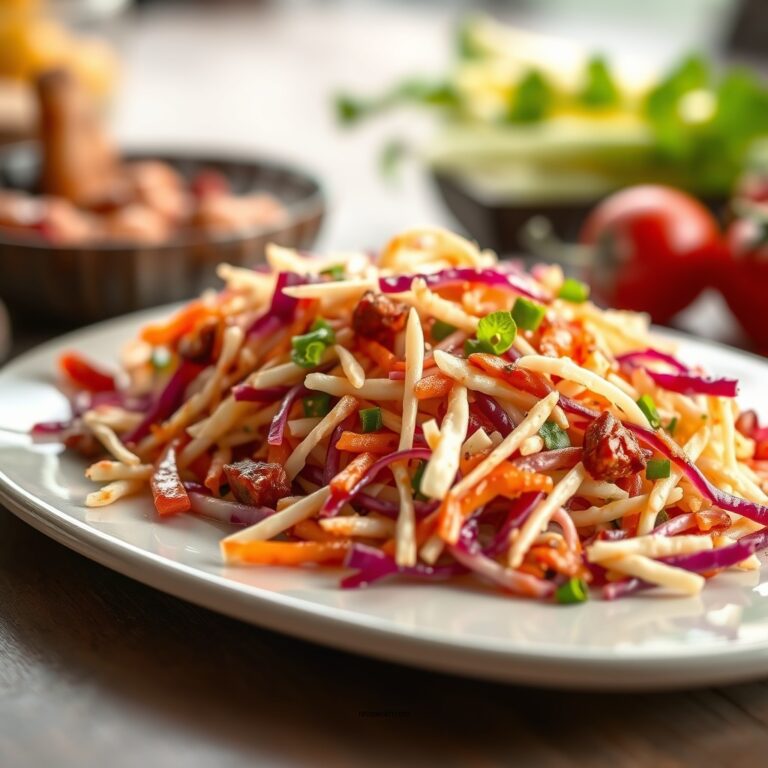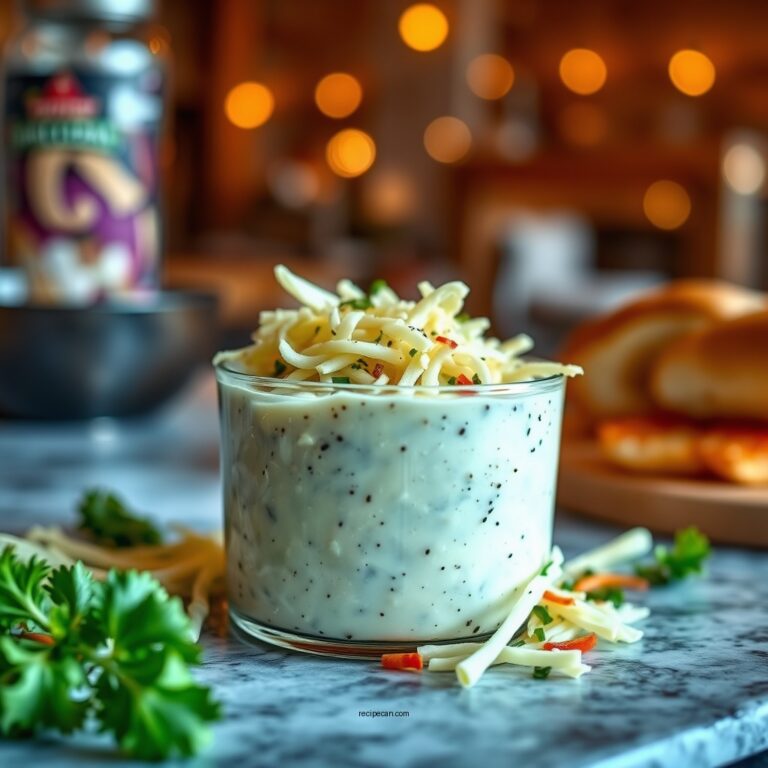
Pineapple coleslaw is a vibrant and unique side dish that elevates traditional coleslaw by incorporating the sweet and tangy flavor of pineapple. This delightful recipe not only enhances the crunch of cabbage but also introduces a refreshing fruitiness that makes it perfect for summer barbecues, picnics, or as a lively accompaniment to any meal. With its simple preparation and versatile nature, pineapple coleslaw is a must-try for anyone looking to add a tropical twist to their dining experience.
Ingredients You’ll Need

To create the perfect pineapple coleslaw, you’ll need a few key ingredients that come together harmoniously to provide both flavor and texture.
– Cabbage: The foundation of any coleslaw. You can choose either green or purple cabbage for a colorful and nutritious base. Purple cabbage not only looks appealing but is also rich in antioxidants.
– Pineapple: Fresh pineapple offers the best flavor, but canned pineapple can be a convenient substitute. Opt for chunks or crushed pineapple, as they will blend well with the other ingredients while adding natural sweetness and moisture.
– Dressing: A creamy dressing made from mayonnaise, vinegar, and sugar provides the necessary tang and richness. This combination ensures a well-balanced flavor profile that complements the cabbage and pineapple.
Preparing the Cabbage

The key to a great coleslaw lies in how well you prepare the cabbage.
– Shred the cabbage: Use a sharp knife or a food processor to shred the cabbage into thin, uniform pieces. This ensures even distribution throughout the dish, making each bite satisfying.
– Salt the cabbage: Lightly sprinkle salt over the shredded cabbage. This process draws out excess moisture, resulting in a crunchier texture and enhancing the overall flavor of the slaw.
Adding Pineapple
Incorporating pineapple adds a unique flavor and texture to your coleslaw.
– Chop the pineapple: If using fresh pineapple, cut it into small, bite-sized chunks. If you are using canned pineapple, simply drain it well and use as is.
– Mix with cabbage: Gently fold the pineapple into the salted cabbage. The sweetness of the pineapple balances the crunchiness of the cabbage, creating a delightful contrast that enhances the dish’s appeal.
Making the Dressing
The dressing is crucial for binding the ingredients and adding flavor.
– Combine ingredients: In a medium bowl, mix together mayonnaise, vinegar, sugar, and a pinch of salt. This mixture will serve as the base for your coleslaw dressing.
– Adjust to taste: Taste the dressing and adjust the balance of sugar and vinegar according to your preference. A touch of honey or a splash of lime juice can also be added for a more complex flavor profile.
Mixing It All Together
The final steps are where all the components come together.
– Combine cabbage, pineapple, and dressing: In a large bowl, combine the shredded cabbage, chopped pineapple, and dressing. Stir gently to ensure all ingredients are well coated, allowing the flavors to meld beautifully.
– Refrigerate: For best results, let the coleslaw chill in the refrigerator for at least 30 minutes before serving. This resting period allows the flavors to develop and the cabbage to soften slightly, enhancing the overall taste.
Serving Suggestions
Pineapple coleslaw is versatile and can be paired with various dishes.
– Pair with grilled meats: This coleslaw makes an excellent side for barbecue chicken, ribs, or burgers, providing a refreshing contrast to the richness of grilled meats.
– Use as a topping: Consider using pineapple coleslaw as a topping for tacos or sandwiches. The added crunch and sweetness can elevate these dishes to a new level.
Variations to Try
Feel free to customize this recipe to suit your taste or dietary preferences.
– Additions: Enhance the texture and flavor by including shredded carrots for color, bell peppers for crunch, or nuts like almonds or walnuts for added protein and crunch.
– Alternative dressings: For a lighter option, experiment with yogurt or a vinaigrette instead of mayonnaise. A vinaigrette made from olive oil, apple cider vinegar, and Dijon mustard can provide a delightful tang.
Nutritional Comparison of Cabbage and Pineapple
| # | Nutrient | Cabbage (100g) | Pineapple (100g) | % Daily Value* |
|---|---|---|---|---|
| 1 | Calories | 25 | 50 | 2% |
| 2 | Protein | 1.3g | 0.5g | 1% |
| 3 | Carbohydrates | 6g | 13g | 4% |
| 4 | Fiber | 2.5g | 1.4g | 5% |
| 5 | Vitamin C | 36% DV | 79% DV | 88% |
| 6 | Calcium | 40mg | 18mg | 1% |
| 7 | Potassium | 316mg | 109mg | 2% |
Flavor Profile Comparison of Various Slaw Types
Summarizing the delightful taste of pineapple coleslaw brings a fresh twist to your meals. This simple recipe is not only easy to make but also versatile enough to suit various occasions. Try it at your next gathering, and don’t forget to share your experience or variations in the comments!
Frequently Asked Questions
What ingredients do I need for a pineapple coleslaw recipe?
To make a delicious pineapple coleslaw, you’ll need shredded cabbage, grated carrots, diced fresh pineapple, and a dressing made from mayonnaise, apple cider vinegar, sugar, and salt. This combination creates a sweet and tangy flavor profile that pairs perfectly with grilled meats or as a side dish at barbecues.
How do I prepare the dressing for pineapple coleslaw?
To prepare the dressing for your pineapple coleslaw, whisk together 1 cup of mayonnaise, 2 tablespoons of apple cider vinegar, 1 tablespoon of sugar, and a pinch of salt in a bowl until smooth. This dressing not only enhances the flavors of the coleslaw but also helps keep the ingredients fresh and crunchy.
Why is pineapple used in coleslaw?
Pineapple is used in coleslaw to add a refreshing sweetness and tropical flavor that contrasts beautifully with the crunchy vegetables. The natural acidity of the pineapple also helps to tenderize the cabbage, resulting in a more enjoyable texture and taste.
What is the best way to store leftover pineapple coleslaw?
The best way to store leftover pineapple coleslaw is in an airtight container in the refrigerator. It can typically last for up to 3 days; however, be aware that the cabbage may become softer over time, so it’s best enjoyed fresh.
Which types of cabbage work best for pineapple coleslaw?
For pineapple coleslaw, green cabbage is the most common choice due to its crisp texture and mild flavor. However, you can also use red cabbage for added color and a slightly peppery taste, or a mix of both for a visually appealing dish that enhances the overall flavor profile.
References
- Coleslaw
https://en.wikipedia.org/wiki/Coleslaw - Google Scholar Google Scholar
https://scholar.google.com/scholar?q=pineapple+coleslaw+recipe - https://www.ncbi.nlm.nih.gov/pmc/articles/PMC5762731/
https://www.ncbi.nlm.nih.gov/pmc/articles/PMC5762731/ - https://www.sciencedirect.com/topics/agricultural-and-biological-sciences/pineapple
https://www.sciencedirect.com/topics/agricultural-and-biological-sciences/pineapple - https://www.bbc.co.uk/food/recipes/coleslaw_71719
https://www.bbc.co.uk/food/recipes/coleslaw_71719 - https://www.healthline.com/nutrition/health-benefits-of-pineapple
https://www.healthline.com/nutrition/health-benefits-of-pineapple - Google Scholar Google Scholar
https://scholar.google.com/scholar?q=pineapple+salad+recipes - https://www.ncbi.nlm.nih.gov/pmc/articles/PMC3801262/
https://www.ncbi.nlm.nih.gov/pmc/articles/PMC3801262/ - https://www.theguardian.com/lifeandstyle/2021/jun/12/coleslaw-recipe-summer-salad
https://www.theguardian.com/lifeandstyle/2021/jun/12/coleslaw-recipe-summer-salad - https://www.foodnetwork.com/recipes/articles/50-coleslaw-recipes
https://www.foodnetwork.com/recipes/articles/50-coleslaw-recipes