Making a perfect tart dough is simpler than you might think. This recipe will provide you with a buttery, flaky base that is ideal for both sweet and savory tarts. Follow these steps to achieve a deliciously crisp crust that will elevate your desserts and dishes. Understanding the process and the right ingredients is essential for creating a tart dough that not only tastes great but also holds its shape during baking.
Ingredients You’ll Need
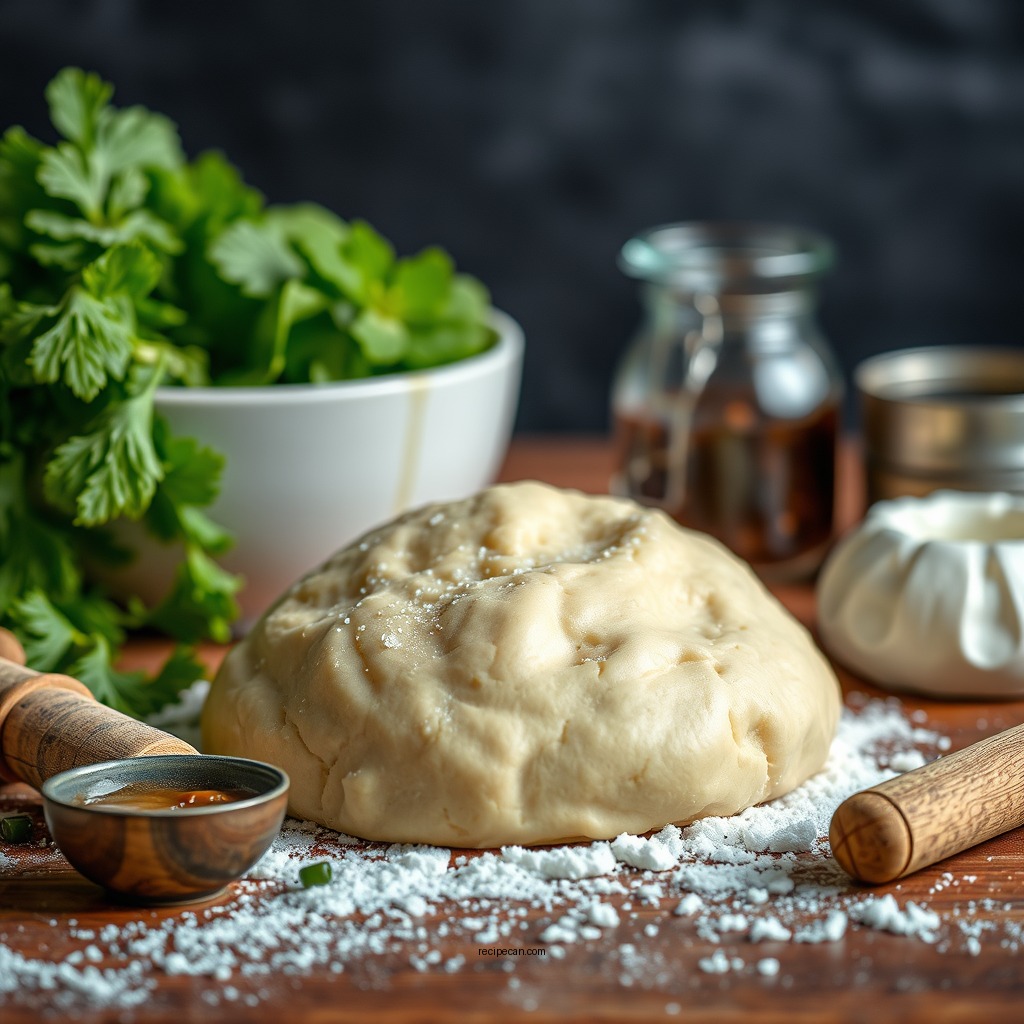
To craft the perfect tart dough, gathering the right ingredients is crucial. Each component plays a specific role in achieving the desired texture and flavor. Here’s a breakdown of what you’ll need:
– All-purpose flour: This is the backbone of your tart dough, providing structure. The gluten content in the flour helps the dough hold its shape while baking.
– Unsalted butter: The star of the show, cold unsalted butter contributes to the richness and flakiness of the dough. It’s essential that the butter remains cold to create a tender, flaky texture.
– Sugar: While not always required for savory tarts, sugar adds a touch of sweetness, which is particularly important for dessert tarts. It helps achieve a golden color and enhances flavor.
– Salt: A crucial ingredient that enhances the overall flavor profile of the dough. It balances the sweetness in dessert tarts and adds depth to savory options.
Preparing the Dough
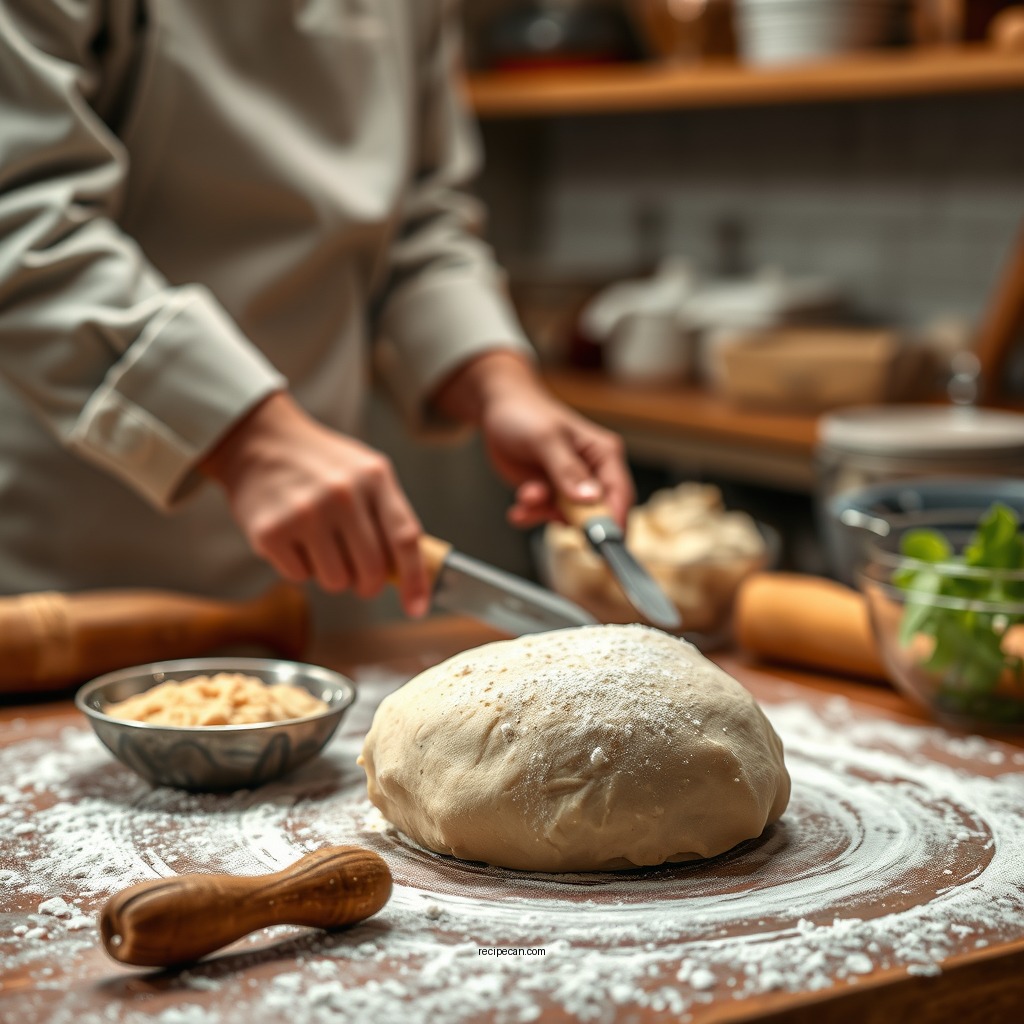
The preparation of tart dough involves a few straightforward steps that set the foundation for a successful bake.
– Combine dry ingredients: Start by sifting together the flour, sugar, and salt in a large mixing bowl. This ensures that the ingredients are evenly distributed and helps prevent lumps.
– Cut in the butter: Using a pastry cutter, fork, or your fingers, incorporate the cold butter into the dry mixture. The goal is to achieve a consistency similar to coarse crumbs, with some larger pea-sized pieces of butter remaining. This is vital for the flakiness.
– Add water: Gradually drizzle in ice water, one tablespoon at a time, mixing gently with a fork. You want to stop adding water once the dough holds together; be cautious not to overwork it, as this can lead to toughness.
Chilling the Dough
Chilling is an essential step in tart dough preparation that should not be overlooked.
– Wrap and refrigerate: Once the dough comes together, shape it into a disk and wrap it tightly in plastic wrap. Refrigerate for at least 30 minutes. This rest period allows the flour to hydrate and the gluten to relax, which is crucial for a tender crust.
– Resting benefits: Chilling the dough not only makes it easier to roll out later but also prevents shrinkage during baking, ensuring that your tart maintains its shape.
Rolling out the Dough
Rolling out the dough properly is key to achieving an even crust.
– Prepare your surface: Lightly flour your work surface and your rolling pin to prevent sticking. Too much flour can alter the texture, so use sparingly.
– Roll evenly: Begin rolling from the center of the dough and work your way outwards. Aim for an even thickness of about 1/8 inch. Rotate the dough as you roll to maintain a circular shape.
– Transfer to tart pan: Gently lift the rolled dough into your tart pan. Use your fingers to press it into the corners, ensuring there are no air pockets. Trim any excess dough hanging over the edges.
Baking the Tart Shell
Baking the tart shell correctly is crucial to achieving a perfect crust.
– Preheat your oven: Set your oven to 375°F (190°C). Preheating ensures even baking from the start.
– Blind bake: To prevent the dough from puffing up during baking, line the tart shell with parchment paper and fill it with pie weights or dried beans. This process, known as blind baking, helps achieve a crisp bottom crust.
– Check for doneness: Bake for about 20-25 minutes, or until the crust is golden brown. Keep an eye on it to avoid over-baking, which can lead to a dry texture.
Tips for Success
Here are some additional tips to ensure your tart dough turns out perfectly:
– Use cold ingredients: Keeping all your ingredients cold is key to creating a flaky texture. Consider chilling your flour and mixing bowl for extra precaution.
– Avoid overworking the dough: Mix just until combined. Overworking leads to a tough crust, which is the opposite of what you want.
– Experiment with flavors: To enhance the flavor of your tart dough, consider adding lemon zest, vanilla extract, or even spices like cinnamon for sweet tarts. For savory versions, adding fresh herbs can elevate the taste significantly.
Common Ingredients in Tart Doughs
| # | Ingredient | Usage (% of Recipes) | Purpose |
|---|---|---|---|
| 1 | All-Purpose Flour | 100% | Structure |
| 2 | Unsalted Butter | 80% | Richness & Flakiness |
| 3 | Sugar | 70% | Sweetness |
| 4 | Salt | 100% | Flavor Enhancer |
| 5 | Eggs | 50% | Binding Agent |
| 6 | Milk/Water | 70% | Moisture |
| 7 | Vinegar | 30% | Tenderness |
Flakiness Factors in Tart Dough
Variations on Tart Dough
Once you’ve mastered the basic tart dough recipe, consider exploring variations to suit different flavors and uses:
– Sweet variations: For dessert tarts, you can substitute a portion of the all-purpose flour with almond flour for a nutty flavor. Alternatively, adding cocoa powder can result in a chocolate tart crust that pairs beautifully with fruit fillings.
– Savory adaptations: For savory tarts, think about incorporating herbs such as thyme or rosemary into the dough. Grated cheese, like Parmesan, can also enhance the flavor, making it perfect for quiches or vegetable tarts.
Summarizing, mastering tart dough is all about using the right ingredients and techniques. By following this recipe, you can create a versatile base for a variety of tarts. Don’t hesitate to experiment with flavors and fillings to make it your own! Try this recipe today and enjoy the delicious results.
Frequently Asked Questions
What are the key ingredients for a basic tart dough recipe?
A basic tart dough recipe typically includes flour, butter, sugar, salt, and water. The flour provides structure, while the butter adds richness and flavor. Sugar can enhance sweetness, and a pinch of salt balances the flavors. It’s important to use cold butter and water to achieve a flaky texture.
How do I prevent my tart dough from shrinking during baking?
To prevent tart dough from shrinking, ensure you chill the dough thoroughly after rolling it out. This helps the gluten relax. Additionally, you can use pie weights when blind baking to keep the dough from puffing up and shrinking. Avoid stretching the dough when placing it in the tart pan, as that can also cause shrinkage.
Why is it important to chill tart dough before baking?
Chilling tart dough before baking is crucial because it solidifies the fat, which helps create a tender and flaky crust. It also relaxes the gluten, preventing the dough from shrinking during baking. Chilling allows the flavors to meld and improves the overall texture, making your tart dough more manageable.
What is the best method for rolling out tart dough?
The best method for rolling out tart dough involves lightly flouring your work surface and rolling pin to prevent sticking. Start from the center and roll outward, turning the dough a quarter turn after each pass to maintain an even thickness. If the dough becomes too soft, chill it briefly before continuing to roll.
Which types of tarts can I make using this tart dough recipe?
This versatile tart dough recipe can be used for various types of tarts, including sweet fruit tarts, savory quiches, and chocolate tarts. You can fill the crust with custards, creams, or fresh fruits, making it suitable for both desserts and main courses. The flaky texture pairs well with an array of fillings, enhancing the overall dish.
References
- Pastry
https://en.wikipedia.org/wiki/Pastry - NYT Cooking – Recipes and Cooking Guides From The New York Times
https://www.nytimes.com/recipes/1019705/pate-brisee-tart-dough - https://www.sciencedirect.com/topics/food-science/pastry
https://www.sciencedirect.com/topics/food-science/pastry - https://www.seriouseats.com/how-to-make-tart-dough-5118433
https://www.seriouseats.com/how-to-make-tart-dough-5118433 - Google Scholar Google Scholar
https://scholar.google.com/scholar?q=tart+dough+recipe - Google Scholar Google Scholar
https://scholar.google.com/scholar?q=pastry+dough+techniques - Google Scholar Google Scholar
https://scholar.google.com/scholar?q=how+to+make+tart+dough - https://www.britannica.com/topic/tart-dough
https://www.britannica.com/topic/tart-dough - tart dough recipe – Search results
https://en.wikipedia.org/wiki/Special:Search?search=tart+dough+recipe - https://www.ncbi.nlm.nih.gov/search/research-articles/?term=tart+dough+recipe
https://www.ncbi.nlm.nih.gov/search/research-articles/?term=tart+dough+recipe