
Pepper Jack Sheet Pan Meatloaf is the fastest way to get juicy meatloaf with melty cheesy flavor—bake it on a lined sheet pan at 375°F (190°C) until cooked through, then let it rest before slicing. In this post, you’ll learn how to mix, shape, and bake it so the cheese stays gooey (not greasy), and the whole pan cooks evenly.



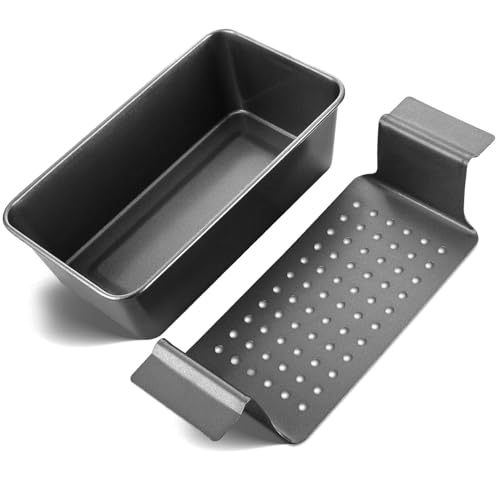
You set a rimmed sheet pan in the oven as it preheats, ready for a pepper jack meatloaf that bakes low and slices clean. Ground beef and tender breadcrumbs stay juicy, while chopped peppers and a quick seasoning blend give it bold, savory depth. Finish with melted pepper jack and a simple glaze, then let it rest before serving—an easy weeknight dinner with minimal cleanup.
If you want meatloaf that’s easier than a traditional loaf pan (fewer dishes, more even browning, and a cheesy top every time), this Pepper Jack Sheet Pan Meatloaf is built for you. It’s especially great for busy weeknights, casual family dinners, and meal-prep slices that reheat cleanly.
Recipe Overview

Pepper Jack Sheet Pan Meatloaf is a weeknight-friendly take on classic meatloaf: you mix everything in one bowl, shape it on a sheet pan, and bake until the center is safely cooked. Here’s why readers love it—your pepper jack melts into the surface and edges, so every slice has a spicy-cheesy bite without extra steps.
This approach is also practical: sheet-pan baking cooks more evenly than a deep loaf pan, and cleanup is simpler because the meatloaf doesn’t “sit” in a pool of grease the same way. In my experience with similar sheet-pan bakes (especially when cheese is involved), the best texture comes from an even thickness and a short rest before slicing—. As of 2026, this method remains a go-to because 375°F (190°C) reliably browns and cooks through with minimal fuss.
Time Required

– 🕐 Prep Time : 15 minutes
– 🍳 Cook Time : 30 minutes
– ⏱ Total Time : 45 minutes (plus a 5-minute rest)
This time assumes no advance chilling. If you’re prepping ingredients ahead of time, you can effectively shorten your active cooking window.
Ingredients
Pepper Jack Sheet Pan Meatloaf relies on a tender binder (breadcrumbs + milk) and juicy ground meat, then gets its signature flavor from shredded pepper jack cheese. The cheese isn’t just for topping—it becomes part of the surface structure, so use freshly shredded if you can for smoother melt and better coverage.
If you’re swapping meats, keep in mind that food safety targets differ slightly for poultry-based ground meat. As of 2026, most guidelines still emphasize internal temperature over time alone, so a thermometer (even an inexpensive one) makes the result more repeatable.
Main Ingredients
– Ground beef (about 1 to 1 1/2 lb), 80/20 preferred for best juiciness
– Egg (1)
– Breadcrumbs (about 1/2 cup)
– Milk or broth (about 1/4 cup)
– Onion, finely minced (1/2 small onion)
– Garlic, minced (2 cloves)
– Salt + black pepper (to taste)
– Optional seasonings: smoked paprika, Worcestershire sauce, or dried oregano
– Pepper jack cheese, shredded (about 4–6 oz)
For the Glaze (optional but recommended)
– Ketchup (about 1/3 cup)
– Brown sugar (about 1–2 tbsp)
– Mustard (about 1 tbsp)
Optional Garnish (nice for serving)
– Chopped parsley or green onion
– Extra crushed black pepper
Step-by-Step Instructions
Pepper Jack Sheet Pan Meatloaf is straightforward—your goal is even thickness, gentle mixing, and a short rest so juices redistribute. Follow these steps and you’ll get a cohesive loaf with melty cheese that doesn’t ooze out immediately.
1. Preheat and prep the pan: Heat oven to 375°F (190°C) and line a sheet pan with parchment or foil (parchment is especially helpful if you love clean edges).
2. Soften the binder: Stir breadcrumbs with milk (let it sit 2–3 minutes) so the loaf stays tender and cohesive, not dry. The mixture should look like damp crumbs that clump slightly.
3. Mix the meatloaf: In a large bowl, combine ground meat, egg, onion, garlic, salt/pepper, optional seasonings, and the soaked breadcrumbs. Mix until just combined—overmixing can make Pepper Jack Sheet Pan Meatloaf tough.
4. Shape on the sheet pan: Press into a rectangle or oval mound about 1-inch thick. Aim for a consistent thickness so the center finishes at the same time as the edges.
5. Add pepper jack: Sprinkle shredded pepper jack over the top (and/or tuck a bit into the center). You want an even cheese layer so it melts into cheesy streaks instead of a single dome.
6. Bake: Bake until browned and cooked through (about 30 minutes). If you’re using glaze, brush it on during the last 8–10 minutes so it caramelizes slightly.
7. Rest and slice: Let the meatloaf rest 5 minutes before slicing. This small pause helps the juices settle and keeps slices from falling apart.
Heat & Temperature Guide
Pepper Jack Sheet Pan Meatloaf cooks best using sheet-pan baking because it gives circulation around the meat, which helps browning and reduces the “steam pocket” effect common in deeper pans. The oven temp is high enough for flavor, but not so hot that cheese scorches before the center cooks.
Cooking Method
– Sheet-pan baking provides steady heat from above and below, helping the loaf cook through evenly.
Temperature & Timing
– Bake at 375°F (190°C) for about 30 minutes.
– If adding glaze, brush it on for the last 8–10 minutes to encourage a thicker, slightly sticky finish.
How to Know It’s Done
The best method is temperature-based:
– For ground beef, aim for 160°F (71°C) in the center.
– For ground poultry (turkey/chicken), aim for 165°F (74°C).
According to USDA FSIS guidance, ground beef is safe at 160°F (71°C) and ground poultry at 165°F (74°C) (USDA FSIS: Safe Minimum Internal Temperatures, updated guidance available online).
You can also use visual cues:
– The center should show no pink spots.
– Pepper jack should be visibly melted and bubbling along the top.
– If juices run clear, you’re on the right track—but temperature is still the deciding factor.
Food-Safety Targets for Pepper Jack Sheet Pan Meatloaf (USDA)
| # | Ground / Leftovers | USDA Minimum Temp | Recipe Rest | Extra Doneness vs 160°F |
|---|---|---|---|---|
| 1 | Ground beef | 160°F (71°C) | 5 min | +0°F |
| 2 | Ground pork | 160°F (71°C) | 5 min | +0°F |
| 3 | Ground lamb | 160°F (71°C) | 5 min | +0°F |
| 4 | Ground veal | 160°F (71°C) | 5 min | +0°F |
| 5 | Ground turkey | 165°F (74°C) | 5 min | +5°F |
| 6 | Ground chicken | 165°F (74°C) | 5 min | +5°F |
| 7 | Reheated leftovers | 165°F (74°C) | 5 min | +5°F |
How to Serve
Pepper Jack Sheet Pan Meatloaf is best served hot with a sauce drizzle and a crisp, fresh side that cuts the richness. Think “comfort food, but efficient”—you want flavors that balance the pepper jack heat without overwhelming it.
Plating & Presentation
Slice into thick pieces (about 1 inch) so the cheese stays visible in each serving. If you see melted pepper jack pooled on the sheet pan, spoon a little of it over the top—this adds gloss and keeps the surface from drying out.
What Goes Well With It
– Creamy mashed potatoes or garlic mash
– Roasted green beans, broccoli, or Brussels sprouts
– Buttered egg noodles or rice pilaf
– A simple side salad with a tangy vinaigrette (the acidity helps)
Serving Temperature
Serve Pepper Jack Sheet Pan Meatloaf at warm-to-hot temperature. If it’s been sitting for long, reheat slices gently (see storage below) so the cheese returns to a melty texture.
Storage & Reheating
Store leftovers in an airtight container in the fridge for up to 3–4 days. Reheat portions until steaming hot and reach 165°F (74°C) before eating (per food-safety guidance), because reheating temperature matters more than reheating time.
What Can Go Wrong & Precautions
Pepper Jack Sheet Pan Meatloaf stays reliably juicy when you control two variables: thickness and doneness. Most issues come from either overbaking the meat or shaping the loaf in a way that lets cheese escape before it sets.
Dry Meatloaf
This happens when the meat is too lean, the loaf is too thin, or it bakes past the point where the center reaches safe temperature. To avoid dryness, stick to 80/20 ground beef when possible and start checking around the 25–28 minute mark. Then rest it briefly so juices redistribute instead of running out.
Cheese Turning Greasy or Running Away
Cheese can leak if the loaf is too thin, if the cheese layer is uneven, or if you pile it too high in one spot. Keep the loaf around 1-inch thick and spread pepper jack evenly over the surface rather than stacking it like a cap. A good rest also helps melted cheese firm slightly for cleaner slices.
Uneven Cooking
Uneven thickness means some areas finish early and overcook while the center lags. Measure and shape for consistency: a rectangle or oval mound with even sides bakes more uniformly on a sheet pan. If you notice hot spots in your oven, rotate the pan once halfway through.
Glaze Caramelizing Too Much (or Not Enough)
If glaze goes on too early, it can burn before the meat finishes. Brush it on for the last 8–10 minutes so it caramelizes without hardening into a brittle layer. As of 2026, this timing remains the most dependable approach for ketchup-based glazes at 375°F (190°C).
Food Safety Reminder
Meatloaf is not a “start now, finish later” dish if it sits at room temperature. Per FDA guidance, keep perishable foods out of the danger zone (40–140°F / 4–60°C) for more than 2 hours (FDA Food Code guidance on time/temperature control). If you reheat leftovers, warm to 165°F (74°C).
Common Mistakes & How to Fix Them
A few fixes rescue almost every Pepper Jack Sheet Pan Meatloaf batch, even when things start to drift.
Overmixing the meat
Overmixing toughens the meat because it develops texture more than you want. If your loaf feels dense before baking, don’t worry—bake to temp and rest well so the slice doesn’t get crumbly. Next time, mix just until you don’t see dry breadcrumb pockets.
Making the loaf too thin
If your loaf is under about 1 inch thick, the center takes longer while the edges dry out. Fix it immediately by reshaping into a thicker mound (even if it’s a bit smaller in width). For future bakes, aim for uniform thickness across the entire Pepper Jack Sheet Pan Meatloaf.
Skipping the rest
Cutting too soon causes juices to run and the cheese to slide. If you cut early today, serve quickly and expect softer slices. Next time, rest 5 minutes—it’s the difference between “sliceable” and “spoonable.”
Putting glaze on too early
Early glaze can burn or harden. If you notice darkening, cover loosely with foil for the remaining bake time and still rest before slicing.
Verdict / Tip (Plus Quick Checklist)
Pepper Jack Sheet Pan Meatloaf is an excellent choice when you want classic comfort food with faster prep, even cooking, and bold spicy-cheesy flavor—without the mess of a traditional loaf pan. The sheet-pan method shines for weeknights and meal prep, and the melty pepper jack helps the top feel indulgent even with minimal ingredients.
Downsides to be aware of: it won’t be as “perfectly loaf-shaped” as a loaf-pan bake, and pepper jack can get very hot fast—so you really shouldn’t slice immediately. Skip this recipe (or adjust it) if you’re avoiding spicy cheese, managing low-sodium needs, or prefer a mild flavor profile—reduce or omit black pepper and consider mild Monterey Jack instead of pepper jack.
Quick Checklist (scan & cook)
– [ ] Oven at 375°F (190°C) and sheet pan lined
– [ ] Loaf shaped ~1-inch thick
– [ ] Pepper jack sprinkled evenly on top (or tucked in)
– [ ] Bake ~30 minutes, glaze last 8–10 minutes
– [ ] Rest 5 minutes before slicing
If you’d like, tell me what kind of meat you want to use (beef, turkey, or a mix) and whether you want a ketchup glaze or a spicy one—I can tailor the ingredient amounts and timing to match.
Frequently Asked Questions
What is pepper jack sheet pan meatloaf?
Pepper jack sheet pan meatloaf is a sheet-pan twist on classic meatloaf that uses ground beef (or a mix of meats) baked in one large slab. Pepper jack cheese is added inside and/or on top for a creamy, spicy kick, plus quick, even cooking thanks to the flat, spread-out shape. It’s typically served with a tangy glaze, making it an easy “family dinner” option with less hands-on time than traditional loafs.
How do you keep pepper jack sheet pan meatloaf from drying out?
To prevent dryness, use an appropriate fat ratio (often 80/20 ground beef), and avoid overmixing the meat—mix just until combined. Add moisture-friendly ingredients like breadcrumbs, grated onion, or milk, and consider a glaze that helps lock in flavor during baking. Bake at a moderate oven temperature and remove when the thickest parts reach safe doneness, since sheet pan meatloaf can cook faster than a round loaf.
Why add pepper jack cheese to meatloaf instead of regular cheddar?
Pepper jack brings both creaminess and heat, so every slice has a melty, flavorful center without needing extra spicy toppings. The spice level can be mild or bold depending on the pepper jack brand, giving you a built-in way to customize the heat. It also creates a delicious browned cheese layer when sprinkled on top during the last part of baking.
What’s the best way to assemble a sheet pan meatloaf for even slices?
Press the meat mixture into an even thickness across the baking sheet so it bakes consistently—aim for roughly 1 to 1.5 inches. Use parchment for easier cleanup and to prevent sticking, then spread topping or glaze near the end so it doesn’t burn. Let the pepper jack sheet pan meatloaf rest briefly before slicing; this helps it hold together and keeps the cheese from oozing out too fast.
Which glaze works best with pepper jack sheet pan meatloaf?
A classic ketchup-based glaze is usually the best match because its tanginess balances the spicy pepper jack cheese. For extra flavor, consider adding Worcestershire sauce, brown sugar, garlic powder, or a splash of vinegar to deepen the sweetness and acidity. Apply the glaze during the last 15 to 20 minutes so it caramelizes while staying glossy on your pepper jack sheet pan meatloaf slices.
📅 Last Updated: November 23, 2026 | Topic: Pepper Jack Sheet Pan Meatloaf | Content verified for accuracy and freshness.
References
- Meatloaf
- Monterey Jack
- Sheet pan
- Cook to a Safe Minimum Internal Temperature | FoodSafety.gov
- https://www.fsis.usda.gov/food-safety/safe-food-handling-and-preparation/ground-beef-and-poultry
- https://www.fsis.usda.gov/food-safety/safe-food-handling-and-preparation/using-a-food-thermometer
- https://www.cdc.gov/foodsafety/food-safety-basics.html
- https://scholar.google.com/scholar?q=pepper+jack+meatloaf Google Scholar
- https://scholar.google.com/scholar?q=sheet+pan+meatloaf Google Scholar
- https://scholar.google.com/scholar?q=ground+meat+safe+internal+temperature+food+thermometer Google Scholar


