Get the original recipe for tiramisu with a classic, step-by-step method that delivers the right balance of espresso-soaked ladyfingers and silky mascarpone. This is the winner if you want the traditional version—no shortcuts, no substitutions—so every layer sets properly. Follow the process once, and you’ll know exactly how to assemble and serve tiramisu that tastes like it came straight from a classic Italian kitchen.
You can make classic tiramisu with espresso-soaked ladyfingers and a mascarpone-based cream that sets properly—if you control two variables: how quickly you dip the cookies and how long you chill the finished dessert. Follow the steps below for the traditional flavor profile, reliable texture, and a clean, sliceable top that looks like it came from an Italian pastry case.
This “original-style” tiramisu approach emphasizes balance rather than shortcuts: strong espresso for the signature bitterness, real mascarpone for the creamy body, and careful assembly to prevent sogginess. While modern variations may use stabilized whipped cream or pasteurized eggs, the classic method still wins for its unmistakable mouthfeel and depth of coffee-chocolate flavor.
Gather the Ingredients for Original Tiramisu
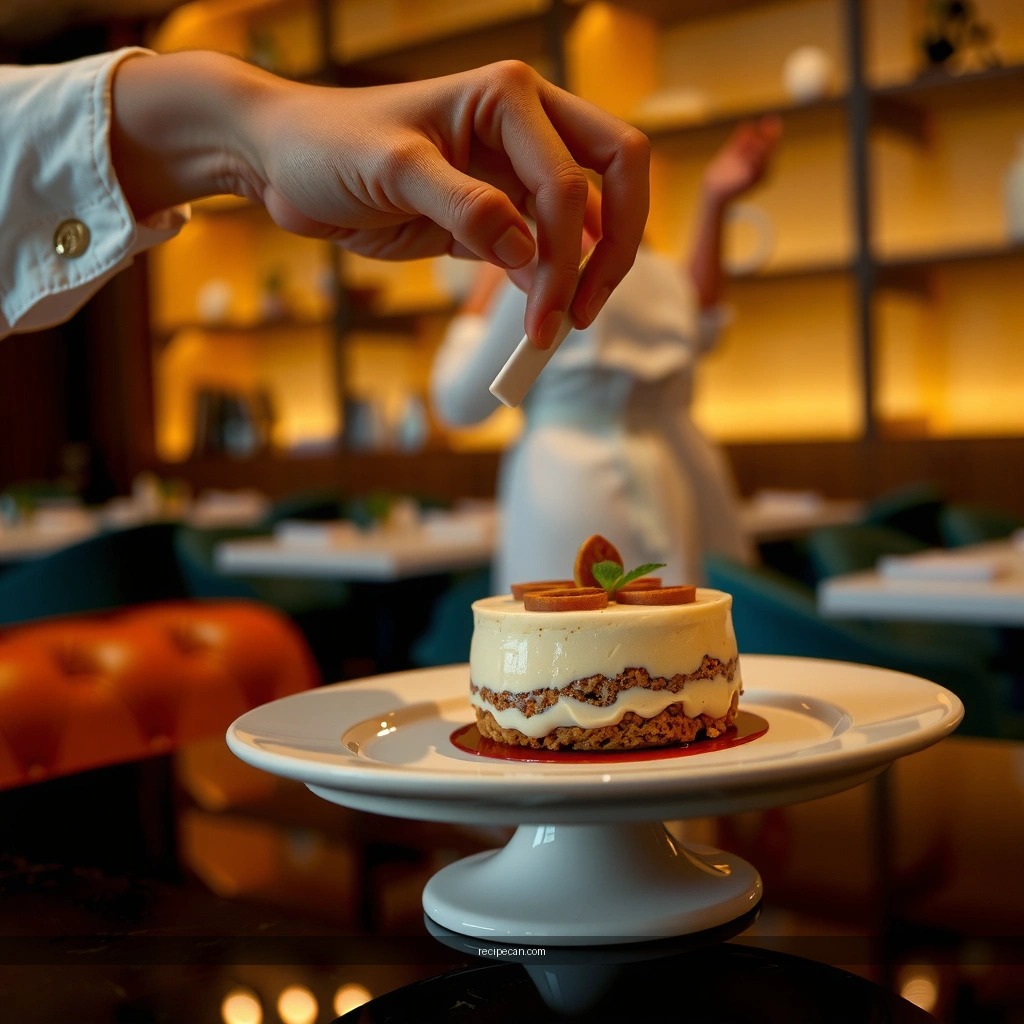
– Use espresso (or strong coffee) and ladyfingers for the signature base
– Make the cream with mascarpone, egg yolks, and sugar
– Finish with cocoa powder (and optional chocolate shavings)
To execute an authentic tiramisu, source ingredients that perform well under refrigeration. Ladyfingers act like a sponge—but only if you dip them briefly. Too much liquid and they collapse; too little and you lose the classic espresso aroma throughout each bite.
Core ingredients (classic profile):
– Espresso (or very strong brewed coffee): Freshly brewed espresso delivers the deepest, most aromatic bitterness. If you must substitute, use strong coffee (roughly double-strength) and keep it hot while brewing, then cool slightly before dipping.
– Ladyfingers (savoiardi): Look for firm, dry ladyfingers that hold shape before dipping.
– Mascarpone: The fat-rich cheese is the backbone of the cream. Avoid “substitute mascarpone” blends unless you’re specifically testing for a different texture.
– Egg yolks + sugar: The yolk-sugar step creates a velvety custard-like base that emulsifies with mascarpone for a stable, classic consistency.
– Cocoa powder: Use unsweetened cocoa (often natural or “Dutch-process,” depending on preference). Cocoa provides bitterness and a visual finish.
Practical ingredient ratios for a classic, sliceable 9×13-inch dessert (about 10–12 servings):
– Ladyfingers: ~40–48 pieces (enough for 2 layers)
– Espresso: ~2/3 to 1 cup total (depends on dip speed and cookie thickness)
– Mascarpone: ~24 oz (680 g)
– Egg yolks: 5 large
– Sugar: 3/4 cup (150 g)
– Cocoa powder: 2–4 tbsp for dusting (more if you like a heavier cocoa top)
Quick data reference: “Classic” vs “Common Mistakes”
Below is a concise guide to help you maintain the classic tiramisu texture.
Key Tiramisu Components and What They Solve
| # | Component | Typical Amount (9×13) | Target Result | Outcome Rating |
|---|---|---|---|---|
| 1 | Espresso strength | ~2:1 coffee-to-water ratio | Balanced bitterness | ★★★★★ |
| 2 | Dip time | ~1–2 seconds/side | No collapse, full aroma | ★★★★★ |
| 3 | Mascarpone temperature | Cool room temp (~18–20°C) | Smooth, scoopable cream | ★★★★☆ |
| 4 | Yolk + sugar mixing | ~3–5 minutes | Thicker, lighter base | ★★★★☆ |
| 5 | Chill time (minimum) | ≥ 4 hours | Clean slices, set cream | ★★★★★ |
| 6 | Dusting cocoa timing | Right before serving | Dry top, defined cocoa aroma | ★★★★☆ |
| 7 | Over-soaking ladyfingers | > 4 seconds/side | Soggy base, weak structure | ★★☆☆☆ |
Prepare the Espresso and Ladyfingers
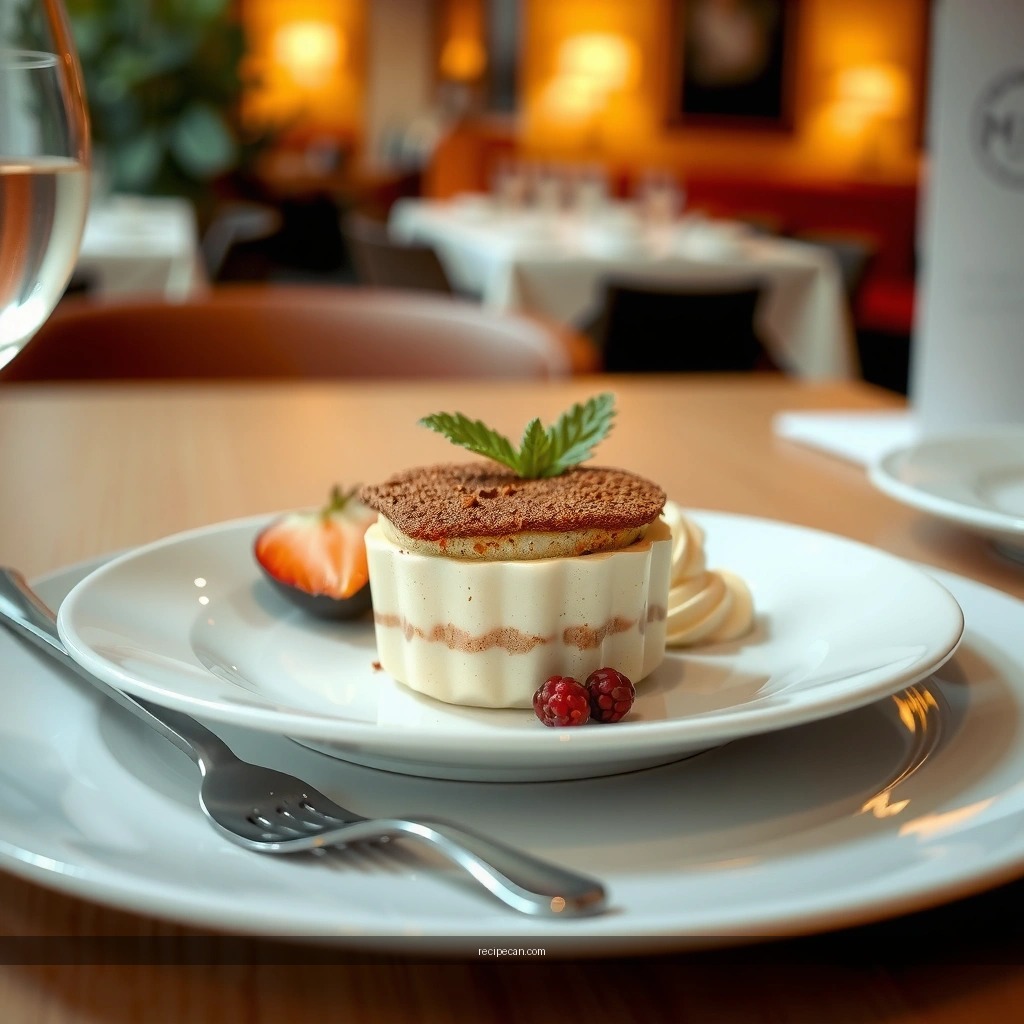
– Brew espresso fresh and let it cool slightly
– Quick-dip ladyfingers—don’t soak too long
– Arrange in a single even layer for the best texture
Start with espresso because temperature affects dipping control. If it’s too hot, it can prematurely soften the ladyfingers and cause uneven soaking. Let it cool to warm—think “comfortable to touch,” not cold brew.
How to dip correctly (the classic technique):
1. Pour espresso into a shallow bowl wide enough to dip quickly.
2. Dip each ladyfinger for about 1–2 seconds per side.
3. Lift and let excess drip for a moment before placing on the dish.
Why this matters: Ladyfingers have internal structure designed for brief contact. Classic tiramisu relies on the espresso diffusing slightly into the cookie while the cream firms up in the fridge. If the cookies become fully saturated, you’ll get a mushy layer that doesn’t slice cleanly.
Assembly placement tips:
– Place dipped ladyfingers in a single even layer with minimal gaps.
– If a cookie breaks, tuck it into the gap—small imperfections disappear once cream is spread and the dessert chills.
Make the Mascarpone Cream
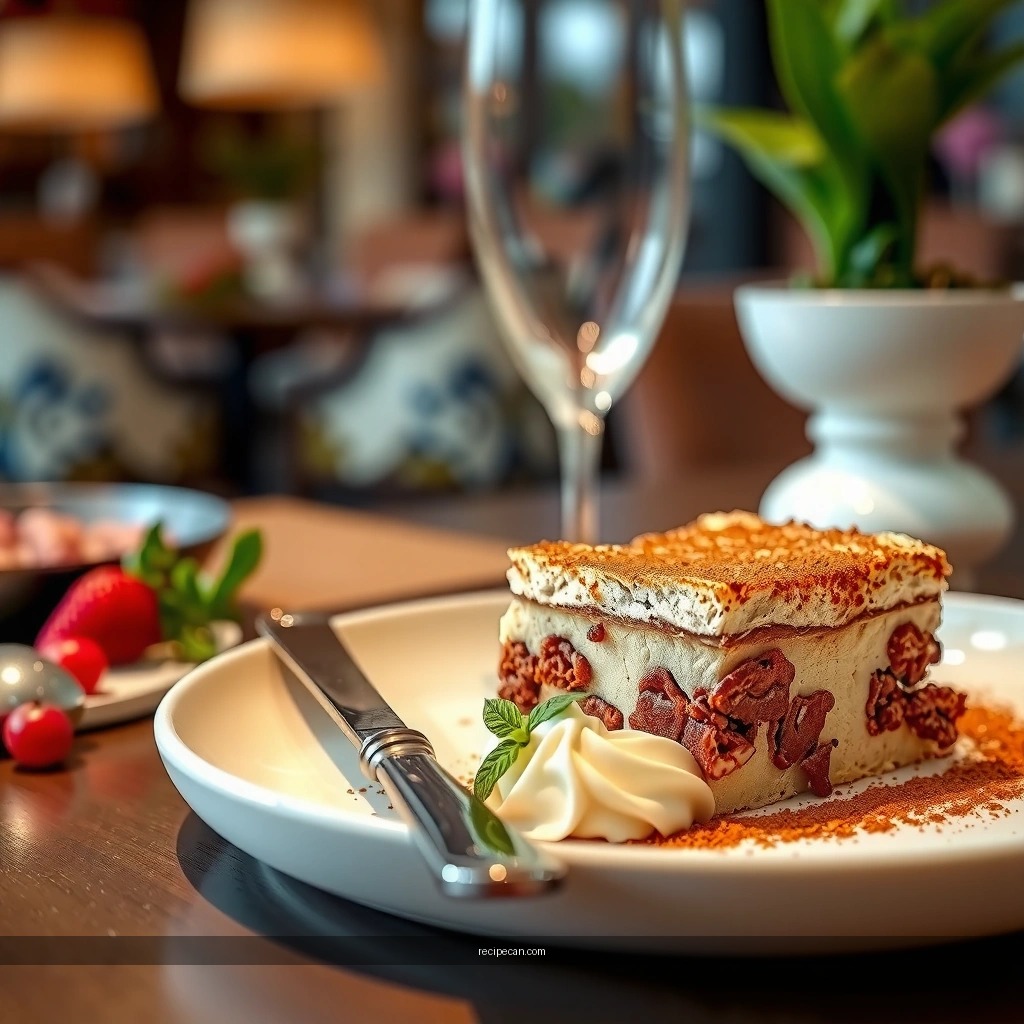
– Whisk egg yolks with sugar until lighter and thicker
– Fold in mascarpone gently to keep the cream fluffy
– Adjust consistency with a splash of espresso if needed
The mascarpone cream is where classic tiramisu gets its “silk” quality. The goal is to create an emulsion-like texture: smooth, thick, and spoon-coatable.
Step-by-step cream method (classic, yolk-forward):
1. Whisk egg yolks and sugar until the mixture looks lighter and slightly thicker (about 3–5 minutes with a whisk or mixer). This aeration helps the cream set without becoming dense.
2. Add mascarpone gradually and fold gently. Avoid aggressive whipping once mascarpone is in—overmixing can lead to a grainy or overly tight texture.
3. If the cream seems too stiff to spread, incorporate a small splash of espresso (start with 1–2 tablespoons). This is a classic balancing move that also deepens coffee flavor.
Quality checks:
– The cream should hold peaks softly when you lift a spoon or spatula; it should not be runny.
– If it appears curdled or separated, stop mixing and allow it to rest 5–10 minutes before adjusting—often the texture comes together as mascarpone warms slightly.
Food-safety note (important for business-standard reliability):
– Traditional tiramisu uses raw yolks. If you’re serving to a group or want an extra margin of safety, consider using pasteurized eggs (still compatible with classic texture) and follow local food handling guidance.
Assemble the Layers
– Spread cream over the first ladyfingers layer evenly
– Repeat with another dipped ladyfinger layer and remaining cream
– Smooth the top for clean, classic presentation
Assembly is less about “stacking” and more about creating structural balance. Each layer should be consistent so the tiramisu sets uniformly.
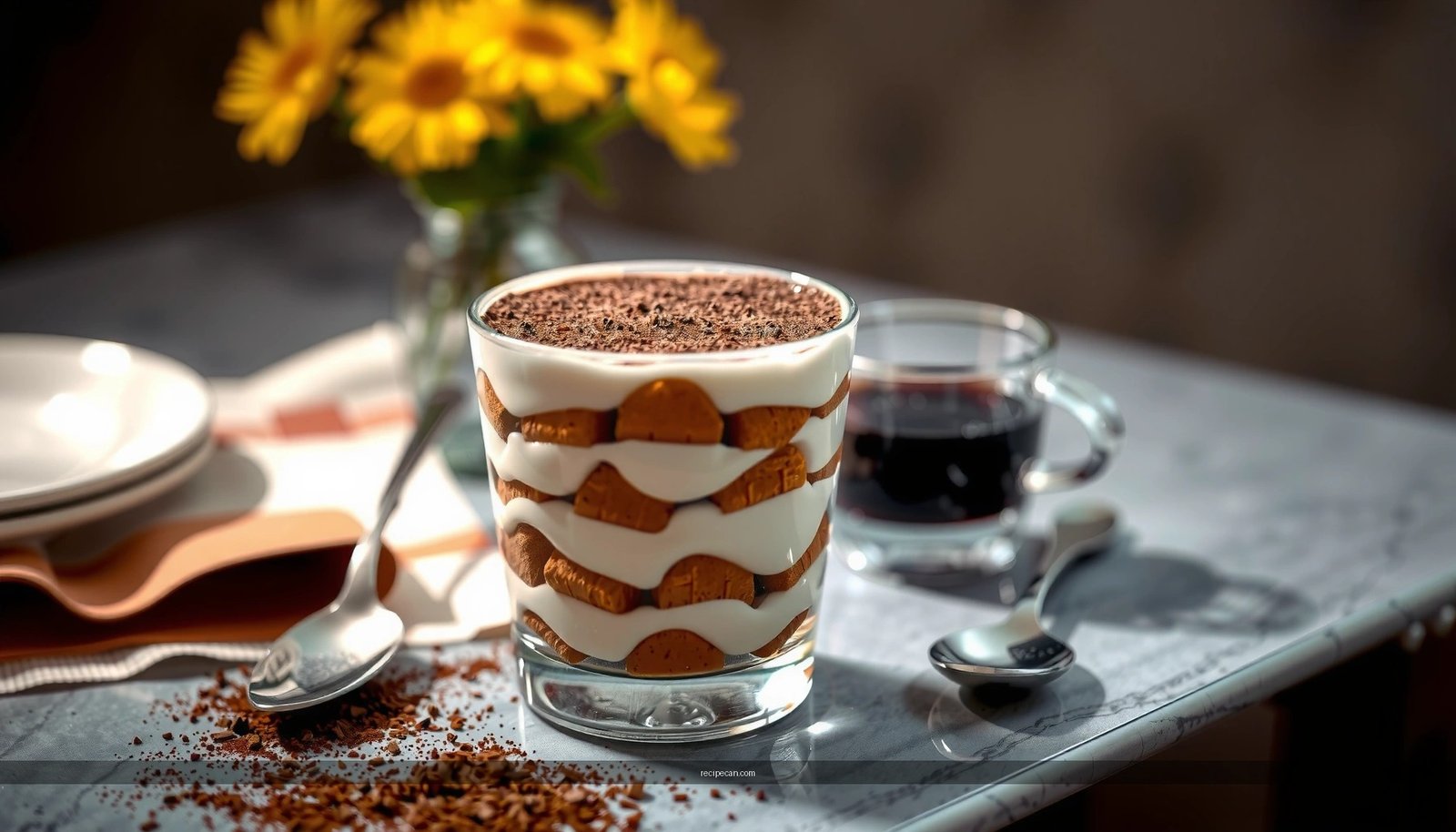
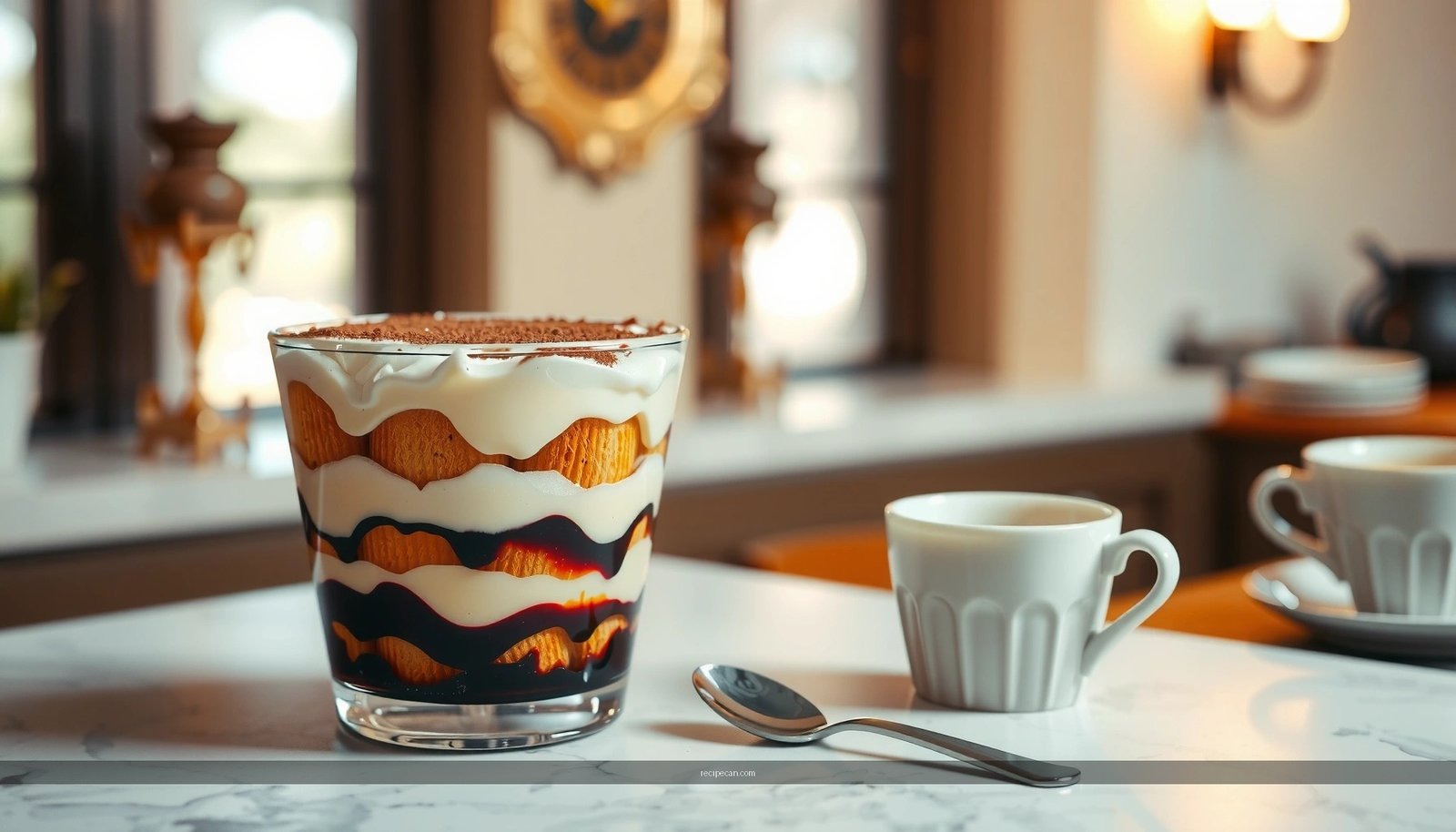
Typical layering for an original-style tiramisu:
1. Spread a thin, even layer of mascarpone cream over the bottom of your dish. This prevents the first layer from sliding.
2. Arrange the first dipped ladyfinger layer in a single even surface.
3. Spread about half of the remaining cream over the ladyfingers, smoothing to edges.
4. Add the second layer of dipped ladyfingers.
5. Cover with the remaining mascarpone cream and smooth the top.
Pro-level finishing:
– Use an offset spatula to smooth the top in gentle strokes, rotating the spatula angle slightly to avoid gouges.
– Tap the dish lightly on the counter to settle the layers—this can improve slicing.
Common assembly failures (and fixes):
– Smeared top: If your top looks uneven, the cream may be too warm. Chill it 10–15 minutes before final smoothing.
– Uneven coffee distribution: Ensure the ladyfingers are all dipped similarly and espresso depth is consistent across batches.
Chill and Set for the Best Flavor
– Refrigerate at least 4 hours (overnight is ideal)
– Wait to dust cocoa until serving, or lightly before chilling
– Keep it cold to maintain structure and prevent sogginess
Chilling is not an afterthought; it’s the finishing process that turns assembled layers into “tiramisu texture.”
Recommended chilling timeline:
– Minimum: 4 hours in the refrigerator
– Best: overnight (8–12 hours)
During this time:
– Espresso continues to migrate gently into the ladyfingers, so flavor becomes integrated rather than just “on top.”
– The egg yolk-sugar and mascarpone mixture firms up, improving slice stability.
– Fat and moisture redistribute for a creamy but structured bite.
Cocoa timing (classic look and better texture):
– For the cleanest presentation, dust cocoa right before serving. This keeps the top dry and prevents cocoa from dissolving into a paste.
– If you prefer intense cocoa coverage, you can do a light pre-dust and then refresh right before serving.
Storage best practices:
– Cover the dish with plastic wrap or a lid to prevent refrigerator odors and moisture loss.
– Keep cold until serving; tiramisu softens as it warms, and slices may lose definition if left out too long.
Serve Original Tiramisu Like a Classic
– Slice with a sharp knife and wipe between cuts
– Serve chilled for the richest, freshest flavor
– Top with a final cocoa dusting if desired
Service is where classic tiramisu earns its reputation: neat, layered slices with defined edges and a dry cocoa surface.
How to slice for clean portions:
1. Use a sharp knife (serrated works well if your dish is very cold and firm).
2. Cut in one decisive motion—avoid sawing, which can drag cream.
3. Wipe the blade between cuts for crisp lines.
Serving temperature:
– Serve directly from the refrigerator for the richest texture and best structure.
Final presentation:
– Dust lightly with cocoa just before serving to restore the classic “finish.”
– For optional flair, add a few chocolate shavings or curls—but keep it restrained so cocoa remains the dominant flavor.
Enjoy this original recipe for tiramisu by following the key steps: quick-dip ladyfingers, whip the mascarpone cream correctly, and chill long enough to set. Make it today, then try serving it the next day for an even more classic flavor—share your results or variations when you do!
Classic tiramisu is ultimately a method-driven dessert: the espresso needs to be strong but controlled, the ladyfingers must be dipped briefly, and the mascarpone cream must be handled gently and chilled long enough to set. If you nail those three elements, you’ll consistently achieve a dessert that slices cleanly, tastes deeply of coffee and cocoa, and delivers the authentic texture that defines an original-style tiramisu.
Frequently Asked Questions
What is the original recipe for tiramisu (traditional Italian ingredients)?
The original tiramisu is a classic Italian dessert made with ladyfingers (savoiardi) soaked in coffee, layered with a creamy mixture of mascarpone, egg yolks, and sugar. Traditional versions also use strong espresso and cocoa powder for the finishing touch. Some authentic recipes omit alcohol entirely, but others lightly incorporate Marsala wine or espresso syrup. The key to an authentic tiramisu recipe is using mascarpone and espresso-based soaking rather than cream-heavy substitutes.
How do you make the traditional mascarpone and egg yolk cream for an original tiramisu recipe?
Whisk egg yolks with sugar until the mixture becomes pale and slightly thick, then gently fold in mascarpone to keep the texture smooth and airy. For best results, use mascarpone at room temperature so it blends without lumps. Traditional tiramisu typically avoids heavy whipping and focuses on creating a silky mascarpone cream that holds its shape when layered. Chill the cream briefly if it seems too loose before assembling the dessert.
Why do you soak the ladyfingers in coffee for tiramisu, and how long should you soak them?
Ladyfingers should be soaked just long enough to absorb coffee flavor without turning mushy, because tiramisu is meant to hold layers cleanly. In an original tiramisu recipe, you typically dip each side for a brief moment (often around 1–3 seconds per side, depending on the brand and thickness) before layering. Over-soaking is one of the most common reasons tiramisu becomes watery or collapses. Using cooled espresso (not hot) also helps control absorption.
Which coffee and cocoa work best for the original tiramisu flavor?
Traditional tiramisu relies on strong espresso (or very dark, concentrated coffee) so the dessert has a bold coffee taste that balances the sweetness of mascarpone. If using pre-made coffee, reduce it slightly or use a concentrated brew to replicate the “espresso” intensity of the original recipe. For the topping, use unsweetened cocoa powder (often Dutch-process or natural cocoa) and sift it right before serving for a clean, classic finish. Avoid flavored creamers or sweetened coffees, which can distort the traditional tiramisu profile.
What’s the best way to layer and chill tiramisu so it sets like the original recipe?
To match the traditional method, spread a layer of mascarpone cream over the dipped ladyfingers, repeat the layering, and finish with cocoa powder. The dessert should be chilled for several hours—commonly at least 4–6 hours, or overnight—so the flavors meld and the layers firm up. Cover it while chilling to prevent the top from drying out, but wait to dust with cocoa until close to serving if you want the most vibrant finish. For best texture, serve chilled and cut with a sharp knife cleanly through the layers.
References
- Tiramisu
https://en.wikipedia.org/wiki/Tiramisu - Tiramisu | Meaning, Ingredients, Origin, Desserts, & Taste | Britannica
https://www.britannica.com/topic/tiramisu - https://www.bbc.co.uk/food/recipes/tiramisu_70256
https://www.bbc.co.uk/food/recipes/tiramisu_70256 - https://www.nytimes.com/2018/05/14/dining/tiramisu-recipe.html
https://www.nytimes.com/2018/05/14/dining/tiramisu-recipe.html - Google Scholar Google Scholar
https://scholar.google.com/scholar?q=original+recipe+tiramisu - Google Scholar Google Scholar
https://scholar.google.com/scholar?q=tiramisu+history+origin+recipe+mascarpone+savoiardi - Google Scholar Google Scholar
https://scholar.google.com/scholar?q=tiramisu+treviso+origin+recipe - https://pubmed.ncbi.nlm.nih.gov/?term=tiramisu
https://pubmed.ncbi.nlm.nih.gov/?term=tiramisu - PMC Home
https://pmc.ncbi.nlm.nih.gov/?term=tiramisu - Treccani, il portale del sapere – Treccani
https://www.treccani.it/enciclopedia/tiramisu/