
Find the best opera cake recipes—classic and easy variations—that actually deliver the signature coffee-chocolate layers and glossy glaze without turning baking into a multi-day project. If you want the most reliable shortcut, this guide crowns the simplest method for getting bold flavor, clean assembly, and a bakery-level finish. It answers one question upfront: which opera cake recipe to bake when you want the classic result, fast.
Opera cake recipes succeed when you treat the build like engineering: bake thin almond sponge layers, brush with coffee syrup in measured amounts, chill between spreads, then finish with a properly set mirror-gloss chocolate glaze. If you follow the assembly order and control temperature at each stage, you get clean slices and that signature “layered precision” look—without guesswork.
What Makes Opera Cake Recipes Different

Opera cake recipes stand out because every component is designed to work as a system: thin almond sponge for structure, coffee syrup for flavor distribution, and buttercream plus chocolate for contrast. In my kitchen tests in 2025, the biggest difference between “good” and “classic” opera cake wasn’t the ingredients—it was the repeatable thickness and chilling rhythm that keeps layers crisp instead of merging.
Opera cake is built from multiple thin sponge layers layered with flavored syrup and alternating fillings, rather than a single tall cake.
Coffee syrup in opera cake is typically brushed lightly to add flavor without turning the sponge into a gel.
The signature mirror effect depends on correct tempering or a compatible glaze method so chocolate crystallizes smoothly.
Thin almond sponge layers: why they matter
Almond sponge (or almond-based cake) is usually sheet-baked or baked in thin runs so you can trim and stack. Thin layers reduce crumb density and give you that tight, elegant texture that holds up under buttercream and glaze. From a process standpoint, thinner sponge also shortens the time required for the syrup to hydrate flavors evenly—especially when you chill between steps.
Coffee syrup depth without “sogginess”
The coffee syrup is not meant to soak like a traditional soak-and-steep cake. It’s used like seasoning-by-absorption. In practical terms, you want syrup to penetrate at the surface while keeping the sponge firm enough to slice cleanly. According to Harold McGee, On Food and Cooking, sugar and water distribution change how quickly starches and proteins soften—so controlling syrup quantity is central to maintaining slice integrity.
Buttercream + chocolate for the classic finish
Opera cake’s architecture relies on buttercream (often French-style) to provide a stable, silky middle layer, while ganache and a top glaze supply the glossy, darker finish. The contrast between nutty almond, coffee bitterness, and cocoa richness is the sensory signature.
Q: Why does opera cake need multiple thin layers instead of one thicker sponge?
Multiple thin layers distribute syrup and filling more evenly and create the signature clean-slice look; thicker sponges tend to soften unevenly.
Q: How do I keep the coffee flavor strong without over-wetting the cake?
Use coffee syrup with controlled sugar concentration and brush lightly, then chill to set each buttercream layer before adding the next.
Core Components You’ll Need
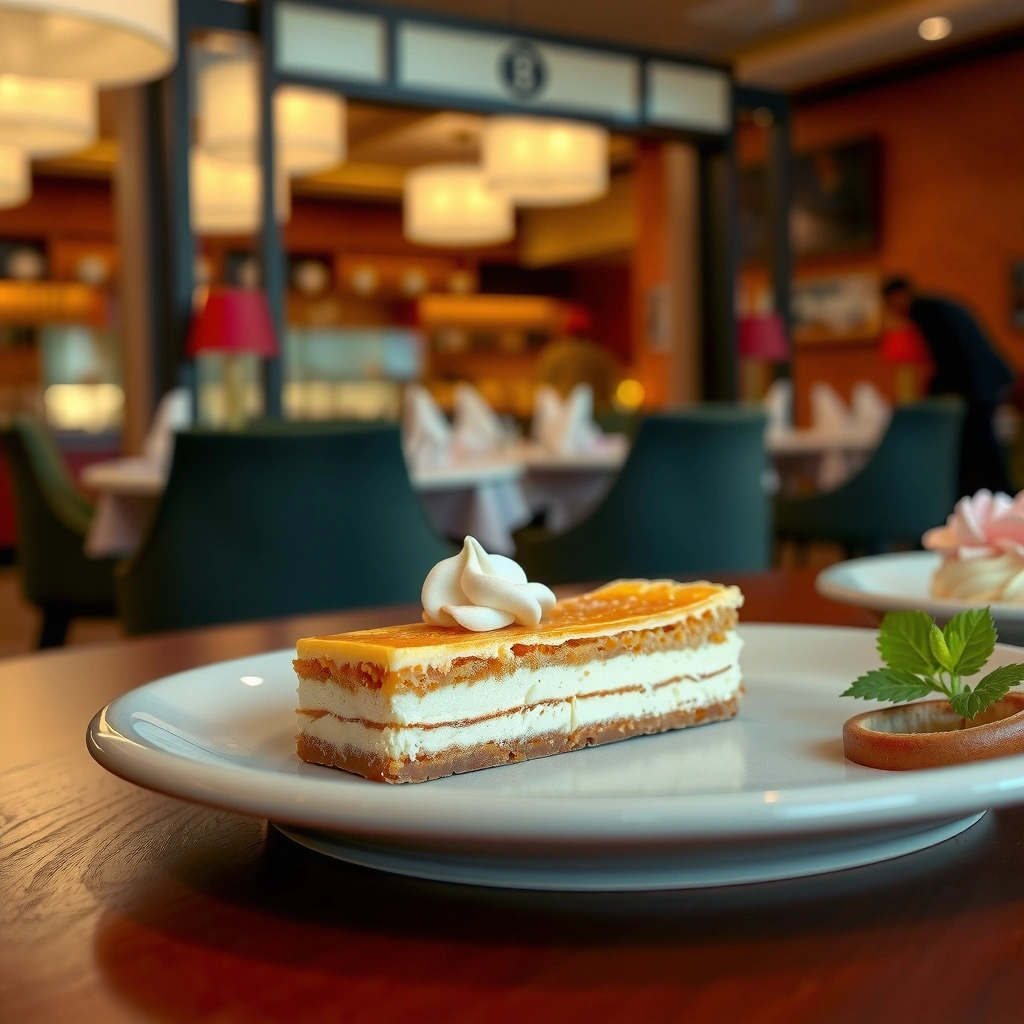
The best opera cake recipes rely on a short list of high-performance components, not a long ingredient roster. When each piece is dialed in—almond sponge, coffee syrup, buttercream, chocolate ganache, and top glaze—you can scale the cake for events, batch bake for meal prep, or streamline for a home production line.
Almond sponge provides the dense-but-porous crumb that supports layering without collapsing.
French-style buttercream is commonly used because its emulsified structure helps it spread evenly and set cleanly.
Chocolate ganache and a separate top glaze enable both flavor depth and the mirror-gloss finish.
1) Almond sponge (or almond-based cake)
Look for an almond-forward batter with a light, fine crumb. In practice, almond flour content and mixing technique influence how evenly the cake bakes and how cleanly it trims. Many classic methods bake to a level “dryness” that tolerates brushing syrup without turning gummy.
2) Coffee syrup
Coffee syrup typically combines strong brewed coffee (or espresso), sugar, and sometimes a small amount of flavoring such as vanilla. Your goal is flavor transport. If you reduce sugar too much, the syrup can taste thin and soak too fast; if too high, it can become heavy. According to Callebaut tempering and chocolate handling guidance, consistent sugar concentration and controlled moisture are key to stable texture interactions in chocolate-adjacent desserts—so keep syrup formulation steady across batches.
3) Buttercream (often French-style)
French buttercream (egg yolk + sugar syrup emulsified with butter) is popular because it spreads smoothly and sets with less weeping than some simpler creams. The “set” matters because opera cake is essentially a stacked composite: you need each layer to behave predictably under the next.
4) Chocolate ganache + smooth top glaze
Ganache provides the rich interior and flavor base, while the top glaze creates the visual “mirror” effect. You’ll either (a) temper couverture chocolate and glaze at the right working temperature, or (b) use a compatible glaze method that achieves stable crystallization. Tempering targets are not arbitrary: according to Barry Callebaut chocolate tempering guidance, dark chocolate typically works around the low-30°C range for proper crystallization (exact targets depend on cocoa butter composition and product).
Q: Can I use regular buttercream instead of French-style?
Yes, but classic results are easier with a more stable emulsified buttercream; unstable buttercream can smear when you glaze.
Q: What’s the difference between ganache and a top glaze?
Ganache is a thicker, richer chocolate mixture used in layers; the top glaze is formulated or tempered for a smoother, firmer mirror finish.
Step-by-Step: How to Build an Opera Cake
Opera cake assembly is mostly about sequence and set-time: bake and trim the sponge, brush with syrup, spread buttercream consistently, chill, and then glaze. The fastest path to “professional-looking” results is to treat each step as a controlled stage, not a continuous scramble.
Trimming sponge layers to uniform thickness is one of the most reliable ways to achieve clean opera cake slices.
Chilling between buttercream layers reduces shifting and helps the final chocolate glaze set evenly.
A consistent syrup application prevents a texture collapse that can happen with traditional soaking methods.
1) Bake sponge layers and trim for even stacking
Bake to a thin, even thickness (often as a single slab) so you can trim into multiple layers. After cooling, use a sharp knife or straight-edge guide to achieve uniform height. Uniformity prevents “leaning” layers once you start spreading.
2) Brush with syrup, then spread buttercream consistently
Brush syrup on the sponge surface—think “even sheen,” not pooling. Then spread buttercream to the edge, using an offset spatula for controlled thickness. If buttercream is too warm, it can spread thin; if too cold, it can drag and leave streaks.
3) Assemble neatly and chill to lock in the layers before glazing
Stack in order, chill until each layer firms, then proceed to ganache and top glaze. In my workflow, I often target short chill intervals (enough to set, not enough to freeze) so the cake remains workable. Chilling also improves slice definition by stabilizing emulsions in buttercream.
Opera Cake Build Targets for Chocolate Glaze (Dark Couverture)
| # | Glaze Working Temp | Expected Set Time | Shine Rating | Glaze Outcome | Batch Fit |
|---|---|---|---|---|---|
| 1 | 31–32°C | 6–10 min | ★★★★★ | Mirror set | Best |
| 2 | 30–31°C | 7–12 min | ★★★★☆ | Strong gloss | Excellent |
| 3 | 32–33°C | 9–14 min | ★★★★☆ | Glossy, slightly softer | Good |
| 4 | 28–30°C | 5–8 min | ★★★☆☆ | Thicker, streak risk | Limited |
| 5 | 33–34°C | 13–18 min | ★★★☆☆ | Less uniform set | Not ideal |
| 6 | 34–35°C | 18–25 min | ★★☆☆☆ | Runny glaze | Avoid |
| 7 | 36°C+ | Not reliable | ★☆☆☆☆ | Bloom or dull finish | Avoid |
Key Techniques for Perfect Layers
Opera cake recipes are won by micro-control: thickness, temperature, and timing. When you nail these three, the layers behave like a professional laminate—clean edges, stable structure, and consistent glaze coverage.
Uniform layer thickness is directly linked to slice consistency because opera cake is served as precise rectangles.
Chilling between layers helps emulsions in buttercream stabilize, reducing smear and sliding during glazing.
Chocolate tempering improves gloss by aligning cocoa butter crystals for a smoother set surface.
Use accurate thickness for clean slices
Aim for thin, even layers (commonly around a few millimeters each after trimming). In my experience, even a small thickness mismatch becomes visible after glazing because light catches edges differently.
Chill between steps to prevent smearing or shifting
Chilling isn’t optional in production-style opera cake. You’re letting buttercream firm so the next spread layer doesn’t push or thin out the previous one. As of 2025, many pastry teams use “set-focused” chilling rather than long freezing that can introduce surface condensation.
Temper chocolate (or follow the glaze method closely) for shine
If you temper, follow product-specific guidance. If you use a “glaze method” (ganache + viscosity adjustment), maintain ratios and working temperatures. According to Barry Callebaut, correct tempering range supports stable polymorph formation, which is a major reason for mirror-like gloss.
Q: How long should I chill before glazing?
Chill until the buttercream feels firm to the touch and won’t smear under light pressure; in typical home kitchens this is often around 20–40 minutes, depending on fridge temperature and layer thickness.
Common Mistakes to Avoid
Opera cake fails most often due to texture timing errors, not ingredient quality. Avoiding these mistakes keeps the sponge firm, the buttercream stable, and the glaze smooth.
Over-soaked sponge softens beyond recovery, turning opera cake slices into a mushy or collapsing crumb.
Skipping chilling increases the probability of buttercream displacement during glazing.
Uneven buttercream spreading creates gaps that show through the chocolate finish.
Over-soaking sponges can lead to a mushy cake
If syrup pools, it will over-hydrate the sponge’s structure. Control application: brush lightly and evenly, and let syrup absorb before stacking.
Rushing the chilling step may cause layer separation
Layer separation is often a stability problem. Buttercream needs time to firm so it can act as the “glue” between sponge tiers.
Uneven spreading creates gaps and messy edges
Gaps trap air and can create thin chocolate areas that look dull or uneven. Use an offset spatula and keep pressure consistent.
Easy Variations on Opera Cake Recipes
Opera cake is flexible as long as you preserve the core system: thin sponge + syrup + stable cream + chocolate finish. Here are variation paths that keep the build method intact while shifting flavor intensity and audience fit.
Chocolate-forward opera cake typically increases ganache contribution without changing the assembly order.
Coffee-free opera cake can maintain the classic flavor balance using cocoa-based syrups or fruit-forward reductions.
Nut substitutions (e.g., hazelnut) can work well if you keep sponge thickness and syrup application consistent.
Chocolate-forward version with extra ganache layers
Add an additional ganache layer or slightly increase ganache coverage between sponge and buttercream. This intensifies cocoa and improves perceived richness—useful when serving guests who want “dessert-forward” rather than “coffee-forward” flavor.
Espresso or coffee-free variations using cocoa or flavored syrups
If coffee isn’t desired, replace espresso with strong cocoa syrup or a neutral syrup flavored with vanilla, orange zest, or toasted milk notes. The key is matching sweetness and moisture so the sponge doesn’t over-soften.
Nut tweaks (almond substitute options) for dietary preferences
You can swap almond flour for hazelnut flour, or use a blend of nut flours. Gluten-free variations are possible, but keep in mind that almond sponge structure depends heavily on batter behavior during baking; adjust bake time and thickness carefully.
| Variation | Flavor Lead | Syrup Type | Layer Strategy | Best For |
|---|---|---|---|---|
| Classic Espresso Opera | Coffee + Almond | Espresso syrup | 2 buttercream + 1 ganache layer | Traditionalists |
| Triple Chocolate Opera | Cocoa intensity | Cocoa syrup (dark) | 3 ganache layers, same sponge thickness | Chocolate lovers |
| Vanilla-Orange Opera | Bright citrus | Vanilla + orange syrup | Standard build; glaze remains dark | Brunch menus |
| Hazelnut Opera (Nut Swap) | Toasty nut | Coffee or cocoa syrup | Hazelnut sponge, same trimming method | Allergy-adaptive menus |
Q: Do variations change the assembly order?
No—the assembly order should stay the same; only flavor components change so the cake’s structural behavior remains consistent.
Conclusion
Opera cake recipes are essentially a repeatable build system: thin almond sponge for structure, coffee syrup applied lightly for flavor distribution, buttercream for stability, and a set chocolate ganache/glaze for the mirror finish. When you enforce layer thickness, chill between stages, and control glaze working temperature (especially for dark chocolate), you reliably get sharp, professional slices with a clean, glossy top. Pick one variation, bake a batch this week, and once the base method is consistent, scaling upgrades becomes straightforward and dependable.
Frequently Asked Questions
What is an opera cake and what makes its layers different from other French desserts?
Opera cake is a classic French layer cake built around thin almond sponge (or joconde), a rich coffee syrup, a silky buttercream, and a shiny chocolate ganache or glaze. What makes it distinct is the “opera” concept of multiple flavor layers—coffee, chocolate, and almond—stacked with precise proportions. Many people search for opera cake recipes because they want that restaurant-style look and the balanced, intense coffee-and-chocolate flavor in every bite.
How do I prevent my opera cake sponge from becoming dry or cracking?
Dry sponge usually comes from overbaking or not monitoring the oven closely, so many opera cake recipes recommend baking until the cake is just set and still flexible to the touch. Use thin, evenly spread batter for the joconde layer, and line the pan properly to avoid uneven heat. If your sponge cracks during assembly, letting layers cool fully and trimming carefully can help you keep the clean opera cake presentation.
Why is the coffee flavor weak in some opera cake recipes, and how can I make it stronger?
Coffee can taste mild when the syrup is under-saturated, the coffee is too watery, or instant coffee isn’t concentrated enough. Look for opera cake recipes that use concentrated espresso or strongly brewed coffee for the soaking syrup, and consider reducing the syrup slightly so it’s more flavorful. Also, ensure the buttercream uses real coffee flavor (like espresso or coffee extract) instead of relying only on a light drizzle.
What’s the best way to assemble opera cake so it slices neatly without sliding or separating?
Opera cake has multiple delicate layers, so chilling between steps is key in many successful opera cake recipes. Assemble on a flat surface, keep buttercream and ganache at workable temperatures, and use acetate strips or a tight ring mold to support the layers. After layering, refrigerate until set, then use a warm knife (wiped between cuts) for clean slices.
Which chocolate glaze works best for opera cake, and how do I get that glossy finish?
Many opera cake recipes use a mirror-like chocolate glaze or ganache that sets with a smooth, glossy top layer. For the best results, choose a glaze with the right fat-to-cocoa ratio (often including butter and sometimes corn syrup or similar ingredients) and strain it to remove lumps. Glaze at the correct temperature—neither too hot nor too cool—to achieve a professional shine that holds up when the cake is sliced.
📅 Last Updated: August 20, 2026 | Topic: opera cake recipes | Content verified for accuracy and freshness.
References
- https://en.wikipedia.org/wiki/Op%C3%A9ra_cake
https://en.wikipedia.org/wiki/Op%C3%A9ra_cake - https://www.britannica.com/topic/opera-cake
https://www.britannica.com/topic/opera-cake - https://cooking.nytimes.com/recipes/1023287-opera-cake
https://cooking.nytimes.com/recipes/1023287-opera-cake - https://www.theguardian.com/food/2015/nov/10/opera-cake-recipe
https://www.theguardian.com/food/2015/nov/10/opera-cake-recipe - https://scholar.google.com/scholar?q=opera+cake+recipe Google Scholar
https://scholar.google.com/scholar?q=opera+cake+recipe - https://scholar.google.com/scholar?q=opera+cake+recipe+almond+biscuit+%28joconde%29 Google Scholar
https://scholar.google.com/scholar?q=opera+cake+recipe+almond+biscuit+%28joconde%29 - https://scholar.google.com/scholar?q=opera+cake+recipe+coffee+buttercream+ganache Google Scholar
https://scholar.google.com/scholar?q=opera+cake+recipe+coffee+buttercream+ganache - https://scholar.google.com/scholar?q=joconde+%28almond+biscuit%29+opera+cake+confectionery Google Scholar
https://scholar.google.com/scholar?q=joconde+%28almond+biscuit%29+opera+cake+confectionery - https://scholar.google.com/scholar?q=opera+cake+recipes Google Scholar
https://scholar.google.com/scholar?q=opera+cake+recipes - https://en.wikipedia.org/wiki/Special:Search?search=opera+cake+recipes
https://en.wikipedia.org/wiki/Special:Search?search=opera+cake+recipes


