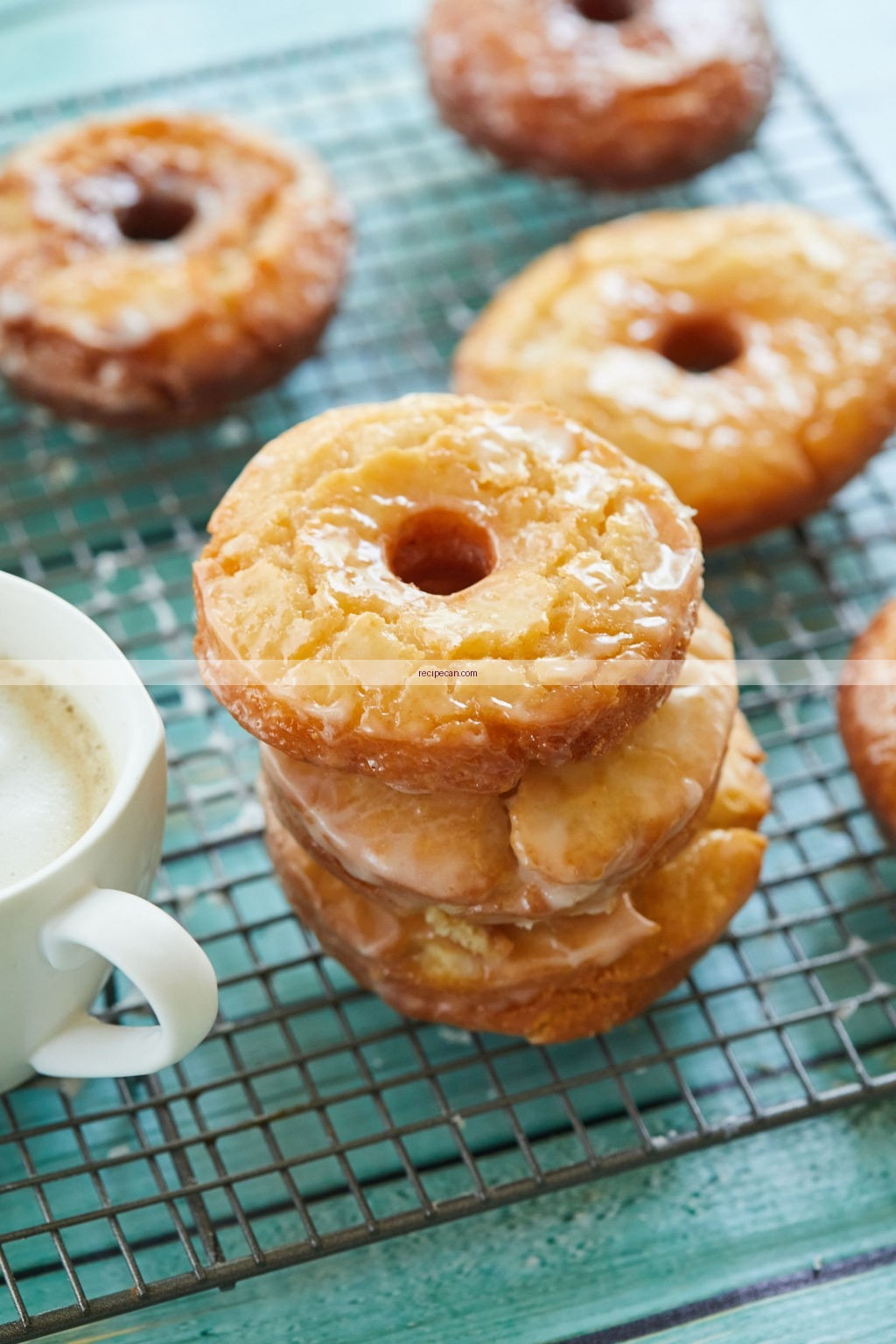
Making old fashioned donuts at home is simple and rewarding, perfect for satisfying your sweet tooth. This recipe offers a delightful combination of soft, flavorful donuts with a pleasing texture that evokes memories of classic bakeries. With the right ingredients and techniques, you can create these timeless treats in your own kitchen. Let’s dive into the step-by-step process of creating these delicious donuts!
Ingredients You’ll Need

To create the perfect old fashioned donuts, gather the following ingredients:
– 2 cups all-purpose flour: The foundation of your donuts, providing structure.
– 3/4 cup granulated sugar: For sweetness and a hint of crispness.
– 2 tsp baking powder: This leavening agent helps the donuts rise.
– 1/2 tsp baking soda: Enhances the leavening effect for a lighter texture.
– 1/2 tsp salt: Balances the sweetness and enhances flavor.
– 1/2 tsp ground nutmeg: Adds a warm, aromatic flavor characteristic of old fashioned recipes.
– 2 large eggs: Acts as a binder and adds richness to the donuts.
– 1/2 cup buttermilk: Contributes moisture and a tender crumb.
– 1/4 cup unsalted butter, melted: Adds richness and flavor.
– 1 tsp vanilla extract: Enhances the overall flavor profile.
– Oil for frying: Required for cooking the donuts to a golden brown perfection.
Preparing the Dough

Start by preparing the dough, which is the most crucial step in making donuts. In a large mixing bowl, whisk together the dry ingredients: all-purpose flour, granulated sugar, baking powder, baking soda, salt, and ground nutmeg. This combination will provide the ideal balance of flavor and texture.
In a separate bowl, mix the wet ingredients: beat together the eggs, buttermilk, melted butter, and vanilla extract until smooth. This mixture will add moisture and richness to the donuts.
Once both mixtures are prepared, gradually add the wet ingredients to the dry ingredients, stirring gently until just combined. Be careful not to overmix, as this can lead to tough donuts. After achieving a cohesive dough, cover the bowl with plastic wrap and chill it in the refrigerator for at least 30 minutes. This chilling process is essential for firming up the dough, which helps in shaping and frying.
Mixing and Chilling
Chilling the dough serves multiple purposes. First, it allows the gluten to relax, resulting in a softer donut. Second, it makes the dough easier to handle when rolling and cutting.
While the dough chills, take the opportunity to prepare your workspace by clearing a flat surface and gathering your tools: a rolling pin, a donut cutter, and a frying pan or deep fryer for frying.
Here’s a quick overview of the chilling process and its benefits:
| Benefit of Chilling the Dough | Explanation |
|——————————-|————-|
| Reduces Stickiness | Chilled dough is easier to handle and roll out. |
| Improves Texture | Relaxed gluten leads to a softer, more tender donut. |
| Enhances Flavor | Allowing the dough to rest lets the flavors meld. |
Shaping the Donuts
Once the dough has chilled adequately, it’s time to shape the donuts. On a well-floured surface, roll out the dough to about 1/2 inch thick. This thickness is ideal for achieving a perfect rise while frying.
Using a donut cutter, cut out the shapes for your donuts. If you don’t have a donut cutter, you can use two round cutters of different sizes—one for the outer donut and a smaller one for the hole in the middle. Gather any scraps of dough, re-roll them, and cut out additional donuts until all the dough is used.
Frying the Donuts
Frying is where the magic happens. Heat oil in a deep pan or fryer to 375°F (190°C). It’s crucial to monitor the temperature closely; too hot and the donuts will burn, too cool and they’ll absorb excess oil.
Carefully drop the donuts into the hot oil, ensuring not to overcrowd the pan. Fry them until they are golden brown on each side, which typically takes about 2-3 minutes per side. Use a slotted spoon to remove the donuts from the oil and place them on a paper towel-lined plate to drain excess oil.
Frying Tips:
– Always use a thermometer to maintain the correct oil temperature.
– Fry a test donut first to gauge the cooking time and adjust as needed.
Glazing and Serving
After frying, allow the donuts to cool slightly before glazing or serving them plain. A simple glaze can be made by whisking together powdered sugar and milk until smooth. For added flavor, consider infusing the glaze with vanilla extract or a hint of almond extract.
If you prefer a more decadent treat, consider rolling the donuts in cinnamon sugar while they are still warm for a delightful twist.
Tips for Perfect Donuts
Creating the perfect old fashioned donuts requires attention to detail. Here are some essential tips:
– Use fresh ingredients: Fresh flour, baking powder, and spices yield the best flavor and texture.
– Temperature matters: Ensure your oil is at the right temperature to achieve the perfect donut consistency.
– Experiment with flavors: Try adding different spices, like cinnamon or cardamom, to customize your donuts.
– Storage: If you have leftovers, store them in an airtight container at room temperature for up to two days.
Nutritional Information
To provide a better understanding of the nutritional value of your homemade donuts, here’s a breakdown of their estimated nutrition per donut (based on 12 servings):
| Nutrient | Amount per Donut |
|——————|——————|
| Calories | 220 kcal |
| Total Fat | 10 g |
| Saturated Fat | 3 g |
| Carbohydrates | 29 g |
| Sugars | 10 g |
| Protein | 3 g |
| Fiber | 1 g |
Conclusion
In conclusion, making old fashioned donuts at home is not only straightforward but also an enjoyable culinary experience that allows you to indulge in a classic treat. By following this detailed recipe, you can create delicious, soft donuts that capture the essence of traditional bakeries. Whether enjoyed for breakfast, as a snack, or as a delightful dessert, these homemade donuts are sure to bring joy to your kitchen. Don’t hesitate to experiment with various glazes and toppings to personalize them to your taste! Happy frying!
Frequently Asked Questions
What are the essential ingredients for an old fashioned donuts recipe?
The essential ingredients for an old fashioned donuts recipe include all-purpose flour, sugar, baking powder, baking soda, salt, eggs, buttermilk, and butter. These ingredients combine to create a rich, tender donut with a slightly crisp exterior and a soft, flavorful interior. Make sure to use fresh ingredients for the best results.
How do you achieve the perfect texture in old fashioned donuts?
To achieve the perfect texture in old fashioned donuts, it is crucial to mix the batter just until the ingredients are combined and avoid over-mixing, which can result in dense donuts. Additionally, using buttermilk adds moisture and a slight tang, contributing to a light and fluffy texture that pairs perfectly with the classic flavor.
Why do old fashioned donuts have a unique shape compared to other donuts?
Old fashioned donuts have a unique shape, typically a round, irregular form with a thicker ring, due to the use of a simple batter that is dropped directly into the hot oil rather than being rolled and cut. This method creates a rustic look that enhances their homemade charm and allows for a crispy exterior while keeping the inside moist and airy.
What is the best frying oil for making old fashioned donuts?
The best frying oil for making old fashioned donuts is one with a high smoke point, such as vegetable oil, canola oil, or peanut oil. These oils can maintain the necessary temperature for frying and produce a consistent golden-brown color, resulting in perfectly cooked donuts without absorbing excessive oil.
Which toppings work best for old fashioned donuts?
Popular toppings for old fashioned donuts include a simple glaze made from powdered sugar and milk, cinnamon sugar, or a chocolate ganache for a richer flavor. You can also experiment with crushed nuts or sprinkles for added texture and visual appeal, tailored to your personal taste preferences.
References
- Doughnut
https://en.wikipedia.org/wiki/Donut - https://www.bbc.com/food/recipes/old_fashioned_doughnuts_10161
https://www.bbc.com/food/recipes/old_fashioned_doughnuts_10161 - https://www.sciencedirect.com/topics/food-science/doughnut
https://www.sciencedirect.com/topics/food-science/doughnut - https://www.nytimes.com/2021/02/23/dining/doughnut-recipes.html
https://www.nytimes.com/2021/02/23/dining/doughnut-recipes.html - Doughnut | Definition, History, Types, & Origins | Britannica
https://www.britannica.com/topic/doughnut - Google Scholar Google Scholar
https://scholar.google.com/scholar?q=old+fashioned+donuts+recipe - Google Scholar Google Scholar
https://scholar.google.com/scholar?q=doughnut+history+and+recipes - Google Scholar Google Scholar
https://scholar.google.com/scholar?q=traditional+doughnut+recipes - https://www.theguardian.com/food/2020/oct/01/old-fashioned-doughnuts-recipe
https://www.theguardian.com/food/2020/oct/01/old-fashioned-doughnuts-recipe - https://www.mayoclinic.org/healthy-lifestyle/nutrition-and-healthy-eating/in-depth/healthy-cooking/art-20045683
https://www.mayoclinic.org/healthy-lifestyle/nutrition-and-healthy-eating/in-depth/healthy-cooking/art-20045683