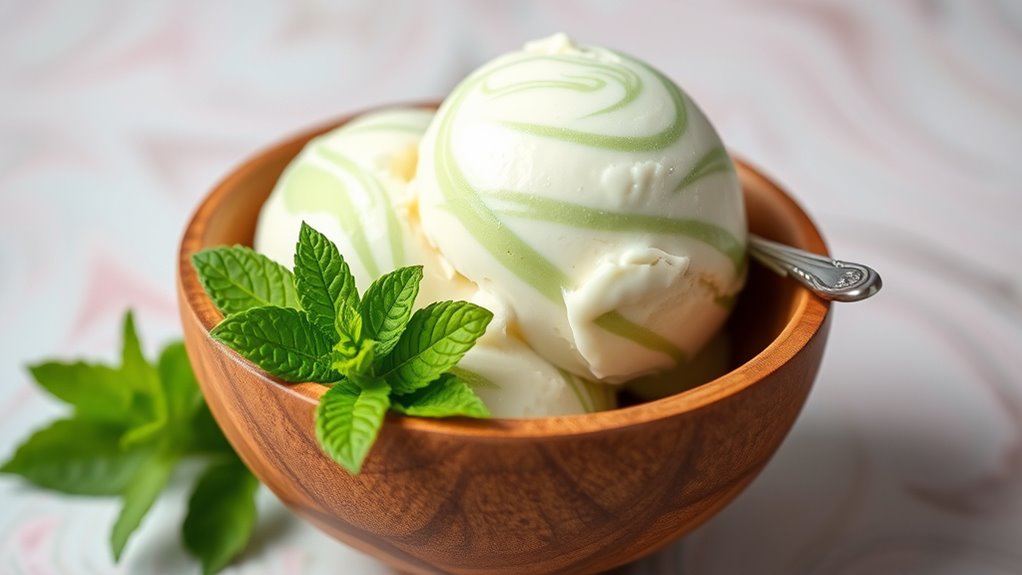
To make monk fruit ice cream, start with a precise dairy-fat base and balance sweetness with monk fruit, not sugar. Thaw and measure ingredients rigidly, pre-chill the base, and guarantee strong emulsification to prevent ice crystals. Cook gently, monitoring viscosity and sugar-equivalents, then cool promptly to storage temperature. For scoopability, aerate thoroughly and chill fully before serving in clean dishes with light garnishes. If you keep going, you’ll uncover how these controls chemistry into texture.
Ingredients and Quantity
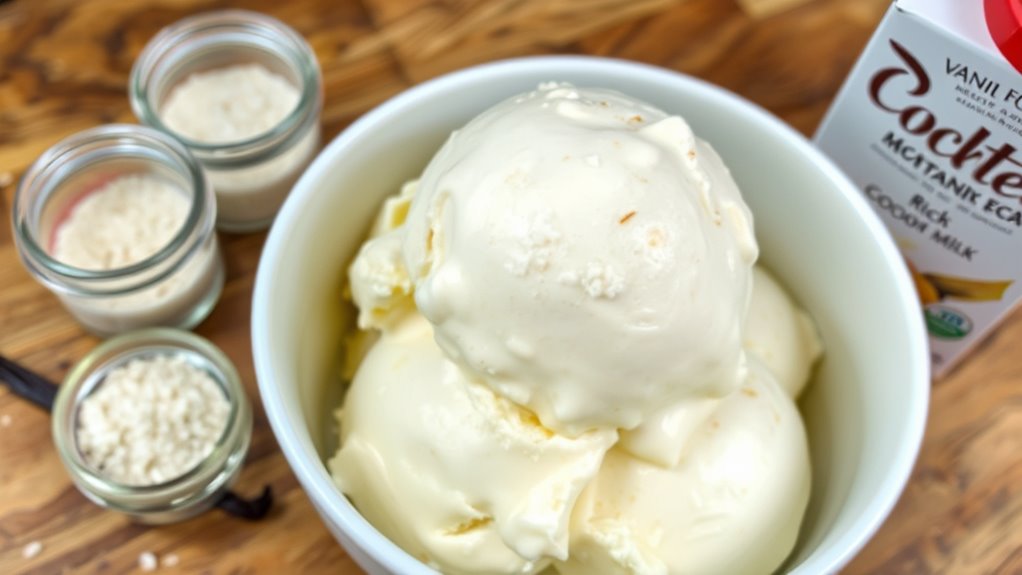
The ingredients for monk fruit ice cream are simple and measurable, enabling precise formulation and repeatable results. You’ll balance base dairy, fat, and sweetener using measured quantities, noting the exact role each component plays in texture and mouthfeel. In this scenario, monk fruit serves as the primary sugar alternative, with sugar alternatives chosen to modulate sweetness and browning potential while preserving freezing behavior. Keep proportions tight to avoid user-defined variability and guarantee reproducibility. Use a table to organize inputs and tolerances, then validate by small-batch testing before scale-up.
| Component | Target Amount | Tolerance |
|---|---|---|
| Dairy/Total Fat | 250 g | ±5 g |
| Monk fruit / sugar alternatives | 40 g | ±2 g |
| Stabilizers / additives | 5 g | ±1 g |
Preparations
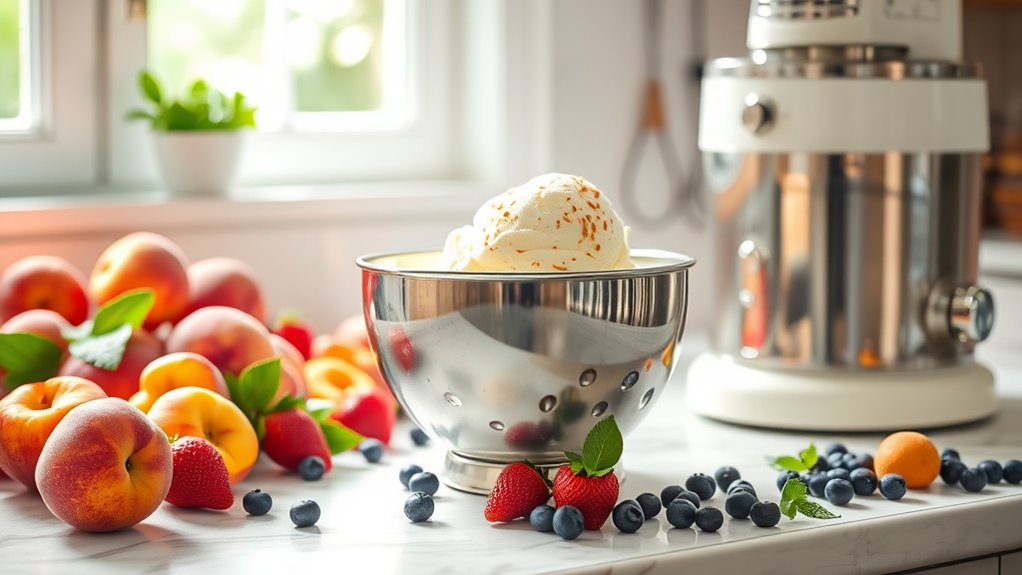
Preparing the mixture starts with precise handling of each component: thaw and measure dairy, fat, and monk fruit within their specified tolerances, then pre-chill the base to minimize ice crystal formation. In this preparatory phase, you verify ingredient selection, ensuring dairy provides adequate fat content and emulsification potential while monk fruit delivers sweetness without overpowering texture. Maintain strict control over temperatures to prevent phase separation and to optimize viscosity. Implement consistent mixing sequences: dissolve dry sweetener first, then integrate liquids, followed by fat components, all under steady agitation. Document measurements for reproducibility and future adjustments. Emphasis on preparation techniques yields a stable base, reduces air entrapment, and supports uniform texture. This approach respects culinary freedom while upholding technical rigor and precision.
How to Cook
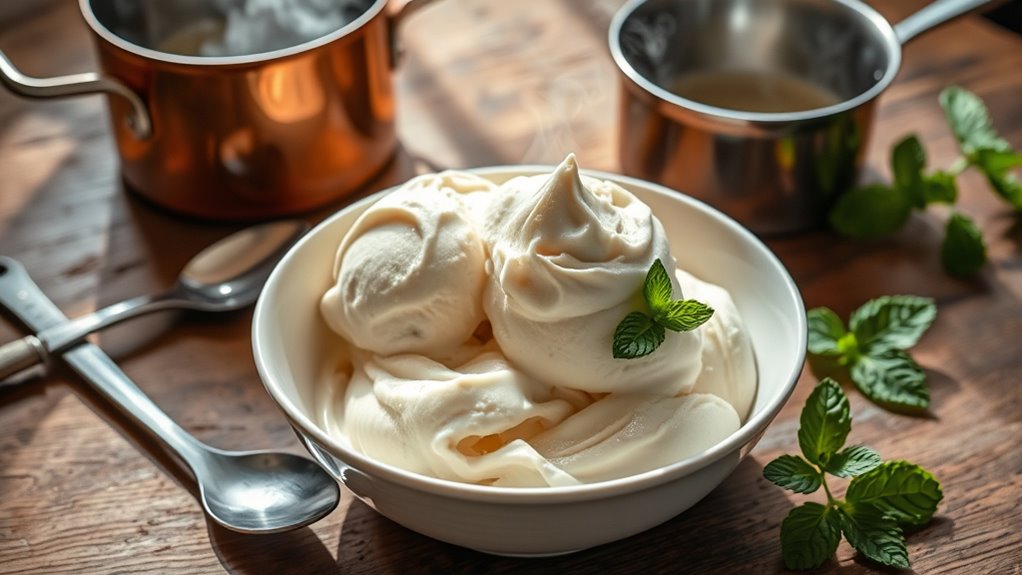
- Begin by bringing the mixed base to a stable, moderate temperature.
- Steadily heat while monitoring viscosity and sugar-equivalents to prevent scorching or abrupt texture changes.
- Control the cooking curve with precise, repeatable steps:
- Maintain gentle agitation.
- Record time.
- Adjust heat in small increments to keep the emulsion intact.
- Assess viscosity using a calibrated instrument or a consistent ladle method.
- Note how thickness correlates to sweetness and mouthfeel.
- When the base reaches its target suspension, reduce heat.
- Perform a quick off-heat whisk to eliminate any clumps.
- Cool promptly to storage temperature.
- Chill thoroughly before churning.
- This method yields healthy desserts and low-calorie treats without compromising texture, flavor, or stability.
- Follow this reliable, science-driven process for disciplined home experimentation.
How to Serve
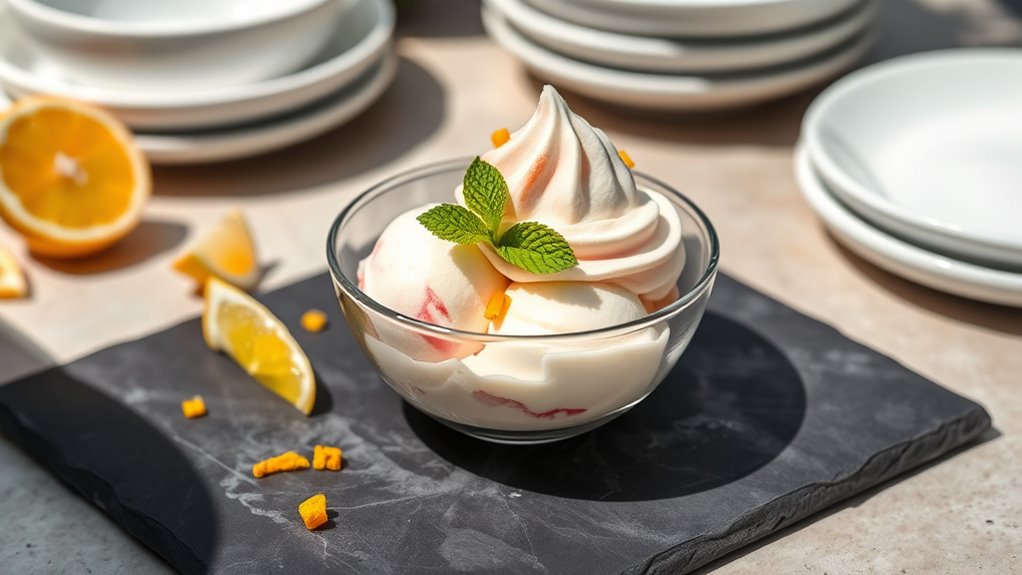
To serve monk fruit ice cream, start by ensuring the base is fully chilled and properly aerated to maximize scoopability; then portion into individual bowls or a pre-chilled container to maintain temperature stability and minimize melt. You’ll want clean, neutral dishes that don’t compete with color or texture. Consider controlled resting time after scooping to settle the structure, not to over-soften. For serving suggestions, pair with light garnishes like citrus zest, a dusting of cacao, or mint leaves to enhance contrast without sweetness overpowering. Presentation ideas include placing scoops in a linear arrangement, contrasting bowls, or a chilled slate for a modern look. Keep portions uniform for visual balance and repeatability across servings.
Tips

If you’re optimizing monk fruit ice cream texture, focus on balancing fat, sugar alcohols, and air: small adjustments to mix time and churning speed can dramatically affect scoopability and mouthfeel. In practice, you’ll tune fat sources (cream, milk, or dairy substitutes) to establish a stable emulsion, then modify sugar alcohols to control sweetness without ice crystal formation. Pay attention to freezing point depression and viscosity, using precise measurements and incremental tests. Track bite and melt rate, noting how slight changes in air incorporation alter fullness and creaminess. When seeking sweetness, consider sweeteners alternatives that align with your texture goals, and confirm compatibility with your chosen dairy substitutes. Document results methodically to reproduce consistently across batches.
Food Value and Benefit
Monk fruit ice cream offers a nutritious alternative to traditional ice cream by focusing on reduced net carbohydrates while maintaining sweetness and a pleasant texture. This prepared dish provides a balanced macronutrient profile with minimal calories from sweeteners, making it suitable for those managing their energy intake.
Benefits of eating monk fruit ice cream include:
- Supports stable blood sugar levels due to low glycemic index sweeteners
- Contains fewer calories compared to sugar-sweetened desserts, aiding in weight management
- Offers a lower inflammatory response compared to refined sugar options
- Provides dietary fiber from base ingredients, promoting digestive health
- Allows for dietary flexibility without compromising taste or texture
Vitamin and mineral content:
- Contains small amounts of calcium and phosphorus from dairy or plant-based milk used in the base
- Supplies trace minerals such as potassium and magnesium
- May include vitamin A and vitamin D depending on the ingredients used
Frequently Asked Questions
How Long Does Monk Fruit Ice Cream Last in the Freezer?
Freezer storage typically yields 2 to 3 months of acceptable texture. You’ll notice gradual ice crystals; aim for airtight containment. Ice cream lifespan depends on fat content and stabilizers, but keep it well frozen and taste won’t betray age.
Can This Recipe Be Made Dairy-Free?
Yes, you can, using dairy free alternatives and vegan options. You’ll substitute dairy milk with almond or oat milk, add coconut cream for richness, and guarantee emulsifiers suit dairy-free formulations for texture and stability.
Is Monk Fruit Ice Cream Suitable for Keto?
Yes, it’s keto-friendly depending on ingredients. You’ll prioritize low carbs, monitor added fats, and consider monk fruit as a non-glycemic sweetener. Keto benefits hinge on total net carbs, ensuring you balance texture without spiking glucose.
How Can I Thicken Without Eggs?
You can thicken without eggs using thickening alternatives like guar gum, xanthan gum, or arrowroot, plus freeze-thickening with gelatin-free blends. For egg substitutes, blend cottage cheese or silken tofu, and consider lecithin. This preserves texture and freedom.
Can I Use Non-Dairy Milk Alternatives?
Yes, you can: non dairy options work, using milk substitutes like almond, soy, or oat. You’ll want higher fat options to improve texture. Balance sweetness, and note that non dairy options may require thickeners or stabilizers.
Frequently Asked Questions about Monk Fruit Ice Cream Recipe
1. What is monk fruit and why is it used in ice cream recipes?
Monk fruit, also known as Luo Han Guo, is a small green fruit native to Southern China. It is often used as a natural sweetener due to its intense sweetness, which comes from compounds called mogrosides. Monk fruit is zero-calorie and has a low glycemic index, making it a popular choice for those looking to reduce sugar intake or manage diabetes. In ice cream recipes, monk fruit provides sweetness without the added calories or health concerns associated with traditional sugars.
2. Can I make monk fruit ice cream without an ice cream maker?
Yes, you can make monk fruit ice cream without an ice cream maker. A simple method involves mixing all your ingredients and then pouring them into a shallow dish. Place the dish in the freezer and stir it every 30 minutes for the first 2-3 hours to break up ice crystals. This will help achieve a creamier texture. Alternatively, you can blend the mixture in a blender or food processor after freezing for a smoother consistency before serving.
3. What ingredients do I need for a basic monk fruit ice cream recipe?
A basic monk fruit ice cream recipe typically requires the following ingredients: heavy cream, unsweetened almond milk (or any milk of your choice), monk fruit sweetener, vanilla extract, and a pinch of salt. You can also add additional flavors like cocoa powder for chocolate ice cream or fruit purees for fruity variations. The exact measurements can vary based on personal preference and the desired sweetness level.
4. How long can monk fruit ice cream be stored in the freezer?
Monk fruit ice cream can be stored in the freezer for about 2-3 weeks. To maintain the best quality, ensure it is stored in an airtight container to prevent freezer burn. After this time, while it may still be safe to eat, the texture and flavor might begin to deteriorate. For the best taste and texture, it’s recommended to consume it within the first couple of weeks.
5. Is monk fruit ice cream suitable for people with dietary restrictions?
Yes, monk fruit ice cream can be suitable for various dietary restrictions. It is a low-calorie, low-carb alternative to traditional ice cream, making it a good option for those on ketogenic or low-sugar diets. Additionally, if you use dairy-free milk and cream, it can also be made vegan and lactose-free. However, it’s important to check the specific ingredients you use and adjust based on any allergies or dietary needs.
References
- https://www.ncbi.nlm.nih.gov/pmc/articles/PMC6468172/
- https://www.healthline.com/nutrition/monk-fruit-sweetener
- https://www.webmd.com/diet/monk-fruit-sweetener
- https://www.verywellhealth.com/what-is-monk-fruit-sweetener-5199582
- https://www.sciencedirect.com/science/article/abs/pii/S2214804320302086
- https://www.usda.gov/
- https://www.cdc.gov/healthyweight/healthy_eating/index.html
