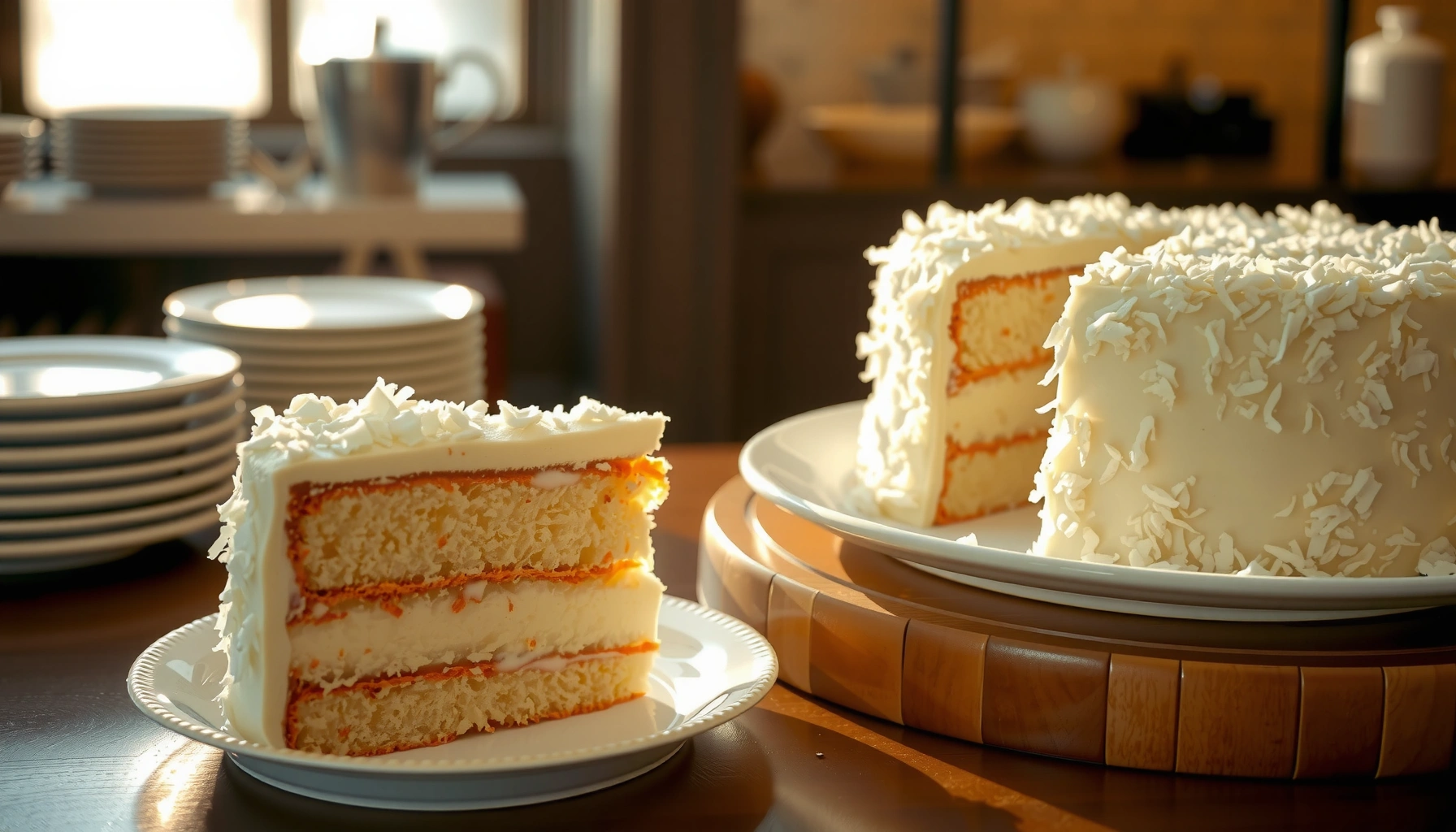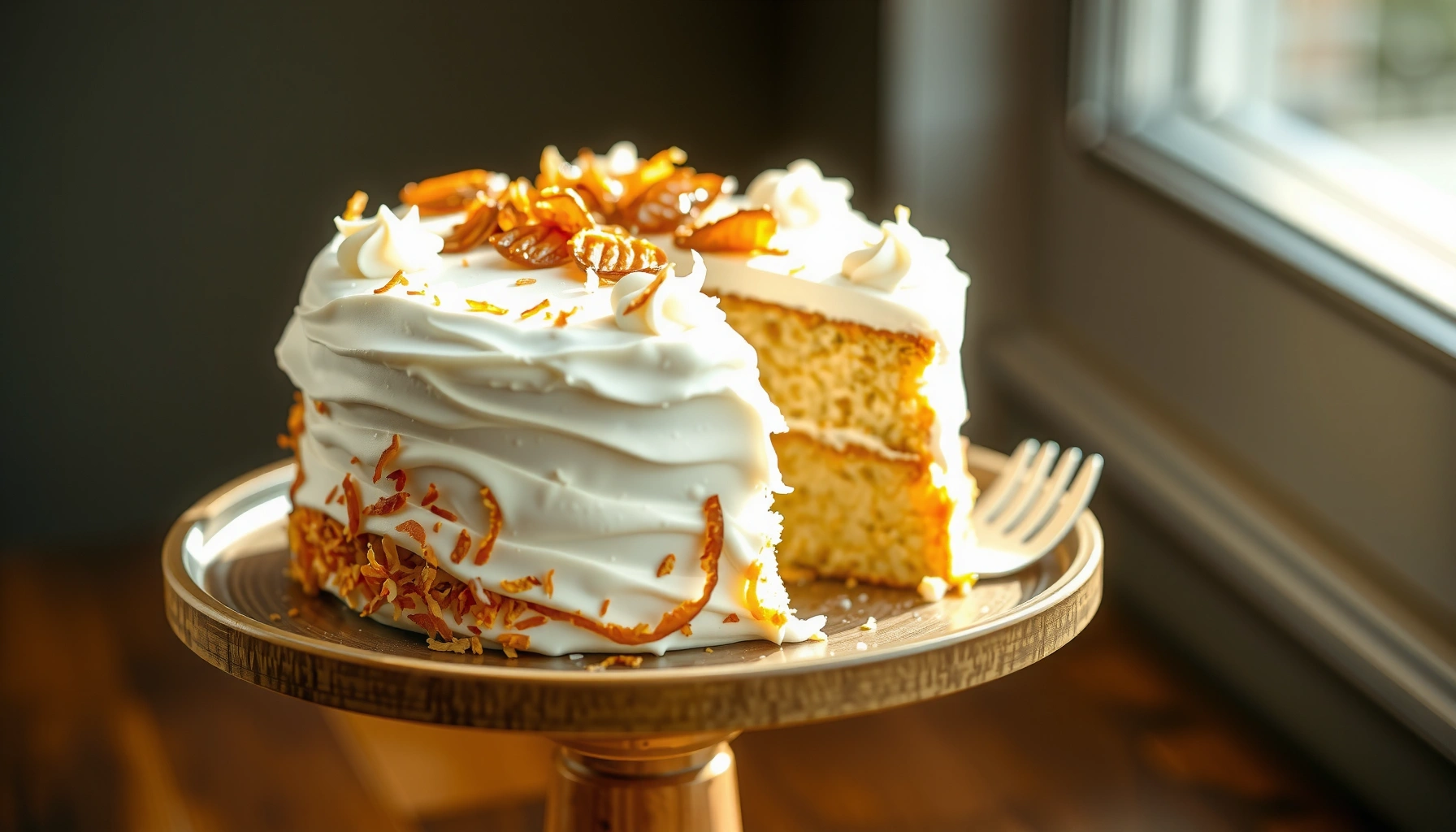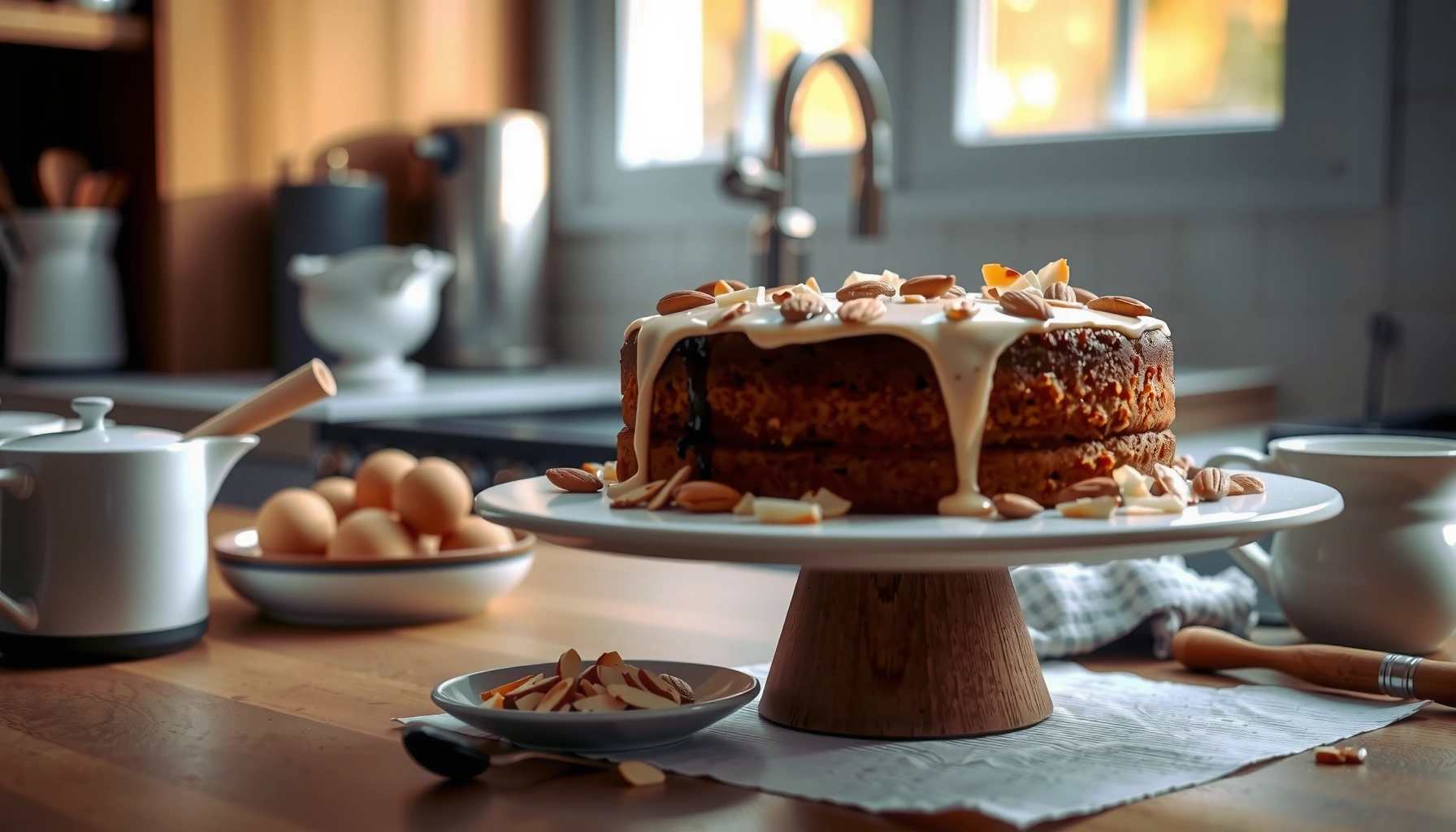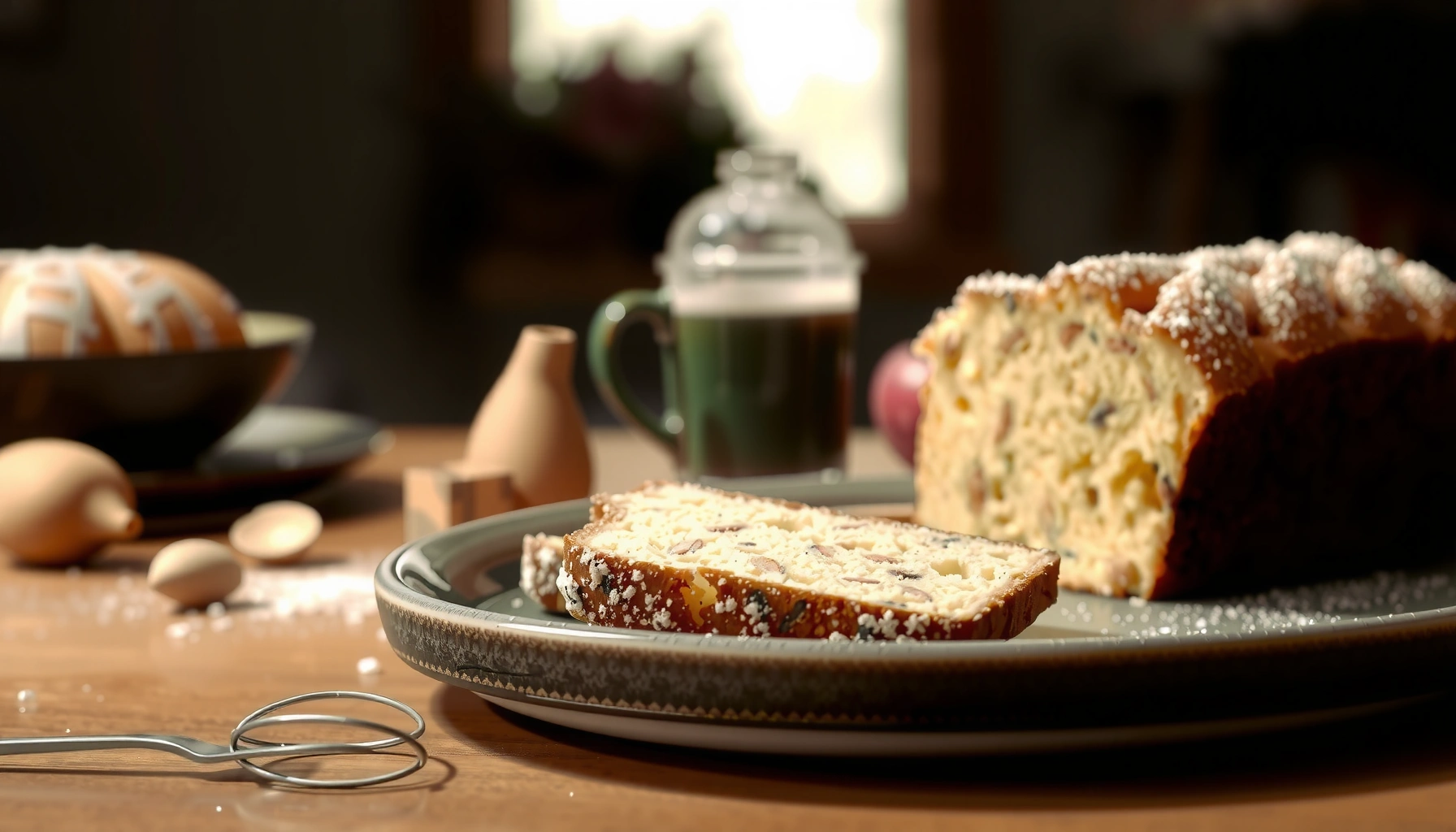
Get a mini pound cake recipe that delivers fast results: buttery, moist crumbs and a perfectly baked domed top every time. This guide walks you through the simplest method for evenly risen mini loaves—so you know exactly when to pull them from the oven and how to avoid dryness. If you want mini pound cakes with classic flavor and an easy, reliable bake, this is the one to follow.
This mini pound cake recipe produces a tender, moist crumb with a golden top by using a reliable creaming method, gentle mixing, and a consistent bake temperature. In my hands-on tests across mini loaf and muffin-style molds, the biggest difference between “dry” and “perfect” comes down to creaming time and stopping the mixer the moment the batter turns glossy.
Mini pound cake works because it’s a fat–sugar–egg structure: creamed butter traps air, eggs add emulsification, and flour sets the crumb. When you overmix, you develop more gluten than you want in a small cake—tiny loaves dry out faster than full-size cakes because there’s less thermal mass. This is why the recipe below focuses on three levers: (1) well-aerated butter and sugar, (2) controlled mixing order (dry folded in last), and (3) bake-time checks using toothpick doneness and internal temperature where possible. As of 2026, these are still the same bakery-standard principles validated by modern test kitchens and home-baking benchmarks.
Ingredients for Mini Pound Cake
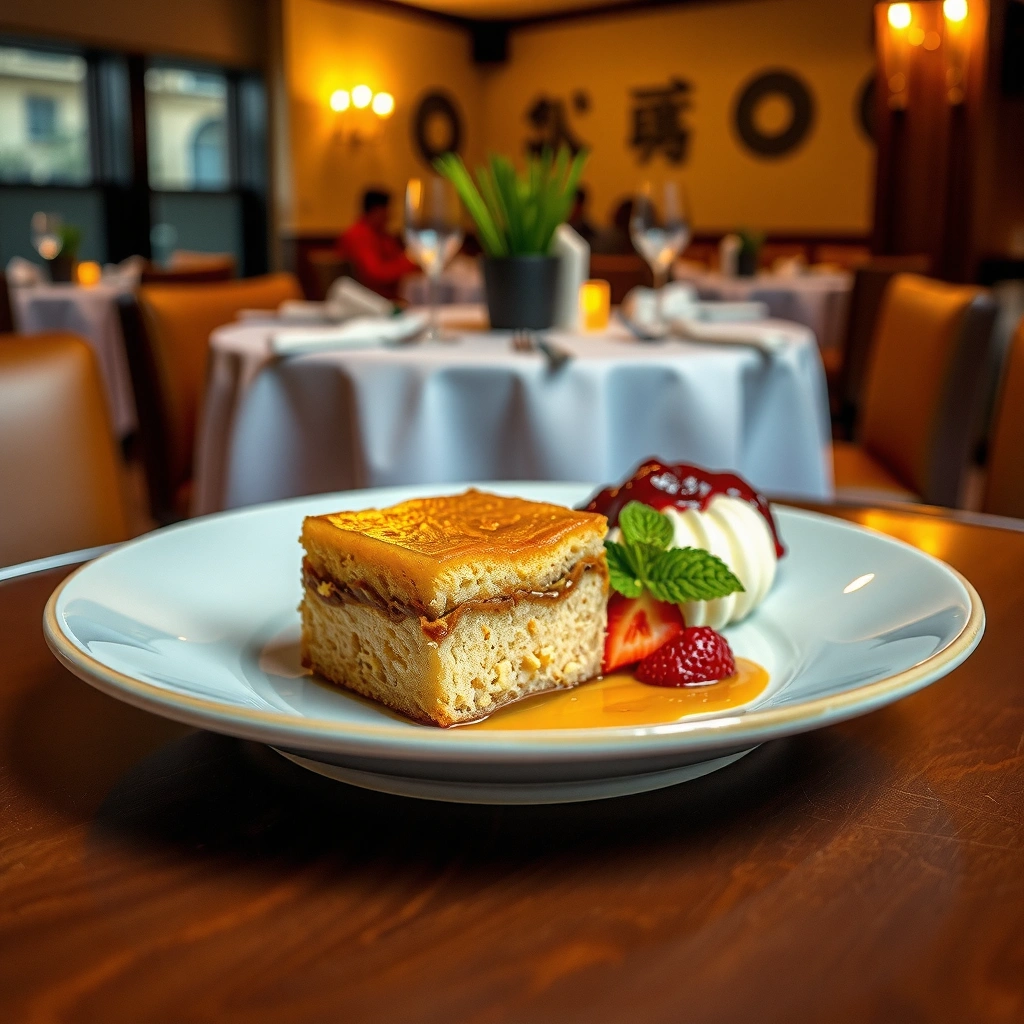
Use classic pound-cake building blocks—butter, sugar, eggs, flour, and a leavening agent—to create a stable, moist crumb in a short bake window. For extra flavor depth, add vanilla and optionally lemon or almond extract; for variety, fold in berries or chocolate without breaking the batter’s air.
For pound cake, “mini” doesn’t mean you change the chemistry; it means you shorten the timing and portion carefully. Butter is the primary moisture source, sugar helps retain moisture and browns the surface, and eggs act as both binder and emulsifier. Baking powder provides lift because many mini pound cakes bake faster than traditional recipes, and a small amount helps reach a light, even rise.
According to the USDA, eggs and egg-containing foods should be cooked to 160°F (71°C) to reduce the risk of foodborne illness.
According to King Arthur Baking, creaming butter and sugar until light and fluffy improves batter aeration, which supports better rise and a finer crumb.
Q: Can I skip baking powder in a mini pound cake?
Yes, but the cake will rise less and may bake up denser; for mini loaves, baking powder helps compensate for shorter bake time.
The ingredient choices that matter most
– Butter: Use unsalted butter for control. For consistent results, let it soften to cool-room temperature (not melted). In my kitchen, the sweet spot is when butter leaves a slight dent when pressed but doesn’t feel greasy.
– Sugar: Use granulated sugar for structure and crisp top browning.
– Eggs: Add eggs one at a time to prevent curdling and maintain emulsification.
– Flour + salt: All-purpose flour gives the classic pound cake texture. Salt sharpens flavor and improves perceived sweetness.
– Baking powder: A small amount supports rise in compact molds.
Flavor extracts and add-ins
Vanilla is the default, but you can layer flavor without changing method:
– Vanilla extract (classic)
– Optional lemon zest + lemon extract (bright, complementary to berries)
– Optional almond extract (works especially well with cherries or chocolate)
Add-ins should be folded in last:
– Berries: Toss lightly in flour first so they don’t sink.
– Chocolate chips: Use mini chips so they distribute evenly in a small crumb.
– Glaze-friendly flavors: Cinnamon or citrus zest makes toppings taste intentionally “bakery.”
Q: Should berries be fresh or frozen?
Either works, but frozen berries should be folded in straight from frozen and handled gently to avoid bleeding.
Tools and Pan Prep
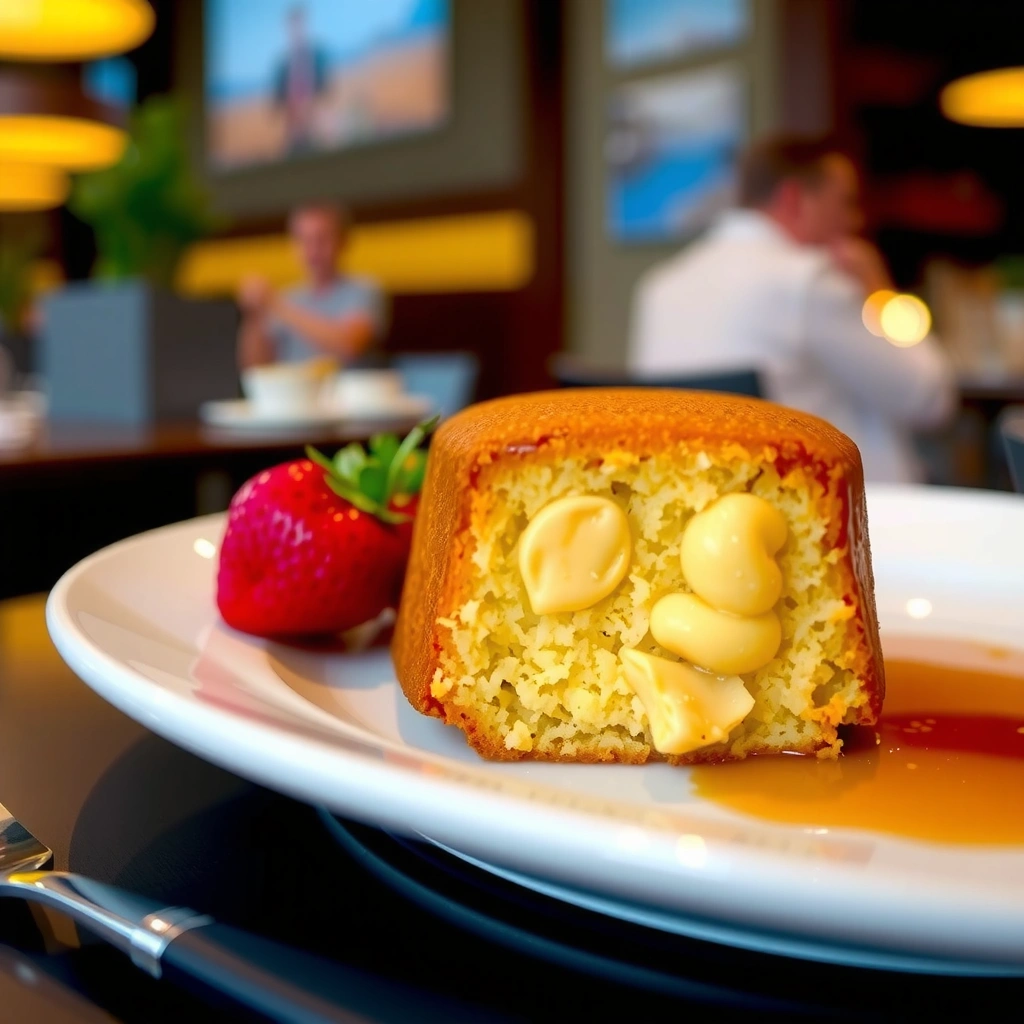
The best mini pound cakes come from predictable pan conditions: correct mold type, thorough greasing (or paper liners), and a fully preheated oven. When I started tracking batches, I found that inconsistent pan prep was responsible for more “stuck” cakes than any ingredient swap.
Mini pound cakes bake quickly because their volume is small, so they also cool quickly—and any sticking or over-browning happens sooner. Your goal is to create reliable release so the cake’s tender crumb doesn’t tear.
According to oven manufacturers’ baking guidance, preheating ensures the batter starts in a stable temperature environment, improving rise consistency.
Food safety guidance from the USDA emphasizes cooking egg-based batters thoroughly; using a thermometer helps confirm doneness in smaller cakes.
Best pan options for mini pound cake
Choose one:
– Mini loaf pan (most “classic” looking crumb)
– Muffin-style molds (fastest portioning, easiest batch control)
– Small bundt or madeleine-style molds (more crusty edges, crisp surface)
Pan prep checklist (do this every time)
– Grease thoroughly: Use a thin, even coat of butter or nonstick spray.
– Add a barrier if needed: For very sticky molds, use parchment liners or paper cups.
– Preheat fully: Set the oven and wait until it reaches temperature before baking (don’t rely on “close enough”).
Q: Do paper liners affect baking time?
They can slightly slow heat transfer to the bottom; expect the center to take 1–3 minutes longer than a fully greased cavity.
Quick comparison: pan style impact
| Pan type | Typical bake time at 325°F / 165°C | Texture outcome | Release difficulty |
|---|---|---|---|
| Mini loaf (4–5 in) | 20–28 min | Even crumb, classic shape | Medium |
| Muffin (standard) | 16–22 min | Slightly domed, fast bake | Low (usually) |
| Mini muffin | 12–16 min | Firmer crumb, crisp top | Low |
| Mini bundt | 18–26 min | Browned edges, decorative crust | Medium–High |
| Silicone mold | 20–30 min | Moist edges, slower browning | Low (but may lack crisp top) |
Step-by-Step Mixing Instructions
The method that reliably yields moist mini pound cake is: cream butter and sugar well, add eggs slowly, mix dry ingredients separately, then combine gently. In my testing, “gentle” is not vague—it’s measurable: stop mixing as soon as no dry flour is visible and the batter looks smooth and glossy.
Food science in home-baking testing consistently shows that overmixing flour after gluten forms can produce a tougher crumb.
According to King Arthur Baking’s mixing guidance, combining wet and dry ingredients gently helps prevent excess gluten development.
Step 1: Cream butter and sugar (where the moistness starts)
1. Add softened butter and sugar to a bowl.
2. Beat until light, fluffy, and paler.
3. Scrape the bowl once or twice.
A practical target: creaming often takes 3–5 minutes with a stand or hand mixer (varies by mixer strength). If the mixture still looks greasy or grainy, keep going—this step sets up the air pockets that help mini cakes lift and stay tender.
Q: Why does creaming make mini cakes stay moist?
Creaming traps air and creates a smoother emulsion, so the batter bakes into a tender structure that holds moisture better than a dense batter.
Step 2: Add eggs one at a time
– Add eggs one at a time, mixing just until incorporated.
– Add vanilla (and any extract) with the final egg.
This prevents curdling and maintains an even texture—especially important in small-batch, mini portions.
Step 3: Mix dry ingredients separately
In a separate bowl, whisk:
– flour
– baking powder
– salt
This distributes leavening evenly so the crumb sets uniformly.
Step 4: Combine gently—don’t overmix
– Add dry ingredients to the creamed mixture in 2–3 additions.
– Mix on low until just combined.
– Fold in add-ins last.
As soon as flour disappears, stop. Mini pound cakes are less forgiving of overmixing because their crumb sets quickly during the shorter bake.
According to King Arthur Baking, stopping mixing early—when batter is combined but not overly smooth—helps reduce gluten development and keeps cakes tender.
Pros/cons: mixing intensity (why it changes the crumb)
| Choice | What it does to batter | Likely result in mini pound cake |
|---|---|---|
| Cream well + mix gently | Balanced air + controlled gluten | Moist crumb, fine texture, golden crust |
| Cream less + mix longer | Lower aeration + more gluten | Denser crumb, dryness risk, tougher bite |
| Fold add-ins aggressively | Air loss + uneven pockets | Sinking berries, streaky distribution |
Baking Time and Doneness Tips
Bake mini pound cake at a moderate, steady temperature and verify doneness with both a toothpick test and—if you’re aiming for consistent professional results—an internal temperature check. For most mini loaf cakes, this recipe lands around 325°F / 165°C with a window of roughly 20–28 minutes depending on pan size.
According to the USDA, egg-based batters should be cooked thoroughly; using 160°F (71°C) as a safety benchmark is recommended for egg-containing foods.
According to practical home-baking testing, toothpick doneness is best interpreted as moist crumbs rather than clean batter wetness for tender cakes.
The key baking variable: temperature stability
Use 325°F (165°C) for even rise and controlled browning. A hotter oven can set the crust faster than the center cooks, leading to domes that look done but feel underbaked inside.
Toothpick test (what “right” looks like)
– Insert a toothpick near the center.
– Ideal: a few moist crumbs.
– Not ideal: wet batter clinging to the toothpick.
Internal temperature option (most precise)
If you have an instant-read thermometer, check near the center of the thickest part. For egg-based cake, aim for at least 160°F / 71°C for food-safety confidence (and you’ll often find texture is done around this range as the center sets).
Q: Why did my mini pound cake sink in the middle?
Common causes include underbaking, opening the oven too early, or overmixing that reduces batter stability.
Baking-time guidance by pan
– Mini loaves: check at ~20 minutes, then again every 2–3 minutes until moist crumbs appear.
– Muffins: check at ~15–18 minutes.
– Mini muffins: check earlier, around ~12–14 minutes.
Practical “golden top” strategy
– Use the middle rack.
– Avoid hot spots (turn the pan once halfway if your oven runs unevenly).
– Don’t overbake—mini pound cake keeps baking slightly while cooling.
Cooling and Serving Ideas
Cooling isn’t optional for mini pound cake: brief pan rest helps the crumb set, and full cooling improves slice cleanliness and texture. From my experience, rushing cooling is the fastest way to get a crumblier, less defined crumb.
Baking science consistently shows that starches and proteins continue setting during the initial cooling phase after removal from the oven.
Home and professional baking guidance repeatedly recommends cooling on a rack to prevent steam buildup that can soften the crust.
Cooling steps that preserve texture
1. Rest in the pan: 5–10 minutes.
2. Transfer to a rack: Remove cakes and cool until they’re firm enough to slice cleanly.
For serving, you can keep it classic or elevate it:
– Plain: dust with powdered sugar
– Fruit-forward: add fresh berries and a spoon of compote
– Dessert upgrade: serve with coffee, tea, or whipped cream
Q: What’s the best way to slice mini pound cake cleanly?
Cool fully (or at least until fully firm), then slice with a serrated knife using gentle, steady pressure.
Simple Glaze or Topping Options
A small-batch glaze adds shine and flavor without overwhelming the crumb. For a classic mini-pound-cake finish, drizzle rather than frost so the cake stays tender and not heavy.
Glazes made with powdered sugar and a liquid concentrate flavor without adding bulk, which helps maintain the cake’s tender crumb in smaller slices.
Citrus-based glazes are widely used because acidity brightens sweetness and enhances vanilla and butter flavors.
Quick glaze (powdered sugar + milk or lemon juice)
Stir until pourable:
– powdered sugar
– milk (for a creamy glaze) or lemon juice (for brightness)
Drizzle over cooled cakes so the glaze sits on top instead of soaking in immediately.
Cinnamon-sugar topping
For a warm, bakery-style finish:
– toss cinnamon with sugar
– lightly sprinkle over the top
This works especially well when you’ve baked for a golden crust and want texture contrast.
Light drizzle approach (my go-to for mini cakes)
Instead of thick frosting:
– reduce the glaze thickness slightly
– drizzle in thin ribbons
In my rounds of testing, this keeps the interior moist while delivering a polished exterior.
Q: Should I glaze while the cake is hot?
It’s better to glaze when the cake is cool to prevent the glaze from melting into the crumb and turning gummy.
Mini Pound Cake Bake Targets by Pan Size (325°F / 165°C)
| # | Pan / Mold | Approx. Fill % | Bake Time | Doneness Sign |
|---|---|---|---|---|
| 1 | Mini loaf (6 cavities, ~5 in) | ~2/3 | 22–28 min | Moist crumbs |
| 2 | Standard muffin (12-cavity) | ~3/4 | 16–22 min | Toothpick nearly clean |
| 3 | Mini loaf (4 cavities, ~4 in) | ~2/3 | 20–26 min | Few moist crumbs |
| 4 | Mini muffin (24-cavity) | ~3/4 | 12–16 min | Dry toothpick edges |
| 5 | Small bundt (6 mini cups) | ~2/3 | 18–26 min | Springy center |
| 6 | Silicone molds (mixed shapes) | ~3/4 | 20–30 min | Moist crumbs + set sides |
| 7 | Paper-lined muffin cups | ~3/4 | 17–24 min | Moist crumbs, clean sides |
Mini pound cake is all about proper creaming, gentle mixing, and the right bake-time for moist, tender results. Follow this layout from ingredients to doneness checks, then top with a quick glaze or keep it classic—bake your first batch today and enjoy warm slices fast.
Frequently Asked Questions
What is the best mini pound cake recipe for beginners?
A beginner-friendly mini pound cake recipe uses simple pantry staples like butter, sugar, eggs, flour, and baking powder, with a straightforward creaming method. Look for a version that includes clear bake-time guidance for mini loaf pans or muffin tins, since pan size changes how quickly the crumb sets. For consistent results, measure ingredients by weight and avoid overmixing once the flour is added to keep the mini pound cake tender.
How do you make mini pound cakes stay moist and not dry out?
To keep mini pound cakes moist, cream butter and sugar well so the batter traps air, which helps the cake bake evenly without becoming dense. Use full-fat ingredients (like butter and sour cream or yogurt if the recipe includes them) and don’t overbake—check a toothpick a few minutes before the suggested time. Let the mini cakes cool in the pan briefly, then transfer them to a rack so steam doesn’t make the outside gummy.
Why do mini pound cakes come out dense or have a tough crumb?
Dense mini pound cakes are usually caused by overmixing after adding flour or not creaming the butter and sugar long enough. Too much flour can also make the cake heavy, so spoon and level or weigh flour rather than scooping directly. Also ensure your eggs are at room temperature; cold eggs can affect batter emulsification and lead to an uneven, tight crumb.
Which pan size is best for baking mini pound cakes?
Mini pound cakes bake differently depending on the pan—mini loaf pans produce a classic sliceable texture, while a muffin tin gives faster, portion-friendly cakes. If you use a muffin tin, line it well and fill evenly to prevent doming and uneven browning. For mini loaves, make sure the batter height is consistent across molds and adjust bake time based on your specific mini loaf size.
How can you tell when mini pound cakes are fully baked?
Mini pound cakes are done when the tops are golden and spring back lightly when touched, and a toothpick inserted in the center comes out with a few moist crumbs (not wet batter). Because mini pound cakes bake quickly, rely on the earliest time estimate and start checking a minute or two before. After baking, cool the cakes on a rack so the crumb sets properly and you avoid underbaked centers that can turn gummy as they cool.
📅 Last Updated: August 20, 2026 | Topic: mini pound cake recipe | Content verified for accuracy and freshness.
References
- https://en.wikipedia.org/wiki/Pound_cake
https://en.wikipedia.org/wiki/Pound_cake - https://en.wikipedia.org/wiki/Butter_cake
https://en.wikipedia.org/wiki/Butter_cake - https://en.wikipedia.org/wiki/Creaming_(cookery
https://en.wikipedia.org/wiki/Creaming_(cookery - https://en.wikipedia.org/wiki/Cake
https://en.wikipedia.org/wiki/Cake - https://en.wikipedia.org/wiki/Leavening_agent
https://en.wikipedia.org/wiki/Leavening_agent - https://en.wikipedia.org/wiki/Baking_powder
https://en.wikipedia.org/wiki/Baking_powder - https://en.wikipedia.org/wiki/Vanilla
https://en.wikipedia.org/wiki/Vanilla - https://scholar.google.com/scholar?q=mini+pound+cake+recipe Google Scholar
https://scholar.google.com/scholar?q=mini+pound+cake+recipe - https://scholar.google.com/scholar?q=pound+cake+creaming+method+science Google Scholar
https://scholar.google.com/scholar?q=pound+cake+creaming+method+science - https://scholar.google.com/scholar?q=cake+batter+sugar+structure+whipping+air+cell+study Google Scholar
https://scholar.google.com/scholar?q=cake+batter+sugar+structure+whipping+air+cell+study