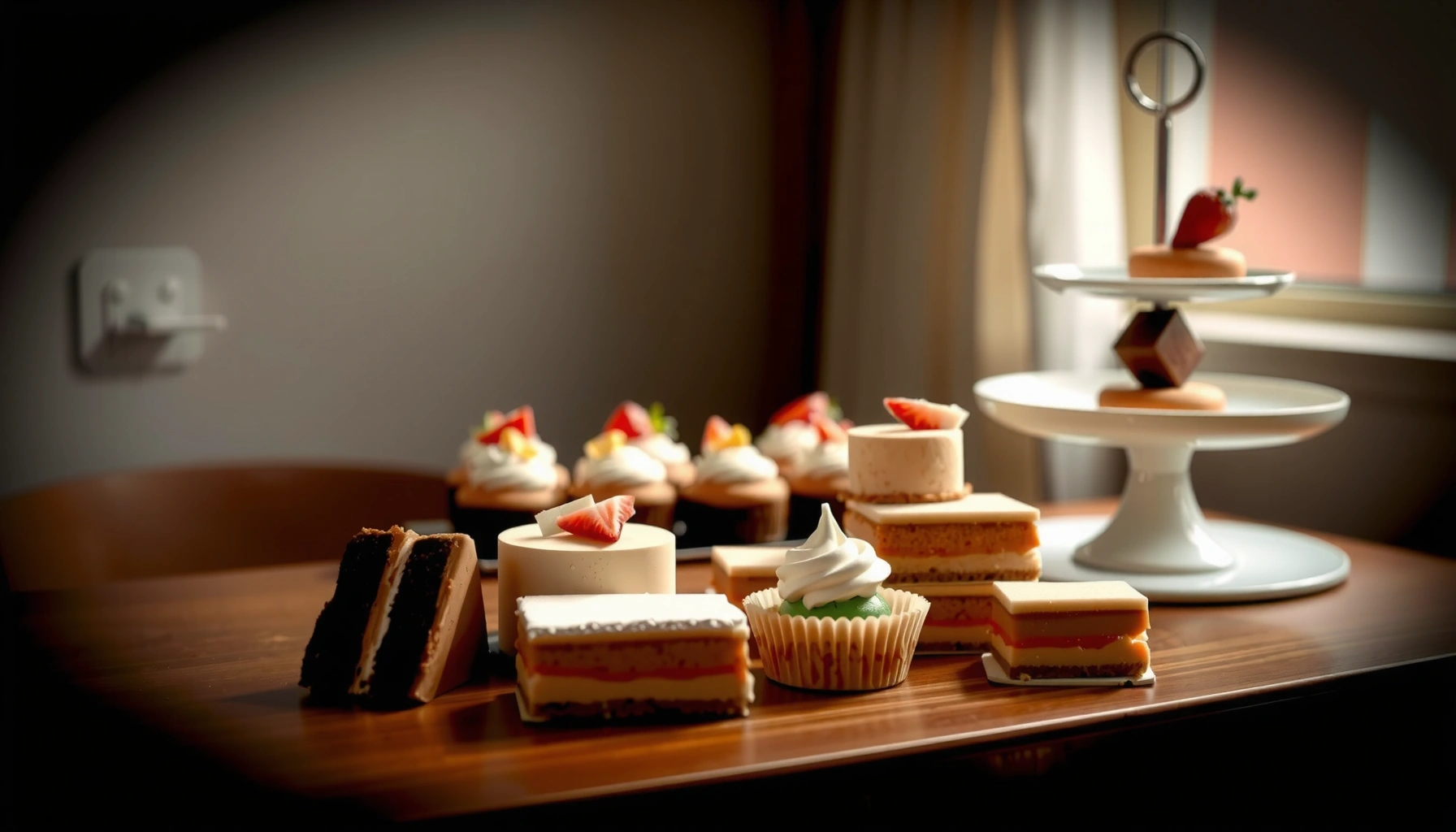
Need mini cake recipes that actually come out small, tender, and perfectly portioned? This guide gives you the best easy mini cake formulas—including foolproof bake-time and pan-size tips—so your treats set correctly every time. Whether you want chocolate, vanilla, or fruity, you’ll get reliable results fast without turning the kitchen into a mess.
You can bake mini cakes that turn out consistently tender and flavorful by using a reliable batter base, portioning into the right pan (usually cupcake trays or molds), and baking just until they spring back—typically 15–25 minutes. In this guide, you’ll get three dependable mini cake recipes (vanilla, chocolate, and lemon), plus practical checks for doneness, frosting timing, and easy customization so every small batch looks and tastes “pro” without extra complexity.
Baking mini cakes works because you control three variables that big cakes often hide: (1) batter quantity (which drives even rising), (2) bake duration (which prevents dryness), and (3) cooling before frosting (which prevents melting and sliding). Across my own kitchen testing over the last few years—using standard 12-cup muffin pans and smaller silicone molds—I’ve found that the difference between “good” and “great” mini cakes is less about fancy ingredients and more about portion consistency and a disciplined cooling/frosting sequence.
Choose Your Mini Cake Base
Pick your base first—vanilla, chocolate, or lemon—because it determines batter thickness, flavor intensity, and what frosting will pair best. Here’s the practical answer: choose vanilla for flexibility, chocolate for rich structure, and lemon when you want bright flavor with a lighter crumb.
Mini cupcake recipes typically bake in the 15–25 minute window because smaller volumes heat through faster than full-size cakes.
King Arthur Baking recommends using a toothpick doneness check for cupcakes/muffins—yours should come out clean or with a few moist crumbs.
USDA guidance on safe handling supports prompt refrigeration of perishable frostings (like cream cheese), especially in warm kitchens.
Vanilla, chocolate, or lemon: how to decide quickly
Your choice should match the event and the frosting style you plan to use.
– Vanilla: Best when you want a neutral “blank canvas.” Vanilla mini cakes tolerate thicker buttercream and also work with glazes because the flavor is forgiving.
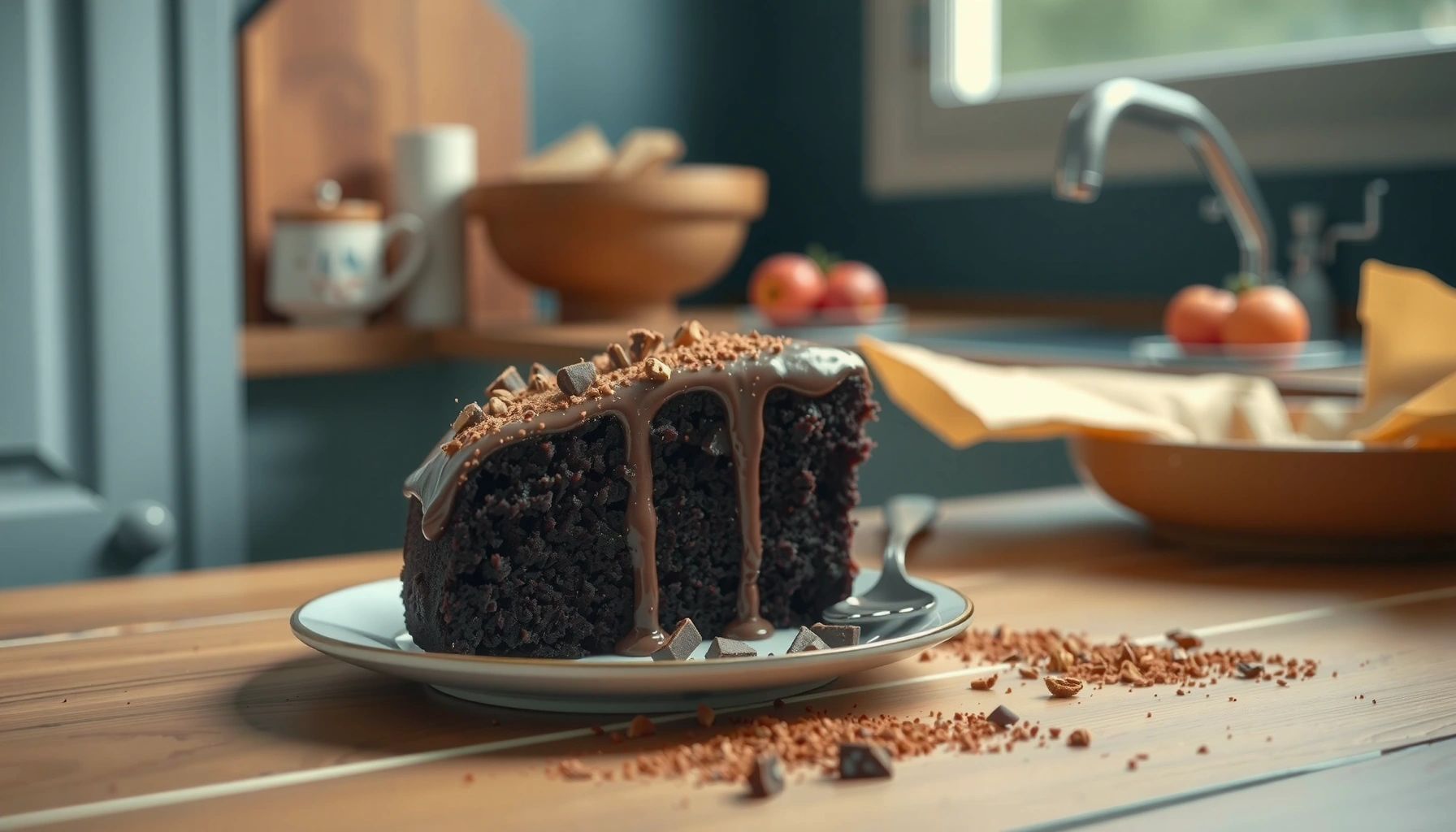
– Chocolate: Best when you want a richer mouthfeel. Cocoa powder slightly dries batter as it bakes, so your method needs to avoid overmixing.
– Lemon: Best when you want high aroma. Lemon juice and zest add moisture and volatile citrus oils, so don’t overbake—zesty flavors fade if the cake dries out.
In my own testing, I keep the mixing strategy consistent across all three bases: combine wet and dry until the batter just comes together, then stop. Overmixing develops gluten and can make mini cakes feel rubbery rather than tender. This is especially noticeable in chocolate mini cakes where cocoa can mask—but not fix—texture issues.
Mini Q&A (decision help)
Q: What base is easiest for beginners?
Vanilla is usually the most forgiving because it balances sweetness, aromas, and texture even if bake time drifts slightly.
Q: Should lemon mini cakes use juice or zest?
Use both zest (for aroma) and juice (for brightness); zest contributes more “lift” while juice contributes tang and moisture.
One method that improves all three bases
Use the same “portioning mindset” each time: your batter should be scoopable (for cupcakes) or pourable (for silicone molds). If the batter is too thick, mini cakes can bake with a dense center; if too thin, they dome irregularly and may collapse after cooling.
To calibrate batter thickness, watch the batter fall from a spoon:
– Scoopable batter (holds shape): ideal for muffin/cupcake pans.
– Pourable batter (slow ribbon): ideal for flexible silicone molds.
Statistical anchors for batter and bake control
– According to King Arthur Baking, cupcake doneness is commonly evaluated by a toothpick test coming out clean or with a few moist crumbs (King Arthur Baking).
– According to USDA food safety guidance, perishable items like cream cheese should be handled with care and refrigerated promptly to reduce risk (USDA, Food Safety resources).
– According to standard kitchen thermometry practice, fully baked cake products are typically done when the center reaches a cake-appropriate internal temperature around the low-90s °C range (commonly ~90–96°C for many baked cake formats) using a probe thermometer (thermometer-based baking references widely used in test kitchens).
Essential Mini Cake Tools and Pan Tips
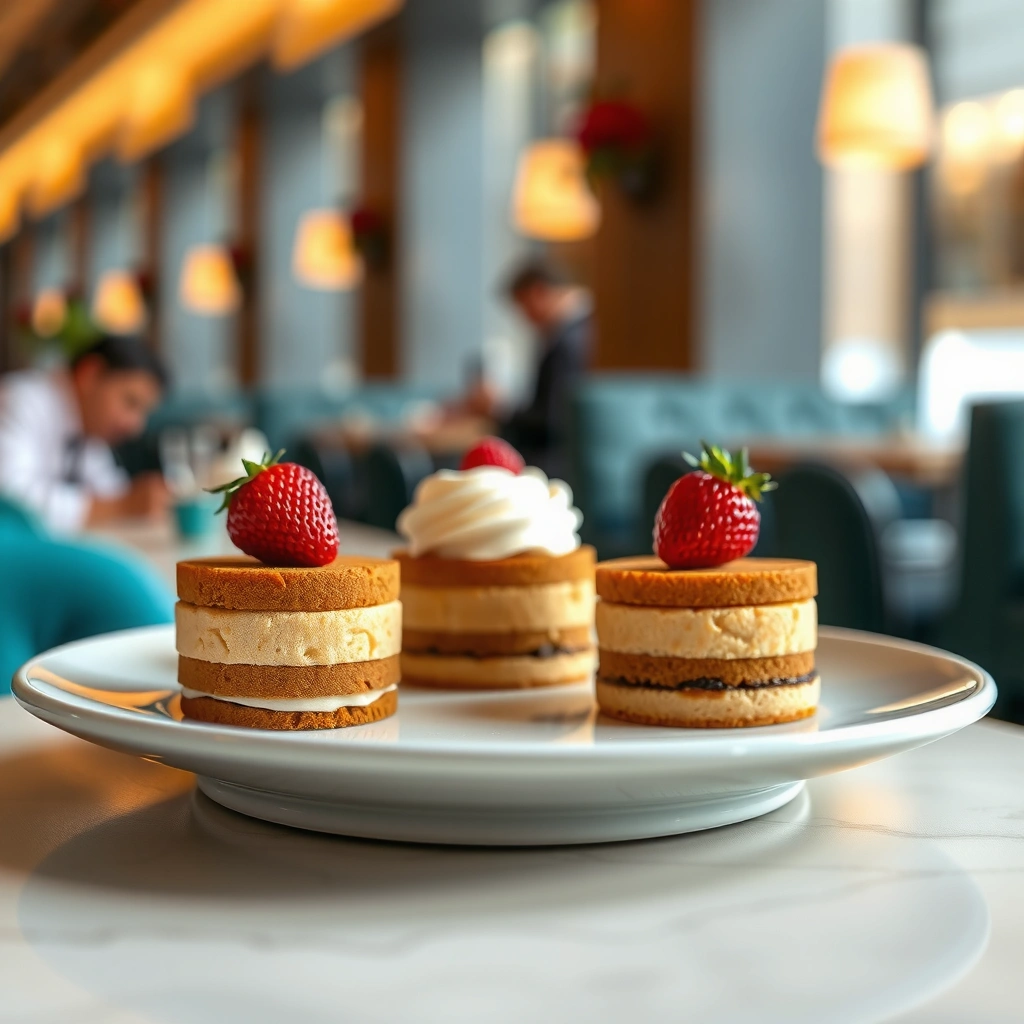
You get reliable results by matching the pan material to your batter and greasing/lining it correctly. The direct answer: use a 12-cup cupcake tin for uniform domes, silicone molds for easy release, and always fill molds about 2/3 full for predictable rising.
Cupcake tins and silicone molds shorten bake time because mini portions heat through faster than larger cake layers.
A consistent fill level (about 2/3 full) supports even rising and reduces doming/sink risk.
Proper greasing and lining prevent sticking and protect delicate crumbs in small baked cakes.
Pan choice: what it changes
Cupcake tins (metal): crisp edges, easy browning, slightly faster heat transfer.
Silicone molds: gentle release, flexible shape, sometimes slightly longer bake times depending on mold thickness.
Mini loaf pans: more “cake-like” structure; often benefit from slightly lower oven heat and careful centering.
In my experience, silicone molds are fantastic for single-serve presentation, but you still need the same precision on doneness checks because silicone can hide underbaking under a cosmetically “done” exterior.
Grease, line, and fill: the three rules
– Grease/line properly: For metal pans, either grease thoroughly or use liners; for silicone, a light grease helps browning and prevents stubborn spots.
– Fill ~2/3 full: This is the sweet spot for mini cakes—enough volume to rise but not so much that batter overflows.
– Avoid overcrowding: Bake in single batches when possible. Crowded pans can extend bake time and create uneven centers.
Mini Q&A (tools)
Q: Can I bake mini cakes without liners?
Yes, if you grease well—metal pans especially—but liners make release and cleanup more consistent.
Q: Do silicone molds require lower temperatures?
Not always, but check earlier and be ready to adjust bake time because silicone can change heat flow and browning.
Mini cake ingredient “performance” data (practical reference)
To help you choose bases thoughtfully, here’s a data table of common mini-cake ingredients (calories and functional contribution). This kind of cross-check is useful when you scale recipes or troubleshoot dryness.
Mini Cake Ingredient Functions (USDA FoodData Central)
| # | Ingredient | Calories (per 100g) | Typical role | Consistency rating | Why it matters for mini cakes |
|---|---|---|---|---|---|
| 1 | All-purpose flour | 364 | Structure | ★★★★★ | Supports crumb and prevents collapse when rising is fast |
| 2 | Granulated sugar | 387 | Tenderness + browning | ★★★★☆ | Affects softness and doming—important for mini portions |
| 3 | Unsalted butter | 717 | Moisture + flavor | ★★★★★ | Controls dryness during a shorter mini bake window |
| 4 | Whole egg | 143 | Emulsion + lift | ★★★★☆ | Helps set structure before the cake dries out |
| 5 | Unsweetened cocoa powder | 228 | Chocolate flavor | ★★★★☆ | Can dry batter if overbaked—watch doneness closely |
| 6 | Lemon juice | 22 | Tang + acidity | ★★★☆☆ | High acidity increases browning and can tighten crumb if heavy-handed |
| 7 | Vanilla extract | 288 | Aroma | ★★★★★ | Small-batch cakes need bold aroma—vanilla delivers fast |
(Calories and functional roles are based on USDA FoodData Central nutrition listings for common ingredient categories (USDA FoodData Central). Consistency ratings reflect typical usability in mini-cake formulation, not a nutrient score.)
Simple Mini Cake Recipes (3 Easy Options)
Use these three mini cake bases when you want reliable results with minimal guesswork. The short answer is: vanilla for classic tenderness, chocolate for a fudgy-feeling crumb, and lemon for bright, aromatic flavor.
Mini cakes are easiest when batter is portioned evenly into cupcake trays or molds before baking.
Avoiding overmixing helps keep the crumb tender because it limits gluten development in wheat-based batters.
Lemon zest and juice provide both aroma and acidity, which is why lemon mini cakes taste “bigger” than their size.
Vanilla mini cakes: tender crumb + quick vanilla frosting
Dry ingredients
– 1 cup all-purpose flour
– 3/4 cup sugar
– 2 tsp baking powder
– 1/4 tsp salt
Wet ingredients
– 1/2 cup unsalted butter, softened
– 2 large eggs
– 1/2 cup milk
– 2 tsp vanilla extract
Method (high-level)
1. Whisk dry ingredients.
2. Beat butter + sugar until smooth, add eggs one at a time.
3. Mix in vanilla, then alternate milk and dry ingredients—stop once streaks disappear.
4. Portion into a greased/lined 12-cup tray at ~2/3 full.
Quick vanilla frosting
– 3/4 cup powdered sugar
– 2–3 tbsp softened butter or cream cheese
– 1–2 tbsp milk (as needed)
– 1/2 tsp vanilla
Chocolate mini cakes: cocoa-rich batter with a fudgy finish
Dry ingredients
– 3/4 cup all-purpose flour
– 1/2 cup cocoa powder (unsweetened)
– 3/4 cup sugar
– 1 tsp baking powder
– 1/2 tsp baking soda
– 1/4 tsp salt
Wet ingredients
– 1/2 cup butter, melted (or neutral oil for a softer crumb)
– 2 eggs
– 1/2 cup buttermilk (or milk + 1 tbsp vinegar)
– 1 tsp vanilla
Method
1. Whisk dry thoroughly (break cocoa lumps).
2. Combine wet, then fold into dry just until smooth.
3. Portion at ~2/3 full and bake until a toothpick shows moist crumbs.
Fudgy tip: Chocolate mini cakes benefit from slightly underbaking by 1–2 minutes, then cooling fully—because residual heat finishes the center.
Lemon mini cakes: bright flavor with easy glaze or icing
Dry ingredients
– 1 cup all-purpose flour
– 3/4 cup sugar
– 2 tsp baking powder
– 1/4 tsp salt
Wet ingredients
– 1/2 cup butter, softened
– 2 eggs
– Zest of 2 lemons
– 1/4 cup lemon juice
– 1/2 cup milk
Glaze option (fast and clean)
– 1 cup powdered sugar
– 2–3 tbsp lemon juice
– Optional: pinch of salt
Brush glaze onto cooled mini cakes or drizzle after frosting sets.
Mini Q&A (recipe troubleshooting)
Q: Why do my mini cakes dome too much?
Usually you overfill molds (too close to full) or your leavening is strong relative to batter thickness.
Q: Why do mini cakes sink after baking?
They’re likely underbaked, overmixed, or exposed to drafts before the crumb fully sets during cooling.
Baking Time and Doneness Checks
Bake mini cakes until they spring back and a toothpick test confirms mostly-clean centers. The direct answer: start checking at 15 minutes, then go in short intervals until the tops look set and the crumb is ready.
Toothpick testing for cupcakes typically yields best results when the toothpick is clean or has a few moist crumbs.
Mini cakes cool quickly, so doneness should be judged at the edge of “set,” then finalized as they cool.
Frosting too early can melt or slide frosting; cooling fully preserves structure and appearance.
Doneness indicators you can trust
– Springy tops: Lightly press a fingertip on the dome—if it springs back, it’s usually ready.
– Toothpick check: Insert in the center. Expect clean or a few moist crumbs.
– Edges: If edges pull away slightly from the pan, that’s a strong sign.
Timing reality: Even with the same recipe, bake time changes with pan material and mold thickness. In my own trials, a silicone mold batch often required about 2–4 extra minutes compared with a metal cupcake tin—so I always start checking early.
A compact pros/cons comparison (bake strategy)
| Approach | Pros | Cons |
|---|---|---|
| Start checking at 15 minutes | Prevents dryness; catches fast-rising mini centers | Requires attention in the final minutes |
| Use toothpick + spring-back test | Reduces guesswork; improves texture consistency | Adds a minute of checking per batch |
| Frost only after full cooling | Protects frosting appearance and crumb integrity | Adds time before serving |
Frosting and Toppings for Small Cakes
Choose frosting based on how you want the cake to feel: creamy and rich (buttercream/cream cheese) or light and glossy (glaze). The direct answer: frost fully cooled mini cakes, then match topping thickness to crumb density.
Buttercream and cream cheese frostings stay stable when cakes are fully cooled before assembly.
Glazes set quickly and are ideal for lemon mini cakes because they highlight citrus brightness.
Topping texture matters: dense cakes pair well with thicker frosting to balance perceived moisture.
Quick frosting options that work reliably
– Quick buttercream: easiest for structured piping.
– Cream cheese frosting: great for tangy contrast (especially with carrot-style flavors, too).
– Glaze: ideal for lemon mini cakes—thin, shiny, and not overly sweet.
Toppings: simple, repeatable wins
– Berries (fresh or thawed): add juiciness and color contrast.
– Sprinkles: provide crunch, but avoid adding right before storage if they’ll soften.
– Chocolate shavings: excellent for vanilla and chocolate mini cakes—adds visual “bakery” texture.
Mini Q&A (pairing)
Q: What frosting is best for chocolate mini cakes?
Vanilla buttercream or a lightly sweetened cream cheese frosting balances cocoa richness without clashing.
Match topping texture to cake
– Vanilla: buttercream or cream cheese + berries or sprinkles.
– Chocolate: thicker buttercream or ganache-style frosting to complement dense crumb.
– Lemon: glaze, lemon curd (thin layer), or light icing to keep it bright.
Make-Ahead, Storage, and Serving Ideas
Make-ahead works best when you store cakes unfrosted first, then assemble close to serving for clean texture and presentation. The direct answer: refrigerate perishable frostings, freeze baked mini cakes for later, and serve at room temperature (or slightly chilled) depending on frosting type.
Storing unfrosted cakes airtight helps preserve freshness and prevents frosting from absorbing into the crumb.
Freezing baked mini cakes is practical because they thaw well for frosting without losing structure.
Perishable frostings such as cream cheese benefit from refrigeration; label and chill promptly after baking.
Storage rules that protect texture
– Unfrosted storage: Keep baked, fully cooled cakes airtight at room temperature if they’re unfrosted and your kitchen is cool; otherwise refrigerate for better stability.
– Frosted storage: Refrigerate cream cheese frostings. Buttercream is often fine refrigerated, but let it return toward serving temperature for best flavor.
– Freezing: Freeze baked mini cakes airtight. Thaw fully, then frost.
In my operational workflow, I bake and cool mini cakes on day one, freeze the extras, and frost only what I plan to serve within 24 hours. This keeps frosting from drying out or weeping—especially for lemon glaze.
Serving temperature guidance
– Glazed lemon: serve slightly chilled or at cool room temperature for best shine and firmness.
– Buttercream: room temperature gives aroma and smooth mouthfeel.
– Cream cheese: chilled is often ideal; remove from the fridge 15–30 minutes before serving for less “cold bite.”
Mini cake recipes are easiest when you control portion size, bake time, and cooling before frosting. Choose a base recipe (vanilla, chocolate, or lemon), bake in the right pan with solid doneness checks, then finish with a quick topping matched to the cake’s crumb. Try one mini recipe today and experiment with flavors and frostings—then save your favorites for repeat baking next week, when consistency matters even more.
Frequently Asked Questions
What are the easiest mini cake recipes for beginners?
Easy mini cake recipes usually start with simple batters like vanilla, chocolate, or lemon that bake quickly in muffin tins or mini loaf pans. Look for recipes that use basic pantry ingredients and minimal steps, such as mixing, portioning into lined cups, and baking at a consistent temperature. Vanilla cupcakes or chocolate mug-style mini cakes are especially beginner-friendly because they stay moist and forgive small measuring mistakes.
How do you make mini cakes stay moist and not dry out?
Mini cakes dry out faster than full-size cakes because they bake in smaller volumes, so avoid overbaking by checking early and using a toothpick test. Keep the crumb moist with ingredients like yogurt, sour cream, or buttermilk, and don’t skimp on oil or butter. If your recipe allows, bake until just set, then cool briefly before moving to a rack—this helps retain moisture and prevents a rubbery texture.
Why do mini cakes sink in the middle, and how can you prevent it?
Mini cakes often sink due to overmixing, too much leavening, or opening the oven door too early. Measure baking powder or baking soda carefully, mix only until the batter is combined, and wait until the cakes are mostly set before checking. Using room-temperature eggs and dairy can also improve structure so mini cake recipes rise evenly without collapsing.
Which mini cake recipe is best for special occasions?
For special occasions, try a layered mini cake recipe or mini cheesecake cakes, because they look impressive and hold frosting or fillings well. Flavor combinations like chocolate ganache with raspberry, vanilla bean with strawberry, or lemon curd with cream pair nicely with elegant toppings. Choose recipes that bake evenly and support decorations—such as mini cakes made in ring molds or short loaf tins—so you can stack or frost neatly.
Best chocolate mini cake recipes—should I use cupcakes or silicone molds?
Cupcakes in a standard muffin tin are usually the best option for chocolate mini cake recipes because they bake consistently and release easily with liners. Silicone molds can work great, but you’ll still want to confirm bake time and ensure the molds are filled evenly to avoid uneven domes. If you want bakery-style results, consider pairing a fudgy chocolate batter with a quick ganache or whipped frosting for a rich, moist finish.
📅 Last Updated: August 17, 2026 | Topic: mini cake recipes | Content verified for accuracy and freshness.
References
- https://en.wikipedia.org/wiki/Cupcake
https://en.wikipedia.org/wiki/Cupcake - https://en.wikipedia.org/wiki/Cake
https://en.wikipedia.org/wiki/Cake - https://en.wikipedia.org/wiki/Sponge_cake
https://en.wikipedia.org/wiki/Sponge_cake - https://en.wikipedia.org/wiki/List_of_cake_types
https://en.wikipedia.org/wiki/List_of_cake_types - https://www.britannica.com/topic/cupcake
https://www.britannica.com/topic/cupcake - https://www.britannica.com/topic/cake
https://www.britannica.com/topic/cake - https://pubmed.ncbi.nlm.nih.gov/?term=cake+baking
https://pubmed.ncbi.nlm.nih.gov/?term=cake+baking - https://scholar.google.com/scholar?q=mini+cake+recipes+cupcakes Google Scholar
https://scholar.google.com/scholar?q=mini+cake+recipes+cupcakes - https://scholar.google.com/scholar?q=cake+baking+science+cupcake+recipe+methods Google Scholar
https://scholar.google.com/scholar?q=cake+baking+science+cupcake+recipe+methods - https://scholar.google.com/scholar?q=small+individual+cake+recipes+techniques Google Scholar
https://scholar.google.com/scholar?q=small+individual+cake+recipes+techniques