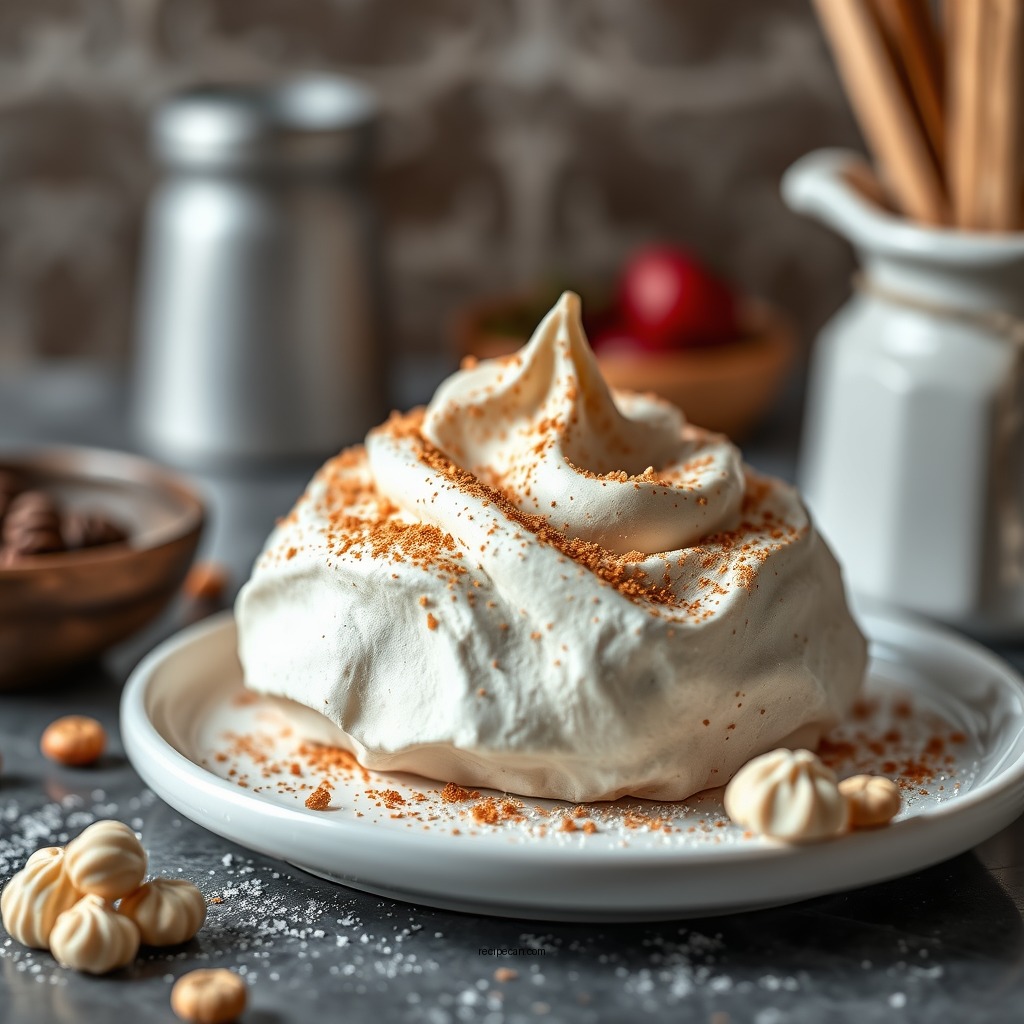
Making meringue without cream of tartar is both simple and achievable. You can create light, fluffy meringue using just egg whites and sugar, along with a few other common ingredients. This guide will walk you through the process step-by-step, ensuring you achieve perfect meringue every time. Whether you are looking to make a delicate pavlova, a fluffy topping for pies, or simply enjoy meringue cookies, this recipe will provide you with the foundation you need to succeed.
Understanding Meringue Basics
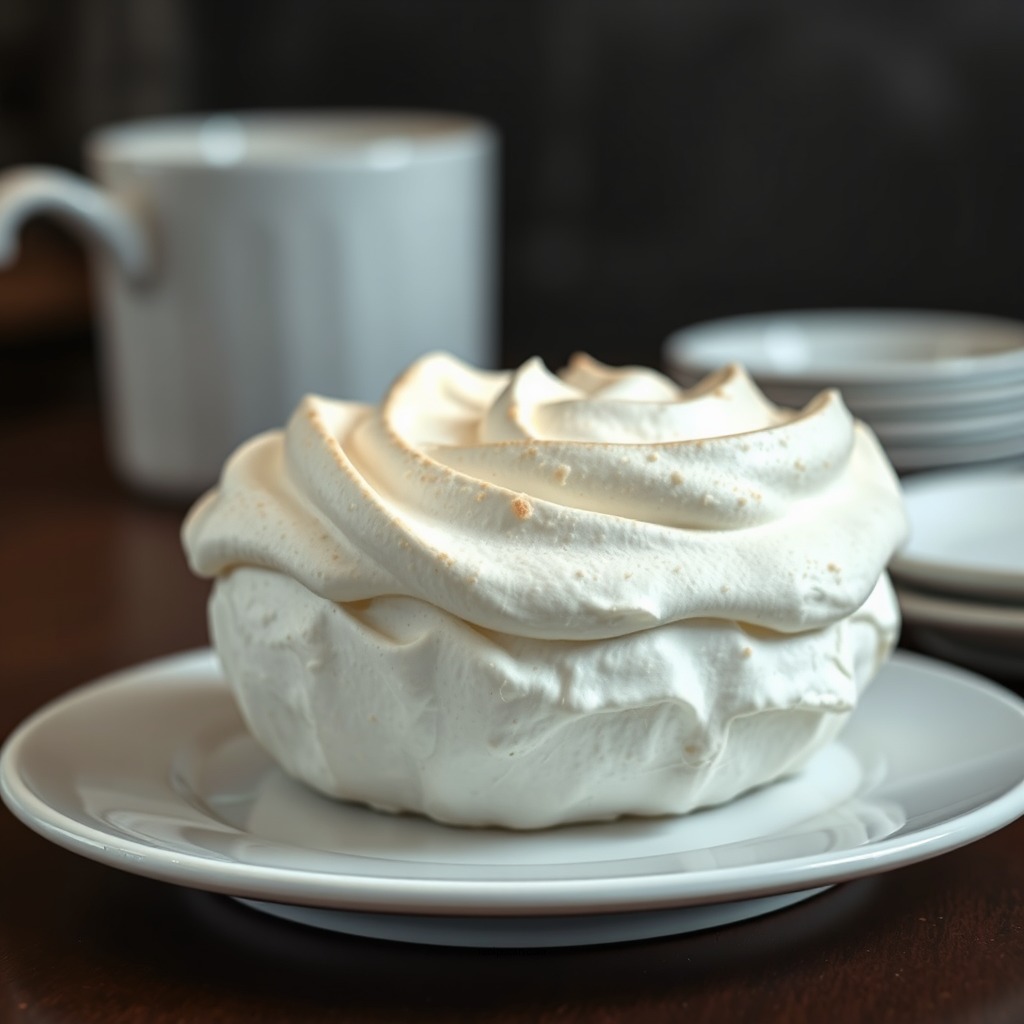
Meringue is a classic dessert component that consists primarily of whipped egg whites and sugar. The process involves incorporating air into the egg whites, which causes them to expand and form a stable structure. Typically, cream of tartar is used to stabilize the egg whites and enhance their volume. However, it is not essential for making meringue; you can achieve excellent results without it by focusing on technique and ingredient quality. In fact, many bakers prefer to omit cream of tartar for various reasons, from dietary restrictions to personal preference.
Types of Meringue
Before diving into the recipe, it’s important to distinguish between the three main types of meringue: French, Swiss, and Italian. French meringue is the simplest, made by whipping egg whites with sugar until stiff peaks form. Swiss meringue involves heating the egg whites and sugar together before whipping, resulting in a silkier texture. Italian meringue is made by pouring hot sugar syrup into whipped egg whites, creating a glossy and stable meringue often used for frosting. This recipe focuses on French meringue, perfect for beginners and versatile for various desserts.
Ingredients Needed
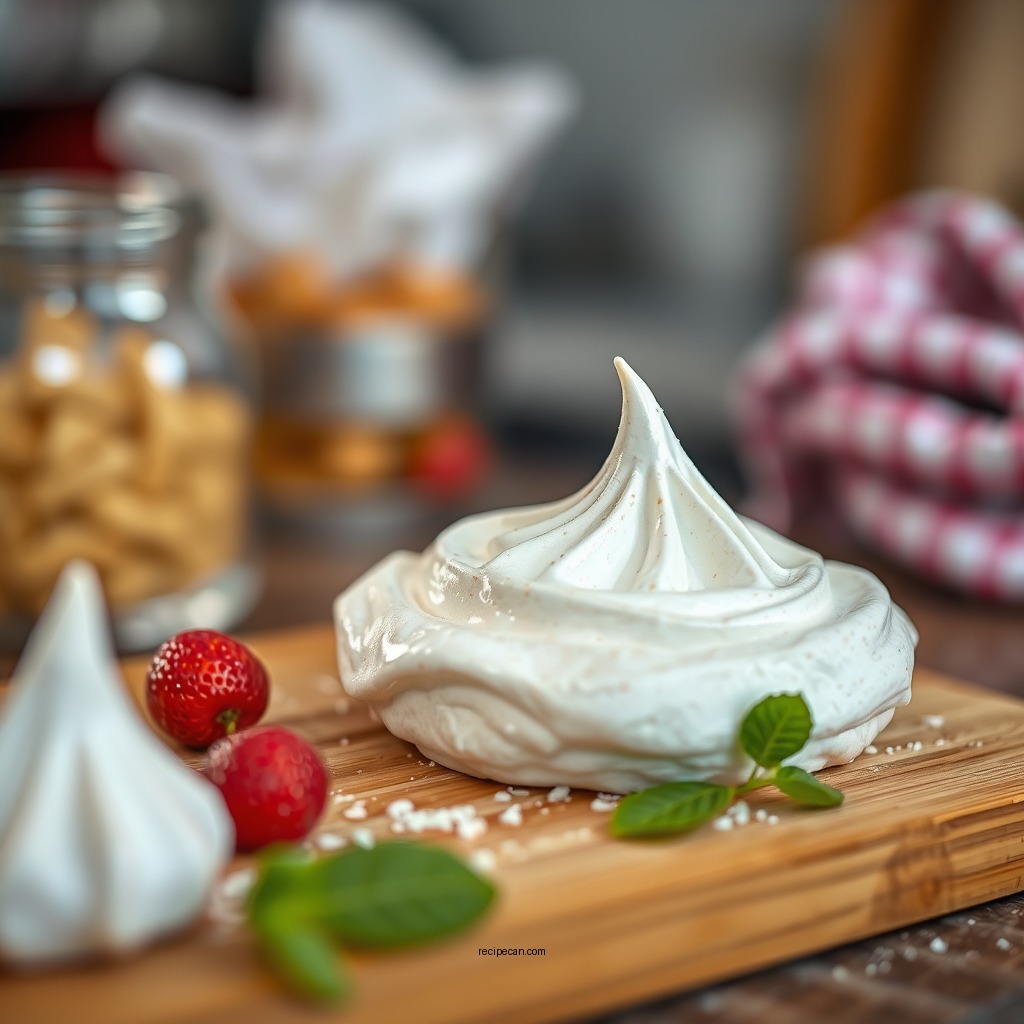
To make meringue without cream of tartar, you will need the following ingredients:
– Fresh Egg Whites: Aim for room temperature egg whites as they whip better and achieve more volume. Using eggs that are a few days old can also yield better results as they are less viscous.
– Granulated Sugar: Use fine granulated sugar to ensure it dissolves easily into the egg whites. Avoid powdered sugar, as it contains cornstarch which can affect the meringue’s texture.
– Optional Flavorings: Adding a splash of vanilla extract or almond extract can enhance the flavor of your meringue. This is particularly beneficial if you plan to use the meringue in desserts where flavor is key.
Preparing the Egg Whites
Preparation is crucial for successful meringue-making. Begin by ensuring that your mixing bowl and beaters are clean and dry. Any residue from fats, oils, or detergents can hinder the whipping process. It is advisable to use glass or metal bowls, as plastic can sometimes hold onto grease.
Next, carefully separate the egg whites from the yolks. Even a small amount of yolk can prevent the egg whites from whipping properly. An easy method is to crack the egg in half and transfer the yolk back and forth between the shell halves, allowing the whites to fall into the bowl below. Once separated, let the egg whites sit at room temperature for about 30 minutes to help them achieve maximum volume when whipped.
Whipping the Egg Whites
Once the egg whites are ready, it’s time to start whipping. Begin at a low speed to break up the egg whites. Gradually increase to medium-high speed, continuing to whip until soft peaks form. This means that when you lift the beaters, the peaks will bend over slightly at the tip. This stage is important as it indicates that air has been incorporated successfully.
At this point, you can start adding the sugar. It’s important to add the sugar slowly, one tablespoon at a time, while continuing to whip. This gradual incorporation allows the sugar to dissolve completely, which is essential for achieving stiff peaks later on. Whip until you reach stiff peaks, where the egg whites stand straight up when the beaters are lifted. The meringue should be glossy and smooth, with no graininess from the sugar.
Incorporating Sugar
The incorporation of sugar is critical to the success of your meringue. Here’s a detailed approach to ensure your sugar is perfectly mixed in:
1. Slow Addition: As mentioned, add the sugar one tablespoon at a time. This slow incorporation is vital for ensuring that the sugar fully dissolves into the egg whites, which helps create a stable meringue.
2. Checking for Dissolution: After all the sugar has been added, you can perform a simple test. Rub a small amount of meringue between your fingers; if it feels gritty, continue to whip until the sugar is completely dissolved.
3. Achieving Stiff Peaks: Once the sugar has dissolved, continue to whip until stiff peaks form. This is the point where the meringue can hold its shape and is ready for baking.
Baking the Meringue
After preparing the meringue, the next step is baking. Preheat your oven to a low temperature, around 200°F (93°C). This low temperature is crucial for drying out the meringue without browning it.
Prepare a baking sheet by lining it with parchment paper. You can either pipe the meringue using a piping bag for decorative shapes or spoon it in dollops for a more rustic look.
Bake the meringues for approximately 1 to 1.5 hours, depending on their size. They should be dry to the touch and lift easily from the parchment paper. After baking, turn off the oven and allow the meringues to cool inside with the door slightly ajar. This gradual cooling process helps prevent cracking.
Tips for Perfect Meringue
Creating the perfect meringue can sometimes be tricky. Here are some tips to help you achieve the best results:
– Avoid Humidity: Meringue works best in dry conditions. High humidity can cause meringues to become chewy rather than crisp. If you live in a humid climate, consider making meringue on a dry day or using a dehumidifier in your kitchen.
– Use Fresh Ingredients: The fresher your egg whites, the better your meringue will turn out. Always choose the freshest eggs for optimal volume and stability.
– Store Properly: Once baked, store meringues in an airtight container to prevent them from becoming soggy. They can last several days if stored correctly.
📋 Data: Meringue Preparation Insights
Top Factors Affecting Meringue Quality
| # | Factor | Impact on Meringue | Recommended Action |
|---|---|---|---|
| 1 | Egg White Freshness | High | Use fresh, room temperature eggs |
| 2 | Bowl Cleanliness | High | Ensure bowls and utensils are fat-free |
| 3 | Humidity | High | Avoid making on humid days |
| 4 | Sugar Dissolution | Critical | Add sugar slowly, ensure it’s dissolved |
| 5 | Whipping Technique | High | Whip to soft peaks before adding sugar |
| 6 | Oven Temperature | High | Bake at low temperature |
| 7 | Cooling Method | Medium | Cool in the oven |
📈 Meringue Success Factors
Meringue Quality Factors (%)
To achieve a delicious meringue without cream of tartar, follow these straightforward steps using basic ingredients and techniques. With practice, you’ll be able to whip up delightful meringues that can be used in various desserts, from pavlovas to toppings for pies. Baking meringue may seem challenging at first, but by understanding the science behind it and following the tips provided, you can create airy, crisp meringues that will impress your friends and family. Enjoy experimenting in the kitchen and making meringue a staple in your dessert repertoire!
Frequently Asked Questions
What can I use instead of cream of tartar in a meringue recipe?
If you don’t have cream of tartar on hand, you can substitute it with an equal amount of white vinegar or lemon juice. These acidic ingredients help stabilize the egg whites, allowing you to achieve a similar volume and texture in your meringue.
How do I make a stable meringue without cream of tartar?
To create a stable meringue without cream of tartar, start by ensuring your mixing bowl and utensils are completely clean and free of grease. Whip the egg whites gradually, incorporating sugar slowly until stiff peaks form, and consider adding a small amount of white vinegar or lemon juice to enhance stability.
Why is cream of tartar commonly used in meringue recipes?
Cream of tartar is commonly used in meringue recipes because it acts as an acid that stabilizes the egg whites and helps them hold their shape. It also prevents sugar from crystallizing, resulting in a smooth and glossy finish that is desirable in meringue.
What is the best way to sweeten meringue without cream of tartar?
The best way to sweeten meringue without cream of tartar is by using granulated sugar, which is the most traditional choice. However, you can also experiment with alternatives like powdered sugar for a smoother texture or even natural sweeteners like agave syrup, though adjustments to the liquid content may be necessary.
Which egg whites are best for making meringue without cream of tartar?
The best egg whites for making meringue without cream of tartar are fresh, room temperature egg whites, as they whip up to a greater volume and stability. Avoid using egg whites from cartons, as they often contain stabilizers and may not produce the same quality meringue as fresh eggs.
References
- Meringue
https://en.wikipedia.org/wiki/Meringue - https://www.bbc.com/food/articles/meringue
https://www.bbc.com/food/articles/meringue - https://www.sciencedirect.com/topics/food-science/meringue
https://www.sciencedirect.com/topics/food-science/meringue - https://www.nature.com/articles/s41598-021-85324-4
https://www.nature.com/articles/s41598-021-85324-4 - https://www.ncbi.nlm.nih.gov/pmc/articles/PMC7014346/
https://www.ncbi.nlm.nih.gov/pmc/articles/PMC7014346/ - Page Not Found – Site Help – Mayo Clinic
https://www.mayoclinic.org/healthy-lifestyle/nutrition-and-healthy-eating/expert-answers/meringue/faq-20058290 - Google Scholar Google Scholar
https://scholar.google.com/scholar?q=recipe+for+meringue+without+cream+of+tartar - Google Scholar Google Scholar
https://scholar.google.com/scholar?q=meringue+recipes - Google Scholar Google Scholar
https://scholar.google.com/scholar?q=meringue+without+cream+of+tartar - Meringue | Definition & Ingredients | Britannica
https://www.britannica.com/topic/meringue