Creating meringue without cream of tartar is not only possible but also easy and delicious. With a few simple ingredients, you can achieve that perfect light and airy texture. In this article, you’ll learn the essential steps and tips for making meringue without this common stabilizer, ensuring your desserts are a success every time.
Understanding Meringue Basics
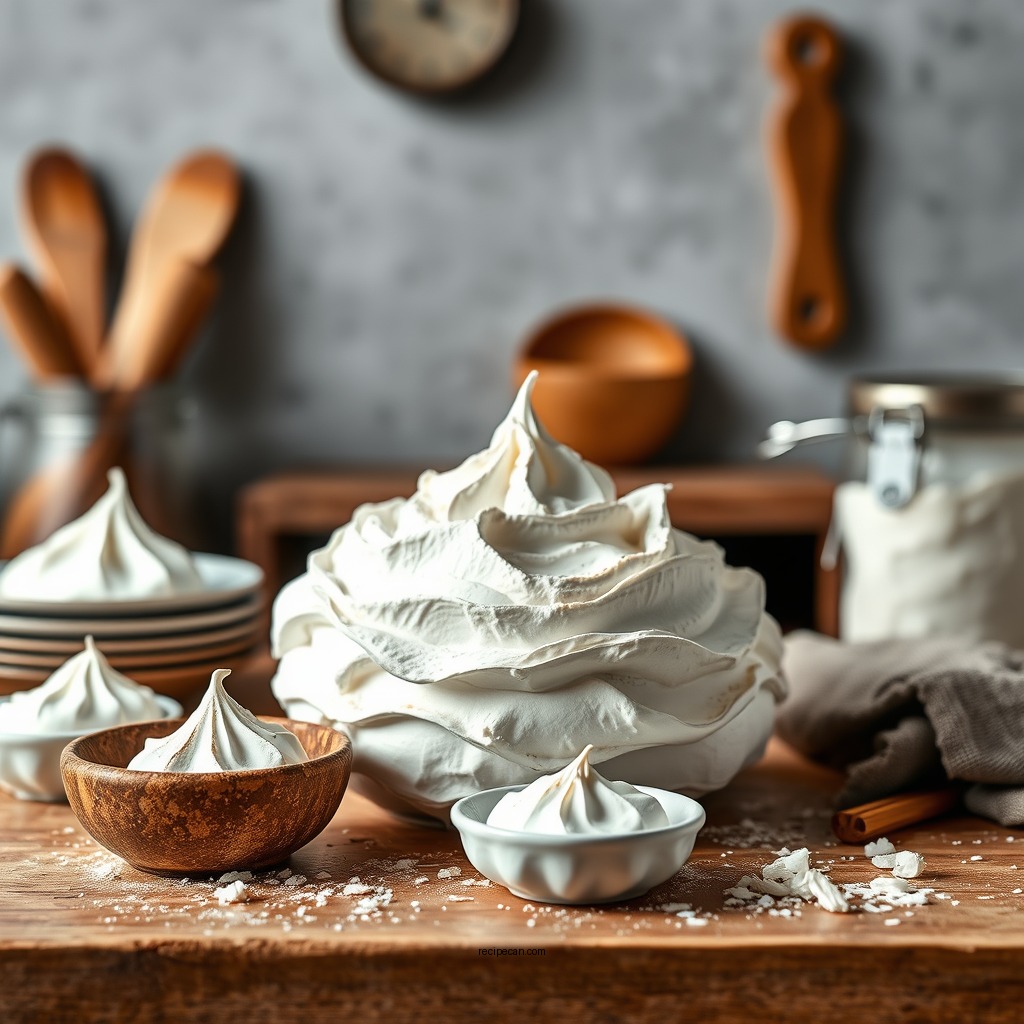
Meringue is primarily made from egg whites and sugar, the two key ingredients that work together to create a stable foam. When beaten, egg whites incorporate air, which, combined with sugar, forms a structure that can support itself. The absence of cream of tartar, a commonly used stabilizer in traditional meringue recipes, may require alternative methods to achieve the same level of stability. Cream of tartar helps to stabilize the egg whites by increasing the acidity of the mixture, which can improve the volume and texture of the meringue. However, it’s entirely feasible to create a successful meringue using just egg whites and sugar, provided you follow the right techniques.
Key Ingredients for Meringue Without Cream of Tartar
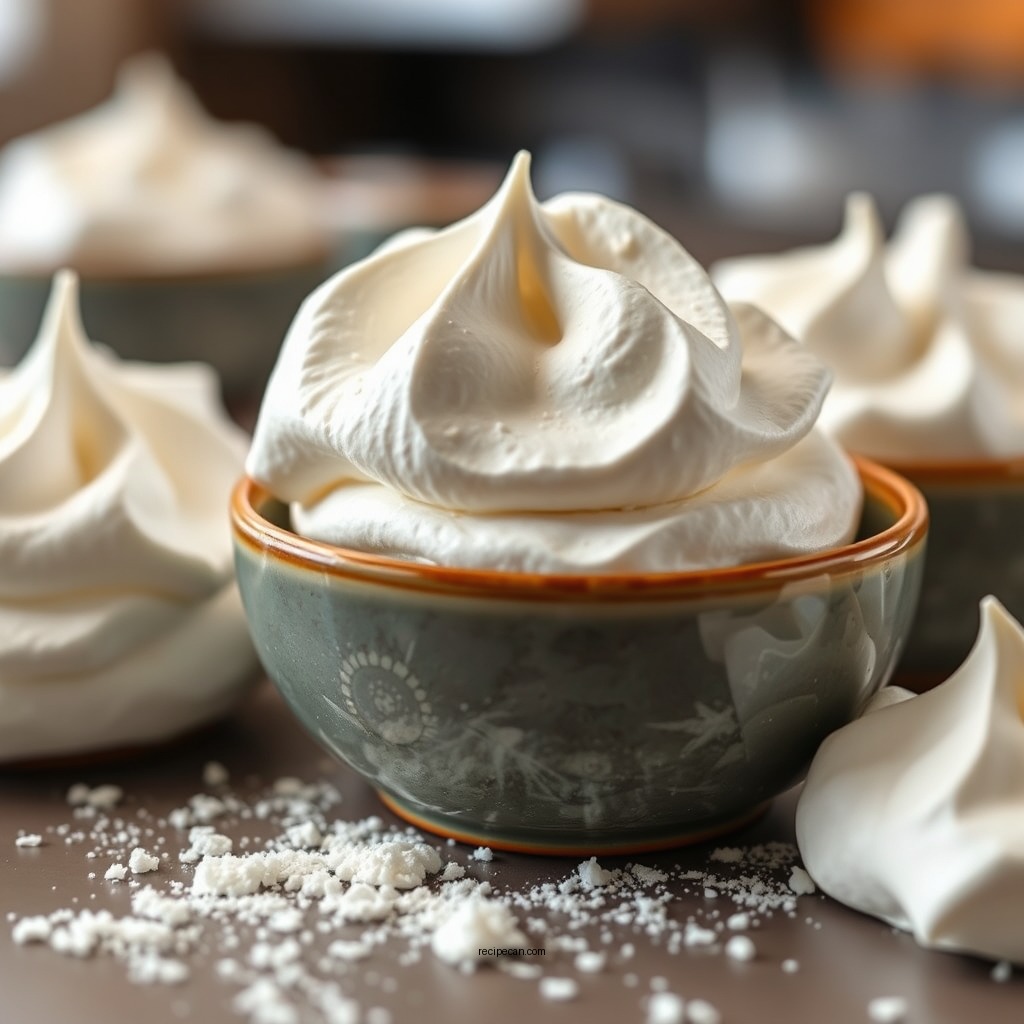
To make meringue without cream of tartar, you’ll need the following key ingredients:
– Fresh Egg Whites: Using fresh egg whites is crucial. Room temperature egg whites whip better and achieve more volume compared to cold ones. This is because the proteins in the egg whites unfold more easily at warmer temperatures, allowing for more air to be incorporated.
– Granulated Sugar: It’s important to use granulated sugar for meringue recipes. Adding sugar gradually while whipping the egg whites ensures it dissolves properly, which is key to achieving a smooth texture. The right ratio of sugar to egg whites typically falls around two parts sugar to one part egg whites by weight, but this can vary based on desired sweetness and texture.
Steps to Make Meringue Without Cream of Tartar
Making meringue without cream of tartar is a straightforward process. Here are the essential steps:
1. Prepare Your Equipment: Start by ensuring that your mixing bowl and beaters are clean and free from grease. Any residual fat can prevent the egg whites from whipping properly.
2. Whip the Egg Whites: Begin by placing the room temperature egg whites in your mixing bowl. Use an electric mixer and start whipping on medium speed until the egg whites become frothy and start to form soft peaks.
3. Gradually Add Sugar: Once the egg whites are frothy, begin to add the granulated sugar gradually, a tablespoon at a time. This slow addition allows the sugar to dissolve properly without overwhelming the egg whites.
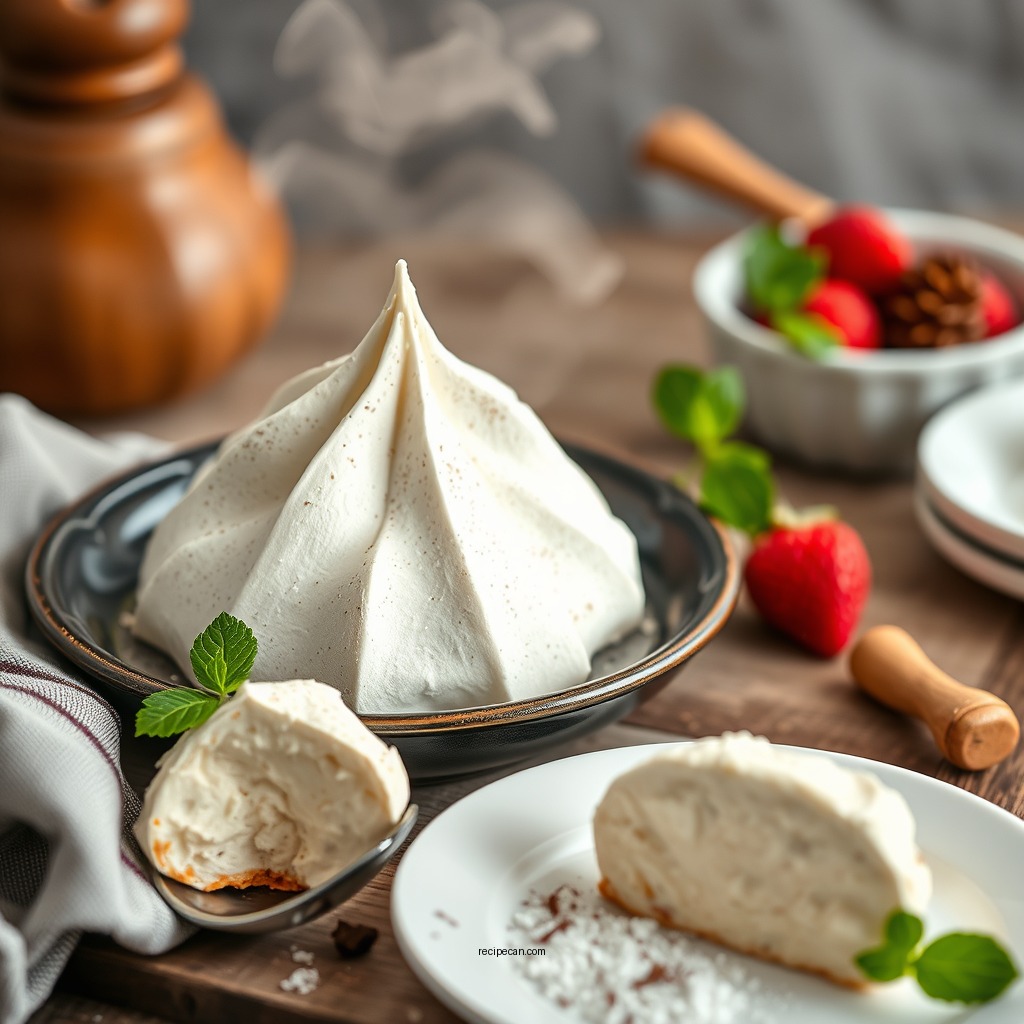
4. Beat to Stiff Peaks: Continue whipping the egg whites and sugar on high speed until you achieve stiff peaks. This means that when you lift the beaters out of the mixture, the peaks should stand straight up without drooping. The meringue should be glossy and smooth.
5. Final Touches: If desired, you can incorporate additional flavorings, such as vanilla extract or almond extract, at this stage.
Tips for Success
To ensure your meringue turns out perfectly every time, consider these tips:
– Clean Equipment: Make sure that all equipment, including bowls and beaters, are spotless. Any grease or moisture can hinder the whipping process.
– Avoid Egg Yolk Contamination: Even a small amount of egg yolk can negatively impact the stability of the meringue. Ensure that no yolk gets into the egg whites.
– Humidity Considerations: High humidity can affect the drying process of meringue. If you live in a humid environment, consider making meringue on a less humid day, or use a dehumidifier in your kitchen.
– Temperature Matters: Room temperature egg whites will yield the best results. If you forget to take them out in advance, you can place the eggs in a bowl of warm water for about 10-15 minutes to bring them to room temperature quickly.
Baking and Using Meringue
Once your meringue is ready, it’s time to bake it or use it in your favorite desserts:
– Baking Meringue: Bake meringue at a low temperature, typically between 200°F to 225°F (93°C to 107°C), for a longer period. This prevents burning and allows the meringue to dry out completely. Depending on the size and thickness, it can take 1.5 to 2 hours to bake.
– Serving Suggestions: Meringue can be used in various ways. It makes a fantastic topping for pies, such as lemon meringue pie, or can be piped into shapes and baked as meringue cookies. You can also use it as a base for pavlova, topped with whipped cream and fresh fruits.
Troubleshooting Common Issues
Even experienced bakers can encounter issues when making meringue. Here are some common problems and their solutions:
– Weeping Meringue: If your meringue weeps (liquid forming underneath), it may not have been whipped enough or the sugar was added too quickly. Ensure the sugar is completely dissolved and that the egg whites were whipped to stiff peaks.
– Collapsed Meringue: A collapsing meringue can occur if your mixing bowl or beaters were not clean or if the egg whites were too cold. Always start with clean, dry equipment and use room temperature egg whites for the best stability.
– Browning: If your meringue browns too much during baking, it may be because the oven temperature is too high. Lower the temperature and bake it longer to achieve a lighter color.
Meringue Techniques Comparison
| # | Technique | Stability Rating | Ease of Use | Flavor |
|---|---|---|---|---|
| 1 | With Cream of Tartar | 8/10 | 6/10 | 9/10 |
| 2 | Without Cream of Tartar | 7/10 | 8/10 | 8/10 |
| 3 | Swiss Meringue | 9/10 | 4/10 | 10/10 |
| 4 | Italian Meringue | 10/10 | 5/10 | 7/10 |
| 5 | French Meringue | 6/10 | 9/10 | 8/10 |
| 6 | Aquafaba Meringue | 7/10 | 10/10 | 6/10 |
| 7 | Pavlova | 9/10 | 4/10 | 10/10 |
Meringue Types by Popularity
Your journey to making perfect meringue without cream of tartar is now at your fingertips. By following these steps and tips, you’ll be able to impress your family and friends with your meringue creations. So gather your ingredients and start whipping up something delightful today!
Frequently Asked Questions
How can I make meringue without cream of tartar?
To make meringue without cream of tartar, you can simply use egg whites and sugar. Start by beating the egg whites until they become frothy, then gradually add granulated sugar while continuing to whip until stiff peaks form. For best results, ensure your mixing bowl is clean and free of any grease.
Why is cream of tartar often used in meringue recipes?
Cream of tartar is used in meringue recipes because it acts as an acid that stabilizes the egg whites, helping to maintain their structure and volume. It prevents the egg whites from collapsing and enhances the meringue’s glossy appearance. However, you can still achieve good results without it by using fresh egg whites and beating them properly.
What can I substitute for cream of tartar in meringue?
If you don’t have cream of tartar, you can use lemon juice or white vinegar as a substitute. Use about half a teaspoon of either acidic ingredient for every egg white in your recipe. This will help stabilize the egg whites just like cream of tartar does.
What is the best technique for whipping egg whites for meringue?
The best technique for whipping egg whites involves starting with room temperature eggs, as they whip better than cold ones. Use a clean, dry mixing bowl, preferably glass or metal, and beat the egg whites on medium speed until they become frothy before gradually adding sugar. Increase the speed to high and continue whipping until you achieve stiff peaks.
Which types of meringue can be made without cream of tartar?
You can make all types of meringue without cream of tartar, including French, Swiss, and Italian meringue. Each type has a different technique, but they all rely on properly beaten egg whites and sugar. Just remember to add an acid, like lemon juice or vinegar, to stabilize the egg whites if you’re skipping the cream of tartar.
References
- Meringue
https://en.wikipedia.org/wiki/Meringue - https://www.bbc.co.uk/food/recipes/meringue_20709
https://www.bbc.co.uk/food/recipes/meringue_20709 - https://www.foodnetwork.com/recipes/articles/how-to-make-meringue
https://www.foodnetwork.com/recipes/articles/how-to-make-meringue - https://www.nytimes.com/wirecutter/blog/how-to-make-meringue/
https://www.nytimes.com/wirecutter/blog/how-to-make-meringue/ - https://www.sciencedirect.com/topics/food-science/meringue
https://www.sciencedirect.com/topics/food-science/meringue - https://www.verywellfit.com/how-to-make-meringue-4786485
https://www.verywellfit.com/how-to-make-meringue-4786485 - https://www.washingtonpost.com/food/2020/08/12/meringue-recipe/
https://www.washingtonpost.com/food/2020/08/12/meringue-recipe/ - https://www.healthline.com/nutrition/meringue-recipe
https://www.healthline.com/nutrition/meringue-recipe - Google Scholar Google Scholar
https://scholar.google.com/scholar?q=meringue+recipe+without+cream+of+tartar - Google Scholar Google Scholar
https://scholar.google.com/scholar?q=egg+whites+meringue+recipe