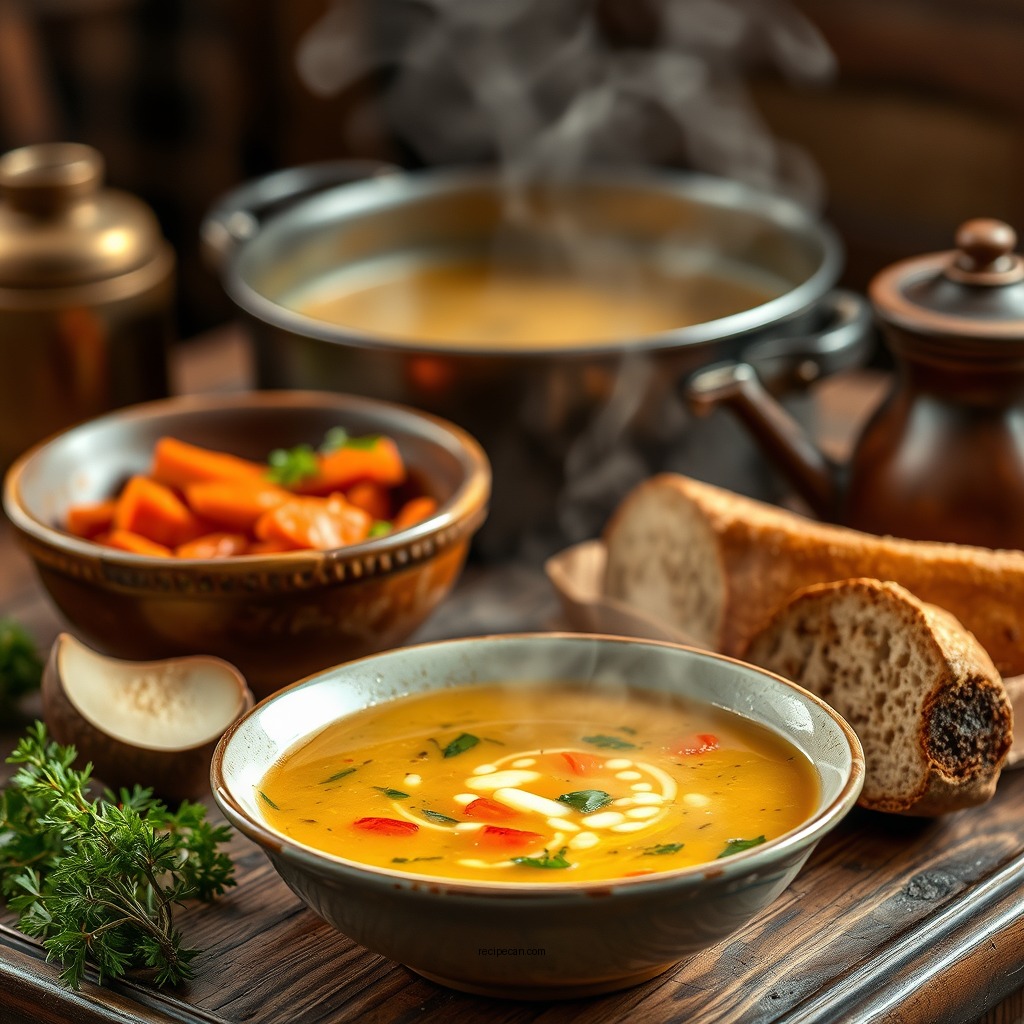
To recreate a delicious medieval times soup, you’ll want to focus on hearty ingredients that were commonly used during that era. This simple yet flavorful recipe will transport you back in time, allowing you to enjoy a dish that embodies the rustic charm of medieval cooking. By understanding the ingredients and techniques used in medieval kitchens, you can appreciate the depth of flavor and nourishment offered by this historical dish.
Ingredients for Medieval Soup
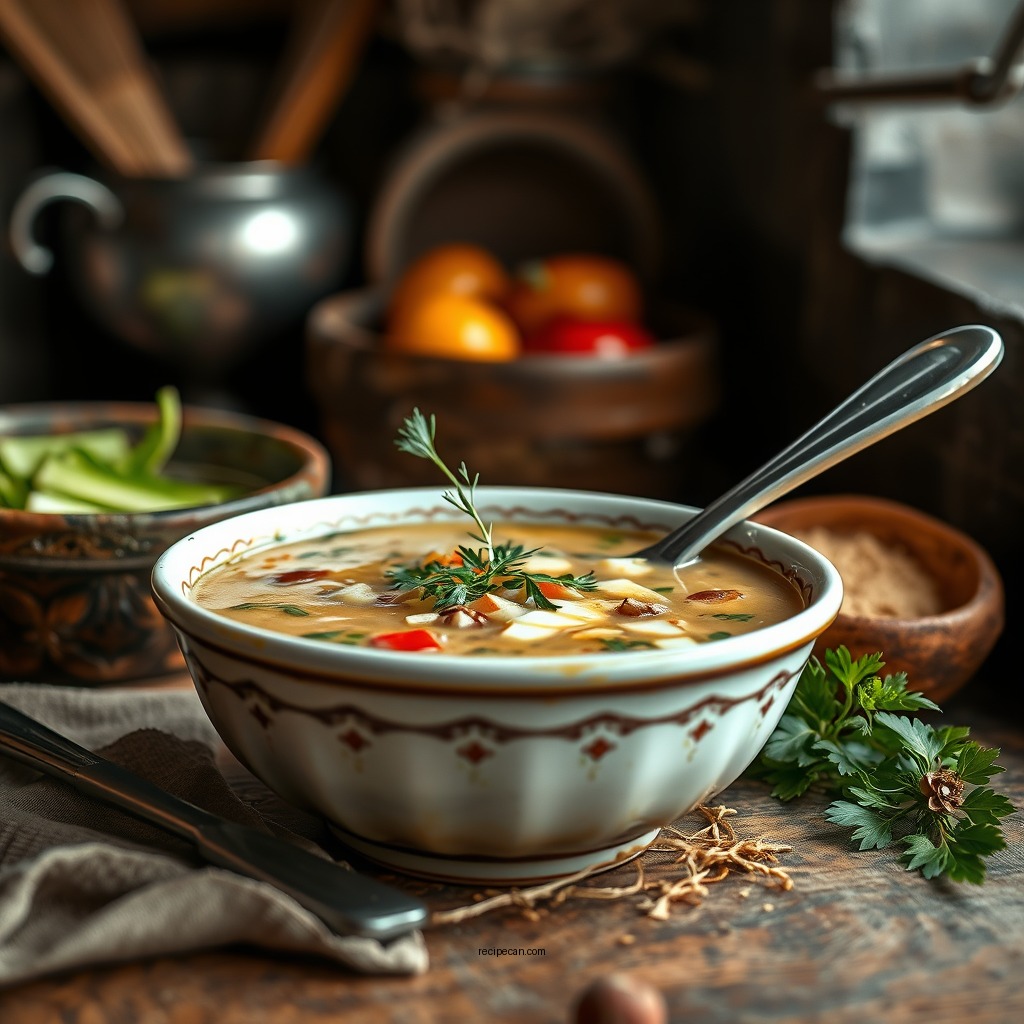
The essence of a medieval soup lies in its simplicity and reliance on seasonal and locally available ingredients. Commonly used root vegetables form the backbone of the recipe, with carrots, turnips, and onions offering sweetness and depth of flavor. Grains, particularly barley, were staple additions, providing both texture and sustenance. For protein, chicken or beef would have been typical, reflecting the dietary habits of the time.
Herbs and spices played a crucial role in enhancing the soup’s flavor profile. Fresh herbs like thyme and parsley were popular, along with spices such as black pepper, which were prized for their ability to elevate dishes. These ingredients not only added taste but also brought a touch of health benefits, as many herbs were used for their medicinal properties.
Preparation Steps
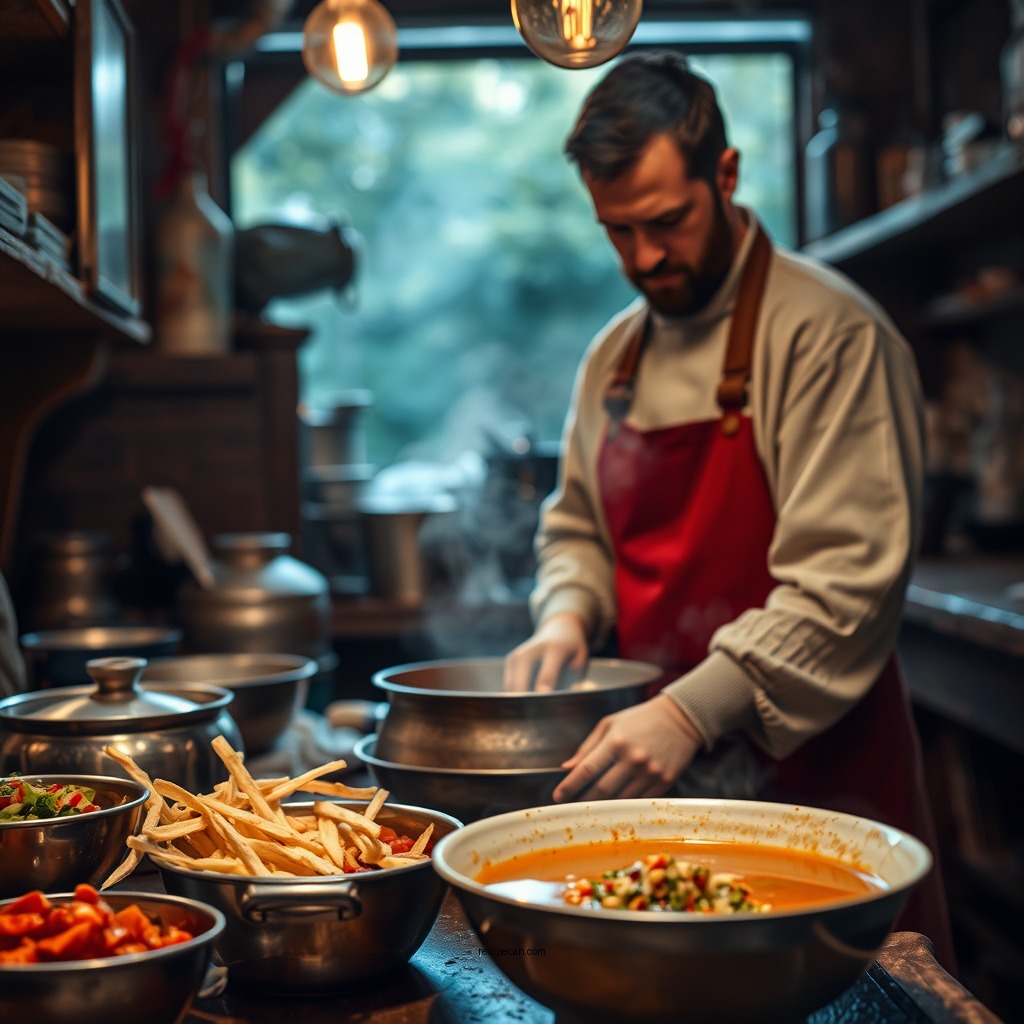
Preparing medieval soup is straightforward and allows for creativity based on ingredient availability. Start by thoroughly washing and peeling your root vegetables. Chop them into bite-sized pieces to ensure even cooking. If using meat, cut it into manageable chunks, allowing it to integrate seamlessly with the vegetables.
In a large pot, combine your chopped vegetables and any meat you are using. Begin by adding enough water or broth to cover the ingredients completely. Bring the mixture to a boil, then reduce the heat to a low simmer. This slow cooking process is essential for developing rich flavors as the ingredients meld together. Stir the pot occasionally, ensuring nothing sticks to the bottom, and add water as necessary to maintain the desired consistency.
Cooking Techniques
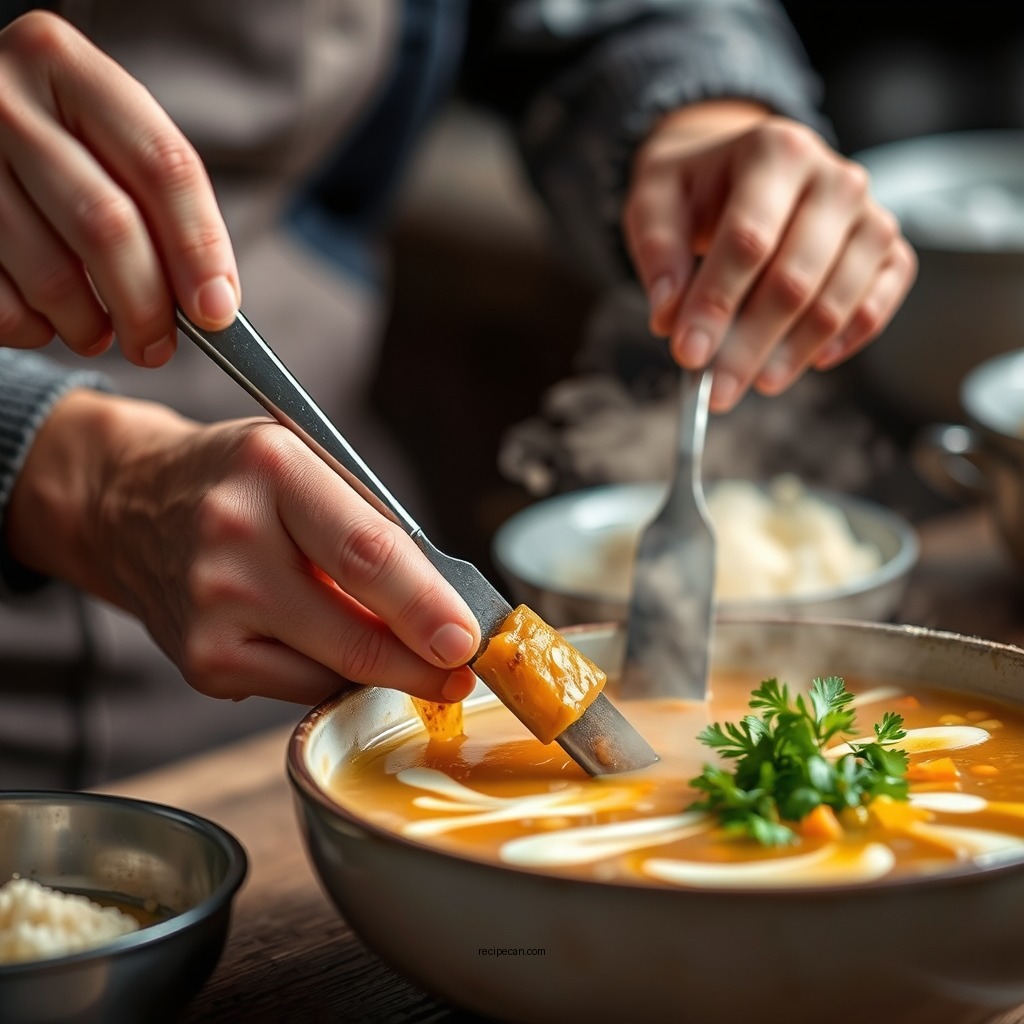
Slow cooking was a hallmark of medieval cuisine, allowing flavors to deepen and develop over time. Modern cooks can replicate this technique by simmering the soup on low heat for several hours. This method not only preserves the integrity of the ingredients but also enhances the overall taste of the dish.
As the soup cooks, it’s essential to monitor its consistency. A hearty soup should be thick but not overly dense. If it becomes too thick, simply add more liquid to achieve the desired texture. Frequent stirring can help distribute flavors evenly and prevent any ingredients from settling at the bottom.
Top Ingredients for Medieval Soup
| # | Ingredient | Common Use | Nutritional Value | Flavor Profile |
|---|---|---|---|---|
| 1 | Carrots | Base of the soup | High in Vitamin A | Sweet |
| 2 | Turnips | Adds depth | Rich in fiber | Earthy |
| 3 | Barley | Thickening agent | Protein-rich | Nutty |
| 4 | Chicken | Main protein | High in protein | Savory |
| 5 | Thyme | Flavor enhancement | Antioxidants | Herbaceous |
| 6 | Pepper | Spice | Digestive aid | Piquant |
Traditional Serving Suggestions
Serving medieval soup can be a delightful experience that adds to the authenticity of the meal. Traditionally, this type of soup was enjoyed alongside crusty bread, which not only complements the dish but also provides a means to soak up the flavorful broth. A rustic loaf, perhaps made with whole grains, creates an ideal pairing for the hearty soup.
For an elegant touch, consider garnishing the soup with freshly chopped herbs just before serving. This not only enhances the visual appeal of the dish but also adds a burst of freshness that contrasts beautifully with the rich flavors of the soup. Additionally, serving with a side of pickled vegetables or preserves can offer a delightful contrast in taste, echoing the medieval custom of combining flavors.
Historical Context
Soup has long played a significant role in the diets of people throughout history, particularly in medieval times. As a nourishing and filling meal, it was especially important during colder months when fresh produce was less available. The use of preserved ingredients, such as dried herbs and grains, allowed cooks to create hearty dishes that sustained families throughout the harsh winters.
Regionally, variations of soup were influenced by local resources and cultural practices. For instance, in regions where seafood was abundant, fish soups became more prevalent, while areas with rich farmland often featured a variety of root vegetables. Class also played a role; those of higher social standing might have access to richer broths with meats and exotic spices, while the lower classes relied more on vegetables and grains.
Modern Adaptations
In today’s culinary world, there are many ways to adapt the medieval soup recipe to fit modern dietary preferences. For those seeking vegetarian or vegan options, simply replace the meat with hearty legumes such as lentils or chickpeas, which provide protein and texture. A variety of vegetables can be used, making it easy to incorporate seasonal ingredients for a fresh twist.
For gluten-sensitive individuals, barley can be substituted with quinoa or rice, allowing you to maintain the soup’s hearty nature without compromising dietary needs. Additionally, experimenting with different herbs and spices can lead to new flavor explorations, keeping the essence of the medieval recipe while making it relevant to contemporary tastes.
Historical Soup Ingredients Adaptation
In summary, the medieval times soup recipe is a testament to the resourcefulness and culinary traditions of the past. By focusing on hearty ingredients and embracing traditional cooking methods, you can create a dish that not only nourishes the body but also connects you to history. We encourage you to try making this recipe at home, experimenting with your own variations, and sharing your experiences in the comments below. Whether you stick closely to historical authenticity or adapt it for modern dietary needs, the joy of preparing and enjoying this soup is timeless.
Frequently Asked Questions
What are the key ingredients in a medieval times soup recipe?
A traditional medieval soup often features ingredients such as barley, root vegetables like carrots and parsnips, and various herbs. Meats such as chicken or beef may also be included for added flavor, along with spices like thyme and bay leaves. These ingredients not only reflect the agricultural practices of the time but also provide a hearty and nutritious meal.
How do I prepare a medieval times soup from scratch?
To prepare a medieval times soup, start by sautéing chopped onions and garlic in a large pot. Then, add diced root vegetables, barley, and your choice of meat, followed by enough broth or water to cover the ingredients. Simmer for at least an hour, adding herbs like parsley and thyme towards the end for a burst of flavor, and season with salt and pepper to taste.
Why did medieval people use barley in their soup recipes?
Barley was a staple grain in medieval times because it was nutritious, filling, and easy to grow in various climates. It provided essential nutrients and energy, making it an ideal ingredient for soups that needed to sustain the working class during long hours of labor. Additionally, barley helped to thicken soups, giving them a hearty texture.
What is the best way to store leftover medieval soup?
The best way to store leftover medieval soup is to let it cool completely before transferring it to an airtight container. It can be stored in the refrigerator for up to three days or frozen for longer preservation. When reheating, add a splash of broth or water to restore the soup’s consistency, as it may thicken when stored.
Which herbs are most commonly used in medieval soup recipes?
Common herbs used in medieval soup recipes include parsley, thyme, and dill. These herbs not only enhance the flavor profile of the soup but also have medicinal properties that were valued during medieval times. Fresh or dried, these herbs can be added at different stages of cooking to achieve the desired taste and aroma.
References
- Middle Ages
https://en.wikipedia.org/wiki/Middle_Ages - https://www.bbc.co.uk/food/medieval_recipes
https://www.bbc.co.uk/food/medieval_recipes - Google Scholar Google Scholar
https://scholar.google.com/scholar?q=medieval%20soup%20recipe - Google Scholar Google Scholar
https://scholar.google.com/scholar?q=medieval%20cuisine%20history - https://www.britannica.com/topic/medieval-age
https://www.britannica.com/topic/medieval-age - Establishing a secure connection …
https://www.historytoday.com/archive/food-medieval-england - https://pubmed.ncbi.nlm.nih.gov/?term=medieval+cuisine
https://pubmed.ncbi.nlm.nih.gov/?term=medieval+cuisine - https://www.smithsonianmag.com/arts-culture/a-brief-history-of-medieval-food-180964016/
https://www.smithsonianmag.com/arts-culture/a-brief-history-of-medieval-food-180964016/ - Google Scholar Google Scholar
https://scholar.google.com/scholar?q=medieval+times+soup+recipe - medieval times soup recipe – Search results
https://en.wikipedia.org/wiki/Special:Search?search=medieval+times+soup+recipe
