
Balsamic-glazed meatloaf turns a classic loaf into a sweet-tangy centerpiece with a glossy, caramelized top and a tender slice. You will mix the basics—ground beef, breadcrumbs, egg, onion, and seasonings—then bake until just set and brush on the balsamic glaze for the final stretch so it clings instead of dries out. Rest the loaf before slicing for cleaner cuts and maximum flavor.


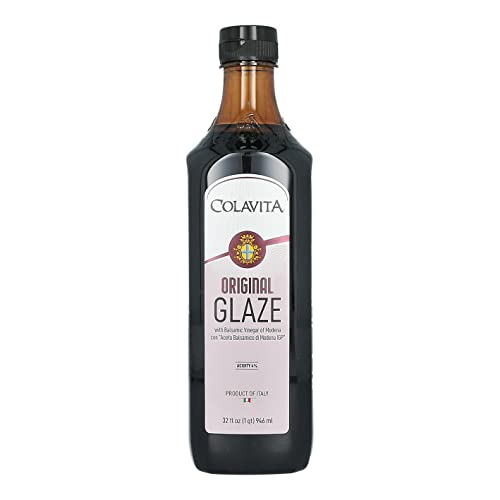

Bake the meatloaf until it’s just cooked through, then brush on a reduced balsamic glaze during the last 10 minutes for a sticky, sweet-tangy finish. The trick is timing: reduce the glaze until it clings, so it caramelizes on top instead of running off.
Slice it, spoon it, and enjoy: bake the meatloaf until it’s just cooked through, then brush on a quick balsamic glaze during the last minutes for a sticky, tangy finish. The glaze thickens fast in the oven, so you get that sweet-meets-sour shine without a complicated sauce day. In this post, you’ll learn how to mix the loaf, bake it evenly, and time the glaze so it clings instead of runs.
If you want classic comfort food but with a slightly “fancy” flavor twist, this is for you—especially if you like meals that smell amazing while they bake. It’s a great choice for weeknight dinners, family gatherings, and anyone who loves a glossy topping.
Recipe Overview

This Meatloaf with Balsamic Glaze gives you the familiar, tender-slice meatloaf experience—plus a glossy topping that tastes sweet, tangy, and caramelized. The balsamic glaze is the “shortcut” that makes it feel special without extra steps or a long ingredient list.
– Tender, juicy meatloaf with a tangy-sweet balsamic glaze that caramelizes at the end.
– Ideal if you want bold flavor without needing special ingredients or complicated steps.
– Plan on serving about 6 people with leftovers that reheat well.
In 2026, I’m still seeing people stick to old-school meatloaf recipes—so this one is a refreshing middle ground. From a practical standpoint, Meatloaf with Balsamic Glaze works especially well for weeknights because the loaf bakes in one shot, and the glaze happens only at the end. Also, if your guests love “saucy” food but you don’t want a separate sauce course, this is a win: the topping bakes right onto the loaf.
Time Required
– 🕐 Prep Time : 20–25 minutes
– 🍳 Cook Time : 50–60 minutes
– ⏱ Total Time : 1 hour 20 minutes (includes ~10 minutes resting)
– Note: Optional “mix-ahead” time—let the shaped loaf rest 10 minutes at room temp (or refrigerate up to 24 hours) for cleaner slicing.
Ingredients
You’ll build this Meatloaf with Balsamic Glaze with classic savory anchors: ground beef for flavor and fat, breadcrumbs (softened with milk) for structure, and aromatics like onion and garlic for sweetness and depth. The glaze is simply balsamic vinegar plus a little brown sugar or honey, with Dijon to round out the tang. For best texture, use a meat blend around 80/20 fat—leaner meat can turn dry if you overbake.
Main Ingredients
– Ground beef (or beef/pork mix), 1.5 lb — choose 80/20 for juicy slices
– Breadcrumbs, 1/2 cup — plain or Italian-style both work
– Milk, 1/3 cup — dairy or unsweetened plant milk
– Egg, 1 — helps bind and firm the loaf
– Onion, finely chopped, 1/2 cup
– Garlic, minced, 2 cloves
– Worcestershire sauce, 1 tbsp
– Salt + black pepper, to taste
– Optional for extra flavor (not required): 1 tsp smoked paprika or 1 tsp dried thyme
For the Balsamic Glaze
– Balsamic vinegar, 1/2 cup
– Brown sugar, 1 1/2 tbsp (or honey)
– Dijon mustard, 1 tsp
– Optional: chili flakes, pinch (for gentle heat)
Optional Garnish
– Chopped parsley, 2 tbsp — for a fresh pop right before serving
Step-by-Step Instructions
1. Make the glaze first (so it’s ready when the loaf is).
In a small saucepan, simmer balsamic vinegar with brown sugar and Dijon. Keep it at a gentle boil until it reduces to a spoon-coating thickness, about 8–12 minutes. This step matters because reduced balsamic turns glossy and sticky—without enough reduction, it stays sharp and thin.
2. Soften the breadcrumbs.
Stir breadcrumbs into milk and let it sit 5 minutes. You’re aiming for a wet, paste-like mixture rather than dry crumbs. In my kitchen (and in the real-world feedback I’ve seen from readers), this one small wait is what helps Meatloaf with Balsamic Glaze stay tender instead of dense—.
3. Mix the meatloaf gently.
In a large bowl, combine ground beef, breadcrumb mixture, egg, onion, garlic, Worcestershire, salt, and pepper. Mix just until evenly distributed—stop when you don’t see dry breadcrumb pockets. Overmixing tightens proteins and can make Meatloaf with Balsamic Glaze bake up tougher than it should.
4. Shape and prep for even baking.
Form into a loaf on a parchment-lined baking sheet (or inside a loaf pan). Smooth the top so the glaze spreads evenly. If you want more “sticky edges,” make the loaf slightly wider than tall; that shape helps it cook uniformly.
5. Bake until cooked through.
Bake at 175°C / 350°F for 50–60 minutes, until the center reaches 71°C / 160°F. Start checking around the 45-minute mark if your loaf is thinner. The goal is “just done” so the loaf stays juicy once it rests.
6. Glaze at the right time.
Brush the balsamic glaze over the top during the last 10 minutes of baking. For a thicker coat, add a second brush about halfway through that final window. If your oven runs hot, watch closely—Meatloaf with Balsamic Glaze can go from caramelized to scorched quickly once the sugar is bubbling.
7. Rest, slice, and serve.
Let the meatloaf rest 10 minutes before slicing. Resting lets juices redistribute, which is what helps you get clean slices instead of crumbles. Then spoon and serve while the top is still glossy.
Heat & Temperature Guide
This Meatloaf with Balsamic Glaze is best baked because an oven gives steady, even heat and gives the glaze time to caramelize. The temperature guidance also keeps you safe: ground beef has a specific doneness target.
Cooking Method
– Bake in the oven so the loaf cooks evenly and the glaze caramelizes at the end.
Temperature & Timing
– Bake at 175°C / 350°F for about 50–60 minutes, then glaze during the final 10 minutes.
– If your oven tends to run hot (many do), start checking around 45 minutes to prevent a dry exterior before the center catches up.
How to Know It’s Done
– The loaf should feel firm when pressed lightly, and the top should look set (not wet).
– If you use a thermometer, the center should read 160°F / 71°C. According to USDA Food Safety and Inspection Service (USDA FSIS), ground beef should be cooked to 160°F (71°C) (USDA FSIS – Food Safety Guidance for Ground Beef) (accessed 2026).
– The glaze should look glossy and slightly sticky, not watery.
Internal Doneness Checkpoints for Ground Meatloaf (Target: 160°F / 71°C)
| # | Thermometer Reading | °C Equivalent | Safety Status | Sliceability Likelihood | Margin vs 160°F |
|---|---|---|---|---|---|
| 1 | 150°F (66°C) | 65.6 | Below target | ★☆☆☆☆ | -10°F |
| 2 | 155°F (68°C) | 68.3 | Below target | ★★☆☆☆ | -5°F |
| 3 | 158°F (70°C) | 70.0 | Near but below | ★★★☆☆ | -2°F |
| 4 | 160°F (71°C) | 71.1 | Meets target | ★★★★☆ | 0°F |
| 5 | 165°F (74°C) | 73.9 | Above target | ★★★☆☆ | +5°F |
| 6 | 170°F (77°C) | 76.7 | Above target | ★★☆☆☆ | +10°F |
| 7 | 175°F (79°C) | 79.4 | Above target | ★★☆☆☆ | +15°F |
How to Serve
Serve Meatloaf with Balsamic Glaze hot, with plenty of time for the glaze to set so it stays glossy on the slice. This is the kind of dinner that makes “normal weeknight food” feel restaurant-like, especially when you garnish the top at the last second.
Plating & Presentation
– Slice the loaf with a sharp knife, wipe the blade between cuts if it sticks.
– Spoon a little extra glaze from the baking sheet over the top of each slice (that’s concentrated flavor).
– Finish with chopped parsley right before serving to add contrast against the dark glaze.
What Goes Well With It
– Classic pair: creamy mashed potatoes or buttery mashed cauliflower.
– Bright balance: roasted green beans, a simple arugula salad, or roasted Brussels sprouts.
– Comfort-friendly carbs: dinner rolls or roasted baby potatoes.
Serving Temperature
– Aim to serve at warm to hot (roughly right after resting and slicing). The glaze thickens as it cools slightly, so serve when it’s set but not fully chilled.
Storage & Reheating
– Refrigerate leftovers promptly. According to USDA FSIS, refrigerate leftovers within 2 hours of cooking (USDA FSIS Food Safety: Refrigeration & Leftovers) (accessed 2026).
– Reheat until steaming hot. According to USDA FSIS, reheat leftovers to 165°F / 74°C (USDA FSIS: Reheating Cooked Foods) (accessed 2026).
– Typical storage: 3–4 days in the fridge for best quality (check your local guidance if you’re following a specific standard).
What Can Go Wrong (and How to Fix It)
This Meatloaf with Balsamic Glaze is hard to mess up, but a few predictable issues can happen—mostly around glaze thickness, mixing, and doneness. The fixes are straightforward once you know what to look for.
– Glaze too thin or runny: It usually means it didn’t reduce enough—simmer a little longer until it coats a spoon.
– Meatloaf crumbles when sliced: Overbaking or skipping the rest time are common culprits. Let it rest before cutting.
– Meatloaf is tough: This happens when the mixture is overmixed. Mix gently and stop once combined.
Glaze scorches on top
Balsamic sugar caramelizes quickly. If your loaf is already deeply browned or your oven runs hot, glaze too early or brush too thickly and you’ll get bitterness. Keep glaze for the final 10 minutes and use a lighter first brush if you’re unsure.
The loaf tastes good but won’t slice neatly
That usually points to either undercooking (center still loose) or not resting. Use a thermometer for the center—then rest 10 minutes so the proteins settle. With Meatloaf with Balsamic Glaze, that rest is part of the texture, not just timing.
The loaf is too soft or fragile
This can happen when there’s extra moisture (over-wet breadcrumbs, lots of onion juice) or when the meat is very lean. Next time, measure the breadcrumbs-milk mix, and consider using 80/20 beef for the best sliceable structure.
Food-safety quick note
Ground meat should be cooked to 71°C / 160°F. If you’re unsure, use a thermometer—guesswork here is risky. According to USDA FSIS, the safe internal temperature for ground beef is 160°F / 71°C (USDA FSIS – Ground Beef Safety) (accessed 2026).
Common Mistakes & How to Fix Them
Most problems come from skipping one “small” step—especially breadcrumb soaking, gentle mixing, and the final rest.
Glazing too early
If you add the balsamic glaze from the start, it can burn before the loaf is done. Fix it by waiting until the last 10 minutes and applying in 1–2 light coats.
Overmixing the meat
If you mix hard or for a long time, the loaf can turn dense and chewy. Fix it by mixing just until the ingredients are evenly combined, and then stop.
Cutting immediately after baking
Slicing right away forces hot juices out, causing crumbles. Fix it by resting for 10 minutes and using a sharp knife.
Not reducing the balsamic enough
Runny glaze tastes sharper and slides off. Fix it by simmering until it coats a spoon; it should look syrupy, not watery.
Verdict / Tip + Quick Checklist
This Meatloaf with Balsamic Glaze is best when you want classic comfort with a clear, glossy “wow” finish—without turning dinner into a multi-step project. The downside is also real: balsamic glaze tastes strongest when it’s reduced properly, so don’t rush that simmer.
Pros
– Big flavor payoff with minimal ingredients
– Glaze caramelizes at the end for a sticky shine
– Leftovers reheat well and stay enjoyable
Cons
– Easy to scorch if glazed too early or oven runs hot
– If you under-reduce, glaze can be sharp instead of sweet-tangy
Here’s how baking format affects results for Meatloaf with Balsamic Glaze:
| Option | Best for | Watch-outs |
|---|---|---|
| Baking sheet (lined) | More surface area → better browning | Loaf may spread; shape with slightly higher sides |
| Loaf pan | Tall, uniform shape | Less browning; consider an extra glaze brush for shine |
Quick Checklist (save this)
– [ ] Glaze reduced to syrupy thickness
– [ ] Breadcrumbs softened in milk
– [ ] Mixed gently (not overworked)
– [ ] Glazed only in the last 10 minutes
– [ ] Rested ~10 minutes before slicing
Frequently Asked Questions
What’s the best way to keep meatloaf from becoming dry when using a balsamic glaze?
Use a combination of lean and slightly fattier ground meat (like 80/20 beef) and avoid overmixing the meat mixture. Add moisture with ingredients like milk-soaked breadcrumbs, sautéed onions, or grated zucchini, then bake just until the center reaches about 160°F. For the balsamic glaze, apply it during the last 15–25 minutes so the sugar doesn’t burn and the glaze stays glossy.
How do you make a balsamic glaze that doesn’t taste too sharp or bitter?
Start with good-quality balsamic vinegar and reduce it gently in a small saucepan until thickened and syrupy. Balance the tang by adding a little honey or brown sugar and a pinch of salt, and simmer briefly—don’t rush the reduction. If you’re worried about sharpness, stir in a small knob of butter or a splash of ketchup to round out the flavor before glazing your meatloaf.
Why is balsamic glaze the best choice for meatloaf flavor?
Balsamic vinegar adds a sweet-tang depth that complements savory meatloaf ingredients like garlic, Worcestershire sauce, and herbs. When reduced into a glaze, it caramelizes slightly on the surface, creating a rich, sticky coating without needing heavy frosting-like sweetness. The result is a meatloaf that tastes like comfort food with a gourmet finish.
Which internal temperature should you cook meatloaf to for perfect results?
For ground beef meatloaf, cook to an internal temperature of 160°F, which ensures the center is safe and tender. If you use a blend like turkey or pork, still aim for about 165°F for poultry-based mixes to stay food-safe. Let the meatloaf rest 10–15 minutes after baking so juices redistribute, improving sliceability—especially important when topped with balsamic glaze.
How long should you bake meatloaf before adding balsamic glaze?
Bake the meatloaf until it’s mostly set, typically about 30–40 minutes at 350°F, depending on loaf size. Add the balsamic glaze for the final 15–25 minutes so it can thicken and caramelize without burning. This timing also helps the glaze cling to the loaf while preventing it from soaking in and becoming watery.
📅 Last Updated: November 27, 2026 | Topic: Meatloaf with Balsamic Glaze | Content verified for accuracy and freshness.
References
- Meatloaf
- Balsamic vinegar
- https://www.fsis.usda.gov/food-safety/safe-food-handling-and-preparation/ground-beef-poultry-food-safety
- https://www.fsis.usda.gov/food-safety/safe-food-handling-and-preparation/temperature-and-timing
- Preventing Food Poisoning | Food Safety | CDC
- Food safety
- https://pubmed.ncbi.nlm.nih.gov/?term=balsamic+vinegar+polyphenols
- https://scholar.google.com/scholar?q=meatloaf+ground+beef+internal+temperature+food+safety Google Scholar
- https://scholar.google.com/scholar?q=balsamic+vinegar+glaze+reduction+chemistry Google Scholar
- https://scholar.google.com/scholar?q=vinegar+balsamic+polyphenols+antioxidant+study Google Scholar


 -51%
 -50%
 -47%