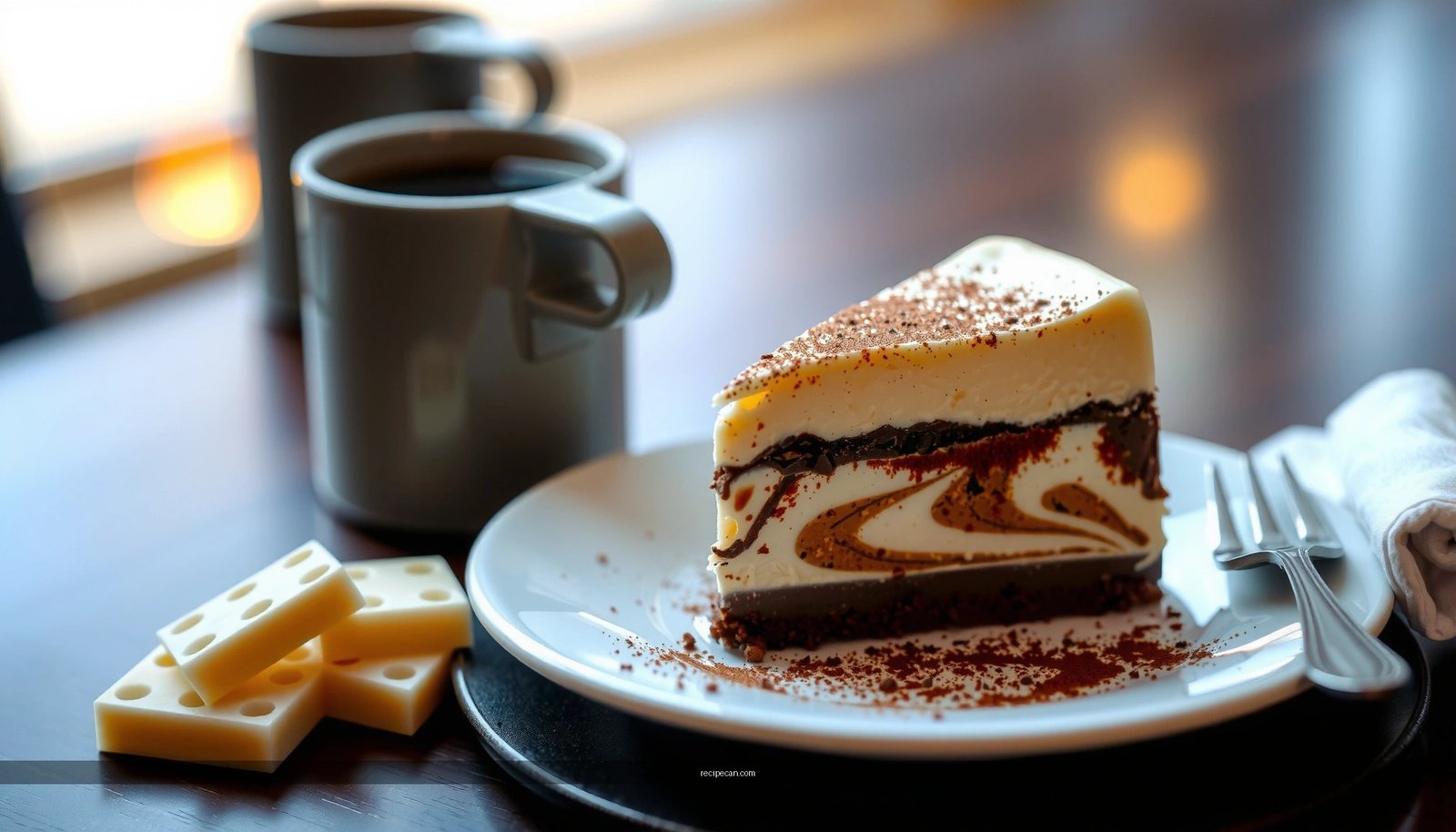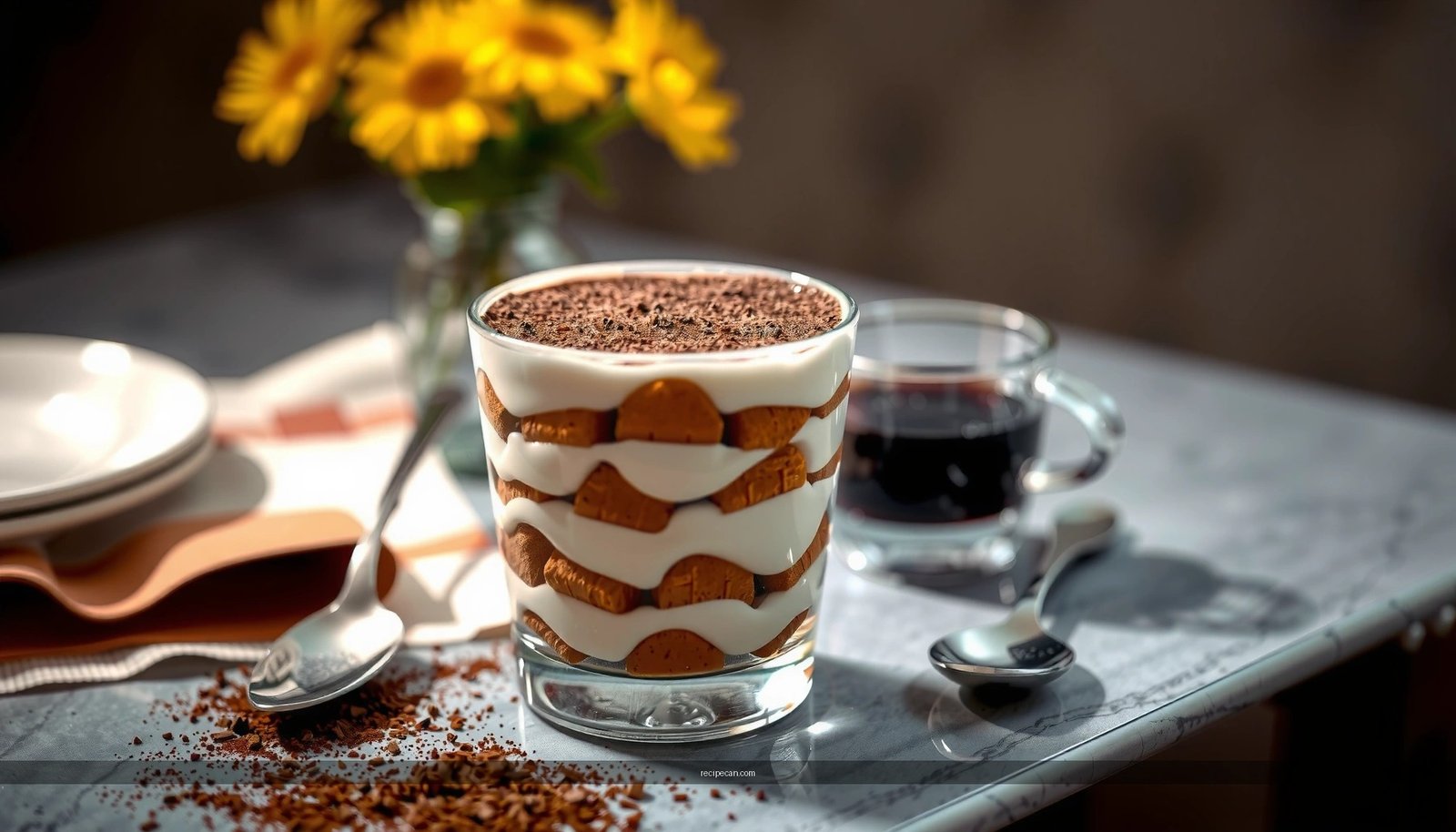
Want an easy, classic tiramisu recipe that actually comes out right? This guide walks you through the exact steps to layer espresso-soaked ladyfingers with a rich mascarpone mixture, then set it for clean, sliceable results. Follow it closely and you’ll get the traditional flavor and texture—no guesswork, no shortcuts that compromise the cream.
Make tiramisu by layering espresso-soaked ladyfingers with a creamy mascarpone mixture, then chilling until set for clean slices every time. This easy, classic tiramisu recipe delivers bold coffee flavor and a rich, custard-like texture—because the key is getting the soaking right and giving the dessert enough time to firm up.
Gather Ingredients for the Tiramisu Recipe
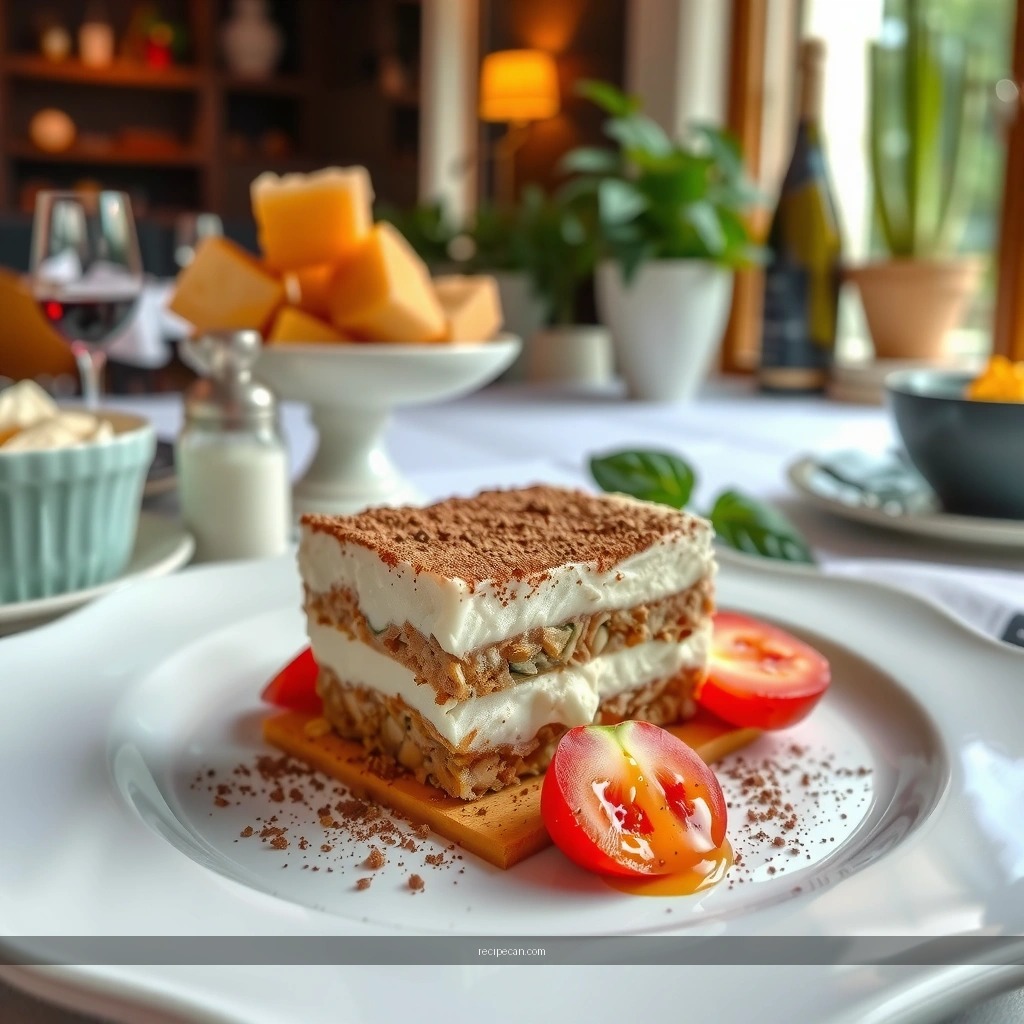
A classic tiramisu is built on a few dependable components: creamy mascarpone, a structured egg mixture, coffee-soaked ladyfingers, and cocoa for a refined finish. The ingredients below reflect the standard approach—plus notes to help you choose safer, more consistent options depending on your kitchen setup.
Core ingredients to gather:
– Mascarpone (the signature ingredient): Use a reputable brand for stable thickness and flavor.
– Eggs (or pasteurized egg products): Provide the custard-style structure. Pasteurized eggs are strongly recommended for food safety.
– Sugar: Sweetens and also helps the yolk mixture thicken and emulsify.
– Ladyfingers: Crisp enough to hold shape, yet absorb coffee quickly.
– Strong espresso or concentrated coffee: The flavor driver—tiramisu should taste like coffee, not like “lightly flavored cream.”
– Cocoa powder: Typically unsweetened cocoa (Dutch-process for deeper chocolate notes).
– Vanilla and salt (optional): These can round out flavor, especially if your mascarpone tastes slightly flat.
A practical shopping checklist (for one 8×8-inch / ~20×20 cm dish):
– Mascarpone: ~16 oz (about 450 g)
– Eggs: 3–4 yolks + 3–4 whites (commonly 4/4 for a fuller, thicker cream)
– Sugar: ~3/4 cup (150 g), adjusted to taste
– Ladyfingers: ~24–32, depending on dip depth and layer thickness
– Espresso: ~1 to 1 1/2 cups, brewed strong (cool slightly before dipping)
– Cocoa powder: for serving dust
To plan efficiently, brew your espresso first and let it cool—lukewarm coffee improves absorption without prematurely warming the cream.
Make the Mascarpone Cream
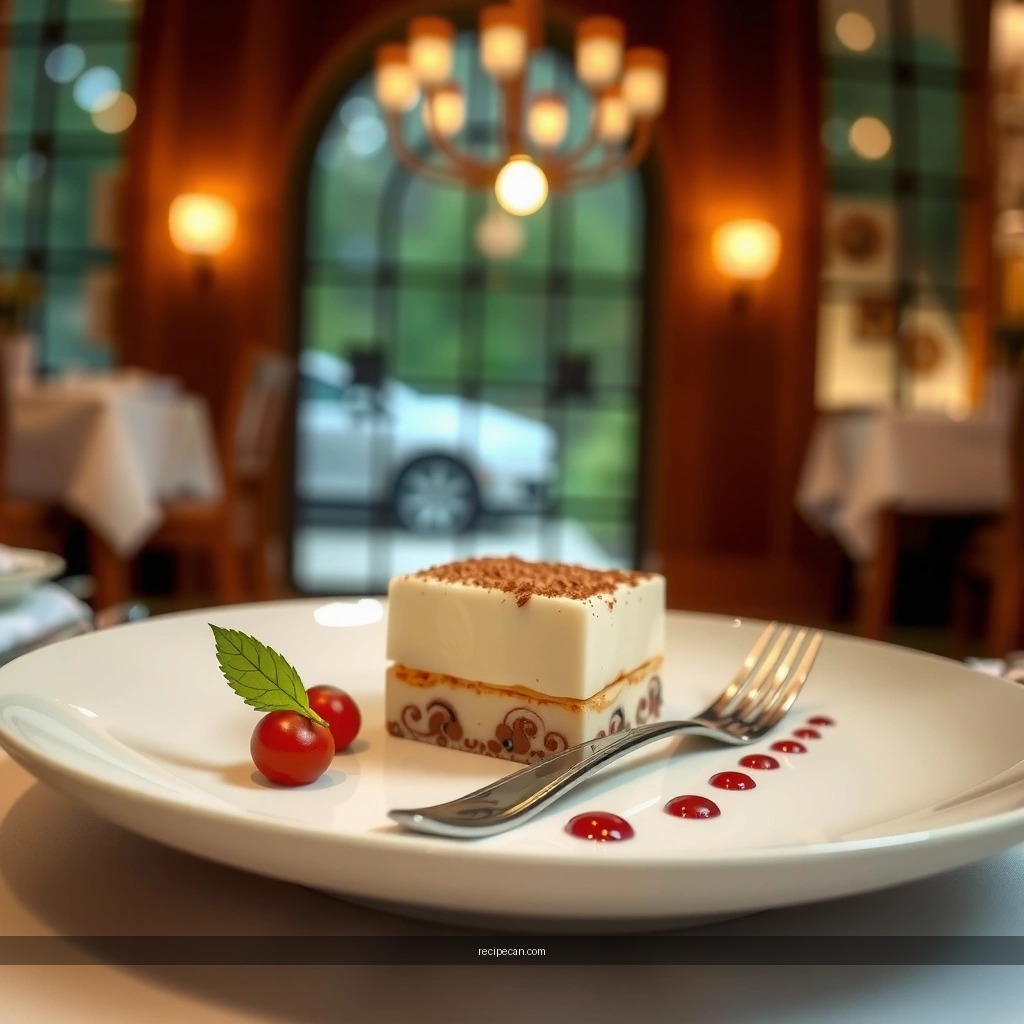
The mascarpone cream is what turns layered cookies into a true tiramisu rather than a coffee dessert. The most reliable texture comes from two steps: (1) yolks whisked with sugar to create a thickened base, and (2) whipped egg whites folded in for air and lightness.
Step-by-step method that preserves the classic texture:
1. Whisk egg yolks with sugar
Whisk until smooth and slightly thickened. This helps the mixture become glossy and custard-like, rather than loose.
2. Fold in mascarpone gently
Fold, don’t beat aggressively. Mascarpone is thick; over-mixing can make it grainy or dense.
3. Whip egg whites to soft peaks
Soft peaks are important: they should look airy and hold shape, but still fold easily.
4. Fold whites into the mascarpone base
Use a gentle motion to keep the cream fluffy. The goal is “light and stable,” not stiff and heavy.
Professional texture targets (what you should see):
– After folding, the cream should be smooth, spoonable, and glossy, not runny.
– If it looks too loose, it often needs additional chilling, but also check whether the whites were whipped to the right stage and folded carefully.
Note for consistency:
If you’re using pasteurized egg products, follow the package directions for whipping and thickness—some brands whip slightly differently than fresh eggs. That said, the folding process remains the same.
Tiramisu Performance Checklist: What Changes the Texture
| # | Control Factor | Typical Mistake | Ideal Practice | Impact on Slice Cleanliness |
|---|---|---|---|---|
| 1 | Coffee strength | Brew too light | Espresso or very strong coffee | ★★★★★ |
| 2 | Soak time | Ladyfingers sit too long | Quick dip, 1–2 seconds per side | ★★★★★ |
| 3 | Whites whipped stage | Over-whipped/curdled or under-aerated | Soft peaks only | ★★★★☆ |
| 4 | Folding technique | Stirring hard, losing air | Gentle fold until uniform | ★★★★☆ |
| 5 | Chill time | Serving too soon | 4–6 hours minimum; overnight best | ★★★★★ |
| 6 | Cocoa timing | Dusting early (moisture dissolves it) | Dust just before serving | ★★★☆☆ |
| 7 | Mascarpone quality | Low-fat/low-quality substitutes | Use full-fat mascarpone for structure | ★★☆☆☆ |
Prepare Coffee Soaking Mixture

Coffee is the flavor foundation. In tiramisu, the coffee doesn’t just “add taste”—it also affects texture through absorption. If it’s too hot, it can soften the ladyfingers too much and warm the cream. If it’s too weak, the dessert tastes sweet but not coffee-forward.
How to prepare it for the best balance:
– Brew espresso (or strong coffee) and let it cool slightly
You want it warm enough to penetrate, not so hot that it melts structure.
– Optional: include cocoa in the liquid?
Traditionally, cocoa is mostly for serving, but you can mix cocoa into a small amount of coffee if you want a darker, mocha-like profile—just keep it subtle.
– Optional: add a splash of liqueur
Marsala is classic in many regions. Use sparingly so it doesn’t dominate. The coffee and mascarpone should remain the headline.
Soaking technique for clean layers:
– Dip ladyfingers quickly—about 1–2 seconds per side.
– Place dipped cookies directly into the dish and move on; don’t let them sit on a tray where they continue to absorb liquid.
If you prefer alcohol-free tiramisu, simply skip the liqueur and use vanilla or a tiny amount of coffee syrup for aromatics (without adding extra moisture).
Assemble the Tiramisu Layers
Assembling tiramisu is where quality control becomes visible. Even layering helps the cream set uniformly and supports clean slicing. The structure is simple: dip, layer, spread, repeat.
A reliable assembly workflow:
1. Layer dipped ladyfingers in the bottom of your dish
Aim for tight coverage with minimal gaps.
2. Spread cream evenly over the ladyfingers
Use an offset spatula to level the cream.
3. Repeat layers until you reach the top
Most classic versions use two or three layers depending on dish depth and ladyfinger size.
4. Finish with cream and level the surface
The top should look smooth because cocoa dusting will follow.
What “even” means in practice:
– If one area has thicker cream, it can set differently and cause slicing unevenness.
– If the cookie layer is thick but poorly soaked, you’ll get dry pockets. If it’s over-soaked, you’ll get softness.
Professional presentation tip:
Chill the assembled tiramisu uncovered for about 10–20 minutes before the final cocoa dusting step. This helps the surface firm slightly so cocoa sits cleanly instead of dissolving on contact.
Chill and Set for the Best Texture
Tiramisu is a “time-dependent” dessert. The custard-like cream firms up in the refrigerator, and the coffee continues to distribute through the ladyfingers—up to a point. For that reason, chilling isn’t optional if you want the classic slice.
Recommended chilling schedule:
– Minimum: 4–6 hours in the refrigerator
– Best results: overnight
Why chilling matters (the mechanism):
– The cream structure stabilizes, largely due to the whipped egg whites and egg yolk base setting in cold temperatures.
– The ladyfingers reach the right moisture balance—coffee flavor deepens without turning the dessert watery.
Cocoa timing for a crisp finish:
– Dust with cocoa powder just before serving
Cocoa left overnight can absorb moisture and look muddy.
Serving guidance:
– Serve cold for cleanest layers and richest flavor.
– If you’re transporting tiramisu, keep it chilled and slice on-site for best visual integrity.
Tips for Success (No-Fail Tiramisu)
Even small deviations can affect texture, so these tips are focused on the most common failure points—runny layers, deflated cream, or weak coffee flavor.
– Chill time matters: Skipping chilling leads to runny layers and structural collapse.
– Fold carefully: If you overmix the whipped egg whites, the cream loses air and becomes heavier.
– Use strong coffee: Mild coffee creates a dessert that tastes mostly sweet rather than distinctly “tiramisu.”
– Quality mascarpone is non-negotiable: Low-fat or unreliable substitutes can reduce richness and stability.
– Control soak time: Quick dip, no soaking in a puddle. Over-soaking is the fastest route to mushy layers.
– Balance flavor additions: If you add vanilla or salt, keep it subtle—these are supporting notes, not replacements for coffee and cocoa.
Tiramisu is simple: make the mascarpone cream, dip ladyfingers in coffee, layer, then chill until firm. Use the steps above for a classic, crowd-pleasing dessert—then try it again with your favorite coffee roast or a touch of liqueur for a personalized twist.
Thanks for reading—if you follow the soaking and chilling principles, you’ll consistently get bold flavor, a creamy custard-like slice, and the professional-looking finish that defines great tiramisu.
Frequently Asked Questions
What is the best tiramisu recipe for beginners?
A beginner-friendly tiramisu recipe uses simple, reliable ingredients: mascarpone, eggs (or pasteurized eggs), strong espresso, ladyfingers, and cocoa powder. Choose a no-fail method by whipping mascarpone until smooth, then gently folding it with beaten egg whites (or whole eggs) to keep the filling light. If you want extra convenience, look for a recipe that uses store-bought ladyfingers and freshly made or cooled espresso for consistent results.
How do you make tiramisu without raw eggs?
To make tiramisu without raw eggs, use pasteurized eggs or swap in a cooked custard-style base (often called zabaglione) before mixing with mascarpone. Another option is to use a recipe that uses whipped mascarpone with stabilized egg substitute products, but pasteurized eggs are the most common kitchen-friendly solution. Whichever method you choose, chill the tiramisu thoroughly so the flavors meld and the texture sets properly.
Why does my tiramisu get watery, and how can I fix it?
Watery tiramisu usually happens when ladyfingers are soaked too long in espresso or when the mascarpone mixture is too loose. Dip the ladyfingers quickly—just enough to coat—then layer immediately to prevent excess liquid pooling in the bottom. Also make sure your mascarpone is at the right temperature and whip until smooth but not runny, then chill the assembled dessert for several hours.
Which espresso should you use for tiramisu?
Use a strong, freshly brewed espresso (or very concentrated coffee) because the flavor needs to stand up to the sweetness and creaminess of tiramisu. If you don’t have an espresso machine, use an espresso-style coffee or strong moka pot brew, then let it cool slightly before soaking the ladyfingers. Avoid using weak or overly watery coffee, since it can dilute the tiramisu flavor and affect the final texture.
How long should you chill tiramisu before serving?
For the best tiramisu recipe results, chill it for at least 4–6 hours, and ideally overnight. This resting time lets the ladyfingers absorb the espresso and gives the mascarpone filling time to set into a creamy, sliceable texture. If you serve it too soon, it may taste good but can be looser and less cohesive.
References
- Tiramisu
https://en.wikipedia.org/wiki/Tiramisu - Tiramisu | Meaning, Ingredients, Origin, Desserts, & Taste | Britannica
https://www.britannica.com/topic/tiramisu - https://www.nytimes.com/2022/11/09/dining/tiramisu-recipe.html
https://www.nytimes.com/2022/11/09/dining/tiramisu-recipe.html - https://www.theguardian.com/food/2020/may/15/tiramisu-recipe-mascarpone-espresso-cocoa
https://www.theguardian.com/food/2020/may/15/tiramisu-recipe-mascarpone-espresso-cocoa - Google Scholar Google Scholar
https://scholar.google.com/scholar?q=tiramisu+recipe+mascarpone+eggs+food+safety - Google Scholar Google Scholar
https://scholar.google.com/scholar?q=traditional+tiramisu+history+origin+recipe - https://pubmed.ncbi.nlm.nih.gov/?term=tiramisu+mascarpone+espresso+recipe
https://pubmed.ncbi.nlm.nih.gov/?term=tiramisu+mascarpone+espresso+recipe - Google Scholar Google Scholar
https://scholar.google.com/scholar?q=make+tiramisu+recipe - make tiramisu recipe – Search results
https://en.wikipedia.org/wiki/Special:Search?search=make+tiramisu+recipe - https://www.ncbi.nlm.nih.gov/search/research-articles/?term=make+tiramisu+recipe
https://www.ncbi.nlm.nih.gov/search/research-articles/?term=make+tiramisu+recipe