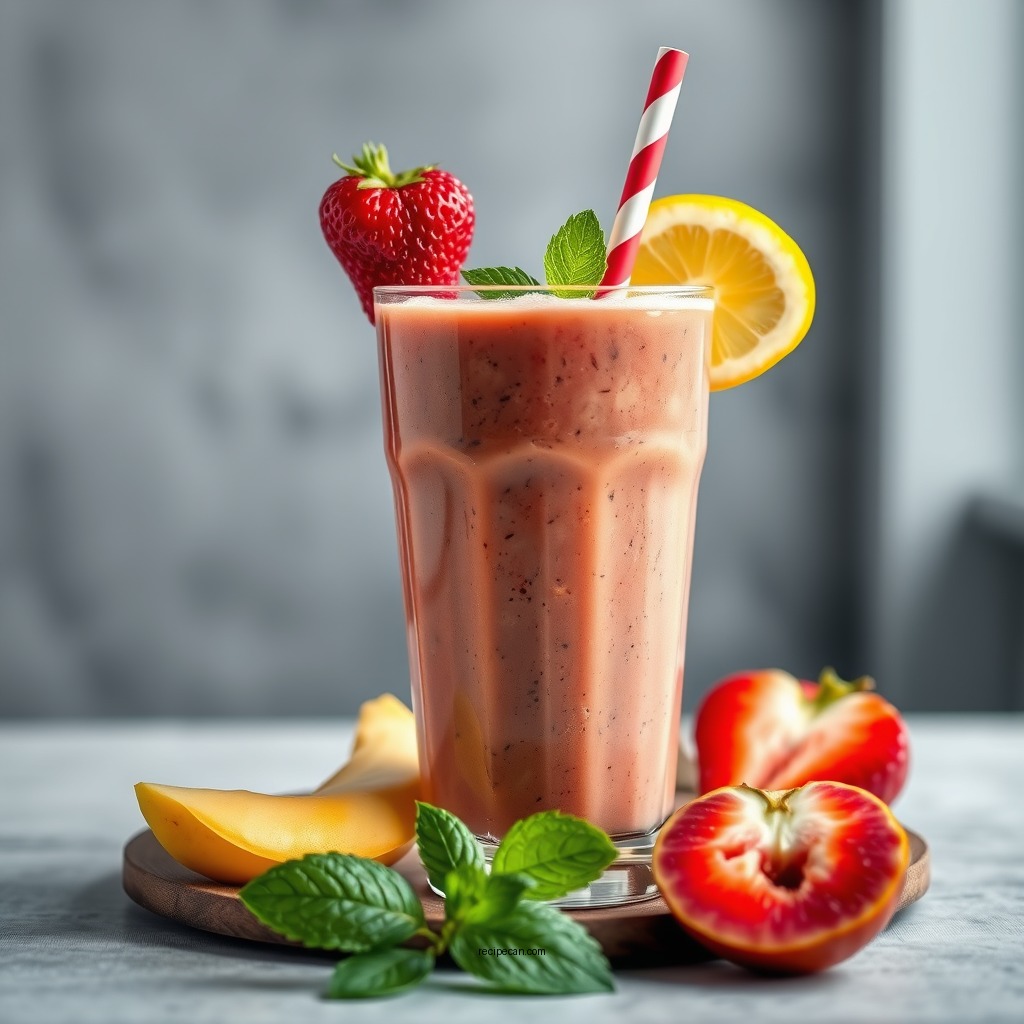
Low carb fruit smoothies are an excellent choice for those seeking a nutritious and satisfying beverage without the added sugar. These delicious drinks not only help maintain a healthy weight but also provide essential vitamins and minerals. In this article, you’ll discover a variety of low carb fruit smoothie recipes that are easy to prepare and bursting with flavor, making them an ideal addition to your daily routine.
Benefits of Low Carb Smoothies
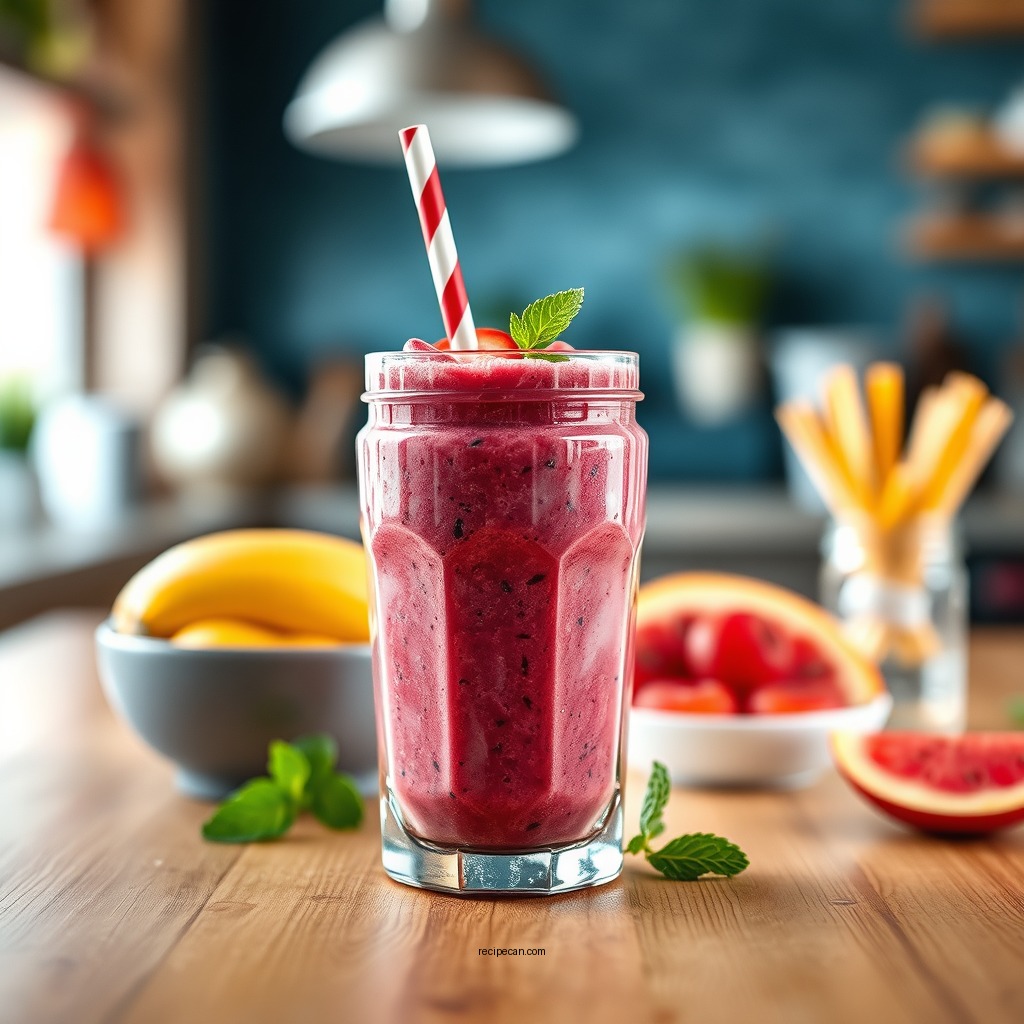
Low carb smoothies offer numerous benefits, particularly for individuals focused on weight management and overall health. One of the most significant advantages is their low sugar content, which helps prevent blood sugar spikes and supports weight loss. Additionally, these smoothies are rich in vitamins, minerals, and antioxidants derived from fruits and vegetables, contributing to improved health outcomes. Beyond their nutritional value, low carb smoothies are highly customizable, allowing individuals to adapt recipes according to personal dietary preferences and restrictions. This versatility makes them suitable for various lifestyles, including ketogenic, paleo, and diabetic diets.
Key Ingredients for Low Carb Smoothies
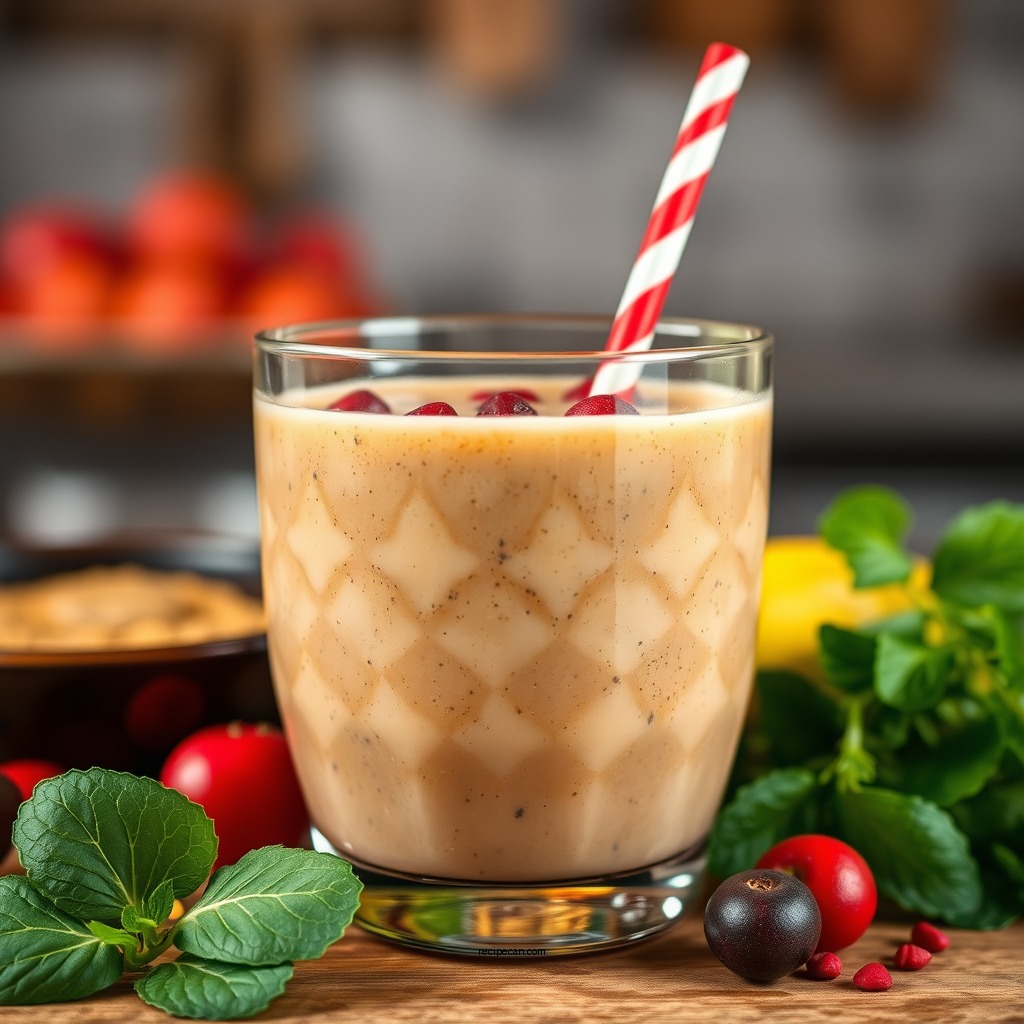
Crafting the perfect low carb smoothie begins with selecting the right ingredients. Here are some essential components to consider:
– Low Carb Fruits: Berries such as strawberries, raspberries, and blackberries are ideal due to their relatively low sugar content. Avocados and melons like cantaloupe are also excellent options that add creaminess and natural sweetness without elevating carb levels.
– Liquid Bases: Using nut milks, such as almond or coconut milk, provides a rich and creamy texture while keeping carb counts low. Unsweetened coconut water and plain yogurt are also great alternatives that enhance flavor without unwanted sugars.
– Optional Nutritional Add-ins: To boost the nutritional profile of your smoothie, consider adding spinach, kale, or other leafy greens. Protein powders, flaxseeds, and chia seeds can enhance satiety and provide essential nutrients, making your smoothie even more satisfying.
Top 7 Low Carb Fruits for Smoothies (2024)
| # | Fruit | Net Carbs (g/100g) | Calories (kcal) | Vitamins |
|---|---|---|---|---|
| 1 | Strawberries | 6 | 32 | C, K |
| 2 | Raspberries | 5.4 | 52 | C, E |
| 3 | Blackberries | 4.9 | 43 | C, K |
| 4 | Avocado | 1.8 | 160 | C, E, K |
| 5 | Cantaloupe | 7.9 | 34 | A, C |
| 6 | Honeydew | 8.0 | 36 | C |
| 7 | Papaya | 10.8 | 43 | C, E |
5 Delicious Low Carb Fruit Smoothie Recipes
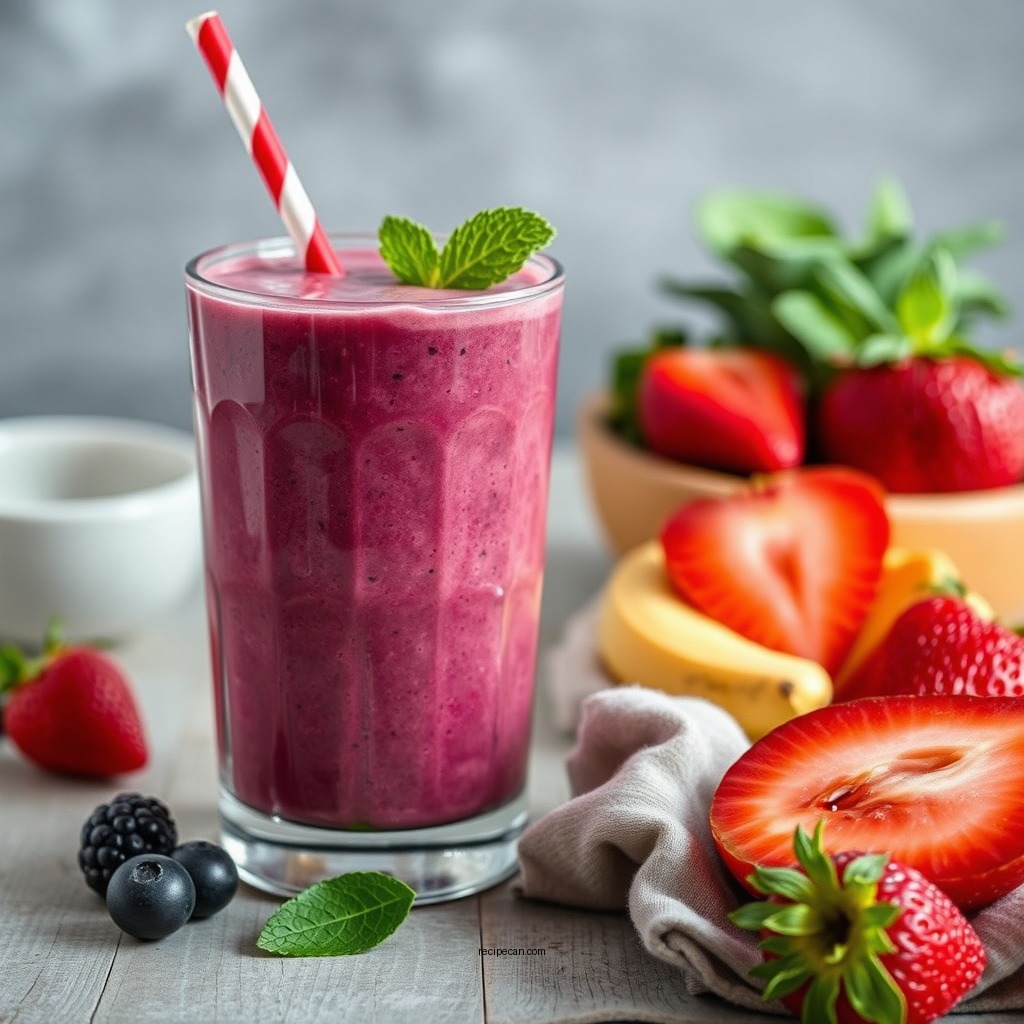
Here are five easy-to-make low carb fruit smoothie recipes that are both nutritious and delicious:
– Berry Blast Smoothie: Combine 1 cup of strawberries, ½ cup of raspberries, 1 cup of almond milk, and a scoop of protein powder in a blender. Blend until smooth for a refreshing, antioxidant-rich drink.
– Creamy Avocado Smoothie: Blend together 1 ripe avocado, 1 cup of fresh spinach, 1 cup of coconut milk, and the juice of 1 lime. This smoothie is rich in healthy fats and provides a creamy texture that is incredibly satisfying.
– Melon Medley Smoothie: Mix ½ cup of cantaloupe and ½ cup of honeydew with 1 cup of unsweetened coconut yogurt. This smoothie offers a tropical flavor and is perfect for a summer treat.
– Green Spinach Smoothie: Blend 1 cup of spinach, ½ cucumber, juice of 1 lemon, and a handful of blueberries. This nutrient-dense option packs a punch of vitamins while keeping carb counts low.
– Coconut Berry Delight: Combine 1 cup of mixed berries, 1 cup of coconut milk, and 1 tablespoon of chia seeds in a blender. This smoothie is not only filling but also provides Omega-3 fatty acids from chia seeds.
Nutritional Breakdown of Popular Low Carb Smoothies (2024)
Tips for Making the Perfect Low Carb Smoothie
Creating the perfect low carb smoothie involves a few key strategies:
– Use Frozen Fruit: Incorporating frozen fruits not only provides a thicker texture but also eliminates the need for added sugars. Frozen berries, for example, blend seamlessly and create a refreshing experience.
– Adjust Sweetness Naturally: If you find your smoothie lacks sweetness, consider adding a small amount of natural sweeteners such as stevia or erythritol. These options are low in carbs and will not spike your blood sugar levels.
– Experiment with Herbs and Spices: To enhance the flavor profile of your smoothie, try adding fresh herbs like mint or spices like cinnamon. These ingredients can elevate your drink and provide additional health benefits.
Storage and Preparation Tips
To maximize convenience and freshness, consider the following storage and preparation tips:
– Prepare Smoothie Packs: For quick and easy smoothies, portion out your ingredients in advance and freeze them in bags. This way, you can simply blend your pack with your choice of liquid when you’re ready to enjoy.
– Store Leftovers Properly: If you have leftover smoothie, store it in an airtight container in the refrigerator. Aim to consume it within 24 hours for optimal taste and freshness.
– Invest in a High-Speed Blender: A quality blender will ensure a smooth and creamy texture, essential for enjoying your smoothies. High-speed blenders are particularly effective at breaking down fibrous ingredients, ensuring a delightful drinking experience.
Common Mistakes to Avoid
When creating your low carb smoothies, it’s crucial to avoid common pitfalls:
– Using High-Carb Fruits: Avoid fruits like bananas and mangoes that can quickly increase your smoothie’s carb count. Stick to low carb options like berries and avocados.
– Not Measuring Ingredients: It can be easy to overlook portion sizes when preparing smoothies. To maintain low carb counts, consider measuring your ingredients carefully.
– Skipping Protein Sources: Incorporating protein into your smoothie not only helps you feel full but also balances blood sugar levels. Consider adding protein powder or Greek yogurt for a satisfying meal replacement.
Summarizing the benefits and delicious options available, low carb fruit smoothies can be a fantastic addition to your diet. By utilizing the right ingredients and following these recipes, you can enjoy refreshing beverages that support your health goals. Start blending today and explore the variety of flavors that await you!
Frequently Asked Questions
What are some low carb fruit smoothie recipes that are easy to make?
Some easy low carb fruit smoothie recipes include a spinach and avocado smoothie, which combines unsweetened almond milk, a half avocado, a handful of spinach, and ice. Another option is a berry smoothie made with frozen raspberries, a scoop of protein powder, and coconut milk, providing flavor without the high carbs.
How can I make my low carb fruit smoothie taste better?
To enhance the flavor of your low carb fruit smoothie, consider adding natural sweeteners like stevia or monk fruit, which won’t increase carb content. Incorporating spices such as cinnamon or vanilla extract can also elevate the taste, while adding a scoop of Greek yogurt can improve creaminess without adding too many carbs.
Why should I choose low carb fruits for my smoothies?
Choosing low carb fruits for your smoothies is essential for maintaining a low carbohydrate diet, which can aid in weight loss and stabilize blood sugar levels. Fruits like berries, melons, and avocados are lower in sugar and carbs compared to bananas or mangoes, making them ideal for a nutritious and satisfying smoothie.
What are the best low carb fruits to use in smoothies?
The best low carb fruits for smoothies include berries such as strawberries, blueberries, and blackberries, as they are low in sugar and high in fiber. Additionally, avocados and cucumbers can add creaminess while keeping carb counts low, making them excellent choices for a healthy smoothie base.
Which ingredients can I add to a low carb fruit smoothie for extra nutrition?
You can add ingredients like spinach, kale, or protein powder to increase the nutritional value of your low carb fruit smoothie. Healthy fats like chia seeds or flaxseeds not only boost omega-3 fatty acids but also help keep you feeling full longer, making your smoothie more satisfying and nutritious.
References
- https://www.health.harvard.edu/staying-healthy/the-truth-about-fruit
https://www.health.harvard.edu/staying-healthy/the-truth-about-fruit - https://www.ncbi.nlm.nih.gov/pmc/articles/PMC5823531/
https://www.ncbi.nlm.nih.gov/pmc/articles/PMC5823531/ - https://www.mayoclinic.org/healthy-lifestyle/nutrition-and-healthy-eating/in-depth/smoothies/art-20045940
https://www.mayoclinic.org/healthy-lifestyle/nutrition-and-healthy-eating/in-depth/smoothies/art-20045940 - https://www.cdc.gov/healthyweight/healthy_eating/fruits.html
https://www.cdc.gov/healthyweight/healthy_eating/fruits.html - Healthy diet
https://www.who.int/news-room/fact-sheets/detail/healthy-diet - Google Scholar Google Scholar
https://scholar.google.com/scholar?q=low+carb+fruit+smoothie+recipes - Google Scholar Google Scholar
https://scholar.google.com/scholar?q=nutritional+benefits+of+smoothies - Google Scholar Google Scholar
https://scholar.google.com/scholar?q=fruit+smoothies+low+carbohydrate+diet - low carb fruit smoothie recipes – Search results
https://en.wikipedia.org/wiki/Special:Search?search=low+carb+fruit+smoothie+recipes - https://www.ncbi.nlm.nih.gov/search/research-articles/?term=low+carb+fruit+smoothie+recipes
https://www.ncbi.nlm.nih.gov/search/research-articles/?term=low+carb+fruit+smoothie+recipes
